REVIEW · CHIANG MAI
2 Days Hiking Tour in Chiang Mai
Book on Viator →Operated by TEE WATERTOWN · Bookable on Viator
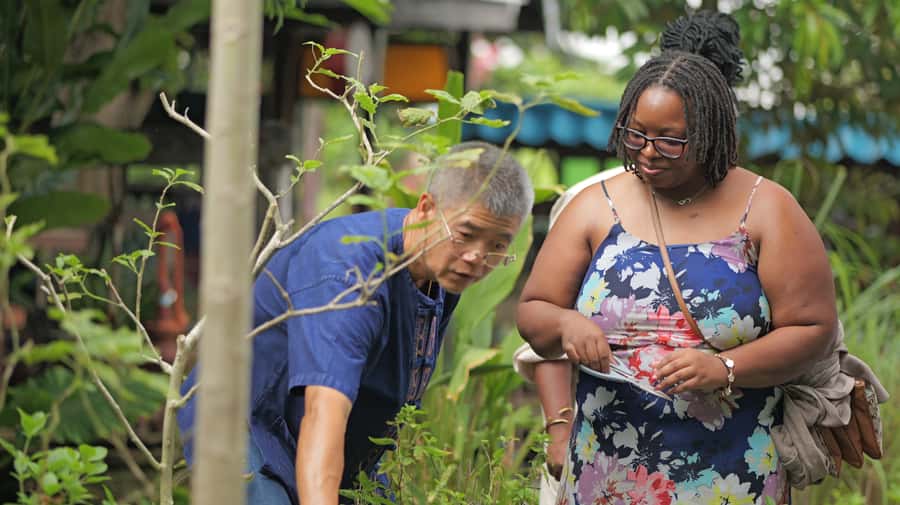
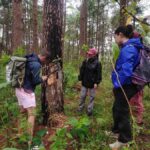
Two days, one real jungle night. This Chiang Mai hiking tour mixes short drives, a proper jungle walk, and time in a Karen hill-tribe village with panoramic views and real nature time. What I like most is the way the guides, including Dali and Fern, point out useful plants and share hands-on jungle know-how like foraging mushrooms and herbs.
I also really like the human scale of the Karen bamboo house overnight, where your day is shaped by the village rhythm instead of a hotel schedule. One possible drawback: the hiking is not a stroll. You should have moderate physical fitness for long stretches in uneven jungle paths and several hours between stops.
In This Review
- Key highlights to know before you go
- Chiang Mai jungle hiking with a Karen overnight: what this trip really feels like
- Day 1 starts with a market stop and a jungle lunch at Mae Saphok Waterfall
- Banana gardens, viewpoints, and the slow build to Karen hill-tribe life
- Overnight in a bamboo house: the part that changes your travel pace
- Day 2 local breakfast, a second Karen stop, and jungle time that keeps going
- Waterfalls and the jungle beach: what to expect when the trail pays off
- Transport, timing, and pacing: why this tour works as a two-day window
- Price and value: is $130.21 fair for a two-day Karen jungle experience?
- What to pack for Chiang Mai jungle trekking with a bamboo-house night
- Who should book this tour, and who might want a different style
- Should you book the 2 Days Hiking Tour in Chiang Mai?
- FAQ
- How long is the Chiang Mai 2-day hiking tour?
- Is hotel pickup included?
- Do you spend the night in a Karen village?
- What fitness level do I need?
- What is the price per person?
- Is free cancellation available?
Key highlights to know before you go
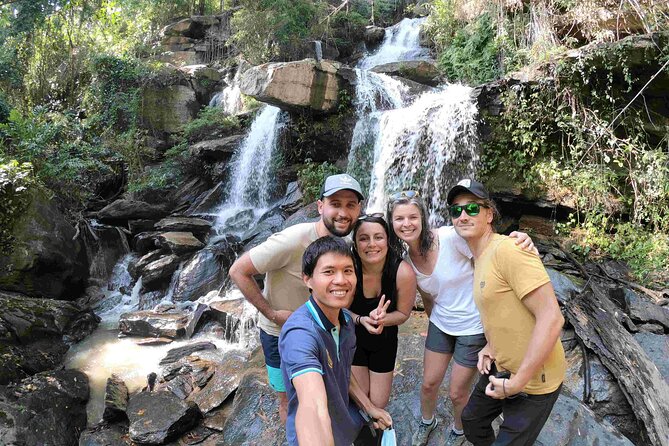
- Dali and Fern style of guiding: plant spotting and practical foraging tips, plus lots of energy on the trail
- Mae Saphok Waterfall stop: a jungle hike with a lunch break by the waterfall area
- Karen village experience with a bamboo-house night: simple sleeping setup and a chance to see daily life up close
- Banana garden break: a playful pause where you can try bananas from the trees if they’re ready
- Jungle beach + swim time on Day 2: a surprising payoff after the longer walk
- Group size cap of 50: big enough to feel lively, small enough to move together
Chiang Mai jungle hiking with a Karen overnight: what this trip really feels like
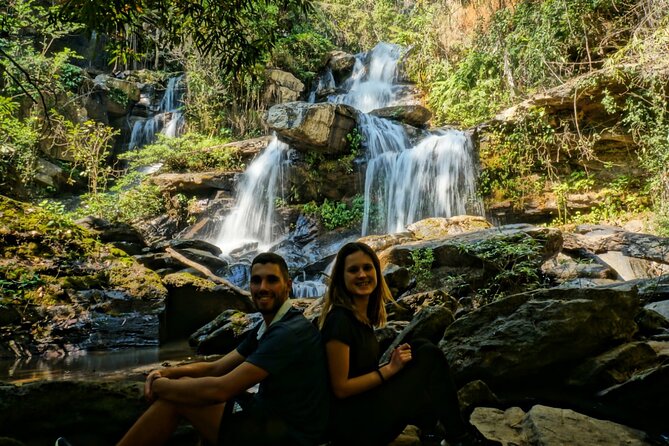
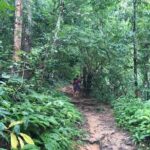
This is the kind of trek that gives you two different “types” of time. You get classic hiking time in green, muddy, fragrant jungle trails. And you get a day-and-night slice of Karen hill-tribe life that feels simpler and slower than what you’re used to in Chiang Mai city.
The route is built around a few concrete anchors: a waterfall you reach by foot, a Karen village where you spend free time, and a second day that includes another jungle highlight and a spot where you can swim. Even with those anchors, the real value is how the guide keeps you moving and noticing details—plants, edible greens, and the small things that make a jungle walk feel different from a theme-park nature stroll.
If you like active travel that still has people at its center, this tour hits a good balance. You’re not just collecting photos. You’re learning how to interpret what you see.
You can also read our reviews of more hiking tours in Chiang Mai
Day 1 starts with a market stop and a jungle lunch at Mae Saphok Waterfall
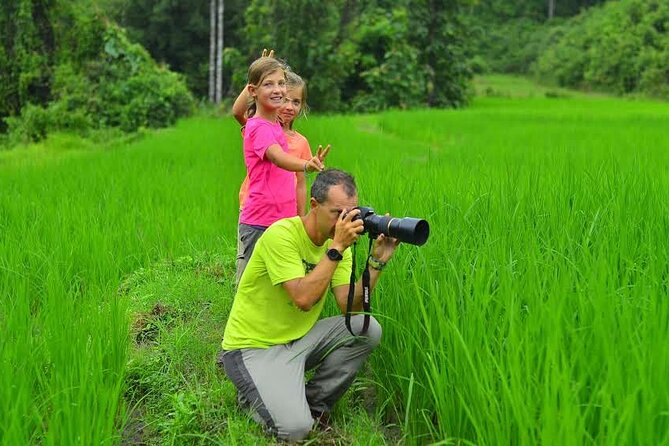
Your first morning begins with hotel pickup, then a drive of about 40 minutes to a local market area. You get roughly 20 minutes to buy anything you want for the hike, which is handy if you want snacks, water, or whatever helps you feel comfortable later.
From there, you drive again for about 45 minutes to get you to the hiking start point. That matters because it keeps the morning from being “travel-only.” You’re already in the countryside before your first real uphill moment.
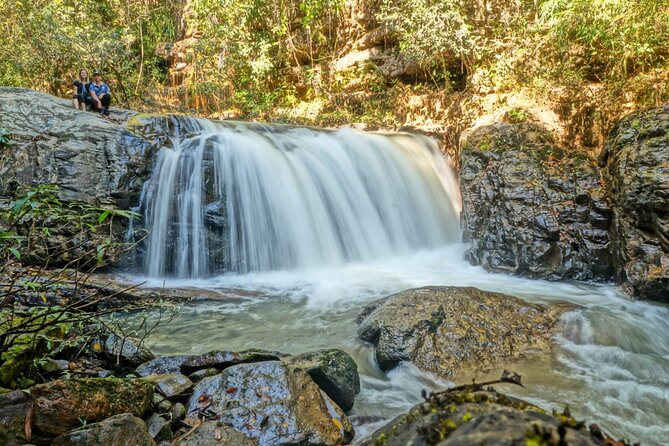
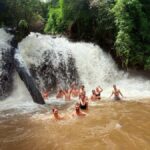
The first big nature stop is Mae Saphok Waterfall. You hike into the jungle, then you reach the waterfall area for lunch and a break. The itinerary notes about an hour here, and the waterfall stop includes admission. Expect this to feel like your rhythm-reset moment: sit, eat, drink water, and let your body cool down before you keep walking.
One practical note: you’re in the jungle, so conditions can mean slippery rocks or wet ground around the waterfall. Wear shoes you trust and bring a bag you can close well.
Banana gardens, viewpoints, and the slow build to Karen hill-tribe life
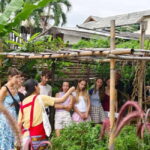
After the waterfall, the next part is shorter and more playful: a banana garden stop. You’ll walk through the area for about 30 minutes, and you can eat bananas from the tree if they’re good to eat. This is the kind of moment that’s easy to underestimate until you’re standing there and realizing how different the terrain and food sources feel compared with home.
This section also includes time for beautiful viewpoints. You’re not just hiking in a straight line. The trail gives you chances to look out and breathe, which helps when Day 1 still has the overnight coming up.
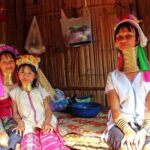
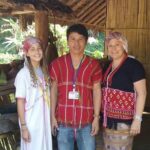
Then the trip shifts toward people, not only scenery. You arrive at the Karen hill tribe village in the afternoon, around 2:30 to 3:30 pm. Your guide shares information about daily life there, then you get free time to visit and look around. You also spend time at a place where there’s space to ask questions in a respectful way, instead of feeling like you’re rushing through.
If you like travel where you can actually talk with your surroundings, this is a strong block of the day. It’s long enough to feel like you’ve stepped into another rhythm.
Overnight in a bamboo house: the part that changes your travel pace
The overnight is a centerpiece: you stay in a bamboo house in the Karen village. The setup is described as simple—bed-like sleeping for the same kind of living rhythm as local people, with everything kept local.
Here’s why this can be powerful for the right traveler. Hotels are designed to help you forget the outside world. A village stay does the opposite. You’re reminded that nature and daily routine run the show here: the air, the soundscape, the timing of meals and rest, and the feeling of being off the usual tourist track.
The next morning also includes a detail that’s worth taking seriously: on Day 2 you’ll reach another Karen village area described as having no electricity. Even if you don’t experience that exact setting during the first night, it’s a clear hint that the trip is built around real-life simplicity, not comfort-first tourism.
So while this is a memorable cultural stop, it’s also not the place to expect modern amenities. If you can handle basic conditions and you’re curious about how people live, you’ll likely get a lot out of this night.
Day 2 local breakfast, a second Karen stop, and jungle time that keeps going
Day 2 starts with local breakfast. The tour description calls out soft-boiled rice and some fruits, with a note that you may not be able to change the meal. That’s actually part of the value: it’s not pretending you’re in a Western-style breakfast setting. You’re eating what the village eats, in the context of the trip.
Then you begin another walk. Around one hour into Day 2, you reach a Karen village area with no electricity. The guide explains life there and you get the chance to see the difference between your day-to-day and how people structure theirs. This stop is short, but it changes the way you read the rest of the morning. You’re moving through nature, yes—but you’re also watching how the community lives with their environment.
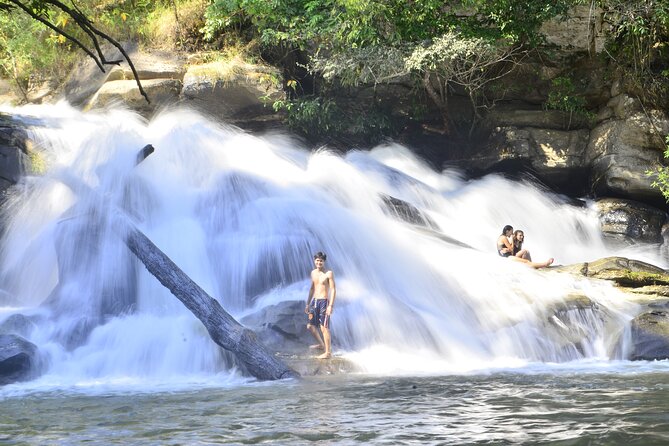
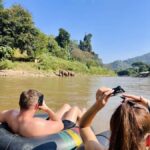
After that, the route turns back toward nature. You continue hiking and eventually reach a waterfall and the “beach within the jungle.” The key detail: you can swim there. Then you walk about 30 minutes back to the car park. The description indicates this whole stretch is a long jungle period—4 to 5 hours within the jungle—so plan for a real effort.
This day is the hike payoff day. The swimming option helps break up fatigue, but only if you dress and pack smart. Wet clothes plus jungle paths can feel cold or uncomfortable fast, so bring something that helps you handle sweat and rain.
A few more Chiang Mai tours and experiences worth a look
Waterfalls and the jungle beach: what to expect when the trail pays off
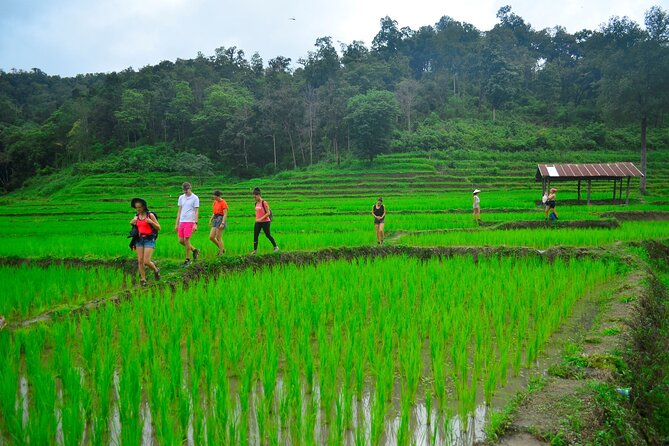
This tour gives you two waterfall moments—Day 1 at Mae Saphok Waterfall, and another unnamed jungle waterfall on Day 2 that you reach on the way to the jungle beach area. The Day 2 waterfall is described as located in the jungle with the kind of trail access that means you see it when you’re walking through the area, not from a roadside viewpoint.
And then comes the surprise: the beach in the jungle. The tour notes that you can refresh yourself there and swim if you want. The “beach” part of this can be confusing if you picture a tropical shore lined with palm trees. In jungle settings, it usually means a riverbank or small sandy/rocky area where water access is possible. The practical takeaway is simple: bring swim-ready items if you plan to get in.
Also remember: waterfall and jungle beach time often means humidity, wet ground, and insects. If you go expecting a clean, dry walk the whole way, you’ll be disappointed. If you go expecting a jungle workout and a chance to cool off, it feels about right.
Transport, timing, and pacing: why this tour works as a two-day window

This trek is designed to fit into a busy trip schedule without turning into a marathon. Day 1 includes hotel pickup, a market stop, a drive to the hike start, the waterfall lunch break, then time in the village, and finally the overnight. Day 2 then starts early with breakfast, a village visit, then a long jungle section and a swim before returning.
Those time chunks matter. The market stop gives you a buffer for snacks. The waterfall gives you a break and a meal. And the overnight gives you a full day of rhythm change.
One more detail I like about the structure: the tour lists a maximum of 50 travelers. With a group that size, you’ll probably still have a guided flow where everyone meets at trail junctions. You also avoid the “everyone disappears” feeling you can get in larger multi-day treks.
Price and value: is $130.21 fair for a two-day Karen jungle experience?
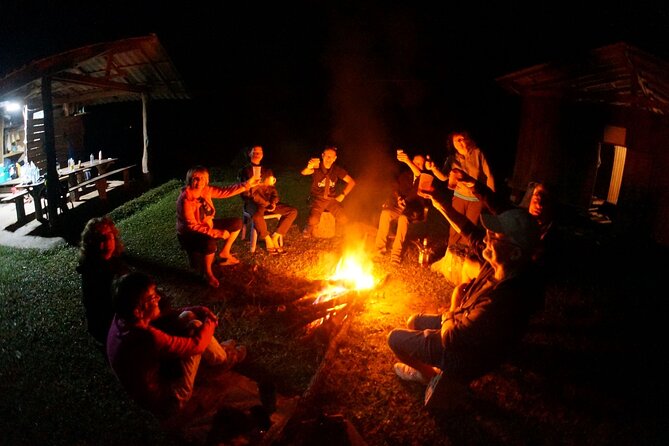
At $130.21 per person for a two-day, one-night hiking experience, the best way to judge value is what’s included besides the hiking itself. This tour includes pickup, an overnight stay in a bamboo house, and the guided walking route connecting multiple stops—waterfall areas, village time, and the jungle beach swim.
You also get a guide who’s invested in what you see. From the trip descriptions and what the guides are known for, the learning isn’t generic. It’s plant and foraging-focused, with guide-led explanations and chances to try foods or greens that are connected to what locals gather (when appropriate).
Will you spend extra on top? You might, depending on what you buy at the market stop for your hike. But the core day-to-day costs are already covered by the structure: transport segments, guided stops, and the village overnight setup.
In plain terms: this isn’t a luxury comfort trek. It’s more like a guided nature + culture experience with real access. If you’re looking for polished comforts, you’ll likely feel like you paid for a simpler lifestyle. If you want authenticity and don’t mind basic conditions, it can feel like a good deal.
What to pack for Chiang Mai jungle trekking with a bamboo-house night
You can’t pack for “perfect weather” in the jungle. You pack for mud, sweat, rain odds, and comfort during downtime. Since the tour includes waterfall time, a village overnight, and a potential swim, I’d aim for practical basics:
- Good hiking shoes with traction for wet paths
- A small daypack that can handle damp conditions
- Quick-dry clothes or a change for the end of Day 2
- Swim gear only if you’re ready to actually use it at the jungle beach
- A light layer for mornings and evening cooling
Also, think about personal comfort in the bamboo house. The description emphasizes simple sleeping and local conditions. Bring what helps you sleep well even in basic setups (like a thin sleep liner or earplugs if you’re sensitive to nighttime sound), as long as it fits your travel style.
Who should book this tour, and who might want a different style
This tour is a strong fit if you:
- Want a real hiking experience that includes jungle time, not just a short nature walk
- Like meeting local communities through a guided, structured visit
- Don’t mind basic accommodations and prefer cultural rhythm over comfort upgrades
- Enjoy learning practical outdoor skills like plant spotting and foraging stories from guides such as Dali and Fern
It may feel like the wrong match if you:
- Need a totally low-effort walk (the Day 2 jungle segment is described as 4 to 5 hours)
- Expect lots of modern amenities at the village stops (including areas without electricity)
- Prefer fully predictable, dry ground and easy trail navigation
If you’re a confident hiker with a curious attitude, you’ll likely enjoy the whole arc: market to waterfall to bamboo-house night to jungle beach.
Should you book the 2 Days Hiking Tour in Chiang Mai?
I’d book it if your travel idea of a win is simple: walk through jungle, eat local food, learn from guides, and spend a night in a Karen village setting instead of bouncing back to town every evening. The fact that the tour includes both nature highlights (Mae Saphok and a second waterfall plus swimming) and a village experience gives you a fuller story than many single-day hikes.
Book if you’re okay with moderate hiking effort and basic overnight conditions. Bring good shoes, plan to get wet at least a little, and treat the village time with respect and curiosity.
Skip it if you want maximum comfort, minimal hiking, or a purely photo-driven nature outing. This one is built for active travelers who enjoy learning from the people who live close to these trails.
FAQ
How long is the Chiang Mai 2-day hiking tour?
The tour lasts 2 days (approx.).
Is hotel pickup included?
Yes. The tour offers pickup from your hotel.
Do you spend the night in a Karen village?
Yes. You spend the night in a Karen hill tribe village in a bamboo house.
What fitness level do I need?
You should have a moderate physical fitness level.
What is the price per person?
The price is $130.21 per person.
Is free cancellation available?
Yes. You can cancel for a full refund up to 24 hours in advance of the experience start time. If you cancel less than 24 hours before, the amount paid is not refunded.