REVIEW · BANGKOK
Thai cooking class experience in Bangkok with Tingly Thai cooking school
Book on Viator →Operated by BKK Best Tours · Bookable on Viator
A Bangkok cooking class beats another dinner out every time. Here you learn four Thai favorites with an English-speaking instructor, with a morning market tour option to show you where the flavors begin. I like that the class runs in clear blocks (morning, afternoon, evening) and that you leave with a recipe book you can actually use at home. One thing to consider: expect a lot of work and plenty of eating right in the session, so if you want long pauses to digest between dishes, you may feel a bit rushed.
The hands-on vibe is the point, and it’s a great use of a half day. I also like the school’s practical focus on ingredient tricks and even how to store Thai food, not just how to cook one meal. The downside is simple: drinks aren’t included, so you’ll likely pay for anything extra you order at the end.
In This Review
- Key things I’d circle before you go
- A Thai cooking class that feels practical, not performative
- Your half-day schedule in Bangkok (morning, afternoon, evening)
- What you’ll cook: tom yum, pad thai, mango sticky rice, and curry
- The morning market tour: what it teaches you about ingredients
- Inside the kitchen: how instructions are delivered
- Portioned meals, leftovers, and the pace question
- Where it is and how the class space works
- Value check: what $37.48 really buys you
- Who should book this Thai cooking class in Bangkok
- Should you book Tingly Thai Cooking School?
- FAQ
- How much is the Thai cooking class in Bangkok?
- How long is the class?
- What dishes do you cook?
- Do you get a recipe book?
- Does the class include a market tour?
- Are the ingredients and equipment included?
- Is there an English-speaking instructor?
- Is transportation included?
- Is the class affected by weather?
Key things I’d circle before you go
- Choose your time slot: morning (with market), afternoon, or evening
- You cook four dishes: tom yum, pad thai, mango sticky rice, plus a curry choice
- Take-home recipe book after class
- Market tour is only in the morning option
- Small-group feel with a max of 24 people
- Clean, well-run kitchen setup in a classroom space
A Thai cooking class that feels practical, not performative
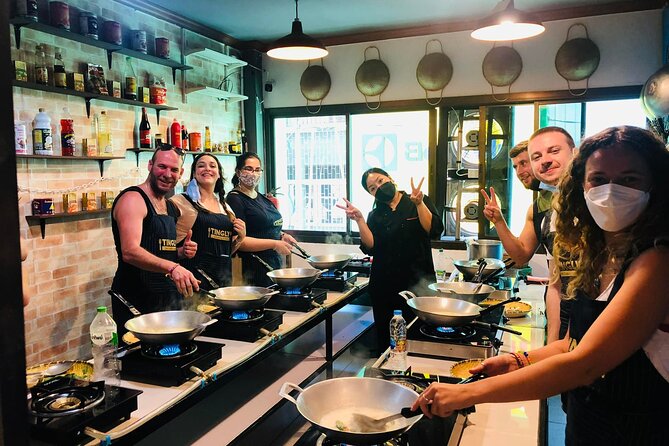
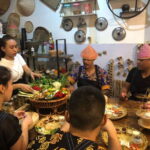
Bangkok has cooking schools everywhere, but this one stands out for how straightforward the experience is. You’re not watching someone else cook while you take photos. You’re in the kitchen making choices, chopping, mixing, and building flavor the Thai way, dish by dish.
What I like most is the “learn the system” approach. The school teaches the tricks and secrets behind Thai dishes, and they also cover proper storage methods. That second part matters. Thai food isn’t just about taste on day one. If you’ve ever tried to recreate a curry later and found it dull or off, you’ll understand why storage guidance is useful.
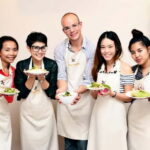
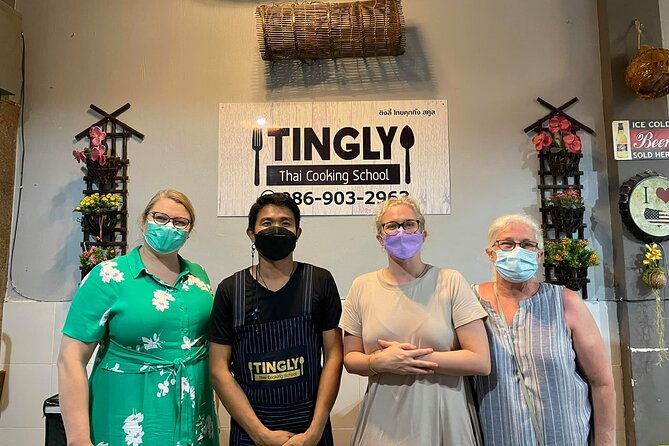
Another plus is the tone. From the way instructors are described, the class is fun and a bit playful. Names that come up again and again include Chau, Cho, Chong/Chon, and Naam, and the consistent theme is that they explain ingredients clearly and keep people involved. If you’re worried about language, the class includes an English-speaking instructor, so you can follow along without guessing.
You can also read our reviews of more cooking classes in Bangkok
Your half-day schedule in Bangkok (morning, afternoon, evening)
The timing is simple, which is exactly what you want in a city where plans change fast.
- Morning class: 08:30–12:00, and this version includes the market tour
- Afternoon class: 13:00–16:30
- Evening class: 18:00–21:00
Each option gives you about 3 hours 30 minutes of class time. That’s long enough to learn real steps, not just taste a sauce and leave.
So which one should you pick? If you want the full Thai “food journey,” go morning. You’ll see ingredients up close, then use what you bought or noticed soon after. If your schedule is packed or you prefer not to start early, afternoon is the comfortable middle. Evening works well if you want a memorable dinner plan without it becoming a late-night ordeal.
One small reality check: the class is active and focused. You’ll be cooking multiple dishes in sequence, and you should plan to eat what you make. Some people mention the pace can feel a little rushed if you’re hoping for extra time to sit and enjoy each course slowly.
What you’ll cook: tom yum, pad thai, mango sticky rice, and curry
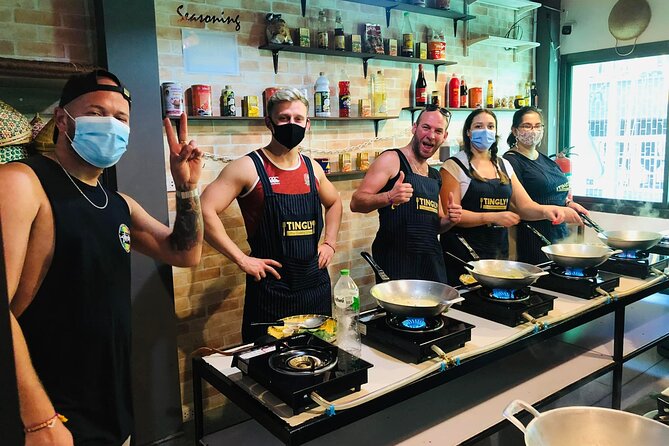
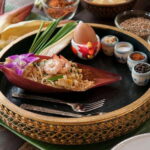
You’ll cook four classic Thai dishes. The exact curry style depends on the class, but the menu choices are consistent.
Here’s the lineup:
- Hot and sour tom yum soup
- Pad thai (fried noodles)
- Mango with sticky rice (mango sticky rice)
- Curry option: green, red, or panang
That variety is a smart way to learn Thai flavor. You get:
- A soup where balance matters (sour, hot, herbal notes)
- A noodle dish where timing and stir-fry technique matter
- A dessert that teaches sweetness, texture, and serving style
- A curry where paste + seasoning + simmering create the main flavor base
A useful detail: the class often results in more recipes than what you strictly cook during the session. Even when you only make one curry version during your specific class, the recipe book can broaden what you can recreate later.
If you’re a curry person, this is where you should pay attention when booking. You’ll make one curry choice (green, red, or panang) and learn how that flavor profile works. If you’re on the fence, green curry tends to feel herb-forward, red curry tends to feel richer and deeper, and panang often leans toward a thicker, more aromatic curry style. The important part is that you’ll learn the process behind whichever one you end up cooking.
The morning market tour: what it teaches you about ingredients
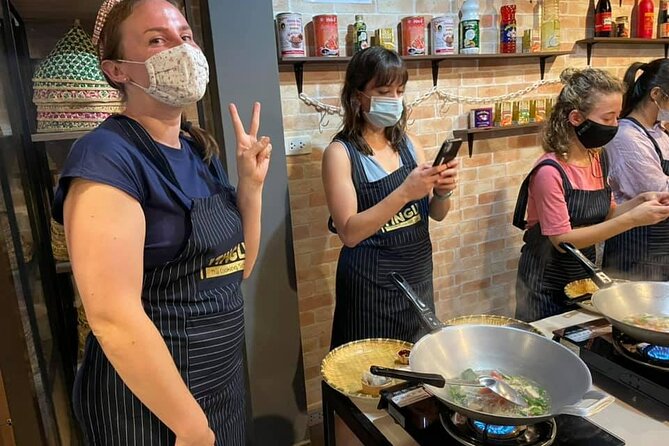
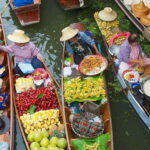
Only the morning class includes the market tour. It runs before you cook, so you’re not just “going shopping.” You’re training your eye for what makes Thai food taste Thai.
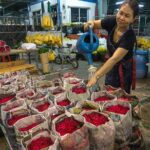
The market portion is described as a nearby area with stalls and carts, so it’s not a giant, polished shopping mall. In the morning, you’ll learn about the source of ingredients and likely see how herbs, aromatics, and produce are chosen daily.
Here’s how to use this part well:
- Look closely at fresh herbs and how they’re bundled or displayed
- Notice aromatic ingredients (the ones that smell strong right away)
- Ask questions about what’s used where, and when substitutions are acceptable
- If you have dietary preferences, let your instructor know, since the class has mentioned accommodating allergies/preferences
The market tour is one of the best reasons to choose morning. It turns your cooking from instructions into something you understand.
Inside the kitchen: how instructions are delivered
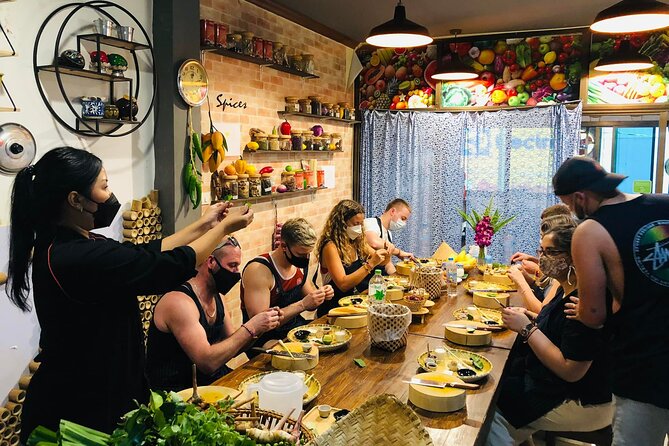
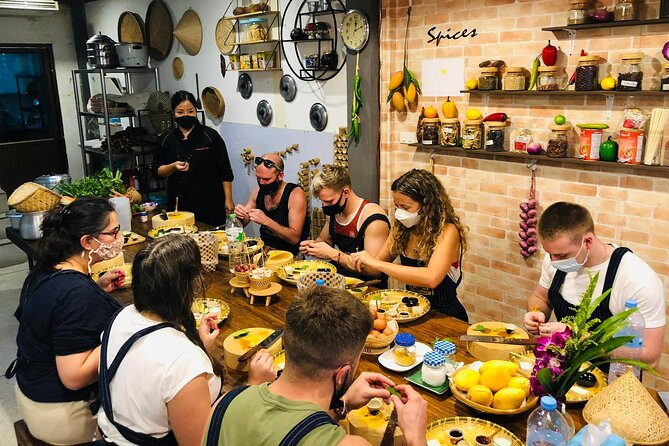
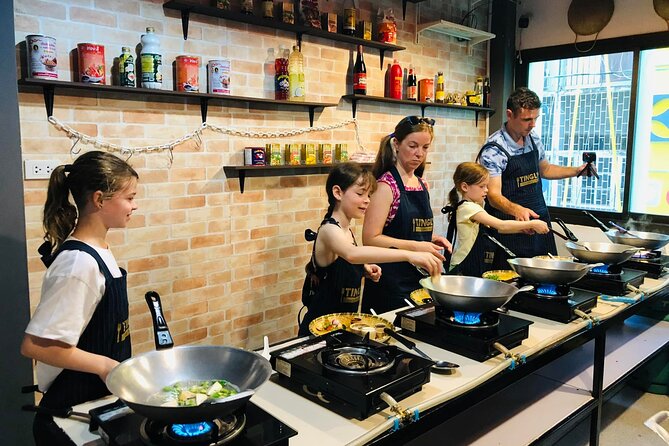
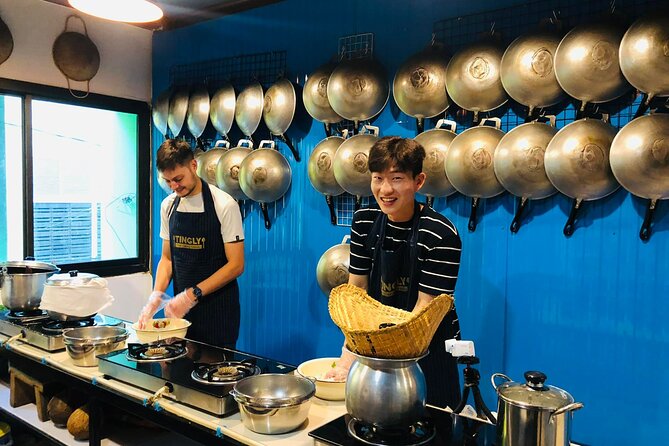
The kitchen setup is part of the reason people come back. Reviews mention the school is clean and uses an air-conditioned space. That matters in Bangkok heat.
You also get equipment and ingredients, so you’re not stuck figuring out what to buy. The class includes:
- All ingredients (market portion only in the morning class)
- All necessary equipment
- English-speaking instructor
- A recipe book after the class
The teaching style is hands-on and structured, moving meal to meal. Names like Cho and Chong/Chon are repeatedly linked with a fun, energetic approach, with explanations that are easy to follow. Several people also mention the instructor being patient with questions, which is a big deal if you’re slower at chopping or you just want to understand why a step matters.
One practical tip: go in hungry. Multiple descriptions mention big portions. Even if you don’t finish everything, you’re likely to have leftovers you can take away.
A few more Bangkok tours and experiences worth a look
Portioned meals, leftovers, and the pace question
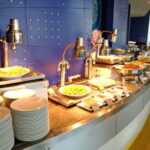
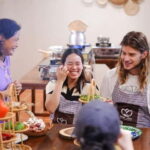
This class is designed to feed you. Portions can be large enough that you might feel full after the first dish and need to slow down. Several people mention taking leftover food back to where they’re staying.
That said, the way the class is scheduled can affect how it feels. A couple comments note it can feel a bit rushed for eating time between dishes. If your ideal cooking class includes long pauses, you may want the afternoon or evening slot simply because it matches your daily rhythm better. The pacing is still the pacing, but you’ll likely enjoy it more when you’re not already behind schedule.
Also, drinks are not included. If you plan to have bottled water, soft drinks, or anything else during the meal, budget for paying at the end.
Where it is and how the class space works
Meeting point is at:
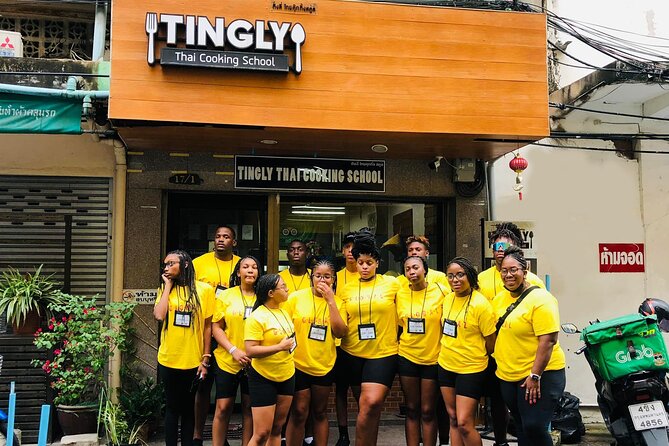
Tingly Thai Cooking School, Suriyawong 17/1 Soi Prachum, Khwaeng Suriya Wong, Khet Bang Rak, Krung Thep Maha Nakhon 10500, Thailand
It ends back at the meeting point.
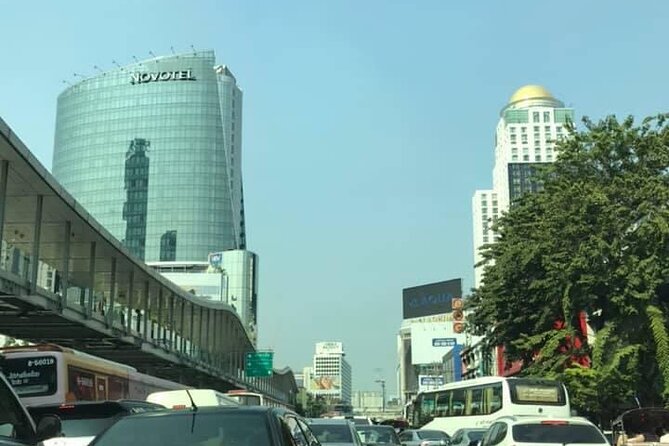
The school is near public transportation, which helps. You won’t need a complicated plan to get there. The class size is capped at 24 travelers, which is large enough to meet people but small enough that the instructor can still circulate.
Accessibility note from a real-world comment: the cooking area may involve stairs (someone using a wheelchair was helped but still had to take steps to cook upstairs). If that’s relevant for you, it’s worth asking ahead of time what exact setup will be on your date.
Value check: what $37.48 really buys you
At about $37.48 per person, this is priced like a budget-friendly food activity, not a splurge. And the value comes from three things you typically pay separately for elsewhere:
- Hands-on instruction from an English-speaking teacher
- Ingredients + equipment provided for multiple dishes
- A recipe book you can use after you return home
If you love pad thai or tom yum, this class gives you a framework for repeating the dishes rather than just eating them once. And because you cook both savory courses (tom yum, pad thai, curry) and a sweet course (mango sticky rice), you get a full spectrum of Thai flavors in one session.
Where the price can feel less like a bargain is if you’re the type who wants a quiet sit-down meal or you’re not into cooking. This class isn’t just “watch and taste.” It’s more hands-on than that, and you’ll get the most out of it if you’re willing to work.
Who should book this Thai cooking class in Bangkok
You’ll be happiest here if you:
- Want a memorable half-day plan that includes real cooking, not just tasting
- Like structured lessons and learning why Thai dishes taste the way they do
- Enjoy eating what you make (with likely leftovers)
- Prefer options that fit your schedule: morning, afternoon, or evening
It’s also a good match for couples and small groups. One person described it as a fun date activity, and the instructors’ humor seems to help the class feel light, even when you’re busy at the stove.
Skip it if:
- You want a low-effort activity where you do minimal cooking
- You have limited tolerance for active, time-pressured sessions
- You’re expecting drinks to be included in the experience
Should you book Tingly Thai Cooking School?
Yes, you should book it if you want a Thai cooking experience that teaches more than just one dish and gives you tools to recreate flavors later. The combination of four dishes, an option for a morning market tour, and a recipe book makes it a solid value for the time.
If your top goal is simply to eat Thai food with zero kitchen effort, you might be happier with a food tour or a casual restaurant meal. But if you want to take home skills, this is the kind of class you’ll actually use the next time you crave pad thai or tom yum.
If you can, choose the morning slot. It adds ingredient context, and that’s where the “this is real Thai food” feeling comes from.
FAQ
How much is the Thai cooking class in Bangkok?
The price is $37.48 per person.
How long is the class?
The duration is about 3 hours 30 minutes.
What dishes do you cook?
You cook four Thai dishes: tom yum soup, pad thai, mango sticky rice, and either green curry, red curry, or panang curry (the curry option depends on the class).
Do you get a recipe book?
Yes. You receive a recipe book after finishing the class.
Does the class include a market tour?
Only the morning class includes a market tour.
Are the ingredients and equipment included?
Yes. All ingredients and all necessary equipment are included. (For the morning class, the market portion is part of the experience.)
Is there an English-speaking instructor?
Yes. The class includes an English-speaking instructor.
Is transportation included?
No. Transportation is not included.
Is the class affected by weather?
Yes. The experience requires good weather. If it’s canceled due to poor weather, you’ll be offered a different date or a full refund.