REVIEW · BANGKOK
Bangkok: Tingly Thai Cooking School Half-Day Cooking Class
Book on GetYourGuide →Operated by N Bangkok Best Tour · Bookable on GetYourGuide
Thai food teaches fast.
In this Bangkok cooking class, you learn by doing, not watching. Two things I really liked: the instructors (people like Song and Cho often run the show) keep energy high while staying clear and patient, and the food you make tastes shockingly close to what you’d hope for in a good Thai kitchen.
You also get hands-on training with real technique, like making curry paste from scratch and learning how Thai flavor gets built step by step. One possible drawback: this is only about 3 hours, so if you want a slower, sit-back-and-absorb lesson, you might feel a bit rushed when you’re chopping and stirring.
Key takeaways before you book
- Choose morning for the market walk and pick ingredients while the shop doors are still open.
- Four dishes, made from scratch, including curry paste work and a sweet finish.
- Daily curry swap means your course can change by day: green, red, panang, or massaman.
- Recipes to take home, so the class isn’t just a one-time meal.
- English instruction with room to adjust for preferences like vegetarian options and allergies.
In This Review
- Tingly Thai Cooking School: The 3-Hour Plan in Plain English
- Morning Market Walk: The Ingredient Lesson You Can Taste
- What You Make: The Core Dishes and the Daily Curry Twist
- Curry Paste, Storage Tips, and Real Kitchen Skills
- Eating What You Cook: Why the Group Meal Matters
- Instructor Energy: Song, Cho, Nam, and Naam
- Vegetarian Options and Spice Control: Customize Without Stress
- Price and Value: $41 for Four Dishes and a Real Skill Set
- Who This Class Fits Best (and Who Might Want a Different Plan)
- Practical Tips So You Get the Best Outcome
- Should You Book Tingly Thai Cooking School in Bangkok?
- FAQ
- How long is the Bangkok Tingly Thai cooking class?
- What dishes are included in every class?
- Does the class include a market tour?
- What curry dishes are available on different days?
- Is pickup included from your hotel?
- Are alcoholic drinks included?
Tingly Thai Cooking School: The 3-Hour Plan in Plain English
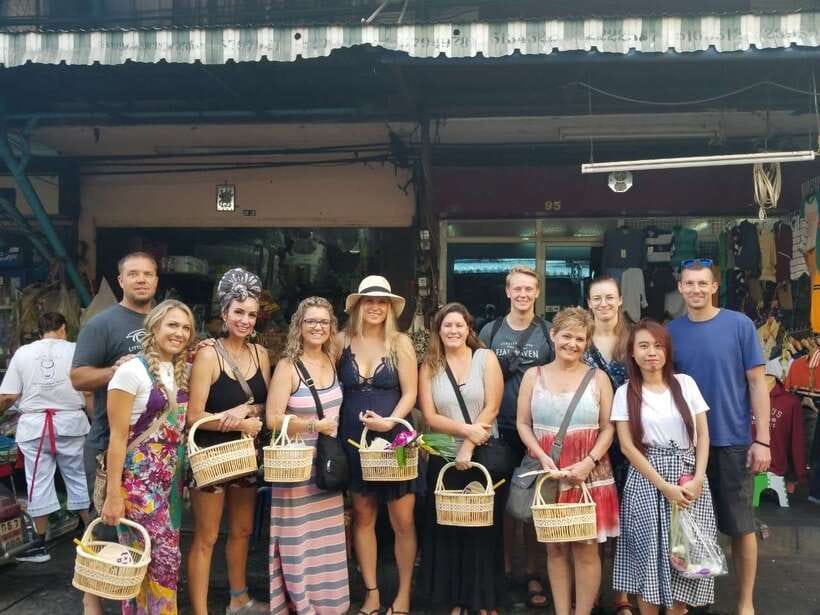
This is a half-day class built around a simple idea: you’ll cook enough Thai dishes that you actually understand the structure. It runs about 3 hours, so you get momentum fast, and you’re eating what you made by the end.
You meet at the Tingly Thai Cooking School, opposite the Marriott Hotel Surawong. The class is run in English, and you’ll work with all ingredients and equipment provided, plus drinking water during the session. If you’re the type who learns best by hands-on practice, this setup fits you.
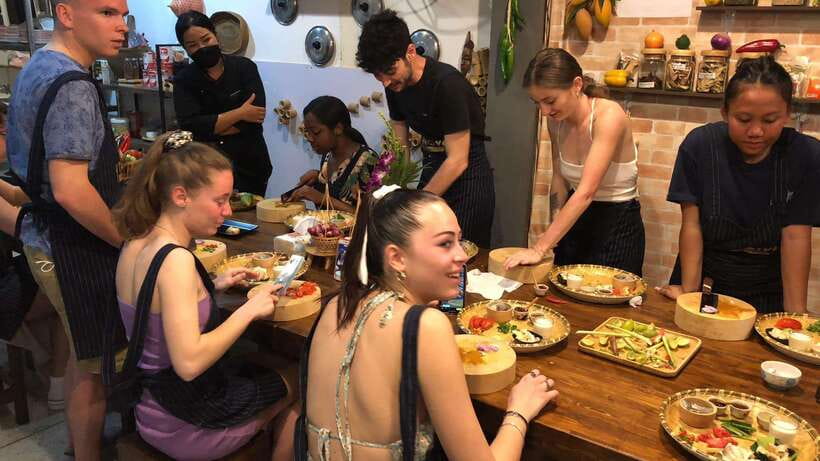
There’s also a practical side that I appreciate: the school doesn’t just hand you a plate. You prep, cook, and then sit down together with your group to eat your own work.
Morning Market Walk: The Ingredient Lesson You Can Taste
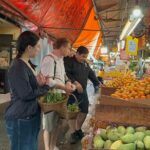
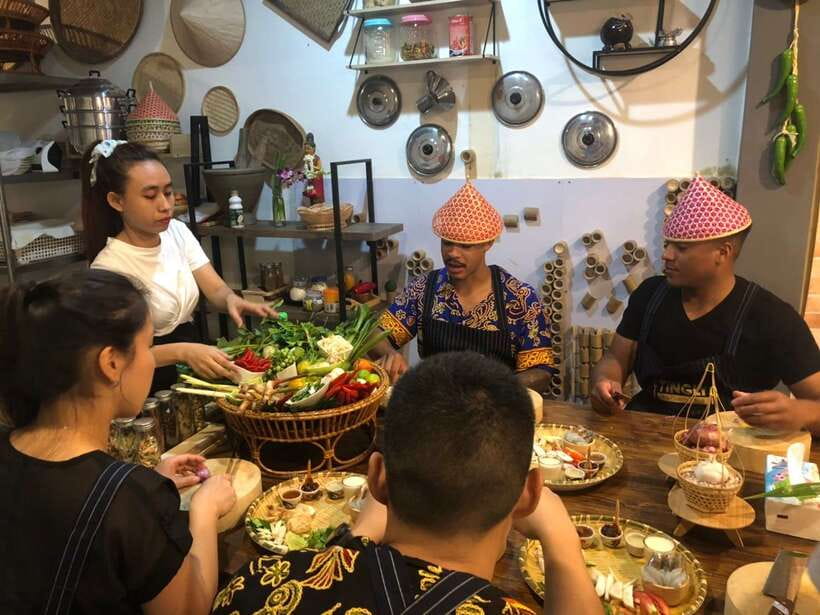
If you take the morning session, you get a market tour with your guide before you cook. The timing matters because markets have rhythms, and the morning option is designed to catch the stalls in full swing.
This part is more than sightseeing. Your guide shows you what to look for and how ingredients fit into Thai cooking. It helps you connect flavors to real items you’ll see again when you cook at home, not just abstract recipe steps.
The most useful takeaway here is the sense of selection. You’ll learn what’s fresh and why certain ingredients get used, from Thai herbs to the flavor bases that show up in curries and soups. You’ll also go into the kitchen already understanding some of what you’re about to chop.
You can also read our reviews of more cooking classes in Bangkok

What You Make: The Core Dishes and the Daily Curry Twist
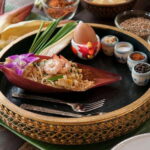
No matter which day you go, the menu includes Tom Yum Kung (hot and sour prawn soup) and Pad Thai Kung (Thai-style fried noodles with prawns). Those are your anchor dishes, and they cover two big Thai flavor categories: tangy heat and wok-style noodle balance.
Then you get mango sticky rice for dessert, the classic sweet finish that makes the whole class feel complete. It’s also a reminder that Thai cooking isn’t only about savory spice. There’s a comfort side here, too.
The fourth dish depends on the day of the class. This is one of the clever parts of the experience because it keeps the course variety while still staying focused on the same core skills:
- Green curry with chicken on Mondays and Fridays
- Red curry with chicken on Tuesdays and Saturdays
- Panaeng chicken curry on Wednesdays and Sundays
- Massaman curry with chicken on Thursdays
So even if you’ve eaten Thai food before, you’re still likely to learn something new because the curry you cook is determined by your schedule.
Curry Paste, Storage Tips, and Real Kitchen Skills
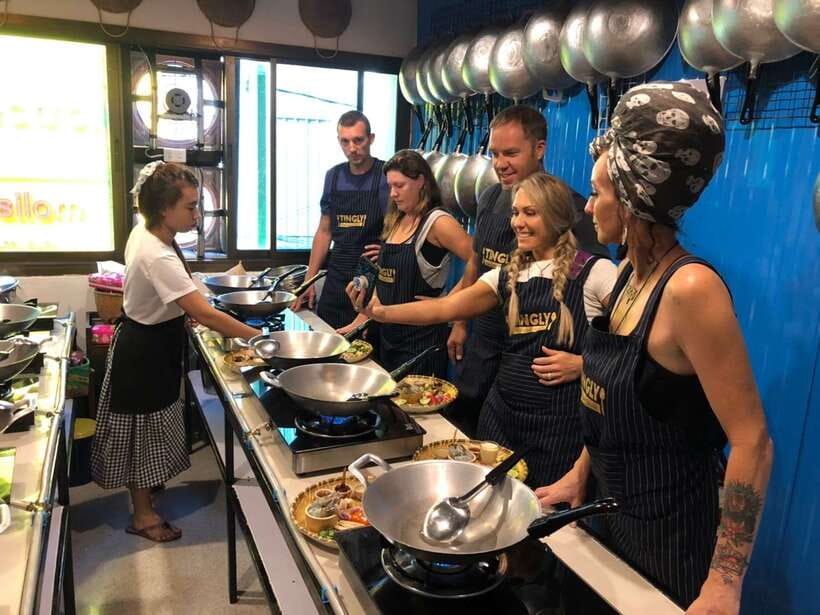
This is where the class becomes genuinely useful for you long after Bangkok. You’ll learn curry paste from scratch, which means you understand the flavor engine instead of relying on store-bought shortcuts. Guides often explain how the paste-building step changes the final taste, and you feel that difference while cooking.
You’ll also get instruction on how to store Thai food, which sounds minor until you try to reproduce the dish at home and realize leftovers behave differently than you expected. Thai cooking has texture and timing, and storage affects both.
And because this is a class, not a demo, you’ll be actively prepping ingredients as you go. That matters if you’re worried about cooking being complicated. The structure is set up so you’re never guessing what to do next.
Eating What You Cook: Why the Group Meal Matters
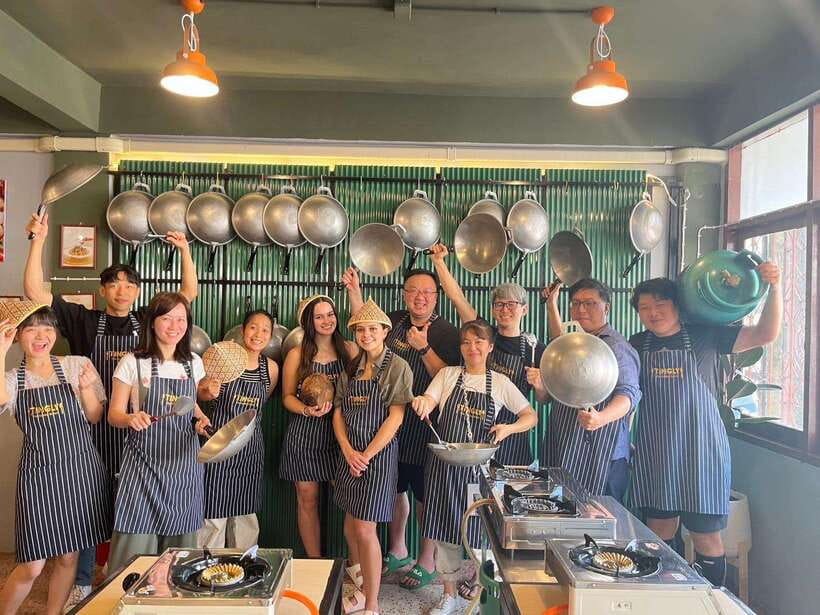
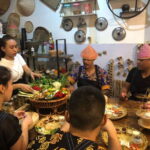
After the cooking comes the best reward: you eat your own dishes. This isn’t a vague buffet line where you grab anything. You’re sitting down with what you made, which gives you a real reference point for flavor and technique.
Most people leave with a stronger sense of what good Thai food tastes like when you control the basics. It also helps you spot what you personally adjusted, like spice level or ingredient choices, so you can repeat the success later.
One extra plus: many instructors keep the vibe social without turning it into chaos. In sessions led by people like Naam or Nam, the class style tends to be high-energy and funny, with clear coaching so everyone stays included.
Instructor Energy: Song, Cho, Nam, and Naam
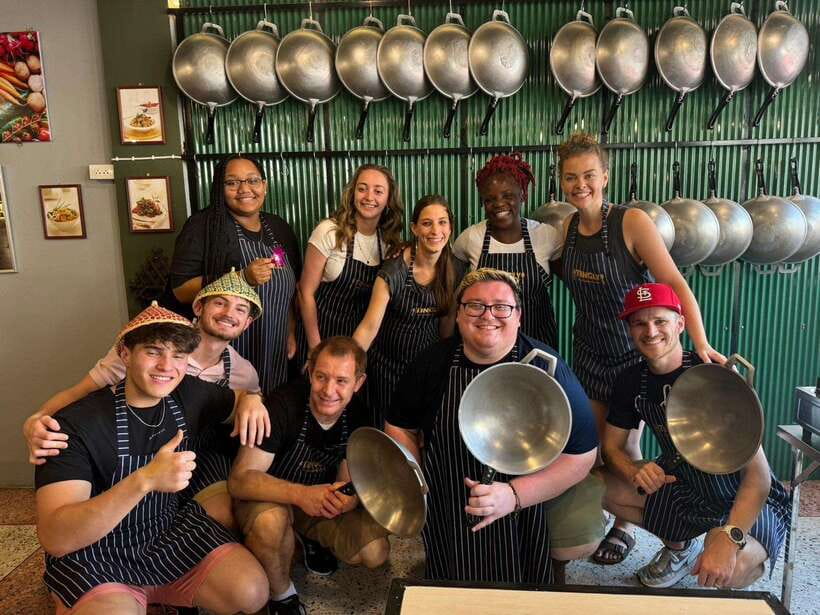
The school’s strength shows up through the people leading it. You’ll likely hear names like Song, Cho, Nam, or Naam depending on your session, and in many cases the leadership style is the same: upbeat, interactive, and focused on clear steps.
What I like about this is practical. Humor and energy can actually help you remember technique, like what to watch for in the paste stage or how to keep the soup balanced. It also makes it easier if you’re nervous about cooking. The class is designed so you can keep up even if you’re not a confident home cook.
There’s also support for dietary needs. The class includes vegetarian options, and instructors can accommodate needs like food allergies when you share them ahead of time. If you’re traveling with allergies, this is the one category where you should communicate early and clearly so they can plan ingredient swaps.
A few more Bangkok tours and experiences worth a look

Vegetarian Options and Spice Control: Customize Without Stress
Thai food can be intense if you go in blind, but the class gives you a way to manage it. You can adjust spice to your comfort level, and that’s important if you like Thai flavors but don’t want to sweat through the entire lesson.
Vegetarian options are included, which is a real benefit if you’re traveling with someone who doesn’t eat meat. Since the course focuses on technique, the vegetarian version still teaches the same flavor logic.
If you have allergies, don’t assume anything will happen automatically. Share the details so the instructor can change ingredients appropriately. This class is set up to support changes, but you still need to tell them what matters.
Price and Value: $41 for Four Dishes and a Real Skill Set
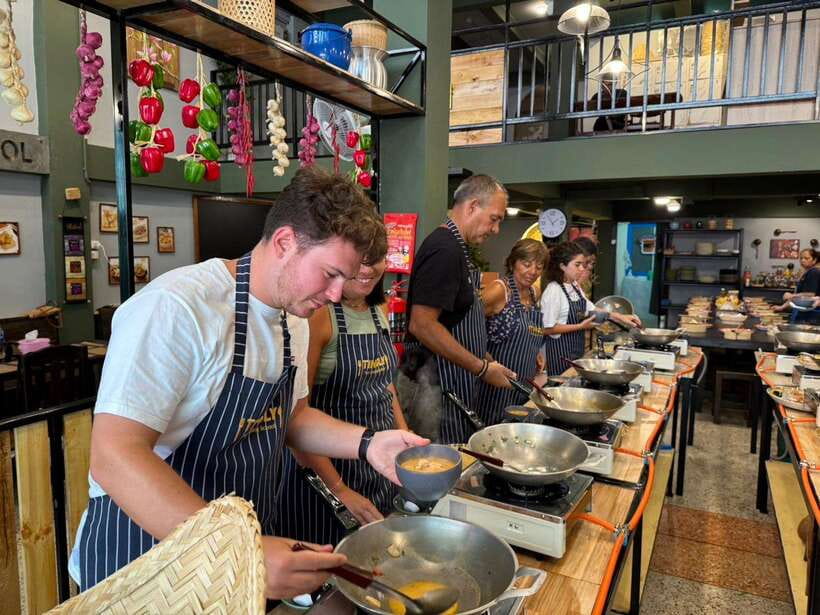
At $41 per person for a 3-hour session, you’re paying for more than entertainment. You’re paying for ingredients, equipment, instruction, and a meal that includes four dishes made from scratch (plus recipes to take home).
In Bangkok, cooking classes can range widely, and the value depends on whether you truly cook or just watch. Here, you cook. You do the prep. You learn curry paste. You make the dishes you’ll eat. That’s why the price feels fair.
Also, the recipes aren’t just a paper souvenir. They’re meant for you to remake what you learned. That matters because the real “return” on a cooking class is whether you can reproduce it later.
If you choose the morning market session, you’re adding ingredient education on top of the kitchen time. That’s a strong value boost because it connects Thai cooking to the real shopping choices that shape taste.
Who This Class Fits Best (and Who Might Want a Different Plan)
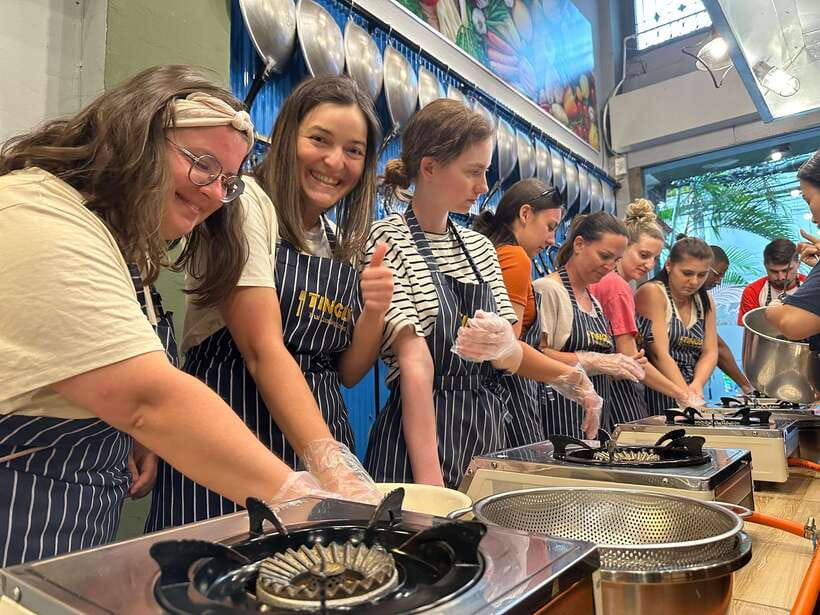
This works especially well if you want a hands-on food experience that gives you skills you can repeat. It’s also a good choice for solo travelers because the group setup makes it easy to meet people without awkward icebreakers.
Families can do it too, and many sessions report that kids (including teens) have been able to follow along with guidance. That said, it’s not suitable for babies under 1 year or children under 3 years.
If you’re already a confident cook and want a deep, slow culinary seminar, you might find the class pace quick. But if you want practical, “I can cook this at home” training, this is a solid match.
Practical Tips So You Get the Best Outcome
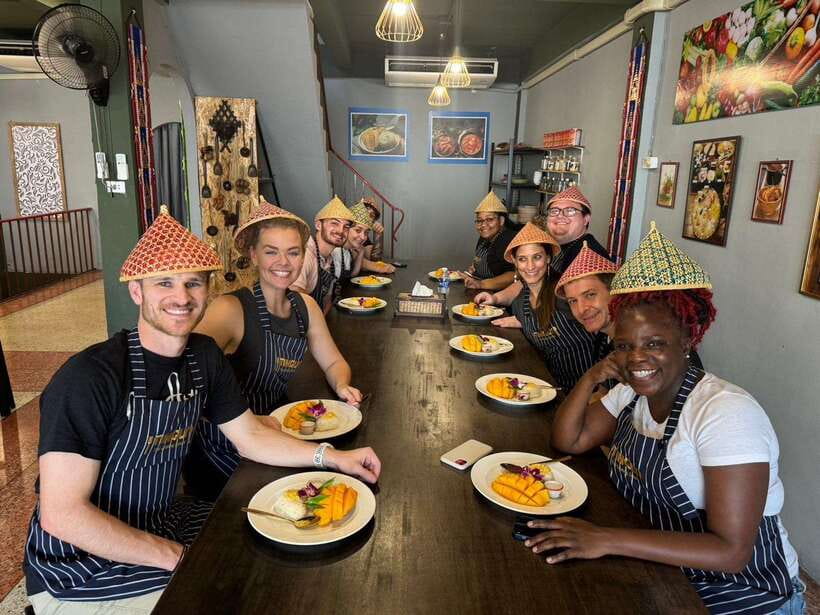
Go hungry. People keep saying it because it’s true: you’re making four dishes and eating them. If you want to enjoy everything, skip breakfast, especially on the morning tour.
Wear shoes you can stand in. Cooking stations can be active, and you’ll be moving between prep and cooking without much downtime.
Be ready to taste and adjust. Thai cooking rewards small tweaks, especially with curry balance and noodle texture. Ask questions when something feels off, and use spice level options early so it’s set for your cooking.
If you have dietary restrictions, tell the school before you go. The class includes vegetarian options and has supported allergy adjustments, but your communication is what makes those changes possible.
Should You Book Tingly Thai Cooking School in Bangkok?
I think you should book if you want an experience that feeds you and teaches you at the same time. The combination of market walk (morning only), four dishes from scratch, and recipes to take home makes this feel like more than a one-and-done activity.
You might skip it if you prefer long, leisurely lessons or you don’t want to cook at all. But if you’re game to chop, stir, and taste your way through Thai basics, you’ll likely leave with dishes you can reproduce and a better sense of why Thai flavors hit the way they do.
FAQ
How long is the Bangkok Tingly Thai cooking class?
It runs for about 3 hours.
What dishes are included in every class?
Every class includes Tom Yum Kung (hot and sour prawn soup) and Pad Thai Kung (Thai-style fried noodles with prawns), plus mango sticky rice for dessert.
Does the class include a market tour?
Yes, but only for the morning class. The guide takes you to local markets to pick ingredients.
What curry dishes are available on different days?
Green curry with chicken is on Mondays and Fridays, red curry with chicken is on Tuesdays and Saturdays, panaeng chicken curry is on Wednesdays and Sundays, and massaman curry with chicken is on Thursdays.
Is pickup included from your hotel?
No. Hotel pickup and drop-off are not included.
Are alcoholic drinks included?
No. Alcoholic drinks are available for purchase, but they are not included.