REVIEW · BANGKOK
Pink Chili – Thai Cooking Class and Market Tour in Bangkok
Book on Viator →Operated by Pink Chili - Thai Cooking School in Bangkok · Bookable on Viator
Thai cooking starts at the market. I love how On Nut fresh market shopping turns ingredients into actual flavor, not just a list on a menu. I also like that you get take-home recipes after a hands-on class that teaches you dishes you can recreate later.
One thing to plan for: Bangkok traffic can be heavy, and the cooking school is not in the city center, so you’ll want to build extra time for your arrival.
In This Review
- Key highlights at a glance
- Market-to-Wok Thai Cooking Class in Bangkok: What the 4 Hours Really Feel Like
- On Nut Fresh Market: How to Choose Flavor, Not Just Produce
- What to watch for in the market
- The Cooking Lesson: Building Red Curry, Soup, and Spring Rolls at the Wok
- Why the techniques matter (especially for Thai flavor)
- Vegetarian and dietary needs
- Eating the Meal You Cook: Lunch or Dinner with the Right Kind of Confidence
- Small-Group Time with Pimmy: What Makes This Class Feel Personal
- Communication is usually fine, but bring a question
- Equipment checks
- Price and Value: Is $38.81 Worth It in Bangkok?
- Where to Start: Pink Chili’s Location and Timing in Bangkok
- Who This Cooking Class Is Best For (and Who Might Skip It)
- Should You Book Pink Chili: Thai Cooking Class and Market Tour?
- FAQ
- What is included in the Pink Chili Thai Cooking Class and Market Tour?
- How long does the tour take?
- How many people are in the group?
- Where does the tour start?
- Do I get recipes to take home?
- Is alcohol included?
- Is it okay to go if the weather is bad?
- Will the class accommodate vegetarian diets?
Key highlights at a glance
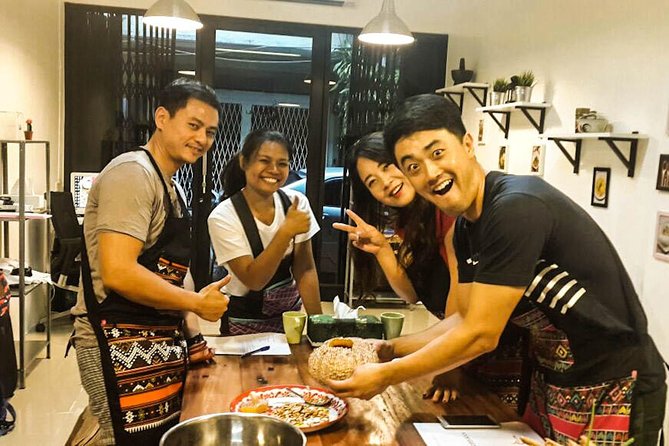
- On Nut fresh market: learn what to buy and why
- Small group (max 10) for more hands-on time
- Pimmy and the sous chef: patient, guided wok cooking
- Cook a full meal and then sit down to eat it
- Recipes included so you can repeat the dishes at home
- Lunch or dinner + drinks: tea, coffee, water, plus wifi
Market-to-Wok Thai Cooking Class in Bangkok: What the 4 Hours Really Feel Like
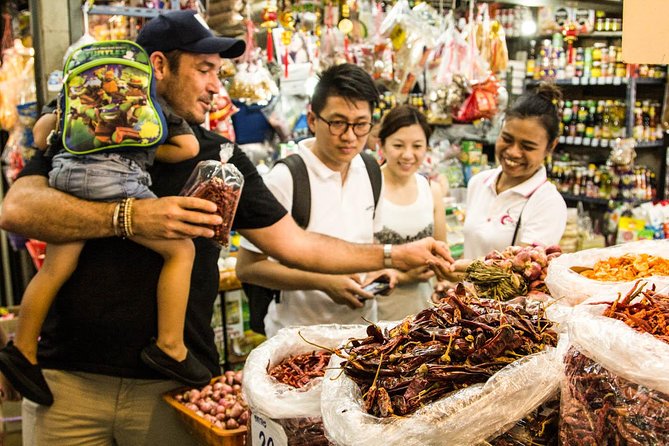
Pink Chili’s Thai cooking class works because it does two things back-to-back: it teaches you how Thai cooks shop, and then it teaches you how they cook. You’re not only watching from the sidelines. You’re picking ingredients at the On Nut fresh market, then using them in a hands-on cooking session that ends with a meal you made yourself.
At about 4 hours, the pace is brisk in a good way. You’ll be moving from stalls and sampling to chopping, mixing, and cooking at the wok. If you’re the type who gets bored by long demonstrations, this format usually hits the sweet spot.
The big value is context. Thai food can look intimidating because of all the aromatics and sauces, but once you see and smell the ingredients in the market, everything starts to make sense. That’s also why the take-home recipes matter: you’re not just collecting steps, you’re collecting steps plus the shopping logic behind them.
You can also read our reviews of more shopping tours in Bangkok


On Nut Fresh Market: How to Choose Flavor, Not Just Produce
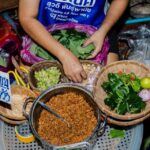
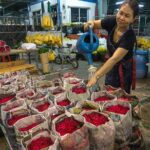
The tour begins at the Pink Chili Thai Cooking School, then you head out to the On Nut fresh market. This is the part I’d tell you not to rush. Markets are where Thai cooking becomes practical.
Here’s what you can expect in the market phase:
- You’ll select fresh ingredients and vegetables, with guidance on what looks good.
- You’ll get help overcoming the language gap so you know what you’re buying and how it’s used.
- You’ll learn about spices and local flavors, not just the names.
This matters because Thai cooking isn’t only about a recipe card. It’s about balance—sweet, sour, salty, and heat—built with the right herbs, aromatics, and pastes. When you see ingredients handled fresh at street level, it’s easier to understand why your curry or soup doesn’t taste the same at home if you substitute the wrong chili paste or an old herb.
Based on the way the market portion gets praised, this is often the standout moment. Even if you’ve taken a cooking class before, the market walk tends to give you better instincts for buying spices, choosing vegetables, and spotting quality.
What to watch for in the market
Markets involve lots of smells, sights, and steps, and Bangkok foot traffic can get crowded. Wear comfortable shoes and plan to walk steadily. If you’re hungry, consider grabbing a small snack before you arrive, since the class meal comes later and you may not eat until the end.
The Cooking Lesson: Building Red Curry, Soup, and Spring Rolls at the Wok
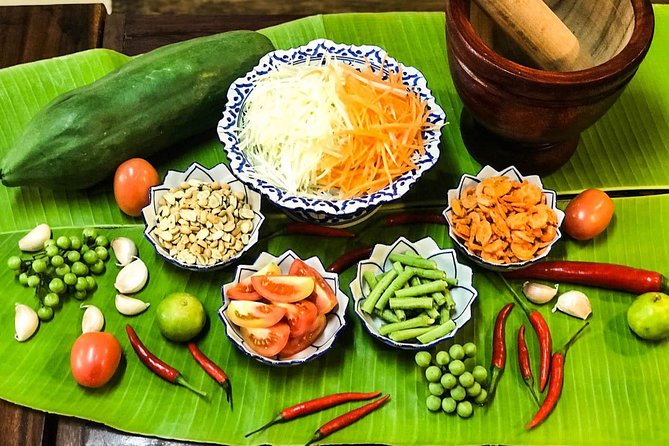
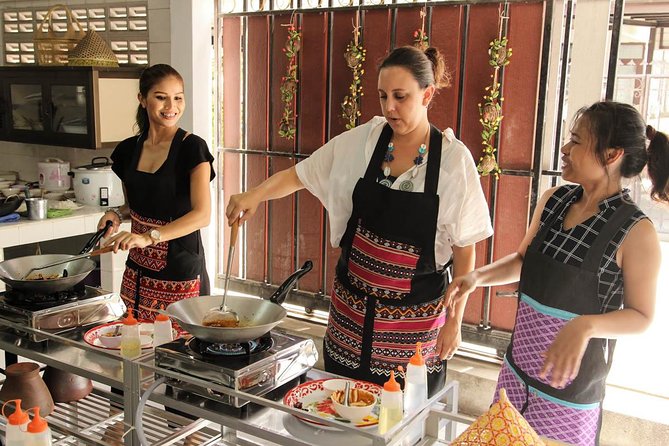
After the market, you switch into cooking mode. This is a hands-on wok cooking class where you don’t just stand by—you learn steps and techniques as you go. The style is guided instruction, usually with plenty of student attention in a small group.
The dishes you’re likely to make include classic Thai favorites such as:
- Red curry
- Sour shrimp soup
- Spring rolls
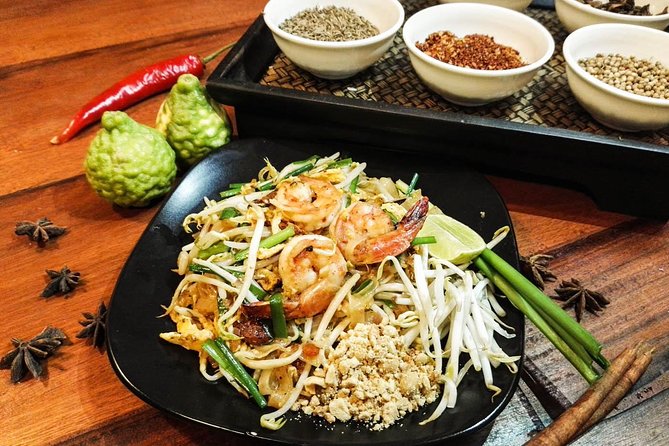
- Pad thai
- Green curry
- Mango sticky rice (mentioned in the overall class description)
Not every class will hit every dish the exact same way, but the common thread is that you’ll cook multiple dishes and learn the flavor-building methods behind each one. The class is designed like a meal plan, not like one single recipe.
Why the techniques matter (especially for Thai flavor)
Thai dishes rely on timing and balance more than complex cooking tricks. You’ll spend time learning things that sound small but make a big difference:
- when aromatics go in
- how to manage heat while cooking
- how to adjust sourness and saltiness in sauces
- how to handle curry paste so it tastes deep, not flat
Reviews also emphasize that the recipes are easy to follow and recreate later, which is what you want if your goal is to bring Thai cooking home, not just have a fun afternoon.
A few more Bangkok tours and experiences worth a look





Vegetarian and dietary needs
One review notes the instructor accommodated dietary needs for a vegetarian meal. If you follow a specific diet, tell the school when you book so they can confirm what they can do for your menu.
Eating the Meal You Cook: Lunch or Dinner with the Right Kind of Confidence
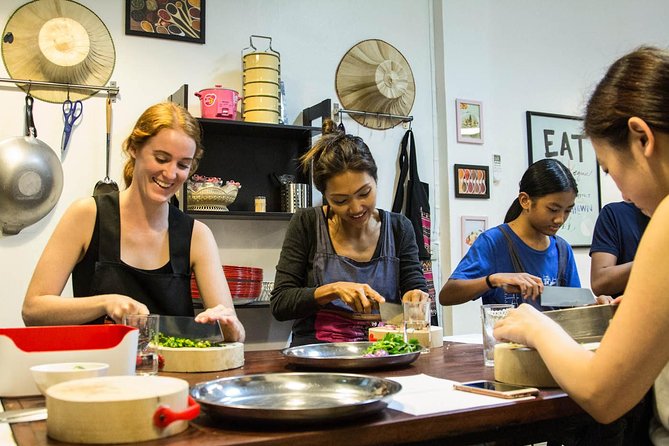
The tour doesn’t end at the stove. You sit down and eat what you made, with lunch or dinner included. This is one of those underrated parts of cooking classes: you get immediate feedback. If your pad thai is missing something, you taste it. If your curry is off, you learn what to adjust next time.
Expect the meal to be satisfying because it’s built from ingredients you selected in the market. The flavors often land better when the ingredients are fresh and the cooking steps are guided closely.
A practical note from real experiences: you may end up eating a bit later than you expect depending on the class timing. If you’re the type who plans meals tightly, build a little flexibility into your day.
Also, since you won’t be eating during the cooking phase, don’t show up starving. A light snack before you start can make the whole session more enjoyable.
Small-Group Time with Pimmy: What Makes This Class Feel Personal
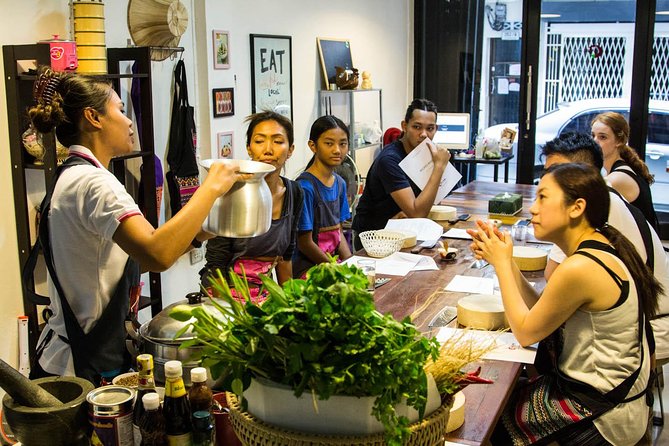
This class is capped at a maximum of 10 travelers, and that size changes the whole experience. You get more time at your station, more chances to ask questions, and less standing in line waiting to be helped.
The instructor is commonly described as Pimmy, along with a sous chef who helps in the process. In a number of reviews, Pimmy is praised for being friendly, funny, and patient, with lots of guidance during each step. That kind of teaching style matters in Thai cooking because it’s easy to get overwhelmed by chopping, stirring, and tasting all at once.
Communication is usually fine, but bring a question
Not every review is perfect. One mentions it could be hard to understand the leader at times. If you’re unsure, ask questions early rather than waiting until you’re already stuck. That’s usually the difference between feeling confused and feeling confident.
Equipment checks
One less positive comment notes bowls that looked cracked. It’s not a deal-breaker for everyone, but if you’re picky about kitchen cleanliness or equipment condition, it’s worth keeping an eye out when you’re seated.
Price and Value: Is $38.81 Worth It in Bangkok?
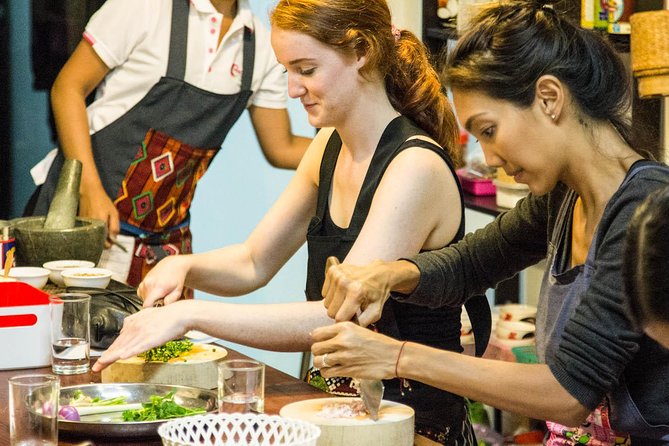
At $38.81 per person for about 4 hours, this is positioned as a value-forward food experience rather than a luxury dining event. The value comes from what’s included and what you leave with:
- Market tour + fresh ingredients
- Thai cooking class
- Lunch or dinner
- Tea, coffee, water and wifi
- Recipes
- Mobile ticket for easier entry
For many people, the market component is what justifies the price. You’re paying for more than cooking. You’re paying for ingredient education: how to choose produce, spices, and aromatics in a real local setting.
If your Bangkok itinerary has plenty of street food and restaurant meals already, this class helps you add a different kind of souvenir—skills and recipes you can actually use. That’s how the price becomes fair. You’re buying an experience with a practical payoff.
Where to Start: Pink Chili’s Location and Timing in Bangkok
Your starting point is Pink Chili – Thai Cooking School in Bangkok, on Soi Phae Anuson in Watthana (10110). The class ends back at the meeting point.
It’s near public transportation, but one review warns the school isn’t in the city center and that Bangkok traffic can be heavy. So plan a little extra buffer time, especially if you’re connecting from a hotel in a busy area. Arriving early helps you settle, start cooking without stress, and get the most out of the market visit.
You should also wear comfortable clothes and shoes. You’ll be walking and cooking, so dress for movement.
Who This Cooking Class Is Best For (and Who Might Skip It)
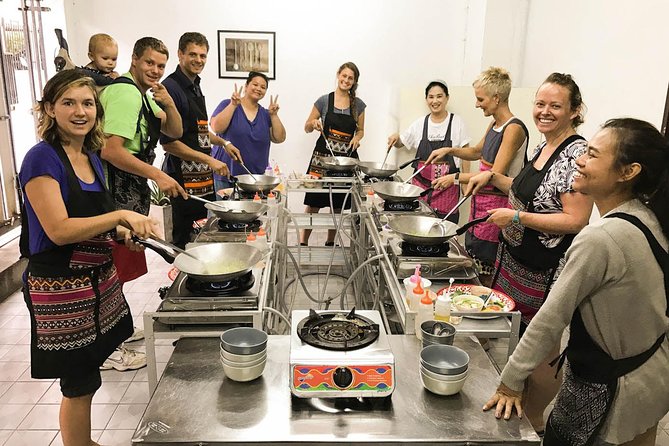
I think Pink Chili fits best if you want:
- a small-group Thai cooking experience
- a real market tour instead of only a kitchen lesson
- hands-on cooking for classic Thai dishes
- take-home recipes and real ingredient education
It’s also a strong choice for families who want to bond through food. One review mentions it’s good for family time, and the hands-on format supports that kind of group energy.
You might consider skipping or choosing another option if:
- you only want restaurant-style dining and not cooking
- you strongly dislike markets or walking
- you’re extremely sensitive to teaching pacing and want lots of quiet, slow step-by-step guidance
That said, most feedback is very positive about organization and instruction, especially under Pimmy.
Should You Book Pink Chili: Thai Cooking Class and Market Tour?
If you want a Bangkok activity that feels local and practical, I’d book it. The best parts are the pairing of the On Nut fresh market with hands-on cooking, plus the fact that you get recipes you can actually use later. For the price, you’re getting both instruction and a full meal, not just one single dish.
My decision tip is simple: if you’re the kind of traveler who loves learning how food is built—from ingredient selection to the last stir—this class will fit your style. If you’re more into sightseeing and only want a quick bite, you might be better off spending that time elsewhere.
FAQ
What is included in the Pink Chili Thai Cooking Class and Market Tour?
The experience includes a local market tour and fresh ingredients, a Thai cooking class, lunch or dinner, tea/coffee/water, wifi, and recipes.
How long does the tour take?
It runs for about 4 hours.
How many people are in the group?
It has a maximum of 10 travelers.
Where does the tour start?
It starts at Pink Chili – Thai Cooking School in Bangkok at Soi Phae Anuson, Khwaeng Phra Khanong Nuea, Watthana, Krung Thep Maha Nakhon 10110, Thailand, and ends back at the meeting point.
Do I get recipes to take home?
Yes. Recipes are included.
Is alcohol included?
Alcoholic drinks are not included, though they are available to purchase.
Is it okay to go if the weather is bad?
The experience requires good weather. If it’s canceled due to poor weather, you’ll be offered a different date or a full refund.
Will the class accommodate vegetarian diets?
One review specifically says the instructor accommodated a vegetarian meal. If you have dietary needs, it’s worth mentioning them when you book.