REVIEW · BANGKOK
Tingly Thai Cooking School Afternoon Class
Book on Viator →Operated by Tingly Thai Cooking School · Bookable on Viator
Thai curry is easier when someone shows you.
At Tingly Thai Cooking School in Bangkok, you learn techniques beyond recipes—especially how to make fresh curry paste—then eat what you create. The class runs as a focused afternoon cooking session, with time built in to learn how dishes come together and how to handle ingredients like a Thai home cook.
I like two things the most. First, the instruction is practical and hands-on, with people cooking multiple dishes (a full four-course meal comes up again and again). Second, the teachers bring clear explanations and real confidence-building tricks, including how to prepare and store Thai dishes so you’re not guessing at home.
One consideration: the schedule and the timing can be confusing if you don’t double-check your confirmation. The class is described as an afternoon block (around 13:00 to 17:00) with a start time listed as 1:00 pm, so verify the exact pickup or start instructions before you go.
In This Review
- Key things to know before you cook in Bangkok
- A 3.5-hour afternoon class in Bangkok that teaches more than recipes
- Curry paste and real technique: the part most home cooks miss
- How the kitchen lesson connects to ingredients (without turning into a shopping trip)
- The “make it at home” part: storage, timing, and confidence
- Portions, take-home food, and what you’ll actually leave with
- Price and value: paying for instruction plus a full meal
- Who should book this class (and who might not love it)
- Should you book Tingly Thai Cooking School?
- FAQ
- Where is the meeting point for the class?
- What time does the afternoon class start?
- How long is the cooking class?
- How much does the class cost?
- How many people are in a class?
- What will I do during the class?
- Is a market tour included?
- Do I get a recipe/cookbook to take home?
- Will I receive confirmation after booking?
- Is mobile ticketing used?
- What is the cancellation and weather policy?
Key things to know before you cook in Bangkok
- Curry paste from scratch: you learn what matters and what to watch for, not just what to write down.
- A four-course meal: you don’t just snack—you eat the dishes you make at the end.
- Small group size: the class caps at 10 people, which helps with questions and pace.
- Tips that stick: storage methods and dish handling come up as part of the teaching.
- Market ingredient learning: the experience mentions learning where ingredients come from, even if a separate market tour can be excluded.
- Recipe/cookbook take-home: the course includes a cookbook and gives you recipes to recreate it later.
A 3.5-hour afternoon class in Bangkok that teaches more than recipes
This is the kind of activity that works well when you want something practical in Bangkok—something you can’t copy from a cookbook without a real teacher standing nearby. The afternoon session is scheduled for roughly 3 hours 30 minutes, with the stated block running from 13:00 to 17:00, and a listed start time of 1:00 pm. Either way, plan your afternoon so you’re not rushing from another event.
The meeting point is on Soi Silom 22 in Bang Rak (Suriyawong), and the activity ends back at the meeting spot. It’s also described as near public transportation, which matters in Bangkok where traffic can feel like a coin toss.
What I’d do before you go:
- Show up with an empty stomach mindset. Multiple people highlight that you cook a lot and leave very full.
- Wear comfortable clothes you can move in. You’ll likely be standing at stations while you chop, grind, stir, and taste as you go.
- Bring an appetite for textures and smells. Thai cooking is as much about herbs, aromatics, and how ingredients behave as it is about flavor names.
You can also read our reviews of more cooking classes in Bangkok

Curry paste and real technique: the part most home cooks miss
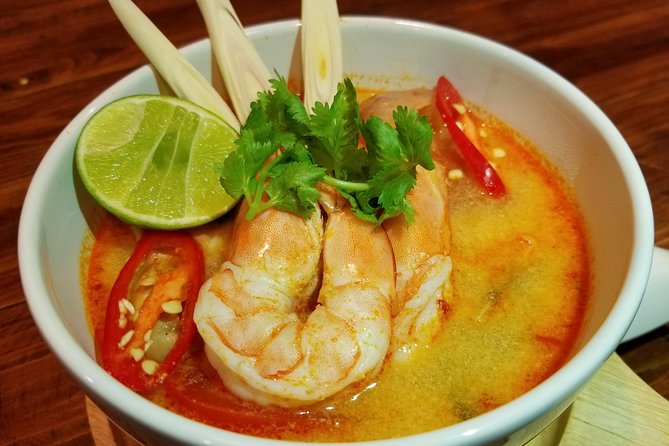
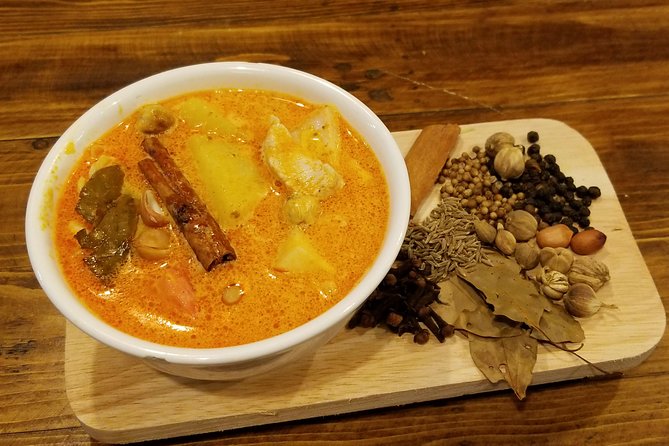
The headline here is curry paste from scratch. That alone changes everything. Store-bought paste can taste fine, but it doesn’t teach you the process—how ingredients turn fragrant, how the paste’s consistency shifts, and how the paste affects the final curry.
You’ll learn methods connected to technique, not just outcomes. The course describes teaching “tips and tricks you wouldn’t find in a recipe book,” and that’s exactly what you want if your goal is to cook Thai food at home without giving up after the first attempt.
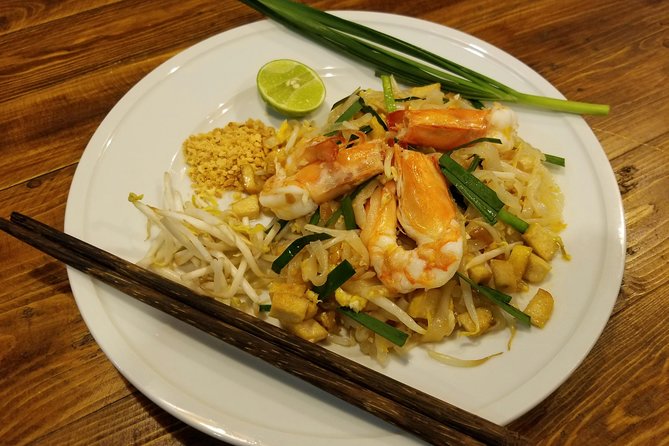
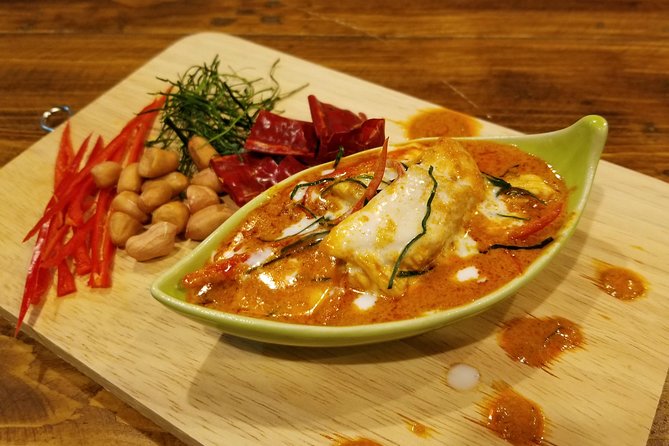
In past sessions, the dishes mentioned include favorites like Tom Yum (and other soups), Tom Kha shrimp soup, Penang curry, green curry, Pad Thai, and mango sticky rice. Chili paste from scratch also comes up as a highlight. You’re not just watching a performance—you’re expected to participate and build these dishes so the flavors make sense together.
If you’ve ever tried to cook curry at home and your results felt flat, too sour, or oddly heavy, this class targets the “why” behind the taste: how the paste is prepared, and how the rest of the dish is timed and assembled.
How the kitchen lesson connects to ingredients (without turning into a shopping trip)
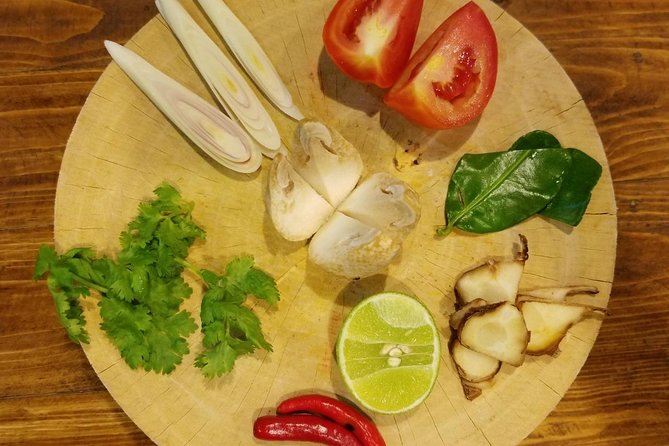
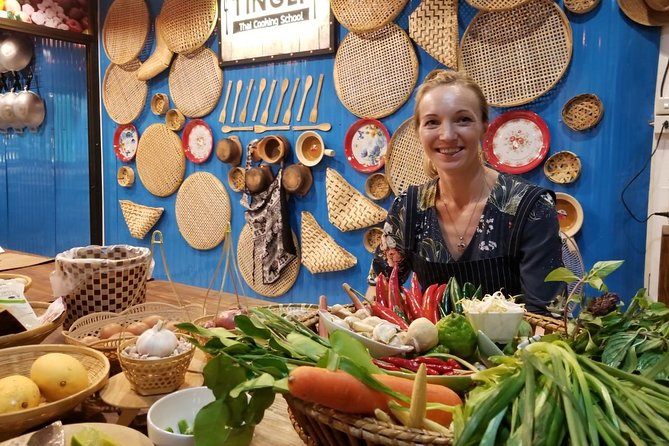
The class information says that there’s a focus on Thai ingredients, and it even mentions visiting markets to learn where ingredients come from. At the same time, the afternoon session is labeled as excluding a market tour.
So here’s the practical way to think about it: your cooking session is built around helping you identify Thai ingredient types and understand what they do in real dishes. Even if you don’t do a separate full market walk in this specific time slot, you should still expect discussion about ingredients and their sourcing, plus hands-on handling while you cook.
One useful detail from the experience style is that you’re encouraged to interact with ingredients beyond just reading about them. People mention being able to smell ingredients as part of learning. That sounds small, but it helps you connect what you taste later to what you handled earlier.
The “make it at home” part: storage, timing, and confidence
Thai cooking doesn’t stop at turning heat on. The course includes instruction on proper storing of Thai dishes, plus advice on preparation methods that go beyond what most recipe sheets explain.
That matters because a lot of people can cook one great meal on vacation and then struggle at home. Storage and technique are what let you repeat the dish after the novelty wears off—especially when curry paste or prepped components are involved.
Another way this class helps at home: you get structured recipes. The course description references a cook book, and many people mention leaving with a recipe set. That turns the class into a system you can repeat, not just a one-day meal memory.
Also, the teachers seem to lean into explanation. Named instructors like Soung and Chan are praised for being fun, energetic, and clear, with lessons that make Thai cooking feel achievable. You’ll likely notice a teaching style that breaks things into steps you can follow instead of throwing you into chaos with a mortar and pestle.
Portions, take-home food, and what you’ll actually leave with
This is not a light class snack. The repeated theme is that you’ll cook enough to be full afterward—often described as a four-course meal. That lines up with the no-hunger-pang promise: you eat the dishes you make.
One great bonus: taking some food away. People mention that they could pack dishes to go, and that portions were generous. If you want this to feel like both an experience and a meal solution for the evening, ask what packing options are available at the end of class.
You may also see opportunities to buy traditional tools. Some people mention purchasing tools related to Thai cuisine, plus a sense that it supports local families. It’s optional, but it’s worth keeping in mind if you want your home setup to match what you use in class.
Finally, there’s the take-home factor. People mention receiving a cookbook and even chopsticks as part of the class wrap-up. Even if you don’t buy additional tools, having recipes in hand makes it far more likely you’ll cook again instead of letting the memory fade.
A few more Bangkok tours and experiences worth a look
Price and value: paying for instruction plus a full meal
At $40.47 per person, this class is priced like a budget-friendly way to learn real cooking skills in Bangkok. It’s hard to compare apples to apples because cooking classes vary a lot, but here’s the practical value logic.
You’re paying for:
- hands-on instruction
- ingredients used in the cooking process
- a multi-dish meal you eat at the end
- recipe/cookbook materials to recreate it later
If you were to pay separately for a nice sit-down meal plus a cooking activity, this often ends up being a strong deal. The small group size (max 10) also supports the value—more questions, better pacing, less waiting around.
The best “value signal” is consistency in the outcomes: people repeatedly describe delicious food, thorough explanations of ingredients and techniques, and leaving confident enough to cook at home.
Who should book this class (and who might not love it)
This class is a strong match if you want more than a tasting. It suits people who like learning by doing—chopping, mixing, grinding, tasting, and getting real technique tips.
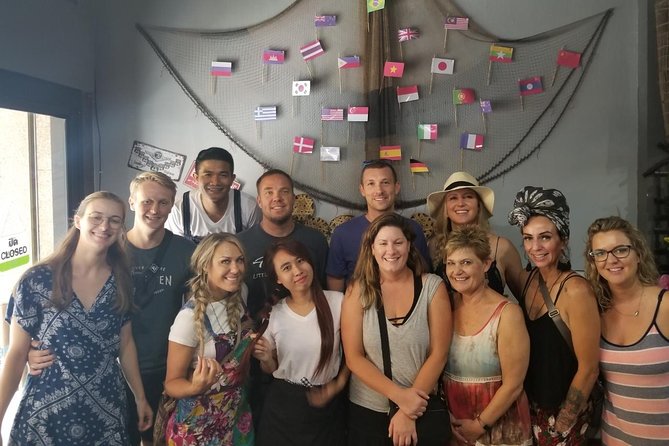
It also fits families and mixed-age groups. The class has been done with a 14-year-old daughter, with grandparents, and with groups of friends and solo diners. If you’re traveling with someone who likes food but not boring lectures, this is a good compromise.
You’ll likely enjoy it even more if you’re aiming for specific Thai dishes you’ve eaten in Bangkok—especially soups and curries—because you’ll learn the core building blocks like curry paste rather than just copying a final recipe list.
The main reason someone might not love it: if you show up expecting a short, casual snack experience. This class is active and ends with a lot of food. Come hungry in the best way—plan your day around being fed.
Should you book Tingly Thai Cooking School?
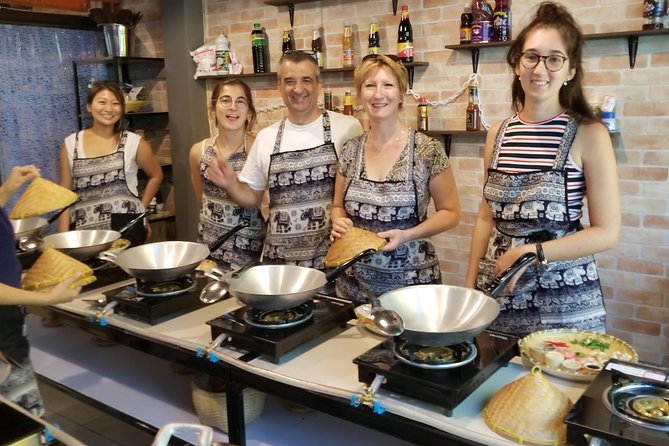
Yes, if your goal is to learn Thai cooking you can repeat. Curry paste from scratch, cooking multiple dishes, and getting technique tips (including storage) make this more useful than a meal-and-a-show event. The small group cap helps keep it interactive, and the consistent praise for instructors like Soung, Chan, and others points to a teaching style that keeps things friendly and understandable.
Before you book, do two quick checks:
- Confirm the exact start time on your confirmation message since the class is described with both 1:00 pm and a 13:00–17:00 window.
- Build in patience for Bangkok timing, and remember the experience requires good weather, with a fallback if weather forces changes.
If you want a practical Thai cooking skill set—plus dinner—you’re in the right place.
FAQ
Where is the meeting point for the class?
The meeting point is 17/1 Soi Silom 22, Suriyawong, Bang Rak, Krung Thep Maha Nakhon 10500, Thailand.
What time does the afternoon class start?
The class is listed with a start time of 1:00 pm, and the afternoon session is described as running from 13:00 to 17:00.
How long is the cooking class?
The duration is approximately 3 hours 30 minutes.
How much does the class cost?
The price is $40.47 per person.
How many people are in a class?
This activity has a maximum of 10 travelers.
What will I do during the class?
You’ll cook Thai dishes from scratch, including making curry paste, and you’ll learn tips and tricks for preparation and proper storing of Thai dishes. You also eat the dishes you make at the end.
Is a market tour included?
The afternoon class time is described as excluding a market tour, though the experience description mentions learning about ingredients, including visiting markets as part of the course.
Do I get a recipe/cookbook to take home?
The experience description indicates you’ll have a cook book with what you learn, so you can use the recipes after you get back home.
Will I receive confirmation after booking?
Yes, confirmation is received at the time of booking.
Is mobile ticketing used?
Yes, the experience uses a mobile ticket.
What is the cancellation and weather policy?
Free cancellation is available up to 24 hours in advance for a full refund. The experience requires good weather; if it’s canceled due to poor weather, you’ll be offered a different date or a full refund.