REVIEW · BANGKOK
Bangkok Night Michelin Foodie Tour in Chinatown with 15+ tastings
Book on Viator →Operated by MagicalTrip Inc. · Bookable on Viator
One street at a time, Bangkok feeds your curiosity. This 3-hour Chinatown night tour strings together Michelin-recognized bites with real local chaos, guided by people like Kwan, who know how to turn snacks into stories.
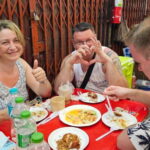
I especially like the 15+ tasting setup. You’re not doing one huge meal; you’re sampling your way through dumplings, dim sum, pad thai, noodles, and dessert, with short stops that keep the pace fun instead of exhausting.
One thing to consider: this tour is not built for strict vegetarian diets (seafood is part of the picture at some stops), and Chinatown can get loud and crowded fast—great for thrill-seekers, tougher for people with sensory overload.
In This Review
- Key points before you go
- Chinatown at Night: Why This Food Walk Works
- Price and Value: What $56.38 Buys You
- Small Group (Max 7) Means Less Chaos and More Eating
- Where You Meet and How the Night Gets Going
- The Route: Dumplings to Dim Sum to Pad Thai to Fishball Noodles (and Dessert)
- Stop 1: Michelin-awarded Dumplings (First Stop, Big Flavor Anchor)
- Stop 2: Dim Sum Choices (Build Your Own Favorites)
- Stop 3: Pad Thai in the Heart of Chinatown
- Stop 4: A Short Night-Market Walk (See the Food Ecosystem)
- Stop 5: A Small Snack Stop (Texture and Street-Logic)
- Stop 6: Fishball Noodles (Your Comfort-Dish Finale in Noodle Form)
- Stop 7: Dessert Choice (Crispy Doughnuts or Mango Sticky Rice)
- Stop 8: Bar Street Walk (A Quiet Ending Compared to the Food Stops)
- The Michelin Connection: What It Likely Means Here
- Food Rules: Vegetarian Limits, Seafood Reality, and Allergies
- What to Bring (and What to Expect) on Yaowarat Sidewalks
- Who Should Book This Tour (and Who Might Want a Different Plan)
- Should You Book This Bangkok Night Michelin Foodie Tour in Chinatown?
- FAQ
- How long is the Bangkok Chinatown night food tour?
- How many tastings should I expect?
- What’s the group size?
- Is the tour good for vegetarians or vegans?
- What kind of food stops are included?
- Where do we meet and how do I get there?
Key points before you go
- Small group size (max 7) keeps the night moving and makes it easier to get organized seating at busy stalls
- 15+ tastings in about 3 hours means you’ll try more than a standard dinner crawl
- Michelin-awarded items include dumplings and fishball noodles, plus dessert options like crispy fried doughnuts or mango sticky rice
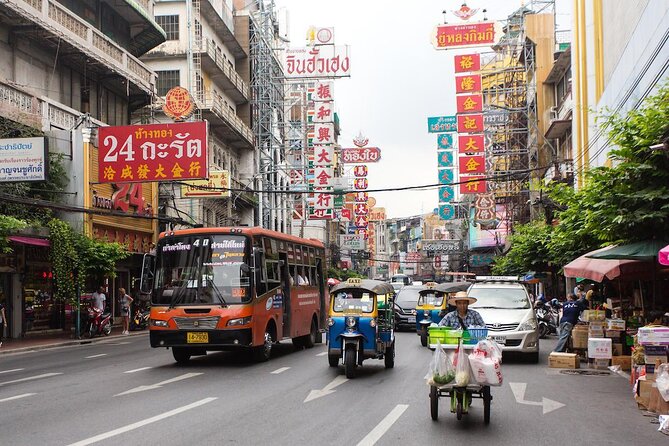
- Expect crowd noise on Yaowarat at night; bring patience (and maybe earplugs) if you’re easily overwhelmed
- Diet flexibility is limited for vegans and for some vegetarians who avoid seafood
- Dessert is a major finale, not an afterthought, with multiple sweet stops
Chinatown at Night: Why This Food Walk Works
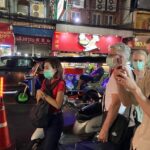
Bangkok’s Chinatown, especially after dusk, is food culture in motion. You’re walking through lanes where Chinese-Thai flavors overlap, where you can smell sauces warming up on grills and hear orders shouted in quick rhythm. The best part of a guided tasting tour here is that you don’t just see food—you learn what to look for and why people line up for specific stalls.
I like how this tour is built like a route of small wins. Each stop is short, so you stay curious rather than full in a boring way. You also get both restaurant bites and street stall bites, which matters because Chinatown food is not one style—it’s a whole spectrum, from dumpling shops to noodle carts to dessert counters.
The other big reason it works: you’re with a small group. That means fewer bottlenecks. It also helps your guide manage the crowd flow, so you can spend more energy eating and less time waiting.
A few more Bangkok tours and experiences worth a look
Price and Value: What $56.38 Buys You
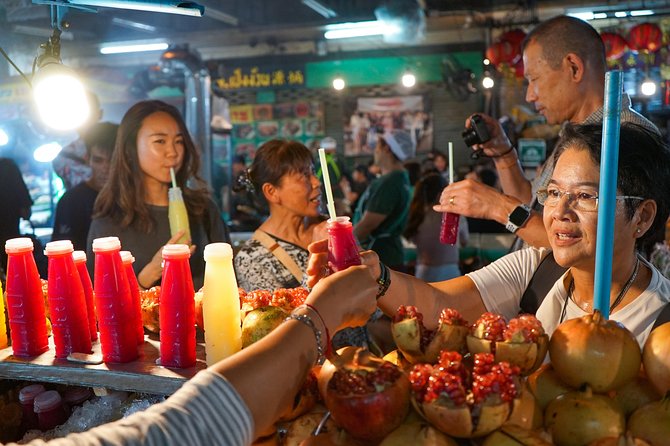
At $56.38 per person for about 3 hours, this tour is priced like a “tasting plan,” not like a premium fine-dining experience. The value comes from three things:
- Quantity: 15+ tastings is the headline for a reason. You’re spreading your appetite across many dishes.
- Variety: you’re not repeating the same flavor family. Dumplings, dim sum, noodles, and sweets each bring their own texture and sauce style.
- Guided access: the guide helps you navigate the exact stalls and rhythm of Yaowarat, including spots that are linked to Michelin coverage (at least for certain key dishes).
One practical note: some stops are listed as admission-ticket included while others are marked free. In plain terms, you’re paying once, and the tour design handles the food entry fees for the selected tastings, so you’re not constantly pulling out a payment method.
If you’re planning to eat your way through Chinatown on your own, you’ll probably spend more time figuring out what’s good and where to go next. Here, the route is already stitched together.
Small Group (Max 7) Means Less Chaos and More Eating
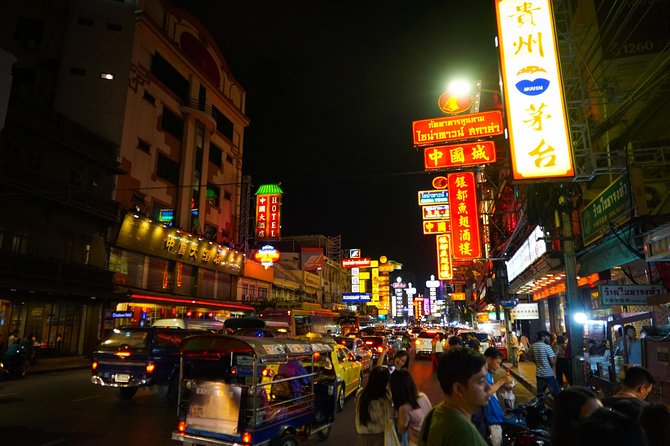
Chinatown at night can feel like a living crowd meter—always moving, always loud. The tour’s small size (maximum 7) helps in real ways:
- It’s easier to keep everyone together when the sidewalks get tight.
- You’re more likely to get served quickly rather than waiting in a slow line.
- You’ll often have the chance to sit when a spot allows it, since groups aren’t huge.
In the experiences shared by past guests, guides such as Kwan, Shin/Chin, Chris, Poon, First, Teh, and Kris are repeatedly praised for keeping things organized and friendly—especially at the moments when you’d normally lose time in a crowd. That practical “move the group, order the food” skill is a big part of why the tour feels efficient.
Where You Meet and How the Night Gets Going
The meeting point is MezzoX Drip Cafe at Wat Mangkon area, near MRT Blue Line Wat Mangkon Station (Exit 3). For a Chinatown food tour, that transit connection matters. It’s much easier to arrive and regroup without turning the evening into a pre-dinner scavenger hunt.
The tour begins at Wat Mangkon Station area and then moves deeper into Chinatown streets. It ends back near Hua Lamphong station (so plan on being in that general neighborhood when you finish).
One timing reality check: the tour starts on time and late arrivals can mean you miss the group. If you’re traveling in Bangkok on public transit, give yourself a little buffer so you don’t gamble with crowds.
The Route: Dumplings to Dim Sum to Pad Thai to Fishball Noodles (and Dessert)
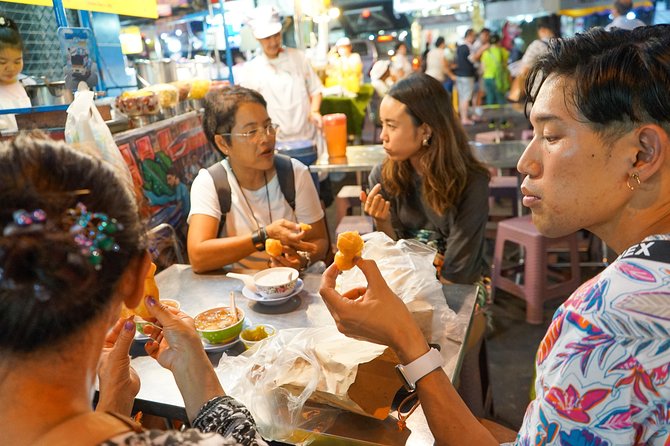
Here’s what the evening looks like, stop by stop, and what to pay attention to at each one.
You can also read our reviews of more evening experiences in Bangkok

Stop 1: Michelin-awarded Dumplings (First Stop, Big Flavor Anchor)
You kick things off with dumplings at a small, focused shop. This is a smart first move because dumplings set the tone: chewy wrappers, savory fillings, and a sauce style that teaches you how Chinatown balances Chinese techniques with Thai tastes.
Since this stop includes an admission ticket, you’re not just getting a casual bite—you’re getting a real tasting entry point.
What to watch for: don’t overthink which dumpling to choose. If you’re in a guided tasting, the guide is steering you toward variety and correct portion timing so you don’t burn your appetite too early.
Stop 2: Dim Sum Choices (Build Your Own Favorites)
Next up is dim sum, with options like BBQ pork, Xiao long bao, and custard buns. The best part here is texture variety: soft buns, juicy dumplings, and different dough styles all show up in one stop.
This stop is marked as free admission ticket, so it functions like an included tasting bonus. It also gives you a chance to taste the range of Chinese-style dumplings before you switch gears into Thai noodle dishes.
Drawback to keep in mind: dim sum often includes pork and seafood ingredients, so if you’re strictly avoiding certain proteins, you may need to plan your choices carefully (and the tour notes substitutions aren’t guaranteed).
Stop 3: Pad Thai in the Heart of Chinatown
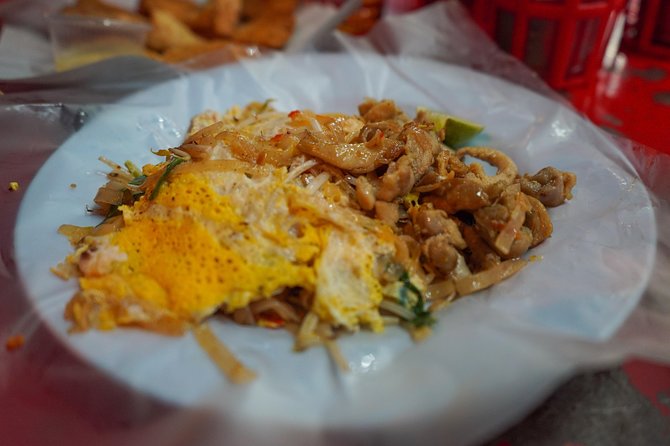
Then comes pad thai—yes, it’s a familiar dish for many visitors, but that’s not a bad thing. Familiar dishes help you compare what you already know against what Chinatown versions can do with sauces, noodles, and stir-fry style.
This stop is also marked as free admission ticket. You’re stacking tastings without stacking extra costs.
Tip: if you’re sensitive to spice or shrimp-heavy flavor profiles, tell your guide early so they can guide you toward the best match within what the stop offers.
Stop 4: A Short Night-Market Walk (See the Food Ecosystem)
After pad thai, you walk around and take in the night market energy. This is not a “just sightseeing” segment. It helps you understand why the stalls you just tasted fit the neighborhood—this is how people actually eat here, not how a menu in a hotel describes it.
Expect crowds and photo opportunities. If you’re trying to avoid sensory overload, this is the part where the noise level can spike.
Stop 5: A Small Snack Stop (Texture and Street-Logic)
Then you hit another included snack stop. The exact snack type is described broadly as a small snack, but the function is clear: it keeps your tastebuds active between the bigger dishes.
This kind of stop is often underrated. Street snacks in Chinatown are where you taste sauces, fried coatings, and quick bites that you wouldn’t find if you only ate full meals.
Stop 6: Fishball Noodles (Your Comfort-Dish Finale in Noodle Form)
Now you reach the comfort-heavy part of the route: fishball noodles. This is specifically described as Michelin-acclaimed, which is a big deal because it turns a very common street-food category into something worth seeking out.
If you like brothy noodles, this stop is likely to be one of the highlights. Past guests have also singled out off-the-beaten-path noodle and fishball carts as standout cravings, which makes sense: the magic is usually in the broth balance and the fishball texture.
What to expect: it’s filling. By this point, you’ll be glad you didn’t over-pack your stomach earlier.
Stop 7: Dessert Choice (Crispy Doughnuts or Mango Sticky Rice)
Dessert comes in the form of a choice between Michelin-awarded fried crispy doughnuts and mango sticky rice. This is the point where the tour becomes a proper food arc: salty, savory, noodle-heavy… then sweet and satisfying.
Other dessert energy also shows up through multiple dessert carts across the broader Chinatown night vibe, and guests repeatedly mention things like mango sticky rice and doughnuts as major favorites.
How to eat this without regret: leave room. If you want both dessert options, you might not be able to take everything in perfect balance, so follow your guide’s lead on portions.
Stop 8: Bar Street Walk (A Quiet Ending Compared to the Food Stops)
The final stretch is a leisurely walk down an old bar street. This is a smart way to close the night because it gives your stomach a breather after all the hot food.
It also adds atmosphere, especially if you want to see a different side of Chinatown—less about stalls, more about streets that feel like they’ve been standing there for decades.
The Michelin Connection: What It Likely Means Here
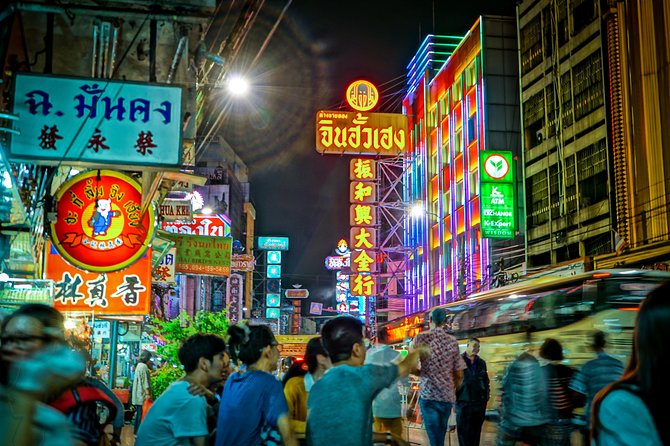
This isn’t a luxury tasting-menu tour where every bite is a formal plated dish. Instead, it’s a tour that uses Michelin-awarded or Michelin-recognized links to guide you toward stalls and dishes worth your attention.
In other words: you’re using Michelin as a compass, not as a fine-dining badge. That’s a good thing for value. Street food can be the star, and the Michelin tie-in helps you avoid the common tourist trap of picking random stalls with pretty packaging but questionable quality.
Still, do keep expectations realistic. Even with Michelin connections, you’re eating street food and casual restaurant food. The payoff is authenticity and flavor focus, not fancy settings.
Food Rules: Vegetarian Limits, Seafood Reality, and Allergies
This tour is very clear about diet limits, and you should take that seriously.
- Vegetarian options exist, but the selection is limited.
- It is not recommended for vegans.
- It is not recommended for vegetarians who avoid seafood.
Also, the tour notes it can’t guarantee allergy-free food because ingredients are prepared in kitchens that belong to different businesses. Substitutions might not always be possible at every stop, though the guide will make an effort to compensate where they can.
If you have dietary restrictions, my practical advice is simple: message your needs during booking (as far as the platform allows) and tell your guide at the start of the tour. Then be prepared with a flexible mindset—this route is designed for Thai-Chinese staples, many of which include seafood or pork.
Alcohol note: there are strict Buddhist days in Thailand when alcohol sale and service isn’t permitted. If alcohol matters to you, check dates before you go.
What to Bring (and What to Expect) on Yaowarat Sidewalks
This tour is part eating, part walking, part crowd management. Chinatown night conditions are real.
What helps:
- Bring water. After multiple hot tastings, you’ll want it.
- Consider tissues or napkins. Street-food environments can be informal.
- Wear shoes you trust. You’ll be on sidewalks and through market lanes.
What to accept:
- Noise. Some guests note it can be hard to hear the guide over street sound. If you rely on hearing every detail, consider earplugs.
- Time and pacing. The tour is described around 3 hours, but some experiences also run a bit longer depending on how the night flows.
And one extra thing: the tour is built around “15+ tastings,” meaning dishes—not 15 separate stops you can count on a map like a checklist. You’ll likely feel pleasantly overfed by the end.
Who Should Book This Tour (and Who Might Want a Different Plan)
This is a great fit if you:
- Love street food and want a guided route through Chinatown
- Want to taste a mix of Chinese and Thai staples in one evening
- Prefer a small group with a guide who keeps you moving and organized
- Are visiting Bangkok for the first time and want a strong introduction to Yaowarat food culture
It may be a rough fit if you:
- Need strict vegetarian or vegan options, especially if you avoid seafood
- Have mobility issues. The tour is not recommended for people with walking problems, and a private option would be more suitable
- Get overwhelmed easily by crowds, noise, and close-packed sidewalks
If any of those apply, you still can visit Chinatown—just consider a different type of tour with more tailored pacing or menu control.
Should You Book This Bangkok Night Michelin Foodie Tour in Chinatown?
Yes—if you want a hands-on food night that feels local, fast, and rewarding. The combination of 15+ tastings, a small group max of 7, and Michelin-linked dish choices makes this one of the stronger “eat first, learn as you go” experiences in Bangkok.
Book it especially if you’re excited by dumplings, dim sum, noodles, and dessert, and you like the idea of ending with a calm walk down bar street instead of just hopping from restaurant to restaurant.
Skip or rethink it if vegetarian/seafood avoidance is strict for you, or if crowds will stress you out. In those cases, you’ll likely enjoy the neighborhood more with a more customized plan.
FAQ
How long is the Bangkok Chinatown night food tour?
It’s listed at about 3 hours.
How many tastings should I expect?
The tour is described as offering 15+ tastings.
What’s the group size?
The maximum group size is 7 travelers.
Is the tour good for vegetarians or vegans?
Vegetarian-friendly dishes are available, but the selection is limited. The tour is not recommended for vegans, and it’s also not recommended for vegetarians who avoid seafood.
What kind of food stops are included?
You’ll visit both restaurants and street food stalls, with tastings such as dumplings, dim sum, pad thai, fishball noodles, and dessert.
Where do we meet and how do I get there?
You meet near Wat Mangkon MRT Station (Blue Line) at Exit 3, with the meeting point at MezzoX Drip Cafe.