REVIEW · KRABI
Krabi: Elephant Care House Guided Tour with Hotel Transfers
Book on GetYourGuide →Operated by Krabi Elephant Care House · Bookable on GetYourGuide
Elephant time in the jungle feels special fast. This Elephant Care House visit blends a calm jungle stream walk with the messy joy of a muddy bath and gentle skin cleaning. The main consideration: you’ll get wet, muddy, and you should expect the hands-on elephant time to be a bit flexible around transfers and rain.
I like that the place focuses on respectful interaction, not tricks. The rules are clear: no riding, and the elephants can disengage from contact whenever they want. The trade-off is simple—this is animal time on their terms, so you get less control than with a classic photo stunt.
Logistics are straightforward. You get hotel round-trip transfers, plus a professional guide in English plus Thai/Chinese, and you’ll also get water and fruit. It’s only about 15 minutes from Krabi Town to Khao Phanom Bencha National Park, where the air feels cooler higher up.
In This Review
- Key Things That Make This Tour Worth Your Time
- Entering Khao Phanom Bencha: Why the Park Setting Matters
- Ethical Interaction Rules: No Riding, and Contact Goes Both Ways
- The 4-Hour Flow: Safety Briefing, Walk, Camp Time, Refreshments
- The Jungle Stream Walk: How to Get Good Photos Without Getting in the Way
- Muddy Bath and Skin Cleaning: The Mess You’ll Remember
- Bathing With Elephants: A Hands-On Moment, Not a Controlled Show
- Feeding Pineapples and Bananas: Do It Gently, Do It Right
- Guides and Small Details: English Support, and Names You Might Hear
- Price and Value at About $57: What You’re Actually Paying For
- What to Bring: The Wet, Muddy Checklist That Actually Helps
- Who Should Book This Tour—and Who Might Want Something Else
- Should You Book Krabi Elephant Care House?
- FAQ
- FAQ
- How long is the Elephant Care House guided tour?
- Where is the Elephant Care House located?
- What’s included in the price?
- What languages does the live guide speak?
- Can I ride the elephants?
- What should I bring for the experience?
- What are the pickup locations?
- How does pickup work for Railay Beach and Tonsai Beach?
- Do the elephants have freedom to disengage from contact?
- Is there free cancellation and can I reserve without paying right away?
Key Things That Make This Tour Worth Your Time
- Jungle stream walk close to Krabi Town: You’re not trekking across the province for a long day.
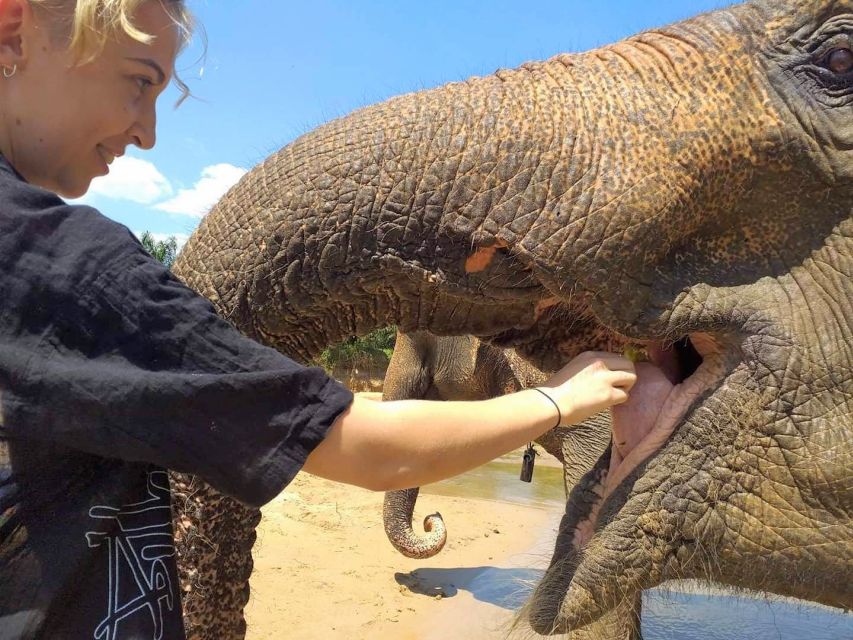
- Muddy bath and skin scrubbing: The experience leans into real elephant behavior, not staged posing.
- Feeding pineapples and bananas: You’ll help prepare and offer treats with guidance.
- Elephants can disengage: You’re interacting, but you’re not forcing contact.
- Hotel transfers included: Door-to-door makes it easy, even if you’re based in Ao Nang or Railay.
- Guides with strong on-the-ground help: Names you may hear include Cookie and Cocky, plus English support.
Entering Khao Phanom Bencha: Why the Park Setting Matters
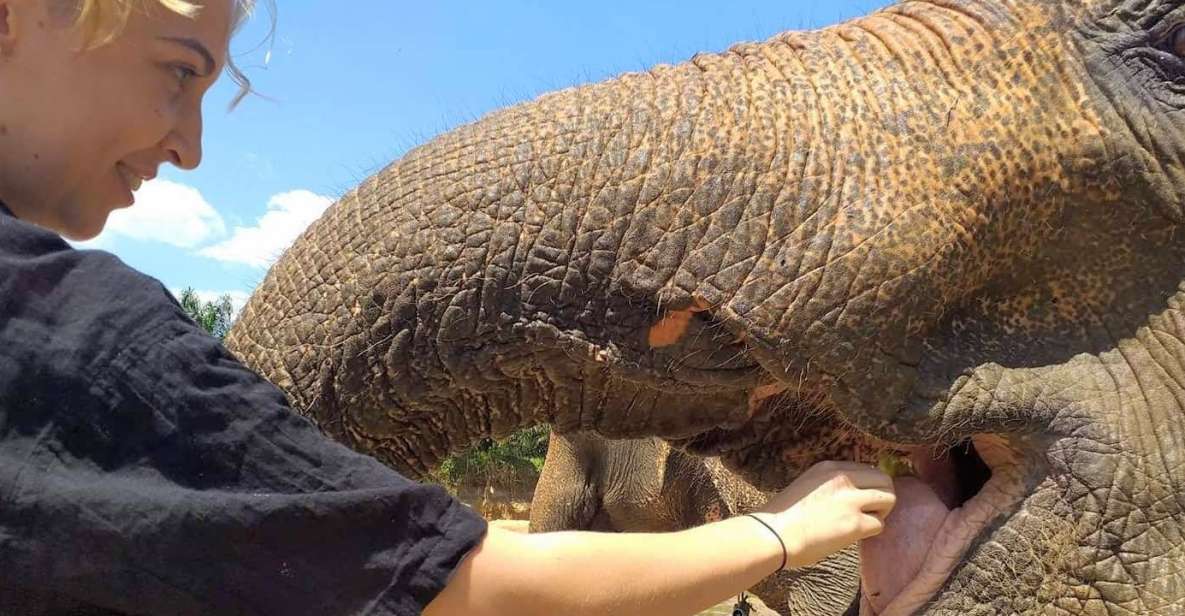
This tour is based at Krabi Elephant Care House inside Khao Phanom Bencha National Park. It’s a quick hop—around 15 minutes by drive from Krabi Town—yet it feels like a different world once you’re surrounded by forest and mountain ridgelines.
The area sits at Krabi’s higher altitude, about 1,397 meters above sea level. Even if you don’t measure it, you’ll notice the vibe: cooler air than the beach, more bird sounds, and fewer crowds than you get in the main Krabi scene.
That park context is more than scenery. It helps explain the pacing. Elephants aren’t being herded like a show. You’re visiting a space built for the animals to live in, with natural streams, waterfalls nearby, and that feeling of open jungle around you.
You can also read our reviews of more guided tours in Krabi



Ethical Interaction Rules: No Riding, and Contact Goes Both Ways
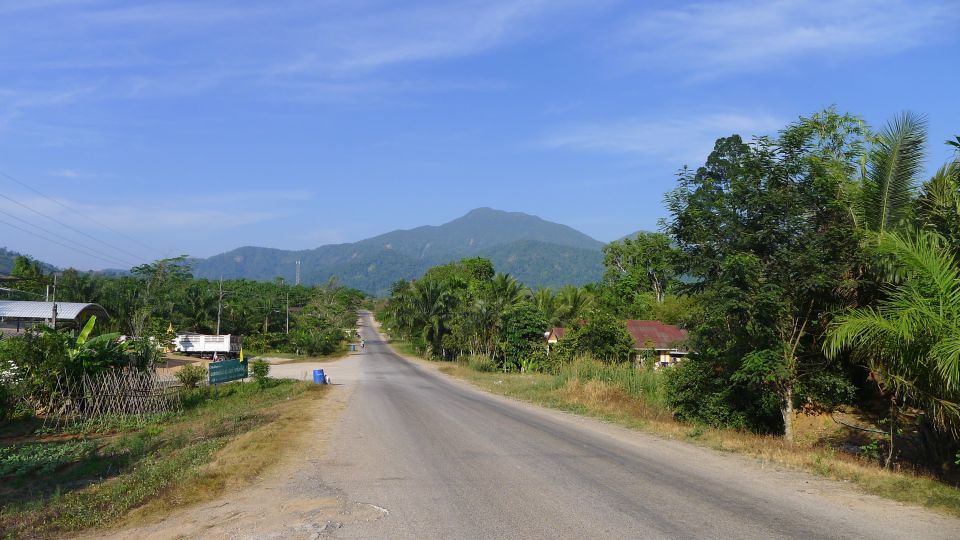
The biggest value here is the way the interaction is framed. You’re not meant to ride the animals, and that one rule changes the whole tone of the experience.
The elephant-care philosophy is built around human-elephant interaction, but it’s also clear that elephants roam free and can disengage at will. In practical terms, that means you should pay attention to what the caretakers and guide signal. If an elephant steps away, you’re not supposed to chase it or push for more contact.
In real life, that can feel different from what people imagine when they think about elephant camps. You might not get continuous hands-on time. Instead, you get shorter moments that often feel more respectful—and more in line with how the animals actually behave.
The 4-Hour Flow: Safety Briefing, Walk, Camp Time, Refreshments
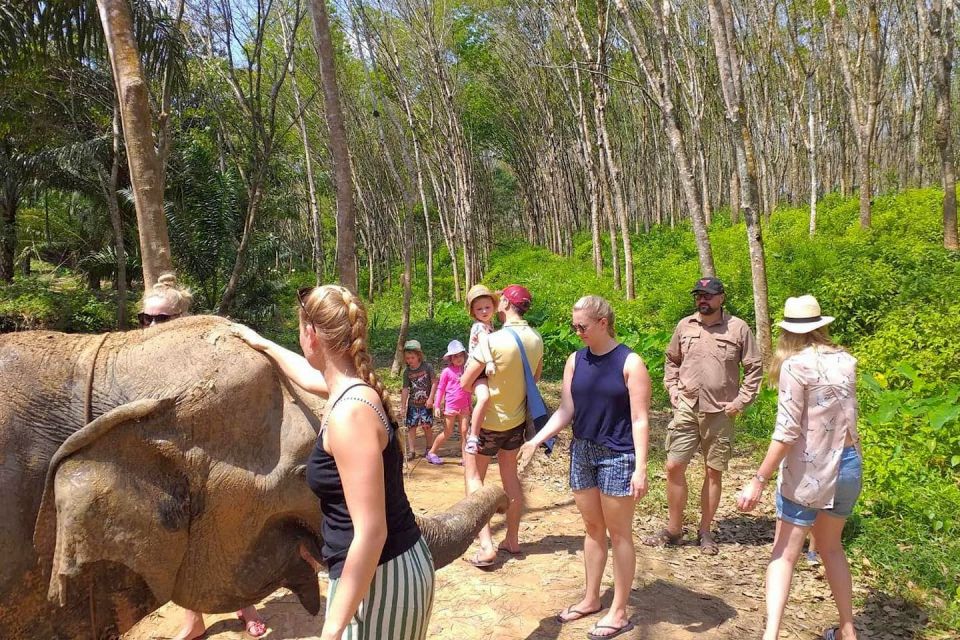
The schedule is built to pack in the good parts without pretending you can do everything at once.
First, you’ll do a short safety briefing—about 15 minutes. This isn’t just paperwork. It’s there so you understand how to stand, where to place yourself, and how to interact safely around larger animals.
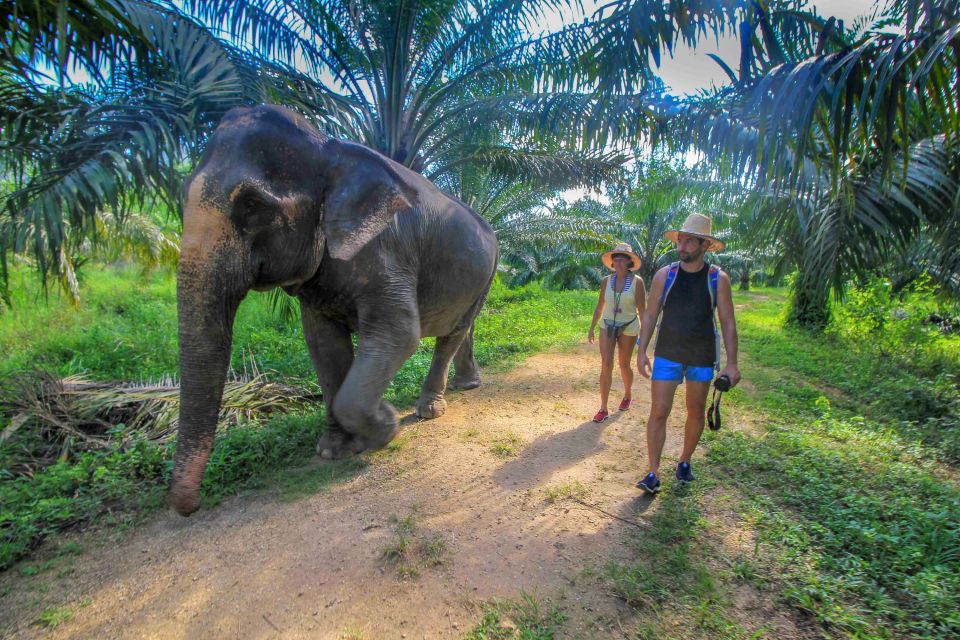
Next comes the jungle walk, about 45 minutes. This is where you move along the stream with the elephants and see how their pace feels in the wet green world around you. You’ll also have time for photos, but the best shots usually come when you stop trying to rush the moment.
Then you’ll shift into camp activities for roughly 15 minutes. This portion is where you prepare for feeding and get ready for the water time that follows.
After that, you’ll have about an hour for sightseeing and welcome refreshments. In plain terms: it’s your buffer time. You’ll have a chance to catch your breath, cool down a little, and process what you just did before you head back to your pickup area.
One practical note: the activity is sold as 4 hours door-to-door. In the real world, time can feel tighter or looser depending on traffic, weather, and where you’re picked up from. You’ll still get the core experience, but your exact clock time with elephants can vary.
The Jungle Stream Walk: How to Get Good Photos Without Getting in the Way
Walking with elephants along a stream is the core of the experience. The route is in the jungle, and you’ll feel the ground underfoot change—mud, water edges, and slippery patches. The point isn’t speed. It’s getting close while staying calm.
Your camera will get its workout. Expect splashes and splatters. One simple trick: put your phone in a waterproof pocket or use a waterproof phone case. You’ll thank yourself later when you want the video but your device doesn’t look like it survived a swamp.
Also, keep your group positioning in mind. If the group spreads out too widely, it’s harder for the guides to manage spacing and for you to get a clear view. Try to stay where the guide places you. That alone usually improves both safety and photo results.
Muddy Bath and Skin Cleaning: The Mess You’ll Remember
This is one of the most praised parts of the day, and for good reason. You get to watch elephants take a muddy bath, then you’ll have a chance to clean their skin.
Don’t think of this like a quick rinse. Mud in this setting is part of the elephant routine. It helps with comfort and cooling, and it’s also a reminder that you’re seeing real behavior, not just a water stunt.
When you’re scrubbing, you’ll be close to something big and calm. That’s where the caretakers and guide matter. They keep the tone gentle and help you understand what is okay and what to avoid.
And yes—you will get dirty. Bring swimwear, a change of clothes, and something comfortable for wet ground. If you expect to keep your day clothes pristine, this tour will be annoying.
If it rains, you might still continue. In one case, raincoats were provided. Don’t rely on perfect weather—pack for wet and cloudy too.




Bathing With Elephants: A Hands-On Moment, Not a Controlled Show
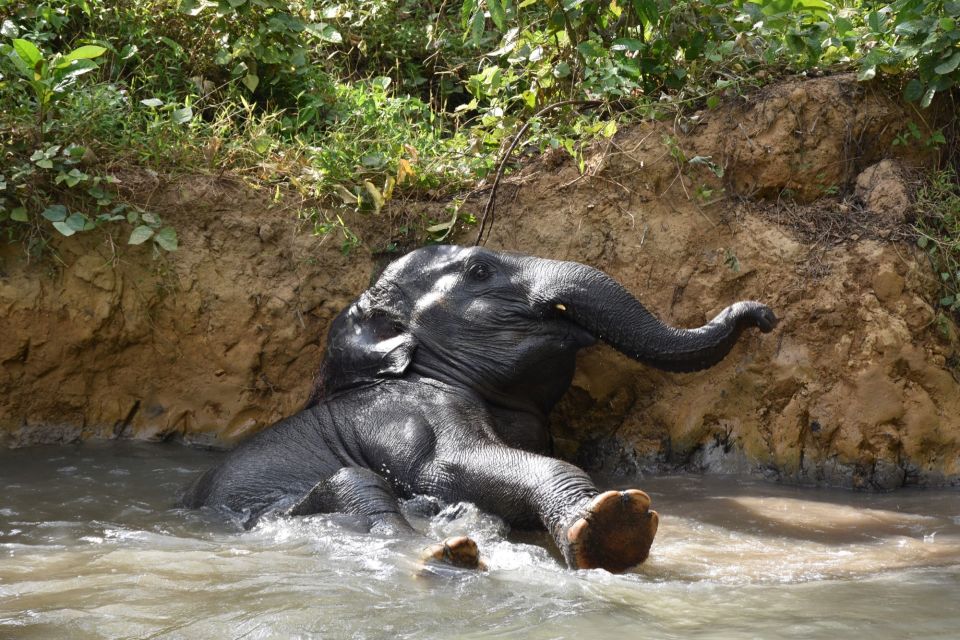
A key promise here is that you can even take a bath with the elephants. That means you’ll be in the water with them as part of the experience, under guidance from the team.
The best mindset is simple: stay relaxed and let the elephants lead the tempo. Remember, they can disengage. If they want to step away or move positions, you follow. That’s the respectful rhythm.
Water safety matters, even if it looks shallow. Wear clothes you don’t mind getting soaked. If you use footwear, consider something that handles wet ground. One traveler recommended swimming shoes because the mix of mud and water can be slippery.
Also, don’t forget insect repellent. Jungle time and damp areas can mean more bites than you’d expect, especially at dusk or after rain.
Feeding Pineapples and Bananas: Do It Gently, Do It Right
Feeding is part of the fun: pineapples and bananas are on the menu. You’ll be guided through how to offer the fruit safely and how to do it without crowding the animals.
In some cases, the process includes making food preparations before feeding. That might look like shaping or mixing food so it’s ready to offer. The point isn’t the exact recipe—it’s that you’re involved, not just standing there.
Here’s what matters most: keep your movements slow and listen to the guide. When the elephants are relaxed, you’ll feel it. When they’re distracted or moving, you’ll also feel that. Adjust and let the team guide your pacing.
Guides and Small Details: English Support, and Names You Might Hear
You’ll have a professional guide for the experience, and language support is part of the value. You can expect English plus Thai and Chinese, depending on your departure.
Some guides have names that pop up in real conversations—Cookie and Cocky are two you might hear. That matters because good guiding is about small practical calls: where to stand, when to step back, and how to read the elephants’ mood.
Even when your English is solid, these tours move fast. The guide helps you interpret what’s happening and why the elephants behave the way they do during the walk and bath.
The best part of strong guidance is what you don’t notice: the tour stays calm because the team is managing interactions thoughtfully.
Price and Value at About $57: What You’re Actually Paying For
At around $57 per person for a roughly 4-hour window, the value comes from what’s bundled. Hotel round-trip transfer is included, which saves time and the hassle of finding transport on your own.
You also get drinking water and fruits, plus basic accident insurance. Those items sound small, but they matter on an active half-day where you’re in sun, humidity, and wet ground.
Where the value really lands is in the experience style. You’re getting:
- A jungle walk with elephants
- Mud bath viewing
- Skin cleaning and bathing time
- Feeding pineapples and bananas
- A guide who stays with you through it all
The trade-off is that the interaction is respectful and controlled by the animals’ comfort. If you’re looking for nonstop contact for maximum photos, this may feel calmer—and sometimes shorter—than you want. But if you care about ethical contact and a natural-feeling setting, it’s a fair exchange.
What to Bring: The Wet, Muddy Checklist That Actually Helps
This is a tour where your packing list can make or break comfort.
Bring:
- Swimwear
- A change of clothes
- Comfortable clothes for wet jungle walking
- Sunglasses and a sun hat
- Sunscreen and insect repellent
- A camera
- A way to protect your phone from water
A waterproof phone case or waterproof pocket is a big win. Mud and splashes are part of the story, and your phone is usually the first thing to suffer if you don’t protect it.
Also bring comfortable flexibility. Think: clothes you can rinse or that dry quickly. You’ll go from dry pickup to wet elephant moments, and you don’t want to spend the ride home feeling chilled or sticky.
Who Should Book This Tour—and Who Might Want Something Else
I’d steer you toward this tour if you want a hands-on elephant day that’s grounded in real behavior. You’ll like it if you care about the no-riding rule, and if you’re okay with elephants deciding when contact happens.
It’s also a strong choice if you want an easy logistics day. Transfers are included, and the location is close to Krabi Town, so you don’t lose the whole afternoon traveling.
Skip or consider another option if you can’t handle getting wet and muddy. Also skip if your ideal elephant experience is constant close contact. Here, elephants can disengage, and the schedule supports that.
Should You Book Krabi Elephant Care House?
If you want an elephant experience that feels more like meeting a local care family in a forest setting—and less like a photo-production line—this is a smart bet. The mix of jungle stream walking, muddy bath viewing, skin cleaning, bathing time, and feeding is built around a full set of activities, not just one highlight.
Before you book, check two things: your tolerance for wet clothing and your comfort with animal-first pacing. If both are fine, this tour is good value for the time you get in the jungle with the elephants—and for the fact that riding isn’t part of the deal.
FAQ
FAQ
How long is the Elephant Care House guided tour?
The duration is 4 hours.
Where is the Elephant Care House located?
It’s in Khao Phanom Bencha National Park, about a 15-minute drive from Krabi Town.
What’s included in the price?
Hotel round-trip transfers, drinking water and fruits, a professional English and Chinese speaking guide, and basic accident insurance are included.
What languages does the live guide speak?
The live guide is available in English, Thai, and Chinese.
Can I ride the elephants?
No. Riding the animals is not allowed.
What should I bring for the experience?
You should bring sunglasses, a sun hat, swimwear, a change of clothes, a camera, sunscreen, comfortable clothes, and insect repellent.
What are the pickup locations?
Pickup is available from Ao Nang, Krabi Town, Ao Nam Mao, Klong Muang, and Tubkaek Beach, with additional pickup options in Krabi and Nong Thale.
How does pickup work for Railay Beach and Tonsai Beach?
For Railay Beach, pickup is from the boat ticket office at Ao Nam Mao Pier. For Tonsai Beach, you’ll meet at Phra Nang Inn reception in Ao Nang.
Do the elephants have freedom to disengage from contact?
Yes. The elephants roam free and can disengage from contact at will.
Is there free cancellation and can I reserve without paying right away?
Yes. You can cancel up to 24 hours in advance for a full refund, and there is a reserve now & pay later option.