REVIEW · CHIANG MAI
From Chiang Mai: Living Green Elephant Sanctuary Tour
Book on GetYourGuide →Operated by Living Green Elephant Sanctuary Chiang Mai and Chonburi · Bookable on GetYourGuide
Elephants wander free, and it feels right. This Chiang Mai–area sanctuary is built around no riding, no chains, and no performances, with rescued elephants roaming naturally near Inthanon National Park. You’ll meet the herd with caretakers, learn each elephant’s quirks, and spend real time watching calm elephant behavior.
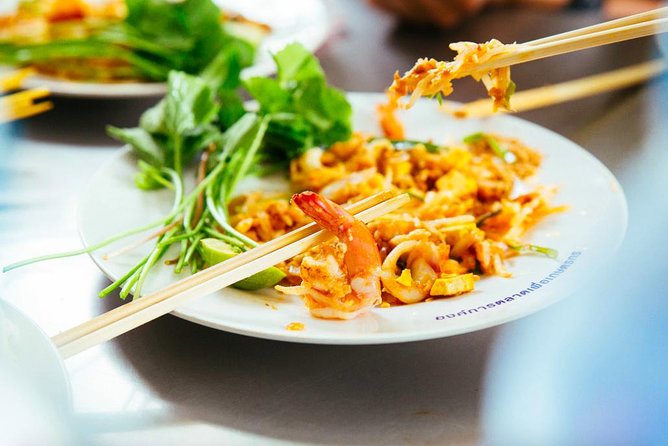
I especially like the forest walk part, because it turns “elephant seeing” into learning how they move and communicate. I also love that the day ends with vegetarian Pad Thai (and on the full-day option, you cook it yourself).
One thing to plan for: the bathing portion depends on conditions, and you should expect to get wet and potentially skip river time if it’s cold, even though comfort comes first.
In This Review
- Key points I’d bank on
- Why This Sanctuary Feels Different Around Chiang Mai
- Getting There: The 1.5-Hour Transfer and How It Shapes Your Day
- Mo Hom Clothing: Your First Lesson Before You Meet Elephants
- Feeding and Walking in the Forest: What You’re Actually Doing
- River Baths and Mud Moments: Expect Water, Not a Show
- Pad Thai in Two Forms: Lunch vs Full-Day Cooking Workshop
- Half-Day vs Full-Day: Pick the One That Matches Your Pace
- Half-day program: morning or afternoon
- Full-day program: more welfare activities and hands-on cooking
- What’s Included (and What You’ll Want to Plan For)
- What to Bring: Simple Gear That Makes the Day Smoother
- Price and Value: Is $46 a Smart Trade for Ethics and Time?
- Who Should Book This (and Who Should Skip It)
- My Decision Guide: Should You Book It?
- FAQ
- Is elephant riding allowed on this tour?
- What are the half-day session times?
- What does the full-day add compared to half-day?
- Do you get to watch elephants bathing, and is it guaranteed?
- What should I bring for the day?
- What languages are available?
Key points I’d bank on
- Ethics-first rules: no riding, no chains, no forced performances
- Mo Hom welcome: change into traditional northern clothing and hear elephant stories
- Real time with elephants: feed, walk with them, and watch natural river and mud bathing
- Two program lengths: half-day mornings or afternoons, plus a longer full-day with extras
- Hands-on food: vegetarian Pad Thai included, and a cooking workshop on full day
- Welfare activities in full day: herbal medicine balls and seed planting (if you choose those options)
Why This Sanctuary Feels Different Around Chiang Mai
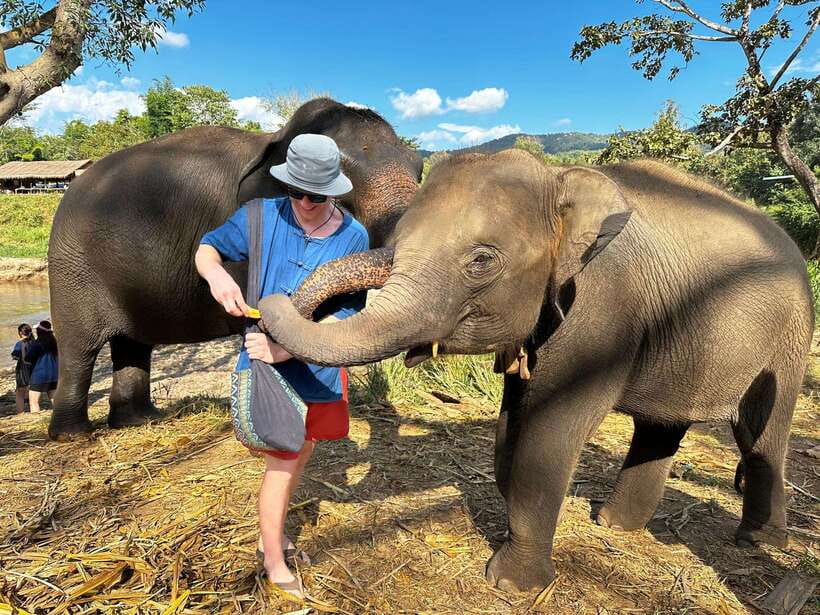
Most elephant tours in Thailand can feel like a trade: you pay, you get a “moment,” and the elephant works for it. This one is the opposite. The rules here are simple and strict—no riding, no chains, no shows—so your experience is built around observing and caring, not performing.
What makes it work is the setting. You’re in an open-air place by the river, without the busy feeling of shop-lined routes. Several guides you might meet are genuinely passionate about elephant welfare, including people named Pao, Rainbow, John, Mr Su, and Nim.
If you’re looking for a day that feels calm and respectful, not rushed, this is the kind of place where that matters.
You can also read our reviews of more tours and experiences in Chiang Mai.


Getting There: The 1.5-Hour Transfer and How It Shapes Your Day
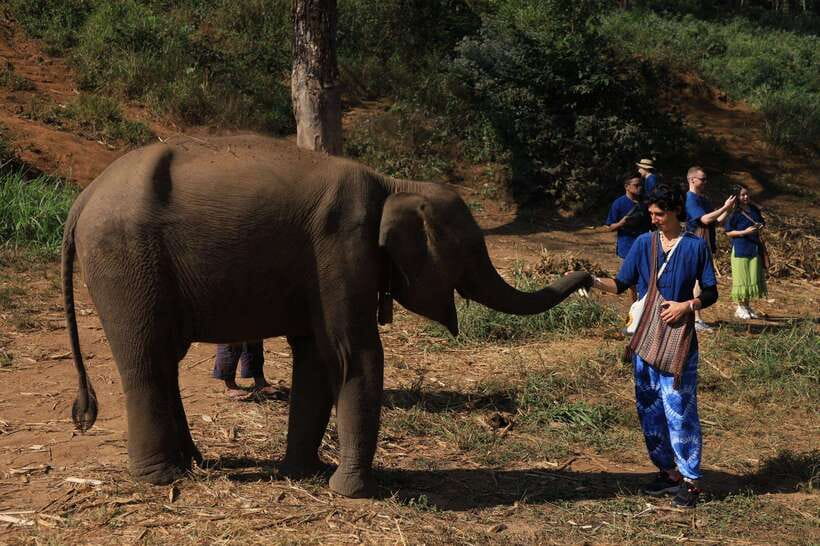
The sanctuary sits about 1.5 hours from Chiang Mai, near the Inthanon National Park area. Your day starts with hotel pick-up and drop-off, which saves you the hassle of arranging transport on your own.
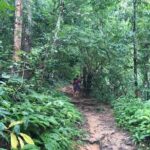
You’ll also have a drive through rural scenery—rivers, rice fields, banana plantations, and a viewpoint stop. This matters more than you’d think: it breaks up “just commuting” so the day feels like an outing, not a transfer.
Timing can shift because of traffic, and the tour duration includes travel time (half-day runs around 6–7 hours; full-day around 9–10 hours). Plan on the schedule being “close,” not military.
Mo Hom Clothing: Your First Lesson Before You Meet Elephants
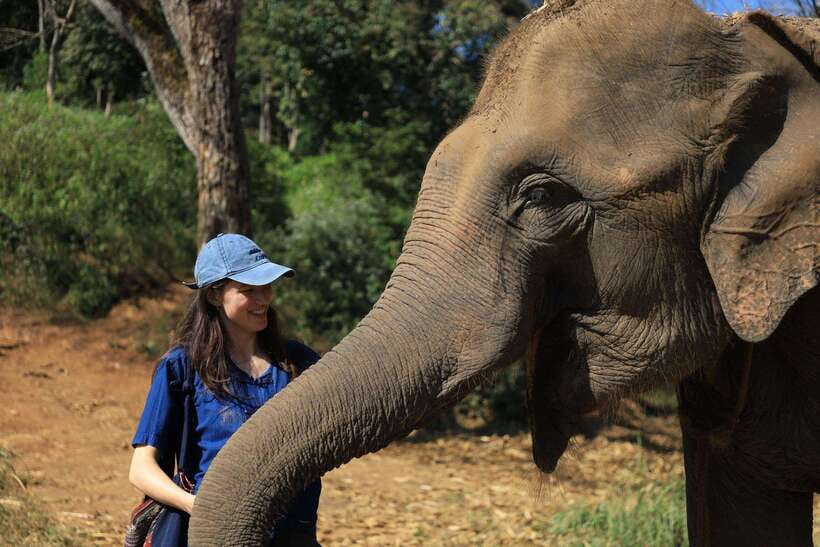
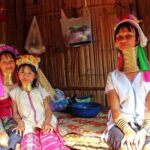
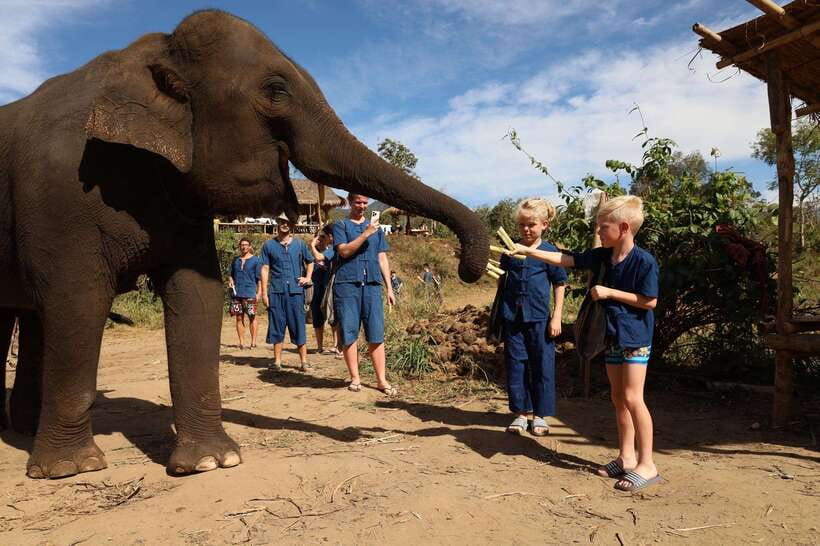
At the start, you’ll change into Mo Hom clothing, traditional northern Thai attire. It’s not just for photos—this is the moment where the experience sets its tone: you’re entering the elephants’ world, not staging a visit.
Then you get a welcome briefing from your English-speaking guide. The focus is elephant behavior and individual personality, which helps you understand what you’re seeing later. When you know why an elephant pauses, turns its head, or moves toward water, the whole day stops feeling random.
This is also when you get key safety and comfort reminders for the rest of the tour.
Feeding and Walking in the Forest: What You’re Actually Doing
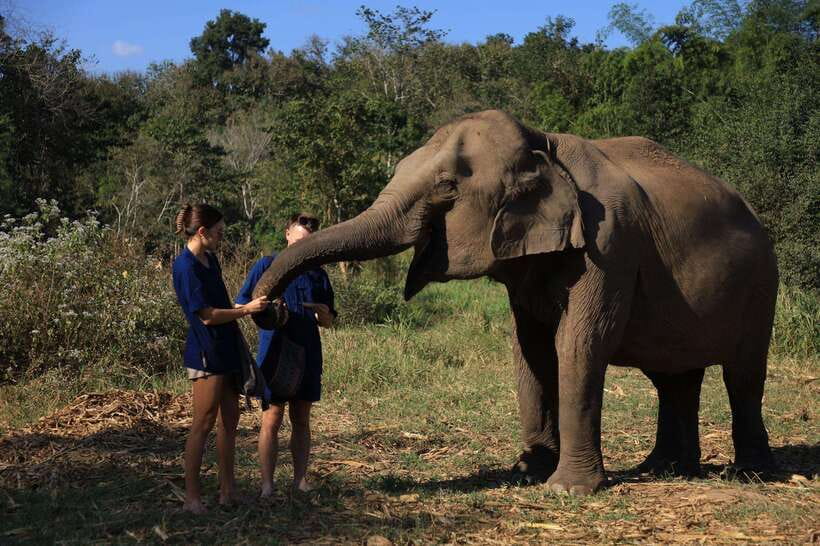
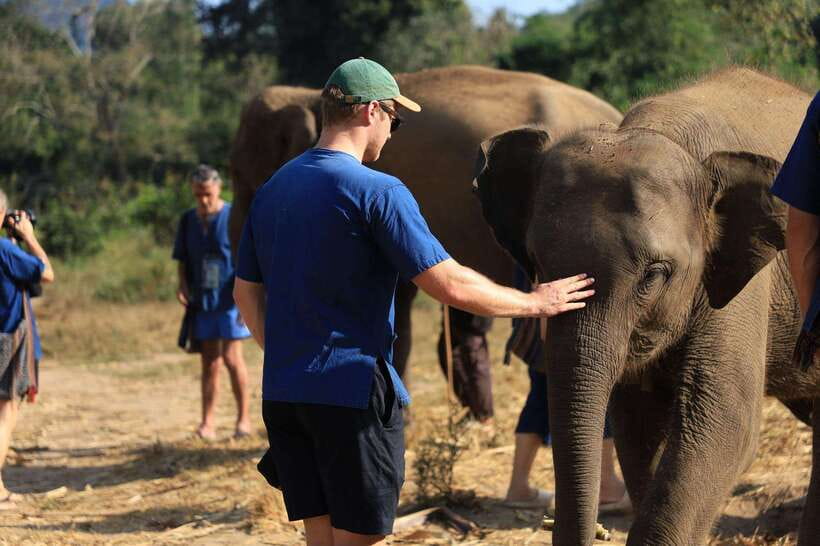
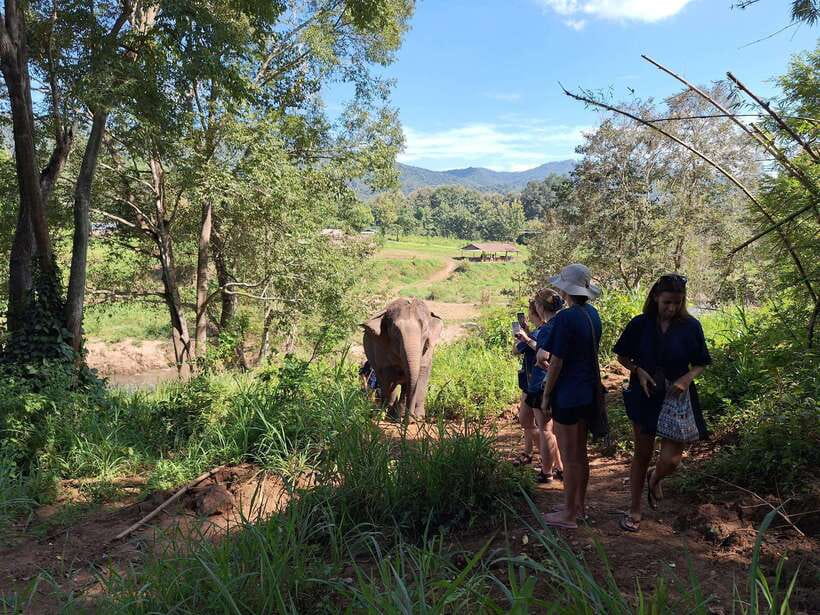
The core of the experience is simple: you’ll feed elephants and walk with them through the forest areas. The caretakers guide you so interactions stay gentle and welfare-focused.
Here’s why this part is valuable: elephants aren’t props. Their behavior drives the pace. If an elephant slows down to smell the ground or pauses near the river, you follow that rhythm instead of forcing a checklist.
You’ll likely see how social the herd is—how they space out, regroup, and respond to their environment. And since no riding is allowed, you’re interacting at the elephants’ comfort level.
If you’re hoping for a dramatic, guaranteed “big moment,” temper expectations. This is more “watch and learn” than “movie scene on demand.” That trade is exactly what many people love.
River Baths and Mud Moments: Expect Water, Not a Show
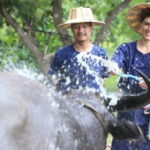
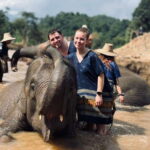
One of the top highlights is getting to observe elephants bathing naturally in the river and enjoying mud baths. This isn’t a performance. You’re there while the elephants choose water and mud, guided by caretakers who prioritize comfort.
Important: elephants are never forced into the river during cold weather. That’s a real welfare choice, not a marketing line. So if it’s chilly, you might see less of the bathing moment than you expected, but the goal stays the same—don’t push the animals.
Because bathing is part of the experience, bring what you need to be comfortable:
- swimwear and a towel
- a change of clothes
- sandals you don’t mind getting wet
You don’t need to be fearless here. Just be prepared, and you’ll enjoy it more.


Pad Thai in Two Forms: Lunch vs Full-Day Cooking Workshop
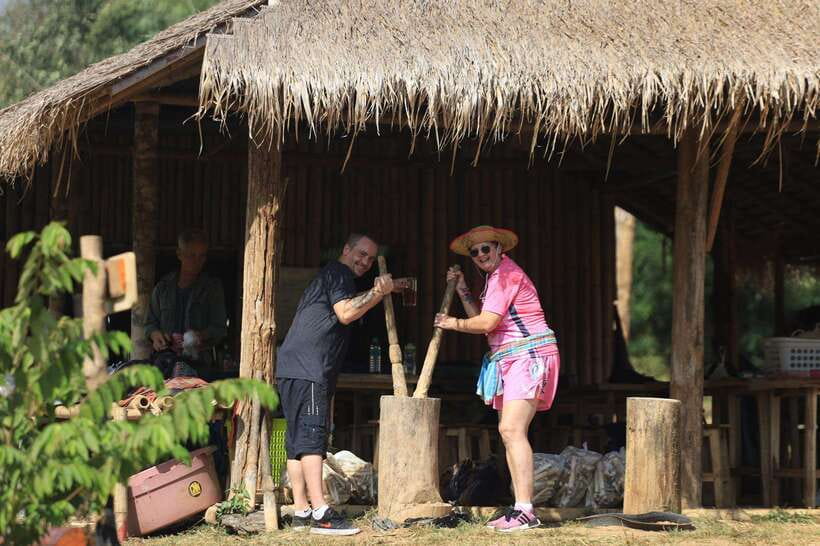
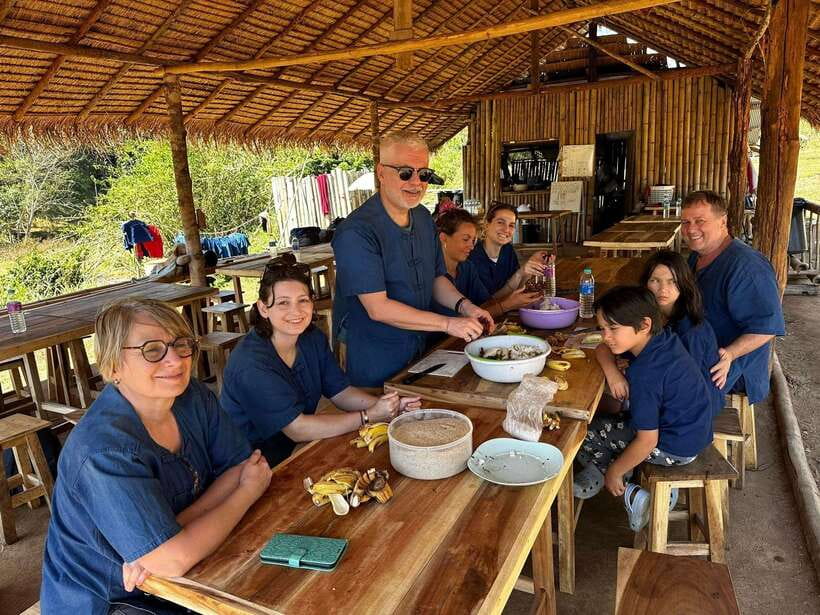
Food is a big part of the experience, and it’s not “snack-box Thai.” You get an authentic vegetarian Pad Thai meal prepared with local ingredients.
On the full-day program, you can also join a Pad Thai cooking workshop (available starting 2 December). You’ll cook and then enjoy the vegetarian Pad Thai you make.
This matters for value because you’re not just eating—you’re taking home a small skill (and the flavors you like). Even if you’re not a cooking person, you’ll walk away understanding how the dish comes together.
Either way, you’ll also get a meal included during the day. Full-day visitors also have options like handmade vegetarian Pad Thai for lunch tied to the workshop experience.
Half-Day vs Full-Day: Pick the One That Matches Your Pace
You have two program lengths, and the best choice depends on how much time you want to spend on extra welfare activities.
Half-day program: morning or afternoon
Half-day runs roughly 6–7 hours. There are two sessions:
- Morning: about 07:00–14:00
- Afternoon: about 12:00–19:00
What you’ll do is focused and efficient:
- hotel pick-up and transfer (around 1.5 hours)
- scenic drive through countryside
- Mo Hom clothing and briefing
- feeding and forest walking
- walking to the river to watch bathing
- a local meal
- return to Chiang Mai (about 1.5 hours)
This is the sweet spot if you want elephant time without turning your entire day into logistics.
Full-day program: more welfare activities and hands-on cooking
Full-day runs about 9–10 hours, typically 08:00–17:00. It builds on the half-day with extras that go beyond “watching.”
In addition to feeding, forest walking, and river bathing, you may get:
- the vegetarian Pad Thai cooking workshop (starting from 2 December)
- herbal medicine ball making to support elephant digestion (if selected)
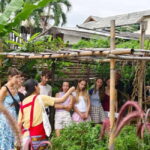
- planting seedlings that will grow into natural elephant food
- time to change clothes, then say goodbye
The full-day option is best if you want a bigger day and like the idea of doing small welfare-support activities yourself.
What’s Included (and What You’ll Want to Plan For)
This tour includes the big practical items that save you headaches:
- hotel pick-up and drop-off
- traditional Mo Hom clothing
- interaction with elephants, including feeding and bathing observations
- a local meal (vegetarian)
- photography service
- travel insurance
On full day, the workshop and welfare activities are included as options (depending on what you choose), including vegetarian Pad Thai cooking and extras like herbal medicine balls and seed planting.
What’s not included is personal spending, which is normal, but it means you should plan if you want any extra purchases during the day.
Also pay attention to the rules:
- smoking is not allowed
- alcohol and drugs are not allowed
- riding the animals is not allowed
If you’re tempted to “just do it quickly,” don’t. This sanctuary’s whole model depends on sticking to the welfare-first guidelines.
What to Bring: Simple Gear That Makes the Day Smoother
I always think about comfort gear first on tours like this. The biggest “gotcha” is that bathing means you’ll get wet.
Bring:
- hat
- swimwear
- change of clothes
- towel
- sandals (something you can rinse off)
- sunscreen
- insect repellent
- comfortable clothes
- camera
If you forget a towel, you’ll still be fine, but you’ll feel it. If you forget swimwear, you’ll still watch bathing, but you’ll miss out on the easiest way to participate comfortably.
Price and Value: Is $46 a Smart Trade for Ethics and Time?
At about $46 per person, this is priced like a proper day tour, not a budget “elephant selfie.” The value comes from three things that matter:
- You’re paying for ethical care and real time with elephants (feeding, walking, bathing observation), not a performance.
- You get transportation from Chiang Mai plus a meal, so you’re not spending extra on logistics.
- You’re getting included amenities like photography service and travel insurance, which helps when you’re carrying less worry.
Could a cheaper tour exist? Probably. But if the goal is a calmer, kinder experience with no riding and no staged acts, this price starts to look fair.
And if you’re already doing Pad Thai as a food quest in Thailand, the fact that it’s vegetarian and tied into a cooking workshop on full day adds extra payoff.
Who Should Book This (and Who Should Skip It)
This is a strong fit if you want:
- an elephant encounter built around welfare and observation
- a forest-and-river day, not a short roadside stop
- time with guided caretakers who explain what you’re seeing
- a food-focused add-on with vegetarian Pad Thai
It may not suit everyone. The tour is not suitable for:
- children under 2 years
- pregnant women
- people with back problems
- people with heart problems
If you’re unsure, think about the walking and the wet conditions around the river bathing. That’s the main physical factor you should consider.
My Decision Guide: Should You Book It?
Book this if you care about ethical elephant tourism and you want a day that feels peaceful, not performative. The combination of feeding, forest walking, natural bathing observation, and vegetarian Pad Thai gives you both meaning and fun.
Skip it if you’re chasing a loud, high-speed checklist experience. This place runs on elephant behavior. If you’re okay with slow, respectful time, you’ll likely enjoy it a lot.
FAQ
Is elephant riding allowed on this tour?
No. Riding elephants is not allowed on this experience, and the sanctuary operates with strict animal welfare rules like no riding, no chains, and no performances.
What are the half-day session times?
The half-day program has two options: a morning session around 07:00–14:00 and an afternoon session around 12:00–19:00.
What does the full-day add compared to half-day?
The full-day program includes extra activities such as a vegetarian Pad Thai cooking workshop (available starting 2 December) and optional welfare-support activities like making herbal medicine balls and planting seedlings.
Do you get to watch elephants bathing, and is it guaranteed?
Bathing is part of the experience, but it depends on weather and elephant comfort. Elephants are never forced into the river during cold weather.
What should I bring for the day?
Bring a hat, swimwear, a change of clothes, a towel, sandals, sunscreen, insect repellent, comfortable clothes, and a camera.
What languages are available?
The tour includes an English-speaking guide. A Chinese guide is available for the full-day program only.