REVIEW · CHIANG MAI
Elephant care program at CHIANGMAI ELEPHANT CARE
Book on Viator →Operated by CHIANGMAI ELEPHANT CARE · Bookable on Viator
Elephants without the ride? That’s the point. This Chiang Mai elephant care program pairs hotel pickup with up-close time around rescued elephants in a sanctuary setting focused on welfare, not performance.
What I like most is the hands-on side that still stays respectful. You’ll also get a Mahout-style uniform on site, which makes the day feel practical, immersive, and easier on your clothes.
One consideration: water activities can be hit-or-miss depending on the elephants and the day’s flow. Some guests expect to wash or get fully in the water, but not every group ends up with that same level of water time.
In This Review
- Key takeaways before you go
- Half-Day Elephant Care in Chiang Mai: What Makes It Work
- Pickup, Timing, and the Scenic Countryside Drive
- On Site: Mahout-Style Uniforms and a Care-First Mindset
- Walking and Observing Elephants Without a Show
- Feeding, Protein Supplements, and Ethical Interaction
- Lunch on a Half Day: Simple, Local, and Actually Useful
- What You’ll Actually Need to Bring (and Why)
- Price and Value: Why $52 Can Make Sense
- Who This Tour Fits Best (and Who Might Want a Different Option)
- What to Expect From the People Behind the Program
- Should You Book CHIANGMAI ELEPHANT CARE?
- FAQ
- What time is the hotel pickup, and when do we return?
- Is elephant riding part of the experience?
- What’s included in the tour price?
- What should I bring with me?
- How many people are in the group?
- Is there free cancellation?
Key takeaways before you go
- No elephant riding: you observe, walk, and interact in a safer, more humane way
- Small groups (max 12): easier questions, more time with staff, less rushing
- Mahout-style clothing on site: helps protect your own clothes and reduces the hassle
- Feeding and making protein supplements: hands-on care that feels meaningful
- Rescued elephants roam and socialize: you’re watching real behavior, not a show
- Mud and bugs are real: pack for outdoor time and plan for a wet, earthy day
Half-Day Elephant Care in Chiang Mai: What Makes It Work
A half-day format is great in Chiang Mai because it leaves you energy for markets, temples, and street food later. This program is designed to be efficient: morning hotel pickup, a few focused hours with the elephants, lunch, then you’re back around early afternoon.
The big draw is simple: you’re not signing up to ride or force anything. Instead, you’re spending time with rescued elephants as they move through their environment—roaming, socializing, and yes, sometimes bathing. That matters because it changes the whole vibe. You’re there to learn and observe, and any interaction is framed as care, not entertainment.
You’ll also see how the day is structured for comfort and respect. Guides explain elephant behavior and care basics, and there’s a uniform change on site so you’re not worrying about ruining your shirt the moment you step into the sanctuary.
You can also read our reviews of more tours and experiences in Chiang Mai.



Pickup, Timing, and the Scenic Countryside Drive
You’ll be picked up from your hotel lobby in Chiang Mai city between 08:00 and 08:30, with drop-off about 2 pm. That timing is tight in a good way: it’s long enough to feel like you did something important, but short enough that you don’t lose an entire day.
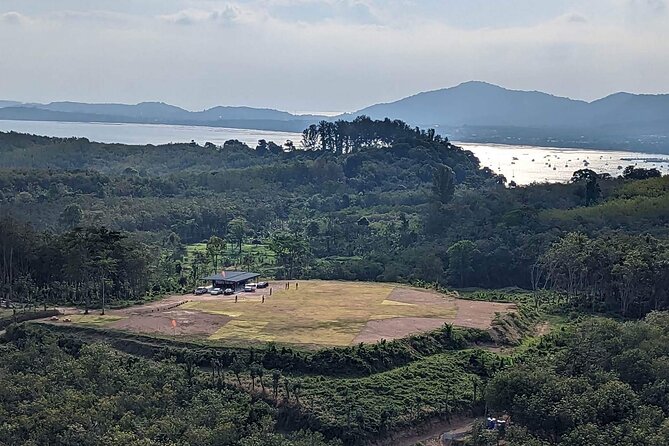
Before you ever reach the sanctuary, there’s about a 1.5-hour drive through northern Thailand’s countryside. Think agricultural areas and rural roads—less city noise, more “you’re heading somewhere real” energy. It also buys you time to get your bearings. Your guide typically uses the ride to set expectations and share background on elephants and local traditions, so you arrive knowing what you should notice.
The transport is air-conditioned, and the group size is capped at 12, which helps keep the schedule from turning into a conveyor belt. If you like asking questions and getting direct answers, the smaller max group is a practical advantage.
On Site: Mahout-Style Uniforms and a Care-First Mindset
Right when you arrive, you change into a Mahout-style uniform designed to protect your clothes. This is one of those details that sounds minor until you’re standing there with a nice camera-ready outfit you didn’t plan to get dusty or muddy. The uniform also signals that the sanctuary wants you to act and dress appropriately for the work-like setting.
Then you’ll get a short orientation on elephant care—how elephants behave, what to look for in natural surroundings, and how humans can support welfare without forcing actions. One theme that comes up repeatedly is nutrition: you’ll learn about traditional organic herbal dietary supplements, and you may help make protein supplement balls (often described as medicine balls) for the elephants.
Here’s the value for you: you’re not just “watching elephants.” You’re learning enough to understand what you’re seeing. That turns the visit from a photo trip into something closer to a mini lesson—without the lecture tone.
Guides like Tom and Ford are mentioned for being funny, caring, and clearly passionate, and Todd is highlighted for sharing local Chiang Mai traditions during the drive. There are also mentions of guides such as Tong/Thong with strong English and careful explanations. The through-line is clear: they don’t treat your questions like interruptions.
Walking and Observing Elephants Without a Show
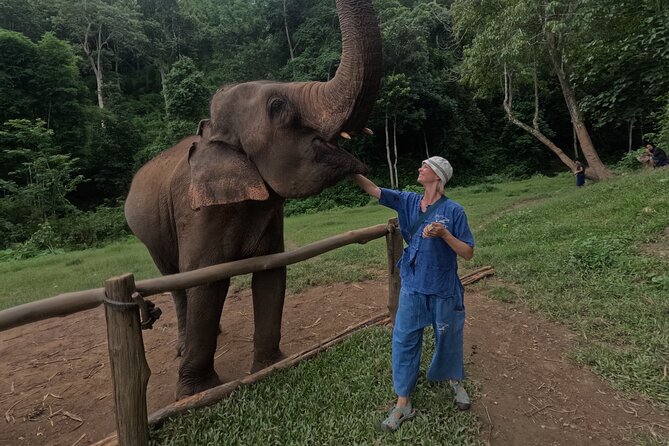
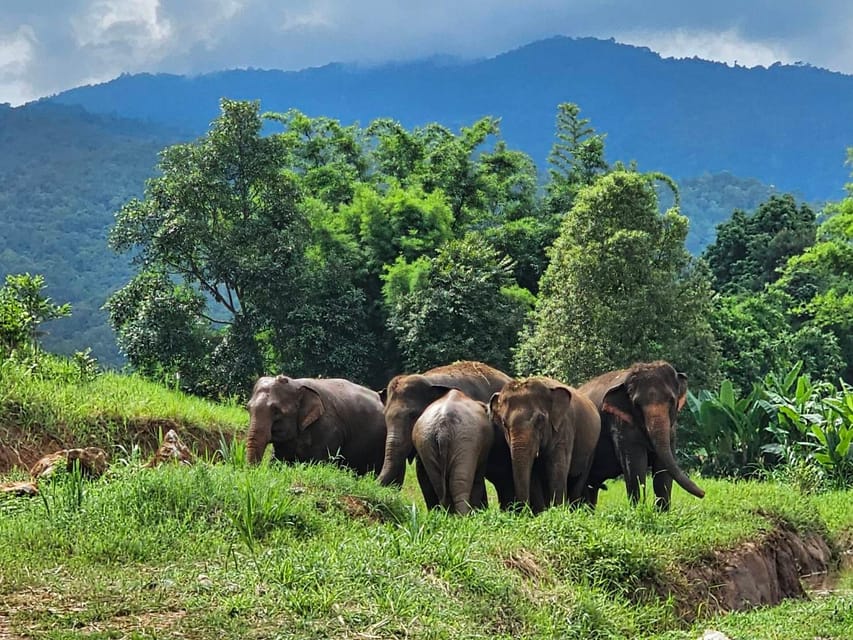
Once you’re in the sanctuary routine, the experience leans toward observing elephants as they naturally roam and socialize. You’ll walk and watch them in a “natural way,” meaning you’re not standing behind a railing for a performance. You’ll be close enough to notice behaviors, body language, and how elephants interact with each other.
And yes, there’s a key line you should care about: no riding. That’s not a marketing detail. It changes the entire ethical math of the visit.
In many encounters, you’ll likely get time with a mix of elephants, and some groups specifically mention a baby elephant as a highlight. Adults and babies have different rhythms—babies are curious and energetic, while adults can be more deliberate. If you’re hoping for that emotional “wow” moment of seeing elephants up close in a calm, respectful setting, the presence of younger elephants can make the day feel extra memorable.
One more real-world detail: the number of elephants and which activities you do may vary from day to day. Some guests describe seeing three elephants and a baby. Others mention specific cases like two female Asian elephants. That variability doesn’t mean the place is chaotic; it just means you’re responding to living animals, not a staged program.
Feeding, Protein Supplements, and Ethical Interaction
If you want an experience that’s hands-on without turning into a circus, this is where it shines.
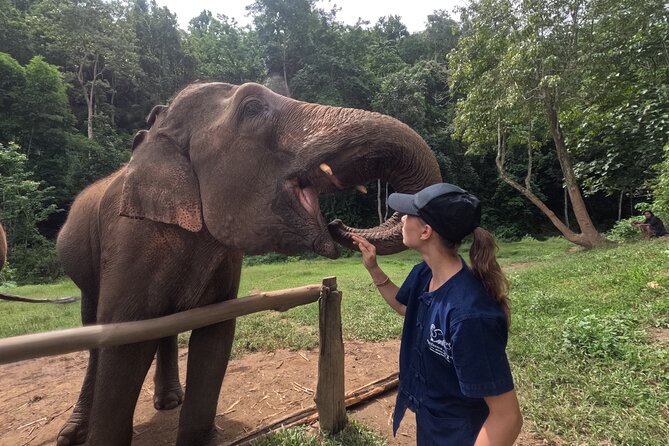
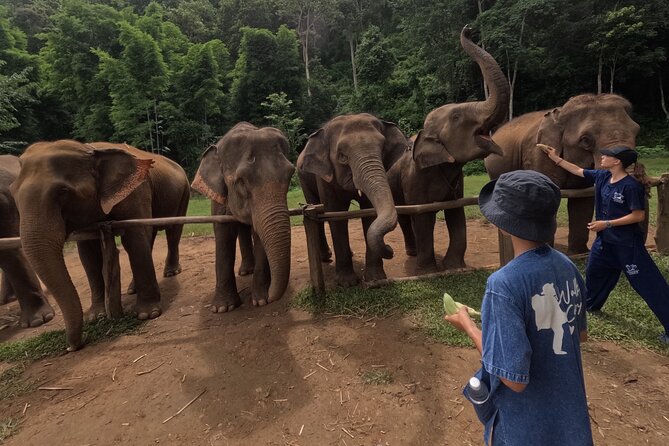
You may be able to feed the elephants under staff guidance, and you might help prepare their protein supplements (often described as medicine/protein balls). This is more than cute interaction. It’s a chance to see how feeding fits into daily care routines and how staff manage the space so elephants can move naturally.
I like this approach because it builds understanding. When you’re part of the care process—within clear boundaries—you tend to notice more: how elephants approach, what they ignore, and how calm the staff stay. In the reviews, the feeling of nothing being forced shows up again and again, and that’s exactly what you should look for: elephants choosing to engage, not being pushed into behavior.
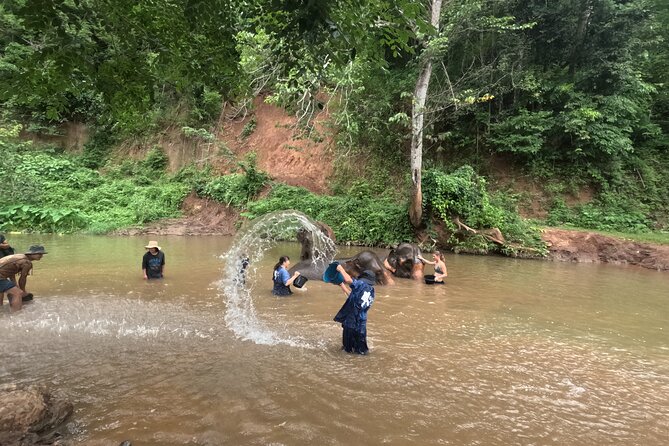
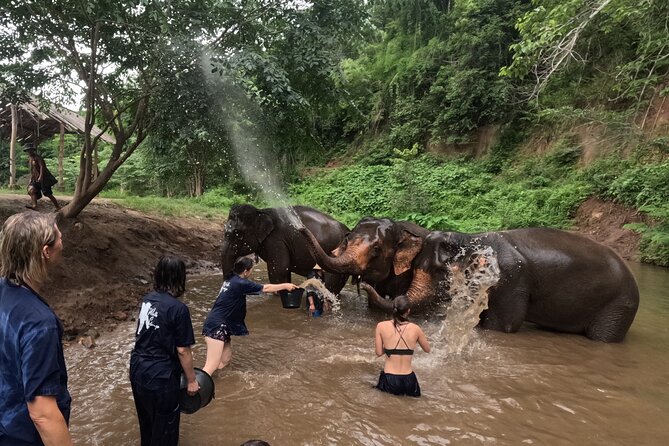
A couple guests mention additional interaction like washing or bathing, but others say their day didn’t include being in the water with the elephants. So set your expectations to the core promise: safe, humane care time plus feeding and observing. Treat bathing/washing as a possible add-on rather than a guarantee.





Lunch on a Half Day: Simple, Local, and Actually Useful
You’ll have lunch included. Guests specifically mention meals like pad thai, and the food is generally described as delicious and satisfying—especially helpful when you’ve spent time outdoors.
Because the tour is only about 6 hours, lunch is less about “a big restaurant experience” and more about keeping you fueled for the rest of the day. That’s what you want on a half-day outing: a real meal, no long detour, and back on your feet for Chiang Mai afterward.
Also included: bottled water. That’s a small line item, but it saves you the hassle of tracking down drinks during an active morning.
What You’ll Actually Need to Bring (and Why)
Don’t overpack. But do pack for real sanctuary conditions.
The essentials you should bring:
- Sunscreen
- Bug spray
And if you want to be prepared for water-related time, bring swim gear and the right gear—even though some of it isn’t included. The tour lists that swim suite, sandals, towel are not included, and you should also bring bug spray. Translation: plan to get wet and muddy if the day’s elephant activities include baths or washing.
Some reviews also mention mud and rubber boots. The tour details you provided don’t explicitly promise boots, but at least one guest reports rubber boots being provided. Either way, it’s smart to wear footwear that can handle wet ground without ruining your whole day.
Practical tip: if you bring a phone, use a secure pocket or waterproof pouch. Not because you’ll necessarily go swimming, but because sanctuaries are muddy, and water happens.
Price and Value: Why $52 Can Make Sense
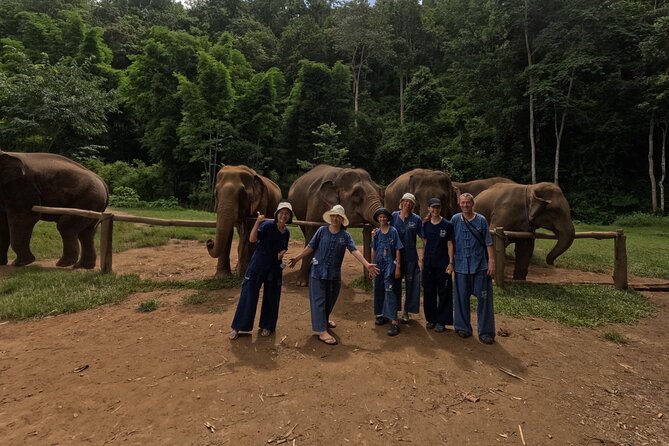
At $52 per person for a half-day, the value is best judged by what’s included.
You’re getting:
- Hotel pickup and drop-off
- Air-conditioned transportation
- Lunch + bottled water
- All fees and taxes
- Insurance
That’s the key: you’re not paying extra for basic comfort and logistics. Elephant tours in Chiang Mai can get expensive fast once you add transportation and meals. Here, the “hidden costs” are already rolled in, which makes it easier to compare fairly.
The smaller max group (12) also matters for value. Larger groups often mean more waiting, less time with staff, and more time squeezed for photos. A smaller group doesn’t guarantee a better day, but it improves the odds.
So who gets the best deal? People who want a meaningful, humane elephant experience without turning it into a full-day itinerary.
Who This Tour Fits Best (and Who Might Want a Different Option)
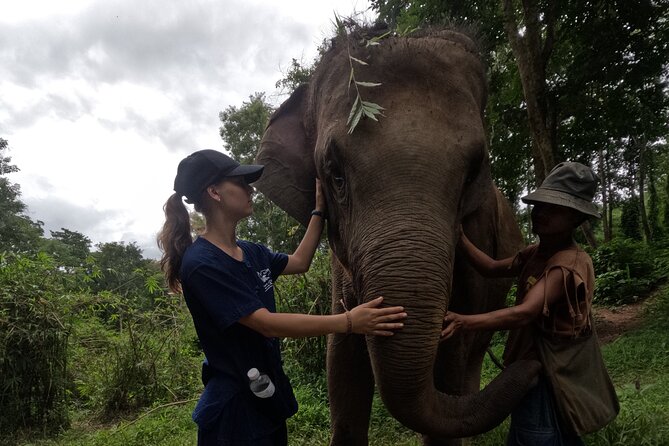
This tour is a good fit if you:
- Want a humane elephant encounter with no riding
- Like learning from guides and asking questions
- Prefer a half-day plan with time left for Chiang Mai
- Enjoy small-group activities (max 12)
It also notes moderate physical fitness. That doesn’t mean “athletic.” It means you should be comfortable with outdoor walking and spending a few hours on your feet.
You might want to consider another option if you’re specifically chasing guaranteed water play (washing/bathing) every time. Some guests report water time; others don’t. If that’s your top priority, you’ll want to ask the provider ahead of time what’s typical for your exact day.
What to Expect From the People Behind the Program
Staff quality is a big deal on animal tours. In the reviews, the vibe is consistent: guides are patient, clear, and genuinely focused on elephant welfare.
Names that come up include:
- Tom (described as funny, caring, knowledgeable, with excellent English)
- Ford (knowledgeable and passionate about welfare)
- Todd (sharing Chiang Mai local traditions on the drive, guiding with care)
- Tong/Thong (friendly and good at explaining activities)
Even if you don’t know the guide’s name ahead of time, the patterns matter: they explain elephant behavior, they manage the pace, and they keep your interactions within the safe boundaries that protect both elephants and people.
That’s what you’re paying for, beyond the elephants themselves.
Should You Book CHIANGMAI ELEPHANT CARE?
Yes—if your goal is an ethical, humane elephant experience that’s more about care and observation than riding.
Book this tour if:
- You want hands-on feeding and supplement preparation
- You value small group size
- You like a structured half-day with hotel pickup, lunch, and a clear schedule
- You’re open to walking, outdoors time, and getting a little dirty
I’d think twice if:
- You need guaranteed water-based activities (washing/bathing)
- You’re looking for a big, full-day “theme park” itinerary
Final take: at this price point, with pickup, lunch, and fees included, this is a strong value way to experience Chiang Mai elephants while keeping the focus where it belongs—on elephant welfare and respectful interaction.
FAQ
What time is the hotel pickup, and when do we return?
Pickup is scheduled from your hotel lobby in Chiang Mai city between 08:00 and 08:30, and the drop-off is about 2 pm.
Is elephant riding part of the experience?
No. This program does not include elephant riding.
What’s included in the tour price?
The tour includes lunch, bottled water, all fees and taxes, an air-conditioned vehicle, insurance, and hotel pickup/drop-off.
What should I bring with me?
Bring sunscreen and bug spray. The tour notes that you should also bring a swimsuit, sandals, and a towel.
How many people are in the group?
The experience has a maximum of 12 travelers.
Is there free cancellation?
Yes. You can cancel up to 24 hours in advance for a full refund. Cancellation less than 24 hours before the start time isn’t refundable. The experience also requires good weather and may be canceled if minimum traveler numbers aren’t met, with options like a different date or a full refund.