REVIEW · CHIANG MAI
Chiang Mai: Wat Pha Lat & Wat Phra That Doi Suthep Tour
Book on GetYourGuide →Operated by CHIANGMAI SIAM TRAVEL LTD.,PART. · Bookable on GetYourGuide
A mountain temple glow is hard to forget. This evening tour pairs two very different sites, from the quieter Wat Pha Lat tucked in greenery to the main Wat Phra That Doi Suthep with a steep stair climb and big golden-pagoda energy. I like that the guide keeps the story straight, including why the pagoda matters, and I like the timing that lands you near the city’s night lights. One thing to plan for: there are stairs, and the tour is not for wheelchair users.
You’ll start late afternoon or early evening, ride up in an air-conditioned van, then walk and stand through temple grounds at a real-life pace. I also appreciate the human touch: some guides have a monk background or strong ritual experience, and they’ll talk you through what you’re seeing instead of rushing you along. If you hate rules about clothing, note the dress code before you go.
In This Review
- Key highlights that make this tour worth your evening
- Why the Wat Pha Lat + Doi Suthep pairing works so well
- Pickup, timing, and how the day flows (without feeling rushed)
- Wat Pha Lat: the quieter temple that feels tucked away on purpose
- The ride up and the shift toward golden-hour views
- Wat Phra That Doi Suthep: the 306 steps, the gold pagoda, and the big spiritual draw
- The stair climb
- The gold pagoda and its relic meaning
- Monk ceremony timing
- Dress code reality check
- Chiang Mai at night: the viewpoint payoff you’ll feel in your chest
- Why the guide can make or break this tour
- Price and value: what $24 really buys you
- What to wear, what to bring, and what can get annoying
- Who should book this tour (and who should pick a different one)
- Should you book this Chiang Mai temple evening tour?
- FAQ
- How long is the Chiang Mai Wat Pha Lat and Doi Suthep tour?
- Where is the meeting point?
- What time is pickup?
- Which temples will I visit?
- How many steps do I have to climb at Doi Suthep?
- Is the cable car included in the tour price?
- What is included in the price?
- What should I wear to enter the temples?
- Is this tour wheelchair-friendly?
Key highlights that make this tour worth your evening
- Two temples, two moods: a calm hidden temple first, then the famous Doi Suthep pagoda complex.
- 306 steps to the gold pagoda: a leg-burning climb with payoff views over Chiang Mai.
- Hidden Wat Pha Lat setting: Thai-Burmese-style details with waterfall sounds nearby.
- You’re there for monk moments: the schedule is set so you can catch prayer or chanting when timing works out.
- Guides who do more than facts: many take extra time with photos, explanations, and rituals; names you may get include Tomtam, Mui, Ponpon, Art, Toon, and Jibby.
- Comfortable transport: an AC van plus a water bottle keeps the trip steady before the walking starts.
Why the Wat Pha Lat + Doi Suthep pairing works so well
Chiang Mai temples are great any time of day, but doing them back-to-back in the evening changes the vibe fast. You start with a lesser-known-feeling temple experience where the setting feels more like a retreat than a stop on a checklist. Then you head to Doi Suthep for the big moment: the hill-top sanctum, the gold pagoda, and the view that makes the climb feel justified.
The other reason this pairing works is logistics. Both temples sit outside the old city, and getting there on your own usually means figuring out transport, timing, and temple etiquette. A guided format removes most of that stress, and it also means you’re more likely to understand what you’re looking at—especially around Doi Suthep’s relic symbolism and the temple’s role in northern Thai Buddhism.
You can also read our reviews of more tours and experiences in Chiang Mai.



Pickup, timing, and how the day flows (without feeling rushed)
The tour is built around a late-afternoon/early-evening pickup. If you choose hotel pickup, it starts around 16:00–16:30. If you use the meeting point option, you’ll meet at Pharmart C Drugstore and wait between 15:50–16:15.
What you get here is a smart half-day rhythm:
- A smooth drive out of town first
- Enough light for temple details
- A climb and viewing time that lines up with the city changing from day to night
- A return to Chiang Mai by around 20:00–20:30
You’re also not stuck in a long “do everything, see nothing” loop. Even with a group format, the schedule gives you guided time inside the temples and then room to look around yourself for photos and quieter moments.
One practical note: your pickup area is limited to within a 2.5-kilometer radius of downtown/Thaphae Gate/Old City Wall. If you’re farther out, there may be an extra fee. That’s normal for Chiang Mai, but it’s worth checking early so the cost doesn’t surprise you.
Wat Pha Lat: the quieter temple that feels tucked away on purpose
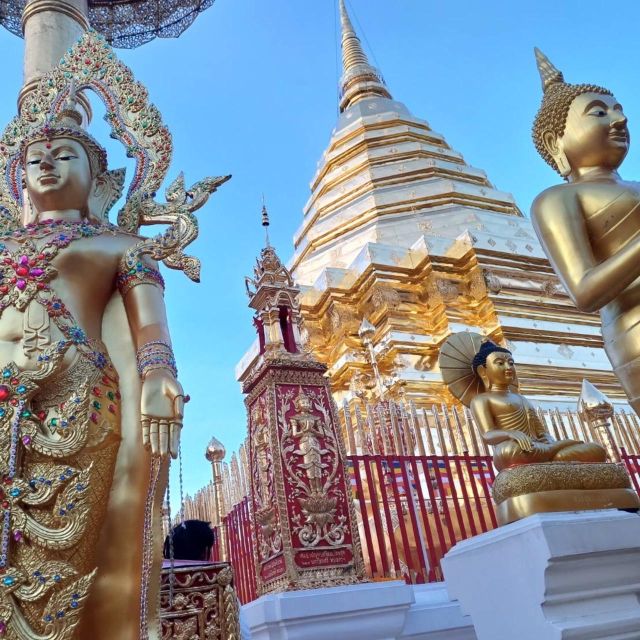
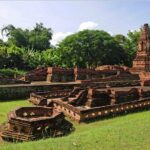
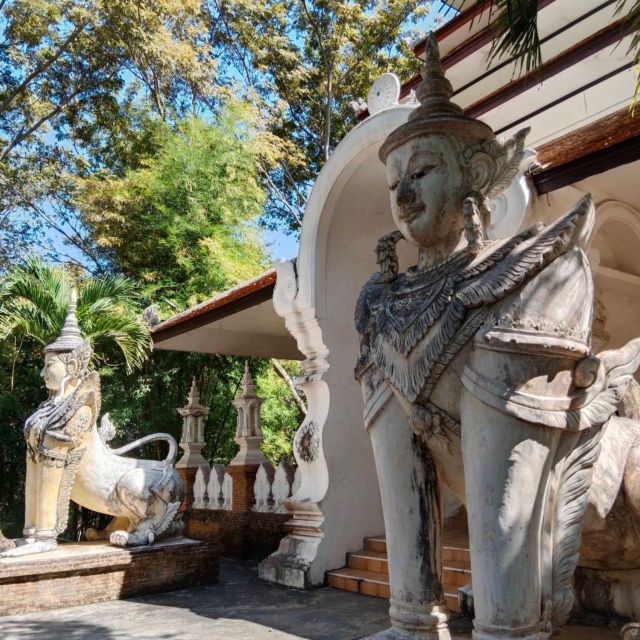
Wat Pha Lat is the warm-up temple—though the design isn’t small. This is where you’ll see a Thai-Burmese architectural mix sitting in a lush, forested mountain setting. It’s the kind of place where you can slow down without feeling like you’re fighting crowds.
Here’s what I’d pay attention to:
- The temple architecture: not just Thai-style, but details that blend Burmese influences too.
- The atmosphere: you may hear soft water sounds nearby, which helps the whole area feel less rushed.
- The guide-led context: you’ll get more than where to stand for photos. Expect explanations tied to Buddhist practice and temple meaning, not just dates and names.
You’ll also have time to walk and look around on your own for a bit. Based on how guides lead this stop, you’ll usually get a mix of “listen here for a minute” and then “go explore with confidence.” Many guides also help with picture-taking at the right angles, which matters because the temple structures can look different once you move a few steps.
Possible drawback: even though Wat Pha Lat is the calmer start, you’ll still be standing and walking on uneven temple paths. Comfortable shoes matter here more than people expect.
The ride up and the shift toward golden-hour views
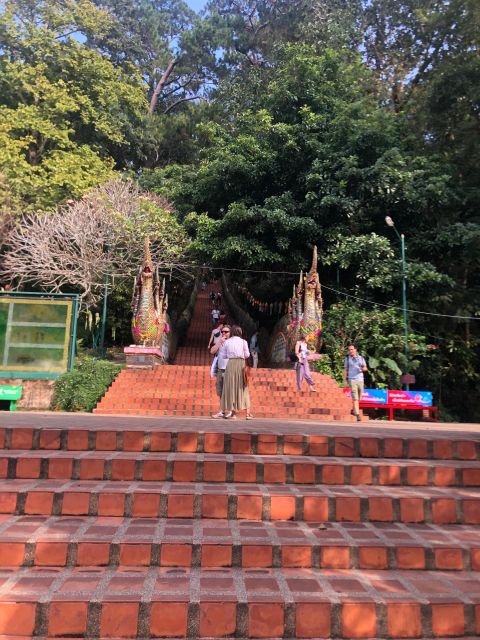
Between temples, you’re on the move again in the van, and this part is underrated. The air-conditioning buys you a breather before the steps at Doi Suthep. You’ll also get guide direction on what to watch for next—like where the views open up and when to be ready for the best light.
The road up to Doi Suthep is winding, so if you get motion-sick, take that seriously. Bring the same precautions you’d use for a curvy day trip anywhere in northern Thailand. Most people handle it fine, but it’s better to plan than to suffer.
Also, keep your pacing mindset in check. The tour is timed so you don’t just rush from temple to temple; you’re meant to experience the evening glow and the feeling of the mountain temple atmosphere settling in.
Wat Phra That Doi Suthep: the 306 steps, the gold pagoda, and the big spiritual draw
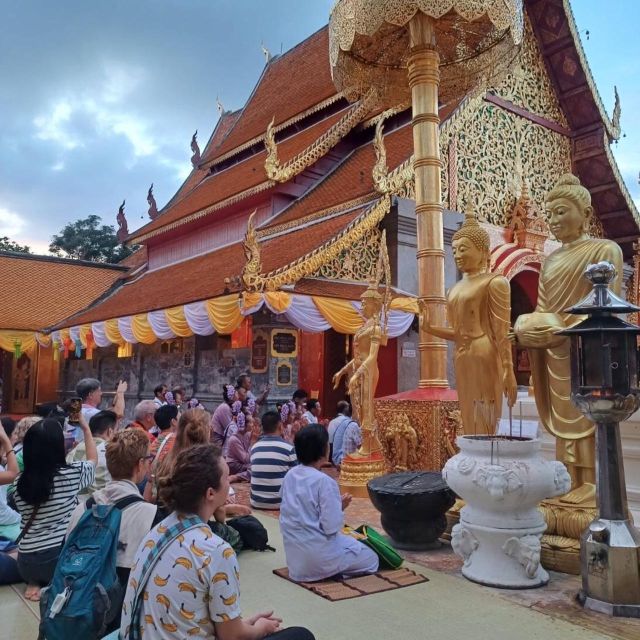
Now for the main event. Wat Phra That Doi Suthep is one of northern Thailand’s most sacred temples, and the tour’s schedule is designed around your arrival in the evening window.




The stair climb
You’ll climb 306 steps to reach the pagoda area. That’s not just a number; it’s a full effort. If your fitness is average, plan for slow steps and short pauses. If you want an easier option, there’s a cable car available at 20 Baht, but it’s not included in the tour price.
Your best move: if you’re even slightly unsure about endurance, consider budgeting for the cable car. It doesn’t break the spirit of the visit. It just saves your legs for actually enjoying the temple grounds afterward.
The gold pagoda and its relic meaning
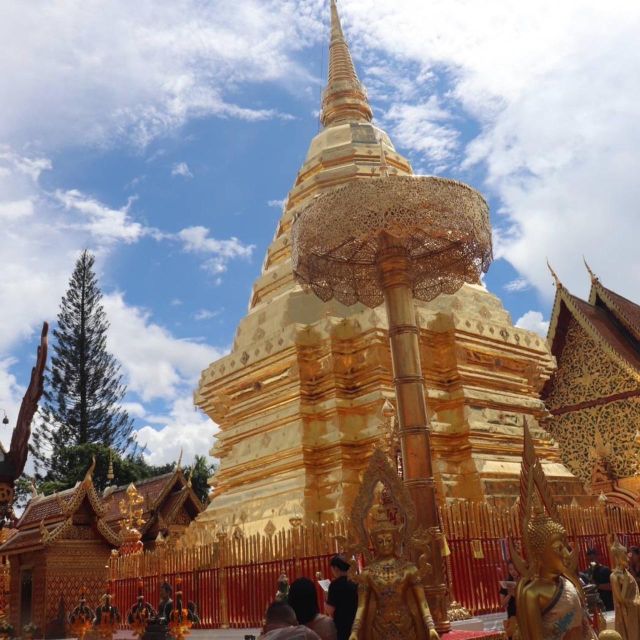
Once you’re up, you’ll see the well-preserved gold pagoda that enshrines a relic: the Buddha’s shoulder bone. This matters because Doi Suthep isn’t only a view-point temple. It’s a living religious site, with the relic tradition tied to devotion and pilgrimage.
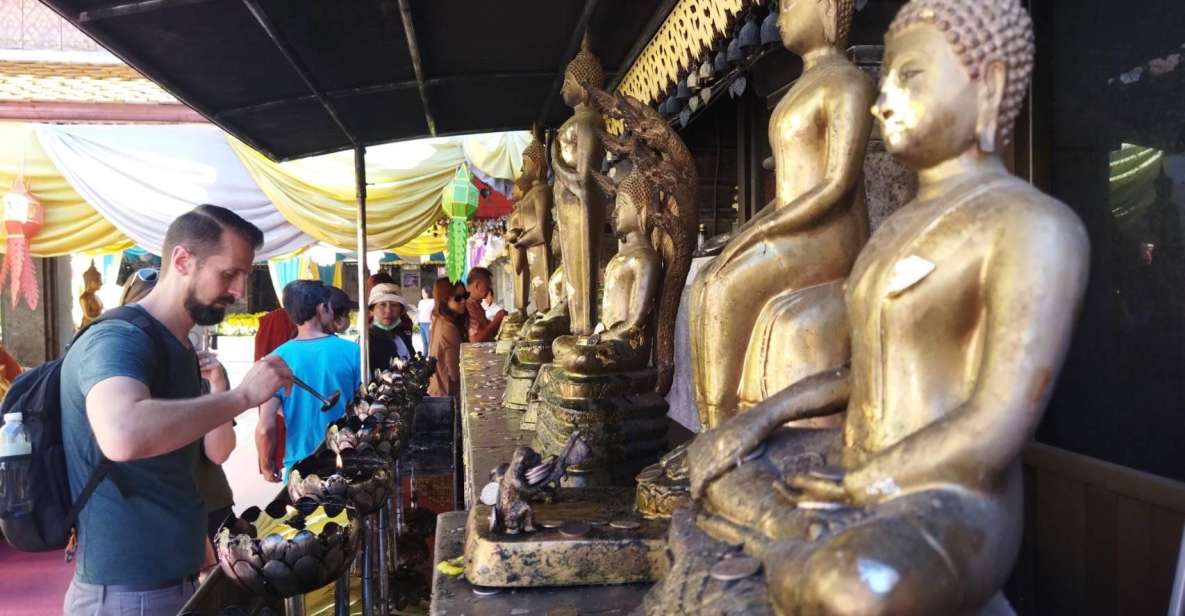
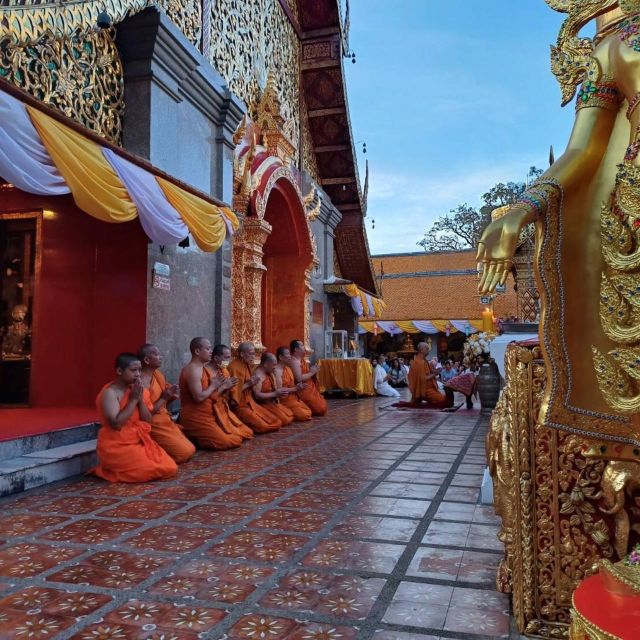
You’ll spend time on the grounds, so you can watch people praying, listen for chanting or ceremony moments, and take in the way the whole complex works as a worship space—not just a photo stop.
Monk ceremony timing
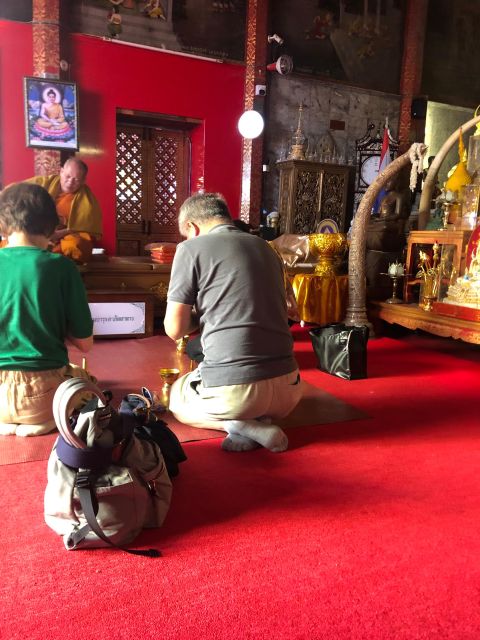
Many guides on this tour aim to get you in time to catch monks in prayer or ceremony. In practice, that means you’re not just walking through quietly; you’re there during a more active spiritual moment when timing lines up. You may also get a chance to learn what you’re seeing and how people participate.
This is one of the most memorable parts of the experience, especially if you enjoy respectful cultural context instead of speed-walking through monuments.
Dress code reality check
Doi Suthep is serious about temple attire. The tour requests long pants and shoes, and it forbids short skirts and sleeveless shirts. I’d rather you pack one long, lightweight outfit than guess what’s allowed at the last second.
And one more thing: the tour specifically notes that you will not walk the Monk’s trail. So you’ll focus on the main temple route and viewpoints, not that separate path.
Chiang Mai at night: the viewpoint payoff you’ll feel in your chest
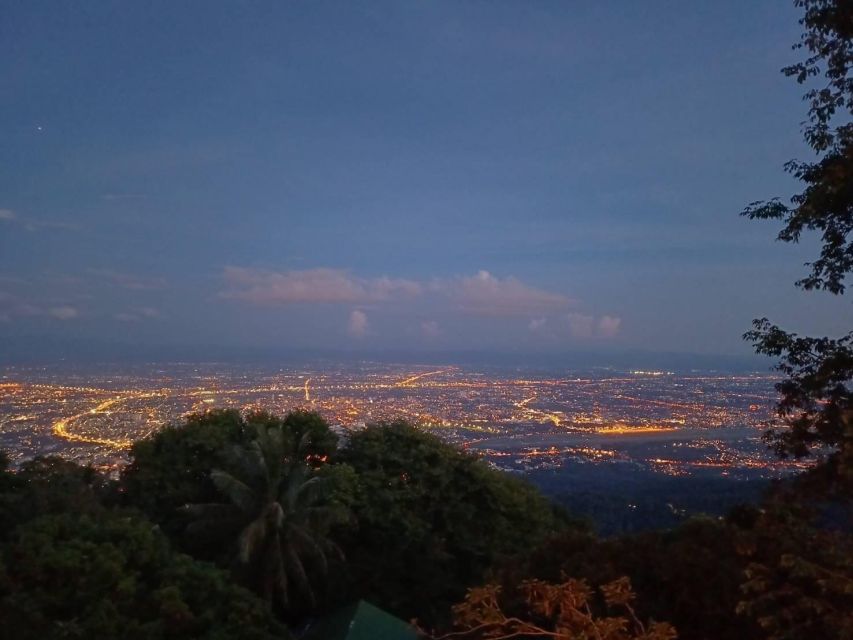
The evening portion is built for the view. You’ll see Chiang Mai’s city lights developing as the sky changes, and that shift is part of the magic. Even if temples aren’t your whole reason for coming, the viewpoint moments are.
How you’ll experience it:
- Your guide will help you get oriented fast
- You’ll have time to stand, look, and take photos
- You’ll notice the city glow as the mountain air cools down
One practical tip: keep an eye on cloud cover. Clear weather makes the city look sharper. If clouds roll in, the view becomes softer and more moody, which can still look good, but it changes the photo style. If you care a lot about skyline photos, choosing a day with better visibility is worth it.
Why the guide can make or break this tour
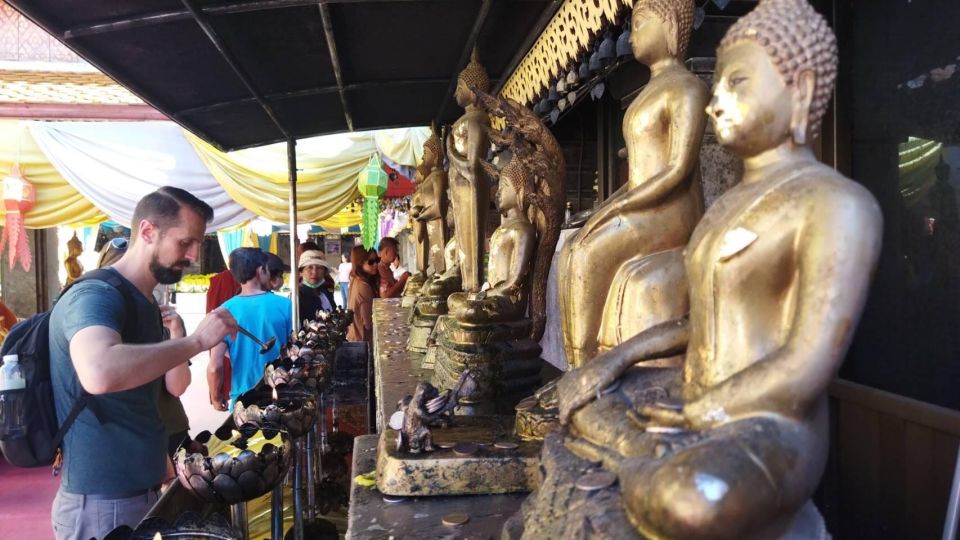
This tour has a simple truth: you’re visiting sacred places, and you’ll get more out of them when you understand what’s going on. The best guides don’t just state facts. They explain customs, answer questions, and help you participate respectfully.
In the reviews, guides like Tomtam, Mui, Ponpon, Art, Toon, Jibby, and Bird show up again and again. The patterns you can expect:
- Clear explanations of Buddhist culture and temple meaning
- Help with photos at good angles and the right times
- Patience with questions, even when the group is moving fast
- Sometimes ritual guidance, including meditation-style practices or helping you understand what to do during monk moments
One memorable angle from the guide stories: some have deep connection to monastic life or have a strong ritual background, and they’ll explain offerings and temple customs in a way that feels practical, not just academic. If you want to leave with context you can carry home, this is where the value lives.
Price and value: what $24 really buys you
At $24 per person (for a trip that runs about 270 minutes), this tour is strong value if you count what’s included:
- Air-conditioned transportation
- English-speaking guide
- Entry tickets
- Drinking water
- Hotel pickup and drop-off if you choose that option
If you tried to do this on your own, you’d still pay for transport up to the temples, you’d still need tickets, and you’d still be trying to time Doi Suthep for the best light and ceremony moments. You could wing it, but the guide’s role here is bigger than most temple day trips, because Doi Suthep especially benefits from understanding what you’re looking at and how people participate.
Extra cost to budget for: cable car at 20 Baht if you choose to avoid the 306 steps. Everything else in the day is covered by the price as listed.
Also, transport quality matters. The tour is rated highly for comfort and driving, and you’ll feel that on the curvy mountain route.
What to wear, what to bring, and what can get annoying
Bring:
- Comfortable shoes for temple walking and stairs
- Long pants (or long outfit pieces) for the temple rules
Wear with confidence:
- Covered arms and legs for temple entry
Don’t bring trouble:
- Short skirts and sleeveless shirts are not allowed
Plan for physical effort:
- You’ll climb 306 steps unless you use the cable car
- You’ll be standing and walking at both temples
One more note that affects comfort: the tour isn’t suitable for wheelchair users. If that applies to you, you’ll need a different Doi Suthep plan that matches accessibility needs.
Who should book this tour (and who should pick a different one)
This is a great fit if:
- You want a structured evening plan with two temple experiences in one go
- You enjoy learning cultural meaning, not just taking photos
- You like the idea of Chiang Mai views at night, framed by temple lighting and atmosphere
- You want a guide to help you participate respectfully in monk ceremony moments when timing works
You might want a different option if:
- You have limited mobility and want to avoid stair climbing entirely
- Temple rules about clothing will be a hassle for you
- You prefer a totally self-paced trip with no guide-led structure
Should you book this Chiang Mai temple evening tour?
Yes, if you’re the type of traveler who likes atmosphere plus context. This pairing gives you the calm of Wat Pha Lat and the headline spiritual power of Wat Phra That Doi Suthep, and the evening timing makes the views feel like part of the experience, not a bonus afterthought.
Book it especially if you care about getting the most out of sacred sites. With an English-speaking guide and entry tickets included, you’re paying for convenience and understanding, not just transportation.
If stairs worry you, decide on the cable car option ahead of time and wear footwear with real grip. Do that, and you’ll enjoy the glow, the gold pagoda moment, and a Chiang Mai night view that’s worth the effort.
FAQ
How long is the Chiang Mai Wat Pha Lat and Doi Suthep tour?
The tour duration is about 270 minutes.
Where is the meeting point?
The meeting point is at Pharmart C Drugstore in Chiang Mai.
What time is pickup?
Pickup time is between 16:00–16:30 pm if you select hotel pickup. If you use the meeting point, you should wait between 15:50–16:15 pm.
Which temples will I visit?
You’ll visit Wat Pha Lat and Wat Phra That Doi Suthep.
How many steps do I have to climb at Doi Suthep?
You’ll climb 306 steps to reach the pagoda area.
Is the cable car included in the tour price?
No. The cable car at Doi Suthep costs 20 Baht, and it is not included.
What is included in the price?
Included items are hotel pickup and drop-off (if you select that option), air-conditioned transportation, an English-speaking guide, entry tickets, and drinking water.
What should I wear to enter the temples?
Wear comfortable shoes and long pants. Short skirts and sleeveless shirts are not allowed.
Is this tour wheelchair-friendly?
No, it is not suitable for wheelchair users.