REVIEW · CHIANG MAI
Chiang Mai Temples Visit Walking Tour with Ex-Monk Guide Part 2
Book on Viator →Operated by Chiang Mai City Temple Visit Walking Tour With Ex-Monk Tourist Guide (Part 1) · Bookable on Viator
Temples make more sense with one calm guide. This walking tour with ex-monk guide Katoon turns temple sights into real-world Buddhism, and every stop here has free admission so your money goes to the guide, not ticket fees. The only catch: it runs in good weather and you’ll be on your feet for about three and a half hours.
I also like the practical pacing. You get a short intro at the Three Kings Monument meeting point, then you move temple to temple without feeling rushed or stuck in one spot for too long.
One more thing to consider: bottled water isn’t included, and the tour ends back where you started. If you’re heat-sensitive, plan for that and bring what you need before you meet.
In This Review
- Key highlights
- Three Kings Monument: the easy meeting point that starts the story
- Wat Chiang Man: seeing why 1296 still matters
- Wat Pa Pao: the Tai Yai thread through Chiang Mai
- Wat Chiang Yuen: that Burmese gate and why it’s more than decoration
- Wat Lok Molee: a wooden chanting hall that feels human
- Why Katoon as an ex-monk guide is the real value
- Price and logistics: what $25.92 really buys
- Timing, walking pace, and what to bring
- Who this tour suits best (and who may want something else)
- Should you book Chiang Mai Temples Visit Walking Tour with Ex-Monk Guide Part 2?
- FAQ
- FAQ
- How long is the Chiang Mai Temples Visit Walking Tour with Ex-Monk Guide Part 2?
- What time does the tour start?
- Where does the tour begin?
- Which temples are included?
- Is admission included for the temple stops?
- Does the guide speak English or another language?
- Is bottled water included in the price?
- Can I cancel for a full refund?
Key highlights
- Ex-monk perspective from Katoon: ask questions and get straight answers about temples and Buddhism
- Free entry at each stop: you still pay only for the tour itself
- Five major temple visits in one walk: Three Kings Monument, Wat Chiang Man, Wat Pa Pao, Wat Chiang Yuen, Wat Lok Molee
- Small group size: up to 20 people, which keeps the Q&A comfortable
- English or Chinese-speaking guide: based on what you book
Three Kings Monument: the easy meeting point that starts the story
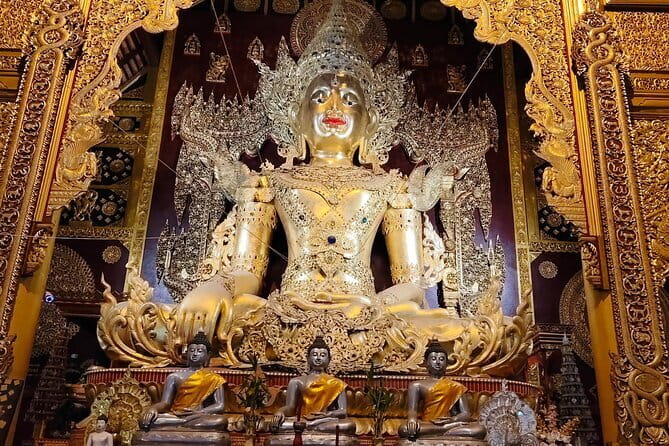
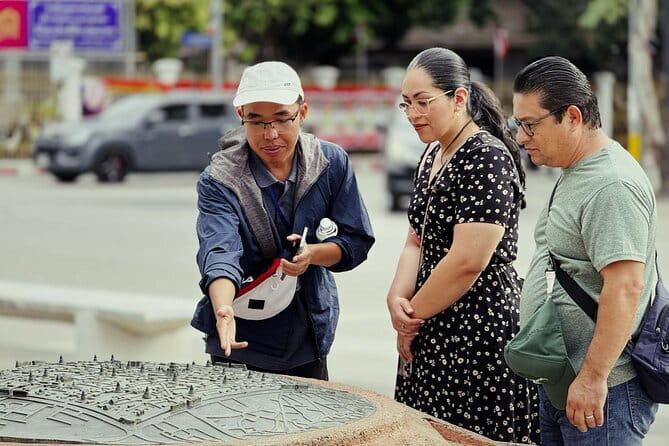
The tour meets at the Three Kings Monument area, and the guide gives you a short orientation before you head off. That first briefing matters more than it sounds. It helps you know what to notice—symbols, space, and the kinds of answers you can ask for later.
This is a walking format, and you’ll end back at the same meeting area. The route is designed as a loop-style temple visit, so you don’t have to keep solving logistics once you get going. Also, the meeting point is near public transportation, which makes it easier to slot into a full Chiang Mai day.
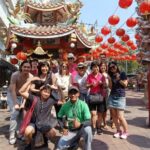
The group is capped at 20 people, so you’re not squeezed into a huge crowd with everyone staring at the guide’s back. That size works well for questions, especially if you’re curious about how everyday temple life connects to Buddhism.
You can also read our reviews of more walking tours in Chiang Mai
Wat Chiang Man: seeing why 1296 still matters
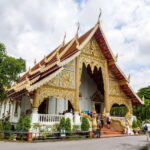
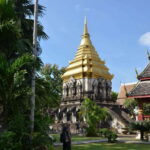
Wat Chiang Man is the first real temple stop, and it’s one of Chiang Mai’s most iconic. The site dates to 1296, and it’s believed to be the first temple constructed in the city—so you’re not just looking at old buildings. You’re seeing the early foundation of what became Lanna Buddhist culture.
You’ll have about 45 minutes here, which is enough time to slow down and look beyond the obvious photo angles. Use that time to pay attention to what’s repeated—patterns, layout choices, and the reasons people keep returning to this place generation after generation.
A tour like this is especially valuable because the guide doesn’t treat Buddhism as a museum topic. If you ask what certain elements mean or how people practice respect at temples, you’ll get explanations that connect the visuals to lived belief, not just dates.
Wat Pa Pao: the Tai Yai thread through Chiang Mai
Next comes Wat Pa Pao, known as the first temple of the Ngiaw or Tai Yai community in Chiang Mai. This is a key stop if you want the story of Chiang Mai to feel bigger than a single ethnic or royal narrative.
The temple was constructed in 1883 during the reign of Prachao Intawichayont, and it’s linked to Lady Bua Lhai, described here as a Tai Yai concubine of the king. That kind of detail gives you a different lens while you walk around. You start noticing how Buddhism traveled and adapted as different communities took root.
You’ll spend about 30 minutes here. That’s a good length for this kind of stop: long enough for context and a few thoughtful looks, short enough that you stay energized for the next temples.
Wat Chiang Yuen: that Burmese gate and why it’s more than decoration
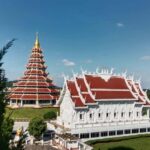
Wat Chiang Yuen is famous for its ancient Burmese colonial gate and a beautiful pavilion. The gate is the headline, but the value of the visit is how the guide frames what you’re seeing.
This stop is a reminder that Chiang Mai’s temple architecture didn’t develop in isolation. Cross-influences show up in the built environment, and the guide’s explanations help you interpret the style without needing a history degree.
You’ll have around 30 minutes. During that time, you can focus on two things: the gate itself and the pavilion area where worship and community rhythm often show up in how people move and gather. If you’re the type who likes to ask why one building looks different from another, this is a solid place to do it.
Wat Lok Molee: a wooden chanting hall that feels human
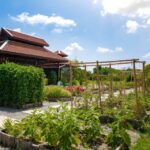
Wat Lok Molee is where you slow down again, especially if you’re the type who enjoys atmosphere as much as architecture. It’s described here as a wooden chanting hall with traditional Lanna architecture, and that combination changes how the space feels.
You’ll spend about 45 minutes at this stop, which is the longest stretch aside from Wat Chiang Man. That extra time gives you room to stand back, take in materials and form, and let the guide’s explanations land.
This stop also tends to be where Q&A gets easiest. With an ex-monk guide, conversations often flow naturally: you can ask about how Buddhists show respect, or how rituals work, and get answers in a calm, personal way instead of a lecture tone.
You can also read our reviews of more guided tours in Chiang Mai


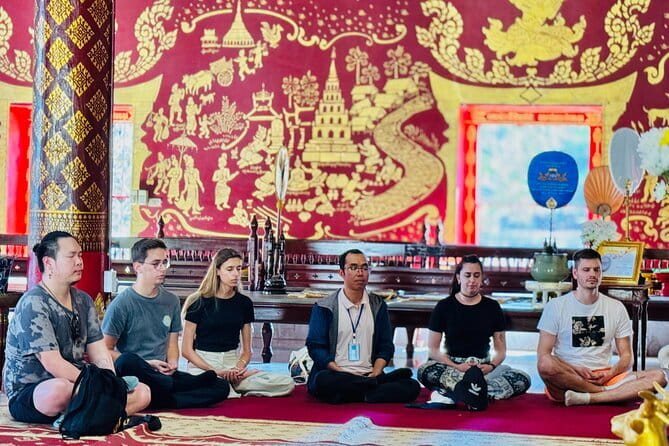
Why Katoon as an ex-monk guide is the real value
The biggest draw here is the guide: Katoon, an ex-monk. The difference isn’t just a label. It shows up in how he handles questions and how he connects temple features to belief.
What I like is the patience. When you ask something that feels basic, he doesn’t brush it off. He encourages questions and answers them directly, including topics tied to his past life and what life in a monastery means.
You’ll also hear explanations about what people might call praying. In Buddhism, it’s not the same concept as prayer in other religions, and the guide’s framing helps you understand the difference. That clarity makes the temple visit feel less confusing and more respectful—because you know what you’re actually looking at when people bow, offer, or chant.
With a small group, this works even better. You don’t have to compete for attention, and you can ask follow-ups when something clicks.
Price and logistics: what $25.92 really buys
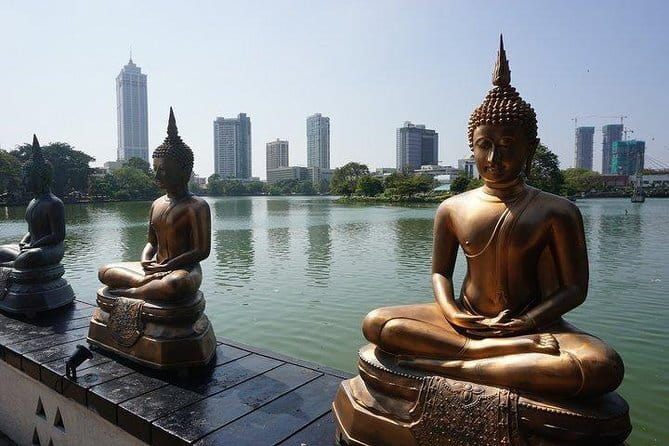
At $25.92 per person for about 3 hours 30 minutes, you’re paying for a guided walk plus context, not for temple entry. The nice part is that admission is listed as free for the stops in this tour, so you’re not locked into surprise ticket fees once you arrive at each location.
You also get an English or Chinese-speaking guide holding a TAT license. That matters because licensed guiding usually means you can expect clearer explanations and a smoother experience, especially if Buddhism topics are new to you.
Another practical detail: you’ll use a mobile ticket. That keeps things simple on your phone and reduces paper clutter in a city where you’ll probably be walking and scanning anyway.
Group size is capped at 20, which is not huge. In practice, that means more time with the guide and fewer moments where you’re stuck watching through other people’s shoulders.
Timing, walking pace, and what to bring
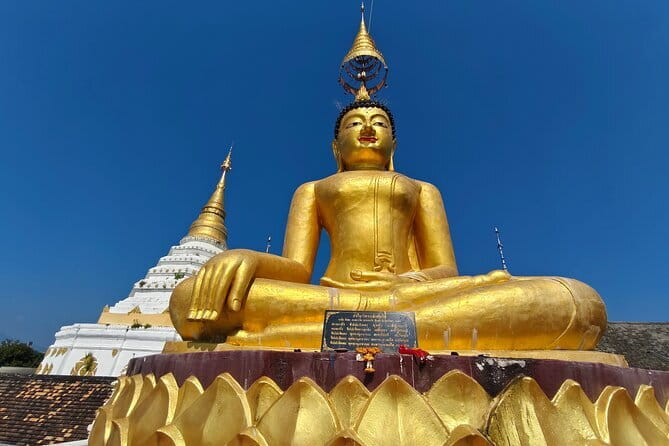
The tour starts at 1:00 pm and returns to the meeting point. Since it’s late afternoon-sized in total duration but still starts in early afternoon, you should plan for heat and sun.
Bottled water is not included, so bring your own. I’d also recommend wearing shoes you can walk in comfortably for several hours of temple-to-temple pacing. You’ll likely want to move at a steady, respectful pace—slow enough to look, fast enough to cover all stops.
The tour is described as requiring good weather. If the day looks like rain, have a small plan for adjusting your footwear and clothing. When weather is poor, the provider may offer a different date or a full refund.
Who this tour suits best (and who may want something else)
This tour fits you if you want temples with meaning, not just sights. If Buddhism is new and you want plain language explanations—especially around practice, respect, and how temples function in daily life—this ex-monk guided format is exactly the right setup.
It also suits you if you like a walkable route and a small group. You’ll get time at each temple (roughly 30 to 45 minutes) without feeling trapped in a single stop for half the tour.
You might consider a different style of tour if you prefer more free time wandering on your own, or if you want long stays at fewer temples. This one balances five stops, so it’s more about guided flow than deep solo exploration at one site.
Should you book Chiang Mai Temples Visit Walking Tour with Ex-Monk Guide Part 2?
Yes, if you want your money to go toward a guide who can answer real questions. With Katoon, the temple visits feel less like a checklist and more like a guided understanding—especially at places where architecture and community story overlap.
Book it if you like small-group walking, you’re comfortable with about 3.5 hours on your feet, and you appreciate Buddhism context as part of the experience, not an optional extra.
Skip it if you want lots of independent time, you dislike walking in the afternoon, or you don’t want to manage basic needs like water on your own.
FAQ
FAQ
How long is the Chiang Mai Temples Visit Walking Tour with Ex-Monk Guide Part 2?
The tour lasts about 3 hours 30 minutes.
What time does the tour start?
The start time is 1:00 pm.
Where does the tour begin?
It begins at the Three Kings Monument (QXRP+3WX, Prapokklao Road, Tambon Si Phum, Amphoe Mueang Chiang Mai, Chang Wat Chiang Mai 50200, Thailand).
Which temples are included?
The tour includes Wat Chiang Man, Wat Pa Pao, Wat Chiang Yuen, and Wat Lok Molee, with the tour meeting at the Three Kings Monument.
Is admission included for the temple stops?
Yes. Admission tickets are listed as free for the stops included in the tour.
Does the guide speak English or another language?
The guide is listed as English or Chinese-speaking, and they hold a TAT license.
Is bottled water included in the price?
No, bottled water is not included.
Can I cancel for a full refund?
Free cancellation is available, and you must cancel at least 24 hours before the experience’s start time for a full refund.