REVIEW · CHIANG MAI
Chiang Mai: Temple & City Tour Part II
Book on GetYourGuide →Operated by Journey D Travel · Bookable on GetYourGuide
Chiang Mai temples hit different at walking pace. This tour strings together four major stops, with Shan and Burmese connections that most one-stop temple outings miss. I especially love how the walk stays relatively easy while still feeling meaningful, and I love that the guides bring Buddhism to life with practical temple etiquette. One thing to consider: it’s an early start and you’ll be outside a lot, so heat and sun can catch you off guard.
You’ll start at 08:20 am with hotel pickup if you book private, then head temple-to-temple with time to look, learn, and take photos. What makes it feel special is the mix of old-city landmark power (Wat Chiang Man) and more unusual heritage sites (like Wat Ku Tao’s chedi story). If you hate walking or want big indoor stops with air-conditioning, this may not be your best match.
In This Review
- Why This Chiang Mai Temple Walk Feels Like Real Culture
- Key Highlights You’ll Actually Remember
- Getting Your Morning Right: Timing, Pace, and What to Bring
- The Value of Paying $31: What You Get for the Money
- Wat Chiang Man: Old City Legend and the Crystal Buddha Connection
- Wat Chiang Yuen: A Shan 16th-Century Temple with a Residential Past
- Wat Pa Pao: Shan-Burmese Style and the Texture of Influence
- Wat Ku Tao: The Unusual 1613 Chedi and Prince Saravadi’s Ashes
- How the Guides Change the Experience: Eddy, Son, Big, and Katoon
- Temple Etiquette Tips That Save You Stress
- Environmental Angle: Why the Carbon-Offset Focus Is More Than Green Talk
- Who This Tour Is Best For (and Who Should Skip It)
- Should You Book Chiang Mai Temple & City Tour Part II?
- FAQ
- What time does the tour start?
- How long is this tour?
- How much does it cost?
- Is food included?
- What should I bring?
- Is the tour suitable for wheelchair users?
Why This Chiang Mai Temple Walk Feels Like Real Culture
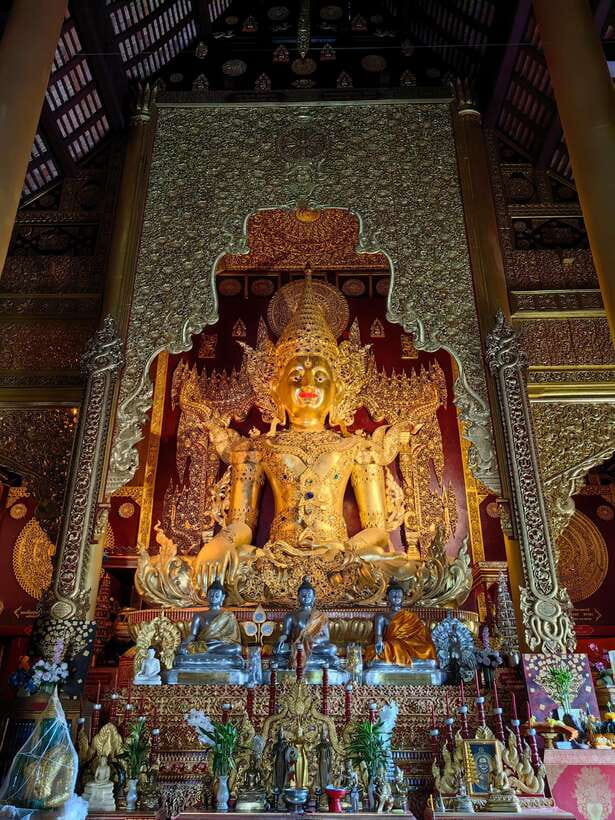
This is the kind of day that helps you understand Chiang Mai beyond the postcard view. Instead of stacking temples that all look the same, this route connects different communities and eras—Lanna beginnings at Wat Chiang Man, Shan residence history at Wat Chiang Yuen, and Burmese influence showing up in Shan-Burmese style temples and a chedi tied to a Burmese prince.
And you’re not just rushing from sign to sign. The guides (many of them former monks or ex-monks) tend to explain the meaning behind what you’re seeing, including how Buddhists approach the spaces respectfully. In the reviews, names like Eddy, Son, Big, and Katoon come up again and again—people praise how patient they are, how well they pace the visit, and how good they are at photos and small-group attention.
That focus on pacing matters because temple learning is slow learning. Even if you think you know Buddhism already, the details—symbols, posture, where people sit or stand—make it click.
Key Highlights You’ll Actually Remember
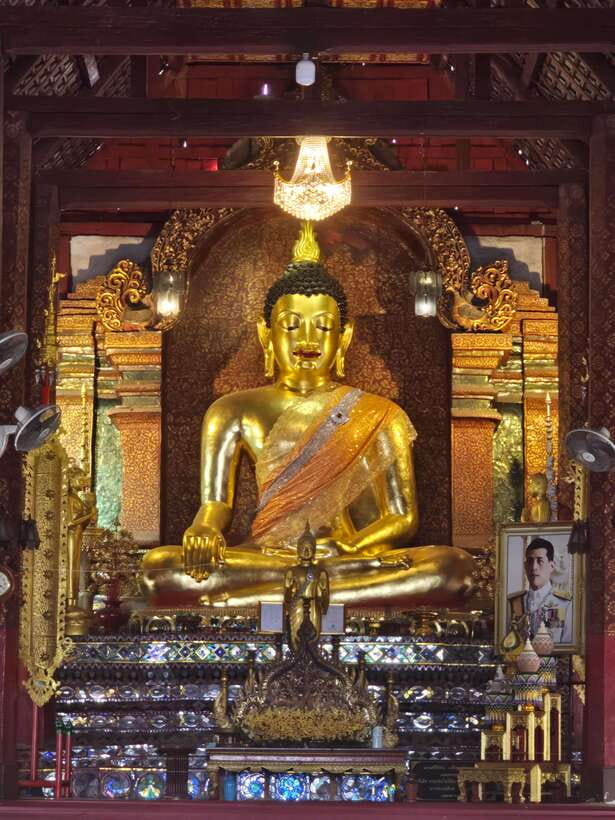
Wat Chiang Man’s 1296 roots: Chiang Mai’s oldest temple, built by King Mengrai, with the crystal Buddha statue connection.
Wat Chiang Yuen and Shan residential history: a 16th-century site tied to where the Shan people lived in the past.
Shan-Burmese style at Wat Pa Pao: a temple outside the old city walls and moats that shows cross-cultural style.
Wat Ku Tao’s unusual chedi story: built in 1613 to hold the ashes of Prince Saravadi.
A walking route that stays manageable: you get exercise and fresh air without a hardcore hike.
Guides who teach temple etiquette: you learn how to pray and enter temples respectfully, not just where to stand for photos.
You can also read our reviews of more city tours in Chiang Mai
Getting Your Morning Right: Timing, Pace, and What to Bring
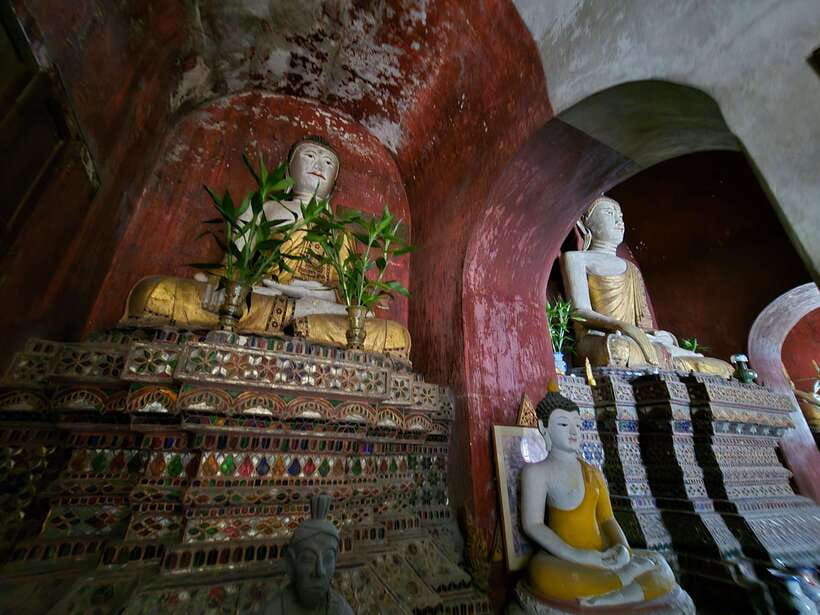
The day starts at 08:20 am, which is great for two reasons. First, you beat some of the hottest hours. Second, temples feel calmer when the morning crowd hasn’t fully arrived.
This is a walking tour, and the route is described as relatively easy—but easy is still walking. Plan on steady footwork and expect uneven temple ground. If you’re traveling with sore knees or you hate heat, you may feel it by the end. The best advice: treat this like a proper sightseeing day, not a casual stroll.
Because it’s outdoors for stretches, bring an umbrella and drinks. Reviews also highlight the heat factor—if you’re not used to Chiang Mai humidity, you’ll want that extra shade. Also bring cash, since you might want to purchase small items or cover personal expenses while you’re out.
The Value of Paying $31: What You Get for the Money
$31 per person is the kind of price that usually signals one of two things: either you’re getting the basics only, or you’re getting real guides without a huge markup.
Here, the value comes from the guided layer. This isn’t just temple sightseeing; it’s also explanations of Buddhism, stories behind the sites, and practical etiquette for entering temples. In the feedback, people frequently mention guides who never rush and who answer lots of questions. That’s what you’re really paying for: time, context, and attention.
You also get hotel pickup and drop-off if you choose the private option, which can make a noticeable difference if you’re tired or if you’re trying to save time navigating on your own.
One small trade-off: food isn’t included. So budget for lunch or snacks, and plan your day around temple stops instead of expecting a built-in meal.
Wat Chiang Man: Old City Legend and the Crystal Buddha Connection
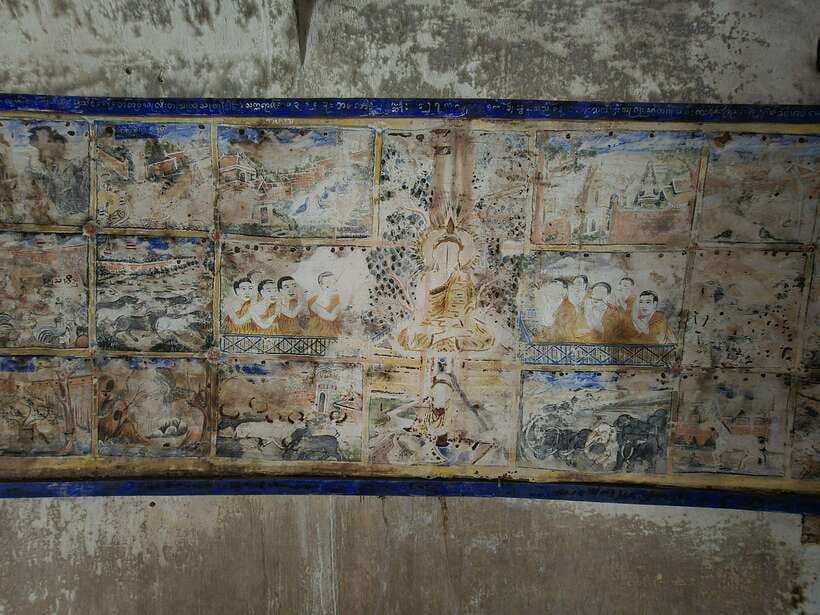
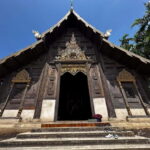
Your first stop is Wat Chiang Man, widely treated as the oldest temple in Chiang Mai town. It was built in 1296 by King Mengrai, and it’s tied to the enshrined crystal Buddha statue.
Why this matters on a walking tour: it sets the tone. This isn’t a random pretty building. It’s a statement of who Chiang Mai was becoming during the early Lanna era. When you arrive with a guide, you’re more likely to notice the symbolism and understand why the place carries weight for local Buddhists.
What to expect here is classic temple-circuit flow—time to look slowly, time to listen, and time to absorb details without being herded. If you care about history but don’t want a museum vibe, this temple hits a nice balance.
A practical consideration: this is an early morning start, so you’ll likely be standing in open areas at times. Dress to handle heat, and keep your shoulders and legs covered out of respect.
Wat Chiang Yuen: A Shan 16th-Century Temple with a Residential Past
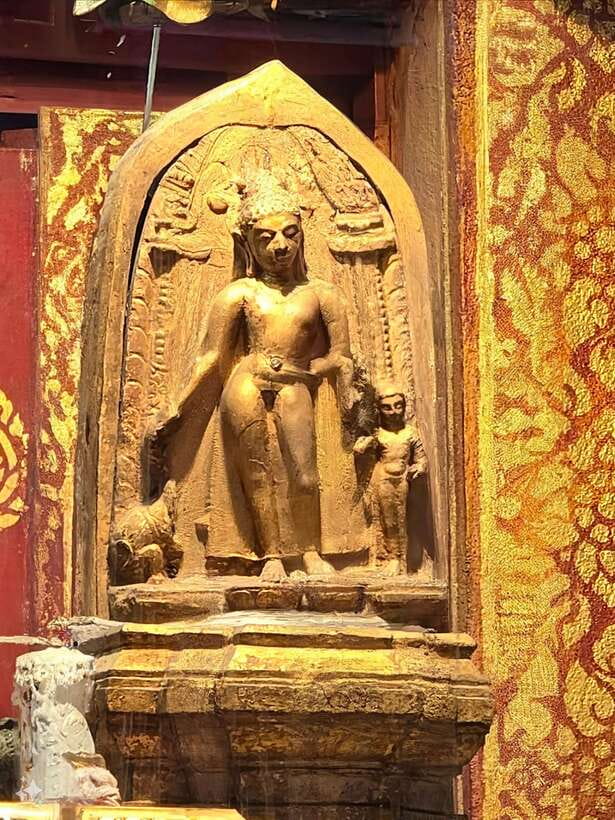
Next is Wat Chiang Yuen, a unique 16th-century temple associated with the Shan people’s residential area in the past.
This stop is a smart antidote to the most common tourist problem: seeing temples as isolated monuments. Here, the guide’s explanation helps you see the temple as part of a community map. Shan influence isn’t just a footnote; it’s tied to how people lived, worshipped, and organized space in and around Chiang Mai.
What I like about this kind of visit: it broadens your sense of Chiang Mai’s identity. You start noticing that temples are also about migration, cultural exchange, and long-term neighborhood life—not just royal patronage.
If you love stories that connect people to place, you’ll probably enjoy Wat Chiang Yuen more than you expect. The calm factor can be noticeable too—some temple areas naturally feel quieter, and guides often use that time for questions.


Wat Pa Pao: Shan-Burmese Style and the Texture of Influence
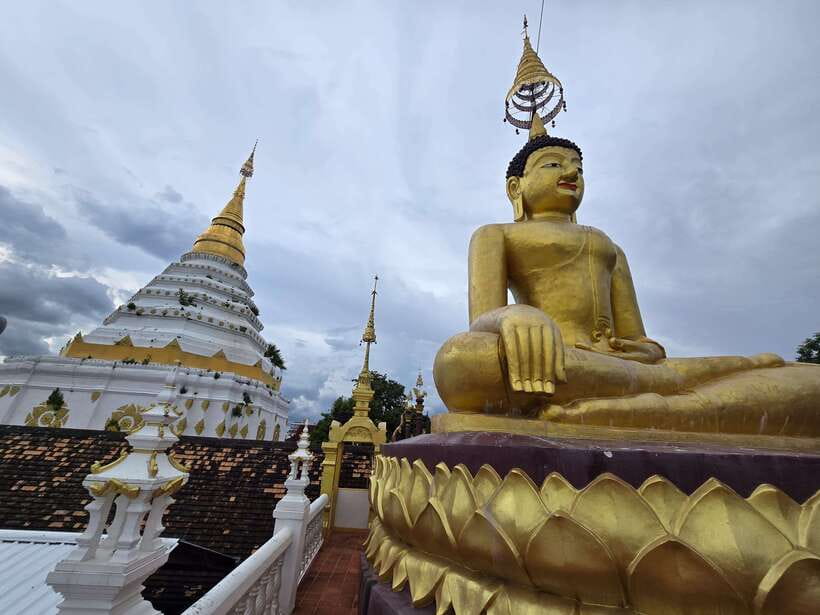
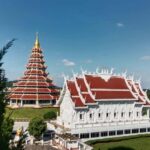
Then comes Wat Pa Pao, described as a Shan Burmese style temple located outside the old city walls and moats.
This outside-the-walls setting matters. It hints at the way religious life moved beyond the city center and beyond one single cultural style. When you step into a Shan-Burmese architectural feel, you’re seeing the results of cross-border influence in woodwork, form, and design choices.
This is also a good moment to slow down and pay attention to what looks different from the first temple you visited. If your goal is to understand Chiang Mai through its layers, this stop gives you one of the clearest visual links.
Wear comfortable shoes. Even though the tour is considered relatively easy, you’ll likely walk more between sites than you think once you factor in temple entrances, courtyards, and time for photos.
Wat Ku Tao: The Unusual 1613 Chedi and Prince Saravadi’s Ashes
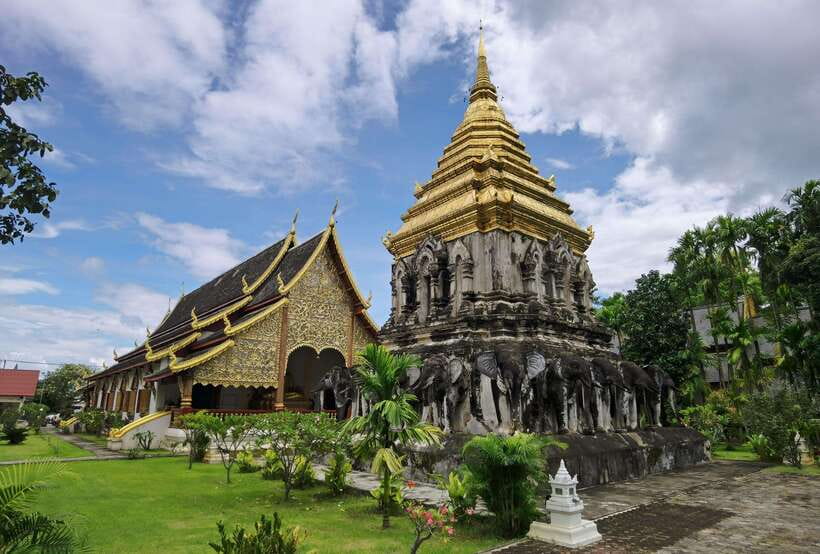
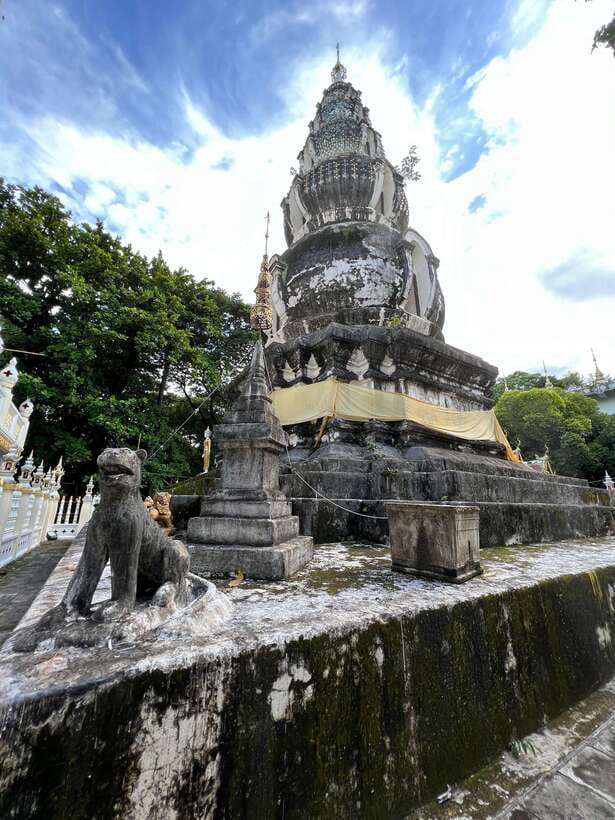
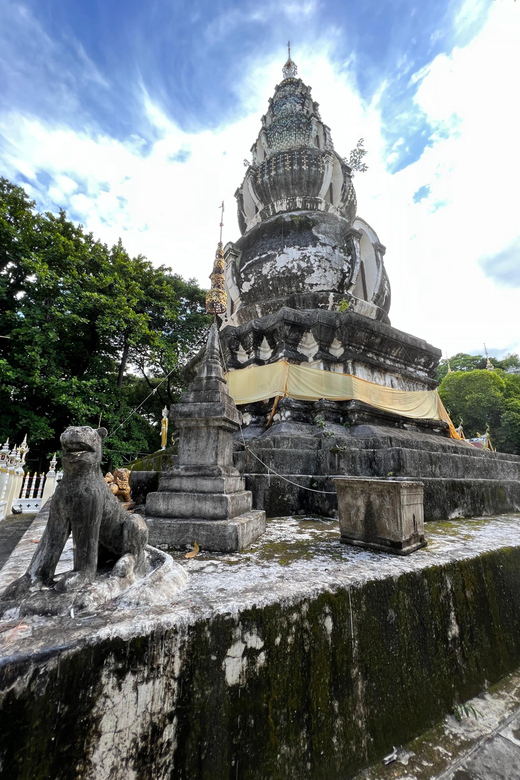
Your last temple stop is Wat Ku Tao, known for its highly unusual chedi. It’s thought to have been built in 1613 to hold the ashes of Prince Saravadi (1578–1607), described as the first Burmese overlord of Chiang Mai.
This is the kind of place that turns your brain on. Instead of asking, what does this building look like, you start asking, what happened here, and why was this preserved.
It also ties the day’s story together. Earlier you saw Shan connections. You also saw Burmese-influenced style. Now you get the direct political and historical thread: a Burmese overlord whose ashes were kept in a dedicated structure.
If you’re the type who loves a final stop with a big meaning, Wat Ku Tao tends to deliver. It’s not only pretty—it’s specific. That specificity is what helps the tour stick in your memory weeks later.
How the Guides Change the Experience: Eddy, Son, Big, and Katoon
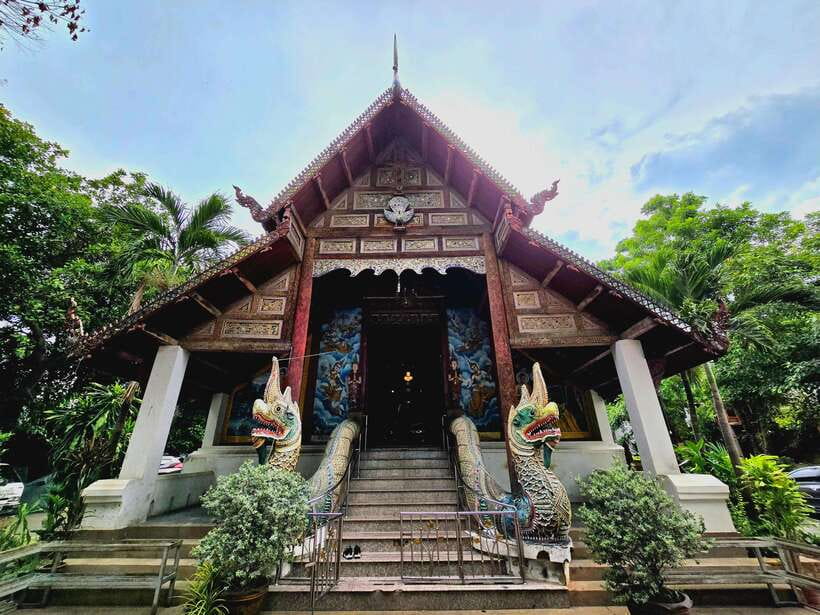
A big reason this tour earns a strong rating is the human factor: the guides.
In the feedback, people highlight a few repeated strengths:
- They explain what you’re looking at and why it matters.
- They share Buddhism in plain terms, not just textbook ideas.
- They show temple etiquette, including how to pray and how monks live.
- They don’t rush, so you can ask questions and take breaks.
- They help with photos, so you’re not stuck saying, sorry, can you take it again?
In particular, Katoon shows up in many comments, often praised for patience and for helping participants understand both Buddhism and monk life. Other guides named in reviews—Eddy, Son, and Big—are also described as friendly, accommodating, and strong on cultural context.
If you want a tour where the guide becomes a translator between you and the culture, this is that kind of day.
Temple Etiquette Tips That Save You Stress
Even with a guide, it helps to know the basics. Keep things respectful and simple:
- Dress with covered shoulders and legs so you don’t feel stuck adjusting clothing mid-visit.
- Expect guidance on how to pray. Follow what your guide shows rather than guessing.
- Move quietly where people are worshipping or meditating.
- Take breaks when you need them. Heat is real, and you’ll enjoy the last temples more if you pace yourself.
Also, the tour has a respectful behavior code. Don’t bring pets, avoid alcohol/drugs, and keep noise low. If you’re unsure about what’s allowed for your exact clothing style, err on modesty.
Environmental Angle: Why the Carbon-Offset Focus Is More Than Green Talk
The tour is described as prioritizing offsetting carbon emission and reducing environmental impact. I don’t treat that like a marketing checkbox, because the day is built around walking and smaller movement rather than big-bus hopping between sites.
The practical benefit for you: you get a slower travel footprint and a more local feel. The route works with your feet, not against them. That makes the experience more than just a checklist of temples—it becomes a real walk through the city’s cultural neighborhoods.
Who This Tour Is Best For (and Who Should Skip It)
This is a strong choice if you:
- Want Chiang Mai temples with meaning behind the stone
- Enjoy Buddhism context and monk-life explanations
- Prefer a walking day that’s not a grueling trek
- Like photo opportunities but also want cultural learning
It’s probably not ideal if you:
- Need wheelchair access or mobility support (wheelchair users aren’t suitable for this tour)
- Are traveling with a baby stroller (strollers aren’t allowed)
- Want a fully food-managed day (food and drinks aren’t included)
- Want an indoor-only sightseeing plan
Also, the tour lists limits for very young children and pregnancy, so double-check if you’re in either group.
Should You Book Chiang Mai Temple & City Tour Part II?
If you’re doing Chiang Mai temples for the first time, you might think you only need the big famous names. This tour argues the opposite—in a good way. You’ll still hit a major landmark with Wat Chiang Man, but you’ll also get the Shan and Burmese threads that make Chiang Mai feel like a living cultural crossroads.
Book it if you want a day that mixes history, Buddhism context, and respectful temple etiquette with a manageable walking pace. Skip it if your top priority is zero walking, or if you can’t handle heat well.
If you’re the kind of traveler who values a guide who can answer questions and keep the day calm, I’d say yes. The price-to-value ratio is strong, and the temple selection is the main reason.
FAQ
What time does the tour start?
The tour starts at 08:20 am.
How long is this tour?
It lasts 1 day.
How much does it cost?
The price is $31 per person.
Is food included?
No, food and additional drinks are not included.
What should I bring?
Bring an umbrella, drinks, and cash.
Is the tour suitable for wheelchair users?
No. Wheelchair users are not suitable for this tour.