REVIEW · CHIANG MAI
Aroidee’s Farm-Fresh Thai Cooking Experience
Book on Viator →Operated by A ROI DEE Cooking school Chiangmai · Bookable on Viator
Cooking starts in the garden, not the market. This A Roi Dee class mixes organic farm time with hands-on Thai cooking—Pad Thai, Tom Yum Kung, curry paste, and mango sticky rice—while you meet farm animals. I like the guide-led herb explanations (with Aom showing up in the best kind of way: friendly and clear). One practical catch: it’s outdoors, so good weather matters.
If you want a half-day that doesn’t feel like a tourist show, this is a strong bet. You’ll start at Wat Suan Dok area, you’ll likely be in a group capped at 15, and the pacing gives you enough time to cook, ask questions, and actually remember what you learned.
In This Review
- Key Highlights You’ll Care About
- A Roi Dee’s Organic Farm-To-Kitchen Setup in Chiang Mai
- Morning Logistics: Wat Suan Dok Pickup and a 4-Hour Rhythm
- Harvesting Herbs, Collecting Eggs, and Meeting Buffaloes (Yes, Buffaloes)
- Outdoor Kitchen Classroom: How Pad Thai and Tom Yum Kung Come Together
- Mango Sticky Rice: The Sweet Ending That Actually Teaches You Something
- Price and Value: Why $41.95 Can Make Sense
- Dietary Options, Allergies, and the Pace for Real People
- Who This Thai Cooking Class Works Best For
- Should You Book the A Roi Dee Thai Cooking Class?
- FAQ
- Where is the experience start and end location?
- What time does the class start?
- How long does the cooking class last?
- Is pickup available?
- How many people are in a group?
- What dishes do you learn to cook?
- Can you do a vegan or vegetarian menu?
- Can the staff adjust ingredients for allergies?
- Are service animals allowed?
- What happens if weather is bad or you need to cancel?
Key Highlights You’ll Care About
- Farm-to-plate start: harvest herbs/vegetables before you touch the stove
- Real farm animal time: you’ll meet buffaloes, chickens, geese, and goats
- Cooking instruction with structure: Thai classics plus curry paste for a spicy soup
- Clear ingredient learning: the garden plots get explained, including what you pick
- Finish on a sweet note: mango sticky rice to wrap up the meal
- Smaller group feel: a maximum of 15 travelers helps you stay involved
A Roi Dee’s Organic Farm-To-Kitchen Setup in Chiang Mai
This experience is built around a simple idea: if you want to understand Thai food, you should start with Thai ingredients. The farm is an organic working space, so your morning isn’t only about cooking. It’s about seeing where the herbs, vegetables, and eggs come from—and why sustainable farming matters in a place like Chiang Mai.
I especially like how the experience uses the farm time for education, not just photos. You harvest fresh ingredients from the organic garden and learn about sustainable practices. Then you carry that knowledge straight into the outdoor kitchen classroom, where cooking makes the theory stick. It’s a smart flow for anyone who gets lost when food classes skip the ingredients.
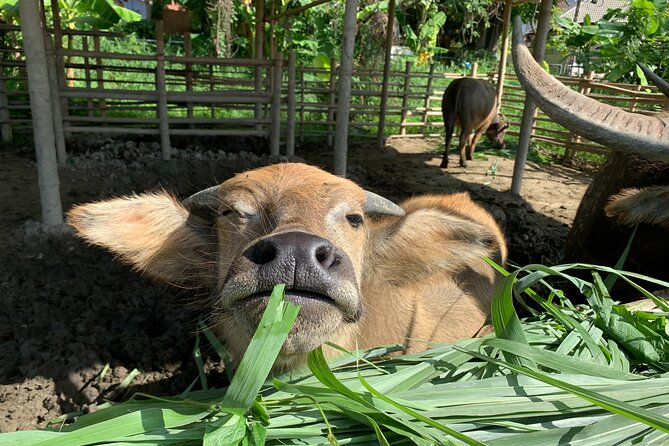
You’ll also interact with farm animals—yes, on purpose. Buffaloes, chickens, geese, and goats aren’t just scenery here. The class is set up so you can get close enough to feed and connect, then return to cooking with a calmer, more grounded rhythm than you get in a typical city class.
You can also read our reviews of more cooking classes in Chiang Mai
Morning Logistics: Wat Suan Dok Pickup and a 4-Hour Rhythm
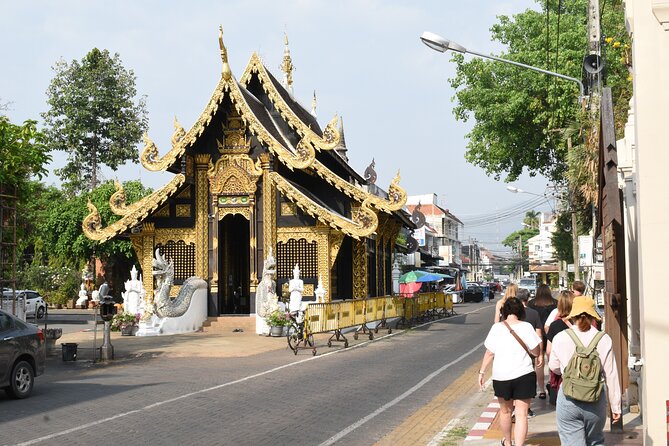
The experience starts at 8:00 am at Wat Suan Dok (139 Suthep Rd, Tambon Su Thep, Amphoe Mueang Chiang Mai, Chang Wat Chiang Mai 50200, Thailand). It ends back at the meeting point, so you’re not stuck figuring out your own return.
Pickup is offered, which matters if you’re staying in a spot that’s inconvenient for meeting at Wat Suan Dok. You’ll also use a mobile ticket, and you should receive confirmation at booking time. The class duration is about 4 hours, which is ideal if you want something substantial without losing your whole day to the timezone math and Chiang Mai traffic.
The pacing is one of the underrated parts. You’re in the garden early, then you move to cooking before the day heats up too much. Still, plan for a morning outdoors. Wear shoes that handle uneven ground, and bring a light layer you can adjust if the air shifts.
The other logistics note is the weather reality. This experience requires good weather, so you should be ready for rain-day changes. It’s not a flaw—it’s the nature of an outdoor kitchen and farm visit.
Harvesting Herbs, Collecting Eggs, and Meeting Buffaloes (Yes, Buffaloes)
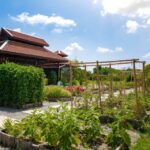
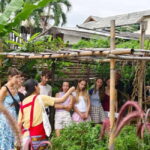
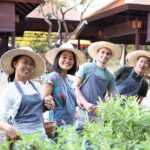
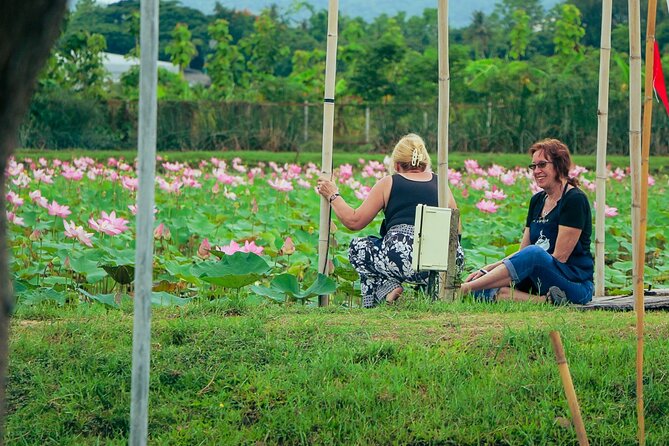
The best part of this class starts before the stove. You begin by harvesting fresh ingredients from the organic garden. That’s not just a fun preface. It’s a practical ingredient lesson, because you learn what you’re picking and how it’s used.
One detail I’d watch for if you’re deciding: the time spent explaining herbs and vegetables in the garden plots. That careful garden-to-kitchen connection is exactly what makes the cooking step easier later. When you’ve already picked the greens or herbs, you don’t approach the recipe like a mystery. You approach it like something you can identify and adjust.
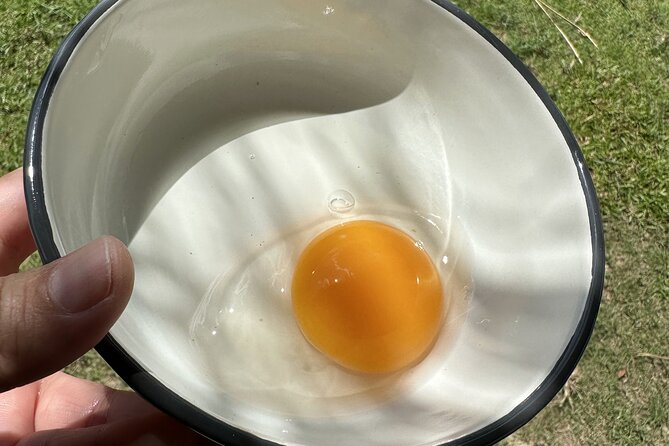
Then come the farm activities. You can collect eggs, which is a hands-on way to understand what “fresh” means on a farm that actually produces. You also interact with farm animals like buffaloes, chickens, geese, and goats. For many people, this is the heart of the morning because it’s real farm life, not just looking at animals from a distance.
A practical tip: expect this portion to involve some walking and time outside. If you’re bringing kids, it’s a big win because the farm part turns the day into an activity, not a lecture. If you’re traveling solo, it also helps you meet people naturally—there’s a shared task, so conversation happens without forcing it.
Outdoor Kitchen Classroom: How Pad Thai and Tom Yum Kung Come Together

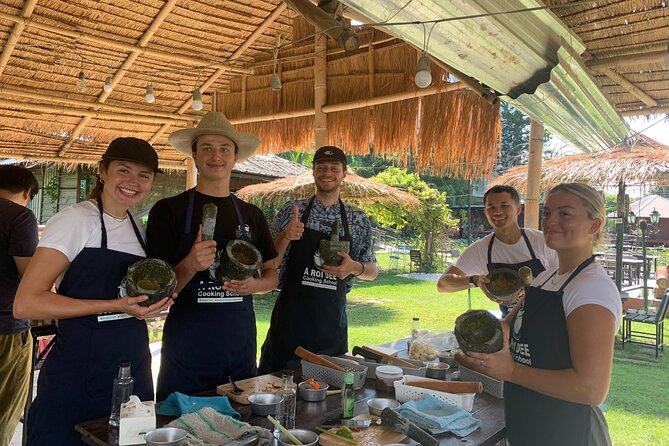
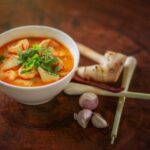
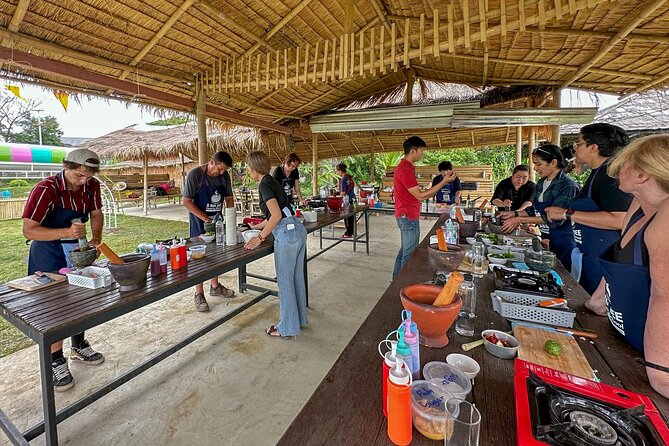
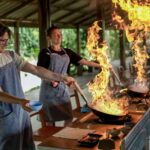
Once you’re in the outdoor kitchen classroom, you shift from ingredient hunting to cooking technique. The class teaches you to cook seven Thai dishes, including Pad Thai and Tom Yum Kung. You’ll also learn how to make curry paste, which you then use to create a flavorful Thai spicy soup.
That curry paste step is worth paying attention to. Curry paste is one of those Thai cooking foundations that’s hard to replicate at home if you’ve only ever bought a jar. By learning the paste process here, you get the building blocks for flavor layers, not just the final dish. Even if you don’t reproduce everything perfectly later, you’ll understand what makes the food taste Thai.
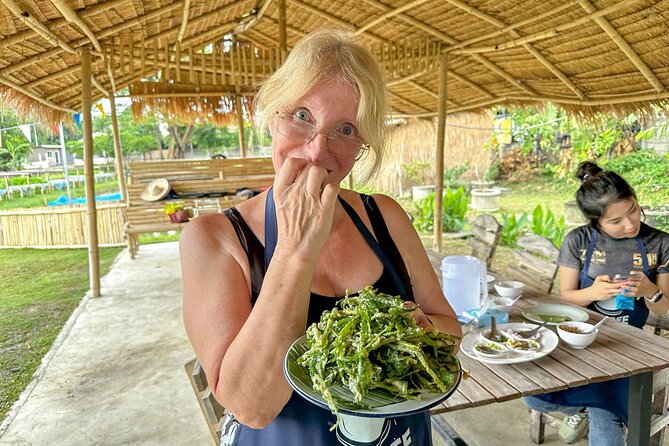
As for the cooking approach, the class is guided by the staff with a clear lesson flow: garden ingredients in, recipe steps on the go, and lots of practical help while you cook. The best part is that you’re not just watching. You’re doing the work—chopping, mixing, timing, tasting, and correcting. A small group size helps here, since attention doesn’t get spread too thin.
If you like your food classes structured, this one fits. The dish lineup includes classics most visitors already recognize, so there’s instant payoff. You’re making food that’s widely loved, then learning enough technique to make it feel less like a one-time performance.
Mango Sticky Rice: The Sweet Ending That Actually Teaches You Something
The class concludes with mango sticky rice. It’s the kind of finish that makes the whole experience feel complete, because you’re not only learning savory Thai flavors—you’re ending with a Thai dessert you can taste, build, and remember.
More importantly, mango sticky rice is a good “home cooking” bridge. If you’ve ever been intimidated by sticky textures or fruit-rice timing, a class setting helps you nail the basic method under guidance. When you take the food home as a memory (and sometimes the technique), you can recreate it in your own kitchen with less guesswork.
And yes, you’ll leave having eaten your own work. That matters because the class isn’t just about instruction—it’s about getting to the table with a meal that reflects what you practiced.
A few more Chiang Mai tours and experiences worth a look

Price and Value: Why $41.95 Can Make Sense
At $41.95 per person, this isn’t the cheapest cooking class in Chiang Mai. But it also isn’t priced like a quick demo. The value comes from what’s included and the time you actually spend doing things.
You’re getting:
- a farm visit with harvesting and egg collection
- animal interaction (buffaloes, chickens, geese, goats)
- a guided cooking session that covers seven Thai dishes plus curry paste and a spicy soup
- an ending dessert with mango sticky rice
- a group size capped at 15, which supports hands-on instruction
When you put those together, the cost starts to look fair. You’re not paying only for recipes. You’re paying for a full morning experience that turns ingredients into food through real practice.
If you’re comparing options, use a simple test: would you pay for a 4-hour farm activity plus a meal? If yes, this class is a solid deal because it combines both in one package. If you only want a quick cooking demo, then you may feel it’s more time than you need. But if you want a real half-day plan with a meal you helped make, it’s a strong match.
Dietary Options, Allergies, and the Pace for Real People

This experience is flexible. A vegan and vegetarian menu is available, and ingredients can be adjusted to any allergy. That’s the kind of detail that saves you from the usual food-class stress, where you’re stuck hoping the kitchen can adapt.
Service animals are allowed too. If that matters for you, it’s good to know upfront.
The group size limit—maximum of 15 travelers—is another quiet advantage. It helps the instructors guide cooking steps without leaving you behind. If you’ve ever felt lost during a bigger class, this smaller cap gives you a better chance to keep up with the rhythm: gather ingredients, cook steps, taste, adjust.
One more consideration: the class is outdoors. If you have mobility or heat sensitivity concerns, you might still enjoy it, but you’ll want to go in with realistic expectations about time outside during the morning.
Who This Thai Cooking Class Works Best For
This is a great fit if you want more than a recipe list. You’ll enjoy it if you like Thai food and also like learning where ingredients come from. The farm-to-kitchen format is especially good for people who learn best when they can connect steps: pick the herbs, then cook with them.
It’s also family-friendly. One review highlights a family visit with three children aged 8–14, and the group found the half-day worth it. The combination of animals, harvesting, and cooking gives kids something active to do while adults get the food education too.
Couples and solo travelers do well here too. The small group keeps the social vibe comfortable, and the shared tasks—harvesting, cooking, tasting—fill the gaps where group tours sometimes feel awkward.
If you’re the kind of traveler who hates early starts, consider that 8:00 am start. If you’re sensitive to rain or hot conditions, plan to be flexible because the experience requires good weather.
Should You Book the A Roi Dee Thai Cooking Class?
Book it if you want a half-day that feels hands-on from start to finish: garden harvesting, farm animal time, and cooking Thai classics in an outdoor classroom. The price is reasonable for the amount of included experience—especially with curry paste, spicy soup, and mango sticky rice built into the session.
I’d hesitate if your ideal day is mostly indoor, very relaxed, and schedule-free. This experience is outdoors and starts early. Also, if you’re only interested in a single dish, you might feel the full set of seven is more than you need.
If you like authentic, practical cooking—plus learning what Thai flavors come from—this class is one of the better use-of-time options in Chiang Mai.
FAQ
Where is the experience start and end location?
It starts at Wat Suan Dok (139 Suthep Rd, Tambon Su Thep, Amphoe Mueang Chiang Mai) and ends back at the same meeting point.
What time does the class start?
The start time is 8:00 am.
How long does the cooking class last?
The duration is about 4 hours.
Is pickup available?
Yes, pickup is offered.
How many people are in a group?
The maximum group size is 15 travelers.
What dishes do you learn to cook?
You learn to cook seven Thai dishes, including Pad Thai and Tom Yum Kung. You also make curry paste for a flavorful Thai spicy soup, and the class ends with mango sticky rice.
Can you do a vegan or vegetarian menu?
Yes. A vegan and vegetarian menu is available.
Can the staff adjust ingredients for allergies?
Yes. Ingredients can be adjusted to any allergy.
Are service animals allowed?
Yes, service animals are allowed.
What happens if weather is bad or you need to cancel?
The experience requires good weather. If it’s canceled due to poor weather, you’ll be offered a different date or a full refund. You can cancel for a full refund up to 24 hours before the experience’s start time. If the minimum number of travelers isn’t met, you’ll be offered a different date/experience or a full refund.