REVIEW · CHIANG MAI
Chiang Mai: Temple And City Walking Tour Part I
Book on GetYourGuide →Operated by Journey D Travel · Bookable on GetYourGuide
8:20 am makes temples feel personal. I love that this walk turns religion into plain, human stories through guides like Son and Katoon, and I also love the temple pairing of ruined grandeur at Wat Chedi Luang plus the calmer reverence of Wat Phra Singh. The one drawback to plan for is the steady amount of standing and walking across multiple sites, so comfy shoes matter.
Wat Pan Tao is the perfect in-between stop, with Lanna-style mural scenes that make Buddha stories easier to picture than a textbook ever will. I also like that the guide keeps the pace thoughtful, answers questions without rushing, and even helps with photos when you want them. Just budget extra for entrances: Wat Chedi Luang (50 THB) and Wat Phra Singh (40 THB) cost separately.
Chiang Mai temple rules are real here. You’ll need to cover up (no shorts, no short skirts, no sleeveless shirts), and you must skip smoking and anything disruptive like drones or climbing. It’s also not listed as suitable for pregnant women, babies under 1 year, or people over 95 years.
In This Review
- Key things to know before you go
- Why an 8:20 start is worth it in Chiang Mai
- Price and what your $15 buys you
- What to wear (and what not to do) at these temples
- Wat Chedi Luang: ruined chedi, the 1545 earthquake, and what a guide adds
- Best way to enjoy this stop
- Wat Pan Tao: murals and the calm of a smaller Lanna temple
- A small warning that helps
- Wat Phra Singh: the Lion Buddha monastery and the Phra Singh statue
- What I’d do at this stop
- The guide experience: why Q&A (and former-monks) change the whole tour
- One realistic consideration: volume and pace
- Walking logistics for a 4-hour temple morning
- Who this tour is perfect for
- Should you book Chiang Mai Temple And City Walking Tour Part I?
- FAQ
- FAQ
- What’s the start time for Chiang Mai: Temple And City Walking Tour Part I?
- How long is the tour?
- Which temples are included in Part I?
- Is the entrance fee included for the temples?
- What’s included in the price?
- What language is the guide?
- Is hotel pickup or drop-off included?
- What does the tour cost?
- Is there free cancellation?
- Are there dress or behavior rules?
Key things to know before you go
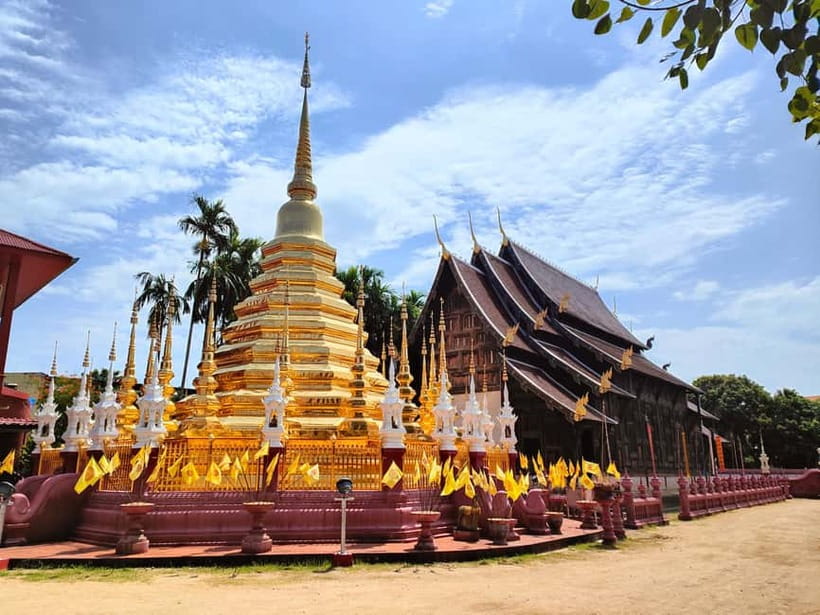
- Former-monk style explanations: guides such as Son or Katoon often answer questions with the confidence of lived experience
- Wat Chedi Luang’s earthquake story (1545): the ruins make history feel physical
- Wat Pan Tao murals: you’re shown the scenes, not just the building
- Wat Phra Singh and the Phra Singh Buddha statue: the guide connects the statue to local reverence
- An early start (08:20): you miss a chunk of the worst heat while still seeing major highlights
Why an 8:20 start is worth it in Chiang Mai
This tour starts at 08.20, and that matters. In Chiang Mai, mornings help you stay comfortable, because temples don’t pause just because you’re sweating.
The best part of the early timing is focus. You’re not scrambling between sites in peak heat, so you can actually listen when the guide explains what you’re seeing—especially at the stone-heavy spots where details matter.
You can also read our reviews of more walking tours in Chiang Mai
Price and what your $15 buys you
At $15 per person, you’re mainly paying for two things: a live guide and a walking tour. The listed entrance fees are separate, which is common for temple visits, but it changes the real total cost.
Here’s the practical math: add 50 THB for Wat Chedi Luang and 40 THB for Wat Phra Singh, and you’ll get to spend your money on what you came for—guided context—rather than on logistics like a private car.
In my view, the value is strongest if you care about more than photos. When a guide can explain why stupas are shaped the way they are, why certain statues are revered, and what monks’ daily routines are like, the $15 feels like a bargain.
What to wear (and what not to do) at these temples
Temple etiquette isn’t optional on this route. The rules are straightforward: no shorts, no short skirts, and no sleeveless shirts. Smoking is prohibited, drones are banned, and climbing is not allowed.
If you want this tour to feel smooth, dress early rather than at the last minute. Having the right clothes means fewer awkward stops, and it keeps you from feeling rushed when you’re trying to learn.
Wat Chedi Luang: ruined chedi, the 1545 earthquake, and what a guide adds
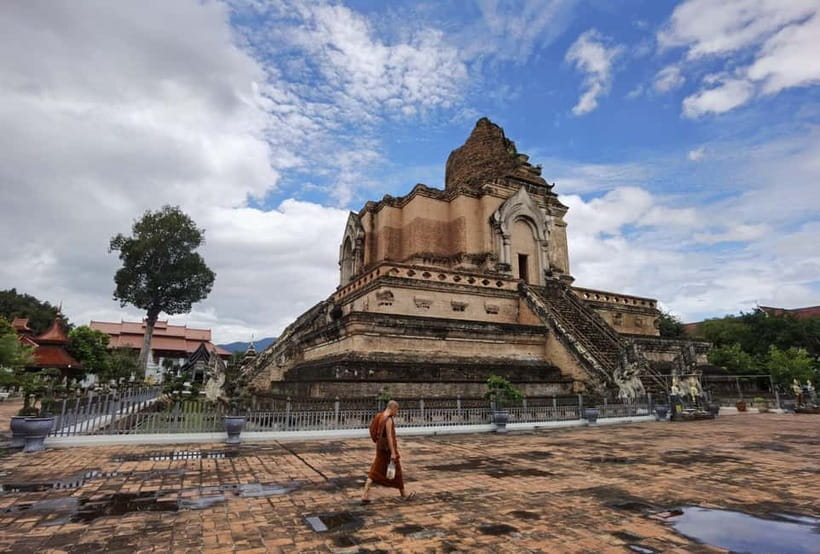
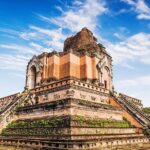
Wat Chedi Luang is one of Chiang Mai’s big-name temples, but the reason it hits is the scars. The chedi (stupa) dates to the 14th century, then suffered serious damage in an earthquake in 1545. You’re not looking at a neat, untouched monument—you’re looking at a living ruin.
On this stop, your guide helps you read the site. Without that help, a chedi can look like “a lot of old stone.” With guidance, it becomes a story: how importance was built over time, and how disaster reshaped what survived.
A practical note: Wat Chedi Luang has an entrance fee of 50 THB, and it’s not included in the tour price. If you’re budgeting, keep some THB on hand so you’re not stuck at the entrance trying to figure out payments.
Best way to enjoy this stop
Go in expecting to spend time looking. The ruins reward patience—details in the structure and the way the space feels are part of the point. Also, this is a good place to ask your questions early, since the guide’s explanations can help you make sense of what comes next.
You can also read our reviews of more city tours in Chiang Mai


Wat Pan Tao: murals and the calm of a smaller Lanna temple
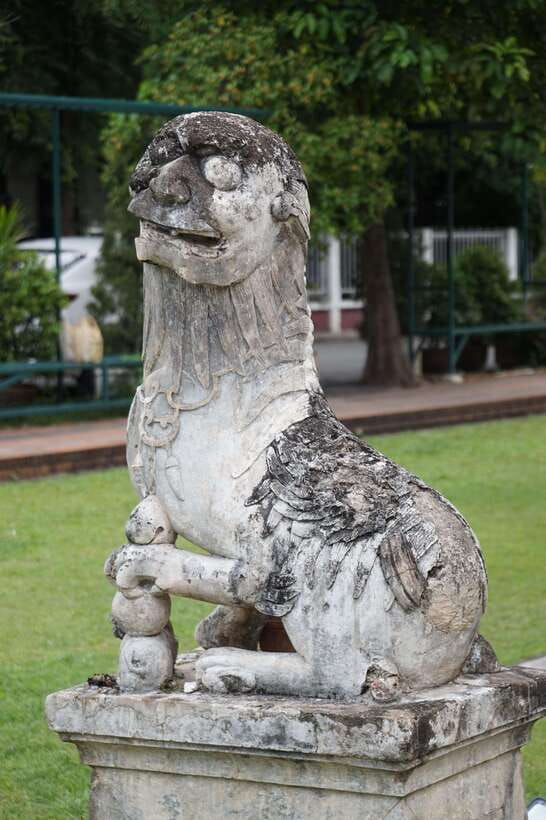
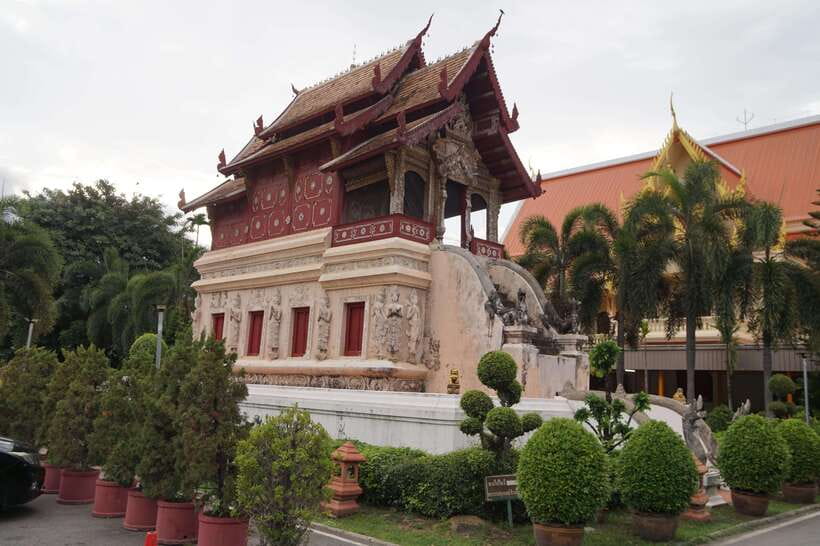
Right after Wat Chedi Luang, you move on to Wat Pan Tao, and it’s a nice change of pace. It’s described as a small temple within walking distance, and that “smaller scale” makes it easier to actually see what you came for.
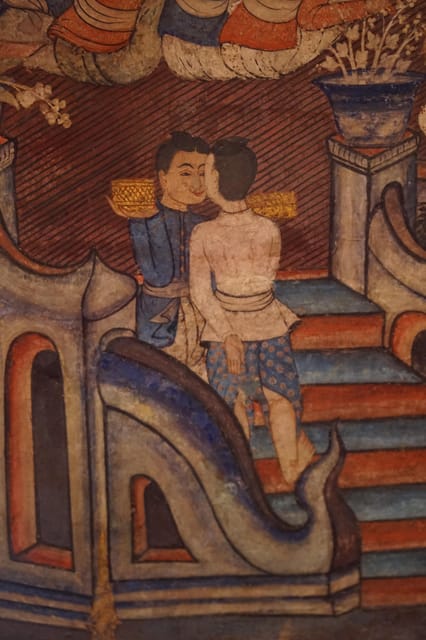
The star attraction here is the Lanna-style ordination hall feel, plus the murals. These paintings depict scenes from the life of the Buddha, and the guide’s job is to point out what you’re looking at and what those scenes mean in everyday Buddhist practice.
This is also where you get more of the cultural translation. You’ll hear how locals interpret symbols and stories that might look confusing at first glance.
A small warning that helps
Because this is a walking tour, you’ll still be on your feet. It’s not described as punishing, and reviews often mention the walk being manageable, but “easy walking” can still mean lots of standing for viewpoints and explanations.
Wat Phra Singh: the Lion Buddha monastery and the Phra Singh statue
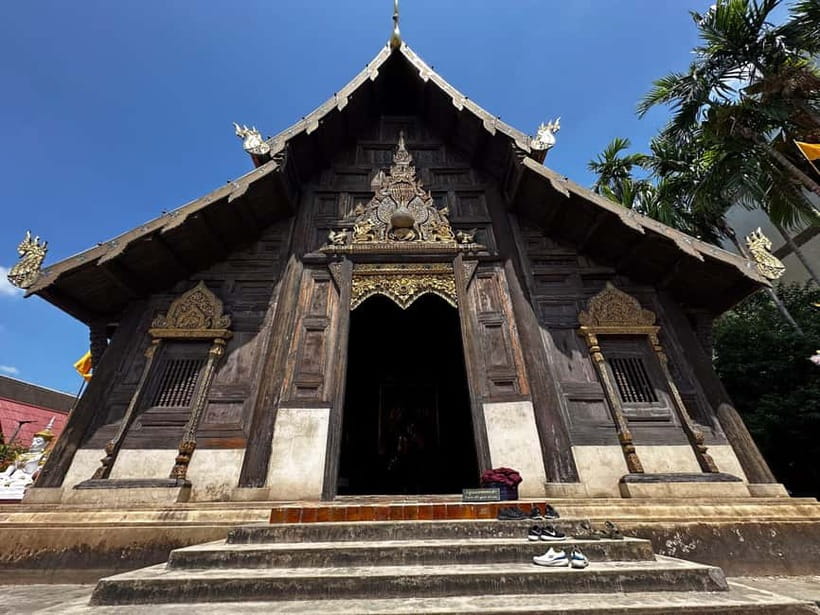
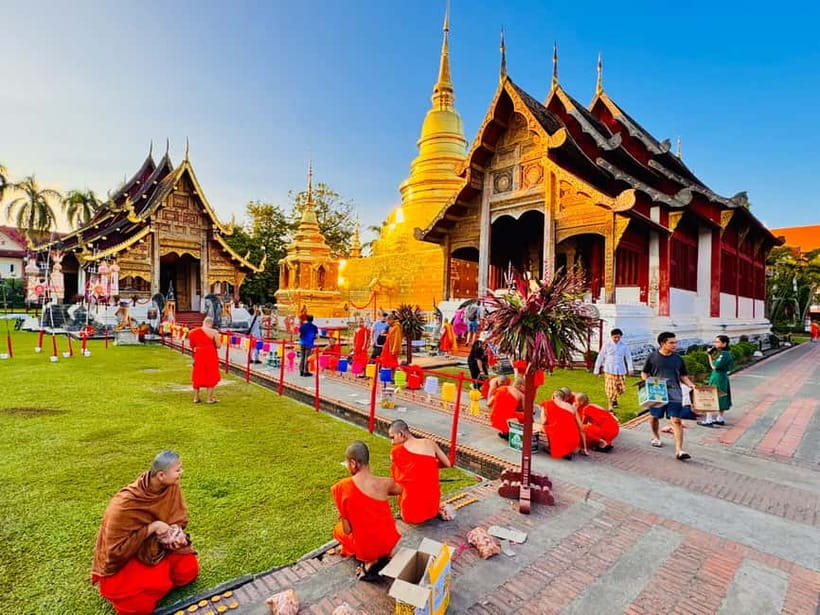
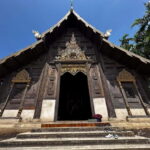
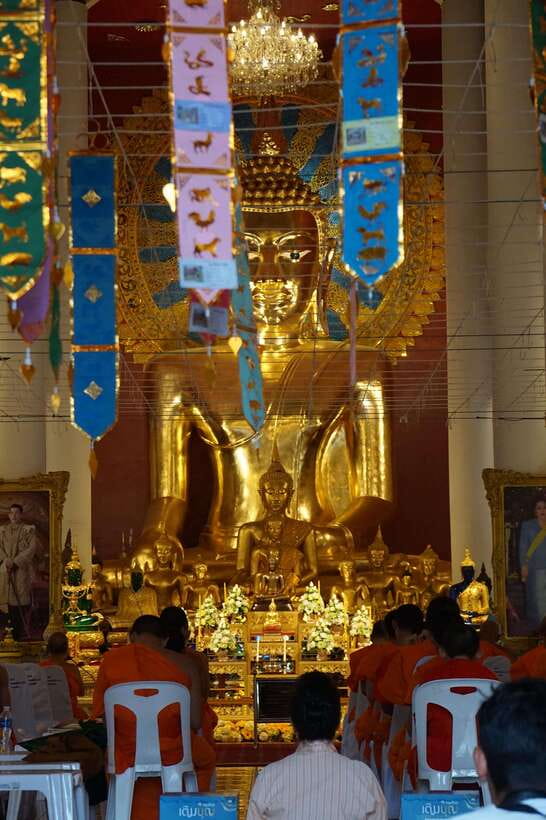
Wat Phra Singh is one of Chiang Mai’s most important temples, and it shows. The grounds are known for beautiful architecture, and the temple is home to the Phra Singh Buddha statue, described as a highly revered relic.
This is the stop where a good guide really earns their fee. When the guide connects the statue to the monastery’s role in local devotion, the visit stops being a checklist and becomes understanding. You’re not just seeing a Buddha image; you’re learning why it matters.
Wat Phra Singh also has an entrance fee of 40 THB, separate from the tour price. Plan for it so the visit stays calm and unhurried.
What I’d do at this stop
Let the guide explain first, then look again. Temples can feel overwhelming in the moment, and second glances are where details start to make sense.
The guide experience: why Q&A (and former-monks) change the whole tour
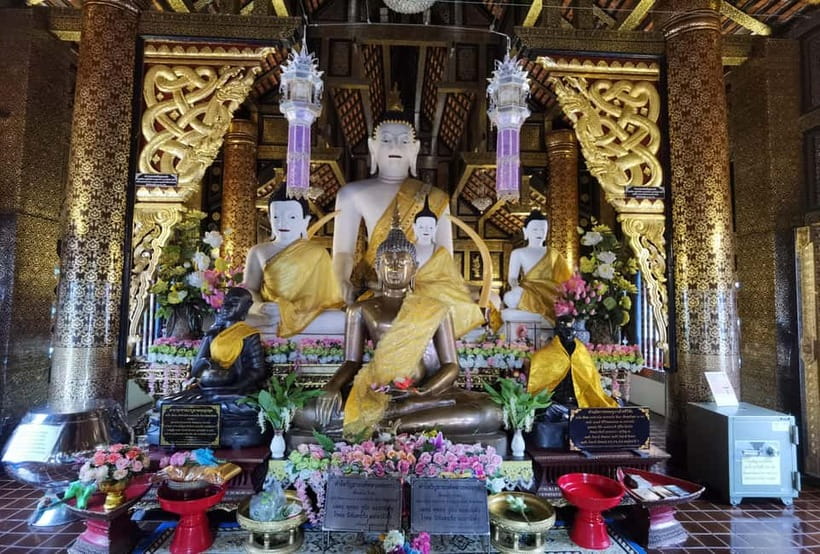
A big theme in the guide reviews is that the explanation feels personal. Names you might see mentioned include Son, Khun Son, Eddie, Earth, Big, and Katoon—and several reviewers specifically connect the experience to monastic background or former-monk experience.
That background matters because Buddhism isn’t just history here. It’s practice, daily routines, and meaning attached to objects people see every day. When a guide can talk about what it’s like to live that life, the temples become clearer fast.
I also like the way many guides handle questions. Reviews describe guides who are patient and willing to answer everything, without rushing you through each site. That’s important on a 4-hour tour where you’re trying to learn and also take in the atmosphere.
One realistic consideration: volume and pace
A small number of reviews note hearing can be tricky if the guide speaks quietly. Also, a few people mention wanting breaks if heat ramps up. The early start helps, but it doesn’t erase Chiang Mai weather—so bring a realistic mindset: you’ll be standing and moving a lot.
Walking logistics for a 4-hour temple morning
The duration is 4 hours, and the format is a city walking tour. That combination is great for first-time visitors because you cover major temples without needing complicated transport planning.
You should also know what’s not included. There’s no hotel pickup or drop-off, so you’ll need to get yourself to the meeting area (likely in or near the old city) on your own.
The good news is that the route is designed for walking, with the stops clustered closely enough that you’re not spending the whole morning in transit. The bigger variable is your comfort on your feet.
Who this tour is perfect for
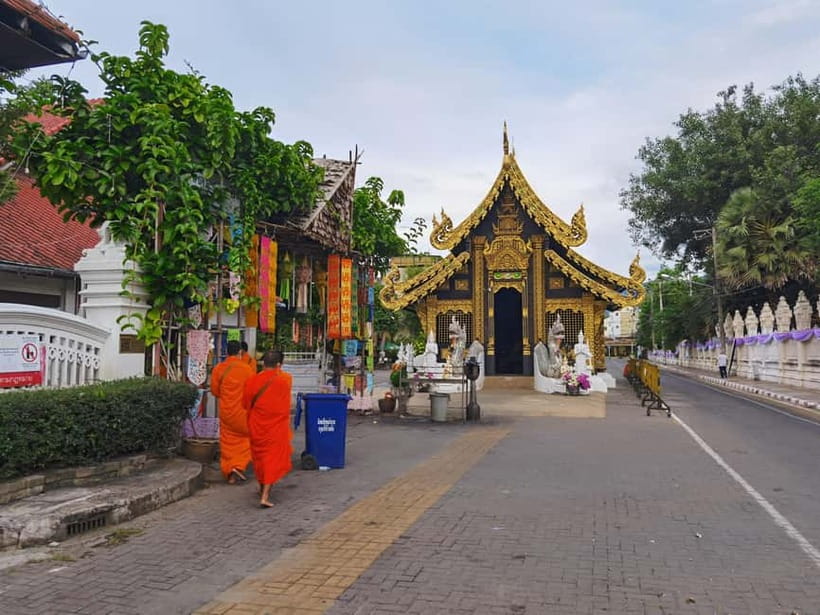
This tour works well if you want a real culture lesson rather than just temple sightseeing. It’s ideal for you if you:
- enjoy learning about Buddhism through everyday explanations
- want context for what you’re looking at (especially at Wat Chedi Luang and the Phra Singh statue)
- like asking questions and getting direct answers
It’s not a match if you don’t want rules-heavy temple visits. The dress code is strict, and the tour isn’t listed as suitable for pregnant women, babies under 1, or people over 95.
Should you book Chiang Mai Temple And City Walking Tour Part I?
If you’re choosing between a quick temple circuit and a guided learning morning, I’d book this. The value is strongest when you want the “why” behind the “what,” and the temple lineup is a smart mix: a ruined 14th-century chedi, a mural-filled Lanna ordination-hall stop, and Wat Phra Singh with its revered Phra Singh Buddha.
Book it if:
- you can follow the dress rules
- you want Buddhism explained in plain language by a guide with serious personal context (often described as former-monks in reviews)
- you’re happy with a steady walking rhythm for about four hours
Skip it if:
- you hate standing for long periods or you need a very slow pace
- you’d rather pay for a less rules-based experience where entrances and time limits feel simpler
FAQ
FAQ
What’s the start time for Chiang Mai: Temple And City Walking Tour Part I?
The tour starts at 08.20 am.
How long is the tour?
The duration is 4 hours.
Which temples are included in Part I?
You visit Wat Chedi Luang, Wat Pan Tao, and Wat Phra Singh.
Is the entrance fee included for the temples?
No. Wat Chedi Luang is 50 THB, and Wat Phra Singh is 40 THB. Entrance to those temples is not included.
What’s included in the price?
The price includes a guide and a walking tour.
What language is the guide?
The live guide speaks Thai and English.
Is hotel pickup or drop-off included?
No. Hotel pickup and drop-off are not included.
What does the tour cost?
The price is listed as $15 per person.
Is there free cancellation?
Yes. You can cancel up to 24 hours in advance for a full refund.
Are there dress or behavior rules?
Yes. For example, the tour does not allow shorts, short skirts, sleeveless shirts, smoking, and drones. Climbing is also not allowed.