REVIEW · CHIANG MAI
Chiang Mai Michelin Food Walking Tour with Professional Tour Guide
Book on Viator →Operated by TripGuru Thailand · Bookable on Viator
Street snacks turn into a fast food course. This Chiang Mai Michelin Food Walking Tour bundles iconic bites, local food context, and a smooth 2.5-hour walk into one simple plan. You’ll get English-and-Thai guidance, and the route is built around classic local favorites like pa tong go and Hakka-style dishes.
What I like most is the focus on food you actually see people eating, not “tour-only” plates. I also like that the tour keeps moving—four key stops, about 30 minutes each—so you don’t end up stuck waiting around. Guides such as Sunny and Koi have been specifically praised for making the tastings feel fun and understandable.
The main thing to think about is expectations on what’s paid for. The guide may take you to multiple tasting spots, but food tasting expenses aren’t included, and there’s no vegan option listed—so you’ll want to budget extra and plan for your diet first.
In This Review
- Key things to know before you go
- Chiang Mai’s street food, guided in a way that’s actually useful
- Price and portion reality: the $40 question
- Getting there: Chansom Memorial Bridge start and an easy finish
- Stop 1: Lung Khajohn at Wat Ket for a local street-food warm-up
- Stop 2: Gor Neng and pa tong go, the snack that’s hard to ignore
- Stop 3: Warorot Market (Kad Luang) for food, shopping energy, and real city life
- Stop 4: Thana Ocha Noodle for Hakka-style comfort food
- Weather, timing, and why the heat can change the whole day
- What the guide actually adds (beyond ordering)
- No vegan option: plan your diet before you show up
- Who should book this food walk
- Should you book the Chiang Mai Michelin Food Walking Tour?
- FAQ
- How long is the Chiang Mai Michelin Food Walking Tour?
- How much does the tour cost?
- What food is the tour known for?
- Is vegan food available?
- What’s included in the tour price?
- Are food tasting expenses included?
- How many people are in the group?
- Where do I meet the guide and where does the tour end?
Key things to know before you go
- Four food-focused stops: you’ll rotate through local eateries and one major market in about 2.5 hours.
- Pa tong go at Gor Neng: expect the famous deep-fried dough sticks that can look like little dinosaurs.
- Warorot Market (Kad Luang): a serious all-in-one place for snacks plus everyday market life.
- Thana Ocha’s Hakka-style noodles: you’re finishing with a filling savory dish featuring stuffed tofu, fish sausage, and wontons.
- Tastings cost extra: the tour guide is included; you should be ready to pay for what you eat.
Chiang Mai’s street food, guided in a way that’s actually useful
This is the kind of tour that makes sense when you’ve only got a limited window and you want more than a “find it yourself” food crawl. The core promise is simple: you’ll visit well-known, easy-to-miss local stops and try several Chiang Mai classics with a professional guide who can explain what you’re eating and where it fits in the city’s food scene.
The tour runs about 2 hours 30 minutes, walking at a comfortable pace. With a maximum group size of 15, it stays social without turning into a herding exercise. You can also choose from multiple start times, which matters in Chiang Mai because the weather can change your comfort fast.
Also, the tour includes an English- and Thai-speaking guide plus insurance. That combination is handy when you want someone local to translate both the food and the context, not just point at a menu.
You can also read our reviews of more walking tours in Chiang Mai
Price and portion reality: the $40 question
At $40 per person, you’re paying for guide expertise, route planning, and the structure that keeps you from wasting time. That part is strong value, especially if you’re short on time or you’d rather not guess which stalls are worth lining up for.
But here’s the key pricing catch: all food tasting expenses are not included. So even if the tour takes you to great places, you should expect to pay for your own tastings once you’re there. If you dislike surprises, budget a bit extra before you go and treat the tour like guided access and direction, not a fully prepaid buffet.
The other small detail that affects value: the tour includes walking and multiple stops, but it’s not set up like a sit-down meal parade. You’ll get variety, but you may not leave feeling like you ate a whole “dinner” if you’re picky or slow to taste.
Getting there: Chansom Memorial Bridge start and an easy finish
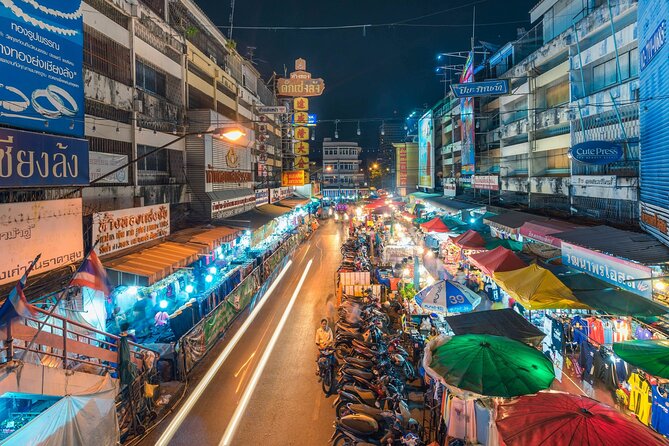
The tour starts at Chansom Memorial Bridge (Khua Khaek) near the Ping River Bridge area (Chang Moi / Mueang Chiang Mai). It’s a good meeting point because it’s a recognizable landmark and the tour is described as near public transportation.
You’ll end at Thana Ocha Noodle in the Chang Moi area. That finish matters because it’s not just a loop you have to retrace. After the last stop, you’re already in the zone where you can keep walking, grab something else, or find an easy way to get back.
If you’re choosing a start time, consider what time of day you want to handle walking in the heat. Chiang Mai can be intense, and the tour is outdoors.
Stop 1: Lung Khajohn at Wat Ket for a local street-food warm-up
The first stop is Lung Khajohn Wat Ket, positioned as a quick, focused intro to Chiang Mai’s foodie streets. This is the moment where the guide helps you get your bearings—what to order, how locals eat it, and what to pay attention to in flavors and textures.
Because this is a short 30-minute segment, don’t expect a long backstory or a slow meal. Think of it as your launch point: one early taste that sets the tone for what you’ll keep eating for the rest of the walk.
A practical upside: starting this way helps you understand the “street food logic.” In markets and small eateries, things can look similar from the outside. A guide’s first explanation can save you from second-guessing later.
Stop 2: Gor Neng and pa tong go, the snack that’s hard to ignore
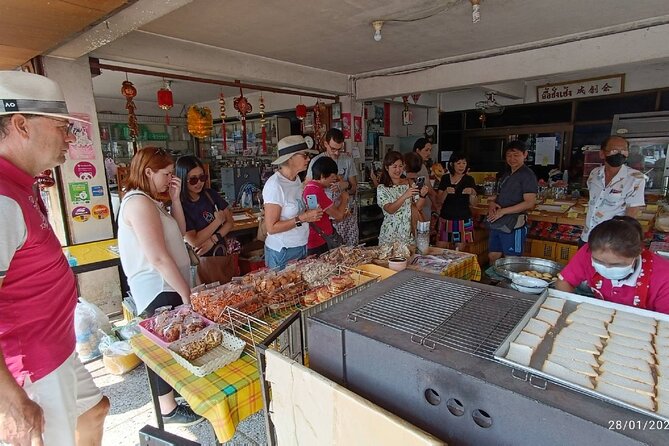
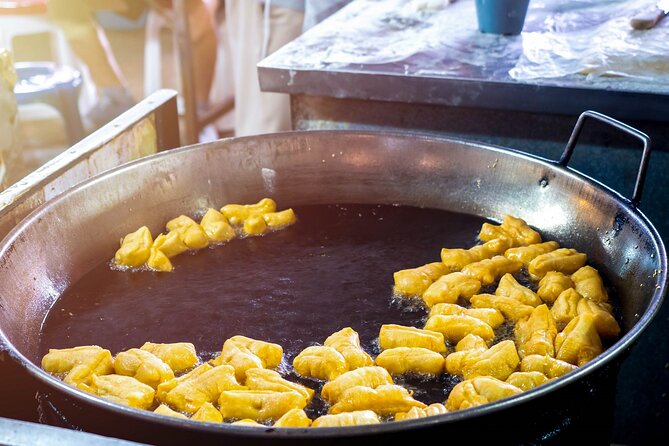
Next up is Gor Neng, where you’ll try pa tong go—deep-fried dough sticks that some people describe as shaped like tiny dinosaurs. It’s a classic Chiang Mai snack, and it’s popular for a reason: it’s crunchy outside, soft inside, and easy to eat while walking.
This stop is also a good example of why a guided food walk can be better than wandering. You’re not just chasing a famous item; you’re eating it in a place where it’s treated like a real local snack, not a performance.
One thing to watch: pa tong go is best when it’s fresh. If you’re the type who wants a perfectly steady bite-by-bite rhythm, you’ll do better if you keep your attention on eating right when it’s handed to you.
You can also read our reviews of more food & drink experiences in Chiang Mai

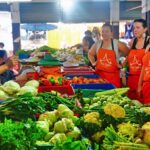

Stop 3: Warorot Market (Kad Luang) for food, shopping energy, and real city life
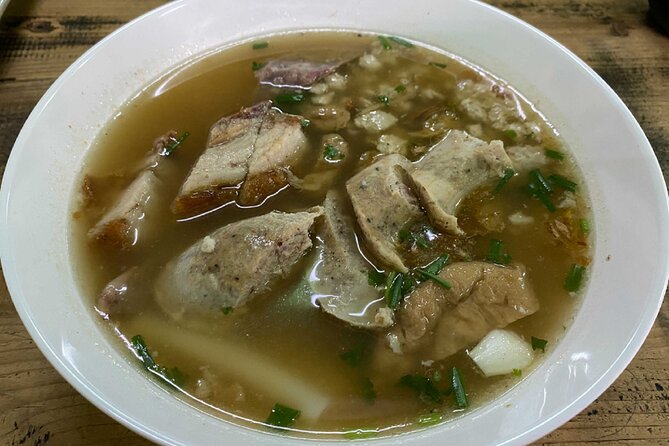
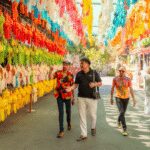
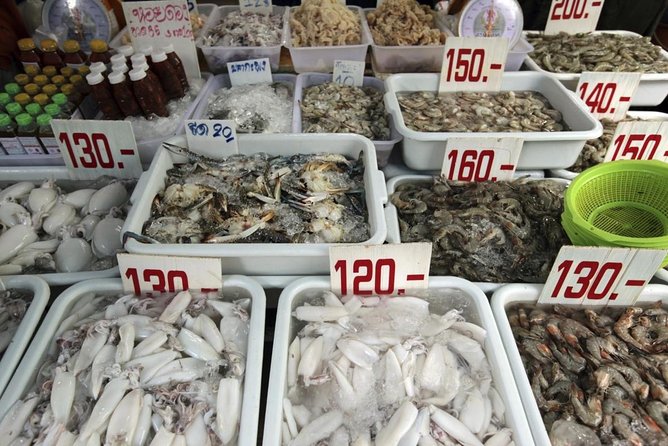
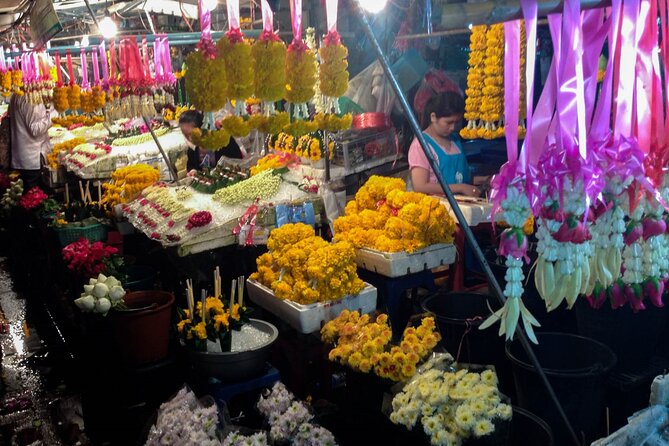
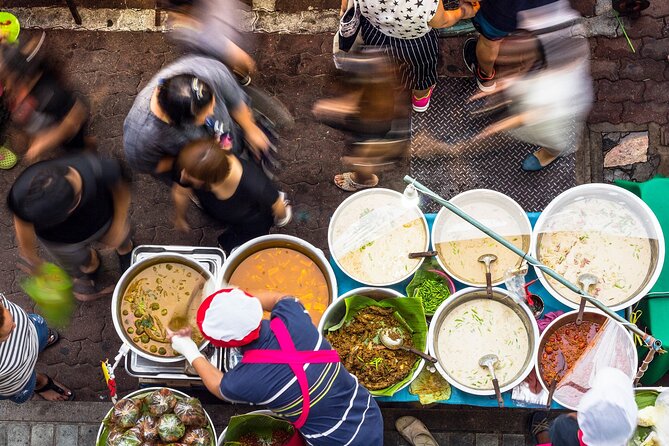
Then you head to Warorot Market (Kad Luang), a famous market where you’ll find snacks, produce, clothing, and everyday items. This is where the tour shifts from single-dish tasting to market-style variety.
Markets can be overwhelming. The upside is that you get to experience Chiang Mai’s everyday rhythm—what people buy for lunch, what’s being stacked, and how the stalls are laid out for quick service. The downside is that markets can also attract plenty of commercial clutter, so it helps to stay focused on the food the guide is aiming for.
This is also a strong spot to look for sweet and snack classics that Chiang Mai is known for. The tour is described as including tastings like mango sticky rice and khao kriab pak moh (steamed rice skin dumplings), though the exact stall timing can vary based on weather and availability. If you’re hunting specific favorites, ask your guide what’s most likely today.
Practical tip: bring small cash and expect the market to have different pricing styles than restaurant menus. Your guide helps, but being ready speeds things up.
Stop 4: Thana Ocha Noodle for Hakka-style comfort food
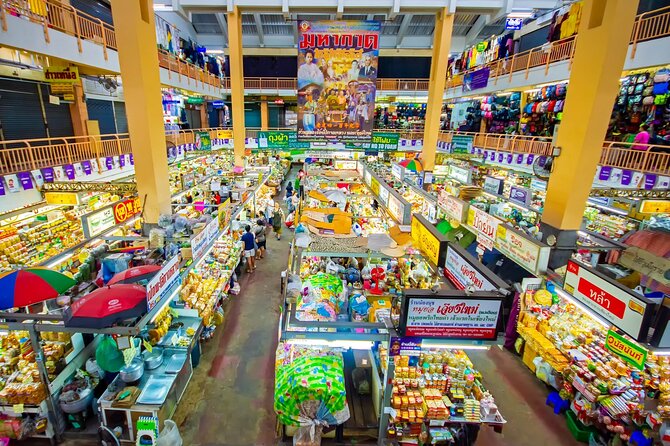
The finish line is Thana Ocha Noodle, where you’ll try Hakka-style noodles. The tour description calls out a combo like Hakka stuffed tofu, fish sausage, and wontons, which signals you’re in for a savory, filling bowl—not just a light snack.
This stop is valuable because it’s a different flavor lane from deep-fried dough and market sweets. Hakka-style cooking leans into hearty textures and bold comfort, so it balances the earlier tasting variety.
Another reason this final stop works: after about 2.5 hours of walking, you want something that actually sticks with you. Noodles do that. If you’ve got any cravings for something warm and substantial, this ending usually hits the mark.
If it’s very hot when you arrive, you might find yourself appreciating the structured break. You’re not “snacking forever”; you’re ending with a proper finish.
Weather, timing, and why the heat can change the whole day
This experience requires good weather. If conditions are poor, the tour may be canceled and you’ll be offered another date or a full refund. On the flip side, when it is hot, it can be seriously hot—one guide experience described it as blisteringly hot.
So pick your start time like you’re choosing a comfort level, not just a clock time. If you can, morning is usually smarter in Chiang Mai because you’ll spend less of the day sweating and more of it eating.
There’s also a timing note that matters if you book a private version: if you choose the 2:30 pm slot, the guide may take you to alternative street food stalls because some restaurants close early. If you want the most “on plan” experience, morning slots are recommended.
What the guide actually adds (beyond ordering)
In food tours, the difference between good and great often comes down to guidance—what you’re tasting and why it matters. Here, the guide is described as explaining Chiang Mai’s food scene and history, and you’ll see that in the way the stops are chosen.
Guides like Sunny and Koi have been praised for making the tour feel like a real learning experience, not just a sequence of plates. That’s especially important on a walking tour because you don’t have time to figure everything out on your own.
For you, the goal should be simple: ask what makes the dish “local,” and ask what to watch for in texture and taste. For example, with pa tong go, freshness and crispness matter. With Hakka noodles, the mix of ingredients and the savory balance matters. A guide can point out those differences so your “tasting” becomes actual understanding.
No vegan option: plan your diet before you show up
A straightforward thing to know: there’s no vegan option available. That doesn’t mean you can’t enjoy the tour, but it does mean you should be honest with yourself about what you can eat.
If your diet is flexible for eggs or dairy, you may be okay. If not, you’ll want to confirm with the provider before booking, because the tour is built around meat-and-tofu style street foods and noodle components.
If you’re allergic to common ingredients, the tour details provided don’t say how they handle substitutions. Your best move is to message the operator ahead of time with your needs, so you don’t end up paying for tastings you can’t eat.
Who should book this food walk
This tour fits best if you:
- want a structured walking itinerary with local explanations
- enjoy street snacks plus one solid noodle finish
- like learning why certain foods are common in Chiang Mai
- want a group size that stays small enough for real interaction
You might skip it if you:
- expect meals to be fully pre-included in the price
- only want vegan food choices
- prefer shopping or wandering with no food focus
Also, it’s worth knowing that the route can change based on weather, restaurant/stall availability, and other factors. That’s not a deal-breaker, but it is a reason to stay flexible if you’re visiting during a rainy week or a festival day.
Should you book the Chiang Mai Michelin Food Walking Tour?
Yes, I’d book it if your priority is a guided, stop-by-stop taste of Chiang Mai street foods with a local guide who can explain what you’re eating. At $40, the guide value and the route structure are a strong match for short stays, especially with a small group size.
Just don’t treat it like a fully paid tasting festival. Because food tasting expenses aren’t included and there’s no vegan option, you should budget extra for tastings and be prepared to choose carefully. If you do that, you’ll likely end up with the kind of food day that feels like you got the city’s flavors in the right order, not random snacks you had to guess your way through.
If you want my practical rule: pick a morning start, bring cash, and show up hungry with questions for your guide.
FAQ
How long is the Chiang Mai Michelin Food Walking Tour?
It runs for about 2 hours 30 minutes.
How much does the tour cost?
The price is $40.00 per person.
What food is the tour known for?
The tour focuses on Chiang Mai favorites such as Hakka-style noodle, mango sticky rice, pa tong go, and khao kriab pak moh.
Is vegan food available?
No vegan option is available.
What’s included in the tour price?
You get an English- and Thai-speaking tour guide, a walking tour, and insurance.
Are food tasting expenses included?
No. All food tasting expenses are not included.
How many people are in the group?
The tour has a maximum of 15 travelers.
Where do I meet the guide and where does the tour end?
You start at Chansom Memorial Bridge (Khua Khaek) near the Ping River Bridge area, and the tour ends at Thana Ocha Noodle in the Chang Moi area.