REVIEW · CHIANG MAI
Chiang Mai: Ethical Half Day Elephant Sanctuary & Waterfall
Book on GetYourGuide →Operated by Joy Elephant Sanctuary · Bookable on GetYourGuide
Elephants, but no circus tricks. I like the way Joy Elephant Sanctuary keeps the experience ethical—no touching and no elephant bathing—and lets you observe elephants as they feed and roam at their own pace. My only heads-up: you’ll be on the road a while, and the jungle walk needs real comfortable shoes.
From Chiang Mai Old City pickup, you ride out about 1.5 hours, spend roughly 3 hours with the herd, break for lunch, then cool down at a waterfall stop with tea and time to swim—no elephant tricks involved. You’ll also make a Thai handmade souvenir, the kind you actually use later: a Ya Dom herbal inhaler.
In This Review
- Key Highlights You’ll Care About
- Joy Elephant Sanctuary in Chiang Mai: What Makes It Different
- From Chiang Mai Old City: The Van Ride Out to Mae Wang
- Feeding and Foraging With the Herd: The Ethical Elephant Moment
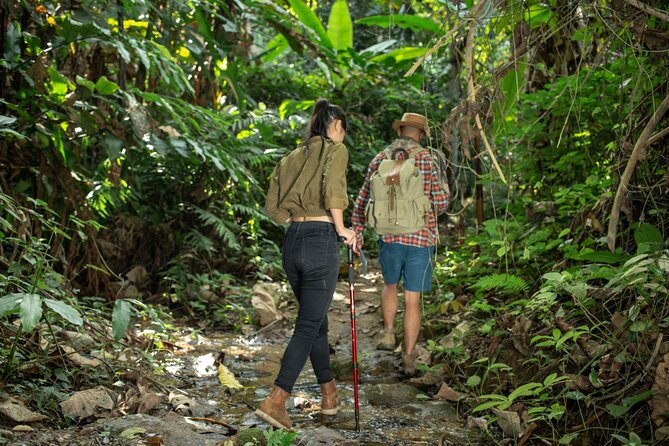
- The Jungle Walk Isn’t Long, But It’s Meaningful
- Waterfall Time in Mae Wang: Tea, Cool Water, and No Elephant Bathing
- Lunch, Water, and the Rhythm of a 7-Hour Day
- Your Thai Souvenir: Making Ya Dom Herbal Inhalers
- Price and Value: Is $54 a Fair Deal?
- Who This Tour Suits Best (and Who Should Skip It)
- Quick Practical Tips Before You Go
- Should You Book Joy Elephant Sanctuary in Chiang Mai?
- FAQ
- How long is the Chiang Mai elephant sanctuary half-day experience?
- Do you pick up from hotels in Chiang Mai Old City?
- Can I touch the elephants or feed them?
- Is elephant bathing included?
- Is there time to swim at the waterfall?
- What’s included in the $54 price?
- What should I bring?
- Can I cancel and is pay later available?
Key Highlights You’ll Care About
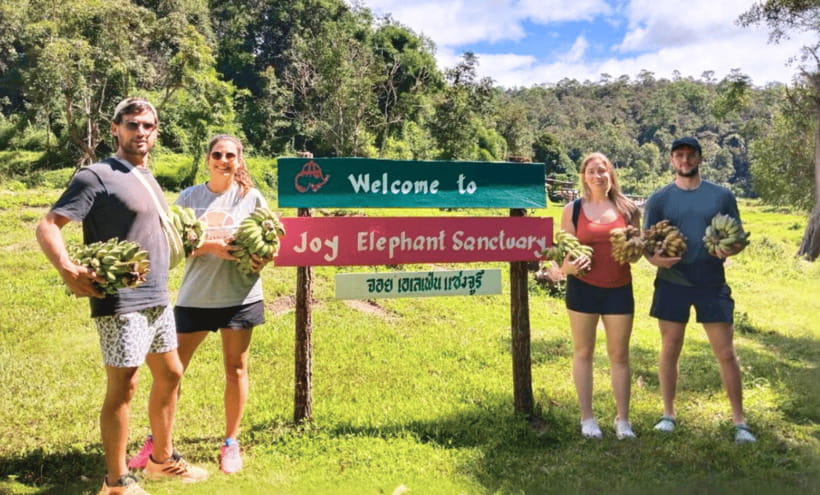
- Ethics you can feel: no touching, no bathing, and elephants are not forced into entertainment
- Hands-on but respectful: you help prepare food and feed while learning elephant behavior
- Follow-the-herd walking: you walk alongside at the elephants’ pace, not the other way around
- Waterfall break that’s actually relaxing: herbal tea and river/swim time, with no elephants in the water
- Lunch included, with Thai comfort food vibes: pad Thai and fresh fruit are commonly served
- A take-home craft with Thai character: make your own Ya Dom herbal inhaler from local spices
Joy Elephant Sanctuary in Chiang Mai: What Makes It Different
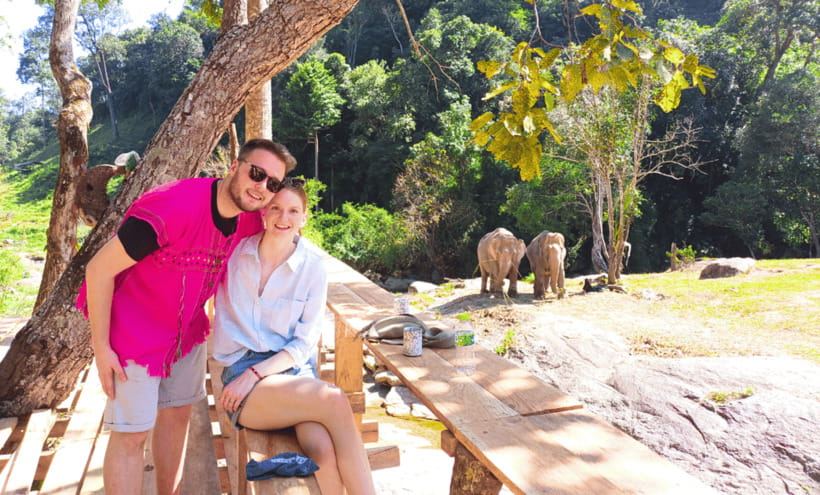
This is the kind of elephant day that’s built around watching life unfold—quietly—rather than collecting photos where the elephants perform. At Joy Elephant Sanctuary, the rules are clear: you don’t touch, you don’t bath them, and you don’t ride them. Instead, you feed and observe, then walk alongside while the herd forages, which is how elephants spend most of their time anyway.
I also like that the experience mixes nature time with cultural time. You’re not just waiting around for elephant moments. You get a jungle walk, a waterfall break with herbal tea (and often swim time), lunch, and a Thai craft that gives the day a satisfying ending.
The emotional payoff is real, but it’s not just a feel-good story. You’ll hear why these animals ended up needing care, and you’ll see how a sanctuary can work by keeping elephant welfare at the center.
You can also read our reviews of more tours and experiences in Chiang Mai.


From Chiang Mai Old City: The Van Ride Out to Mae Wang
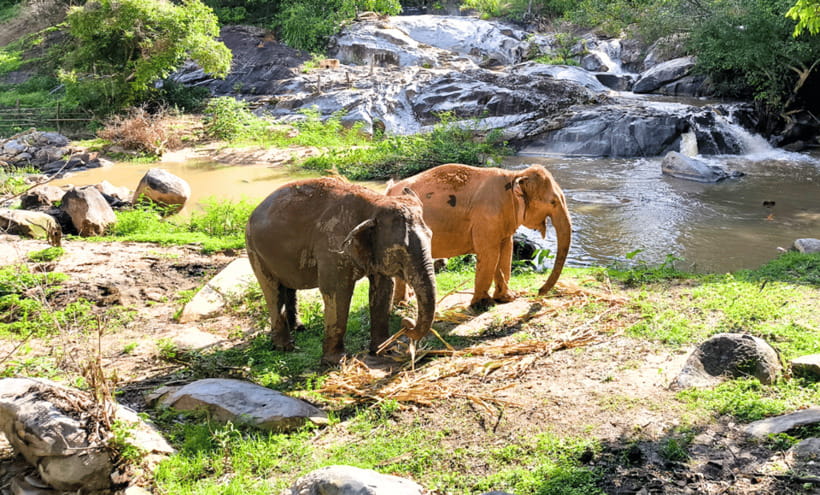
Most days start with pickup from your hotel area in Chiang Mai Old City, as long as you’re within about a 5 km radius. You’ll use a minivan for the transfers, and the total time adds up: expect roughly 1.5 hours each way to Mae Wang District. That means you should treat the whole thing like a proper excursion, not just a quick stop.
Some roads can feel bumpy on the way out—this is a countryside route, not a smooth city drive. If you’re prone to motion sickness, plan for it (bring what you normally use). The good news is that you’re not stuck carrying everything yourself. The day is structured with transport, guide support, and included essentials like water and a towel.
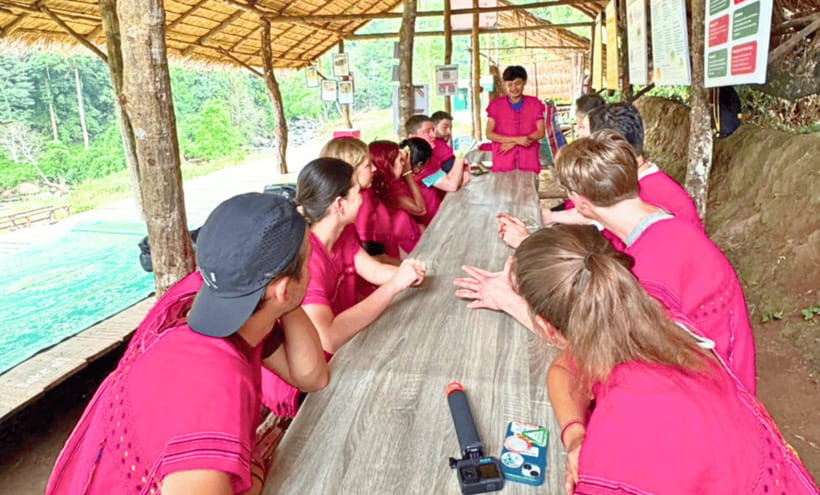
Once you arrive, you typically get a sense of the ground rules first. That matters. When the staff sets the boundaries early, the elephant encounter stays calm for everyone—elephants included.
Feeding and Foraging With the Herd: The Ethical Elephant Moment
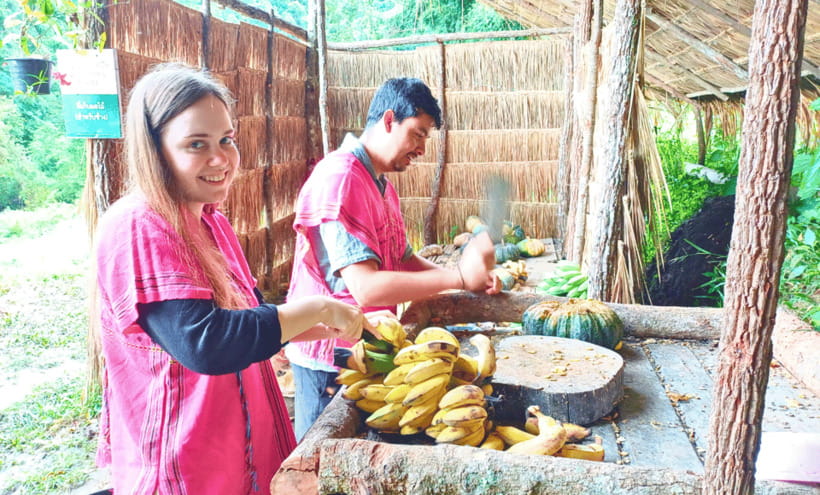
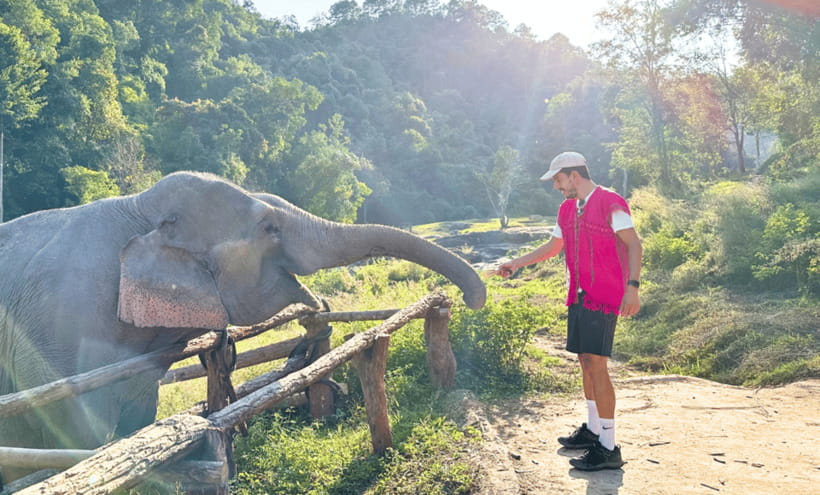
The core experience is watching elephants do elephant things. Before you get into any walking, you’ll do hands-on activities that connect you to the process—preparing elephant food and learning what they’re likely to do next based on their behavior. You’ll then feed the elephants while maintaining respectful distance and following the sanctuary’s instructions.
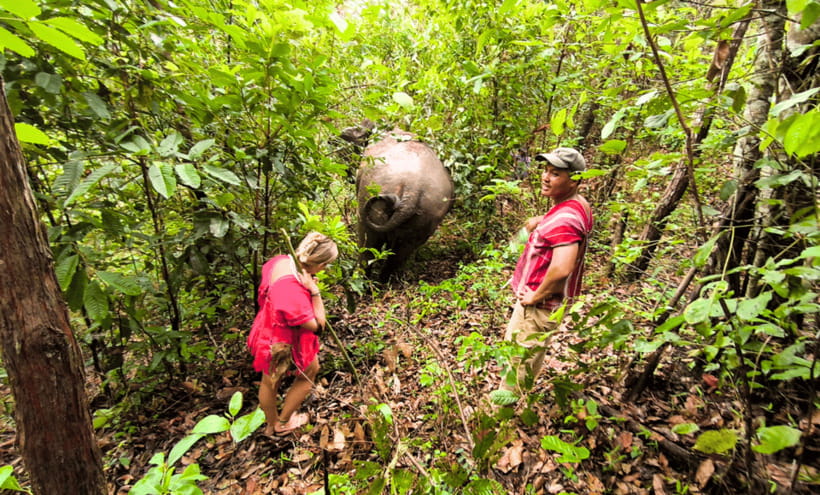
What you’ll like most here is the vibe shift. Instead of crowds pressing in, the herd moves through the environment at a natural pace, and you move with them. Several people highlight how the walking isn’t about forcing elephants into a tourist route. You’re walking alongside while they forage—slow grazing, pauses, and the occasional moment where their body language tells you they’re deciding where to go next.
This is where the “ethical” part becomes more than marketing. Because you aren’t allowed to touch and you aren’t involved in any bathing or gimmicks, you can watch for real cues: how they group up, how they use their trunks, how they interact with the environment. It’s also a safer setup, since everyone is aligned on the same boundaries from the start.
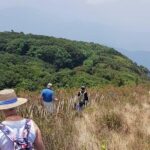
Footing tip: the walk is described as a jungle hike/foraging walk, so bring comfortable shoes you don’t mind getting dusty. You’re also going to appreciate insect repellent here—Thailand outdoors is Thailand outdoors.
The Jungle Walk Isn’t Long, But It’s Meaningful
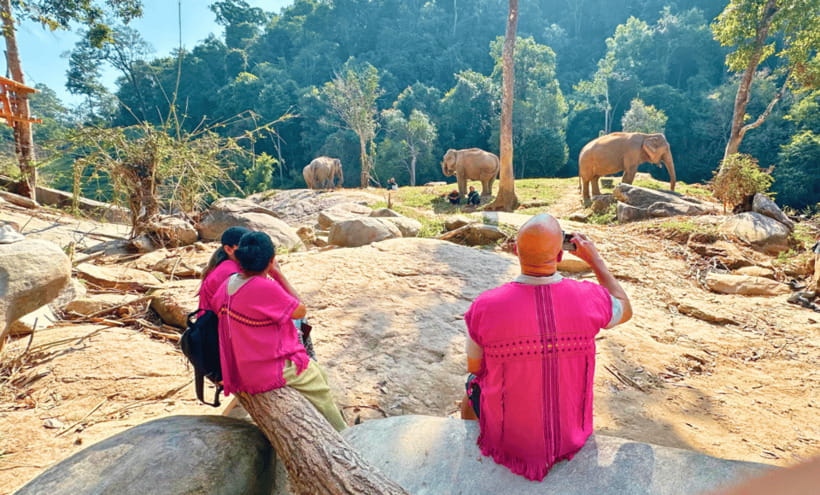
You’re not walking for hours and hours. The time is long enough to feel connected, but short enough that you can actually enjoy it without burning out. The schedule time in the nature area is about 3 hours for wildlife viewing and the guided experience, including feeding and the follow-along walking.
That balance is part of the value. If you’ve been to Chiang Mai hoping for “elephants plus a bit of scenery,” you’ll get both. If you’re worried you won’t manage the jungle portion, don’t ignore that concern—this isn’t stated as wheelchair-friendly, and it’s clearly not built for rolling comfort.
Also, if you’re the type who cares about animal welfare, this is the day that scratches that itch. You’ll see elephants relaxed, not pressured. And you’ll likely hear explanations about the abuse these animals have survived and why the sanctuary works so hard to keep them in control of their own behavior.
Waterfall Time in Mae Wang: Tea, Cool Water, and No Elephant Bathing
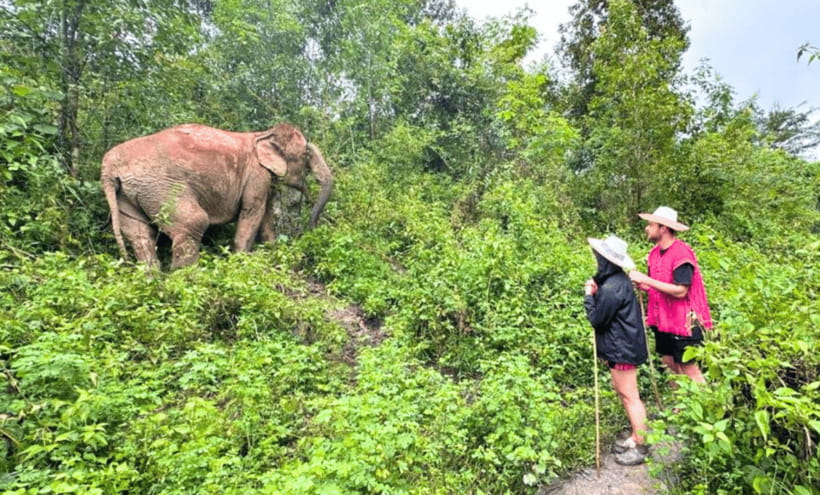
After the elephant-and-jungle portion, you get a break by a waterfall. This is one of the best parts for me because it resets the senses. You have herbal tea while you watch the scenery, and the day gives you a chance to slow down after walking.
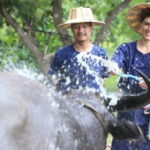
Bring your swimwear. People mention swimming in the waterfall/river area, but importantly, it’s described as no elephant bathing. That detail is big: elephants aren’t used to turn water into a show for tourists. You swim in the water, the elephants live their own day.
Reality check: the waterfall stop may not feel like a movie postcard from the first second. A few people mention it’s not as big as they expected. Still, it’s a refreshing place to sit, cool off, and enjoy the sounds of water in the mountains.
Also, towel is included—so you’re not scrambling for something at the last minute. Change of clothes is a must, though, because you’ll feel better for the ride back to Chiang Mai once you’re dry.





Lunch, Water, and the Rhythm of a 7-Hour Day
Even though it’s marketed as a half-day style program, the full experience runs about 7 hours because transfers and breaks take time. Within that, lunch is included and is scheduled as about 30 minutes.
What does lunch look like? Many people describe pad Thai with fresh fruit, and it’s often vegetarian. If you’re sensitive to spicy food, go easy the first bite and tell yourself Thai comfort food can still be spicy by default. Since you’re outdoors and walking, you’ll probably feel grateful for a real meal break rather than a quick snack.
Water is included, too. Staying hydrated matters in this humidity. The guide and staff keep the day moving, but the pacing is built so you’re not hungry, not thirsty, and not rushed.
Your Thai Souvenir: Making Ya Dom Herbal Inhalers
The ending activity is a Thai cultural craft: making a handmade Ya Dom herbal inhaler. This is a small, smart souvenir because it’s practical and local-sense driven. You’ll mix herbs/spices into a form you can take home, and it ties the whole day together beyond elephants and nature.
Why I like this part: it gives your brain something creative to do while your body rests after the walk. Plus, it’s not a “take a generic thing and leave” souvenir. People describe choosing their scents and finishing with something they can actually use later.
If you’ve ever brought home souvenirs that end up in a drawer, Ya Dom is the type that usually gets used—especially in Thailand weather climates where herbal inhalers are common.
Price and Value: Is $54 a Fair Deal?
At $54 per person, this feels like good value when you look at what’s included. You’re paying for more than elephant entry. You get round-trip hotel pickup and drop-off (within the Old City’s 5 km radius), an English-speaking guide, elephant food, lunch, water, insurance, and a towel.
You also get a full structured day in nature: the feed-and-observe time, a guided walking portion, a waterfall break with tea, and the Ya Dom craft. Many elephant experiences charge extra for “extras” like meals, transport, and guided learning. Here, those basics are bundled in.
So the value question becomes: do you want an ethical, rules-based elephant day? If yes, $54 is the kind of price you can feel good about. If you just want the biggest animal-contact thrill at any cost, you might find the boundaries limiting. But if you care about welfare, those boundaries are exactly the point.
Who This Tour Suits Best (and Who Should Skip It)
I’d point you toward this tour if you want:
- an elephant experience focused on observation and feeding, not tricks
- a nature day that includes a waterfall break and a swim option
- a Thai craft souvenir that connects to the country’s everyday herbal culture
Skip it if you need wheelchair access. The tour is not suitable for wheelchair users based on the provided information. Also, if you know you struggle with uneven jungle footing, plan carefully—this isn’t described as a paved stroll.
One more practical note: bring your own allergy medication if you need it. That’s stated clearly, and it’s smart travel planning wherever herbs and outdoor plant scents might be part of the day.
Quick Practical Tips Before You Go
This kind of day rewards smart packing. I’d follow the provided checklist closely:
- Comfortable shoes for a jungle walk
- Swimwear and sandals (and yes, a change of clothes)
- Sunscreen and insect repellent
- Towel is included, but you’ll still want dry clothes for the ride home
- Allergy medication if you require it
Also, pets are not allowed. And explosive substances aren’t allowed. In other words: this is a calm, controlled environment built for the animals and the rules.
Should You Book Joy Elephant Sanctuary in Chiang Mai?
If you’re choosing between elephant experiences in Chiang Mai, book this one when your priorities are animal welfare, respectful interaction, and a day that feels grounded in real life. The combination of elephant feeding/foraging walking plus a waterfall tea break (with swim time) plus the Ya Dom craft makes it feel complete.
I’d only hesitate if you’re expecting an easy, fully passive experience. You’ll walk, you’ll hike in natural terrain, and you’ll be on the road for a chunk of the day. If you can handle that, this is one of the more responsible ways to see elephants up close without turning them into entertainment.
If ethics matter to you, this is the type of tour you’ll feel good about after the last photo is taken.
FAQ
How long is the Chiang Mai elephant sanctuary half-day experience?
The experience duration is listed as 7 hours total.
Do you pick up from hotels in Chiang Mai Old City?
Yes. Pickup and drop-off are included for accommodation within a 5 km radius of Chiang Mai’s Old City.
Can I touch the elephants or feed them?
You’re able to feed and observe elephants as part of the program, but touching them is not allowed.
Is elephant bathing included?
No. The program includes a break at the waterfall, but it specifies no elephant bathing.
Is there time to swim at the waterfall?
You’ll have a waterfall break, and swimwear is recommended. The experience is described as allowing a swim/refresh time in the water area, while elephants are not involved in bathing.
What’s included in the $54 price?
Included items are hotel pickup and drop-off, a guide, lunch, water, elephant food, insurance, and a towel.
What should I bring?
Bring comfortable shoes, swimwear, a change of clothes, sandals, sunscreen, and insect repellent. If you need allergy medication, bring your own.
Can I cancel and is pay later available?
You can cancel up to 24 hours in advance for a full refund. There is also a reserve now & pay later option.