REVIEW · CHIANG MAI
Chiang Mai: Elephant Sanctuary, Monk Trail & Doi Suthep Tour
Book on GetYourGuide →Operated by PON ELEPHANT (THAILAND) CO., LTD. · Bookable on GetYourGuide
Elephants and temples in one easy day. I like how this Chiang Mai tour stitches together ethical elephant care at Pon Elephant Thailand with the calm, nature-led monk trail at Wat Pha Lat. For me, the best part is that you’re not just watching from a distance: you get real, hands-on elephant time (including feeding and river bathing) plus guided temple stops with practical tips on how to visit respectfully.
One thing to plan for: it’s a long day on your feet. You’ll hike, you may get muddy, and elephant bathing can mean you’re wet and dirty unless you pack well.
In This Review
- Key highlights you’ll actually feel
- Chiang Mai in one day: elephants, monk trail, and Doi Suthep
- Wat Pha Lat’s forest trails: the monk trail feels calmer than you expect
- Wat Phra That Doi Suthep: a guided temple visit that teaches you where to stand
- Pon Elephant Thailand (Mae Wang): feeding, walking, medicine balls, and river bathing
- How to get the best photos without being disruptive
- Thai food after elephants: comfort, not a random stop
- Transport, timing, and how the day stays from feeling rushed
- What to pack (and what to leave at home)
- Who this Chiang Mai temple-and-elephant day is best for
- Price and value: why this $57 day can be a good deal
- Should you book this Chiang Mai Elephant Sanctuary, Monk Trail & Doi Suthep Tour?
- FAQ
- FAQ
- Is elephant riding included or allowed?
- What should I wear for the temple visits?
- What’s included in the price?
- Do I need to bring a towel and extra clothes?
- How long is the tour?
- Is pickup available from my hotel?
- Is the tour in English?
Key highlights you’ll actually feel
- Ethics-first elephant interaction: no riding, elephants are not forced to perform, and you’re working with a welfare-focused routine.
- Wat Pha Lat in the forest: a peaceful forest-temple route with a wooden tunnel, ordained trees, and a tranquil stream.
- Doi Suthep with hands-on prayer guidance: your guide shows you how to pray properly and points out what to notice at the sacred site.
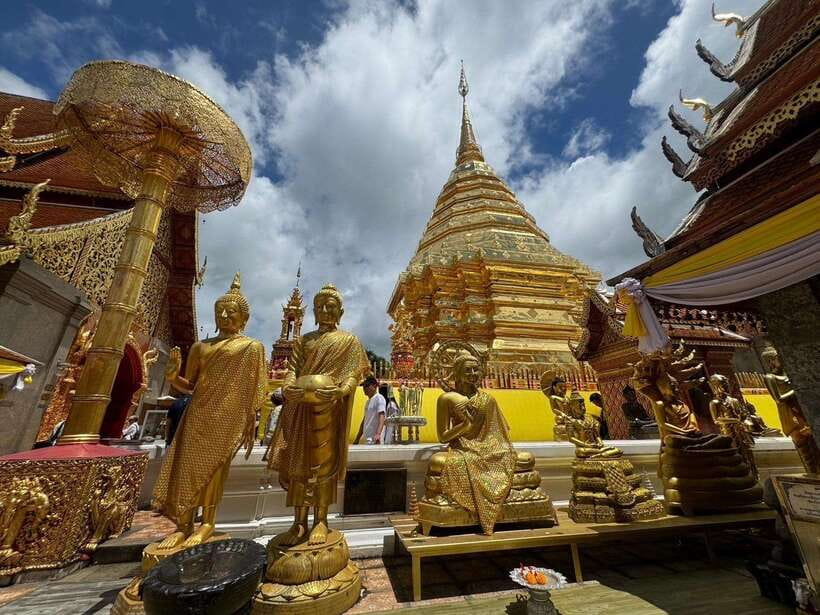
- Temple-view rewards: Doi Suthep’s terraces, statues, pagoda, and Chiang Mai viewpoints make the climb feel worth it.
- River-bath reality: bring swimwear and a change of clothes, since bathing is part of the camp experience.
- Guides that bring the day together: I’m seeing repeated praise for guides such as Sumit, Paul, Ronnie, Suriya, Yoong, and Jakkie for keeping history clear and the mood light.
Chiang Mai in one day: elephants, monk trail, and Doi Suthep
Chiang Mai’s best days have variety. This one balances three very different experiences: a forest temple walk at Wat Pha Lat, the landmark spiritual site at Wat Phra That Doi Suthep, and an elephant sanctuary day with feeding and bathing at Pon Elephant Thailand in Mae Wang District.
At first glance it looks like a typical “temples + animals” package. But what makes it feel better is the rhythm: you start with nature and quiet, then shift into one of Chiang Mai’s most iconic temples, and later spend focused time with elephants in an ethical setting. The guides named in guest feedback—like Sumit, Paul, Ronnie, and Yoong—are often praised for explaining not just what you’re looking at, but why it matters in daily Thai life and Buddhist practice.
The trade-off is that it’s full. Plan for a long day (one guest noted leaving around 8am and getting back around 5pm). If you’re the type who needs breaks every hour, this might feel like too much.
You can also read our reviews of more tours and experiences in Chiang Mai.


Wat Pha Lat’s forest trails: the monk trail feels calmer than you expect
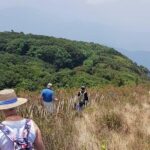
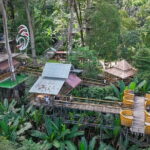
Your morning portion centers on Wat Pha Lat, a temple experience tied to nature. You’ll hike for about 40 minutes through a lush route that’s designed to slow you down—wooden sections, forest shade, and quiet corners that feel made for walking meditation.
Here’s what you should look for while you’re there:
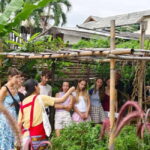
- The wooden tunnel, which adds a “transition moment” between the outside world and the temple space.
- Ordained trees—you’ll hear them explained as part of temple tradition.
- A tranquil stream area that changes the soundscape. It’s not a performance; it’s just nature doing nature things.
This is also where the monk’s trail vibe shows up. The goal isn’t speed. You’re moving through a spiritual and natural setting, not a crowded shopping corridor.
One practical note: the ground can get muddy. A couple of guests called out that the monk trail can be messy after rain, and that good footwear helps. If you hate slipping on wet paths, choose shoes with grip and bring insect repellent.
Wat Phra That Doi Suthep: a guided temple visit that teaches you where to stand
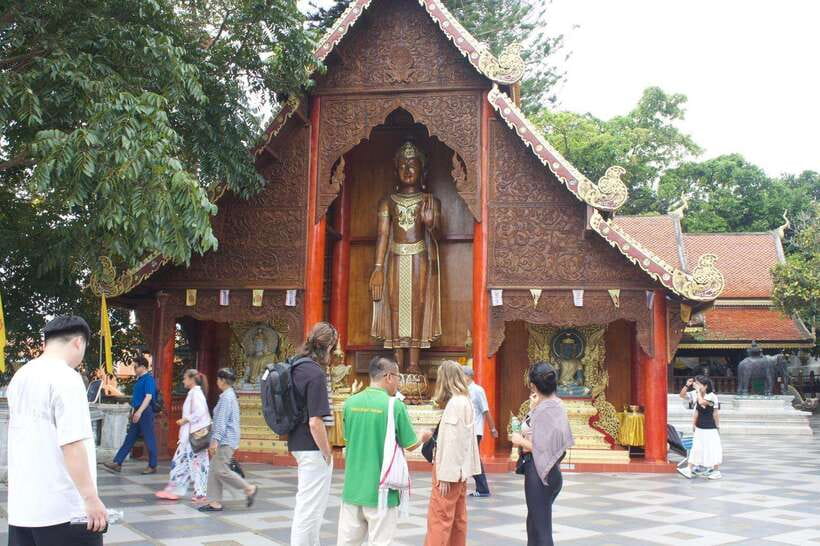
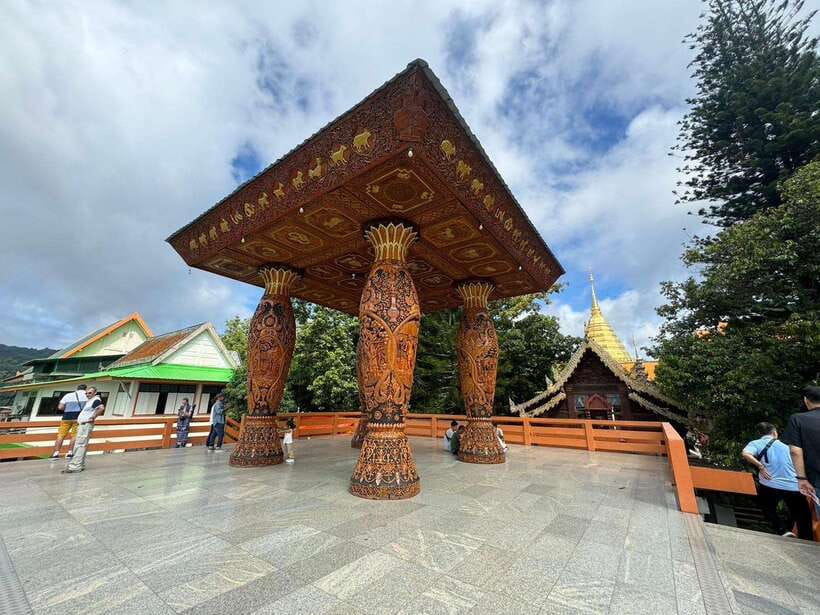
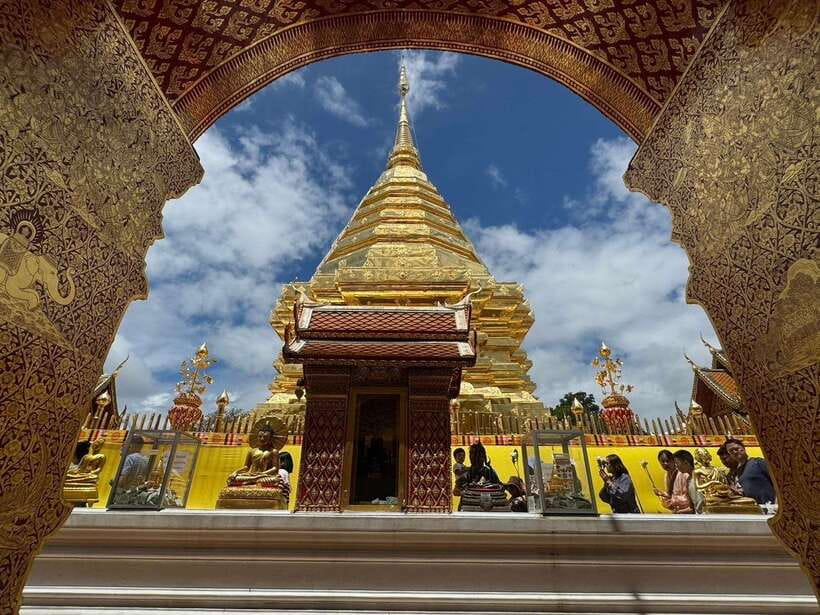
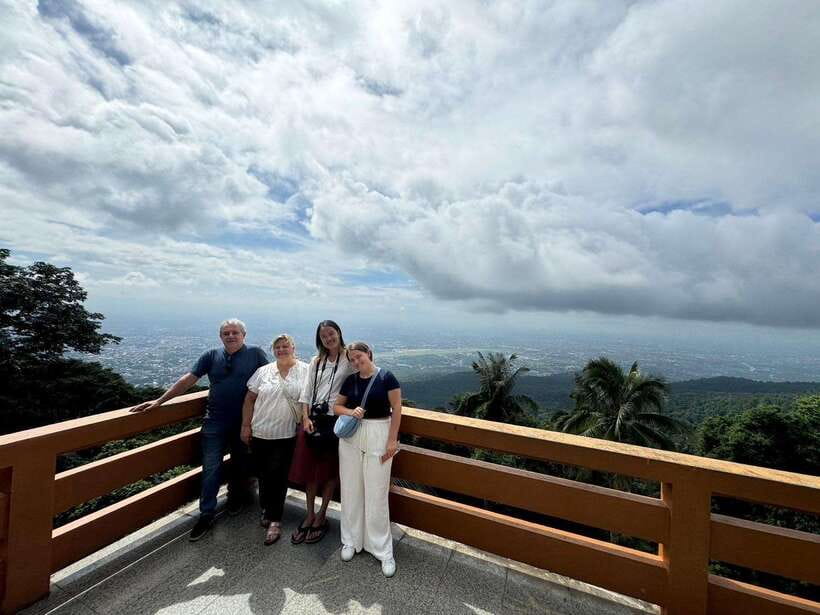
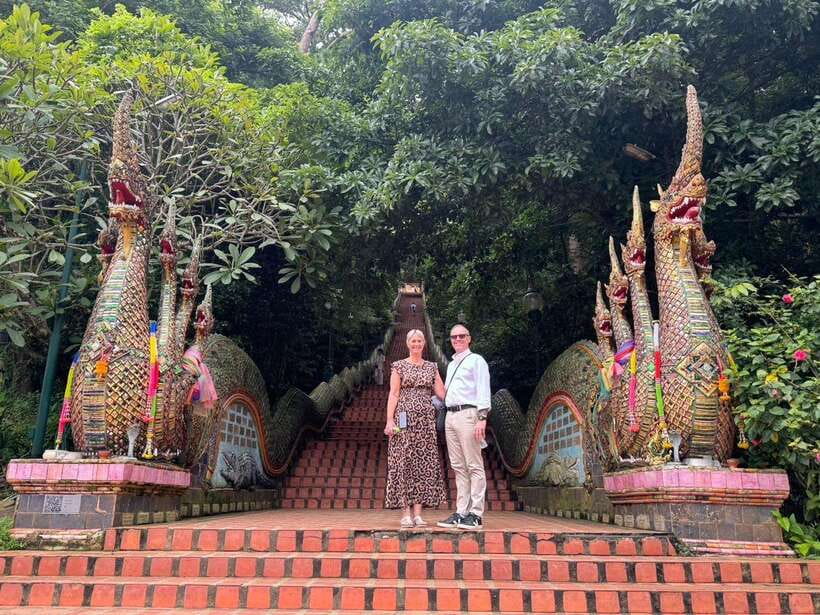
Doi Suthep is the “you’re in Chiang Mai” stop. The temple sits on Doi Suthep mountain, and the golden pagoda is the centerpiece you’ll keep spotting from different angles.
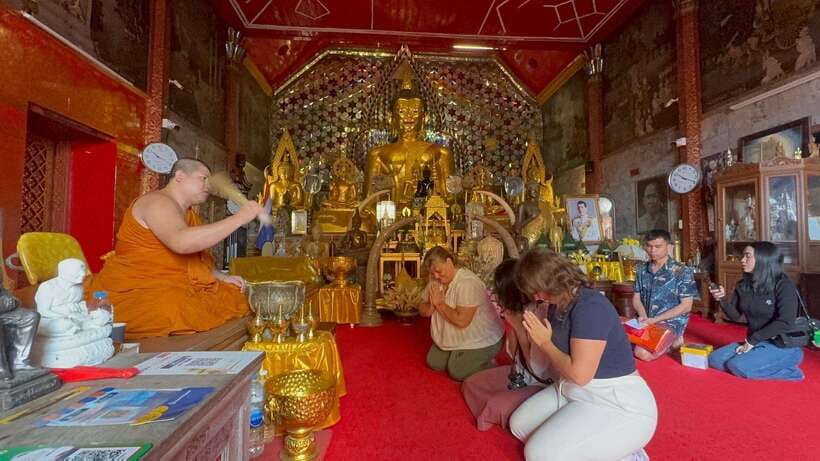
While you’re there, you’ll have about 1.5 hours to take it all in. Your guide’s job matters here. With the right framing, Doi Suthep goes from sightseeing to understanding: why specific areas are sacred, what people typically do while praying, and how the terraces and shrines connect to the broader Buddhist setting.
What makes this visit special is the mix of structure and views:
- The golden pagoda and temple halls.
- The terrace with shrines, fruit trees, and rock-garden areas.
- The big viewpoint feeling—the kind where Chiang Mai’s spread suddenly makes sense.
Many guides also help you understand respectful temple behavior. One guest even mentioned being taken to meet monks and receive a blessing, which suggests your guide may sometimes arrange extra context if the moment allows it. Don’t bank on it, but do ask your guide what’s possible while staying respectful of temple rules.
Pon Elephant Thailand (Mae Wang): feeding, walking, medicine balls, and river bathing
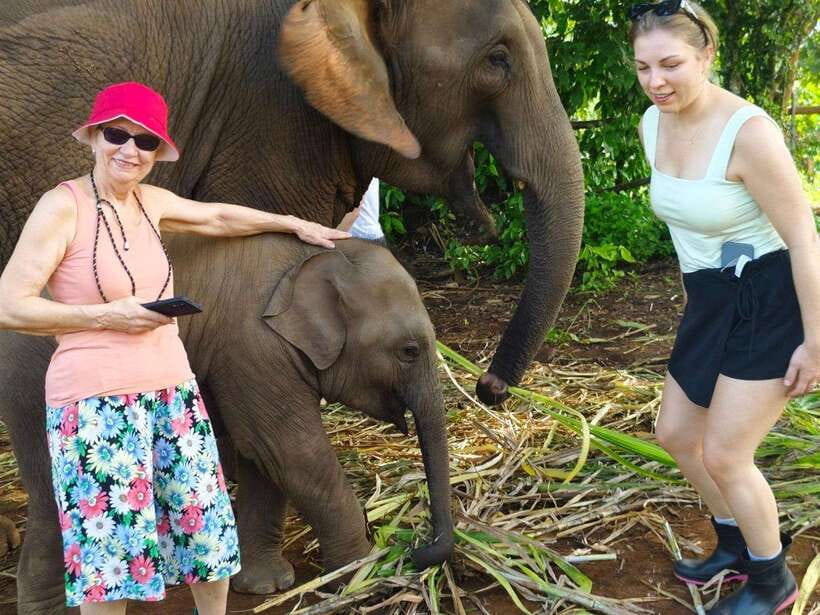
This is the heart of the day. Pon Elephant Thailand is set in Mae Wang District, where you’ll spend around 3.5 hours at the camp.
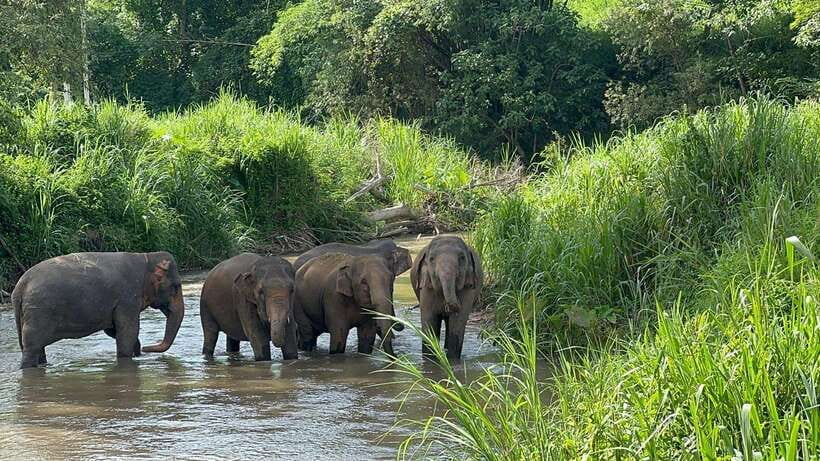
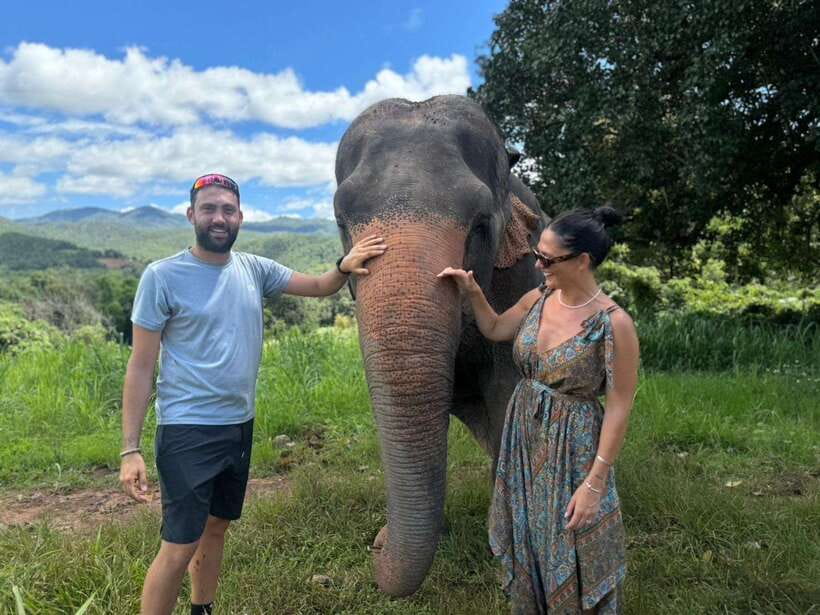
The experience is built around ethical elephant care—no riding, and elephants aren’t forced to take part in actions they don’t want to do. That matters because it changes how you should approach the day: you’re there to participate in care routines and observe animal behavior calmly, not to “win” a photo by pushing the elephants into a pose.
What you’ll do in the camp includes:
- Feeding elephants (and providing food as part of the experience).
- Walking alongside the elephants through the forest.
- Making medicine balls to help nourish the elephants.
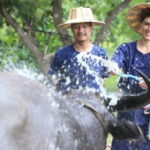
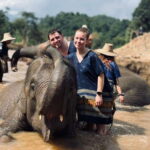
- Bathing the elephants in a river.
You’ll also have shower rooms and toilets available. So yes, plan to get wet. This isn’t a quick splash either, because bathing is part of the real routine.
A big reason people love this section is that it feels educational without turning into a lecture. Multiple guests specifically praised guides (for example, Pon Elephant’s team members connected to the tour like Paul and Sumit) for explaining elephant behavior in a way that makes their reactions understandable.
How to get the best photos without being disruptive
Your phone will work hard here. It helps if you treat the elephants and handlers like the priority. If your guide is someone guests mention for photo help—several people highlighted Sumit for taking great photos—ask for a quick plan on angles and timing so you don’t crowd the moment.


Thai food after elephants: comfort, not a random stop
After the elephant time, you’ll eat a Thai meal. It’s described as homemade and provided by a local family, and the day also includes drinking water and lunch.
This part might sound basic, but it’s a real value add. When you spend half a day with animals and then climb into a temple with lots of sensory input, food becomes part of the experience quality—not just fuel. You’ll get fresh seasonal fruits and local desserts as well, which helps make the meal feel like more than a standardized buffet.
One small downside popped up: a guest noted that lunch was cold and not so good. That doesn’t sound like the average, but it’s a reminder to set expectations. This is a countryside-style meal built for the day, not a five-star kitchen.
Transport, timing, and how the day stays from feeling rushed
Your day runs by van transfers, with multiple ride segments between locations. In the city, you’re picked up from your accommodation or a central meeting point, and hotel transfers are included only within Chiang Mai city center.
A few timing facts that help you plan your energy:
- The morning involves a hike at Wat Pha Lat (about 40 minutes).
- Doi Suthep gets around 1.5 hours.
- The elephant camp is about 3.5 hours.
- Total pacing lands in the “long day” category, with many guests saying it runs roughly from morning into mid-afternoon or early evening.
The transport quality gets strong praise (about 95% perfect scores). That usually means you can focus on the stops instead of stressing about the ride.
Group size can also make a difference. Some feedback mentions small groups or even a private-feeling day. When the group is smaller, you get more attention at the temples and more breathing room around the elephants.
What to pack (and what to leave at home)
This tour gives you shower rooms and toilets at the camp, but it doesn’t provide your towel or extra clothes—so pack like you’re going to get wet.
Bring:
- Swimwear (bathing is part of the elephant routine).
- A change of clothes plus a towel (not included).
- Comfortable shoes for the forest paths and temple walking.
- Hiking shoes if you have them; flip-flops can help after the water portion.
- Sunscreen and insect repellent.
- Clothes you don’t mind getting dirty.
- Cash (mentioned as a useful item).
- Passport or a copy accepted.
Temple rules also matter. You’ll want to dress so knees and shoulders are covered before you step into sacred areas.
Leave at home:
- Drones (not allowed).
- Alcohol and drugs.
- Anything that can turn into a safety issue in vehicles (glass objects).
- And of course, elephant riding is prohibited.
Also, if you’re someone with mobility limits, this isn’t a “lighter walking” tour. The tour is explicitly not suitable for people with mobility impairments, wheelchair users, and people with back/heart issues. If heights worry you, note that you should avoid tours with exposure (this one flags “people afraid of heights”).
Who this Chiang Mai temple-and-elephant day is best for
This is a great fit if you want one solid day that covers:
- Thai temple culture with a guide who explains how to participate respectfully
- An ethical elephant setting where you can feed, walk, and bathe rather than ride
- Nature walking that doesn’t require marathon fitness, but does require steady steps
It’s also a good choice if you like a guide who mixes humor with explanations. Names repeatedly mentioned for that vibe include Ronnie, Paul, and Jakkie. If your ideal day includes good photo support, some guides like Sumit get called out for taking photos and keeping the day organized.
If you’re traveling with kids, note that children under 2 aren’t suitable. For older travelers, the tour flags people over 70 (and even over 80) as not suitable, which is a reminder that this is not built for maximum comfort and minimal walking.
Price and value: why this $57 day can be a good deal
At about $57 per person, the big value play here is what’s bundled:
- An English guide
- Hotel transfers (within Chiang Mai city center)
- Entrance tickets for the temple stops
- Drinking water and lunch
- Elephant food for feeding
- Shower rooms and toilets
- Accident insurance
You’re paying for more than one location. You’re also paying for a guided day that covers temple etiquette plus elephant care context, not just transport. And the ethical portion—no riding, elephants not forced to perform—is one of those things that can easily raise the cost when done well elsewhere.
Could it be expensive if you hate long days? Sure. If you only want a short temple circuit, you may feel the day is too dense. But if you want a meaningful day that actually connects animals and culture (instead of treating them as checkboxes), the pricing feels fair.
Should you book this Chiang Mai Elephant Sanctuary, Monk Trail & Doi Suthep Tour?
If you want a single-day plan that gives you ethical elephant interaction plus real temple context at Wat Phra That Doi Suthep, I think this is a strong choice. It’s especially worth booking if you care about animal welfare rules (no riding, elephants not forced) and if you’ll enjoy a nature walk through Wat Pha Lat.
Skip it if you need a very gentle day, have mobility or health limitations flagged by the tour, or you’re not comfortable with getting wet and muddy.
If you do book, pack for water and trails on day one. That’s the difference between a fun day and an annoying one.
FAQ
FAQ
Is elephant riding included or allowed?
Elephant riding is prohibited on this tour, and elephants are not forced to perform activities. You’ll participate through feeding, walking alongside, and bathing instead.
What should I wear for the temple visits?
For temple visits, dress properly with knees and shoulders covered.
What’s included in the price?
Included items are hotel transfers to/from Chiang Mai city center, English guide, drinking water and lunch, food for feeding elephants, shower rooms and toilets, and all entry tickets (plus travel accident insurance).
Do I need to bring a towel and extra clothes?
Yes. A towel and a change of clothes are not included. You’re strongly recommended to bring a change of clothes because you might get wet and dirty while bathing elephants.
How long is the tour?
The experience is listed as 1 day.
Is pickup available from my hotel?
Pickup is optional. Hotel transfers are included for Chiang Mai city center. If you’re using pickup, you wait in the hotel lobby 10 minutes before the pickup time.
Is the tour in English?
Yes, it has a live English guide.