REVIEW · CHIANG MAI
Chiang Mai: Doi Inthanon Trip with Pha Dok Siew Guided Trek
Book on GetYourGuide →Operated by LocalCNXTours · Bookable on GetYourGuide
Foggy peaks and Karen trails, all in one day. I love the way the King and Queen Pagodas viewpoint stops feel respectful, not rushed. I also love that the Pha Dok Siew trek is guided by local Karen knowledge, with real help on the trail where the footing can get tricky.
The trade-off is weather. Doi Inthanon can be cold and damp at elevation, and rainy-season conditions can turn the walk slippery and fog-prone.
In This Review
- Key things worth noting
- Doi Inthanon day trips: why this one is built around the park
- Before you go: pickup timing and the national park fee you must check
- King and Queen pagodas: the calm viewpoint stops that set the tone
- Pha Dok Siew Nature Trail: a guided 2-hour walk on Karen-built paths
- Lunch with hill-tribe culture: filling food, better pace
- Wachirathan Waterfall: photos, mist, and shoes that can handle it
- Thailand’s highest point: not always a postcard, still worth the visit
- Waterfall-to-temple balance: how the day stays human-sized
- Guides can change everything: from Toey to Chan to Mr. Bobo
- How hard is it, really? Steps, rain, and the 2-hour trail reality
- Value check: what’s included, and where extra money might appear
- Who this tour suits best
- Should you book this Doi Inthanon trek tour from Chiang Mai?
- FAQ
- What time does pickup start for this Doi Inthanon trip?
- Is the national park fee included, or do I pay 400 THB on the day?
- How long is the trek on the Pha Dok Siew Nature Trail?
- Can I swim at the waterfalls?
- What should I wear for the King and Queen pagodas?
- Is this tour suitable for wheelchair users or pregnant women?
Key things worth noting
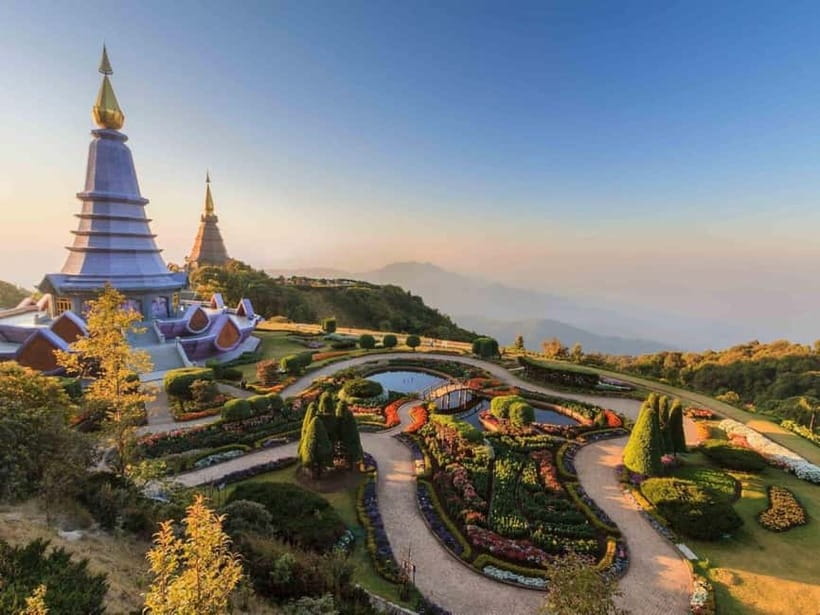
- King and Queen pagodas, with lots of viewpoint time even when clouds roll in
- A Karen-managed Pha Dok Siew trail improved with bamboo-and-wood bridges, stairs, and railings
- Wachirathan Waterfall is for photos only (no swimming)
- Two hours of forest walking that can feel easy-paced but still adds up in humid air
- The highest point of Thailand is forested and may not look like a postcard
Doi Inthanon day trips: why this one is built around the park
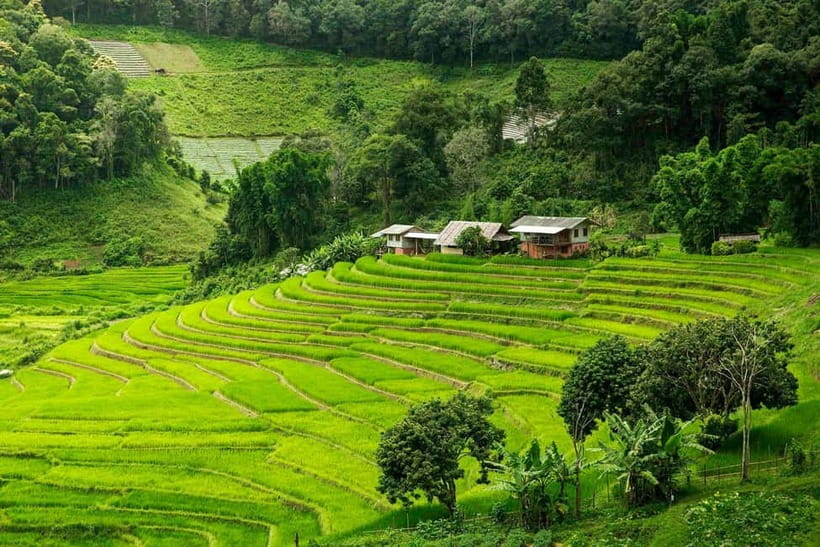
Doi Inthanon National Park is the Roof of Thailand for a reason. Elevations in the park climb from about 800 meters up to 2,565 meters, so the air can feel cooler fast and the vegetation shifts from lowland growth to cloud-forest types. Even if you’ve visited other places around Chiang Mai, this region tends to feel like a different climate zone.
What I like about this particular itinerary is that it doesn’t treat the park like a checklist. You get a mix of viewpoints, waterfalls, and a real on-the-ground walk with local guidance. That combination matters because Doi Inthanon is at its best when you slow down and pay attention to details like plants, birdlife, and how people live along the forest edge.
You can also read our reviews of more guided tours in Chiang Mai
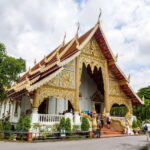
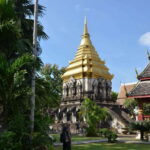

Before you go: pickup timing and the national park fee you must check
Pickup happens early, around 7:00–7:30 a.m. from the Old City area and from the Burger King meeting area. Expect traffic in the morning, too, and plan to arrive early since guides only wait a maximum of 10 minutes before moving on.
Here’s the part that deserves your focus: the national park fee is handled in two ways. Some bookings include it, so you won’t pay again. Others exclude it, which means you pay 400 THB per person in cash on the travel day. You’ll want to recheck your ticket wording before you show up, because the difference affects your budget and whether you’ll need cash ready.
Packing is straightforward. You’ll want a hat, light rain protection if you travel in wetter months, and warm layers because temperatures can drop at higher elevations even when Chiang Mai feels hot. Also keep luggage minimal; big bags aren’t allowed.
King and Queen pagodas: the calm viewpoint stops that set the tone
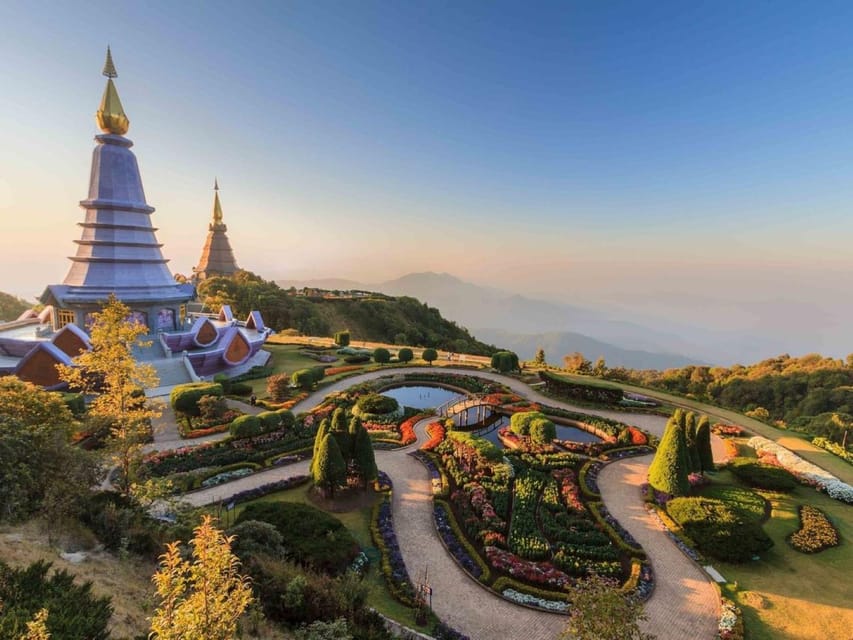
The day starts with scenic temple architecture at the King and Queen pagodas (Grand Pagoda Nabhapolbhumisiri is part of the route). These stops are one of the easiest ways to “read” Doi Inthanon’s mood: cool air, cloud cover, and wide views that can change minute to minute.
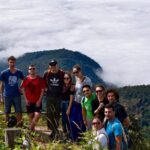
I like that the schedule gives you time to actually look around. You’re not just snapping one photo and rushing back into the van. In foggy weather, the views may be muted, but you still get the atmosphere: temple silhouettes above the greenery, and a sense that you’ve gone up into something cooler and more remote.
One small practical note: for visiting the chedi of the King and Queen, dress in casual attire. Avoid tank tops, and don’t wear flip-flops. Sneakers are fine.
Pha Dok Siew Nature Trail: a guided 2-hour walk on Karen-built paths
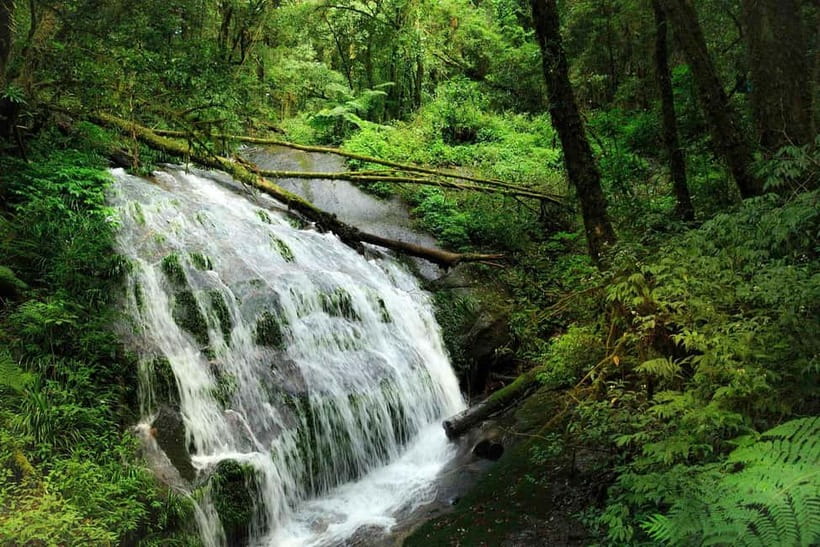
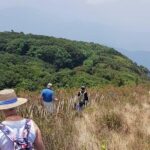
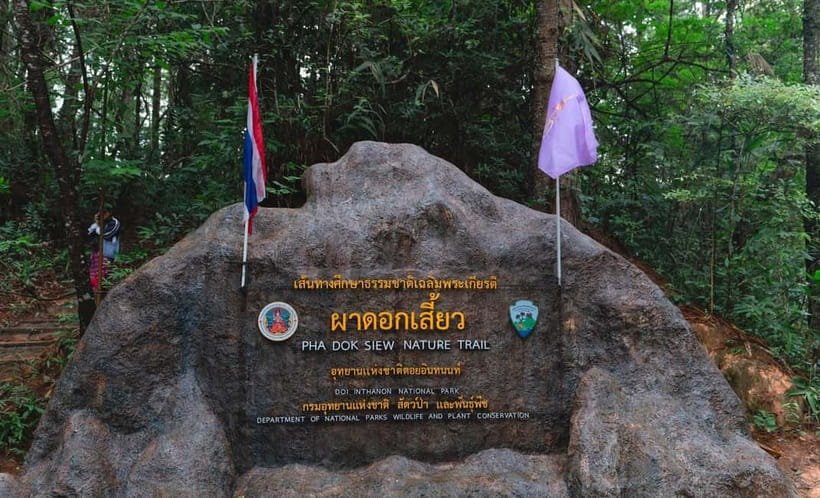
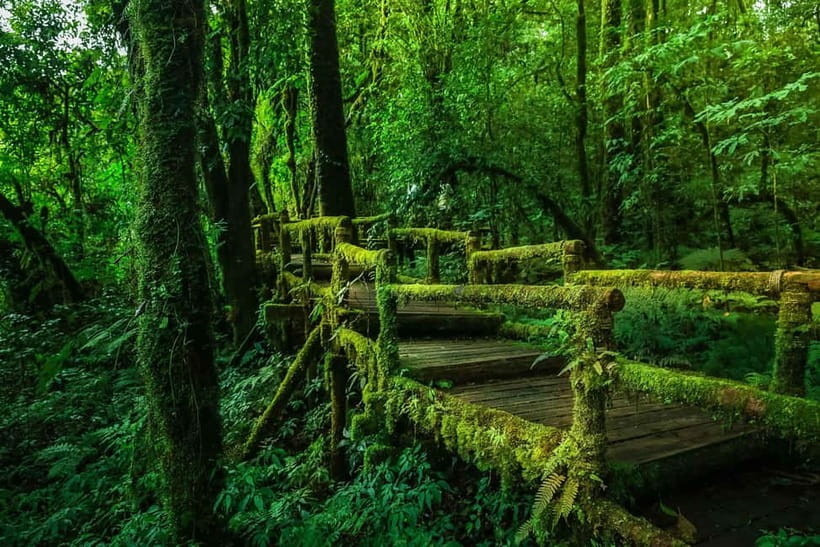
This is the heart of the trip. The itinerary includes a guided tour and walk on the Pha Dok Siew Nature Trail for around two hours, following the Kew Mae Pan route area. This is where the tour feels more like a nature day than a drive-through sightseeing loop.
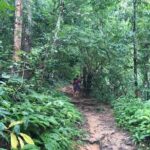
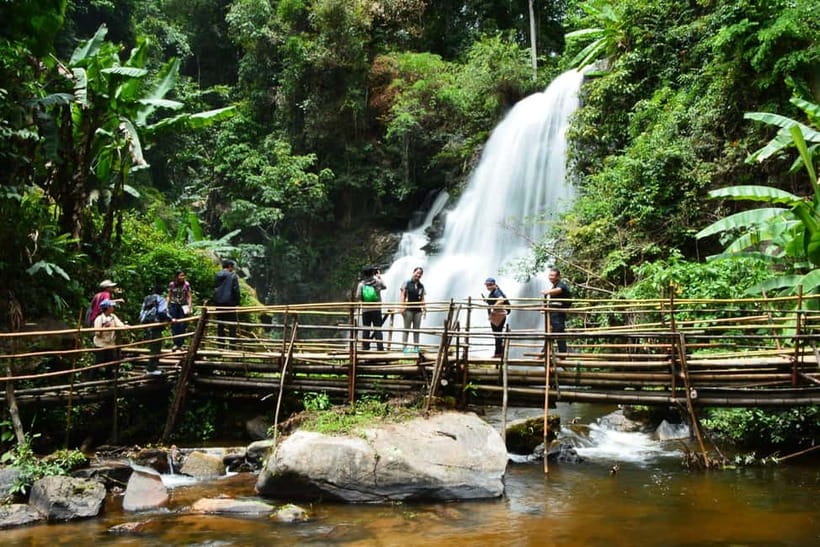
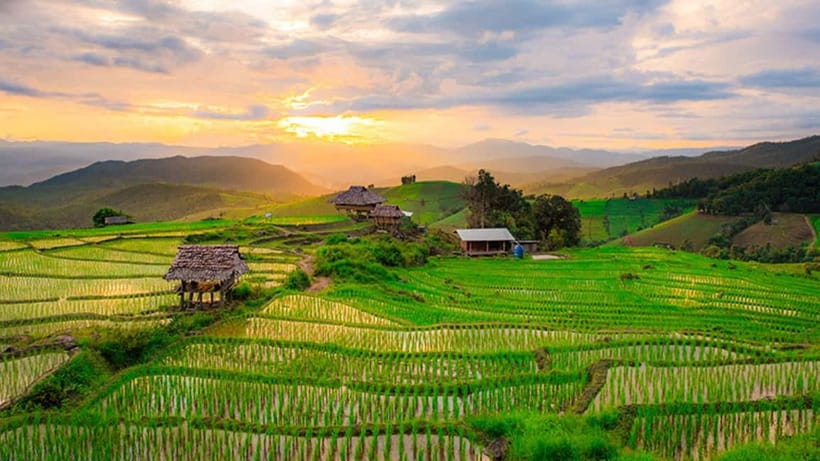
The big advantage is trail work. The Karen community manages and supports this route, and improvements have been made using bamboo and wood—bridges, stairs, and railings—plus educational boards along the way. That means you’re more likely to stay steady on uneven ground near streams and waterfalls, and you get context for what you’re looking at.
During the walk, you’ll likely be learning more than just “pretty trees.” Guides point out plant types and signs of wildlife, and they help you notice details that you’d miss if you were walking alone. In the group, this often becomes the moment people remember most, especially when the guide slows down to explain what’s happening in the forest.
One realistic consideration: it can still be wet and slick in rainy season. Even when the route is described as not too hard, you may deal with mud, steps, and narrow footing. If you’re expecting an easy stroll in dry weather only, adjust your mindset.
Lunch with hill-tribe culture: filling food, better pace
Lunch is typically served as a set menu around midday after the morning sites and trek segment. In practice, it’s one of those meals that feels earned. You’ve been out of the city, your senses are tuned to cooler air, and the food hits right.
What stands out from guide-led versions of this day is that lunch can feel connected to the hill-tribe setting rather than just “feeding you fast.” Some guides bring in a coffee-and-tea culture stop afterward, tied to the hill-tribe community and how people work with crops in the area. Reviews also point out that lunch can be basic, but it’s usually satisfying for the setting and timing.
If you have dietary needs, keep expectations practical. Vegetarian options have been mentioned as accommodated by some guides, but the only safe approach is to confirm what’s possible for your specific booking.
You can also read our reviews of more hiking tours in Chiang Mai



Wachirathan Waterfall: photos, mist, and shoes that can handle it
After lunch, the tour shifts to waterfall time, including Wachirathan Waterfall. You’ll get a photo stop plus time to visit, roughly about an hour on this portion of the schedule.
Two things to know. First, the waterfalls are for looking, not swimming—your tour includes the no-swim rule. Second, these places can be slippery even when you’re just walking a short distance. If you’ve got footwear with decent grip, you’ll feel more confident on wet surfaces.
In clearer weather, waterfalls can look dramatic. In rain or fog, the experience becomes more about mist and mood. Either way, this stop is where the park’s humidity and elevation environment show up fast on your skin.
Thailand’s highest point: not always a postcard, still worth the visit
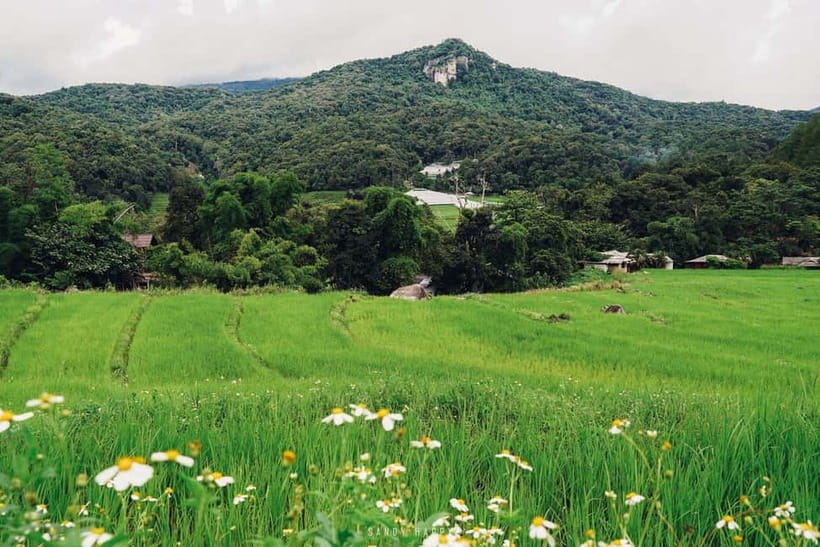
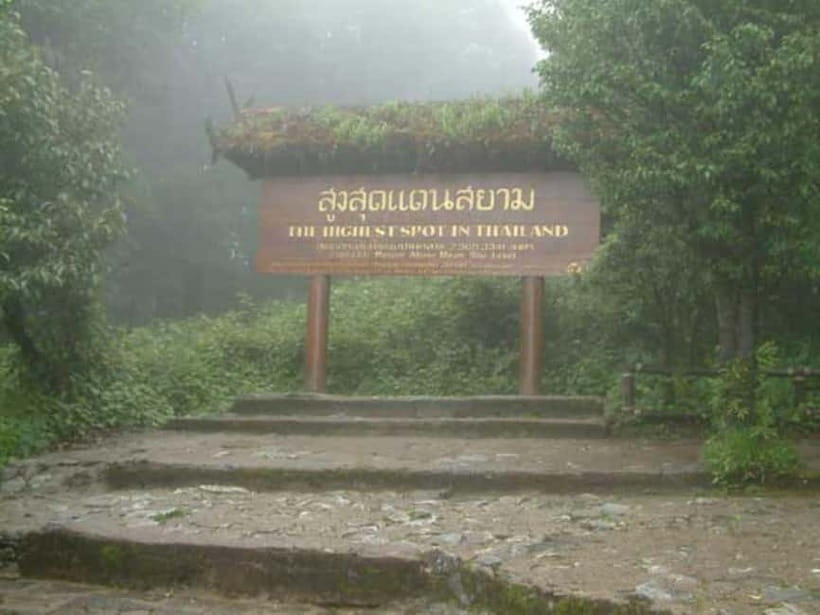
The itinerary includes visiting the highest point of Thailand within Doi Inthanon National Park. You might expect a big open lookout with sweeping views. Here’s the honest twist: the area can be forested, and sometimes the view is limited or not as scenic as you hoped—especially if weather is foggy.
Still, I think it’s worth it. It’s a quick way to mark the park’s “high country” energy, and it helps you understand why locals treat this area as something special. When you’re up there, even without the perfect panorama, the air feels different and the vegetation shifts in a way that makes “highest point” feel real.
If the weather is misty, don’t fight it. Bring patience, keep your camera ready, and enjoy the cooler forest feeling instead of chasing a single view.
Waterfall-to-temple balance: how the day stays human-sized
One of the most praised parts of this tour is pacing. Many guides are described as funny, energetic, and focused on keeping the group moving without turning it into a sprint. Some guides even build in time for rest and for stopping to enjoy viewpoints rather than just passing through them.
You’ll also spend a lot of the day in a shared group format—typically around 10–12 people. That size is big enough to meet others from different countries, but small enough that a good guide can still manage the trail and answer questions without turning into a lecture hall.
The van rides matter too. The route covers multiple parts of Doi Inthanon in one day, so you’ll be transferring by air-conditioned minivan/vehicle between stops. If you get motion-sick, plan accordingly, since mornings and return drives are part of the experience.
Guides can change everything: from Toey to Chan to Mr. Bobo
This tour often stands or falls on the guide, and here the feedback is consistently strong. Names that come up in this experience include Toey, Nena, Chan, Mr. Bobo, Daniel, Mint, Elephant, Narong, Maxi, and Ko Han.
The common thread isn’t just friendliness. Guides tend to bring a mix of park facts and cultural context—how vegetation grows at elevation, how people survive and work in the local environment, and how traditions connect to daily life. You’ll also see more “spotting” on the trail: insects and small wildlife signs, and sometimes sightings that you wouldn’t expect unless someone knows what to look for.
Some guides add humor in a big way—stand-up style energy for the whole day is a theme you’ll hear. If you enjoy a guide who keeps things light while still sharing real information, this is a strong match.
How hard is it, really? Steps, rain, and the 2-hour trail reality
The featured walk is about two hours on the Pha Dok Siew nature trail. Several accounts describe it as not overly hard, sometimes even more like a hike with stairs and bridges than a brutal trek. In some conditions it can feel more downhill and manageable, which helps your legs compared with a constant uphill climb.
But don’t assume “easy” means “effortless.” Humid air at elevation plus steps and wet ground can wear you out. In rainy season, slipping risk goes up, and trail surfaces can get slick. That’s where those bamboo-and-wood improvements help, and where Karen guides can be a lifesaver if you need extra support.
My practical advice: bring shoes you trust on wet ground, and treat the first 20 minutes as a warm-up, not a race. Take short pauses. Let your body adjust to cooler temperatures and changing humidity.
Value check: what’s included, and where extra money might appear
This is marketed as a one-day trip with roundtrip transportation from Chiang Mai’s Old Town and Nimman area if you choose that option. You also get a set lunch, drinking water, an English-speaking guide, and insurance. Fees tied to the park are handled via the inclusion option: national park fee and ticket can be included, or you might pay 400 THB per person in cash on the day if excluded. There’s also a trekking trail fee included.
So what are you paying for, in plain terms? You’re paying for transportation, a guided experience, and the permission/fees that let you access the park areas you can’t always replicate easily on your own. When the park fee is included, it’s a clean package. When it’s excluded, you just need to budget the extra 400 THB cash per person and avoid last-minute surprises.
At around the stated tour price (check whether that price already covers the park entry in your booking), this is often good value for a full day that combines viewpoints, waterfall time, and a guided forest trail.
Who this tour suits best
You’ll likely enjoy this day most if you want one trip that hits the major Doi Inthanon highlights plus a guided nature component. If you like meeting local people through a Karen village context and you enjoy learning through a walk, this tour fits your style.
It’s also a decent choice if you don’t want a self-guided day trip with navigation headaches. The early start, scheduled stops, and guide-led pacing remove a lot of decision-making.
It’s not suited for everyone. The tour isn’t recommended for pregnant women, wheelchair users, people with altitude sickness, babies under 1 year, or people over 70 years.
Should you book this Doi Inthanon trek tour from Chiang Mai?
If your goal is a practical, high-impact Doi Inthanon day—pagodas, waterfalls, the highest point, and a real guided walk—this tour is an easy yes. The Pha Dok Siew trail element is the part that gives the day its soul, especially with the Karen-managed, safety-improved route.
Book it if you’re okay with cool, damp weather and you bring the right mindset for slippery steps in rain. Skip it if you want guaranteed clear views from the highest point, or if you’re not comfortable with moderate walking on uneven surfaces.
If you’re on the fence, do one simple checklist before you go: confirm whether your booking includes the 400 THB national park fee, pack warm layers for elevation, and wear grippy shoes. Do that, and you’ll be set for a day that feels more like a guided walk in the mountains than a rushed checklist ride.
FAQ
What time does pickup start for this Doi Inthanon trip?
Pickup is typically between 7:00 and 7:30 a.m. for the Old City area and the Burger Kings meeting point. You should arrive early since the guide waits a maximum of 10 minutes.
Is the national park fee included, or do I pay 400 THB on the day?
There are two options. Some bookings include the national park fee and ticket, so you do not pay again. If your booking excludes it, you pay 400 THB per person in cash on the travel day.
How long is the trek on the Pha Dok Siew Nature Trail?
The guided walk on the Pha Dok Siew Nature Trail is scheduled for about 2 hours.
Can I swim at the waterfalls?
No. The waterfalls are listed as photo stops and visits, with no swimming allowed.
What should I wear for the King and Queen pagodas?
You need a casual dress code. Avoid tank tops, and do not wear flip-flops. Sneakers or sports shoes are okay.
Is this tour suitable for wheelchair users or pregnant women?
No. This experience is not suitable for wheelchair users or pregnant women, and it also isn’t recommended for people with altitude sickness.