REVIEW · KHAO LAK
Khao Lak: Ethical Elephant Sanctuary Experience
Book on GetYourGuide →Operated by Phang Nga Elephant Park · Bookable on GetYourGuide
Elephants, jungle, and an ethics lesson.
This Khao Lak experience at Phang Nga Elephant Park pairs you with a designated elephant and handler for a guided day that includes a health-check demo and a real chance to prepare food, then feed your elephant and learn their day-to-day routine. Guides like Pai, Joy, Hans, and Ammy are praised for answering questions with real context on Asian elephant behavior and welfare.
I especially like the hands-on rhythm of the morning: you walk through the jungle side by side, then you cool off later as your elephant bathes in a rock pool. I also love that it is not just picture time—there’s a safety briefing, a caretaker routine explanation, and shower/locker facilities so the day feels practical, not messy.
One possible drawback: the hotel pickup and van ride can be variable. One guest noted the transfer took longer than expected and that the air-con was turned off at times, so it’s smart to plan for a ride that might feel warm if your pickup route is packed.
In This Review
- Key things that make this elephant day work
- What you’re really buying at Phang Nga Elephant Park
- Khao Lak pickup and your 4-hour game plan
- Arriving: caretaker outfit, safety briefing, and the elephant health check
- The jungle walk: what it feels like to move alongside an elephant
- Food prep and feeding: hands-on, but with purpose
- Rock-pool bathing: cool down with your elephant or watch closely
- Thai lunch at the right time: after the work, not instead of it
- Price and value: is $112 fair for what you get?
- Who this is best for (and who might not love it)
- Should you book Phang Nga Elephant Park from Khao Lak?
- FAQ
- How long is the Khao Lak elephant sanctuary experience?
- Where is the experience located?
- Is hotel pickup and air-conditioned transport included?
- What activities are included during the visit?
- Will I shower after the bathing part?
- What should I bring?
- Is this suitable for children?
- What language is the guide?
- Is cancellation free?
- Can I pay later?
Key things that make this elephant day work
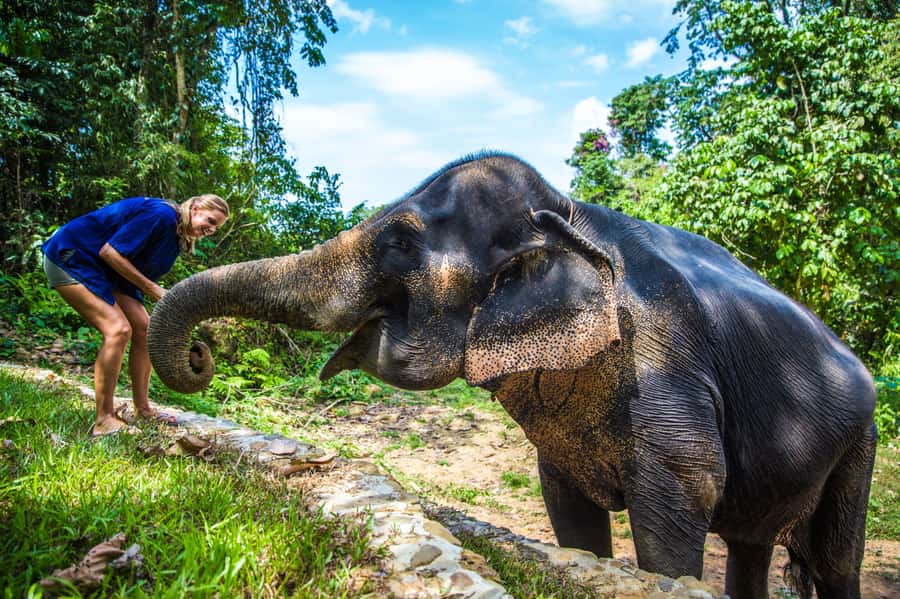
- Caretaker-led approach with a safety briefing before you get close
- Health-check demonstration that shows how elephants are monitored daily
- Jungle walk next to your elephant through a rural, green area
- Food prep + feeding as part of the routine, not a stunt
- Rock-pool bathing with an option to join in if you want
- Thai lunch after bathing, plus time at the education area and souvenir shop
What you’re really buying at Phang Nga Elephant Park
This is a close-up elephant experience built around care, routine, and education—not a show built for maximum crowd control. The park presents itself as a family-run sanctuary focused on wellbeing and on teaching visitors how elephants live and what they need day to day.
You’ll start with a welcome drink and a guide-led explanation of Asian elephants and how the park cares for them. Then the day becomes very practical: how to approach safely, what caretakers look for during health checks, and what daily feeding and bathing look like in a real sanctuary setting. I like that the experience keeps steering you away from treating elephants like attractions.
In the info shared during the day, the park also explains that elephants came from working camps around Thailand, spending their time relaxing, socializing, eating, and acting as ambassadors for their species. Another detail you’ll likely hear is that elephants are allowed to roam at night in surrounding jungle once visitors have left (one guest described this as 60 acres). That matters, because it frames the day as an interaction within a larger, more natural daily pattern.
You can also read our reviews of more tours and experiences in Khao Lak.



Khao Lak pickup and your 4-hour game plan
The schedule is simple: hotel pickup from Khao Lak, about 4 hours at the park, then return transport. Your exact pickup time can vary by where you’re staying, and you’re asked to wait about 10 minutes before pickup in the lobby.
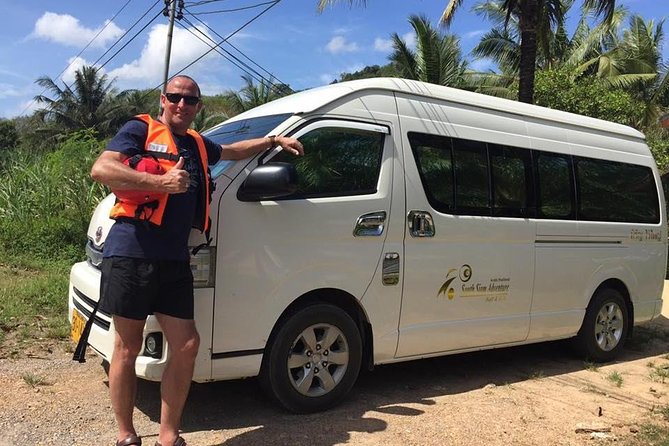
Here’s the practical thing to know: the ride can involve multiple hotel stops. That’s not “bad,” but it can affect how long you’re in the van and how comfortable it feels. One person specifically called out that the air-con was weak and the transfer was longer than expected due to the pickup route. If you’re heat-sensitive, bring a small towel or light layer and plan to use the van time as a “buffer” rather than expecting a tight itinerary.
Also, lunch is served after the elephant activities, so you’re not guaranteed an early meal at the park. If you’re traveling with kids or you hate being hungry on principle, do yourself a favor and eat a substantial breakfast back at your hotel. Then you’ll enjoy lunch rather than chase it.
Arriving: caretaker outfit, safety briefing, and the elephant health check
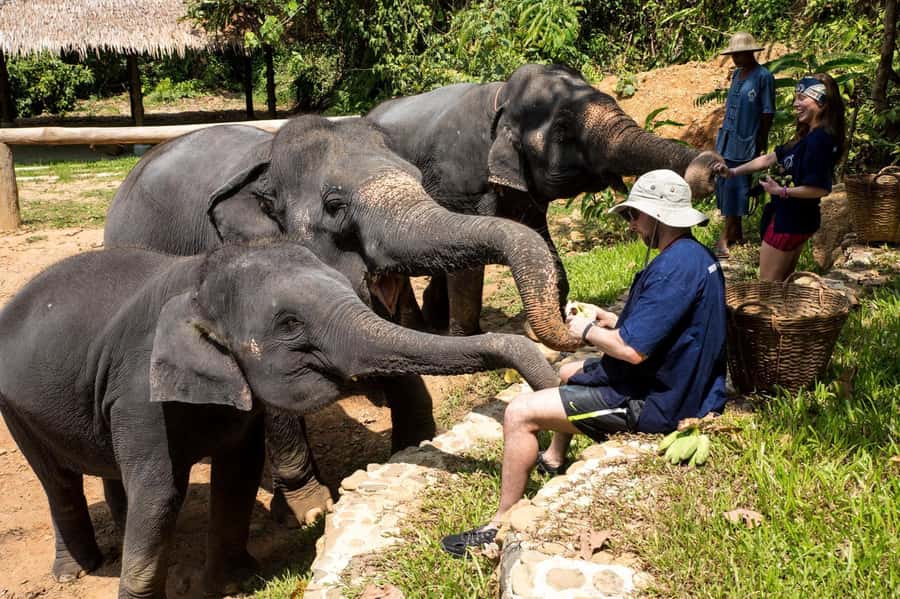
When you arrive at Phang Nga Elephant Park, you meet your guide and get a short, serious safety briefing before you’re anywhere near your elephant. You also change into a caretaker outfit provided by the park. This isn’t just for fun photos—it’s part of moving through the space properly and respecting how the day is designed.
One of the most praised parts of this experience is the health-check demonstration. You’ll watch a caretaker go through what they monitor as part of routine care. From the details guests shared afterward, that can include checking areas like teeth and feet, and generally learning how caretakers assess condition without rushing.
Why I think this matters for you: it changes the whole vibe. Instead of thinking, Oh, we’re feeding elephants, you start seeing welfare as a system—observations, small checks, and daily patterns that keep elephants stable and healthy.
You’ll also learn about the daily routine and behavior of Asian elephants. The park frames this around education and welfare, and guides are praised for answering follow-up questions with real specificity. If you’re the type who likes to ask why things are done a certain way, this tour is set up to let you do that.
The jungle walk: what it feels like to move alongside an elephant
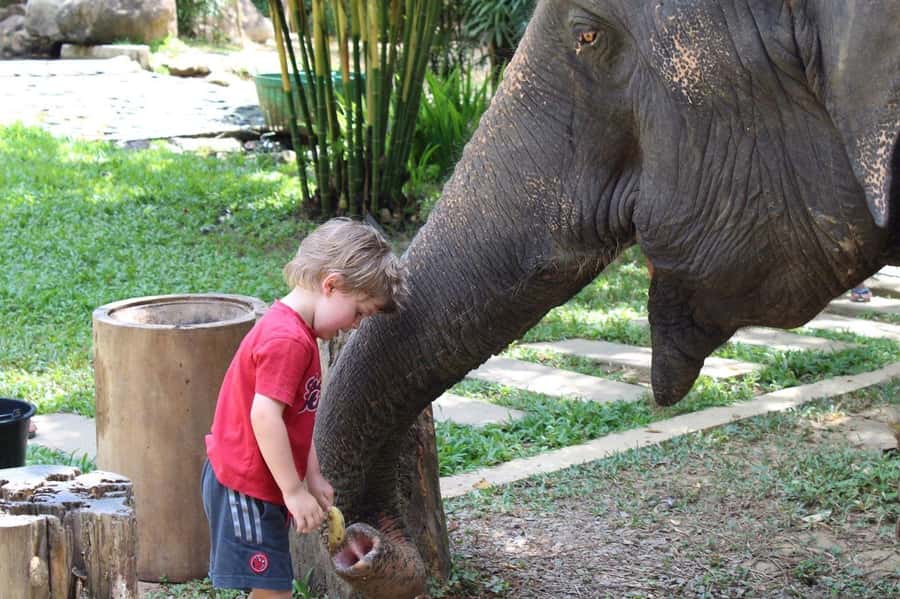
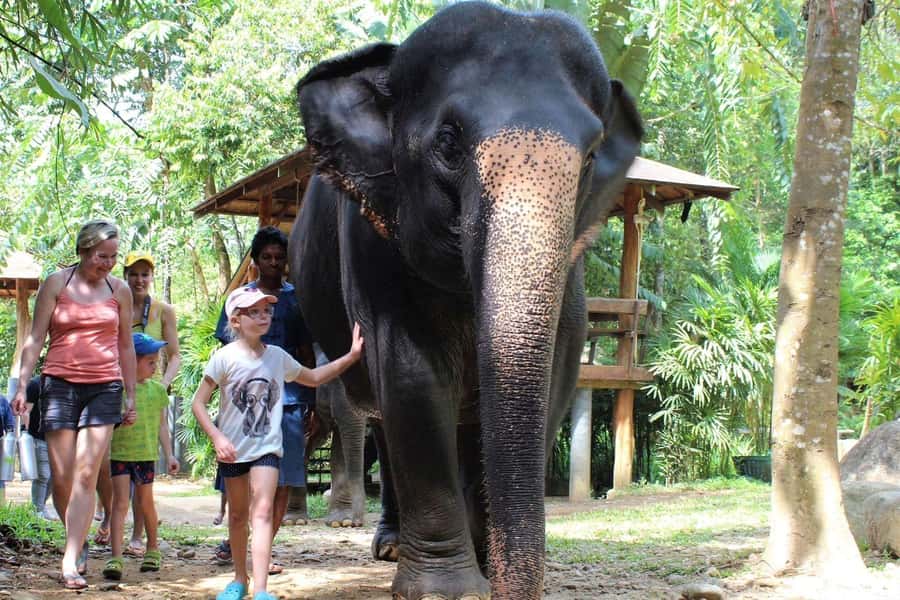
After the prep and briefing, you meet your elephant and get instructions on how to approach and direct her safely. Your handler stays with you, and the interaction is meant to be calm and controlled. Several guests noted that the elephants are inside their enclosure during the day when visitors are around, and each elephant has an attendant who stays close at all times.
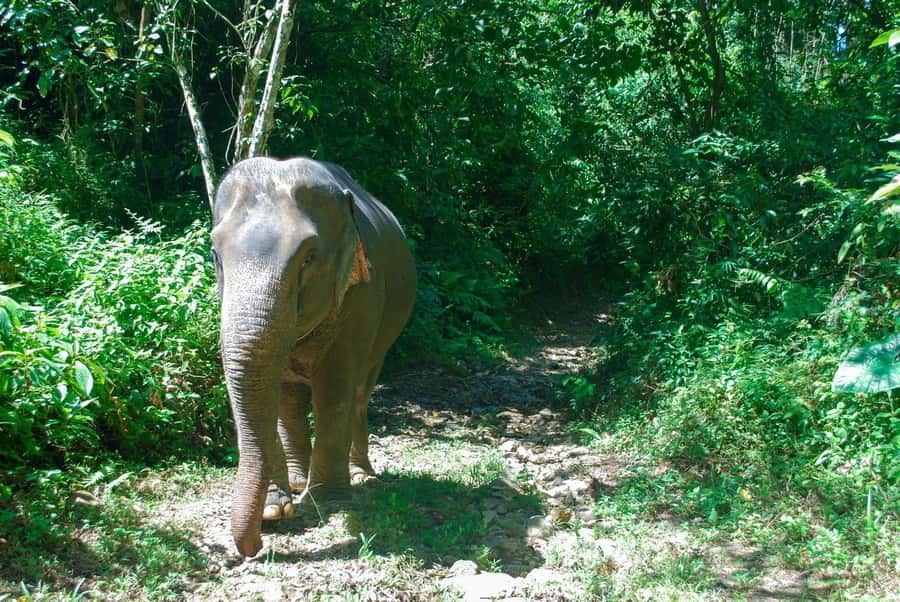
Then comes the jungle walk. This is not a long hike marathon. It’s a slower, more intimate walk through a rural jungle area, designed for you to be side-by-side while your elephant takes her time. The park also builds in rest moments, and you’ll notice that the pace is dictated by elephant comfort—not by a strict stopwatch.
What you’ll likely enjoy most:
- You get to watch behavior up close—how an elephant chooses footing, pauses to sniff and settle, and responds to caretakers
- The walk is framed as learning about daily life, not performing for the crowd
- Photos are easier because you’re not constantly sprinting through a checklist
What could be uncomfortable for some: this is an outdoor walk, so plan for heat and insects. Bring insect repellent (the park lists it), and wear clothes you’re happy to sweat in. Wear shoes that can handle uneven ground, even if you’re wearing a caretaker-style outfit provided by the park.
Food prep and feeding: hands-on, but with purpose
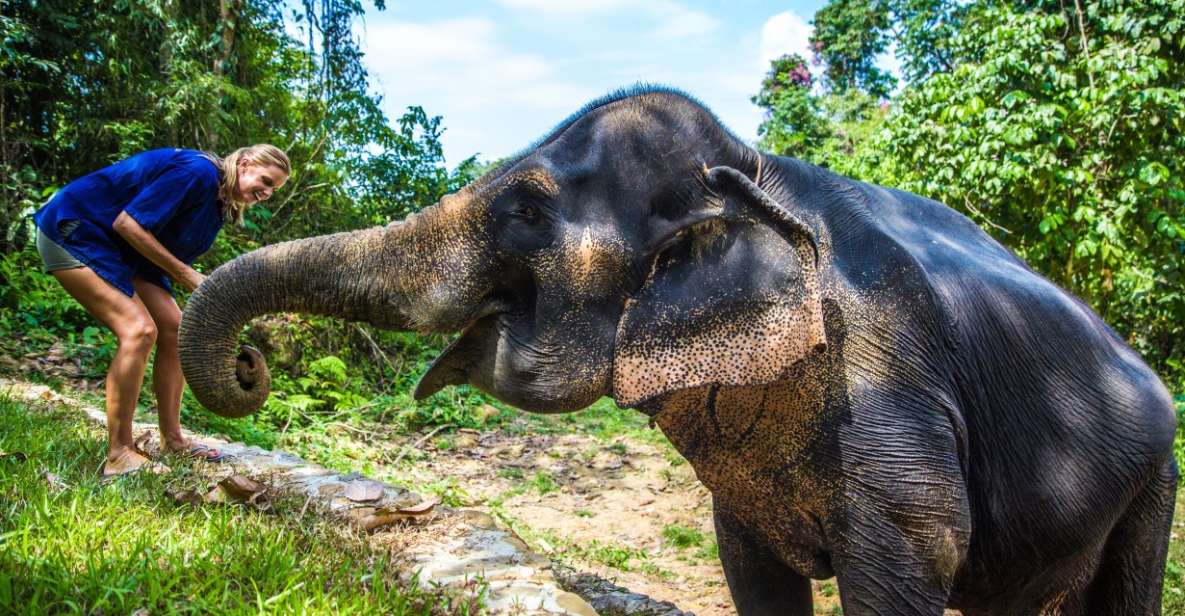
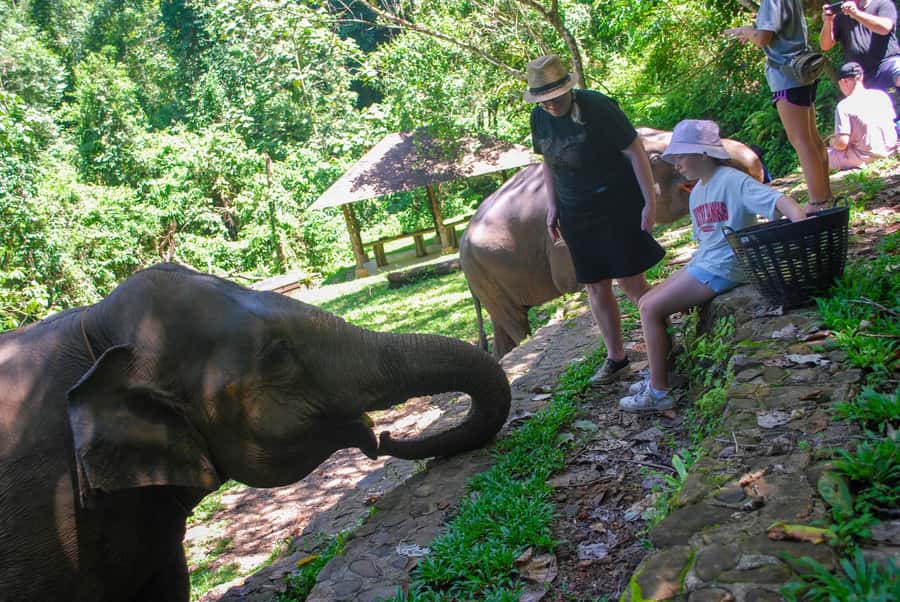
Feeding is one of the highlights, and it’s built into the routine rather than being treated like a one-time thrill. You’ll prepare food for your elephant, then feed her in the jungle setting.
This is where the education side really clicks. You’ll learn about elephant eating habits and why caretakers structure food and timing as part of care. Guests often comment on how much elephants eat in a day, and how gentle and steady the interaction feels when you follow your handler’s directions.
You also learn the etiquette of the moment—how to handle yourself around a large, sensitive animal. You may be encouraged to stroke the elephant depending on guidance from your caretaker, but the key is that the elephant’s comfort is always the priority.
One nice detail: there’s typically a stronger emphasis on hygiene and proper handling around the elephant. For example, one guest described handwashing and then a guided walk segment with caretakers, which reinforces that the park is thinking about both safety and cleanliness.

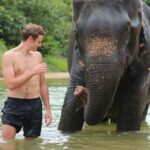
Rock-pool bathing: cool down with your elephant or watch closely
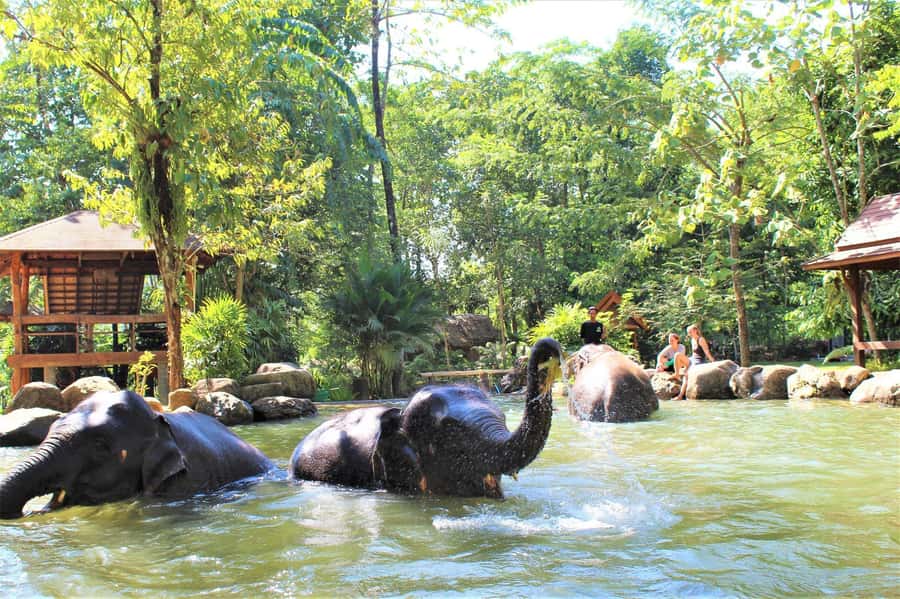
Later, you’ll watch your elephant enjoy a bathing session in a rock pool. The park describes it as refreshing and a chance for you to join in if you choose.
In practice, bathing can be as active or as hands-off as you want. Some guests chose not to get scrubby; others enjoyed bathing and even supporting small interactions (like sitting positions in the water area) while still being guided by caretakers. If you’re unsure, start by watching—then decide once you see how the session is managed.
Here’s the practical note that’s worth remembering: elephants don’t sweat the way humans do, so bathing and cooling are an important part of routine care. Guides are praised for explaining that clearly, including the idea that keepers do this multiple times a day as part of their welfare routine.
After the bathing session, you shower and use locker-room facilities. This is one of those “small” inclusions that makes the whole experience feel real. It means you can actually enjoy lunch afterward without spending the rest of your day sticky and sandy.
Bring swimwear and a towel, exactly as suggested. Also bring a change of clothes—your future self will thank you.
Thai lunch at the right time: after the work, not instead of it
Lunch is served after elephant activities and after you shower. That timing is important: it means your hands and mind are ready for food, and you’re not trying to squeeze lunch into the middle of the elephant interaction.
The lunch is described as traditional Thai and freshly cooked. Multiple guests said it was delicious, with at least one mention of a vegetarian version. Expect a proper meal, not a tiny snack that disappears while you’re still wet.
After lunch, you also get time to relax, take photos, visit the souvenir shop, and see the Education Centre. This is your buffer to reset after being outdoors and focused on elephants for hours. If you want to look up what you learned during the day, this is also the time to do it while the info is fresh.
Price and value: is $112 fair for what you get?
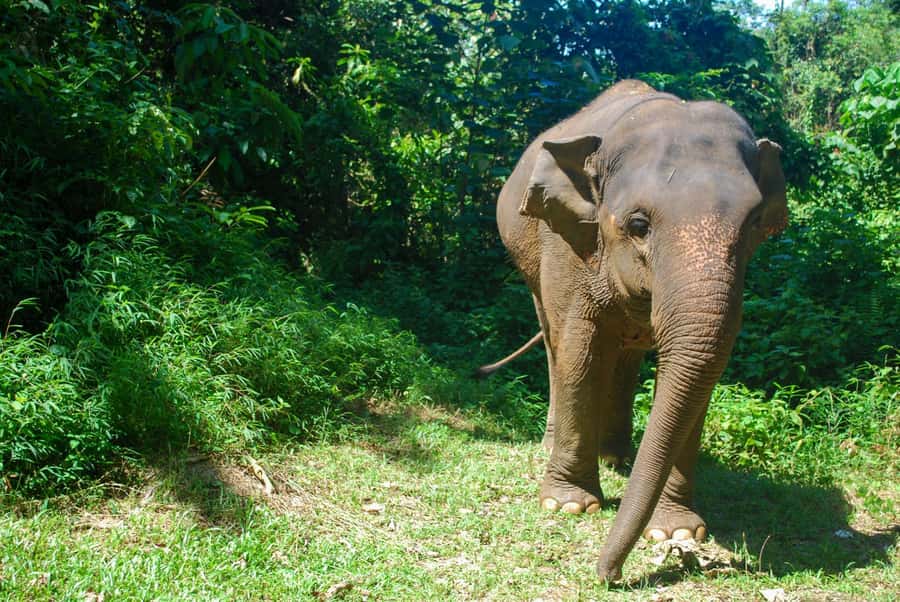
At $112 per person for a 4-hour experience, you’re paying for more than access to elephants. You’re paying for:
- a guided, caretaker-led interaction
- a safety briefing and hands-on routine tasks (food prep and feeding)
- a health-check demonstration
- bathing time and shower facilities
- a traditional Thai lunch
- air-conditioned round-trip transport from Khao Lak
- guide support and time to visit the education area
When I look at value, I compare this to “short elephant encounters” that basically feel like a photo stop. Here, the structure feels longer and more educational, and you also get facilities that make the day comfortable. If you care about how an ethical sanctuary experience is run—calm pace, caretaker focus, and education—this price starts to make sense.
If you’re very budget-conscious, though, the long transfer route (depending on hotel pickup order) can make the day feel less compact than you might hope. That’s not a dealbreaker, but it’s the only part of the value equation that can shift depending on your starting point.
Who this is best for (and who might not love it)
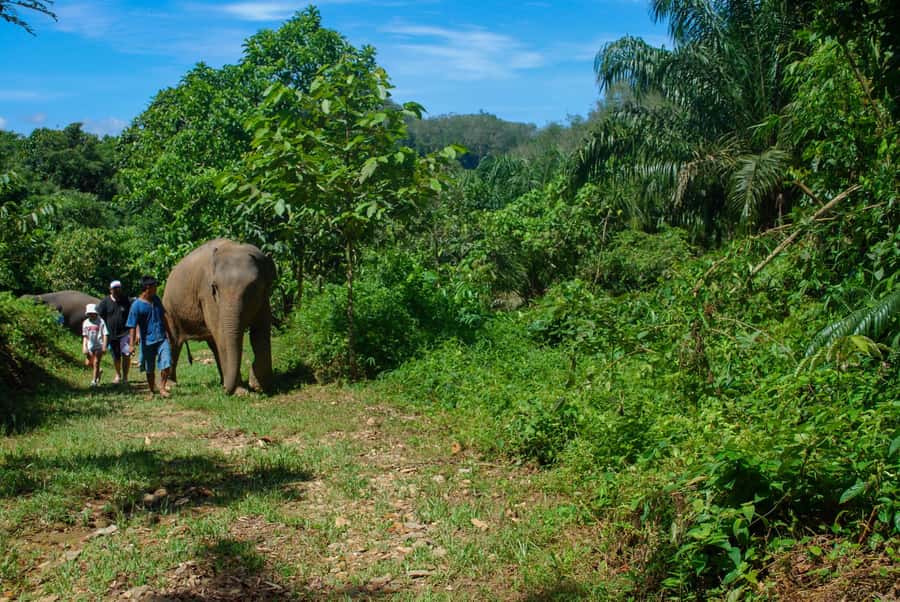
This is a great match if you want an elephant experience with learning built in. It suits adults and older kids who like wildlife education and don’t mind getting wet and walking through jungle terrain.
It’s not suitable for children under 4 years (the park states this clearly). If you’re traveling with very small kids, you’ll want to choose a different family option.
Consider skipping or adjusting expectations if:
- you hate outdoor heat and bugs (repellent matters)
- you need guaranteed early lunch timing (lunch is at the end)
- you’re sensitive to van rides that depend on multiple hotel stops
Should you book Phang Nga Elephant Park from Khao Lak?
If you want a more thoughtful elephant encounter—one that includes welfare education, a health-check lesson, and time spent with caretakers—this is the kind of tour I’d recommend. The best parts are the hands-on routine (food prep, feeding, watching the bath) and the calmer pace that lets you pay attention.
Book it if you’re ready for a practical day outdoors: wear swimwear, bring a towel and change of clothes, and plan for lunch later. Pass if you’re only after a quick photo and don’t care about the care-focused teaching.
FAQ
How long is the Khao Lak elephant sanctuary experience?
It lasts 4 hours.
Where is the experience located?
It’s in the Gulf of Thailand area, with the park activity at Phang Nga Elephant Park.
Is hotel pickup and air-conditioned transport included?
Yes. Air-conditioned transport is included, and pickup times vary depending on your location. Wait about 10 minutes in the hotel lobby before your scheduled pickup.
What activities are included during the visit?
You can expect a jungle walk, preparing food for your elephant, feeding your elephant, watching a health check demonstration, and watching your elephant bathe in a rock pool. You’ll also have a traditional Thai lunch.
Will I shower after the bathing part?
Yes. Shower and locker-room facilities are included.
What should I bring?
Bring swimwear, a towel, change of clothes, insect repellent, and a passport or ID card (a copy is accepted).
Is this suitable for children?
Children under 4 years are not suitable.
What language is the guide?
The tour guide provides English.
Is cancellation free?
Free cancellation is offered up to 24 hours in advance for a full refund.
Can I pay later?
Yes. Reserve now & pay later is available.