REVIEW · CHIANG MAI
Chiang Mai Countryside E-bike Ride with Expert Guide & Lunch
Book on GetYourGuide →Operated by Discova Thailand · Bookable on GetYourGuide
One smart way to see Chiang Mai is to ride out by train first. This e-bike day trip mixes a local-style Lamphun train ride, countryside cycling, and big cultural stops like Phra That Hariphunchai and Umong Forest Temple tunnels. I like it because it feels active, but not exhausting, thanks to pedal-assist support and a well-timed rhythm of breaks.
Two things I really like: you get the best of three worlds—Temple time, village food time, and backroads cycling time—and the guide stays focused on safety and pacing the whole day. I also like the “real life” touch of carrying your bike on the train, then rolling through quiet streets that don’t feel like a tourist shortcut.
One possible drawback: it can be more physical than you expect because you do real riding up and down, plus some undulating hills later on. Also, the tour isn’t recommended for people under 170 cm, and it’s not for pregnant women.
In This Review
- Key highlights that make this ride worth it
- The train-and-e-bike combo that actually feels local
- Start point in Chiang Mai: where to meet and what to do first
- Lamphun’s Phra That Hariphunchai: the temple that anchors the day
- Rolling countryside: orchards, canals, and that feeling of space
- Umong Forest Temple tunnels: the one stop with a different mood
- Ping River lunch in a small village: simple food, good timing
- Ban Tawai woodcarving village: where craft is the attraction
- Backroads to the forest shrine and Royal Ratchapuek Park
- How hard is the ride, really?
- Guides and safety: what makes the difference on a full day
- Value for $75: why this price can work
- What to bring and what to watch for
- Should you book this e-bike ride?
- FAQ
- Where is the meeting point?
- What time does the tour depart?
- Is lunch included?
- What transport is included besides the e-bike?
- Do I need to bring my passport or ID?
- Is hotel pick-up included?
- Is this suitable for kids or smaller riders?
Key highlights that make this ride worth it
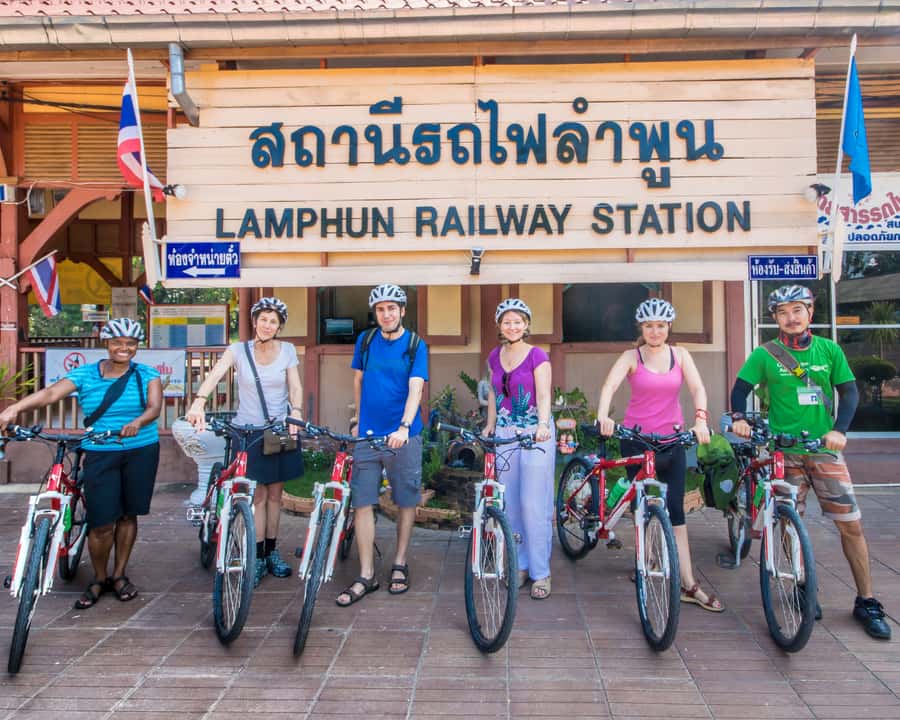
- Train + bike plan: your bike goes on the train to Lamphun, turning a commute into part of the experience
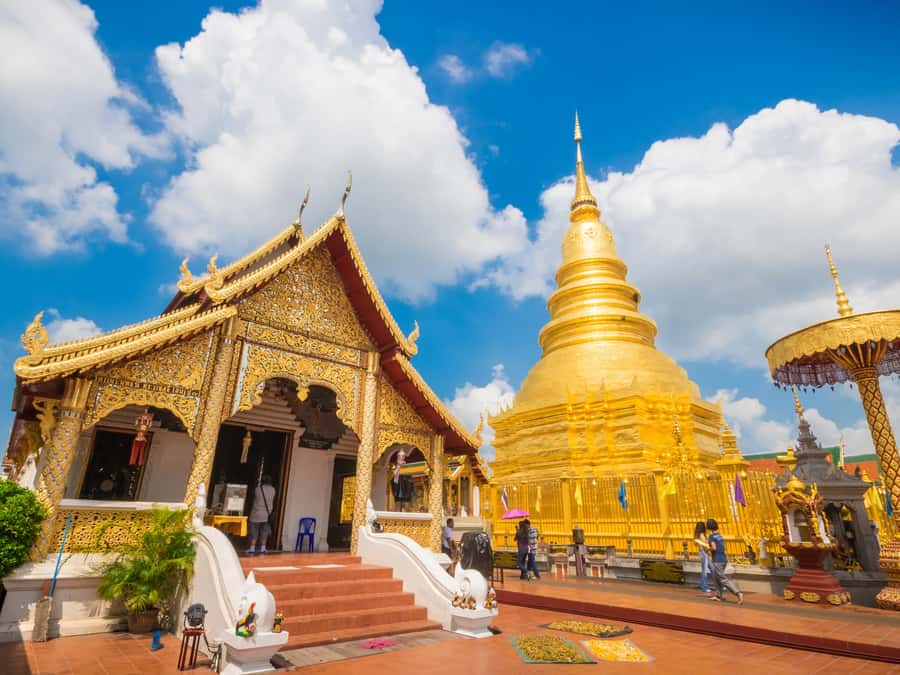
- Phra That Hariphunchai’s golden chedi: an imposing centerpiece with a guided walkthrough
- Ping River village lunch: simple Thai food with drinks, right by the river
- Ban Tawai woodcarving village: a short stroll that helps you see how craft becomes culture
- Umong Forest Temple tunnels: a different kind of temple visit, with shaded, atmospheric paths
- Avoid peak-hour traffic: after cycling, bikes load onto a vehicle so you’re not stuck in traffic later
The train-and-e-bike combo that actually feels local
This tour starts with a plan that makes sense: you don’t just pedal out from Chiang Mai and hope for good timing. You head to the station early and catch a 30-minute train ride to Lamphun with your e-bike on board. It’s southbound from Chiang Mai to Lamphun, and then your cycling begins right after you get off.
That train segment matters more than it sounds. It breaks up the day with a low-effort segment where you can reset, look around, and watch everyday movement in a part of Thailand tourists often skip. Instead of spending the morning stuck in the usual road-and-traffic pattern, you’re already in motion and already off the main tourist track.
When you hop back on the bike in Lamphun, the ride also starts calmer—quiet streets and lanes first—before the countryside opens up. That pacing is a big deal for comfort. If you’re the kind of person who likes your day structured but not rushed, this format works.
You can also read our reviews of more cycling tours in Chiang Mai
Start point in Chiang Mai: where to meet and what to do first
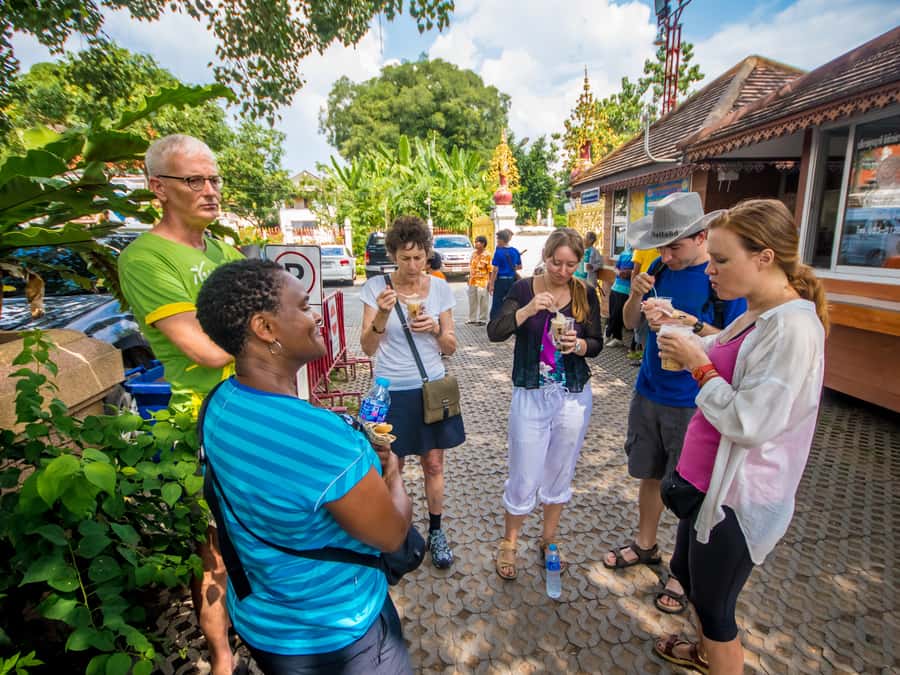
Meet at the Discova day tour shop in Chiang Mai, near Chang Puak Gate (north gate). The address is 10/3 Wiang Kaew Rd, Tambon Si Phum, Muang, Chiang Mai 50200, and it’s in front of a greenery co-working space called Punspace.
I’d treat the arrival time seriously: get there 15 minutes early so you can do bike fitting and get your bearings before departure at 8:30 am sharp. The early start is not just for show; the morning train connection is part of the schedule.
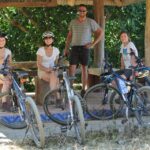
Before you roll, you’ll do a quick fitting and briefing. Because this is pedal-assist e-bike riding, that fitting step is practical—your ability to ride comfortably depends on getting the right setup for your body and height. The tour notes that you should share your height when booking so the right-side bike can be arranged.
Also, bring the required ID documents. Foreigners need their original passport; Thai citizens need an ID card. You’ll need it for state railway officers, so don’t plan to travel with a photo-only copy.
Lamphun’s Phra That Hariphunchai: the temple that anchors the day
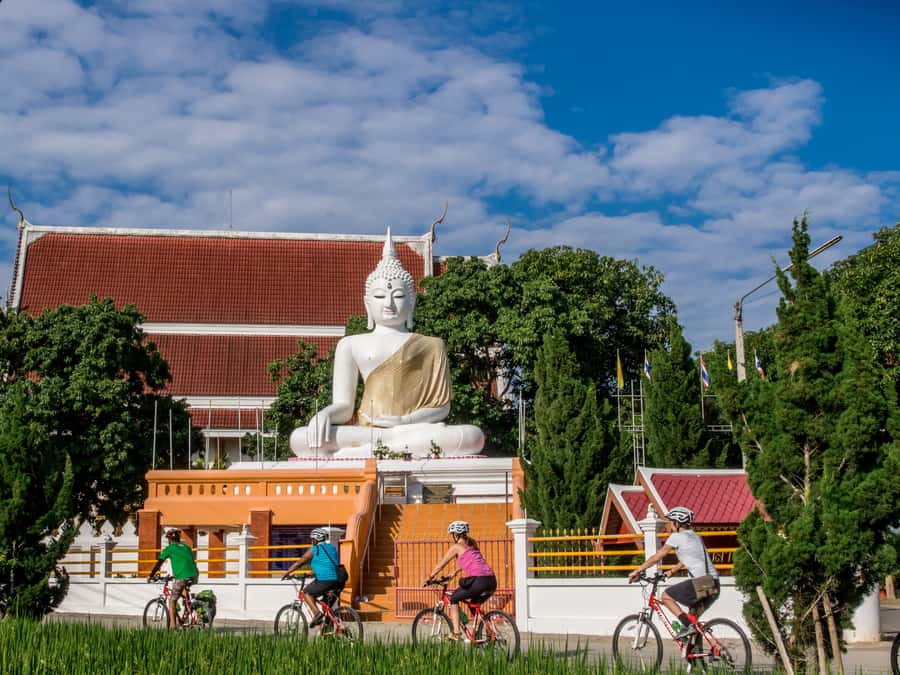
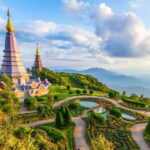
After the train ride, you bike through Lamphun and arrive at Wat Phra That Haripunchai Woramahawihan. This is where the day gains its cultural weight.
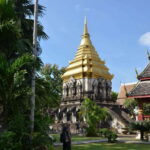
The centerpiece is the imposing golden chedi of Phra That Hariphunchai. You’ll spend about an hour here with a guide, which is exactly the right amount of time. Short enough that you won’t feel stuck, long enough that your visit doesn’t blur into random temple sightseeing photos.
What I like about this stop is how it sets the tone for the cycling afterward. You’re not just riding through scenery—you’re moving through places with meaning. The guide also helps you understand what you’re seeing so the temple doesn’t become a checklist item.
One small practical consideration: temple areas typically mean shaded walking, uneven steps, and time moving at a slower pace than riding. Comfortable shoes help here more than you might expect.
Rolling countryside: orchards, canals, and that feeling of space
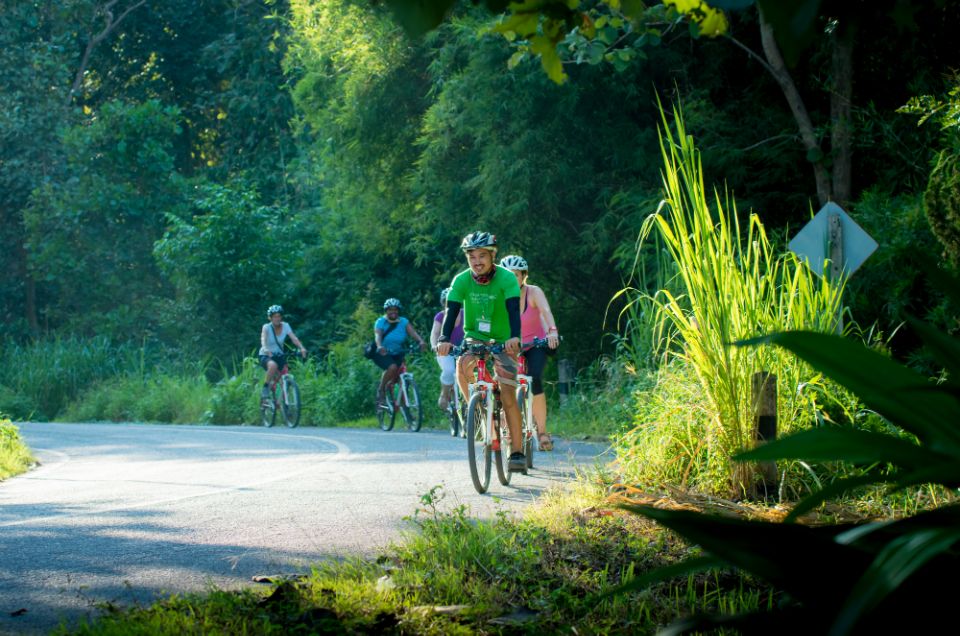
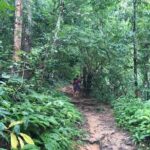
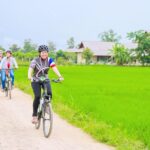
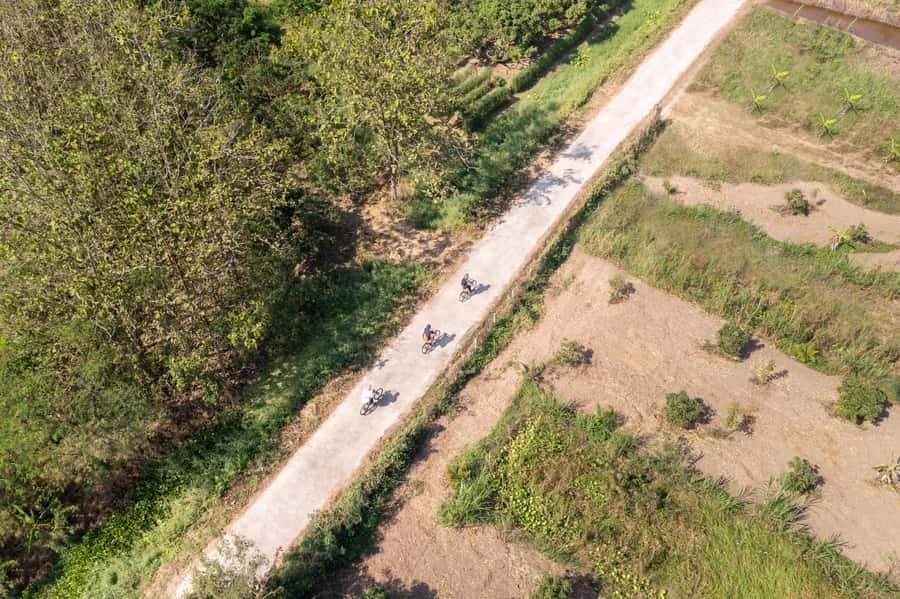
Once you leave the city area, the route starts cutting across the countryside toward Chiang Mai. You’ll pass fruit orchards, fields, and canals, and the feel of the day changes fast: fewer signs, more open space, and a slower visual rhythm.
This is where the e-bike shines. Even though you are cycling up and down, pedal assist takes the edge off so you can stay relaxed instead of grinding. Several guides on this route—like Gun and Farm—are described as attentive and safety-focused, and that matters most when you’re mixing quiet roads with riders of different comfort levels.
If you’re worried about matching effort, the pacing helps. The ride is broken into sensible stages with stops timed for sights, water, and downtime. That rhythm also means you don’t spend the whole day feeling like you’re fighting the bike.
Umong Forest Temple tunnels: the one stop with a different mood
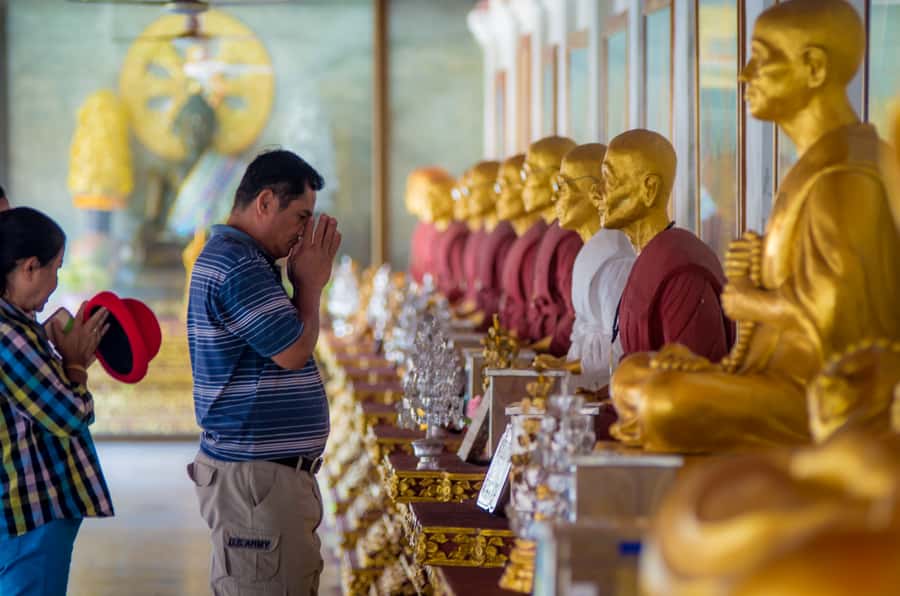
After lunch later in the day, you reach Doi Suthep-Pui National Park and visit Umong Forest Temple. This is the stop that changes the atmosphere again.
Instead of an open courtyard-style temple experience, Umong is about tunnels—an unusual layout that gives the visit a more mysterious, shaded feel. You’ll have about an hour there with your guide and time to walk around.
Why this works on an active day: it gives you a break from the open sun and gives your legs something different to do than just pedaling. You’ll still walk, but it’s a more natural “stroll and look” style compared with bike effort.
If you’re the kind of person who likes temples but gets tired of the same pattern everywhere, Umong’s tunnel design is a strong reason to choose this tour.
You can also read our reviews of more guided tours in Chiang Mai
Ping River lunch in a small village: simple food, good timing
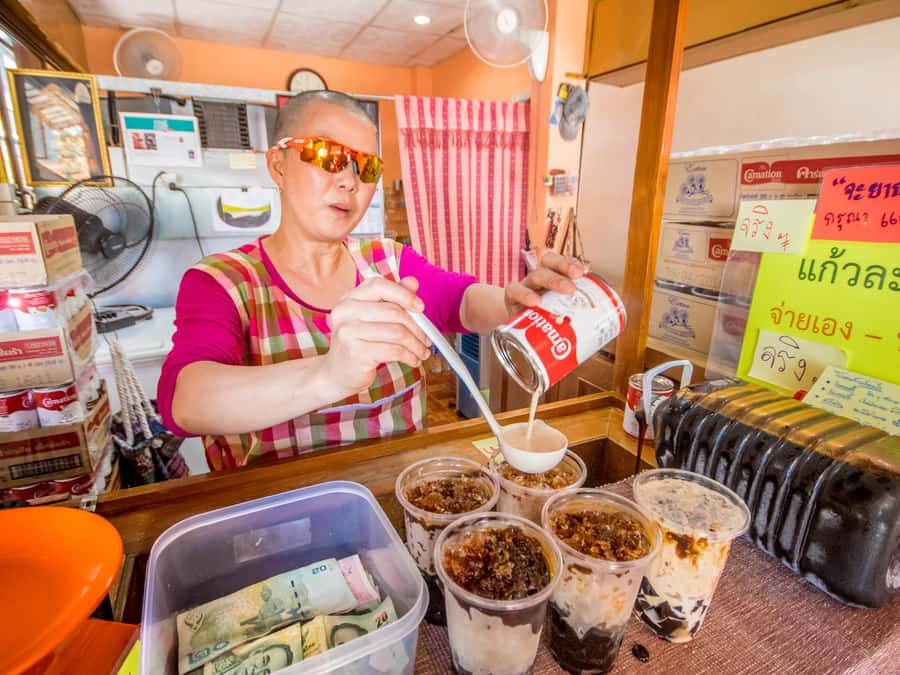
The middle of the day is lunch by the Ping River. You’ll cycle to a small village on the riverbank for deliciously simple Thai food and drinks. The lunch break is about 30 minutes.
What I like about the lunch setup is that it’s not a long sit-down production. You eat, drink, and recharge without turning your afternoon into a slow shuffle. It’s timed to keep you feeling good for the next cycling stretch.
Also, because this tour is built around regular stages, you typically get more than just lunch. There are scheduled breaks across the day, and you can usually find toilet stops and refreshments at appropriate times. This matters because it keeps the ride comfortable, not frantic.
After lunch, you’ll cycle across the Ping River and continue onward through rice paddies. That shift—river food to farmland riding—makes the day feel like a moving panorama.
Ban Tawai woodcarving village: where craft is the attraction
Next up is Ban Tawai Woodcarving Village. You’ll arrive after riding through the countryside plain and along lanes toward the foothills of Doi Suthep. Parking your bikes, you’ll walk around and admire the craftsmanship of the wood carvers.
This stop is only about an hour, but it’s the kind of hour that sticks. You’re not just looking at finished souvenirs; you’re watching a cultural skill tied to daily life and local tradition.
If you like watching how things are made—rather than only shopping for the final product—this works well. And since you’re coming off a ride, the walking time feels natural.
Backroads to the forest shrine and Royal Ratchapuek Park
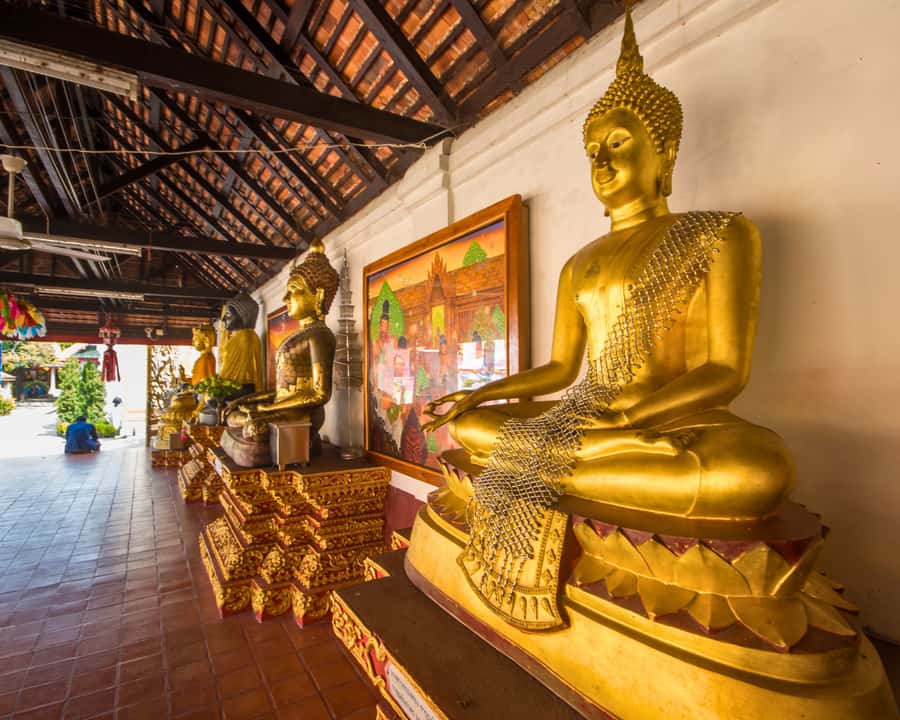
As you continue cycling through small villages, you’ll reach an ancient forest shrine of one of Chiang Mai’s founding kings. The guide helps explain what you’re seeing, so it’s not just an odd stop on the route.
Then the ride climbs into undulating hills and you’ll reach Royal Ratchapuek Park. After arriving, you take a well-deserved break.
After that break, you’ll gather the bikes and load them onto a vehicle for the return. That’s a thoughtful touch. It avoids congested roads during peak hours and helps you end the day without feeling drained from traffic stress.
Even if you love biking, the “ride now, vehicle later” balance keeps the day enjoyable for more people. You still get countryside riding time, but the schedule doesn’t make you pay for it with a tough final grind.
How hard is the ride, really?
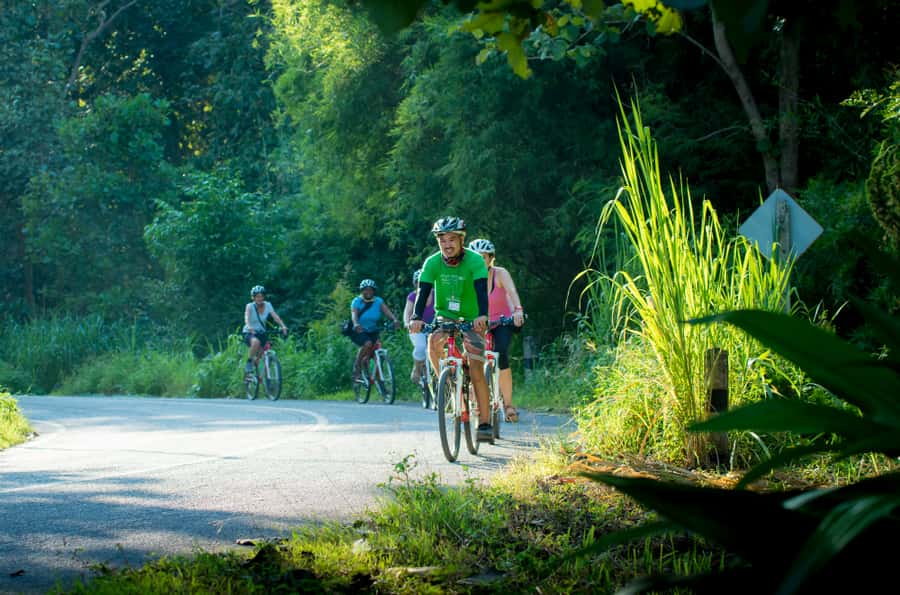
This is the big question, and it deserves an honest answer.
You’ll be cycling up and down with a pedal-assist e-bike. Terrain includes flat-ish segments at times, but also undulating hills and foothills near Doi Suthep. One key point: the tour is not a gentle loop with only easy motion. It’s an active day.
That said, most people can handle it better than they think because:
- the e-bike assistance takes the sting out of effort
- you get regular stops for sights and breaks
- the guide watches pacing and safety closely, and can adjust to riders’ comfort
If you’re relatively fit and you’re comfortable riding for a few hours with breaks, this is a good match.
If you expect it to be mostly leisure cruising, you might feel surprised by how much actual pedaling happens. It’s still a great ride—just don’t treat it like a casual sightseeing stroller.
Guides and safety: what makes the difference on a full day
The quality of the guide shows up in three places: safety, pacing, and storytelling.
Guides you may encounter include Gun and Farm, and they’re described as attentive, patient, and careful about riders. That kind of care matters most when the group is a mix of comfort levels. It also matters when roads are quiet and you want the ride to stay smooth and predictable.
You can expect:
- a bike fitting and a proper briefing
- frequent check-ins during stops
- snacks, drinks, and water across the day
I also like that the tour can support families. If kids might tire, a van pick-up can be arranged after 30 KM and bring you back to town, while still leaving time for the rest of the experience. That’s valid up to 4 people max, so it’s worth planning early if you think you’ll need it.
Value for $75: why this price can work
$75 for a 7-hour experience is not just “cheap transport plus lunch.” You’re getting real costs bundled together:
- guide time (English-speaking, with Thai support)
- a full day with e-bike + helmet
- lunch and drinks plus snacks
- the train ride (and the bike on the train)
- a one-way transfer back to the meeting point from the end of the route
Also, the tour avoids peak-hour congestion on the back half of the day. That saves energy and keeps your afternoon from turning into a traffic logjam.
When I think about value, I look at how much effort goes into making the day run smoothly. This one has a lot of moving parts—train timing, bike handling, multiple stops—so the organization is part of what you’re paying for.
What to bring and what to watch for
For a day like this, pack like you’re riding outside, not like you’re strolling indoors.
Bring:
- passport (foreigners) or ID card (Thai citizens)
- comfortable shoes (temples and village walking)
- sunglasses and sunscreen
- anything you need for hydration and comfort
Safety and comfort notes you should take seriously:
- child seats are available on request but only for children up to 14 kg
- provide full names for insurance purposes
- provide your height so the right bike is arranged
- safety rule: the tour doesn’t recommend it for people under 170 cm
- not recommended for pregnant women
If you have dietary requirements, tell the operator at booking so lunch can work for you.
Should you book this e-bike ride?
I think you should book if you want an active day that still feels thoughtfully planned. This is a strong choice for:
- people who want countryside biking without beating themselves up
- anyone who likes temples but also wants variety (the tunnels at Umong are a great change of pace)
- travelers who enjoy local rhythm, especially the train ride and river-village lunch
I’d skip it if:
- you’re pregnant
- you’re under 170 cm
- you want a purely low-effort sightseeing day
If you like the idea of cycling from Lamphun to Chiang Mai, with Phra That Hariphunchai, Ping River food, Ban Tawai woodcarvers, and Umong Forest Temple tunnels all in one flow, this tour is a smart way to spend your day.
FAQ
Where is the meeting point?
You meet at the Discova day tour shop in Chiang Mai (10/3 Wiang Kaew Rd, Tambon Si Phum, Muang, Chiang Mai 50200), near Chang Puak Gate. The office is in front of Punspace.
What time does the tour depart?
You’ll meet around 8:15 am, and the bike tour departs at 8:30 am sharp.
Is lunch included?
Yes. Lunch is included, along with drinks, snacks, and water during the day.
What transport is included besides the e-bike?
The tour includes a 30-minute train ride from Chiang Mai Railway Station to Lamphun, with the e-bike riding on the train.
Do I need to bring my passport or ID?
Yes. Foreigners need their original passport, and Thai citizens need their ID card to show state railway officers.
Is hotel pick-up included?
No. Hotel pick-up and drop off are not included.
Is this suitable for kids or smaller riders?
Child seats are available on request for children up to 14 kg. The tour also does not recommend the ride for customers shorter than 170 cm. A van pick-up after 30 KM can be arranged (up to 4 people max), if needed for kids who tire.