REVIEW · CHIANG MAI
2days 1night : Trekking with Karen people and Doi Inthanon
Book on GetYourGuide →Operated by บริษัท ทัวริสต์ อินฟอร์เมชั่น เซ็นเตอร์ จำกัด · Bookable on GetYourGuide
Two days in the clouds beat the city. I especially love the chance to sleep in a real Karen hilltribe village, not just pass through it. It’s the kind of night that makes the mountains feel personal, because you’re living close to everyday rhythm rather than watching from a distance.
The second thing I like is the hike up to Doi Inthanon, Thailand’s highest peak at 2,665 meters. Even when you know you’re going for the summit, it’s still satisfying to earn the altitude with a guided route that keeps you moving.
One main consideration: the summit day is not a tough backcountry slog. It’s mostly built up with steps and platforms, and if the sky sits in cloud, the big view you imagine might not show up the way you planned.
In This Review
- Key things to know before you go
- Why Doi Inthanon and a Karen Village Fit Together So Well
- Day 1: Market Stop, Waterfall Lunch, and Jungle Trek to the Village
- Day 2: Summit Day at Doi Inthanon and the Trail Mix That Makes It Interesting
- Trails, Views, and Weather: How to Set Your Expectations
- The Karen Village Evening: Why It Feels More Real Than a Stopover
- Price and Inclusions: Is $221 Good Value?
- What to Expect From the Group and Guiding
- Who This Tour Fits (and Who Should Skip It)
- Should You Book This 2 Days 1 Night Karen and Doi Inthanon Trek?
- FAQ
- What is the duration of the tour?
- What time does the pickup happen on Day 1?
- Is the trekking private?
- What languages are the guides?
- Are Doi Inthanon and pagoda entrance fees included?
- What activities are included on Day 1 besides trekking?
- When does the tour end?
Key things to know before you go
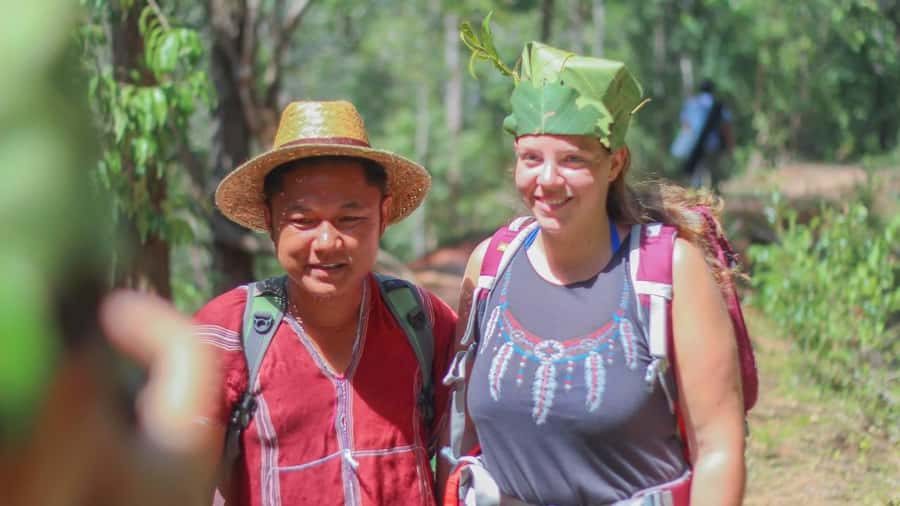
- Karen village overnight in a traditional bamboo-and-wood house, plus time to cook with a local family
- Private trekking with a licensed guide in English (and Thai), starting from your Chiang Mai hotel
- Waterfall time on Day 1, including a swim stop and lunch near the river
- Bamboo rafting is optional and depends on weather
- Day 2 trails hit multiple highlights, including Angkha Nature Trail and the Kew Mae Pan trail (Pha Dok Siew during rainy season)
- Top park sights included: King and Queen Pagodas, Wachirathan Waterfall, and the Royal Project horticulture area
Why Doi Inthanon and a Karen Village Fit Together So Well
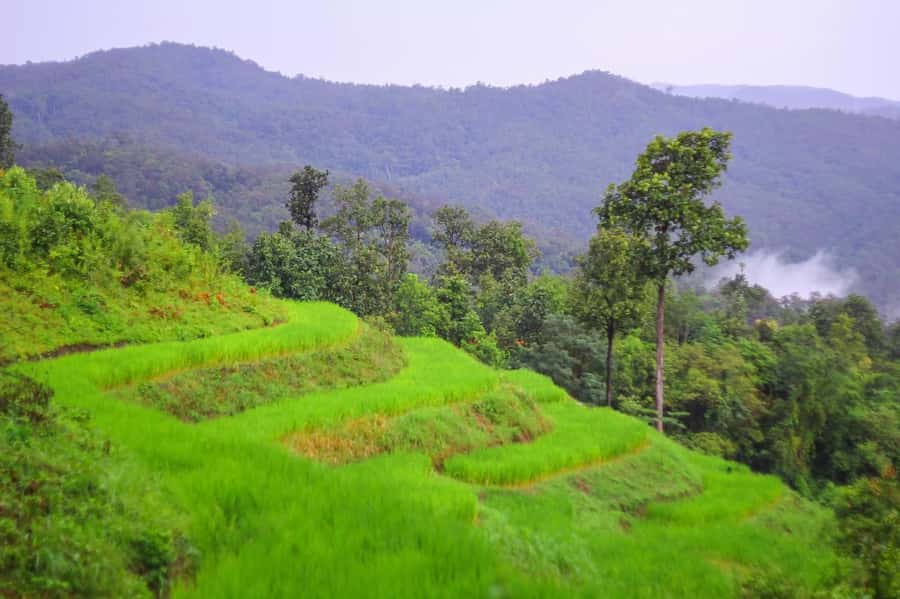
This tour works because it balances two kinds of Thailand you don’t get in a single photo: mountain ecology and hilltribe life. Day 2 gives you the famous peak moment at Doi Inthanon, while Day 1 slows down enough to feel what the Karen community life looks like day-to-day.
I like tours that don’t just say you’ll see a village. Here, the plan includes an actual night stay and a kitchen moment with the family. That matters, because it turns the experience from sightseeing into relationship-building at a comfortable pace.
Also, the schedule is built to avoid rushing too hard on day one. You’ll start with a morning pickup, get moving with trekking, and then return to the village before the day gets too late. It’s short enough to fit a getaway, but structured enough to keep it from feeling chaotic.
You can also read our reviews of more hiking tours in Chiang Mai

Day 1: Market Stop, Waterfall Lunch, and Jungle Trek to the Village
Your day begins with pickup from your Chiang Mai hotel between 8:15 and 8:45am. The drive to the jungle gives you time to wake up slowly, and there’s a local market stop where you can shop for small items and snacks you might want later.
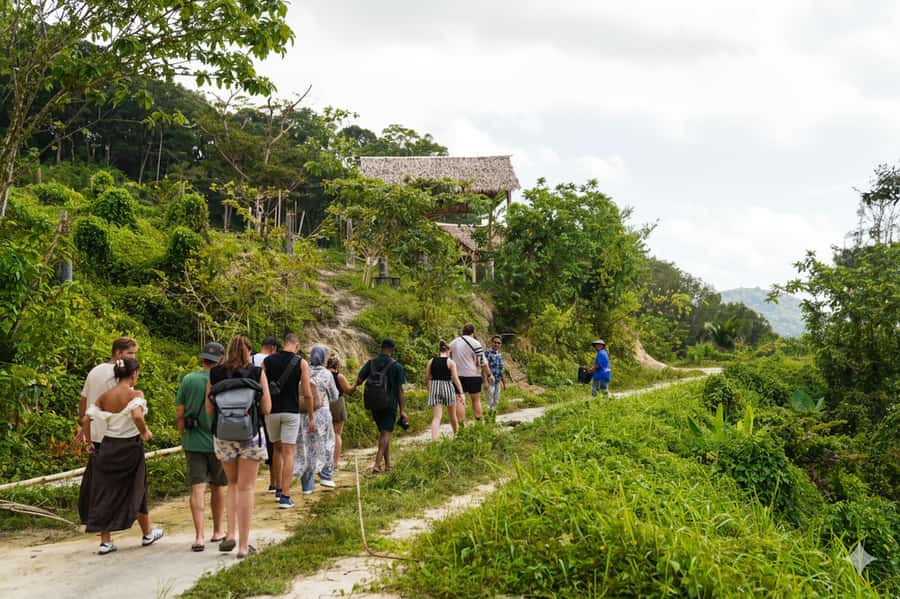
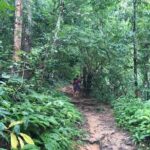
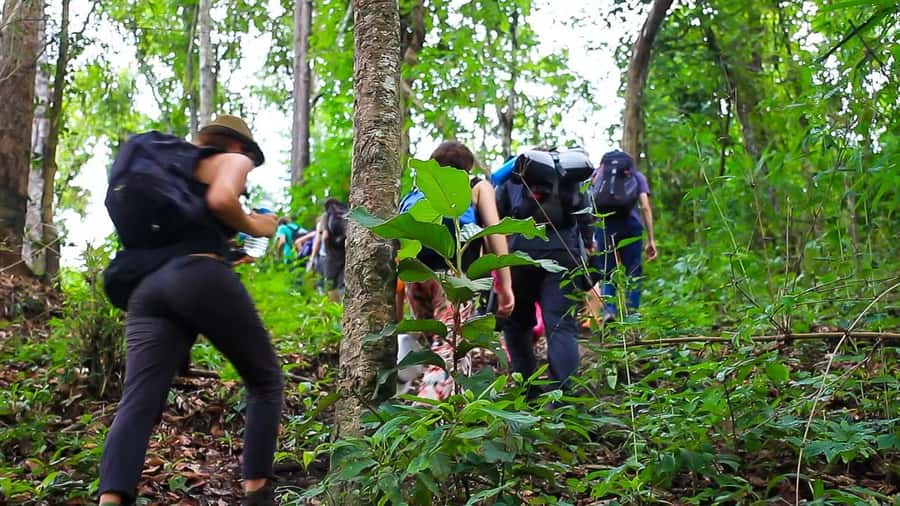
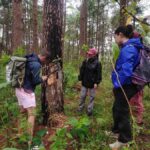
Then you reach the Karen hilltribe village and switch gears into trekking. The jungle walk runs about 2 to 3 hours. This is not a walk where you’re always staring at the ground; the pace is meant to let you enjoy the surroundings while still making progress. There’s also a swim stop along the way, plus a lunch break at a waterfall and river setting.
The mix here is smart. A lunch by moving water is a reset button for your legs and mood. It also breaks the day into “trek mode” and “human mode,” which helps if you’re not used to humid, trail-based travel.
After lunch, you continue for another 1 to 2 hours of trekking. If you’re the type who likes moments of satisfaction, this is a good stretch: it’s long enough to feel like a trek, but not so long that you arrive drained.
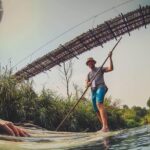
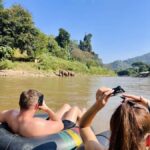
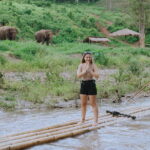
Next comes bamboo rafting, about 45 minutes, and it’s marked as optional. In practice, that means weather can decide whether you do it. If conditions aren’t right, don’t be surprised if you skip it and your guide focuses more on safe trekking and the village evening.
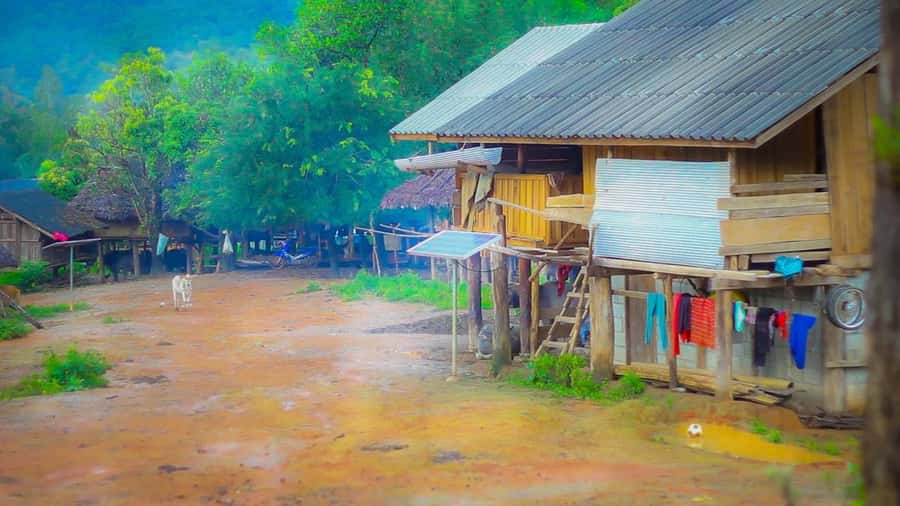
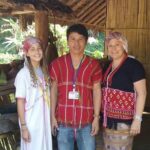
The day ends back at the village. You get time with the local family, including a chance to cook, then you sleep in a traditional bamboo-and-wood house. This is one of the strongest parts of the itinerary because it turns the trip into an overnight cultural experience instead of a daytime visit.
Day 2: Summit Day at Doi Inthanon and the Trail Mix That Makes It Interesting
Day 2 starts with breakfast, then you drive to the Doi Inthanon National Park area. This is where the tour earns its headline.
You hike to the highest peak in Thailand (2,665m). The route is short and purposeful rather than marathon length, and you get a sequence of different walking sections. One quick stop is the Angkha Nature Trail (around 20 minutes), which works like a warm-up and a change of scenery.
After that, you do the Kew Mae Pan trail for about 2 hours. During rainy season, this swaps to Pha Dok Siew trail, so expect some changes based on conditions. That swap is actually useful information for you: it means the operator isn’t treating the hike as one fixed script regardless of weather. In a mountain park, conditions can change fast.
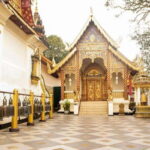
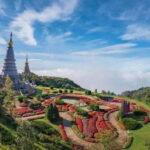
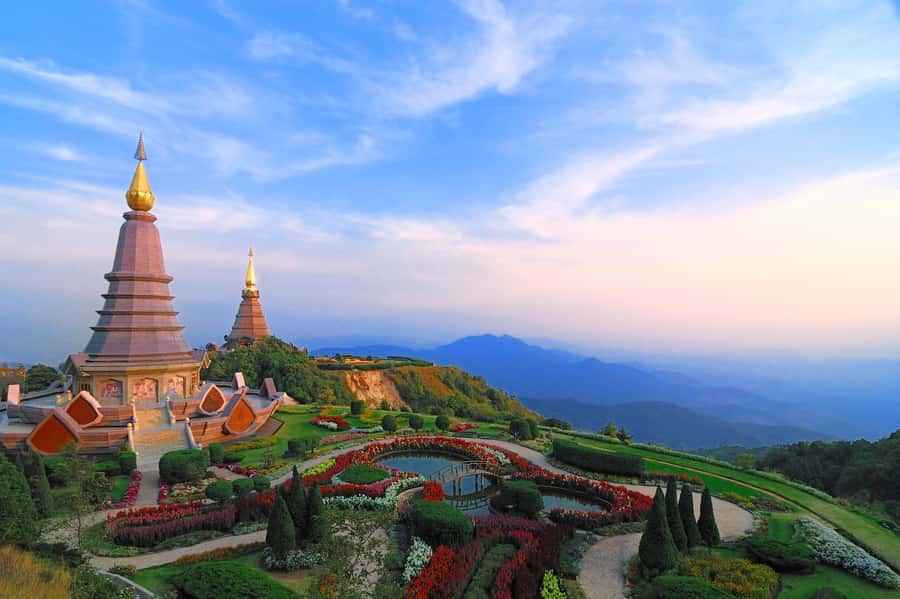
After the main hiking portion, the itinerary shifts to scenery and culture without abandoning the outdoors feel. You’ll visit the King and Queen’s Pagodas and their gardens. Even if you don’t care about temples specifically, these spots are a good way to take a breath after the physical effort.
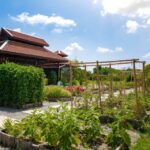
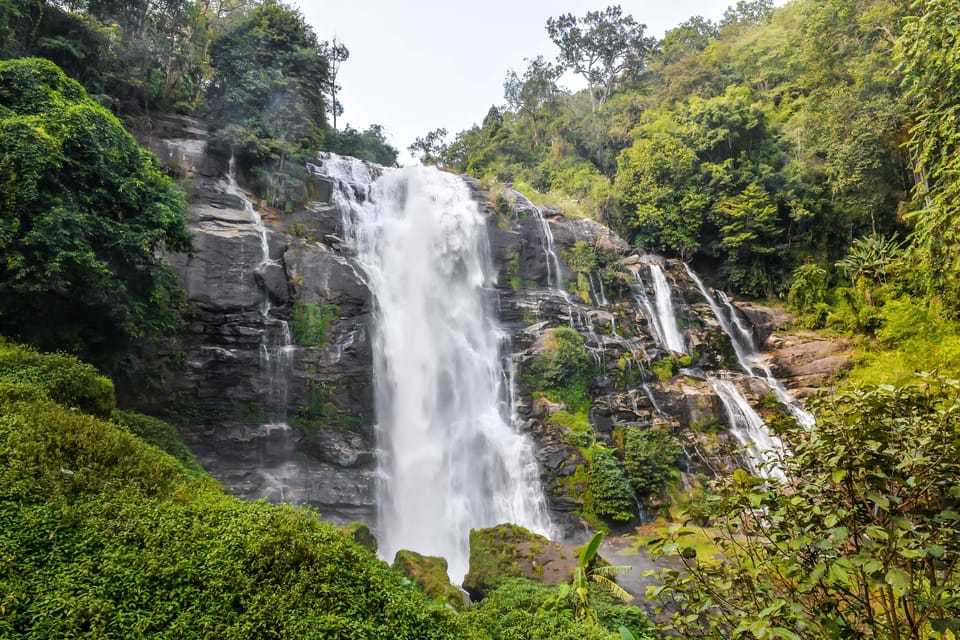
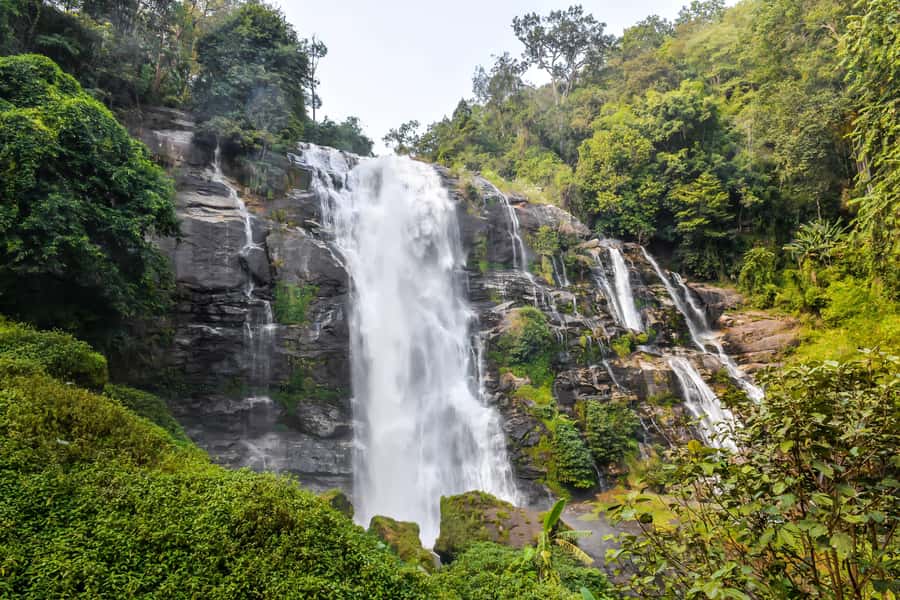
Then you stop at Wachirathan Waterfall for another landscape moment, plus lunch nearby. The day also includes the National Royal Project of Horticulture, which adds an agriculture and farming-angle perspective that pairs well with the mountain-and-terrace theme from Day 1.
You finish with the drive back to Chiang Mai and a drop-off at about 5:30pm.
Trails, Views, and Weather: How to Set Your Expectations
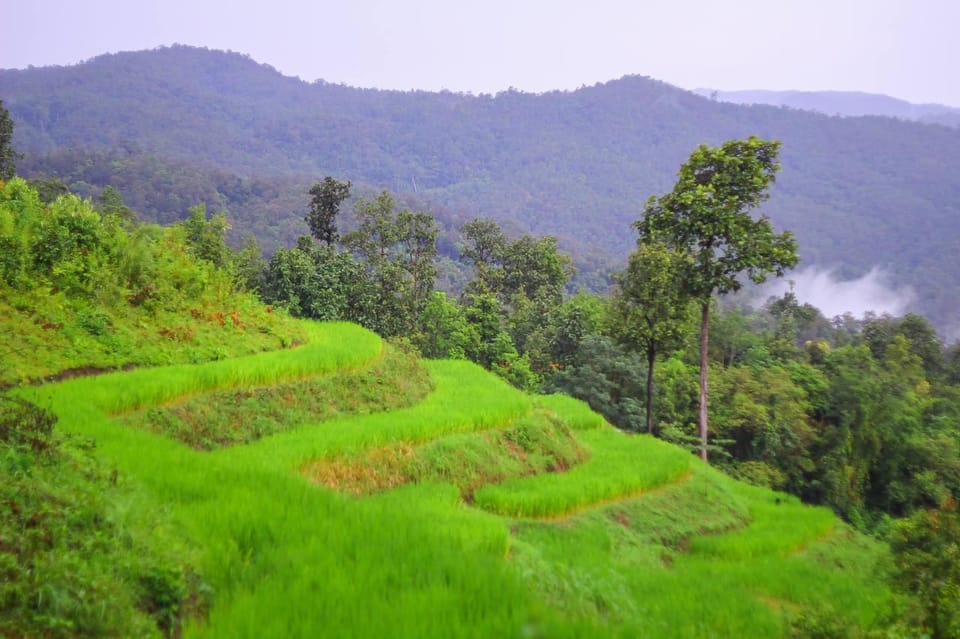
The biggest mental trick on Doi Inthanon is understanding what the hike feels like. One key point from the experience: the summit climb is not a wild, undefined footpath. You can expect a built route with steps and wooden platforms. That’s a plus for many people, because it’s steadier underfoot and easier to navigate than a totally unmanaged trail.
The trade-off is that it may not feel like a long, raw trek. If you’re looking for mud, immersion, and long stretches of wilderness travel, this isn’t built that way. It’s more of a guided mountain highlight with real hiking effort, but within a maintained environment.
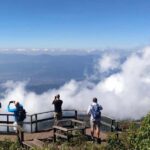
Now for the other expectation: cloud and mist can affect views. Forest of clouds can be beautiful in its own right, but the summit panorama you picture may not always show up. If you’re traveling for a specific photo spot, go with Plan B in mind: you’re also there for the mountain experience, the walking, and the trail atmosphere.
Bamboo rafting also ties into weather. If rain or conditions limit the water activity, you may lose that element. That’s why I recommend packing for multiple possibilities: light rain gear, a dry change of clothes if you can manage it, and footwear that’s comfortable for steps and possible wet ground.
The Karen Village Evening: Why It Feels More Real Than a Stopover
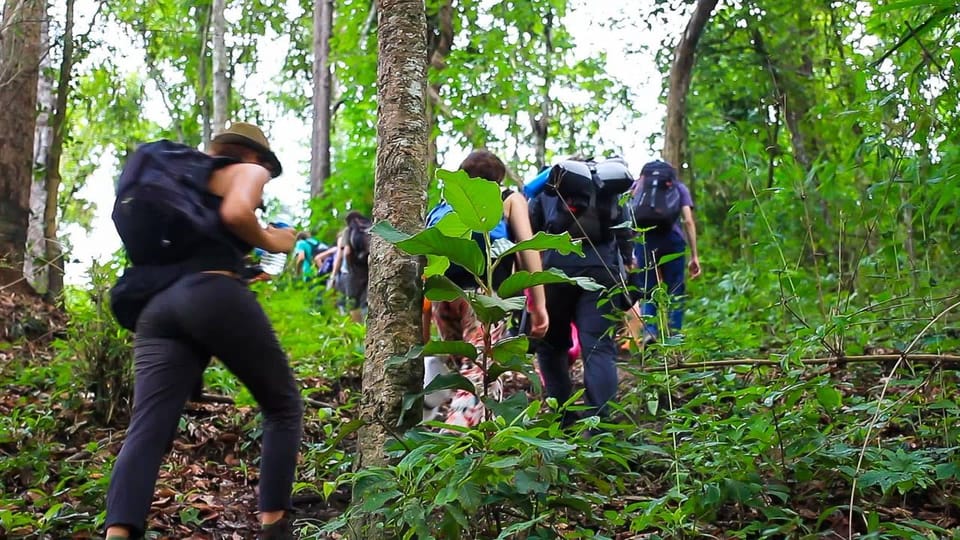
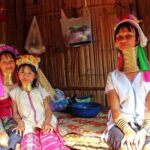
Day 1’s village time is where this tour differentiates itself. You’re not just walking past a hillside community. You’re staying overnight and getting involved in a simple shared task: cooking with the local family.
That cooking moment matters because it puts you in the same time zone as the hosts. Instead of being a spectator, you’re part of the “what’s for dinner” flow. It’s also a respectful way to learn without turning culture into a performance.
You’ll sleep in a traditional bamboo and wood house, which also changes how you experience the night. It’s the kind of detail that makes the trip memorable, because your body feels the difference between hotel life and village life: quieter, more grounded, and more connected to the rhythms outdoors.
One practical note: village evenings can include limited comfort compared with a city bed. If you want zero surprises, bring a flexible mindset. If you expect a basic, authentic overnight instead of a modern lodge, you’ll likely enjoy it more.
And if you’re concerned about language barriers: your guide is English and Thai, and the experience provider includes a licensed local guide. That’s not a guarantee that every moment will feel perfectly explained, but it gives you a better chance of meaningful context.
A few more Chiang Mai tours and experiences worth a look
Price and Inclusions: Is $221 Good Value?
At $221 per person for 2 days and 1 night, the value mostly comes from what’s bundled. You’re not only paying for a hike. You’re paying for:
- a licensed local guide
- transportation from Chiang Mai and back
- your night and meals
- insurance and taxes
On top of that, you get the structure of a private group, which usually means you’re not stuck waiting around for a larger crowd. That matters on a trip like this, where pacing and timing are tied to trails, meals, and village flow.
What’s not included is important: entrance fees in Doi Inthanon Park and pagodas. If you’re trying to compare prices with other options, make sure you add those fees in your head before deciding. Sometimes the lowest sticker price is only low because it pushes park costs onto you.
Is it “cheap”? No, not for a one-night mountain trek. But it’s priced like an experience where transport, guide, meals, and an overnight village stay are part of the deal. For most people doing this from Chiang Mai, that balance is fair.
If you’re traveling with a group of friends and can share a private plan, this price can feel even more reasonable because you spread the cost of guide and transport. If you’re solo, it can still be worth it if you’re set on the specific combination of Karen overnight + Doi Inthanon summit day.
What to Expect From the Group and Guiding
This is a private group tour, with a live guide in English and Thai. In real life, private guiding can be excellent because the guide can match your pace and answer questions.
One caution worth keeping in mind: on similar multi-guide days, sometimes the handoff can affect how much explanation you get. In this kind of tour, there may be more than one person in charge of different parts of the day, and not every guide style will be equally chatty. If you care about lots of background, ask questions early, and keep your curiosity active.
The overall tour flow is still designed to work even if you’re mostly receiving practical guidance: you’ll have clear start and end times, and the itinerary hits major stops without leaving you to figure things out.
Who This Tour Fits (and Who Should Skip It)
This tour is a strong match if you want:
- a real overnight in a hilltribe village, not a quick day visit
- a guided route up Thailand’s highest peak
- a combo of trekking and park highlights like pagodas and waterfalls
- a trip that’s intense enough to feel like a getaway, but not so long you need a full week
You might think twice if you want a long, challenging wilderness trek with no built-up infrastructure. The summit portion is maintained, and the hiking time is organized into shorter blocks rather than one long grind.
Also, if you’re very view-dependent and you get disappointed easily by mist or cloud, be prepared that the summit vista might not be dramatic every day. The good news is the trail experience itself is still the point.
Should You Book This 2 Days 1 Night Karen and Doi Inthanon Trek?
If you want the highest peak in Thailand plus an authentic Karen village overnight, I’d lean yes. The reason is simple: the itinerary is built around two memorable anchors—Doi Inthanon and village life—with enough structure to keep logistics easy.
You should book if:
- you like guided experiences that still feel outdoorsy
- you’re open to a maintained trail rather than a wild backcountry path
- you’re okay with weather affecting the view and the optional bamboo rafting
You might skip or choose another option if:
- you’re training for a major endurance trek
- you need guaranteed summit panoramas
- you dislike the idea of basic overnight village accommodations
If this sounds like your kind of trip, this is one of the more balanced ways to do northern Thailand for two days: part mountain, part people, and paced so you don’t feel rushed.
FAQ
What is the duration of the tour?
It’s a 2 days and 1 night experience.
What time does the pickup happen on Day 1?
Pickup is included, with pick up between 8:15 and 8:45am from your hotel.
Is the trekking private?
Yes, it’s listed as a private group tour.
What languages are the guides?
The live tour guide provides English and Thai.
Are Doi Inthanon and pagoda entrance fees included?
No. Entrance fees in Doi Inthanon Park and pagodas are not included.
What activities are included on Day 1 besides trekking?
You’ll have a local market stop, trekking with time at a waterfall and river for lunch (and a swim stop), cooking with the local family, and you may have bamboo rafting for about 45 minutes if weather allows.
When does the tour end?
You’ll return to your Chiang Mai hotel area and be dropped off at about 5:30pm on Day 2.