REVIEW · CHIANG MAI
Half Day, Monk Chat Meditation Retreat on Waterfall Temple, Chiang Mai, Thailand
Book on Viator →Operated by Asia Connect Travel · Bookable on Viator
One morning, silence meets waterfall mist. This half-day retreat mixes Huay Keaw Waterfall with Wat Pha Lat and teaches the rhythm of Thai Buddhist practice—respect, offerings, and simple meditation skills—without turning it into a rushed temple checklist. I also like the fact it stays small, with a max of 9, so guides can actually slow down when you have questions.
One possible drawback: the monk interaction is often more chat than long sit. If you’re hoping for extended, monk-led meditation time, read the room carefully—your guided practice is the main event.
In This Review
- Key highlights at a glance
- Why this half-day retreat works in Chiang Mai
- Morning flow: what actually happens from 8:00 am
- Stop 1: Huay Keaw Waterfall and the merit offering setup
- Stop 2: Wat Pha Lat and the monk-chat meditation moment
- The meditation practice you’ll do
- Incense procession and the relic story
- The guides make the difference (and you can feel it)
- Price and value: why $71.34 can be fair (if you know what you’re buying)
- The real talk on the monk chat vs. “real meditation”
- Temple etiquette tips that will save you stress
- Who should book this retreat
- A simple checklist for your morning
- Should you book this monk chat meditation on a Chiang Mai waterfall morning?
- FAQ
- How long is the meditation retreat?
- What time does the tour start in Chiang Mai?
- Is pickup included?
- Is this tour a small group?
- What’s included in the price?
- Do I need to bring anything for the monk offering?
- Are admission tickets required for the stops?
- Is there a mobile ticket?
- Is free cancellation available?
- Is the tour suitable for most people and are service animals allowed?
Key highlights at a glance
- Huay Keaw Waterfall merit moment with an incense-and-flower offering setup before you even reach the falls
- Wat Pha Lat etiquette taught step-by-step, including how to pay respect to the Buddha image
- Beginner-friendly mindfulness practice (walking and sitting) with nature sounds and a viewpoint
- Small-group feel (max 9), so your English-speaking guide can keep it calm and personal
- Guides that make culture feel human, with past groups led by Kat and Siripan/Sirpan
Why this half-day retreat works in Chiang Mai
If you’ve been in Chiang Mai long enough to feel temple overload, this route gives you a different angle. You’re not just looking at gold and stone. You’re learning how Thai monks and temple-goers structure a moment of attention—respect first, then offerings, then quiet practice.
The timing matters too. At about 4 hours, you get a full morning experience without losing the rest of your day to traffic and waiting. It’s a good match for jet-lag days, first-time temple visits, or anyone who wants something meaningful but doesn’t want a long overnight retreat.
And yes, the setting is gorgeous. Huay Keaw Waterfall is the kind of place where your body finally notices what your camera can’t fully capture: cool air, wet rock, and the feeling that you’ve stepped away from the city.
You can also read our reviews of more tours and experiences in Chiang Mai.


Morning flow: what actually happens from 8:00 am
The tour starts at 8:00 am and runs long enough to feel complete, but short enough to stay light. Pickup is offered, and you’ll receive a mobile ticket.
Here’s the core rhythm you’ll experience:
- A calm arrival area where you prepare offering items
- A respect-making moment at Huay Keaw Waterfall
- A short temple-and-history stop along the way
- Wat Pha Lat, where you learn how to interact respectfully with the space
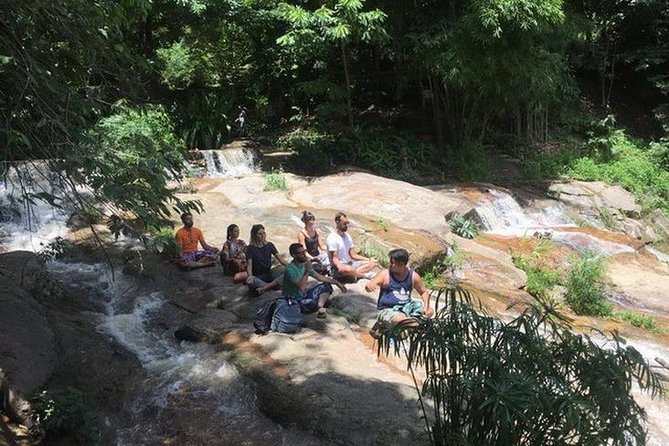
- Mindfulness practice (walking and sitting) outside with nature around you
- A blessing and wrap-up
The guide (English speaking) keeps it structured. You’re given the incense/candle set with flowers and gold leaf items, but the food and drink used for the monk offering are not included.
Stop 1: Huay Keaw Waterfall and the merit offering setup
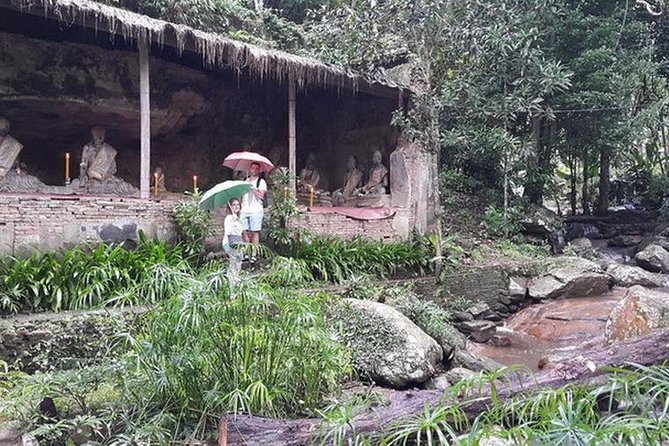
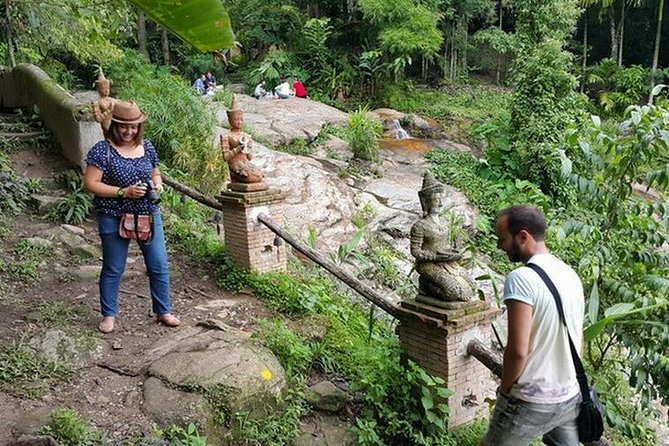
Your first stop is Huay Keaw Waterfall. Before you even get fully into waterfall mode, you’ll stop on the way to shop for the offering food for the monk. At the waterfall area, you then set up items in front of the relics of Buddha. The offering kit typically includes a set of gold leaf incense sticks and a candle, plus lotus flowers and marigold flower garland.
This is one of the best parts of the day, because it changes the tone immediately. You’re not arriving as a spectator. You’re arriving as a participant. Even if you don’t fully understand every phrase, the guide’s explanation helps you follow the intention: respect, merit-making, and a quiet moment of attention.
Also, this stop includes time at a nearby cultural point: the Kruba Srivichai Monument. You’ll learn who he was and why he matters in northern Thailand, including references to his role as a Lanna developer figure about 200 years ago.
Reality check: waterfall time can be weather-dependent. If it’s raining or the ground is wet (it often is around falls), plan for slippery footing and slow steps.
Stop 2: Wat Pha Lat and the monk-chat meditation moment
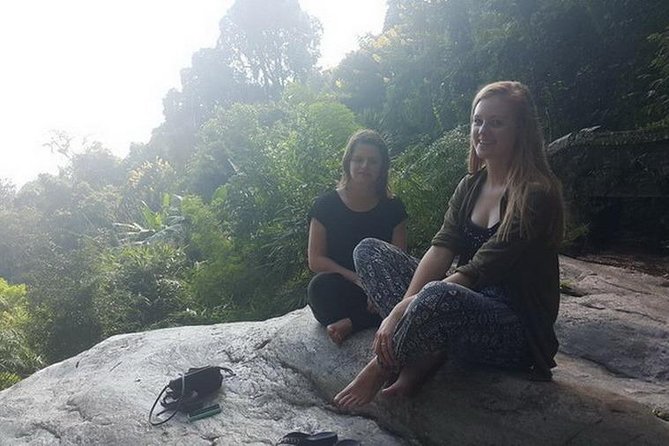
The second stop is Wat Pha Lat, and this is where the retreat becomes more than sightseeing.
Your guide walks you through how to behave in the temple space. You’ll learn:
- how to pay respect to the Buddha image
- how merit-making works in practice, including inviting the monk and making an offering
- how to dedicate merit afterward, using a water-pouring libation moment
- how the ceremony flows into a sermon, a monk chat, and a blessing
One thing I appreciate here: the guide doesn’t treat ceremonies like theater. You get a sequence to follow, which helps you avoid accidental missteps.
The meditation practice you’ll do
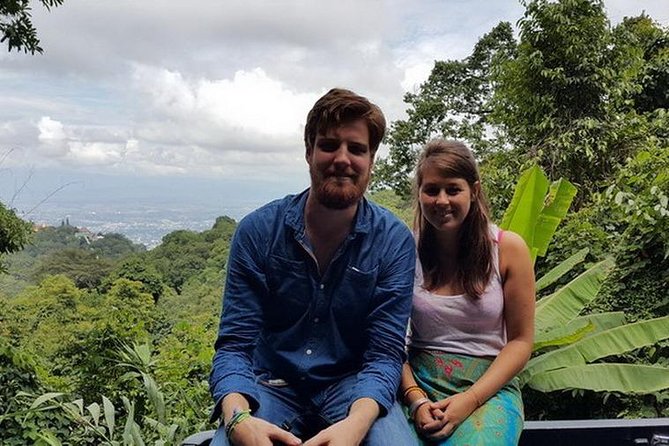
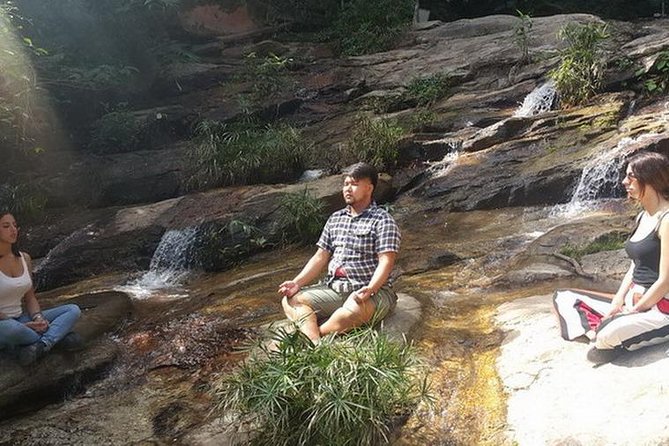
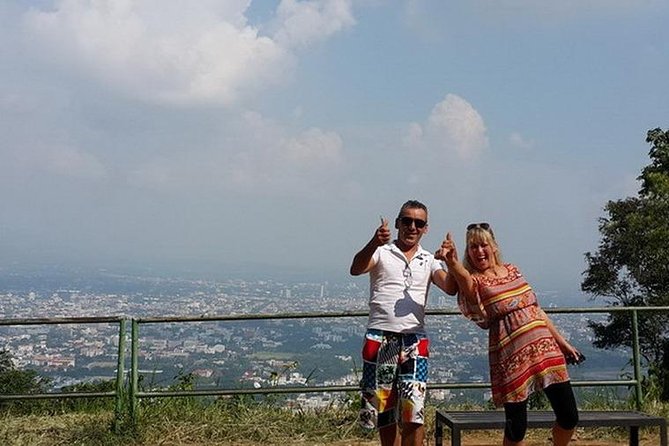
After the merit moment and candle/incense setup, you’ll shift into your own practice. You’ll learn basic walking meditation and sitting meditation, with mindfulness taught in a natural setting around the waterfall area. You’ll be up in the mountain zone with rainforest surroundings, and you’ll also get views toward Chiang Mai city.
If you’re a beginner, this is a smart way to start. Walking meditation is often easier than sitting still for long stretches. It gives your body a job—step, breathe, notice—rather than asking you to force calm from minute one.


Incense procession and the relic story
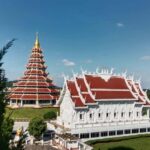
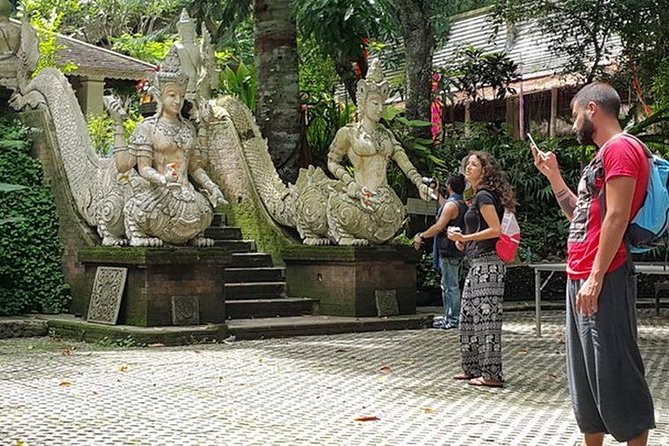
Later in the temple sequence, you’ll light incense sticks and a candle and participate in a candlelight procession connected to relics linked to a Buddha context. The details are explained by your guide, including the mention of relics connected to Schwedagon Pagoda in Myanmar and that Wat Pha Lat was built in a Burmese pagoda style.
This matters because it gives the ceremony meaning beyond the immediate moment. You start to understand why people repeat actions like lighting incense and dedicating merit—they’re building memory into devotion.
The guides make the difference (and you can feel it)
The biggest pattern in the positive experiences is simple: the guide helps you understand what you’re doing, and they keep the mood kind.
In past groups, guides such as Kat and Siripan/Sirpan stood out for being friendly, compassionate, and clear about both meditation practice and cultural context. That’s not a small detail. When you’re handling incense, choosing how to bow, and trying to follow mindfulness instructions at a waterfall, clarity is everything.
You’ll also find the best moments happen when you ask questions. This is where a small group helps. A max of 9 means you’re more likely to get a direct answer instead of a quick shrug and a photo stop.
Price and value: why $71.34 can be fair (if you know what you’re buying)
At $71.34 per person for roughly 4 hours, this isn’t a bargain-price street tour. It’s a cultural experience with guiding, temple entry costs covered, and included materials for the ceremony.
So what are you actually getting for your money?
- An English-speaking guide for the full half-day
- All fees and taxes
- Incense/candle set with flowers and gold leaf elements
- Travel insurance
- A planned itinerary that includes both waterfall and temple practice
- Pickup is offered (so you’re not stuck figuring out transport)
What you should expect to pay on top:
- Food & drink for the monk offering (not included)
- Any personal snacks or drinks outside the ceremony needs
Is it worth it? If you want a structured, respectful way to learn temple practice and try beginner meditation, yes. If you only want scenic waterfall photos and don’t care about ceremonies or etiquette, you may feel the cost is harder to justify.
The real talk on the monk chat vs. “real meditation”
This is the part where expectations should be managed.
Some people love the monk chat as a meaningful, human moment. Others feel the title wording can create the wrong expectation about how much meditation time you’ll have with the monk himself.
Here’s the practical way to think about it: your day includes a monk-involved ceremony (sermon/chat/blessing), but the meditation teaching and practice you’ll do is guided by the tour structure, not necessarily a long, monk-led silent session. If you’re the type who wants an hour-plus of seated meditation, this may feel short. If you want an introduction that includes instruction you can use later, it can be just right.
Temple etiquette tips that will save you stress
You don’t need to study Buddhism in advance, but you do need to be ready to follow cues.
What helps most:
- Dress respectfully for a Buddhist temple setting (cover shoulders and avoid overly revealing clothing).
- Move slowly on wet steps near the waterfall.
- Listen for guide instructions before you light incense or bow. It’s not about perfection. It’s about timing.
- Keep your questions simple: you can ask what a step means, and a good guide will translate it into plain language.
Also, pay attention to offerings. The ceremony uses food and drink you offer to the monk, and that part is not included. Some organizers ask you to plan these items ahead, so don’t wait until the last second.
Who should book this retreat
This half-day retreat is a good fit if:
- you want a meaningful culture and nature morning without a full-day commitment
- you’re curious about Buddhist meditation for beginners
- you like small-group tours that actually give you time to understand
- you want a guide who can explain both behavior and meaning, not just point
It might be less satisfying if:
- you’re expecting a long, monk-led meditation session
- you mainly want free time to explore independently rather than following an itinerary
- you don’t want to participate in offerings and ceremony steps
A simple checklist for your morning
You’ll be happier if you come prepared for a wet, active temple day:
- comfortable shoes with grip (waterfall areas can be slippery)
- a light layer for mountain air if the weather turns cool
- water for yourself outside the offering items (your personal hydration needs aren’t described as included)
- a respectful mindset: slow, listen, follow
If you’re unsure about what to bring for the monk offering, ask before you go. The tour provides the incense/candle set and ceremony materials, but the food and drink portion isn’t included.
Should you book this monk chat meditation on a Chiang Mai waterfall morning?
I’d book it if you want a calm, structured introduction to meditation and temple practice in a beautiful place, with time to do walking and sitting mindfulness—not just watch from the sidelines.
I’d skip or rethink it if you’re chasing a long meditation retreat vibe led by the monk for most of the 4 hours. The ceremony includes a monk chat and blessing, but the day still follows a tour flow with guided practice and instructions.
If you do book, treat it like a participation class: you’re learning a sequence of respect and attention. When you follow the guide’s cues and take the practice seriously—even for a short while—you’ll leave with something you can actually reuse later.
FAQ
How long is the meditation retreat?
It runs for about 4 hours.
What time does the tour start in Chiang Mai?
The start time is 8:00 am.
Is pickup included?
Pickup is offered.
Is this tour a small group?
Yes. The maximum group size is 9 travelers.
What’s included in the price?
Included are an English-speaking guide, travel insurance, all fees and taxes, and an incense/candle set with flowers and gold leaf items.
Do I need to bring anything for the monk offering?
Food & drink to offer the monk are not included, so you’ll need to handle that part separately.
Are admission tickets required for the stops?
The details provided list admission as free for both Huay Keaw Waterfall and Wat Pha Lat.
Is there a mobile ticket?
Yes, the tour uses a mobile ticket.
Is free cancellation available?
Yes. You can cancel up to 24 hours in advance for a full refund.
Is the tour suitable for most people and are service animals allowed?
Most travelers can participate, and service animals are allowed.