REVIEW · CHIANG MAI
Chiang Mai Monk’s Trail Wat Pha Lat & Visit Wat Doi Suthep
Book on GetYourGuide →Operated by CHIANGMAI SIAM TRAVEL LTD.,PART. · Bookable on GetYourGuide
That monk’s trail walk changes your whole mood. I love the quiet, hidden feel at Wat Pha Lat, and I also love the way the day ends at Wat Phra That Doi Suthep with big temple views over Chiang Mai. One thing to consider: the walk on the monk’s trail is real walking, with uneven ground, roots, and rocks.
This is the kind of morning plan that rewards good shoes and a calm pace. You’ll ride in an air-conditioned private vehicle, then spend time with an English-speaking guide who explains the mix of Buddhism and local beliefs you’ll see in the temples. If you’re expecting a gentle stroll the whole way, you might be disappointed.
The tour runs about 5 hours, with drop-off around 12:00–12:30 pm. It’s not a late-afternoon temple circuit. It’s a focused, half-day reset.
In This Review
- Key Highlights Worth Booking For
- Why Wat Pha Lat and Doi Suthep Fit Together
- Morning Logistics: Pickup, Private Car, and a 12:30 Finish
- Wat Pha Lat: A Hidden Temple With Thai-Burmese Style Calm
- The Monk’s Trail Walk: 45–60 Minutes Downhill or Up the Hill
- Wat Phra That Doi Suthep: Sacred Relic Story and Panoramic Payoff
- The 306 Steps and the Reality of Your Legs
- The Golden Pagoda and the Buddha Relic
- Panoramic Views That Feel Worth the Climb
- Your Guide Changes Everything: From Plants to Philosophy
- Price and Value: Is $73 Worth It?
- What to Bring (and What Might Surprise You)
- Who This Tour Suits Best
- Should You Book This Tour?
- FAQ
- How long is the tour?
- What does the price include?
- Is this a private tour or a group tour?
- Where does pickup happen?
- What is the schedule for getting back to Chiang Mai?
- How long is the monk’s trail walk?
- Can I choose to walk uphill or only downhill?
- Is there cable car access to Wat Phra That Doi Suthep?
- How many steps does Doi Suthep have?
- Is the tour wheelchair accessible?
Key Highlights Worth Booking For
- Wat Pha Lat’s peaceful jungle setting and a temple style that blends Thai and Burmese influences
- A monk’s trail walk that lasts about 45 minutes to 1 hour, either downhill or uphill
- Wat Doi Suthep’s sacred symbolism, including the golden pagoda and its Buddha relic story
- Big Chiang Mai panoramas from Doi Suthep after a cable car ride
- English guides who talk culture, ritual, and plants, like Phon Phon, Danny, or Bun
Why Wat Pha Lat and Doi Suthep Fit Together
Most temple days in Chiang Mai try to cram everything into one big line-up. This one makes more sense. It starts at Wat Pha Lat, then shifts to the spiritual heavyweight that is Wat Phra That Doi Suthep.
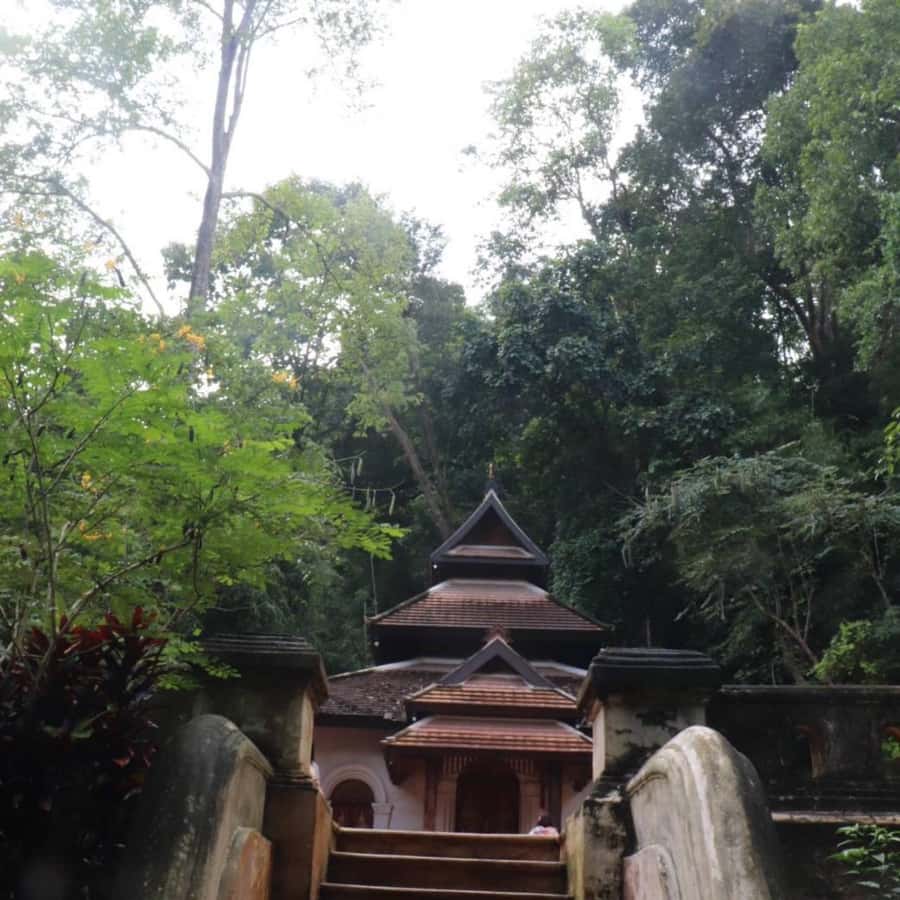
Wat Pha Lat is where you slow down. You’re walking toward a temple that feels hidden, tucked into a jungle setting, with a quiet, almost reflective atmosphere. It’s the sort of place where you can actually look around instead of just snapping photos.
Then Doi Suthep hits you differently. It’s northern Thailand’s best-known sacred temple, and it’s built for meaning and views. The day feels balanced: calm forest temple first, sacred high point second.
You can also read our reviews of more tours and experiences in Chiang Mai.



Morning Logistics: Pickup, Private Car, and a 12:30 Finish
This tour is built around convenience. A private, air-conditioned vehicle picks you up from your Chiang Mai hotel if you’re in the downtown area (within 5 kilometers of the Thapae Gate / Old City wall). If you’re farther out, you’ll wait at a meeting point instead.
You’re not wandering between stops on your own. That matters on a half-day schedule. It also matters if the weather turns humid or rainy, because you’ll still get to start and finish without stress.
You’ll return to your hotel around 12:00–12:30 pm. So you still have the rest of the day for markets, lunch, or a massage. This isn’t a full-day commitment.
Wat Pha Lat: A Hidden Temple With Thai-Burmese Style Calm
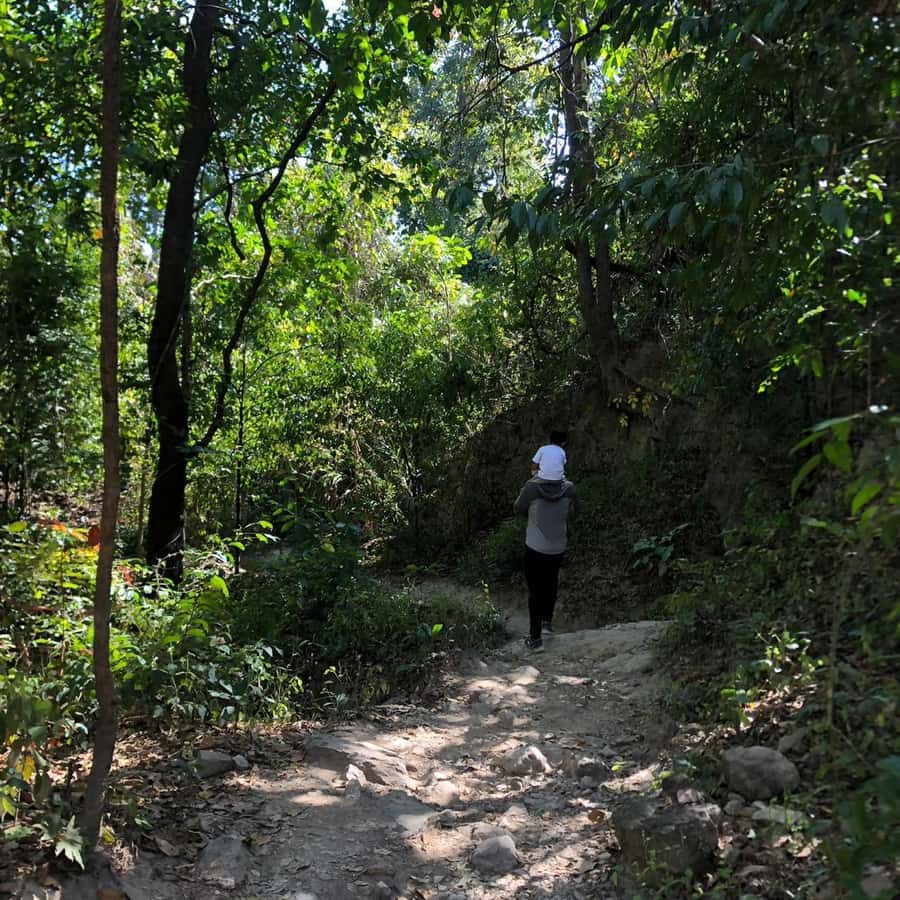
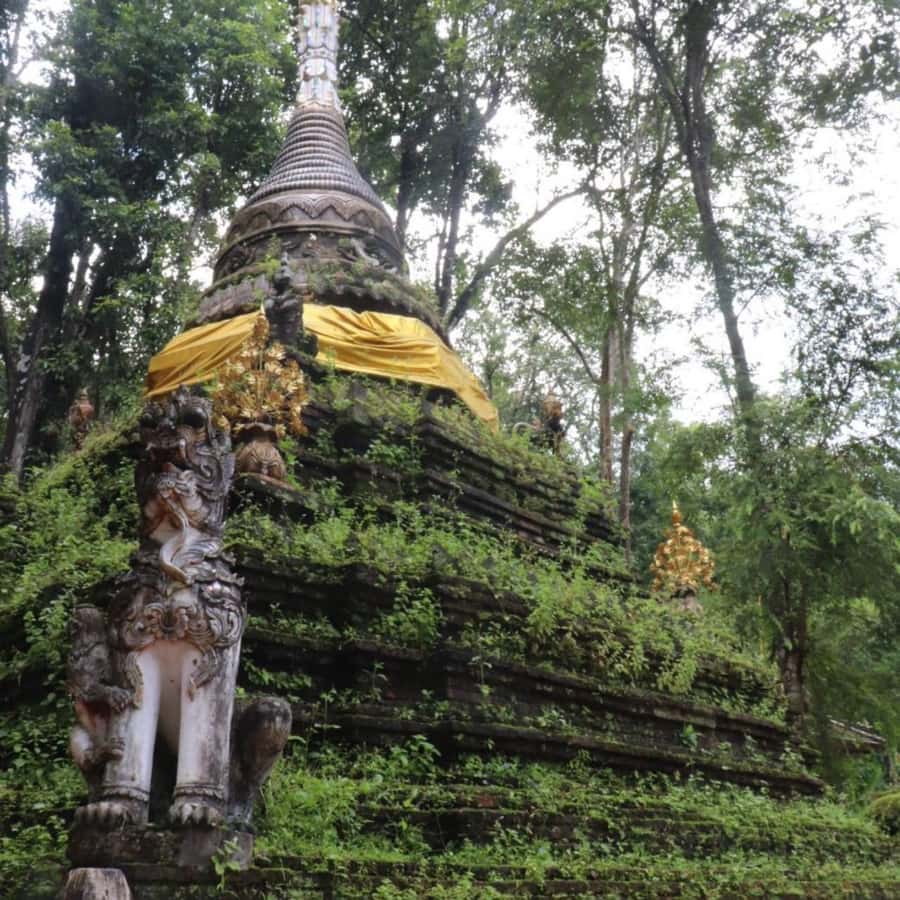
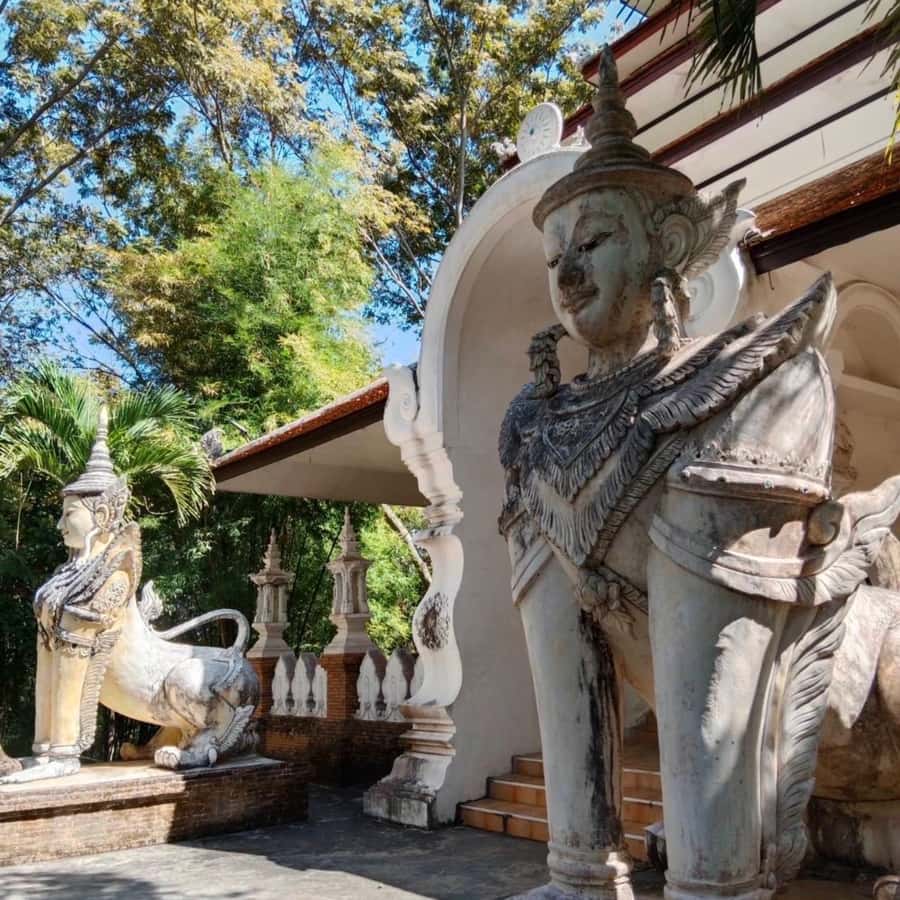
Wat Pha Lat is the early highlight because it feels different from the bigger, more tour-heavy temples. You’re visiting a temple that blends Thai and Burmese style elements and sits in a more secluded, jungle-like environment. It’s often described as a peaceful, almost magical setting, and you can see why once you’re there.
This place is about atmosphere. You’re not just ticking a box. You’re experiencing a temple setting that encourages quiet attention—meditation vibes, softer light, and that sense of being away from the city.
And the guide’s job becomes more important here. A good guide can point out details you’d normally miss: the way temple styles blend, how space is used for quiet worship, and what locals might pay attention to when they visit.
The drawback? Because it’s tucked into more natural surroundings, you’ll want to accept that the ground can be uneven. Bring the shoes you’d wear for walking, not sandals.
The Monk’s Trail Walk: 45–60 Minutes Downhill or Up the Hill
After Wat Pha Lat, the experience moves into the woods: a monk’s trail walk of about 45 minutes to 1 hour.
You get two options:
- Walk downhill for a quieter descent feel
- Choose to walk up the hill if you want more effort and a more direct climb
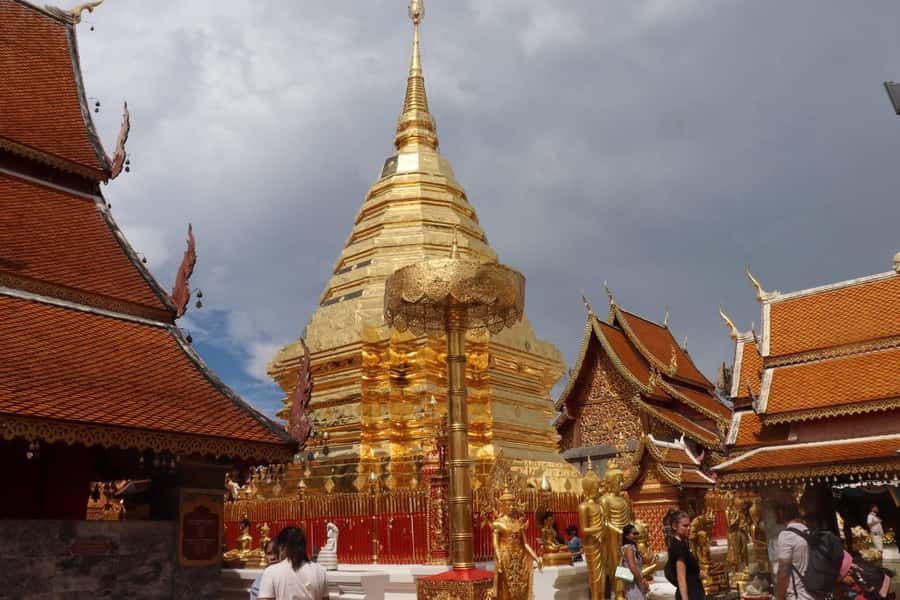
Either way, you should treat this as a hiking portion, not a flat nature stroll. The trail can have plenty of rocks and roots, and it asks for steady footing. Even in dry weather, you’ll feel it in your legs if you’re not used to uneven paths.
One smart practical tip: move slowly and let your guide set the pace. In a group setting, the guide can adjust the rhythm, including adding breaks if someone in your party needs slower going. That difference can turn a stressful walk into a calm one.
If you hate crowds, there’s also a strategy that can help. In similar tours, doing the route in a reverse order (when your guide is able to adjust the flow) has been used to cut down on busy moments. It’s not about tricking the system. It’s just about timing and flow.
Wat Phra That Doi Suthep: Sacred Relic Story and Panoramic Payoff
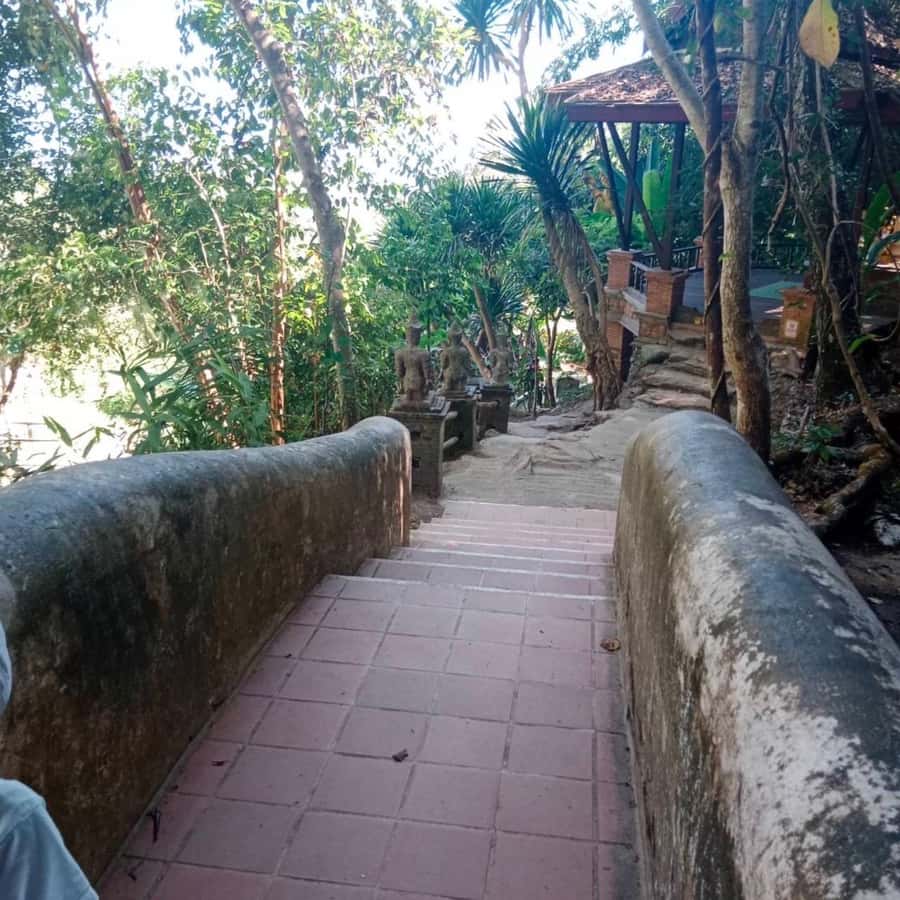
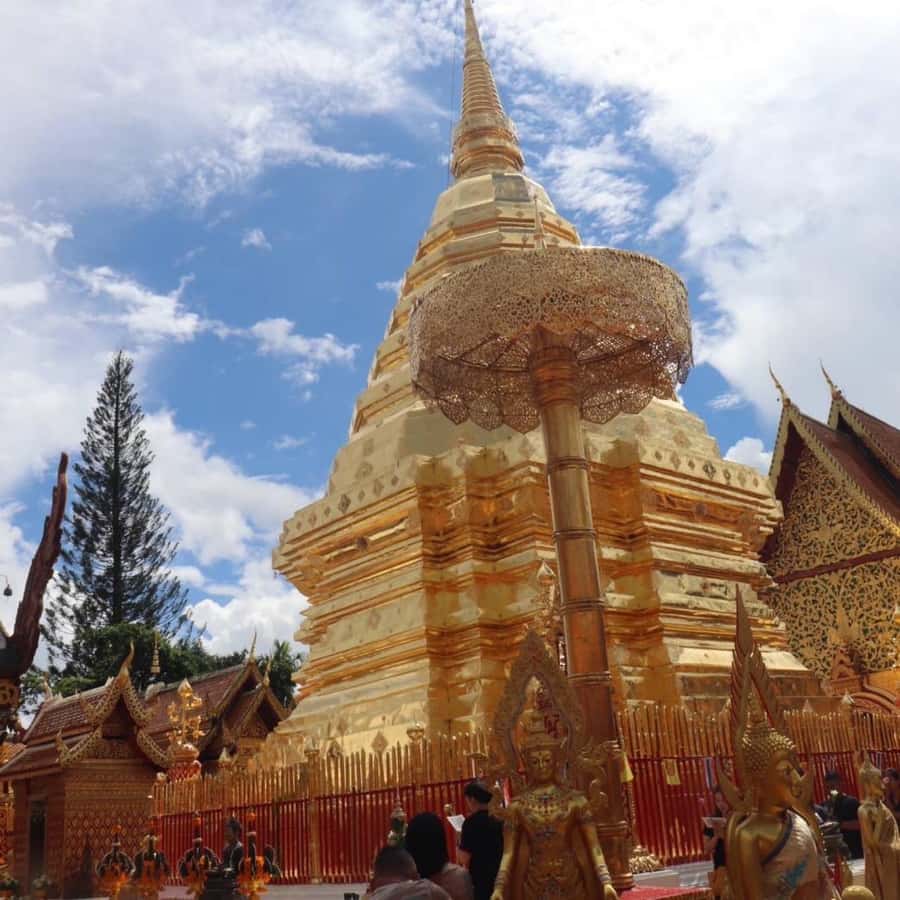
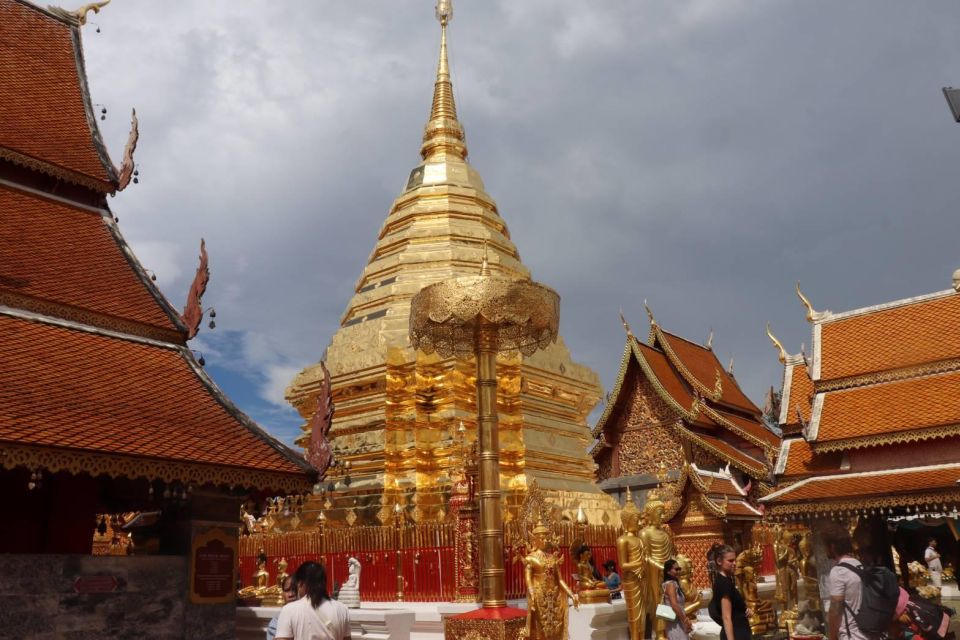
Then it’s time for Wat Phra That Doi Suthep, one of northern Thailand’s most sacred temples. You can’t miss it once you get close. The temple complex sits up high, and the views over Chiang Mai are part of the attraction.
A couple of concrete things you’ll run into here:





The 306 Steps and the Reality of Your Legs
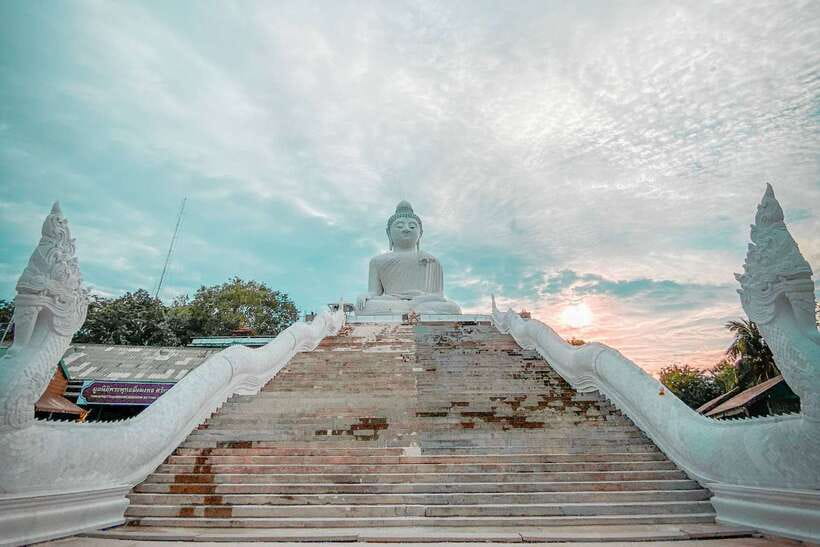
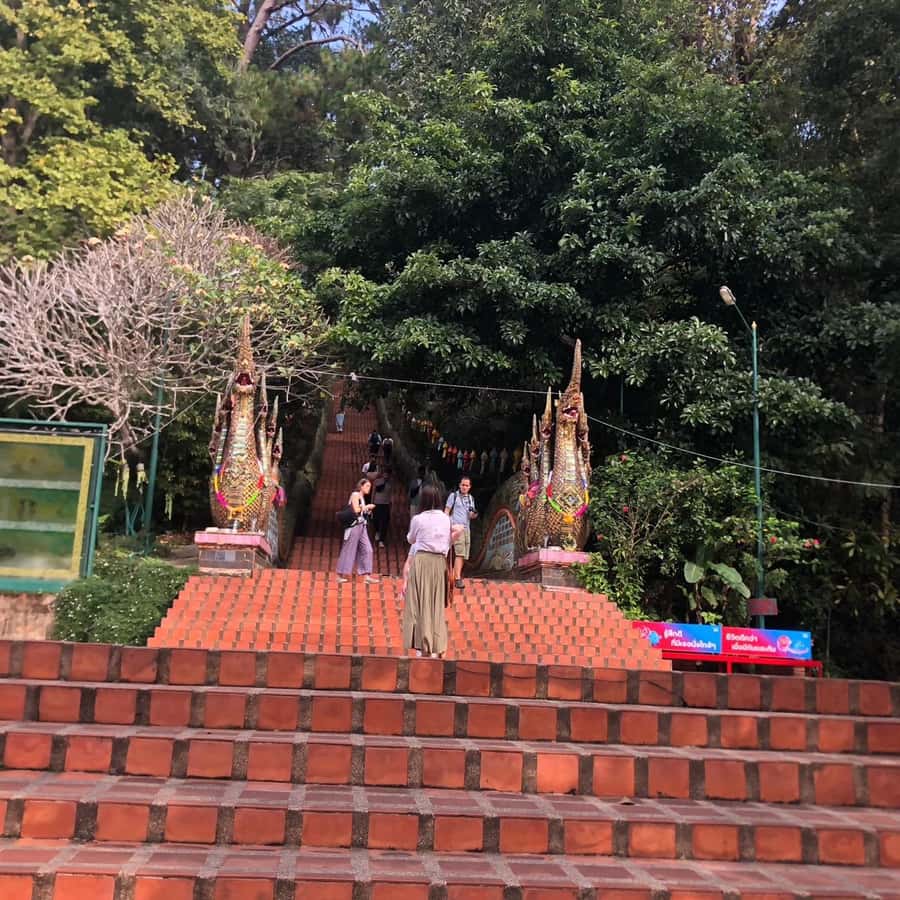
There’s a famous 306-step stairway up to the temple area. Even if you use the cable car for the main ascent (and this tour includes the cable car up), you’ll still get the full sense of why people associate Doi Suthep with effort and devotion.
The Golden Pagoda and the Buddha Relic
The golden pagoda is tied to a relic story: it was built in the 14th century to enshrine a piece of Lord Buddha’s shoulder bone. That’s the kind of detail that changes how you look at the structure. It’s not just decorative gold. It’s part of a tradition of reverence.
Panoramic Views That Feel Worth the Climb
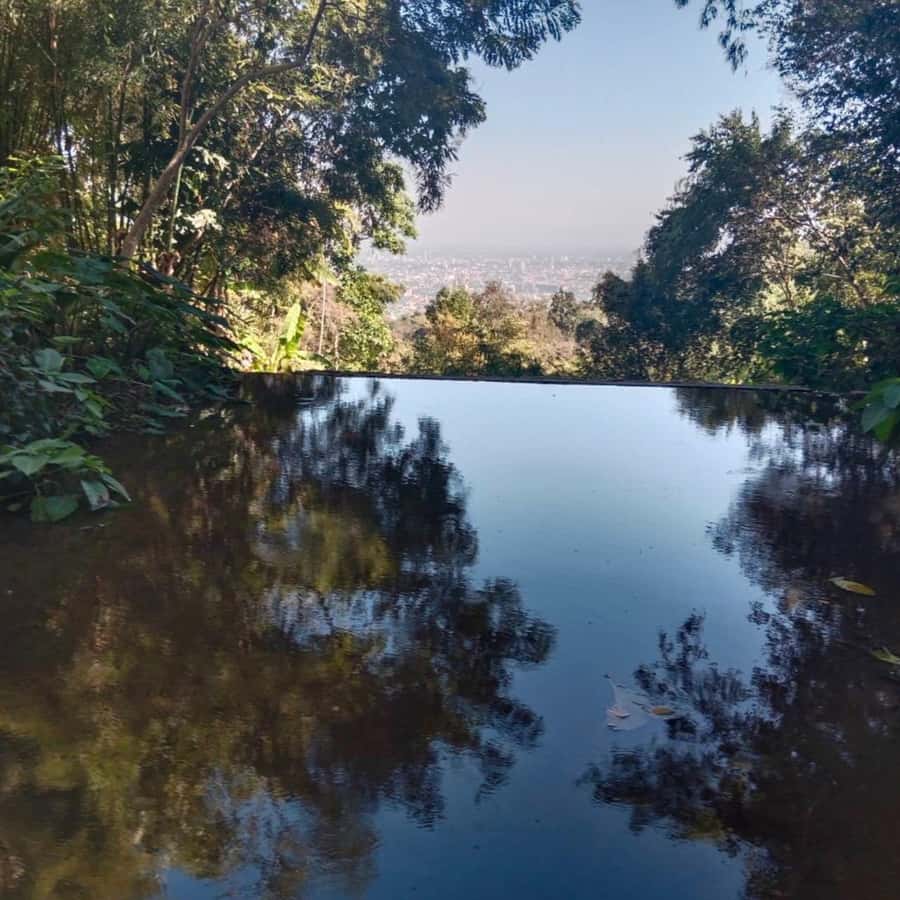
From the temple area, the viewpoint is the reward. Even on cloudy days, Doi Suthep has that dramatic “from up here, life looks different” feeling. The air can be clearer, and the whole city layout looks more readable.
If you’re the type who likes photos, plan to spend a few slow minutes just looking first, then photographing. It keeps you from rushing through what’s actually a moving, spiritual site.
Your Guide Changes Everything: From Plants to Philosophy
This tour is a private group with an English-speaking guide, and the guide’s approach shows up fast. Some guides go heavy on cultural context. Others go heavy on practical noticing. Either way, it matters.
In past experiences with guides like Phon Phon, the big win was the clear passion for Buddhist philosophy and local beliefs, including animist rituals. That combination is important in Chiang Mai. It’s not only about one religion. It’s about how people practice meaning in daily life.
Guides like Danny have been praised for making the natural world feel connected to culture—talking about plants and how local people see the environment around temples. That kind of detail turns the walk into more than exercise.
And Bun is a name that stands out for patience and kindness, especially when someone in the group needed extra time during the hike. That’s a real quality on a trail that can be uneven. A calm guide helps everyone travel at a pace that actually works.
Price and Value: Is $73 Worth It?
At $73 per person for about 5 hours, the value is in what’s bundled, not just the total number.
You get:
- A private air-conditioned vehicle with hotel pickup and drop-off
- Entrance fees and the cable car up to Doi Suthep
- Drinking water
- An English-speaking guide
- Accident insurance
If you try to piece this together on your own, the biggest costs aren’t always money—it’s time and coordination. You still need transport up the mountain, you still need to plan the temple visit, and you might not get the cultural explanations that make the stops feel meaningful.
This tour is best value when you want a guided day that saves you the “figure it out” part. It’s also best value when you care about context more than ticking a list of sights.
What to Bring (and What Might Surprise You)
This day mixes temple time with a trail. That means your packing list matters.
Bring:
- Hiking shoes with grip
- Sunscreen
- Insect repellent
- Long pants
- A camera
Now for the part that can surprise people: weather. Even with clouds or rain, temple mornings can still happen. The trails can get slick, and rocks become more dramatic underfoot. That’s why shoes are non-negotiable.
Also note the tour isn’t suitable for wheelchair users. The monk’s trail portion is part of the experience, and it’s not built for wheel access.
Who This Tour Suits Best
This works well if you’re:
- Happy with a 45–60 minute walk on uneven ground
- Interested in how temples connect to local belief systems
- Looking for a guided day that still feels calm, not rushed
It can also work for families, but with the right mindset. One of the strongest points from guide feedback is the ability to adapt to slower members in the group. If your group includes an older person or someone who tires easily, you’ll want to plan your pace and accept that breaks are normal.
If you want a totally flat, low-effort outing, you’ll likely prefer a different temple-only day.
Should You Book This Tour?
I’d book it if you want a thoughtful, half-day temple experience that mixes forest calm with high sacred views. Wat Pha Lat is quieter and more atmosphere-driven, while Doi Suthep gives you the big spiritual payoff and the famous panoramic look over Chiang Mai.
I wouldn’t book it if you have mobility limitations or you’re set on a gentle walk. This is a “comfortable for walkers” tour, not a low-impact one.
If you can handle a bit of uneven trail terrain and you want your guide to explain what you’re seeing, this is a strong choice for your Chiang Mai morning.
FAQ
How long is the tour?
The tour lasts about 5 hours.
What does the price include?
It includes a private air-conditioned vehicle with hotel pickup and drop-off, entrance fees and the cable car up to Doi Suthep, drinking water, an English-speaking guide, and accident insurance.
Is this a private tour or a group tour?
It’s a private group tour.
Where does pickup happen?
Pickup is included in Chiang Mai downtown and within a radius of 5 kilometers from the Thaphae gate (Old City wall). If your hotel is farther than that, you’ll come to wait at a meeting point.
What is the schedule for getting back to Chiang Mai?
You’ll be dropped off at your accommodation at around 12:00–12:30 pm.
How long is the monk’s trail walk?
The monk’s trail walk is approximately 45 minutes to 1 hour.
Can I choose to walk uphill or only downhill?
Yes. You can choose to walk downhill, or you can walk up to the hill.
Is there cable car access to Wat Phra That Doi Suthep?
Yes. Cable car up to Doi Suthep is included in the tour.
How many steps does Doi Suthep have?
The stairway is described as having 306 steps.
Is the tour wheelchair accessible?
No, it is not suitable for wheelchair users.