REVIEW · CHIANG MAI
Chiang Mai: Elephant care & Long Neck &Sticky Waterfall Tour
Book on GetYourGuide →Operated by CHIANGMAI SIAM TRAVEL LTD.,PART. · Bookable on GetYourGuide
A sticky waterfall and elephants, no riding. That combo makes this 9-hour Chiang Mai tour feel like a full day out of the ordinary, mixing elephant care in a rescue setting with the famous climbable Bua Tong Sticky Waterfall plus a visit to the Karen Long Neck hilltribes community.
Two things I really liked: you get hands-on elephant-care moments that focus on support, feeding, and bathing routines (no rides), and you spend real time at sticky limestone cascades you can climb up and back down. One thing to plan for: it’s walking-heavy, and you’ll get wet—so your footwear choice actually matters.
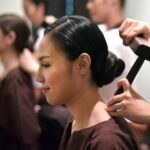
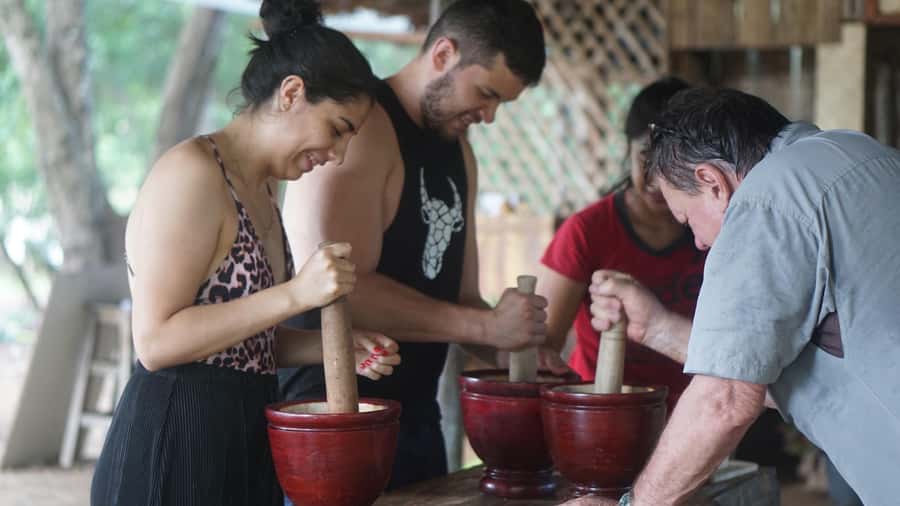
The big win here is the way the day is structured. You’re not just watching from a distance. You’re in the mix—changing into local costume, preparing elephant food, doing medicine ball activities, and then joining a walk that ends with mud spa and bathing along the Maetang river.
The other big win is Bua Tong. It’s not a “stand and snap photos” waterfall stop. You climb and scramble on limestone steps that feel grippy underfoot. It’s fun in hot weather, but it takes effort—and your knees-to-shins will pay the price.
In This Review
- Key things that make this tour worth your time
- How this Chiang Mai day balances elephants, Karen culture, and Bua Tong
- Private hotel pickup and the 9-hour pace you should expect
- Karen Long Neck hilltribes village: what you’ll actually do there
- Bua Tong Sticky Waterfall: the walking, wet feet, and photo moments
- Elephant care with no riding: what the rescue home experience really includes
- Lunch and timing: how to avoid the most common day-tour mistake
- What to pack for sticky waterfalls and elephant mud spa
- Price and logistics: where the value comes from (and what you might compare)
- Who should book this tour in Chiang Mai?
- Guides and the difference a good English speaker makes
- Should you book this Chiang Mai long-neck, sticky waterfall, and elephant care tour?
- FAQ
- How long is the Chiang Mai elephant care and sticky waterfall tour?
- Is hotel pickup included?
- Is this a private tour or a shared experience?
- Do you ride the elephants?
- What stops are included in the day?
- What language is the guide?
- What should I bring for the sticky waterfall and elephant care?
- How does cancellation work?
Key things that make this tour worth your time
- Elephant care without riding: You support a rescue home and interact in a care-focused way.
- Medicine ball + feeding activities: You’re part of the routine, not just a spectator.
- Karen Long Neck village visit: You can shop for souvenirs and take respectful photos.
- Bua Tong Sticky Waterfall climbing: Limestone steps mean movement, not just looking.
- English live guide: Guides like Gong, Bird, and Austin have been mentioned for clear, friendly support.
- Private group with air-conditioned pickup: You start in comfort and keep the day organized.
How this Chiang Mai day balances elephants, Karen culture, and Bua Tong
This tour works because it has three different textures in one day. You start with a hilltribes culture stop. Then you swap to a nature-and-animals experience focused on elephant survival support. Finally, you finish with a limestone waterfall that turns into an active cooling session.
I like that the elephant portion is explicitly no riding. That matters in Chiang Mai, where the ethics of elephant tourism vary a lot. Here, the day centers on caretaking and routines—feeding, medicine ball interaction, then mud spa and bathing. It feels more aligned with the idea of helping elephants live well with nature rather than treating them like a photo prop.
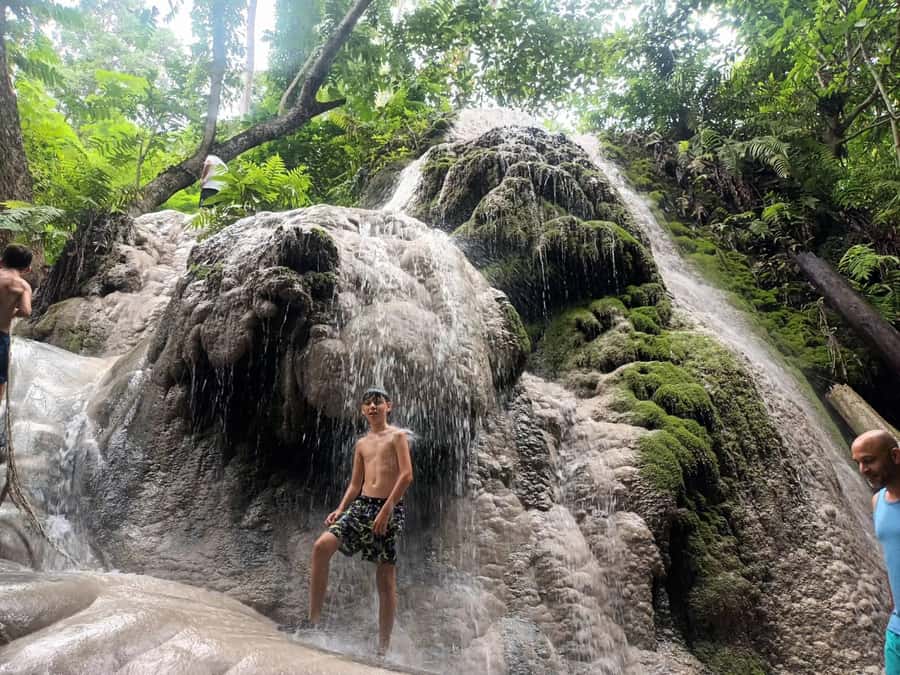
And I like that the waterfall stop is the “do something” kind. Bua Tong Sticky Waterfall is the famous limestone cascade in Chiang Mai, and it’s one of the places built for climbing. If you’re the type who gets bored at look-only attractions, this scratches that itch.
You can also read our reviews of more tours and experiences in Chiang Mai.



Private hotel pickup and the 9-hour pace you should expect
You’ll be picked up from your hotel in Chiang Mai downtown, within a 5-kilometer radius. If you’re farther out, you’ll pay extra for transportation. It’s a private group setup, and the car is air-conditioned—nice when the morning starts warm and you’re heading out toward the Mae Rim District and Mae Taeng District.
The day runs about 9 hours, and the typical flow is steady rather than rushed. Expect a comfortable start, then three anchor stops:
- Karen Long Neck hilltribes village
- Bua Tong Sticky Waterfall
- Elephant care in the rescue home setting, with lunch worked into the middle
Your practical takeaway: plan your day around this like a “real excursion.” Leave room for getting wet at the waterfall, changing clothes for the elephant portion, and walking through multiple areas without a long break.
Karen Long Neck hilltribes village: what you’ll actually do there
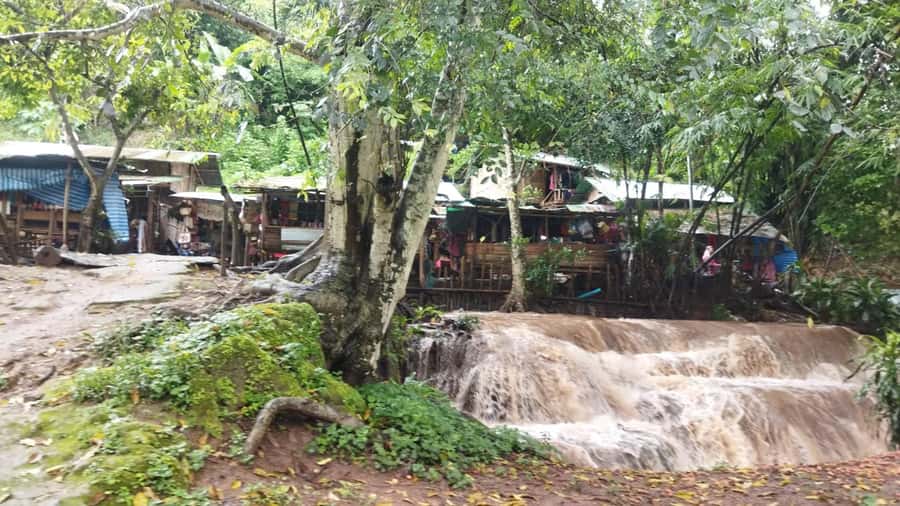
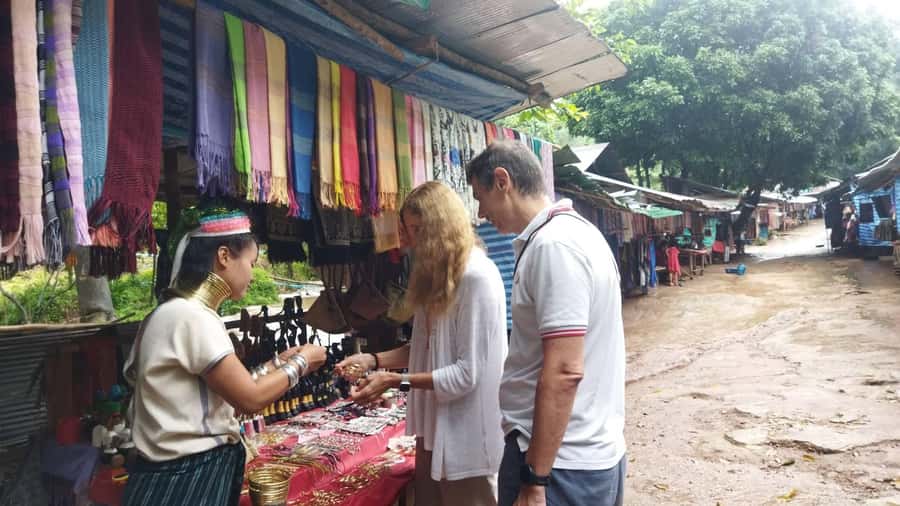
The Karen Long Neck village stop is the cultural piece of the day. You’ll get a chance to visit the community and (based on how this is usually run) browse and interact in a market setting. One reviewer highlighted that the Karen Long Neck market is a good spot for gifts and souvenirs, plus taking pictures with the Long Neck women in a respectful way.
Respect part matters here. Dress modestly where you can, ask before photographing, and keep your tone calm. The goal isn’t to “collect a snapshot.” It’s to recognize you’re visiting a community, not a theme park.
Also: this portion tends to be more about observation and light interaction than big-ticket activities. You might come away with a few photos, some handmade items, and a better understanding of how the community presents itself for visitors.
If you’re hoping for a deep cultural lecture, you may get more of that from your English guide than from the village alone. Some guides named in feedback—like Gong, Bird, and Austin—have been praised for sharing context and answering questions along the way.
Bua Tong Sticky Waterfall: the walking, wet feet, and photo moments
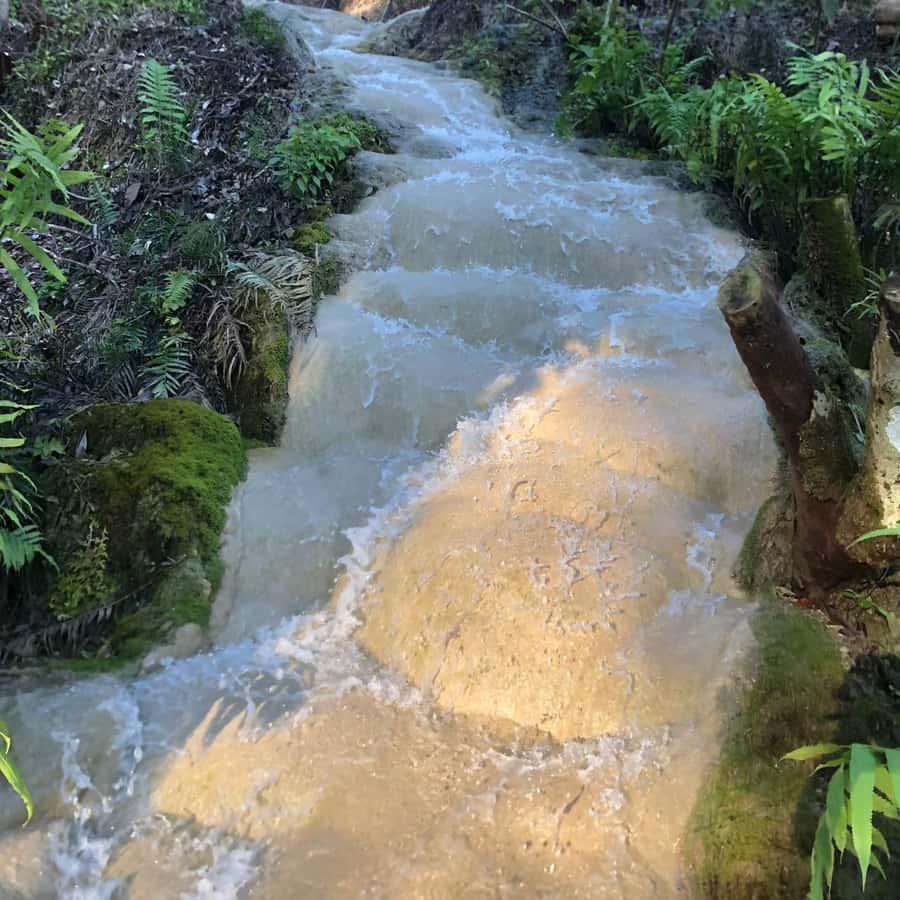
Bua Tong Sticky Waterfall (often called the sticky waterfalls) is the reason many people pick this tour. It’s famous for its limestone steps that feel grippy, which is why you can climb up and climb down—rather than just standing at the bottom.
Here’s what you should plan for:
- You’ll be moving a lot. This is not a gentle stroll.
- You will get wet. At least one review noted water won’t be higher than above the knee, but it can still splash into the area that feels most annoying in humid weather.
- You’ll need good traction. Some people wore barefoot; others recommended swim shoes for comfort and grip.
If you hate wet socks, bring a plan. Sandals can work, but they can get heavy or slippery once everything soaks through. Flip-flops might feel easy at first, then turn into a nuisance on slippery limestone. A pair of quick-dry water shoes or swim shoes gives you peace of mind, especially if you’re not a confident climber.
Photo tip: the waterfall setting is great for forest-and-water atmosphere shots, but you’ll get better results if you’re willing to move toward better viewpoints on the limestone. In other words, bring energy for climbing, not just a phone.
Elephant care with no riding: what the rescue home experience really includes
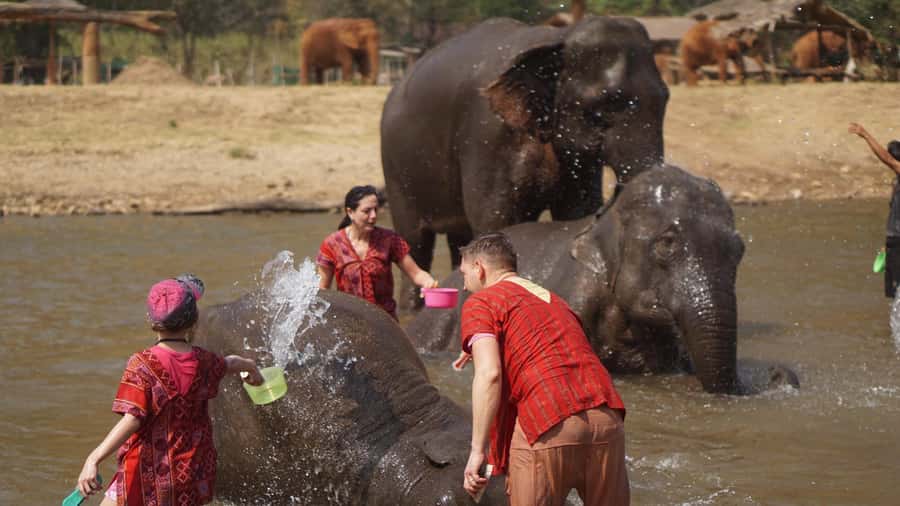
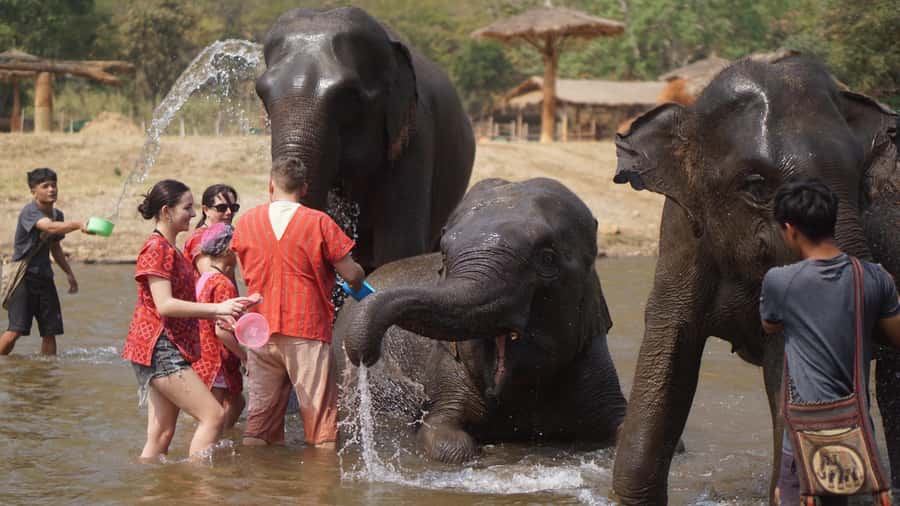
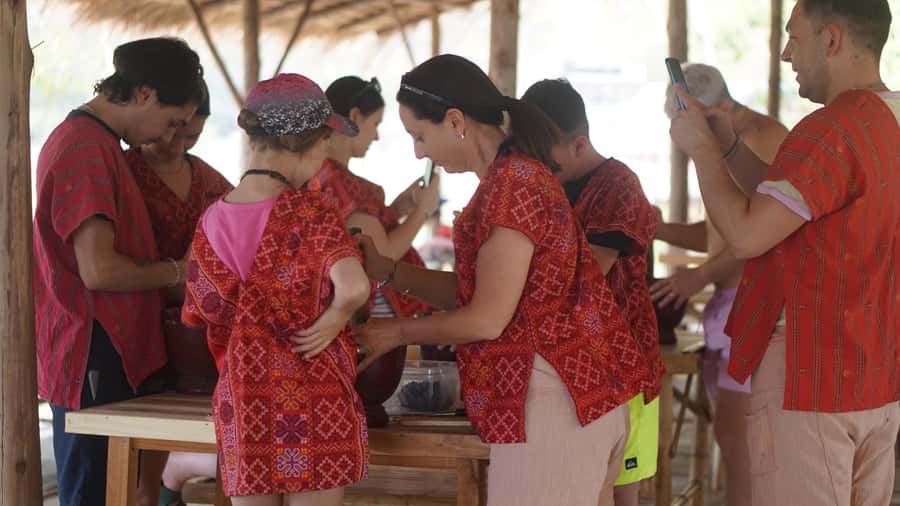
This is the heart of the tour, and it’s also where your expectations should be clean and honest. You are not getting an elephant ride. Instead, you join a sequence of care activities in a rescue home environment where elephants live with nature and where the work focuses on support and survival.
The day’s elephant segment includes:
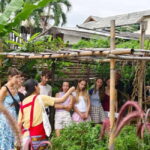
- Prepare food for the elephants
- Do medicine ball activities
- Receive information about the elephants and their needs
- Interact, feed, and take pictures
- Change clothes into local costume
- Walk with the elephants
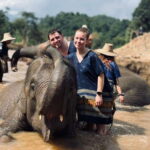
- Mud spa and bathing along the Maetang river
That list sounds straightforward, but the meaning is bigger. You’re getting a behind-the-scenes look at routine caretaking. Even if you don’t fully understand everything your guide explains, you can still see the care logic: food preparation, safe interaction, and then hygiene work like mud spa and bathing.
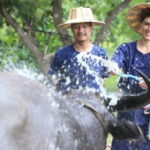
Walking to the mud spa matters too. It turns the elephant time from a quick “hand over feed” into an actual shared path. And the bathing on the Maetang river is the moment where the day feels playful and cooling. You get wet too, so mentally stack this with Bua Tong as part of the same “water day.”
A note on privacy and pacing: the elephant activities are not private. You may join with others in a small group. That’s normal for most sanctuaries and rescue-home style visits. If you want a quiet, one-on-one vibe, this may feel busy at times—but the ethical focus doesn’t depend on it being private.


Lunch and timing: how to avoid the most common day-tour mistake
Lunch is included, but you don’t want to treat that as a guaranteed “sit and rest” moment. In day tours like this, the lunch break often feeds into the next activity—especially before costume change and the elephant care segment.
My practical advice: eat enough to keep your energy up, but don’t overstuff. You’ll be active at the waterfall and then moving again around the elephants. Warm weather drains energy fast, and dehydration sneaks up.
If you’re the type who gets cranky when sweaty, pack water and plan to snack at any short stops you get. The provided packing list already points you toward sunscreen and insect repellent, which tells you the tour expects you to be outside and in contact with nature.
What to pack for sticky waterfalls and elephant mud spa
You’ll have a lot of small “wet and outdoor” moments, so pack like you’re dressing for two different outdoor workouts—then add one animal-care outfit change.
Here’s what to bring that’s directly useful for this itinerary:
- Comfortable shoes (seriously—your knees and feet will notice)
- Swimwear and a change of clothes
- Towel
- Sandals or flip-flops (good for quick transitions, not always for climbing)
- Sunscreen and sun hat (the sun is real in northern Thailand)
- Camera
- Insect repellent
- Personal medication
A small strategy that helps: pack your wet stuff in a separate bag so your dry items don’t get soaked. Also, keep a phone-ready bag or zip pouch in your day pack if you’re going to climb and splash at Bua Tong.
Price and logistics: where the value comes from (and what you might compare)
There’s no price listed in the info I have, so I can’t tell you if it’s the cheapest option. But you can still judge value by what’s included.
This tour offers a lot of the “hard parts” handled for you:
- Hotel pickup by private air-conditioned car
- A full day flow that connects culture, waterfall time, and elephant care
- Lunch included
- Live English guide
- A private group experience
The biggest value isn’t just the attractions. It’s the structure: you’re not stuck trying to line up transport, timing, and entry tickets between distant spots. For many people visiting Chiang Mai, that planning work is the actual hidden cost—time, stress, and coordination.
What you might compare:
- If you care most about elephants, check that the experience is truly no riding and emphasizes feeding/care and bathing routines (this one does).
- If your priority is waterfall climbing, make sure you’re comfortable with an active Bua Tong visit and getting wet.
- If you hate groups, note the elephant activities are not private; you may join a small group.
Who should book this tour in Chiang Mai?
This tour fits best if you:
- Want elephant time that focuses on care and support, not riding
- Like active nature stops and don’t mind climbing at Bua Tong
- Enjoy cultural visits where you can shop and learn, even if it’s not a long lecture session
- Prefer an English-speaking guide who can add context (feedback often praises guides like Gong, Bird, and Austin for clear communication and attentiveness)
It might be less ideal if you:
- Have knee or mobility limits, since there’s walking and climbing at the waterfall
- Want a very quiet, private-feeling elephant visit (your elephant activities can be in a small group)
- Prefer dry, low-effort sightseeing
Guides and the difference a good English speaker makes
One of the surprisingly strong points from feedback is guide quality. People praised guides named Gong, Bird, and Austin for clear English, helpful tips, and staying attentive throughout the day. That’s not a small detail.
In a tour like this, the guide is what turns it from “places you went” into “places you understood.” You’ll get more value from the elephant care routines and the cultural stop when someone explains what you’re seeing and answers questions in plain language.
If you book, use that advantage. Ask about elephant care routines, ask what’s respectful at the village, and ask what to expect at the waterfall in terms of slippery spots and where it’s safe to move.
Should you book this Chiang Mai long-neck, sticky waterfall, and elephant care tour?
I think you should book it if you want a day that feels real and active: ethical-minded elephant care with no riding, plus a climbable waterfall that actually gets you moving, plus a cultural stop you can browse and take photos from respectfully.
I’d skip it if you need a low-walk, keep-your-feet-dry type of outing, or if you’re strongly anti-group activities during the elephant portion.
If you’re on the fence, use this checklist before you commit:
- Am I okay getting wet and climbing at Bua Tong?
- Do I feel good about a rescue-home elephant experience that focuses on care routines?
- Will I enjoy a cultural village visit where I can shop and learn briefly?
- Can I handle a full 9-hour day with changing clothes and outdoor heat?
If you can say yes to those, this is a solid Chiang Mai choice—one where the day doesn’t just pass by. It sticks in your memory, for the right reasons.
FAQ
How long is the Chiang Mai elephant care and sticky waterfall tour?
The tour lasts about 9 hours.
Is hotel pickup included?
Yes. Pickup is included for hotels in Chiang Mai downtown within a 5-kilometer radius. If your location is farther than that, extra transportation fees apply.
Is this a private tour or a shared experience?
It’s a private group, but the elephant activities themselves are not private. You may join others as a small group.
Do you ride the elephants?
No. This experience is explicitly elephant care without riding.
What stops are included in the day?
You’ll visit the Karen Long Neck hilltribes village, the Bua Tong Sticky Waterfall, and then join elephant care activities at a rescue home (including mud spa and bathing).
What language is the guide?
The live tour guide provides English.
What should I bring for the sticky waterfall and elephant care?
Bring comfortable shoes, sun hat, swimwear, a change of clothes, a towel, sandals/flip-flops, camera, sunscreen, insect repellent, and any personal medication.
How does cancellation work?
You can cancel up to 24 hours in advance for a full refund.