REVIEW · CHIANG MAI
Chiang Mai: 2-Days Chiang Mai Amazing Trek
Book on GetYourGuide →Operated by Thai Eco Trek Adventures · Bookable on GetYourGuide
Northern Thailand moves at a slower pace.
This 2-day trek blends temples, jungle trails, and a real homestay so you feel outside Chiang Mai’s busy center.
Two things I really like: the mix of Doi Suthep Temple with the quieter Wat Pha Lat, and the way the trek includes waterfall stops plus terraced farmland. A built-in Karen village overnight also turns “tour time” into actual local time.
One thing to consider: the walking is moderate and the homestay is basic, so you’ll want solid shoes and a few personal comfort items.
In This Review
- Key points at a glance
- Why a 2-Day Chiang Mai Trek Feels Different
- Doi Suthep Temple and Wat Pha Lat: Two Temple Moods in One Morning
- The Countryside Market Stop and Local Lunches (How You’ll Eat)
- Day 1 Trek Through Forest, Waterfall, and Terraced Farmland
- Karen Hill Tribe Homestay: Basic Comfort, Real Connection
- Day 2: Herbal Medicine Lessons, Waterfall Stops, and Stream Crossings
- Bamboo Rafting Finale: Gentle River Time After the Climb
- Price and Value: Is $108 Fair for Two Days Like This?
- What to Pack for Moderate Trekking and a Basic Homestay
- Who This Tour Fits Best (And Who Might Skip It)
- Should You Book the 2-Days Chiang Mai Amazing Trek?
- FAQ
- FAQ
- How long is the Chiang Mai 2-Days Chiang Mai Amazing Trek?
- What’s included in the tour price?
- What activities will I do during the two days?
- Is the trekking difficult?
- What should I bring?
- Is the homestay comfortable?
- What meals are provided?
- What language is the tour guide?
- Does the tour include transportation from Chiang Mai?
Key points at a glance
- Doi Suthep + Wat Pha Lat: big views on one stop, calmer temple energy on another
- Forest trek with waterfall breaks: walking trails, riverside sections, and scenic farmland
- Karen hill tribe homestay: meeting families and sharing a home-cooked dinner
- Herbal medicine and biodiversity learning: guided nature education that stays practical
- Traditional bamboo rafting: a gentle float through jungle scenery to end the trip
Why a 2-Day Chiang Mai Trek Feels Different
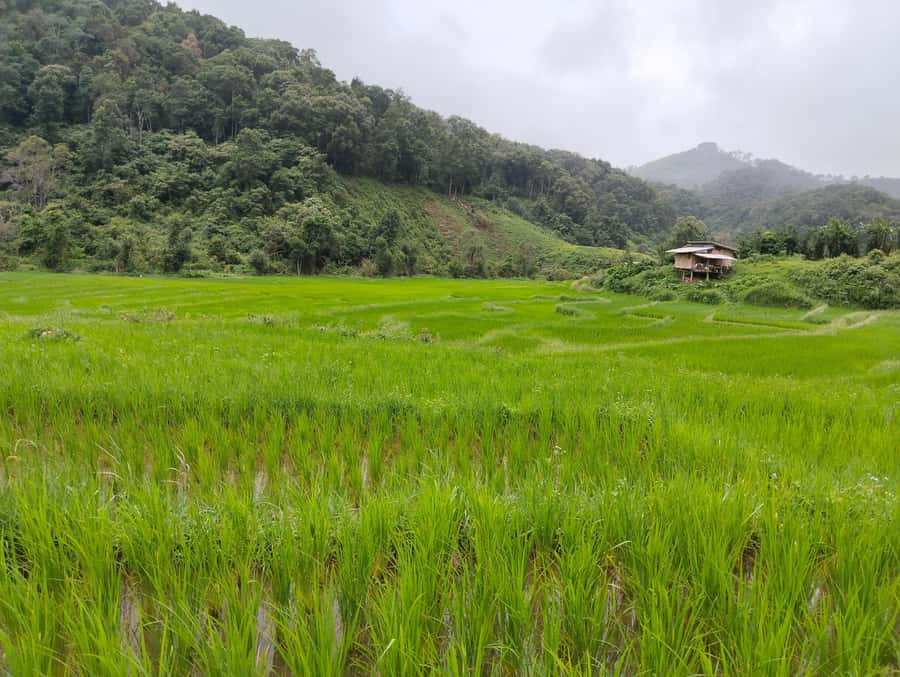
A 2-day trek in the Chiang Mai region is long enough to stop treating nature like a backdrop. You’ll actually move through it—temples first, then forest paths, then a countryside overnight, and finally a bamboo raft ride that slows everything down.
What makes this one especially appealing is the pacing. It’s not a nonstop “run to the next photo” schedule. Day 1 leans into culture and arrival, then day 2 builds into deeper forest hiking and ends on the river.
The other big win is that it’s built around local life, not just scenery. A countryside market stop and the Karen village homestay change the tone of the trip fast. You’re not only watching Thailand—you’re eating with the people and learning from your guide as you go.
You can also read our reviews of more hiking tours in Chiang Mai

Doi Suthep Temple and Wat Pha Lat: Two Temple Moods in One Morning
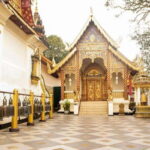
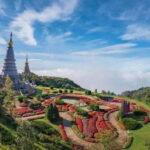
Day 1 starts with a scenic drive up the mountain to Doi Suthep Temple, a Chiang Mai icon for a reason. The temple sits high and gives you wide, panoramic views that make the climb feel worth it, even if you’re not the type who loves temple tours.
You also get Lanna-style architecture and the spiritual atmosphere that surrounds the site. It’s one of those places where the details matter—ornate design, hilltop setting, and the sense that people come here for a reason beyond photos.
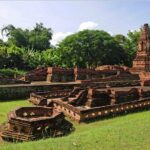
Then you shift to Wat Pha Lat, a quieter temple tucked into the jungle setting. This contrast is valuable. Doi Suthep gives you the famous overview; Wat Pha Lat gives you the quiet pause. If you’re hoping for a more balanced day—some spectacle, some stillness—this pairing works well.
Practical note: temple visits and mountain areas often mean stairs and uneven ground. Wear shoes you trust, not “pretty but slick” footwear.
The Countryside Market Stop and Local Lunches (How You’ll Eat)
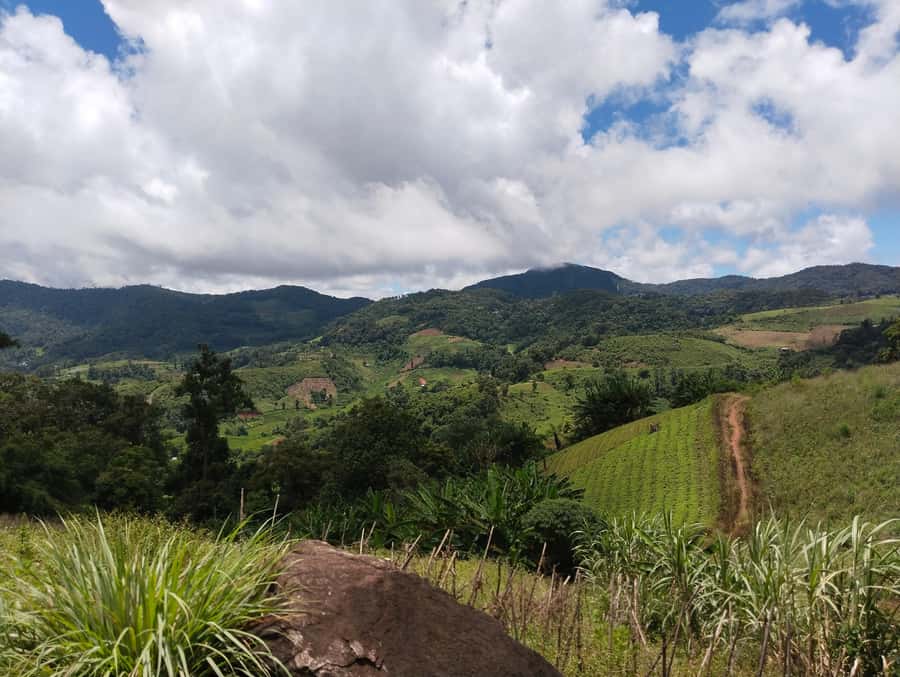
A simple thing can make a trek feel more local, and in this case it’s the market visit. You’ll stop at a countryside market to see everyday life in action and sample a traditional Thai snack.
Lunch is also handled in a way that keeps you fueled without derailing the day. You get lunch on both days, and on Day 1 it’s a fresh, seasonal meal at a local restaurant setting. On Day 2, you’ll recharge with another Thai lunch before the rafting part.
Why this matters: hiking days can be weird for food. If you arrive hungry and leave hungry, the trek feels harder than it should. Here, meals are planned so you can stay focused on what’s happening around you—waterfalls, riverside trails, farmland views—rather than thinking about snacks every 20 minutes.
Day 1 Trek Through Forest, Waterfall, and Terraced Farmland
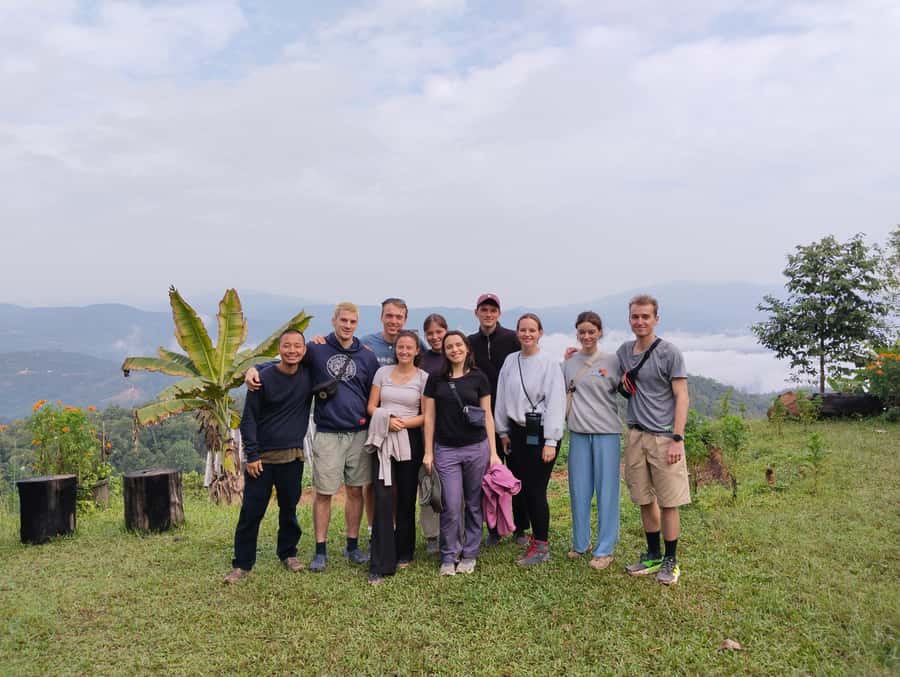
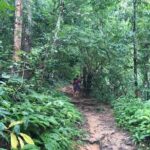
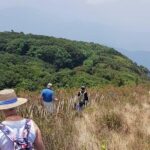
After temples and market time, the pace turns physical. You’ll begin a guided eco trek through lush forests, with a riverside trail portion that helps break up the walking into something more interesting than a straight line.
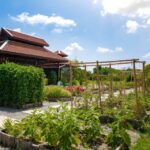
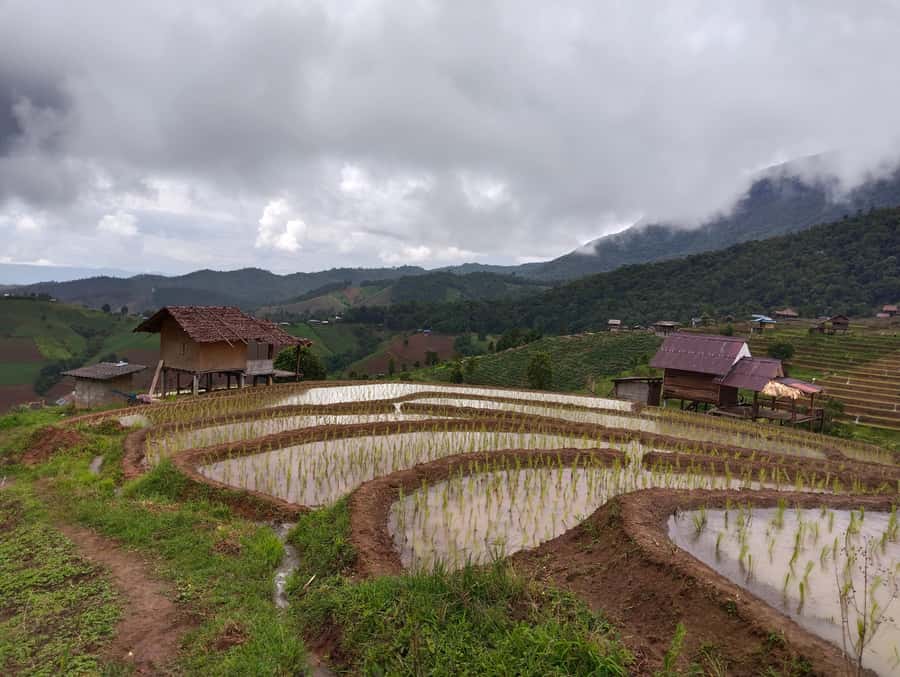
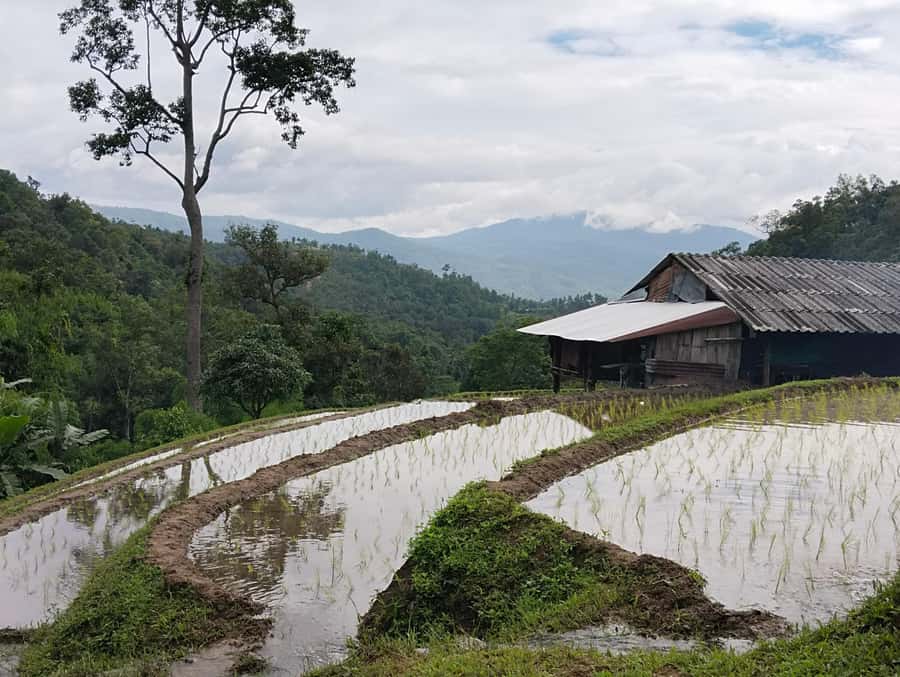
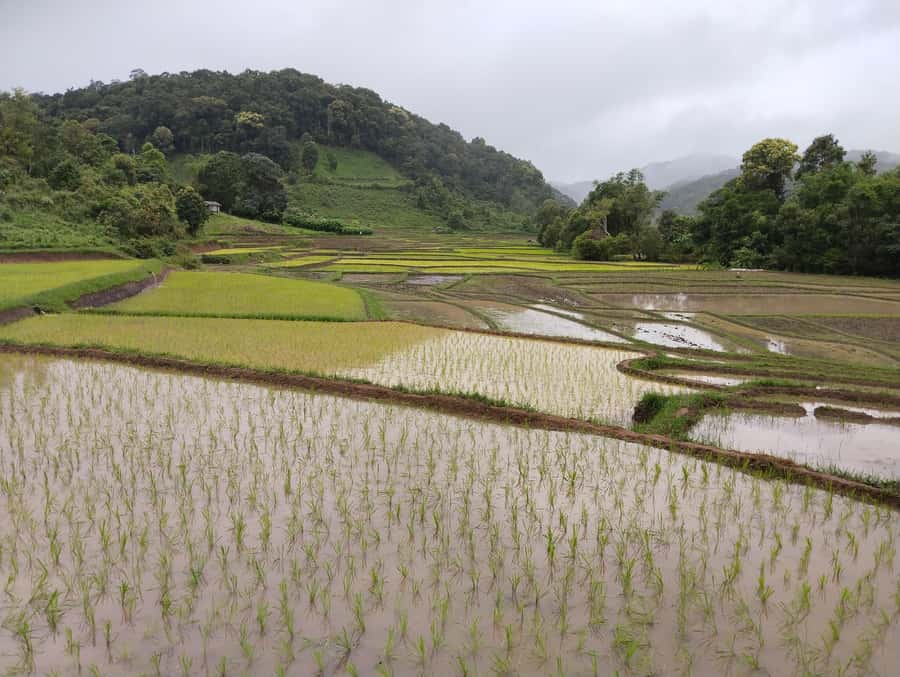
Along the route, you’ll visit a hidden jungle waterfall. It’s the kind of stop that gives you a reset: wet air, cooler temperatures for a moment, and a reason to slow down. The trek also passes terraced farmland, which adds a “human landscape” feel without taking you away from nature.
What makes the trekking more than just exercise is the learning built into the walk. Your guide shares information about native plants, sustainable farming practices, and local ecosystems. That’s helpful because it gives your brain something to do besides count steps.
If you’re bringing kids or you’re aiming for manageable effort, this is a good point in the schedule to choose comfortable walking pace. The route includes natural breaks like the waterfall stop and open farmland sections, so you’re not stuck grinding uphill for hours without a breather.
Still, it’s mountain terrain. Even when the effort is “moderate,” you’ll feel it—so don’t treat this like a casual city stroll.
Karen Hill Tribe Homestay: Basic Comfort, Real Connection

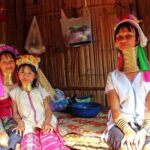
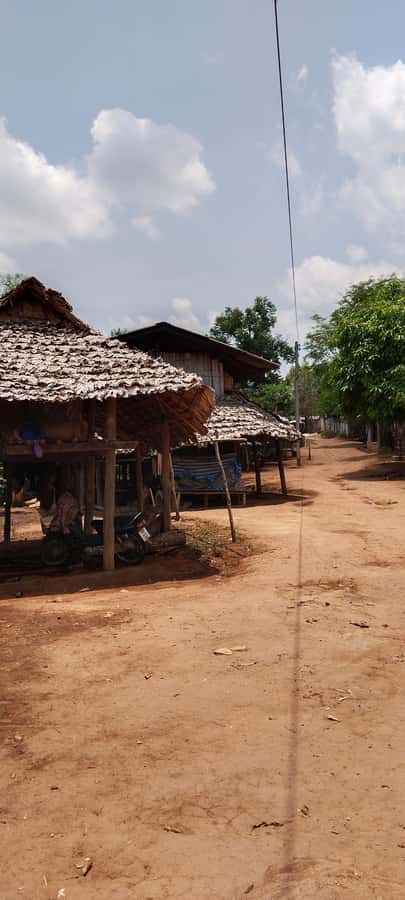
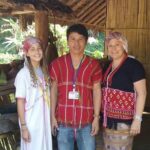
The overnight in a Karen hill tribe village is where this tour becomes more personal. You’ll arrive in the mountains, meet the locals, and then share a home-cooked dinner with your host family.
This homestay is also where you should adjust expectations. Accommodation is described as basic, more like a simple village setup than a hotel. That doesn’t mean unpleasant—it just means you should plan for simple facilities and pack for comfort.
A practical tip from experience shared by past participants: bring your own soap, towel, and toilet paper, plus anything else you need to feel comfortable overnight. Also pack insect repellent because it’s a village setting in nature.
The upside of basic lodging is the experience itself. You’ll sleep in a village atmosphere under the stars, and breakfast the next morning is part of the homestay life. If you want the kind of travel where you remember people and conversations as much as views, this is the moment that delivers.
A few more Chiang Mai tours and experiences worth a look
Day 2: Herbal Medicine Lessons, Waterfall Stops, and Stream Crossings
Day 2 starts with a homemade breakfast with your host family. It’s a small moment, but it sets the tone: you’re not just “returning to the tour,” you’re continuing the village experience before you head back into the forest.
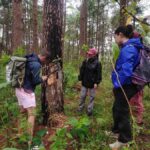
Then the trek resumes deeper into the woods. You’ll follow winding trails, cross small streams, and visit waterfalls as you move off the beaten path. This is the part that feels most like a real hike: more footwork, more changes in terrain, and more chances to get a bit muddy.
Your guide continues the educational angle with learning about local herbal medicine and regional biodiversity. Even if you don’t remember every plant name, the point is that the area’s natural resources are tied to everyday life. You’ll see how knowledge works in context—what grows locally, what it’s used for, and why biodiversity matters.
For families: you’ll likely appreciate that there are waterfall stops built into the walking. Stops help kids and adults keep up without turning the day into a nonstop grind.
Bamboo Rafting Finale: Gentle River Time After the Climb
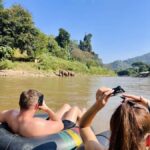
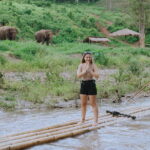
After lunch, the trip finishes with traditional bamboo rafting. This part is often what people look forward to because it balances the physical work from the trek with a calmer, float-down feeling.
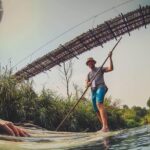
You’ll drift downriver on a bamboo raft through serene jungle scenery. The ride is positioned as a peaceful finale, and there’s usually time to look around without worrying about every step. You may spot local wildlife along the way, which adds variety without turning it into a tense activity.
Why bamboo rafting fits well here: it’s not only a cool cultural activity. It also gives your legs a break while your eyes keep working—trees, river bends, and a jungle view that feels different from the trails.
If you’re prone to getting motion-sick, you might still want to take it easy. But the tour framing is gentle and restorative, not chaotic.
Price and Value: Is $108 Fair for Two Days Like This?
At $108 per person, this isn’t a budget-only excursion, but it also doesn’t feel overpriced for what you’re actually getting. You have two full days of guided trekking, multiple included meals (lunch both days plus dinner Day 1 and breakfast Day 2), temple entry as part of the plan, a homestay overnight, and bamboo rafting.
The value is in the combination:
- Two big outdoor blocks (trekking + rafting) that take time and specialized guiding
- Cultural access (temple visits plus Karen village homestay) that’s hard to replicate on your own without local connections
- Food and transfers handled for you, including hotel pick-up and drop-off
Where you should be honest with yourself: if you hate moderate walking or you want hotel-level comfort, you’ll feel less value. But if you can handle trail time and you’re open to basic overnight conditions, this price feels like it buys you a real slice of Chiang Mai’s northern countryside—not just a quick highlight run.
What to Pack for Moderate Trekking and a Basic Homestay
Packing can make or break a trek like this. Here’s what you should bring based on the essentials listed for the experience—and the practical comfort tips that matter overnight.
Bring:
- Comfortable shoes for mountain paths (this is the #1 item)
- Hat for sun protection
- Camera if you love landscape views from temple viewpoints and waterfalls
- Sunscreen
- Water
- Comfortable clothes for trekking
- Insect repellent
For the homestay comfort side:
- Soap, towel, and toilet paper (especially if you’re picky about convenience)
- Anything you need to feel clean and comfortable before bed
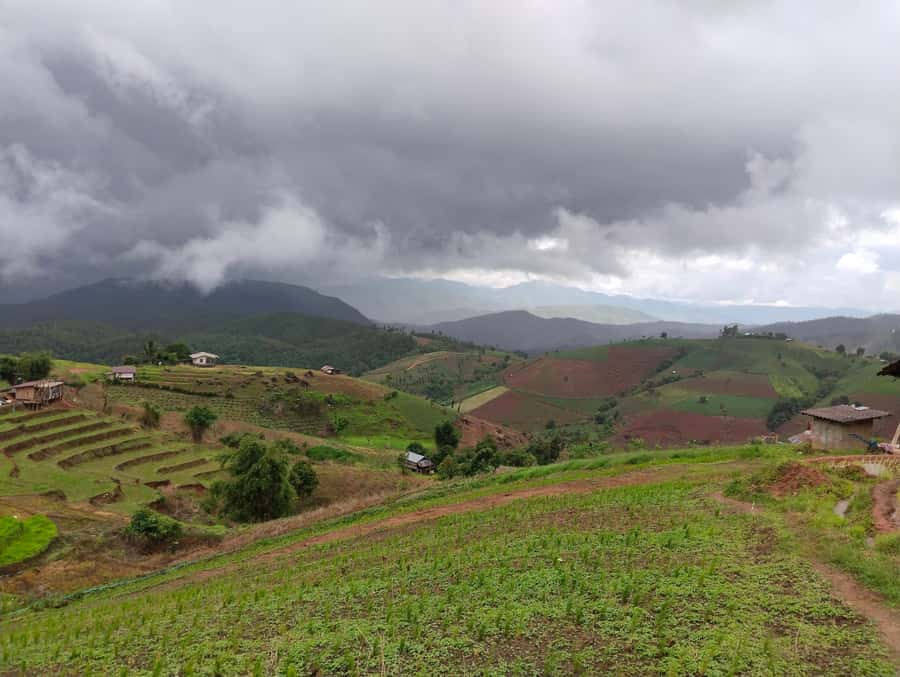
Also keep weather in mind. Northern Thailand weather can shift quickly, so pack smart for changing conditions.
A small strategy: wear your most reliable shoes and keep a dry layer in your daypack if you can. You’ll thank yourself when the trails get wet near streams and waterfalls.
Who This Tour Fits Best (And Who Might Skip It)
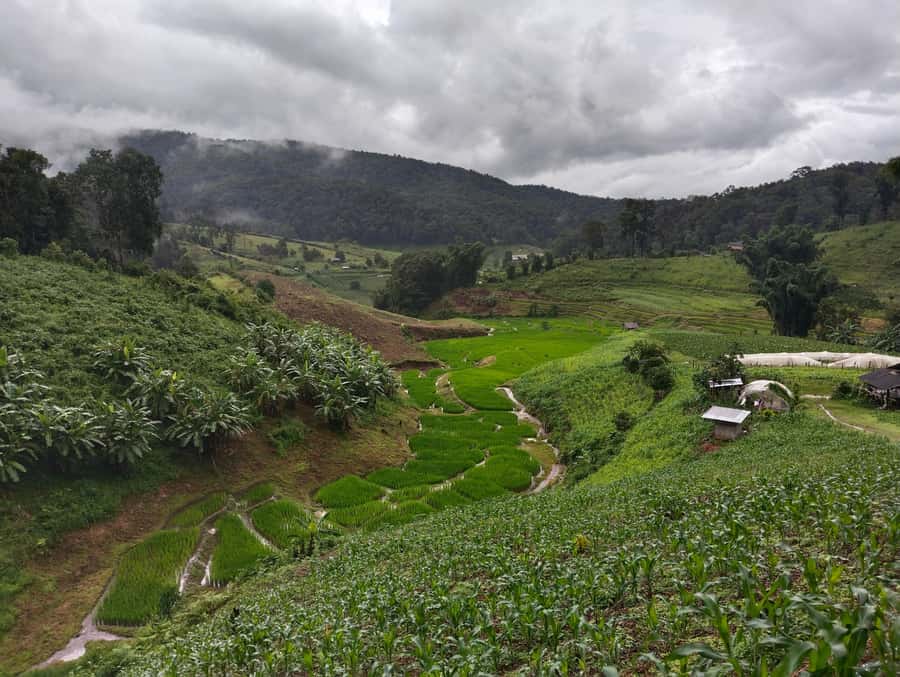
This experience is a strong match if you want a balanced Chiang Mai day: temples, forest trekking, and an overnight that isn’t staged. It’s also a good choice if you like nature learning that’s practical—native plants, farming practices, herbal medicine, and biodiversity—rather than just a lecture.
It also suits families with kids who can handle moderate hiking with breaks. The schedule includes waterfall stops, and the pace is set up for a guided group experience rather than extreme technical trekking.
You might think twice if:
- You need hotel comfort and prefer private bathroom setups
- You’re not comfortable with stream crossings and uneven mountain trails
- You’re sensitive to insects and don’t want to use repellent
If you fit the “I can handle moderate hiking and I’m open to basic village lodging” profile, you’re in the right place.
Should You Book the 2-Days Chiang Mai Amazing Trek?
I’d book it if you want more than temples and a quick photo stop. This is the kind of tour that turns Chiang Mai into something grounded: walking forest paths, seeing terraces and waterfall moments, sharing dinner with a host family, and ending on a bamboo raft ride that lets the day land.
I’d skip it if your priority is comfort over experience. The homestay is basic, and the trek involves mountain terrain. You’ll get the most out of it only if you’re prepared for trail conditions and you pack the small comforts that make overnight sleep easy.
If you want my quick decision rule: book when you’re excited by forests, waterfalls, local meals, and a Karen village homestay; don’t book when “easy and polished” is your main goal.
FAQ
FAQ
How long is the Chiang Mai 2-Days Chiang Mai Amazing Trek?
It’s a 2-day tour with temple visits and trekking on both days, plus bamboo rafting on Day 2.
What’s included in the tour price?
The tour includes hotel pick-up and drop-off, a live tour guide, lunch on both days, dinner on Day 1, breakfast on Day 2, bamboo rafting, eco trekking, and visits to Doi Suthep Temple, Wat Pha Lat, a local market, and a hill tribe village homestay.
What activities will I do during the two days?
You’ll explore Doi Suthep Temple and Wat Pha Lat, go on an eco trek through forests with waterfall stops, stay overnight in a Karen hill tribe village, and finish with traditional bamboo rafting.
Is the trekking difficult?
The trek involves moderate physical activity and mountain paths. It’s not described as technically difficult, but you should expect uneven terrain.
What should I bring?
Bring comfortable shoes, a hat, sunscreen, water, comfortable clothes, insect repellent, and a camera if you want photos.
Is the homestay comfortable?
Accommodation in the hill tribe village is basic. You may want to bring personal comfort items like soap, a towel, and toilet paper.
What meals are provided?
You’ll get lunch on both days, dinner on Day 1, and breakfast on Day 2. Meals are included during the trekking and homestay parts of the trip.
What language is the tour guide?
The tour is available in English.
Does the tour include transportation from Chiang Mai?
Yes. It includes hotel pick-up and drop-off, plus a drive back to Chiang Mai at the end.