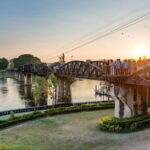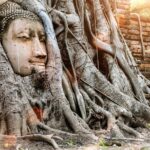
Early morning, heavy history, real places. That’s the hook of this full-day trip to Kanchanaburi. You get a structured route that starts with the Kanchanaburi War Cemetery, then moves to the JEATH War Museum, before you walk the Bridge over the River Kwai and ride along the Death Railway. It’s not just a drive-by: the day is designed to help you connect names, photos, and stories to the physical sites.
Two things I like a lot: the timing (the 6:30 AM start means you beat some crowds and get daylight for walking), and the practical care along the way (air-conditioned transport, bottled water, cool towel, and a buffet lunch). One possible drawback: it’s a long day with a lot of road time, and a couple of guide-related comments point to less explanation than you’d expect during the transfers.
In This Review
- Key Points I’d Save for My Notes
- Morning Start: MBK Center Meet-Up and the Long Ride South
- Kanchanaburi War Cemetery: Where the Day Gains Meaning
- JEATH War Museum: Learning the Names Behind the Railway
- Bridge Over the River Kwai: Walking the Famous Crossing (With Context)
- Death Railway Train Ride: The Emotional Part You Can Actually Feel
- Krasae Cave: POWs Rested Here, Then You Walk and Pay Respects
- Food, Water, and the Small-Group Feel
- Price and Value: What About $75 Really Covers
- What to Expect From the Timing (and How to Prepare)
- Who Should Book This Full-Day Death Railway Tour
- Should You Book This Tour?
Key Points I’d Save for My Notes
- Early start from Bangkok (meet at MBK Center, with pickup options in the city)
- Kanchanaburi War Cemetery time (about 3.5 hours to look slowly and respectfully)
- JEATH War Museum + Thailand–Burma Railway story (30 minutes that sets context for the bridges and rails)
- Bridge Over the River Kwai walk plus photo-friendly stops (about 2 hours)
- Death Railway train segment included (you’ll actually ride part of the line)
- Krasae Cave as the final stop (where the route shifts from museums to a more physical, scenic visit)
Morning Start: MBK Center Meet-Up and the Long Ride South
You start early—6:30 AM—either by meeting the group at MBK Center (444 Phaya Thai Rd, Bangkok) or using hotel pickup if it’s available for your area. Either way, you’re set up for a straightforward start: you’ll be in an air-conditioned vehicle, and you’re also traveling with bottled water and a cool towel, which matters on a day that stretches to around 11 hours.
This kind of schedule is common for Kanchanaburi trips, but you should plan your body and your expectations. Think of the day as two halves: the morning “learning and paying respect” block, and the afternoon “walking and riding” block. You’ll likely spend a lot of time behind the windows, so dress for heat even if you’re in the car—thin layers help.
For pacing, I like that the day doesn’t cram every stop into a quick photo moment. The cemetery alone is allotted 3.5 hours, which gives you a chance to slow down instead of speed-scanning. At the same time, if you’re the kind of traveler who needs a running commentary every minute, be aware that a few past experiences noted periods where the guide wasn’t actively explaining every stretch of road.
A few more Bangkok tours and experiences worth a look
Kanchanaburi War Cemetery: Where the Day Gains Meaning
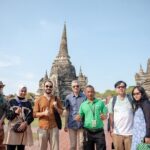
The first major stop is Kanchanaburi War Cemetery. This is the place where the whole trip stops being a “tour” and becomes a visit to a record of loss—names, ages, and the sheer scale of what happened here. You’ll have about 3 hours 30 minutes, and with that kind of time, you can do the right thing: walk at a human pace, read the markers, and take in the grounds.
I also appreciate how the cemetery sets your mental baseline before the museums and bridge. If you come in expecting a film-style adventure, this stop corrects that fast. You’re in a maintained space that encourages quiet attention. For many people, this is the most affecting part of the day, not because it’s “the biggest,” but because it gives context to everything you’ll see next.
A small practical note: plan for shade and water because you’ll be outdoors. Even if you step into buildings later, the cemetery walk is the type of moment where comfort helps you stay present.
JEATH War Museum: Learning the Names Behind the Railway
After the cemetery, you move to the JEATH War Museum, with about 30 minutes on the clock and entrance included. The name JEATH points directly to the countries tied to the WWII construction of the Death Railway—Japan, England, America, Australia, Thailand, and Holland—and that’s useful because it turns the story from a single-national narrative into a wider chain of involvement.
This museum is a short stop, so it works best if you go in with one goal: understand the framework. You don’t need to read every caption like a textbook. Instead, use the time to get the who/what/when clear—then when you reach the bridge and rail segment, you’ll recognize what you’re looking at.
If you’re sensitive to how graphic or emotional war exhibits can be, give yourself permission to take breaks. The good news: since the museum time is limited, you can exit without feeling like you were trapped in it.
Bridge Over the River Kwai: Walking the Famous Crossing (With Context)
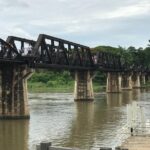
Then comes the star photo: the Bridge Over the River Kwai in Kanchanaburi. You’ll have about 2 hours here, and admission is included. The key point is that this bridge isn’t just a movie location—it’s tied to the wartime meter-gauge railway line from Ban Pong to Thanbyuzayat, which is now known as the Death Railway.
What I like about building the bridge visit after the cemetery and museum is that it changes what you notice. Once you understand the railway’s purpose and the suffering connected to its construction, the structure stops feeling like a scenic landmark and becomes a symbol of forced labor and survival. That’s a heavy shift, but it’s why this tour is worth doing instead of just snapping pictures.
On the practical side, you’ll be walking and spending time in the area around the crossing. Bring a hat if you’re prone to sunburn, and keep your phone battery charged—this is the portion where you’ll want photos, but do remember to look up from your screen.
Death Railway Train Ride: The Emotional Part You Can Actually Feel
One of the strongest value points here is that the train ticket is included, and you’ll get a scenic train ride along the Death Railway as part of the day. This is where the experience becomes more physical. You’re no longer just reading about the railway—you’re moving along it.
In the real world, this can be emotionally complicated. The terrain and views might look calm, even pretty, but the name Death Railway carries the truth of what happened here. I’d treat the ride as a moment of reflection rather than a thrill-seeker’s activity.
There’s also a small “upgrade” detail that showed up in real passenger feedback: some people paid extra for seating on the end of the train compartment (mentioned as 300 baht each), and they felt it was worth it for the experience. If that option appears during your train segment and fits your budget, it may be a fun way to make the ride feel more special.
Also, expect the day to keep moving. The train ride isn’t a long sit-and-chat segment; it’s part of a schedule that takes you through multiple sites in one stretch.


Krasae Cave: POWs Rested Here, Then You Walk and Pay Respects
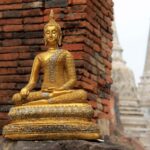
The final major stop is Krasae Cave. The time allotment here is generous—about 5 hours—and the entrance fee is included. This site is described as a historic place where POWs once rested, and it sits alongside the Death Railway. Today, it’s a destination where you can stroll along the railway area and pause to pay respects at a Buddha point included in the experience flow.
Five hours can sound like a lot on a full-day tour, but it makes sense. After the bridge and train, you likely want something less structured and more open-ended: walking, quiet pauses, and space to absorb what you just learned.
One heads-up based on a real service note: one past experience flagged that the last attraction felt more like a natural waterfall stop than a straight-up cave visit. That doesn’t mean your day will be the same, but it’s enough to mention so you’re not shocked if your final “cave” moment feels different than what you pictured from the name alone. If you’re the type who needs certainty, keep your expectations flexible.
Food, Water, and the Small-Group Feel
This tour includes a buffet lunch at a Thai restaurant, plus bottled drinking water and cool towels throughout the day. Those sound like minor items until you’re on a long road trip from Bangkok. They make the difference between a “day out” and a “day you endure.”
The guide and vehicle setup also matters. You’re with a professional English-speaking guide, and the group size is capped at up to 100 travelers. The description says small-group, and in practice that usually means you aren’t in a huge bus mob—still, 100 is a reminder that “small” here may not mean “tiny.”
Guide quality seems to be the biggest variable. Several guides were praised by name, including Oom, Rach, Alex, and Tum Tum. When you get someone with strong timing and clear delivery, the whole day clicks. When you don’t, the format can start to feel like you’re being transported more than guided—which is exactly what a couple of feedback comments pointed out.
Price and Value: What About $75 Really Covers
At $75.83 per person, this isn’t a bargain-basement outing, but it also isn’t “just a bus ticket.” Based on what’s included, your money covers the big cost centers:
- Hotel pickup/drop structure in the Bangkok city area (pickup to the extent offered, then drop at MBK)
- Air-conditioned vehicle for the long day
- Entrance fees for the cemetery, JEATH War Museum, and the other included sites
- Buffet lunch
- Train ticket for the Death Railway segment
- Professional English guide
- Bottle water + cool towel
- Travel insurance (listed as included)
That combination is the real value: you’re not doing logistics math all day. You don’t have to figure out each ticket and connection, and you don’t have to time lunch yourself between sites.
The main “cost” you pay is time and emotional bandwidth. Expect a reflective day. If you want a light, casual sightseeing loop, this tour may feel like too much. If you want meaning—and you’re willing to move at a steady pace—it’s a fair deal.
What to Expect From the Timing (and How to Prepare)
The sequence is designed to build understanding:
1) cemetery first, so you start with remembrance
2) museum next, so you get the background story
3) bridge walk, so you connect context to a physical landmark
4) train ride, so you experience the railway directly
5) Krasae Cave, so you finish with walking, paying respects, and a quieter end
You’ll need to plan for the weather and the walking portions, even if the vehicle time is comfortable. Wear shoes you’re happy to stand and walk in. Bring sun protection. And keep a small snack plan in mind even though lunch is included—some people get hungry before the buffet if the morning runs on schedule.
And because a couple of comments mention less site explanation during road transfers, I’d suggest taking notes when the guide does speak, and if anything is unclear, ask a quick question at the stop rather than waiting for a full explanation later.
Who Should Book This Full-Day Death Railway Tour
This is a good match if you:
- want one full, structured day that covers multiple major WW2 sites around Kanchanaburi
- care about respectful context, not just photos
- like the idea of an included train ride rather than only viewing from platforms
- value convenience (transport, entrances, lunch, tickets bundled together)
Consider a different style of tour if you:
- need constant explanation during the entire drive time
- prefer shorter travel days
- get overwhelmed by emotionally heavy war-related sites and want gentler pacing
Should You Book This Tour?
I’d book this tour if your goal is a well-organized, all-in-one Death Railway day with the key pieces: cemetery, museum, bridge walk, and a real train segment—plus lunch and entrance fees handled. The price makes sense when you add up what’s included, and the early start is a practical win.
I would not book with the expectation that every minute will be a scripted lecture. Guide experience can vary, and this itinerary has long driving stretches. If you go in ready to absorb the sites yourself between the guide’s moments, you’ll get more out of it.
If you want me to tailor advice, tell me your travel month, whether you prefer museums or outdoor walking, and if you have mobility concerns.