REVIEW · CHIANG RAI
Chiang Rai: The Golden Triangle & MaeKhong Private Boat Trip
Book on GetYourGuide →Operated by Black Dragon Tours · Bookable on GetYourGuide
A border you can feel, not just see. This private Chiang Rai day ties together Golden Triangle history and a Mae Khong River boat trip into one smooth, English-guided outing. It’s the kind of tour where the stops actually connect, instead of feeling like random checkboxes.
I especially like two things: the private car with hotel transfer (so you’re not guessing logistics all day) and the guided explanations that turn each viewpoint and temple stop into something you can place in context. Even better, you get a real mix of culture and nature, from tea fields to the river.
One thing to consider: several costs are not included, like entry fees and the speedboat/medium-boat option at the Golden Triangle area. Bring cash, and plan your lunch day accordingly.
In This Review
- Key highlights worth planning for
- Golden Triangle and Mae Khong: what this day trip really delivers
- Longneck Karen Village (optional): a respectful culture stop, not a photo shoot
- Choui Fong Tea Plantation: tea tasting with real mountain views
- Wat Tham Pla (Monkey Cave Temple): nature + temple stories
- Golden Triangle viewpoint and the Big Buddha statue by the Mekong
- Mae Khong River boat trip: the best way to understand the border zone
- House of Opium (Opium Museum): why the history doesn’t stay in the past
- Price and budgeting: $67 plus the day’s extra costs
- Timing, comfort, and who this private tour fits best
- What to bring (so the day stays easy)
- Should you book this Chiang Rai Golden Triangle and Mae Khong tour?
- FAQ
- What is the duration of the Chiang Rai Golden Triangle and Mae Khong private tour?
- Is lunch included?
- What parts cost extra besides the $67 per person?
- How long is the Mae Khong River boat trip?
- Does the tour include hotel transfer and transportation?
- What should I bring for the tour?
- Who may want to avoid this tour?
Key highlights worth planning for
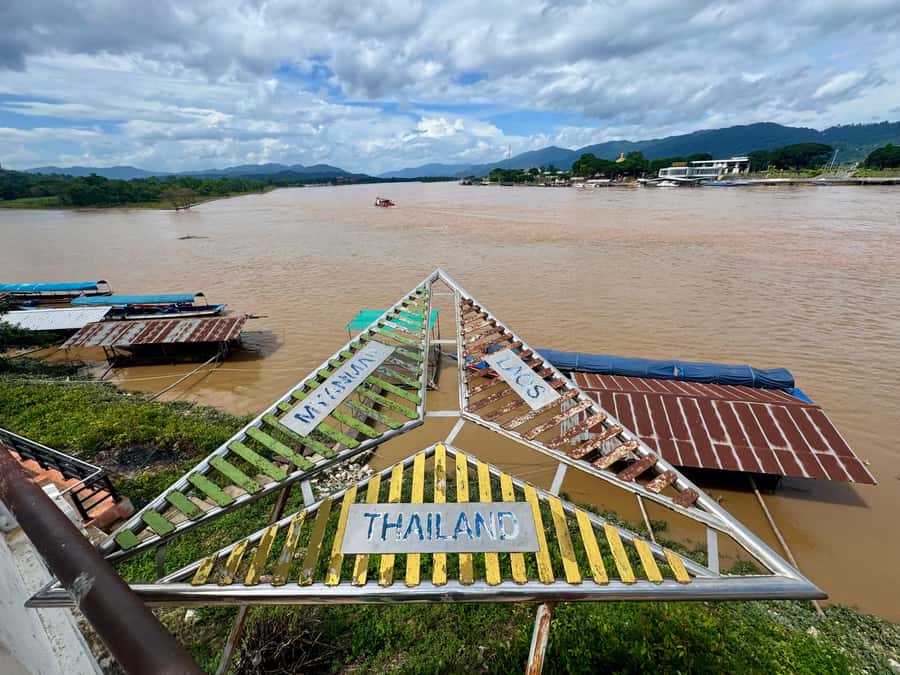
- Golden Triangle viewpoints with panoramic views over the Mekong area and the Big Buddha statue by the river
- Mae Khong River boat ride (about 5–6 km / ~30 minutes) between borders
- Wat Tham Pla (Monkey Cave Temple) with cave exploring and short-tailed monkeys
- Choui Fong Tea Plantation for photo viewpoints and freshly brewed Oolong tea
- Opium Museum (House of Opium) to understand the trade’s lasting effects in the Golden Triangle region
Golden Triangle and Mae Khong: what this day trip really delivers
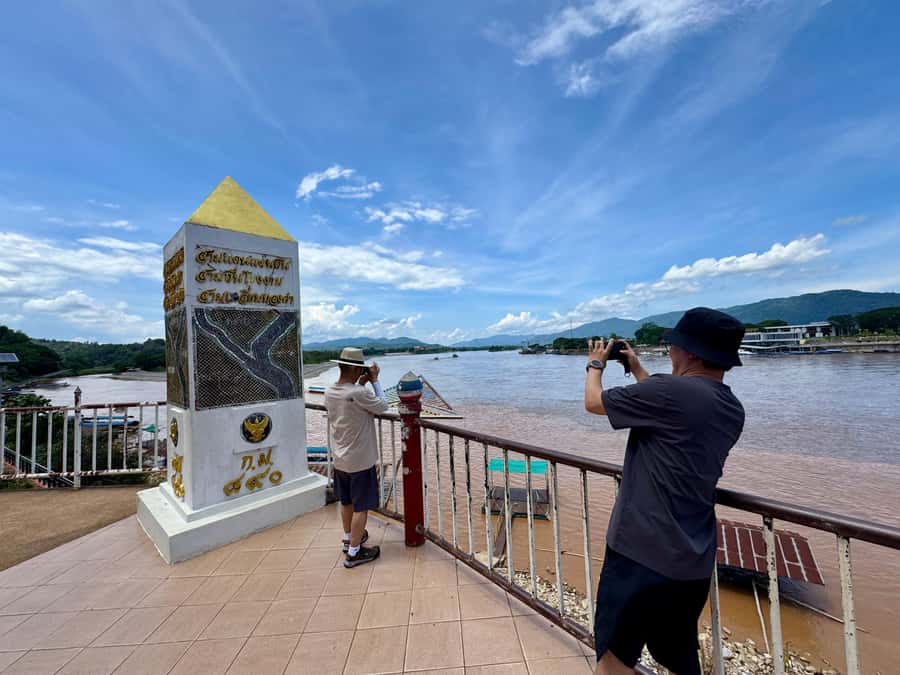
This full-day private tour is built around one central idea: the Golden Triangle isn’t just a postcard spot. It’s a border zone shaped by geography, trade, and cultures that still live with those old stories. You start with hill-tribe culture and tea country, then shift into temple nature, and finish with the river and the Opium Museum. The route feels intentionally paced for a long day (8–10 hours), without turning into a sprint.
The private format matters. You’re not stuck waiting on a big group schedule. You’re in an air-conditioned car with a guide who can steer the day toward what you care about most, whether that’s photos at viewpoints or time to ask questions about what you’re seeing.
The other big win is the Mae Khong River boat trip. It’s short enough to stay comfortable, but it’s long enough to change your perspective. Instead of looking at borders from shore, you move through the river corridor that links Thailand, Laos, and Myanmar. That motion helps the history and the geography click.
You can also read our reviews of more boat tours in Chiang Rai
Longneck Karen Village (optional): a respectful culture stop, not a photo shoot
The first cultural stop is the Longneck Karen Village, about 40 minutes from Chiang Rai town. The brass neck rings are the obvious visual hook, but the best part of this stop is how the guide frames everyday life and tradition. With an English guide, you can ask practical questions and get context instead of just collecting images.
Because this is an optional visit, it’s also a useful choice point in the day. If you’d rather spend more time elsewhere, you can treat it as a flexible slot in the itinerary.
Practical notes for your expectations: this kind of visit is more about learning customs and seeing community life than a “quick attraction.” If you go, keep it respectful. Dress normally, move politely, and remember that people’s homes and routines aren’t meant to feel like a theme park.
Costs matter here. The Longneck Karen Village entry fee is 300 THB per person and is not included in the tour price. If you want the option available, bring cash.
Choui Fong Tea Plantation: tea tasting with real mountain views
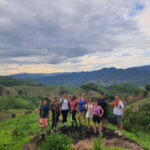
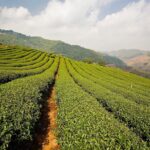
Next comes the Choui Fong Tea Plantation. This is one of those stops that works well even if you’re not a tea fanatic, because the experience is tied to scenery and comfort. You’ll be in rolling green tea fields and get time to breathe the cooler mountain air, take photos from viewpoints, and slow down for a bit.
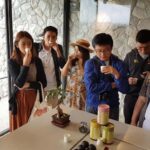
What makes it feel like more than a drive-by is the tea tasting. You can enjoy freshly brewed Oolong tea and connect what you’re seeing to what’s grown there.
One useful travel tip: plan your camera settings and hydration. Tea country weather can feel cooler, but you’re still outdoors in the daytime, and your day is long. Drinking water is included with the tour, but having your own refill habits helps.
Also budget for calm: this is a good stop to reset between temple time and the border-heavy Golden Triangle section later. If you tend to feel travel fatigue, arriving here with energy makes the whole itinerary more enjoyable.
Wat Tham Pla (Monkey Cave Temple): nature + temple stories
Wat Tham Pla, often called Monkey Cave Temple, is surrounded by lush nature and known for short-tailed monkeys. The idea here isn’t just to see monkeys—it’s to experience a temple setting where wildlife and legend are part of the atmosphere.
You’ll have time to explore the cave and walk around the tranquil grounds. Your guide shares legends and local stories, which is where a guided visit earns its keep. Without that context, it’s easy to treat it like a scenic stop with a chance of animal encounters. With the explanations, it becomes more grounded in local meaning.
A small reality check: cave areas mean uneven steps and tighter spaces. The tour isn’t listed as suitable for wheelchair users, so if mobility is a concern, pay attention to your comfort level with uneven ground. Also, bring your hat for sun and protection, since this is still part of a full-day outdoor itinerary.
Golden Triangle viewpoint and the Big Buddha statue by the Mekong
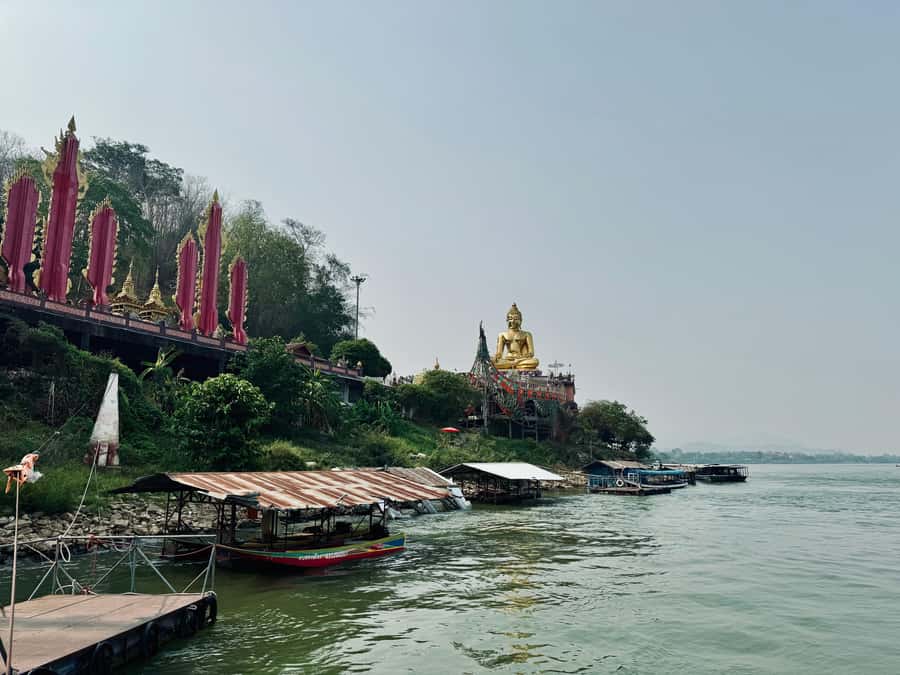
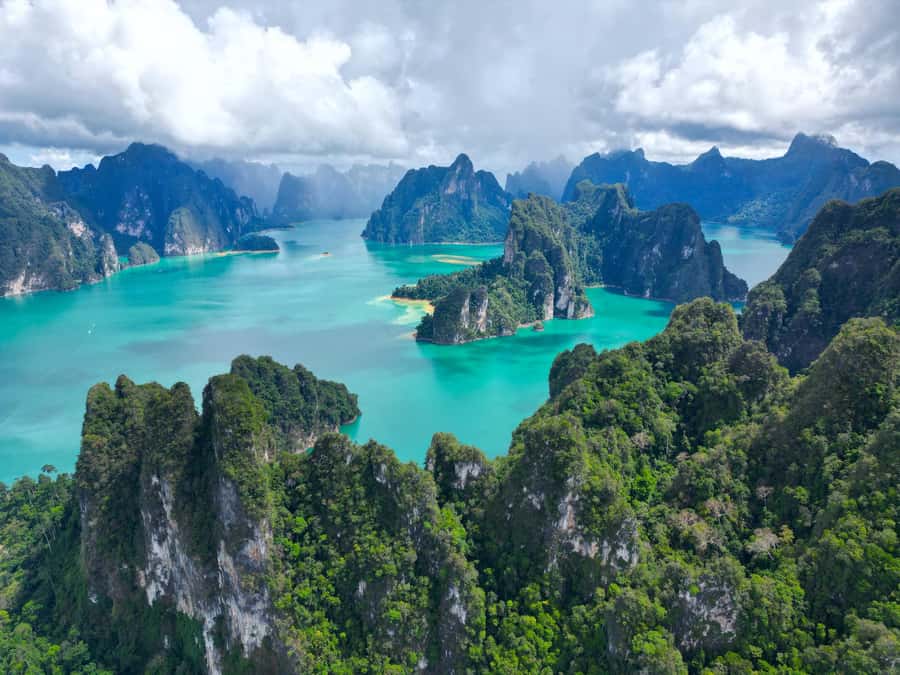
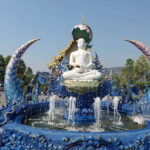
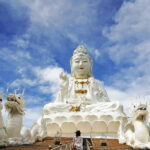
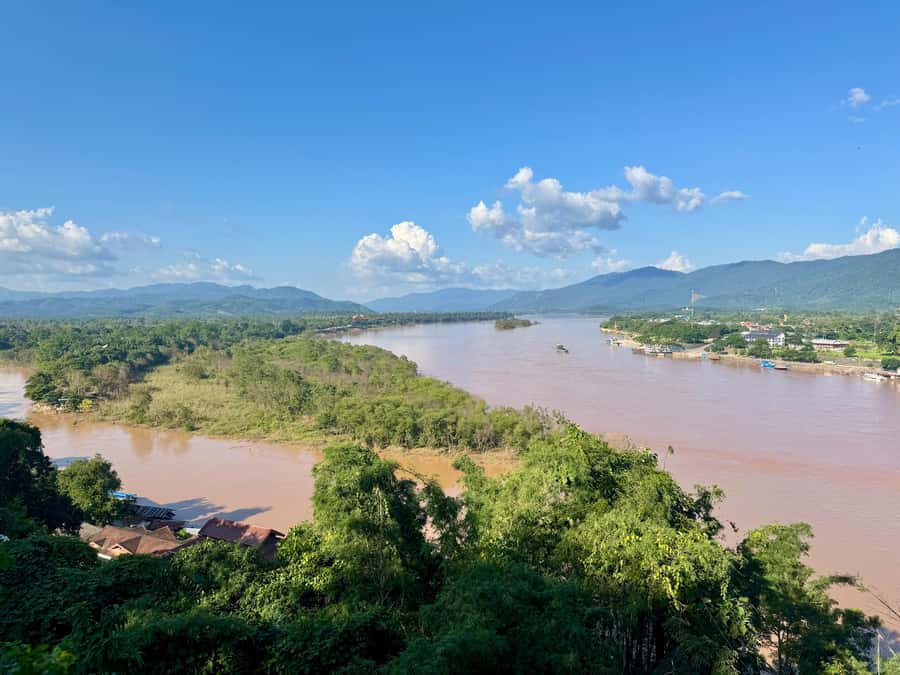
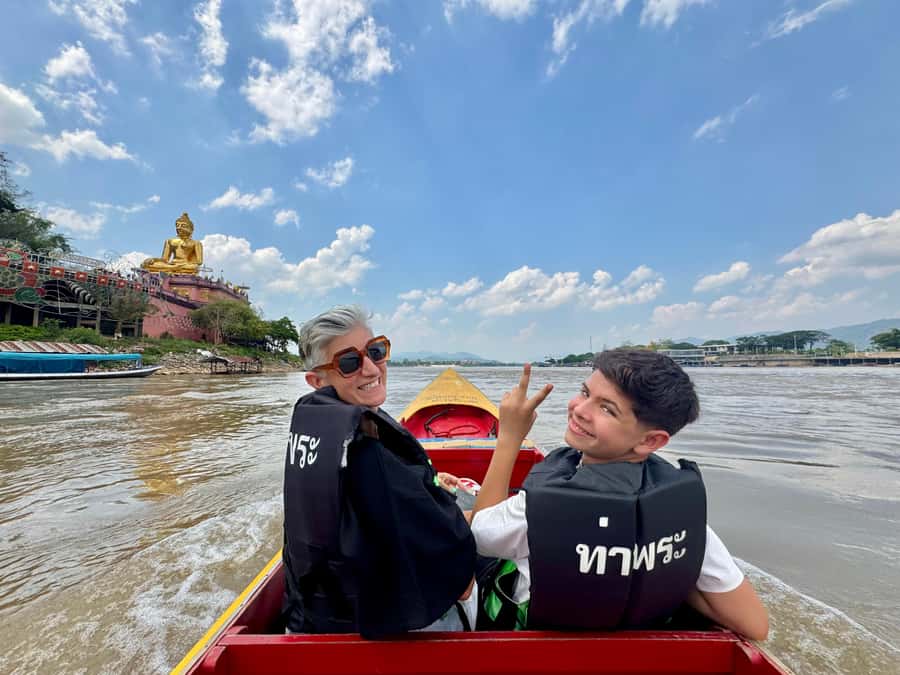
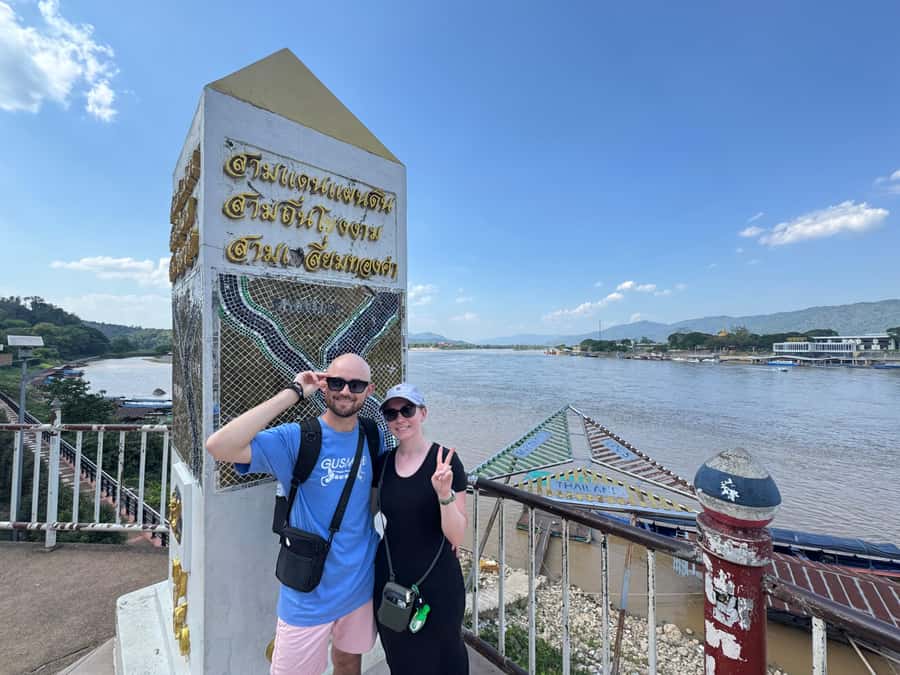
Now you reach the main event: the Golden Triangle viewpoint. This is where Thailand, Laos, and Myanmar meet in one dramatic river region. You’ll get panoramic views over the Mekong River and the surrounding countries, and the stop includes the large Big Buddha statue beside the river—an obvious landmark that also helps anchor what you’re looking at.
This is also where the guide’s historical framing matters most. The Golden Triangle is tightly linked to the opium trade, and understanding that history helps you make sense of why the region developed the way it did. You’re not just seeing borders; you’re learning how borders formed around economic and political forces.
One practical point: viewpoints are where you’ll want to linger. If you like photos, this is your moment. If you prefer fewer photos and more explanation, tell your guide. The day is private, so you’re not stuck with someone else’s pace.
Wear something you can move in. Even if the walking feels light, you’ll likely stand, look, and reposition for the best angle over the river.
You can also read our reviews of more private tours in Chiang Rai
Mae Khong River boat trip: the best way to understand the border zone
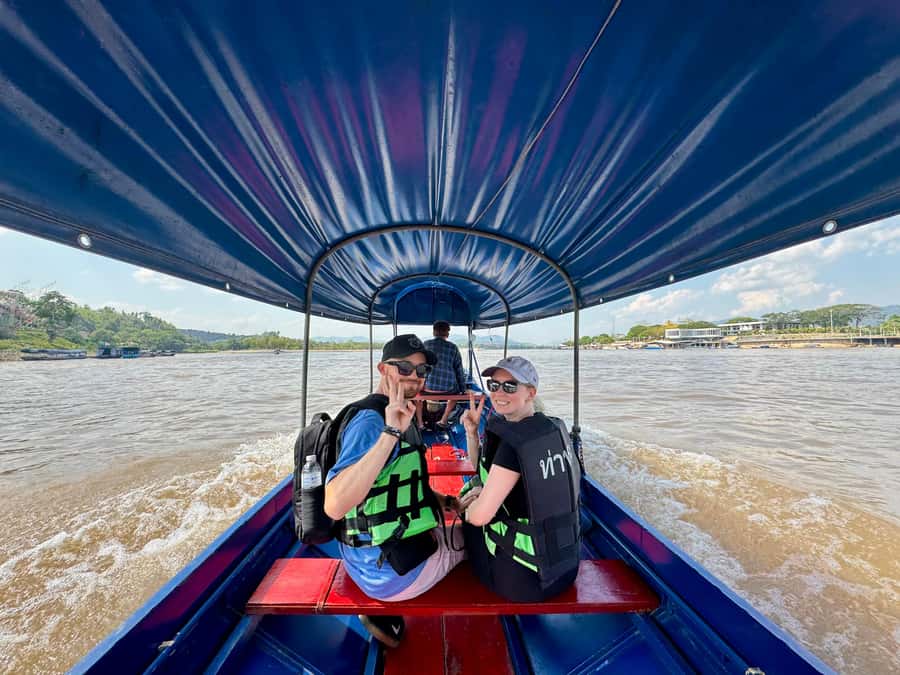
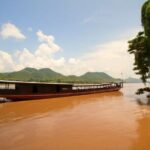
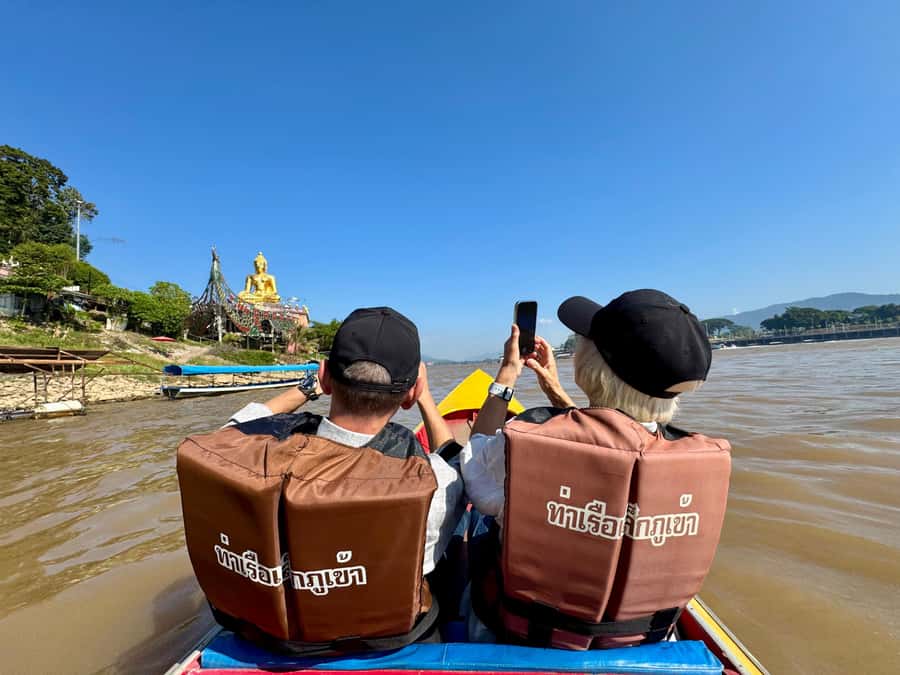
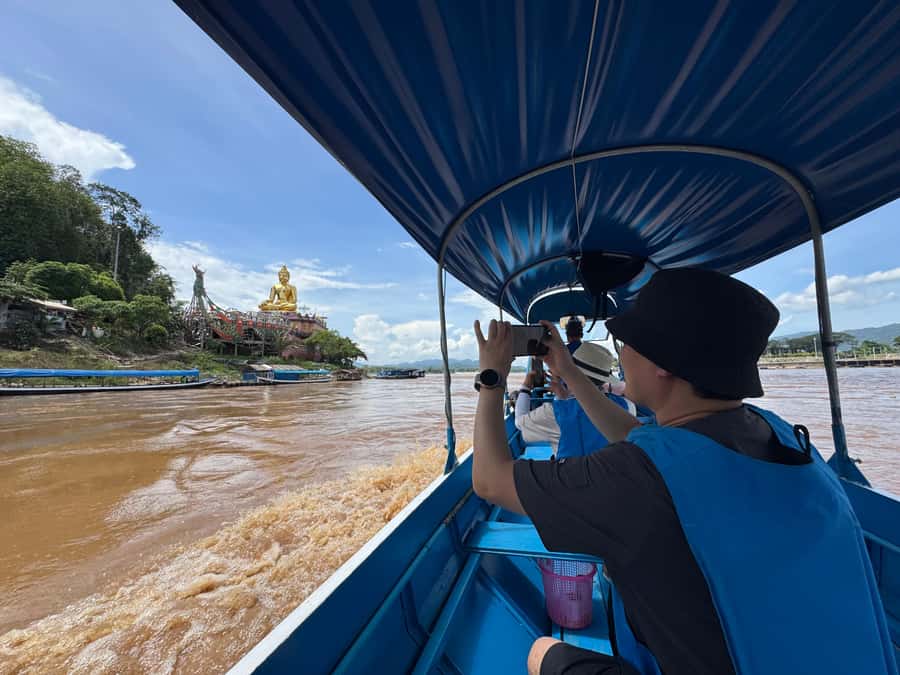
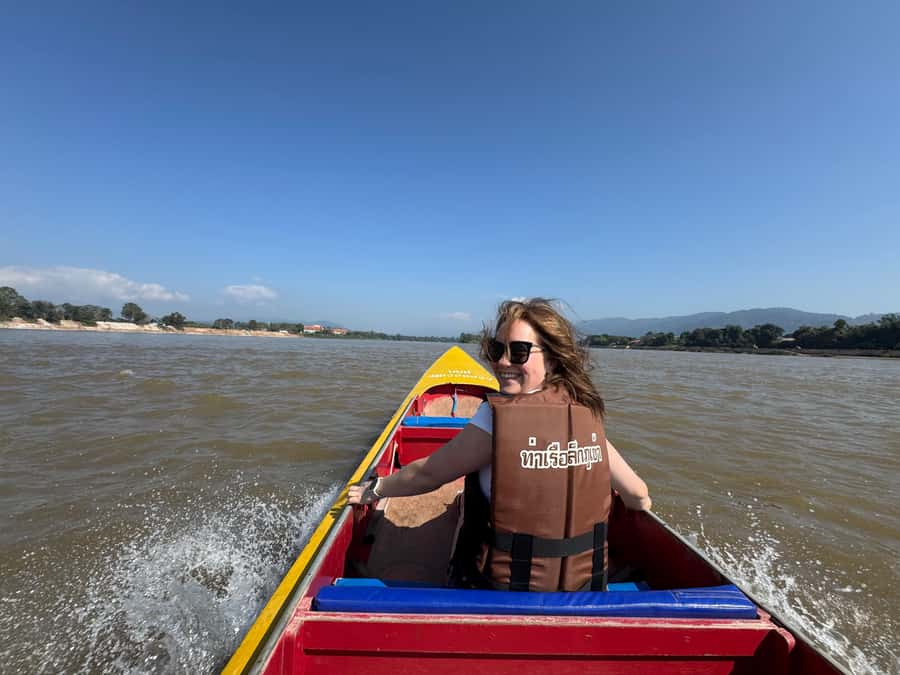
This is the signature “feels like a different world” segment. You’ll take a boat ride on the Mae Khong River along the border area. The distance and duration are specifically tight enough to fit the day: the boat travels approximately 5–6 kilometers or about 30 minutes.
What you get for that half-hour is a new angle on the whole Golden Triangle idea. You’ll float between borders and witness riverside landscapes from each country. You’re still on Thai-based tour time, but the river view does the work of showing how close these places are—and how much the river shapes daily life and regional identity.
One detail worth planning: the boat ride cost depends on the type of boat.
- Speedboat option: 800 THB per boat (not included)
- Medium boat option: 1,200 THB per boat (not included)
Because these are per boat fees, your total out-of-pocket cost may depend on group size and how the operator structures the booking. The tour itself is private, so clarify how the boat fee will apply for your number of people.
Weather can affect river rides. The tour doesn’t list exact rainy-day rules, so bring your common sense: if conditions look rough, your guide can help you judge how the ride will feel.
House of Opium (Opium Museum): why the history doesn’t stay in the past
After the river and Golden Triangle viewpoint, you end with the Opium Museum (House of Opium). This is where the day turns from scenic to reflective. You’ll learn the story of the opium trade and how it impacted the Golden Triangle region, and you’ll also hear about traditions and lifestyles connected to local hill tribes.
This stop is not just about old-world facts. It gives you a framework for why so many cultural sites in the region were shaped by trade routes, migration, and shifting power. If you’re the kind of person who likes to understand what you’re seeing rather than just where it is, this museum helps you connect the dots.
Budget for the entry fee: 50 THB per person is not included.
If you’re short on time or not museum-minded, you can still treat this as a story stop. Even 30–60 minutes here can make the Golden Triangle make more sense in your head for days after you leave Chiang Rai.
Price and budgeting: $67 plus the day’s extra costs
The tour price is $67 per person, and it includes the big practical pieces: an English guide, private car with air-conditioning, drinking water, hotel transfer, and insurance.
That’s what makes it feel like value rather than just a list of stops. Private transport plus hotel transfer saves time and stress in Chiang Rai, especially when you’re doing a long route across multiple areas. And the guide is doing real work: explaining the significance of temples, viewpoints, and the museum.
That said, you should plan your budget because several items aren’t included:
- Longneck Karen Village entry: 300 THB per person
- Opium Museum entry: 50 THB per person
- Golden Triangle boat ride (additional boat fee): 800 THB (speedboat) or 1,200 THB (medium boat)
- Lunch: not included
Add it up and you’ll see the tour price is more like the base package, with the day’s “experiences” priced as add-ons. If you’re happy to pay for a true private full day and you want the boat and museum, the overall value can feel fair. One shared note from a past experience called it slightly expensive, but aligned with what they expected—so I’d treat it as a premium-feeling day trip built for comfort and guidance, not a budget bargain.
Timing, comfort, and who this private tour fits best
You’re looking at 8–10 hours total, with about a 1-hour drive back to your Chiang Rai hotel after the tour ends. That’s a full-day commitment, and it’s important to be honest about energy levels.
This tour is well suited for:
- Couples and solo travelers who like a private schedule
- People who want a single-day route that connects culture, nature, and history
- Travelers who prefer explanations over wandering on their own
It may be a poor fit for:
- Wheelchair users
- Pregnant women
- People who have altitude sickness (the tour lists this as not suitable)
- Babies under 1 year
- People over 95 years
Also, the itinerary includes cave exploring and outdoor stops, so if you have mobility limits, plan carefully.
Comfort-wise, the included air-conditioned vehicle and hotel transfer are a big part of why this works. You’re not stuck arranging rides between remote locations.
What to bring (so the day stays easy)
This is a simple checklist, and it matters on a long day:
- Hat (sun and general comfort)
- Camera (viewpoints and tea fields)
- Cash (for entry fees and the boat option)
Drinking water is included, but I still recommend you sip regularly. You’ll be outside for multiple segments, and you’ll appreciate staying hydrated during the longer travel blocks.
Should you book this Chiang Rai Golden Triangle and Mae Khong tour?
If you want a full-day private experience that covers the Golden Triangle, a Mekong-region boat ride, tea country, and a monkey cave temple with English guiding, this is a strong pick. The value comes from the combination: transport + guidance + the river segment, which is the part you can’t easily recreate on your own with the same flow.
I would book it if:
- You like structured sightseeing with time for questions
- You care about the story behind the Golden Triangle, not just the photos
- You’re okay budgeting for add-ons like the boat fee and museum/Longneck village entries
I’d skip or reconsider if:
- You’re trying to keep costs very low
- You don’t want a long 8–10 hour day
- You need accessibility accommodations beyond what’s indicated as suitable for this tour
If you can meet the day’s practical needs (cash, time, comfort for outdoor/cave stops), this tour delivers a memorable Chiang Rai day with a guide who helps you understand what you’re actually seeing.
FAQ
What is the duration of the Chiang Rai Golden Triangle and Mae Khong private tour?
The tour lasts about 8–10 hours.
Is lunch included?
No, lunch is not included.
What parts cost extra besides the $67 per person?
The Longneck Karen Village entry fee is 300 THB per person, the Opium Museum entry fee is 50 THB per person, and the Golden Triangle boat ride has additional fees (800 THB for a speedboat or 1,200 THB for a medium boat). The lunch cost is also not included.
How long is the Mae Khong River boat trip?
The boat trip is approximately 30 minutes and covers about 5–6 kilometers.
Does the tour include hotel transfer and transportation?
Yes. The tour includes hotel transfer and a private air-conditioned car, plus drinking water and insurance.
What should I bring for the tour?
Bring a hat, camera, and cash.
Who may want to avoid this tour?
The tour is listed as not suitable for pregnant women, wheelchair users, people with altitude sickness, babies under 1 year, and people over 95 years.