REVIEW · PHUKET
Phuket: Ethical Elephant Sanctuary Experience
Book on GetYourGuide →Operated by Phang Nga Elephant Park · Bookable on GetYourGuide
Some days you come to Thailand for beaches. This one’s for elephants. At Phang Nga Elephant Park, a small family-run sanctuary in Phang Nga jungle country, the focus is on how Asian elephants live day to day and how caretakers support their health and welfare.
I especially loved two parts: walking side by side through the jungle at an elephant’s pace, and then watching her cool off in the rock pool. Your time includes feeding (and prepping the food), plus a Thai lunch that hits the spot after being around elephants and sun.
One thing to consider: this is a hands-on, outdoor experience, so plan for wet moments and downtime while the elephants rest. Also, it’s not suitable for kids under 4.
In This Review
- Key highlights you’ll actually remember
- A four-hour day inside Phang Nga Elephant Park’s elephant routine
- Meeting your guide: caretaker gear, safety briefing, and the learning starts fast
- Approaching the elephant the right way (and what you’ll notice immediately)
- The jungle walk: pace, patience, and walking like a caretaker
- Preparing food and feeding: the “hands-on care” part
- The rock pool bath: the moment that turns a good tour into a memory
- Thai lunch and time to reset: shower, fruit, and a calmer finish
- Price and value: $112 for four hours of guided, welfare-focused care
- Who should book this, and who should skip it
- Should you book this Phuket ethical elephant sanctuary experience?
- FAQ
- How long is the Phuket Ethical Elephant Sanctuary experience?
- What’s included in the tour?
- Do I need to bring anything?
- Will I be able to bathe with the elephant?
- What’s the pickup like?
- Is this experience suitable for young children?
- What makes the park an ethical elephant sanctuary?
Key highlights you’ll actually remember
- Family-run sanctuary feel with about thirty people living and working with elephants and families
- How-to approach training plus a safety briefing before you meet your elephant
- Health check demonstration that explains caretakers’ daily routine and elephant behavior
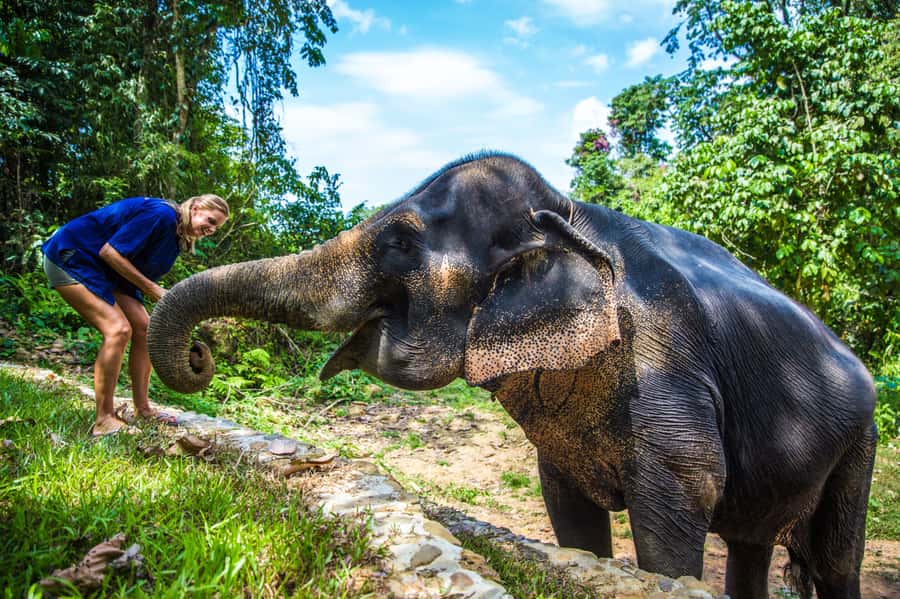
- Prepare and feed your elephant, with time to care for her skin too
- Rock pool bath (watching is included, and you can join in if you choose)
- Traditional Thai lunch with showers and locker-room facilities afterward
A four-hour day inside Phang Nga Elephant Park’s elephant routine
Phang Nga Elephant Park runs like a real rural village setup, not a loud, high-volume attraction. You’ll be picked up from your hotel by air-conditioned transport, and when you arrive you’ll meet your guide and get a welcome drink before anything elephant-related happens. Pickup times can vary depending on where you’re staying, so build in some buffer time and be ready to leave your hotel close to the scheduled window.
The biggest idea behind this ethical elephant sanctuary experience is simple: elephants are cared for as living partners, not as entertainment machines. The park says its elephants come from working camps around Thailand, then spend their days relaxing, socializing, eating, and acting as ambassadors for their species. That matters because your day isn’t built around tricks or rides. It’s built around what elephants naturally need—walks, breaks, feeding, and cooling off.
You only have about four hours, which is actually perfect for most people. You get meaningful contact and learning, without turning the day into an all-day grind in the heat. That also means the schedule is focused: meet, learn, walk, feed, bathe, eat, refresh, and head back.
You can also read our reviews of more tours and experiences in Phuket.



Meeting your guide: caretaker gear, safety briefing, and the learning starts fast
After arrival, your English-speaking guide leads you through the basics. You’ll get a safety briefing and see how to approach and direct your elephant correctly. This isn’t just a lecture; you’ll be shown what to do before you’re close. That’s one of the quiet strengths of the experience: you’re set up to be respectful right from the start.
You’ll also change into a caretaker outfit. It sounds like a small detail, but it helps you mentally switch gears from tourist mode to caretaker-adjacent mode. You can wear it for the duration of the experience, and it’s part of why this day feels structured and calm rather than chaotic.
One extra bonus: before you actually spend time with your elephant, you watch a health check demonstration. The park uses this to show how caretakers monitor elephants and understand daily needs. In the reviews, guides like Joy (mentioned by name) stand out for clear explanations and genuine care in how they handle the group. And the same vibe shows up with Jake, who some visitors credit with creating a heart-led environment for the elephant family.
Approaching the elephant the right way (and what you’ll notice immediately)
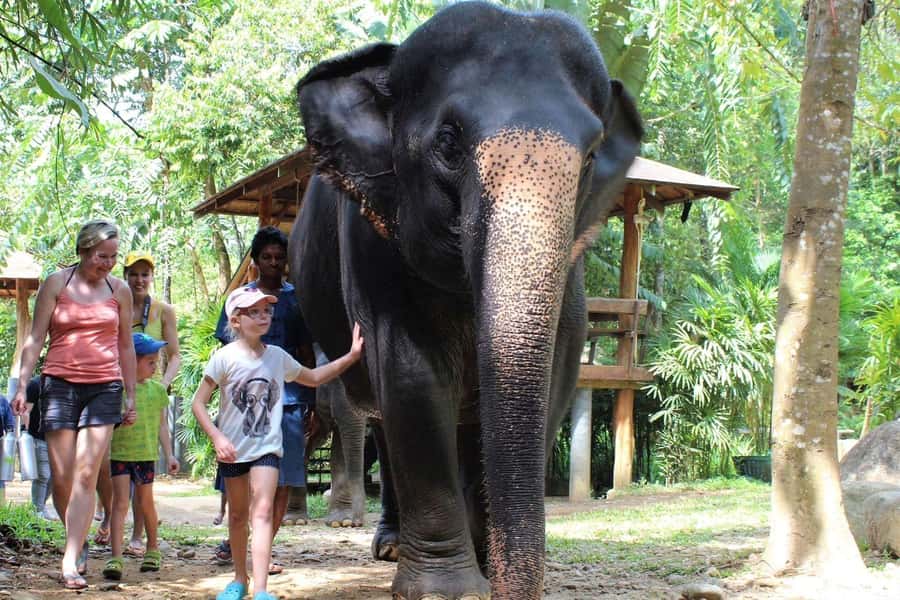
When it’s time to meet your elephant, you won’t be left guessing. The guide teaches you how to approach and how your elephant should be directed. You’re walking with her through the jungle, so attention to movement and spacing is important.
I like that the park frames elephant interaction as part of welfare and safety. You’re not just told to hold still or follow a path. You’re actively learning how your actions fit into the elephant’s comfort.
A practical detail: you’re also included in taking care of the elephant’s skin. That means you’ll see how caretakers support routine comfort, not just “pose for a photo” moments. It’s one of the most realistic ways to understand that elephants need care systems—regular attention, comfort support, and respectful handling.
Also, expect some waiting and pauses. The schedule includes time for the elephant to rest, and your day moves at elephant speed. That’s normal and, honestly, a good sign. You’re not getting rushed through her day like it’s a conveyor belt.
The jungle walk: pace, patience, and walking like a caretaker
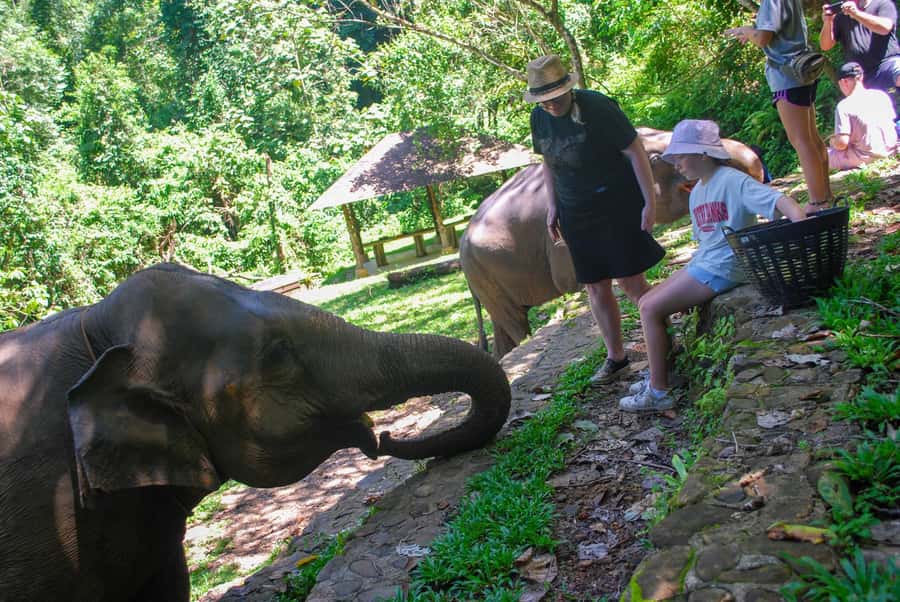
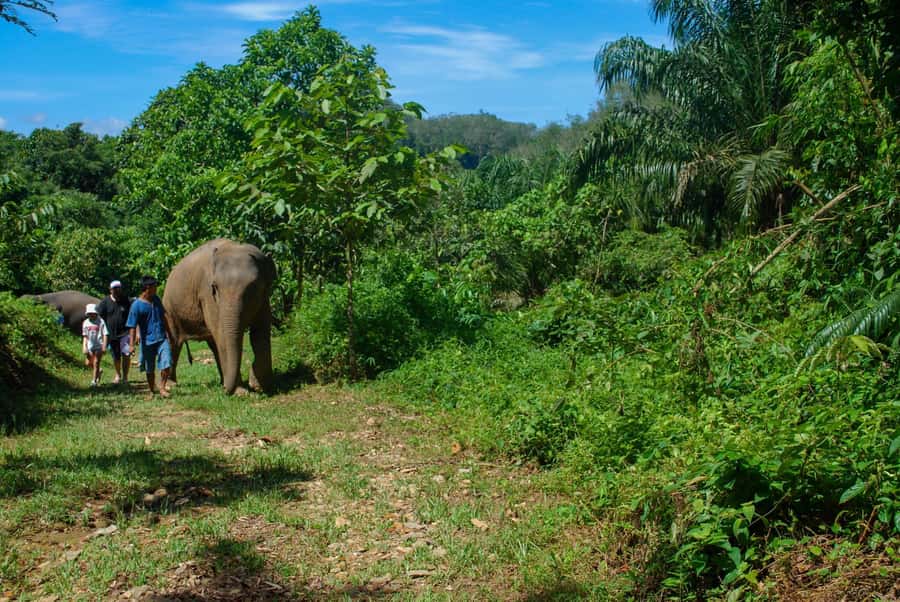
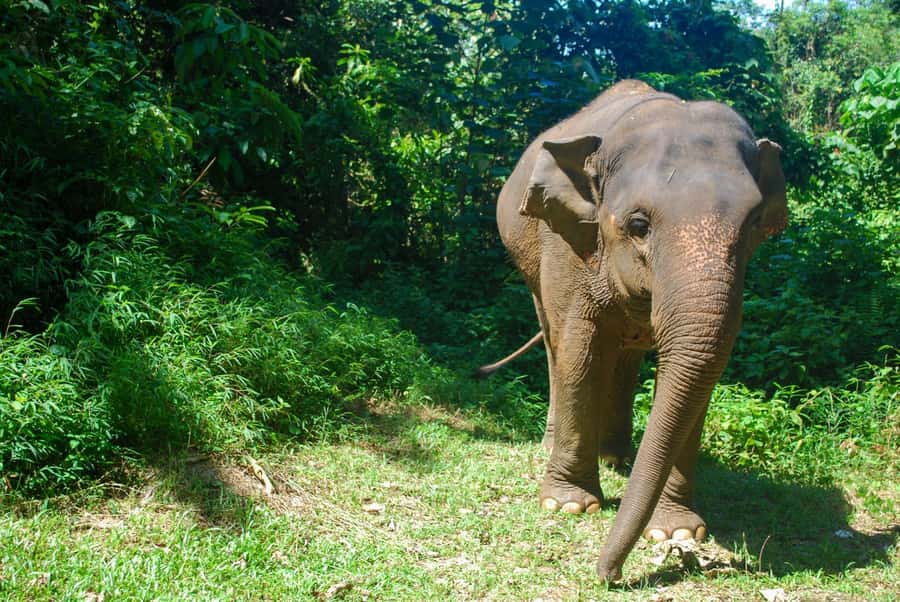
The main event on the ground is the jungle walk: you’ll walk side by side through the rural Thai jungle. This is one of the highlights for a reason. You get to experience elephants as large, gentle animals moving through real terrain, not in a fenced-off performance ring.
What surprised me (in a good way) is how much the walk teaches you about behavior. You’ll learn about history, behavior, and daily routine as you go, and you’ll start noticing the small signals elephants use to settle, pause, and respond.
Because you’re in jungle conditions, come ready for bugs and heat. The activity lists insect repellent as something to bring, and I agree with that advice. Even if you’re not thinking about insects, you’ll want protection so the day stays enjoyable instead of annoying.
You should also plan for your clothes to get touched by the environment. It’s not described as “messy” in a specific way, but you are doing wet activities later and walking outdoors now—so bring a change of clothes and avoid wearing something that you’ll be upset about if it gets damp or dusty.
Preparing food and feeding: the “hands-on care” part
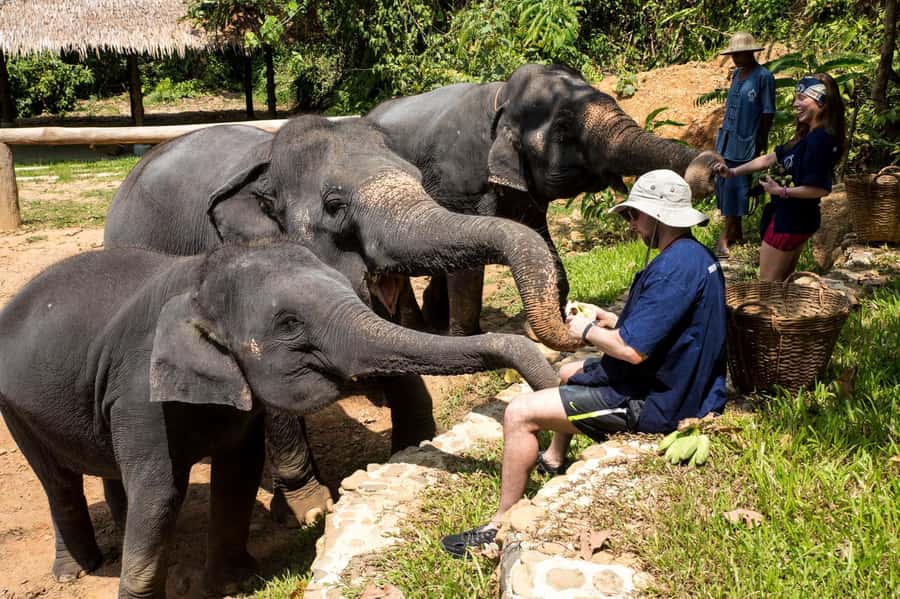
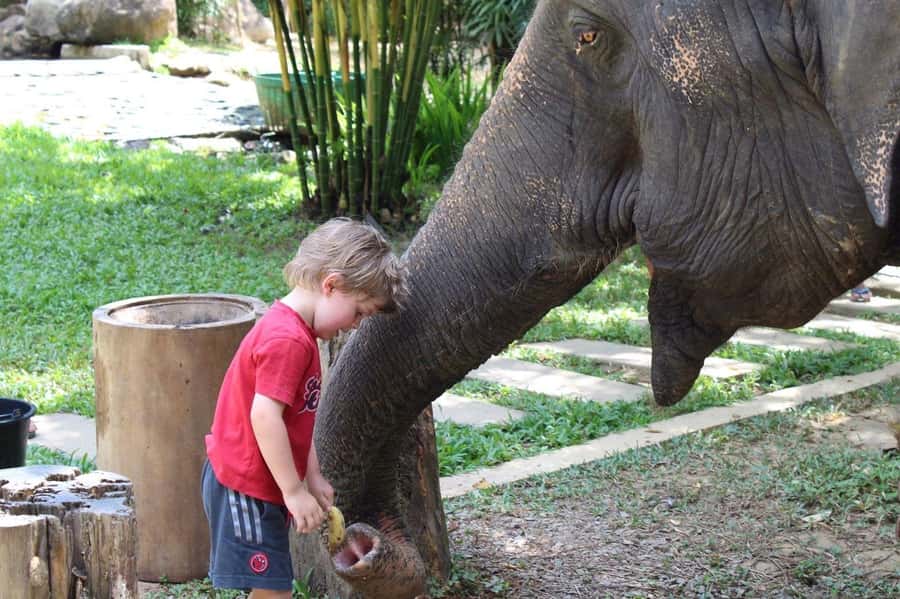
Feeding is a big part of this experience, and the park includes more than just giving your elephant a snack. You’ll prepare food for your elephant, then feed her as part of the routine.
That “prepare first” step matters because it changes how you see it. You’re not just tossing food. You’re part of a care moment, guided by the park’s approach to welfare and handling.
Feeding time also fits naturally with behavior learning. Elephants eat, rest, and move through the day for very practical reasons. Getting to see how that looks close up helps you understand why caretakers focus on wellbeing instead of showmanship.
And because taking care of your elephant’s skin is included, you’re doing multiple care tasks across the day rather than one photo-friendly moment. That combination tends to be what makes the experience feel more meaningful.





The rock pool bath: the moment that turns a good tour into a memory
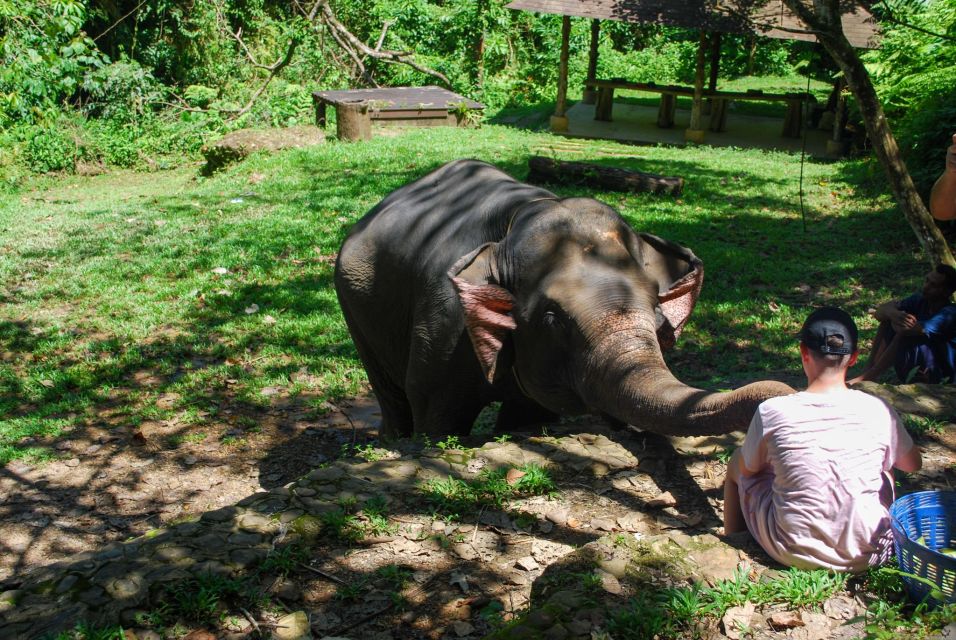
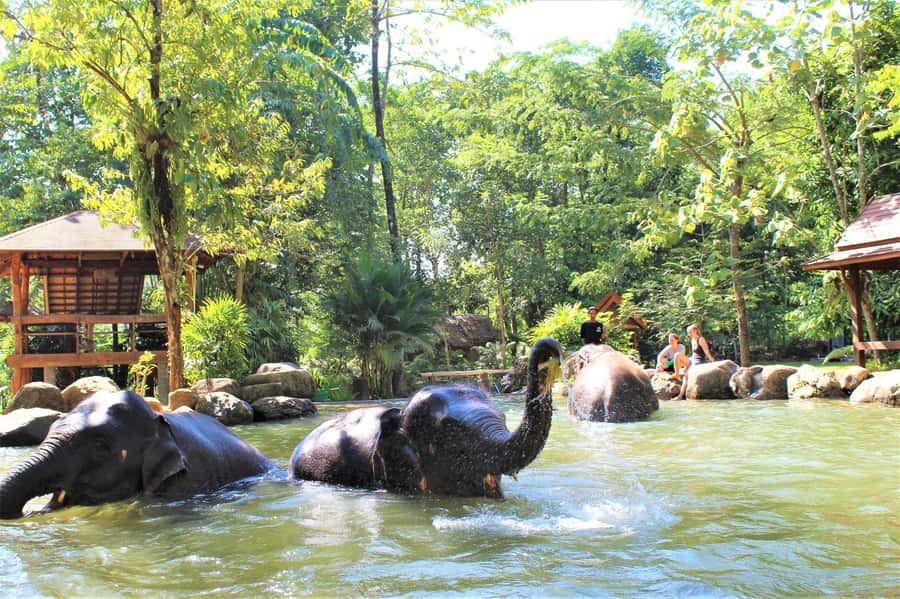
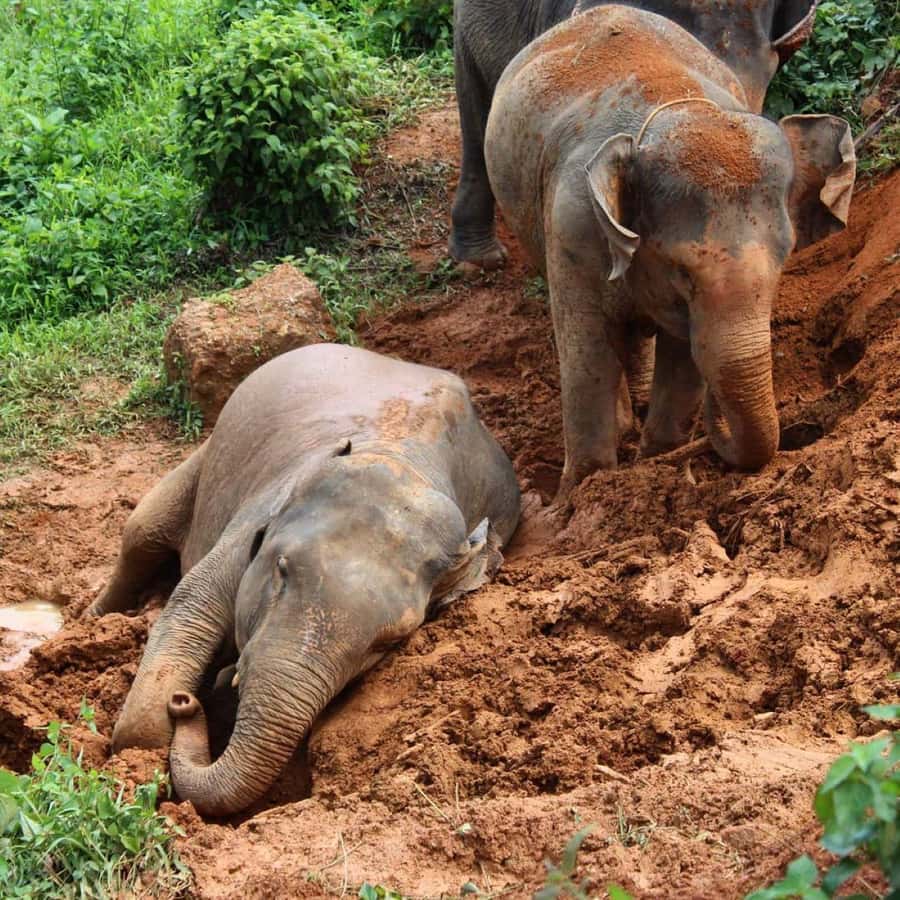
One of the most praised parts is the bathing. After your walk, you’ll watch your elephant bathe in a refreshing rock pool to cool down. The park notes you can also get into the water if you choose.
This is where your packing list becomes real. Bring swimwear and a towel, because you’ll likely end up closer to the water than you think. Even people who don’t plan to join the bath usually still get wet from splashes and spray when elephants settle in.
The rock pool segment also has a strong educational angle. It’s not random entertainment—it’s part of cooling off and comfort. When you see an elephant bathe in a natural-feeling way, you get a better sense of what “welfare” looks like day to day.
Afterward, the tour includes excellent shower and locker-room facilities, which is a relief. No one wants to sit in sweaty clothes while heading back to Phuket traffic.
Thai lunch and time to reset: shower, fruit, and a calmer finish
Once bathing and skin care wrap up, you’ll have time to shower and change. Then you’ll enjoy a traditional Thai lunch, freshly cooked, plus fresh fruit and refreshments afterward.
This meal timing makes sense. You’ve been active outdoors, then wet, then back into comfortable mode. Lunch isn’t an afterthought. It’s a proper reset, and it lets you recharge before the drive back to your hotel.
After lunch, you’ll have time to relax, take photos, and visit the souvenir shop and Education Centre. This is a nice add-on if you want to keep learning after your elephant time, especially if you’re the type who likes to read a bit and then remember it later.
Price and value: $112 for four hours of guided, welfare-focused care
The price is $112 per person for about four hours. On paper, elephant experiences can look expensive compared to basic tours. But here’s what you’re paying for, based on what the experience actually includes:
- Hotel pickup and air-conditioned transfer
- English-speaking guide
- Hands-on care elements: prepare food, feed, skin care
- A health check demonstration and explanations of elephant behavior and routine
- Jungle walking with your elephant
- Rock pool bath viewing (and the option to join)
- A real traditional Thai lunch, plus fruit and refreshments
- Shower and locker-room facilities
That’s a lot packed into a short time window, and it’s not just “stand near the animal.” You’re learning, you’re doing guided care tasks, and you’re getting a full end-to-end service with comfort stops.
Value also comes from the park’s stated approach: animal welfare is treated as the priority, and the park says it’s against unnatural and abusive practices while working to improve care and education. You can’t verify everything from the outside, but the structure of your day—training, health checks, care tasks, and welfare focus—lines up with an experience that’s built around elephant wellbeing.
Who should book this, and who should skip it
This experience fits best if you want more than a quick photo. If you enjoy learning how daily routines work, and you like hands-on but guided activities, you’ll likely have a strong day here.
It’s also a good choice if you’re comfortable with outdoor conditions. You’re walking through jungle, then you’re near water. You’ll be glad you brought the right items.
It’s not suitable for children under 4, based on the tour info. If you’re traveling with very young kids, you’ll need a different plan.
If you’re the type who hates waiting, this might test you a bit. The schedule includes time while your elephant rests, and that’s part of how these encounters work. The good news: it usually feels less like a delay and more like your chance to observe and learn.
Should you book this Phuket ethical elephant sanctuary experience?
If your priority is an elephant day that feels humane and educational, this is one of the stronger options in Phuket-area planning. You get real guided time: safety briefing, an elephant health check demonstration, learning about behavior and daily routine, and hands-on care like feeding and skin care. Then you cap it off with the rock pool moment and a proper Thai lunch.
Book it if you’re excited to walk alongside an elephant at her pace and you’re okay with getting a bit wet. You’ll also appreciate the practical support—caretaker outfit, showers, towel, and an English-speaking guide.
Skip it if you need a highly structured schedule with zero downtime or you’re traveling with very young children. This day is designed around elephant needs first, not human impatience.
Bottom line: for a half-day you’ll remember, with a welfare-centered approach and a genuinely active role for you, Phang Nga Elephant Park is worth putting on your Phuket itinerary.
FAQ
How long is the Phuket Ethical Elephant Sanctuary experience?
It lasts about 4 hours.
What’s included in the tour?
You’ll get hotel pickup and air-conditioned transport, an English-speaking guide, a welcome drink, a caretaker outfit, a safety briefing, a demonstration of an elephant health check, learning about elephants, jungle walking, preparing and feeding your elephant, skin care activities, watching your elephant bathe in a rock pool (with an option for you to join if you choose), shower and locker-room facilities, and a traditional Thai lunch with fresh fruit and refreshments. There’s also time for photos, plus a souvenir shop and Education Centre.
Do I need to bring anything?
Bring a towel, a change of clothes, swimwear, and insect repellent.
Will I be able to bathe with the elephant?
The tour includes watching your elephant bathe in a rock pool, and it notes that you can bathe there as well if you choose.
What’s the pickup like?
Pickup is included. You should wait in the hotel lobby 10 minutes before your scheduled pickup time, and pickup times can vary depending on your location.
Is this experience suitable for young children?
It is not suitable for children under 4 years old.
What makes the park an ethical elephant sanctuary?
The park states that animal welfare is paramount, that it is against unnatural and abusive practices, and that it works to promote education and improve elephant care.