REVIEW · BANGKOK
Bangkok: Half-Day Thai Cooking Class in Bangrak District
Book on GetYourGuide →Operated by Go Scoot Bangkok · Bookable on GetYourGuide
Five dishes, one Bangkok shortcut to flavor. This half-day class in Bangrak pairs a hands-on cooking session with a local market start, so you’re not just learning recipes—you’re learning the why behind Thai flavors. I especially liked cooking with an expert Thai chef and getting the chance to see ingredients up close during the optional morning market walk.
The one practical consideration: transport isn’t included, and the meeting point can vary by option. If you’re not already comfortable navigating Bangkok, plan your ride ahead so you arrive calm, not rushing.
In This Review
- Key highlights worth your attention
- Bangrak location: cooking right beside real groceries
- What you cook: five Thai dishes, built hands-on
- The market tour: learning Thai ingredients by seeing them
- Chef-led technique: how Thai flavors come together
- Curries and Thai soups
- Pad Thai and spring rolls
- Mango sticky rice
- Meal time: eating what you made, not just tasting it
- Drinks and optional alcohol
- Recipes and take-home value: turning class notes into real dinners
- Price and value: is $45 fair for 4 hours in Bangkok?
- Who should book this class, and who might not love it
- Things to watch for
- Tips that make the class easier and more fun
- Should you book this Bangkok Thai cooking class?
- FAQ
- Is the market tour included?
- How many dishes will I cook?
- What food do I eat during the class?
- Can the class accommodate vegetarian or halal diets?
- Do I get recipes after the class?
- Are drinks included, and is alcohol allowed?
- Are there age or height requirements?
Key highlights worth your attention
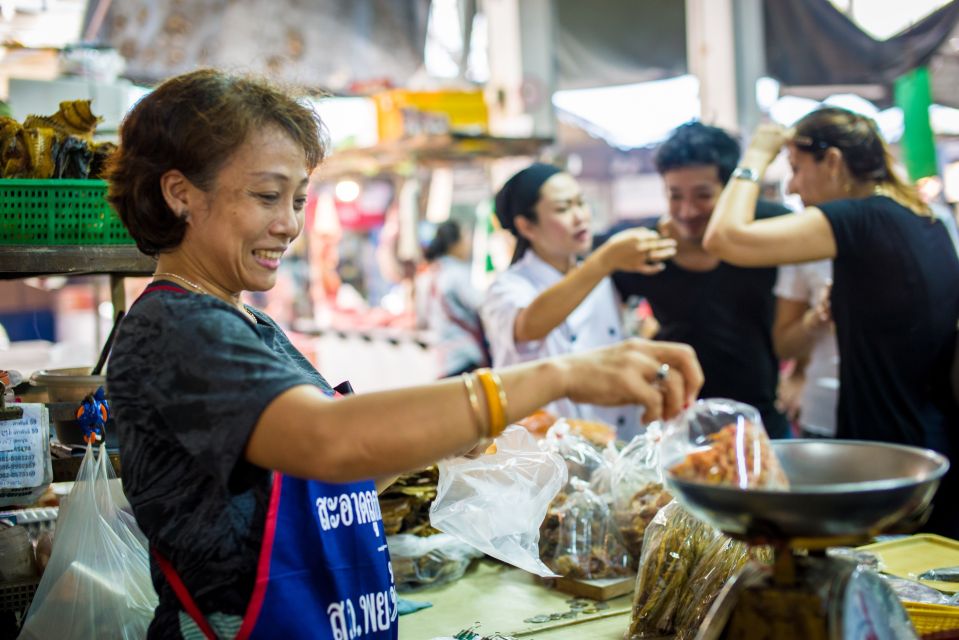
- Morning market walk (if you book it): see how locals stock staples and specialty ingredients before you cook.
- 5 dishes from scratch: you’re not watching from the sidelines; you’re actively cooking and tasting.
- Chefs tailor menus: you can request no seafood or other preferences (and let them know allergies).
- You leave with recipes: the school emails the full recipe list plus pictures.
- A lot of food for 4 hours: you should come hungry, because the pace is fast and filling.
- Diet-friendly options: halal and vegetarian-friendly, based on the class information.
Bangrak location: cooking right beside real groceries
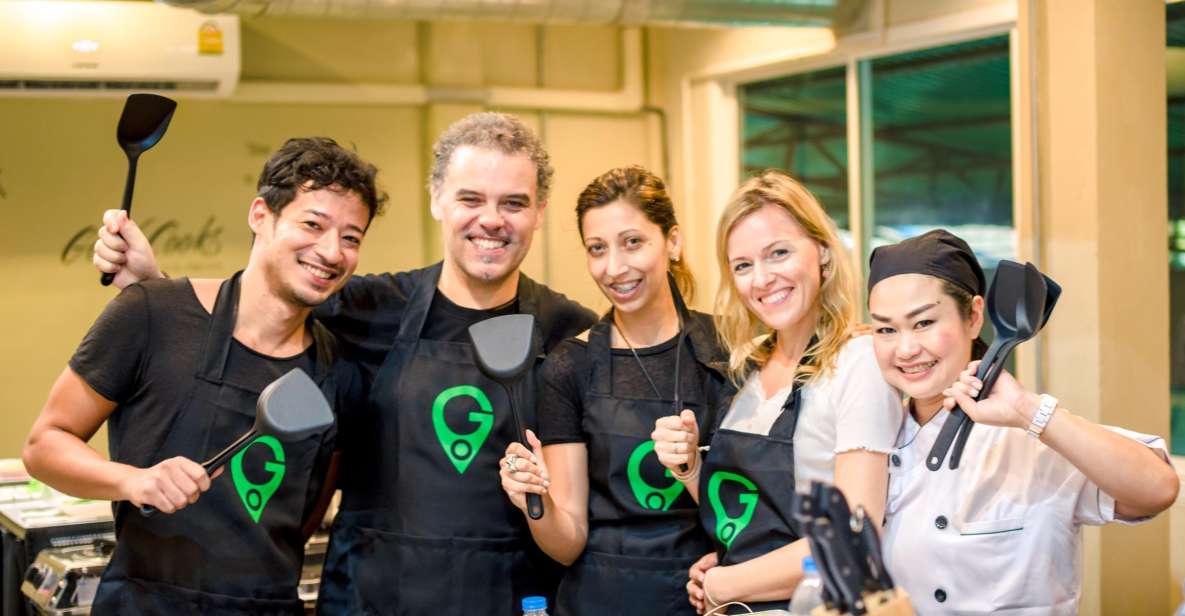
Bangkok’s best food moments often start at street level, not in a studio. This class starts at a cooking school in Bangrak that’s set down a busy road right next to a fresh market, so the day has a natural rhythm: you arrive with Thai smells in the air, then you go straight into ingredients and technique.
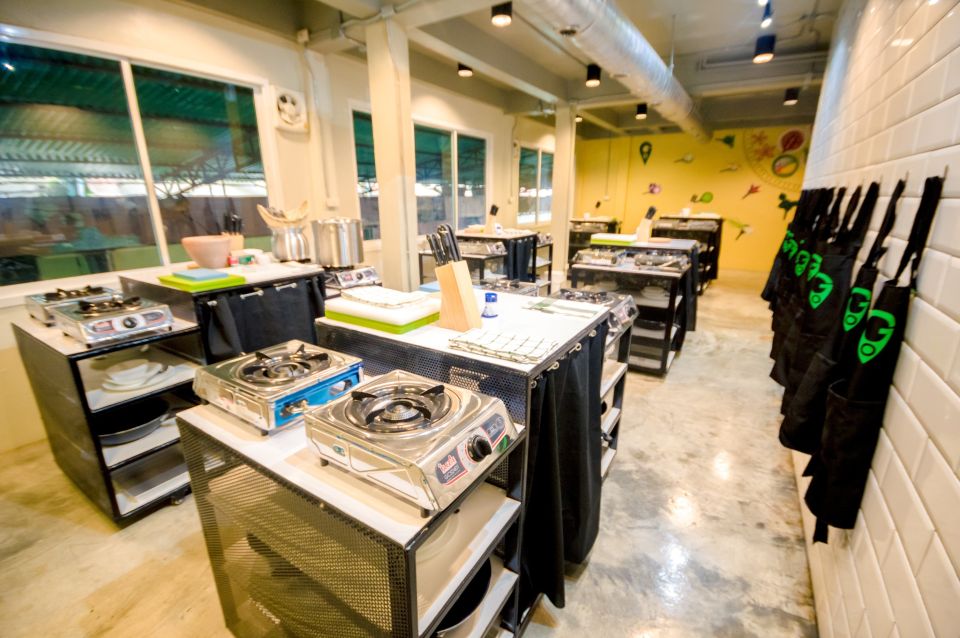
Even if you choose the afternoon slot (when there’s no market tour), the spirit stays the same. You’ll still cook in a proper kitchen setup, not a demo theater, and the class is built around making dishes you can reproduce later.
One reason I think the location matters: the market-vs-kitchen flow teaches you how Thai cooking actually works. Thai dishes aren’t just about one spice; they’re about building flavor in layers using the right ingredients in the right form.
You can also read our reviews of more cooking classes in Bangkok
What you cook: five Thai dishes, built hands-on
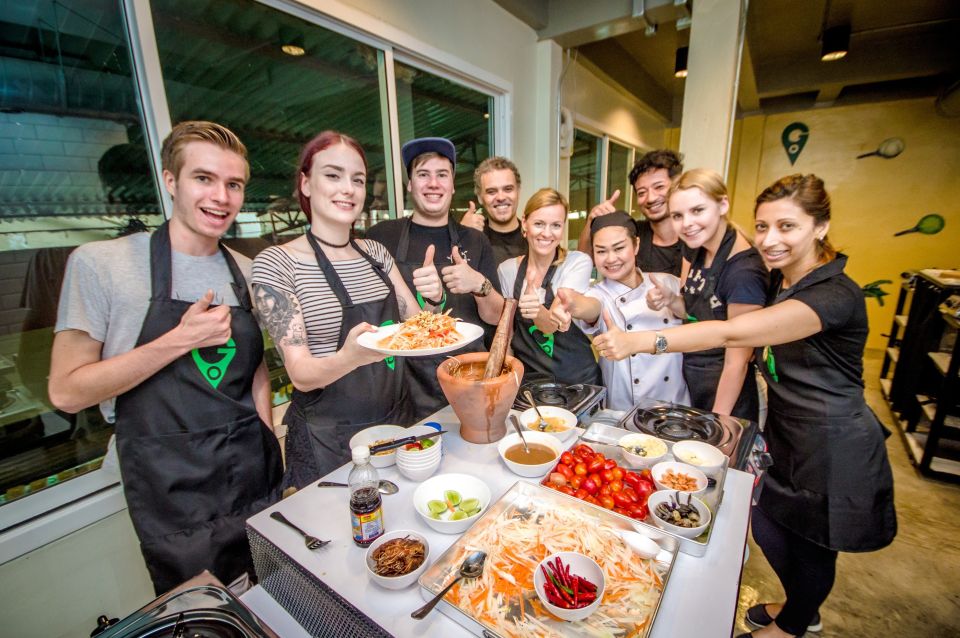
The class is designed around preparing and cooking five authentic Thai dishes. The menu changes daily, but the core list you’ll likely see includes crowd favorites like Pad Thai, a fragrant curry, sweet mango sticky rice, and crispy spring rolls. You may also cook other Thai classics depending on the day and what fits your group.
What makes this feel different from cooking classes that only cover sauces is that the dishes are built as a sequence. You’ll learn how Thai cooks treat texture, timing, and balance—like when you need heat high, when you need it steady, and when you’re aiming for fragrance more than color.
Also, the class rhythm is meal-shaped. In a handful of hours, you don’t just end up eating one small tasting. You make the dishes, you sit down together, and you actually have a proper meal of what you cooked.
The market tour: learning Thai ingredients by seeing them
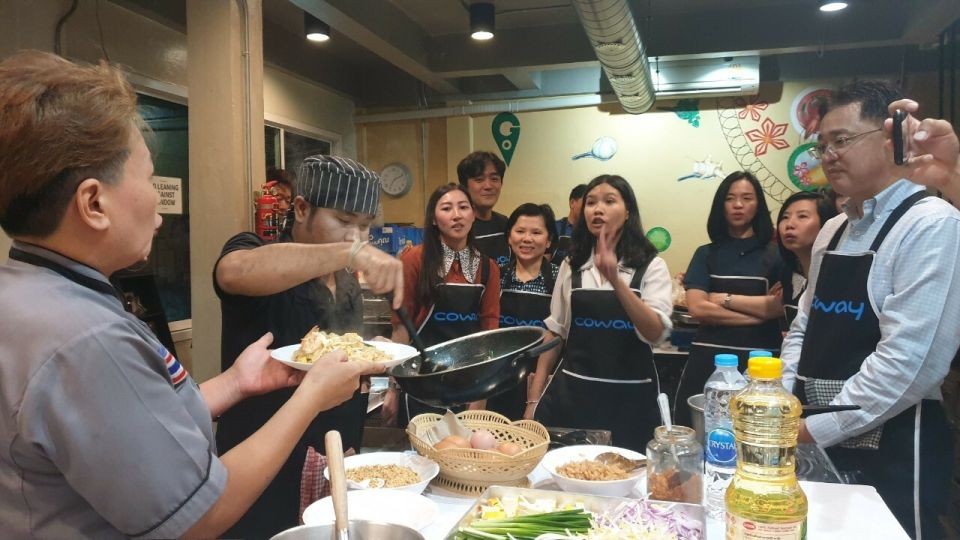
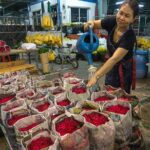
If you book the morning session, you get the market tour first. This isn’t a long history lesson or a staged photo stop. It’s a practical walk with your chef pointing out where Thai people buy fresh ingredients, and why those ingredients matter for texture and taste.
From experiences shared by other participants, the market part tends to stick in your memory because you notice things you’d normally skip. For example, you’ll get a clearer sense of what a Thai kitchen means by balance: how sweet, sour, salty, and spicy ingredients come together not as separate items, but as a working system.
The market also helps you understand substitution. Thai cooks aren’t trying to protect a single brand of ingredient; they’re trying to protect the role that ingredient plays. When the chef explains what they’re looking for, you get a usable framework for shopping later at home.
One more tip: the market walk makes you hungry. If you ever tend to eat breakfast too early, consider saving it. The class pacing is set up so you’re fed during the session, not before it.
Chef-led technique: how Thai flavors come together
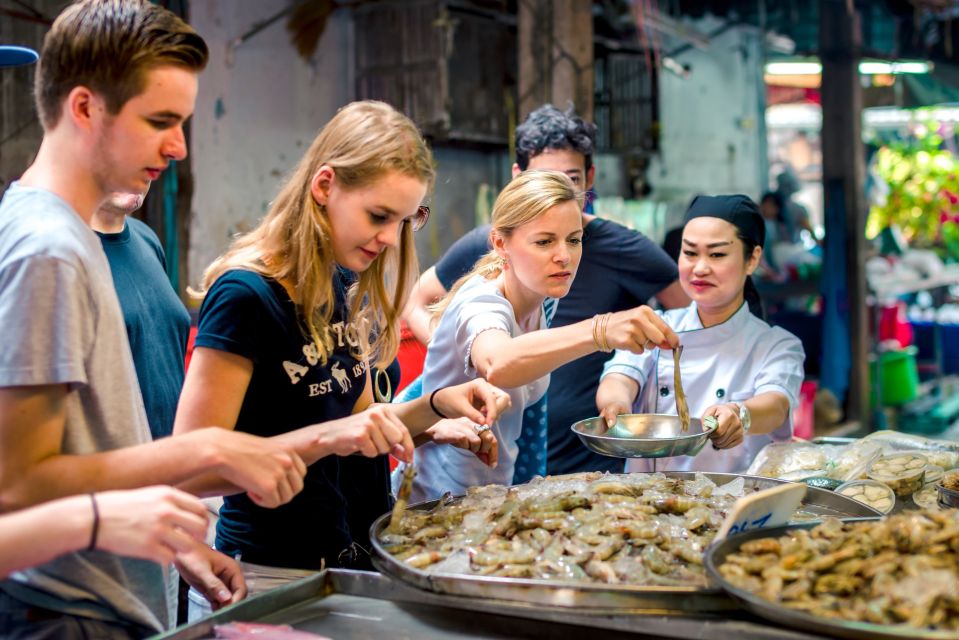
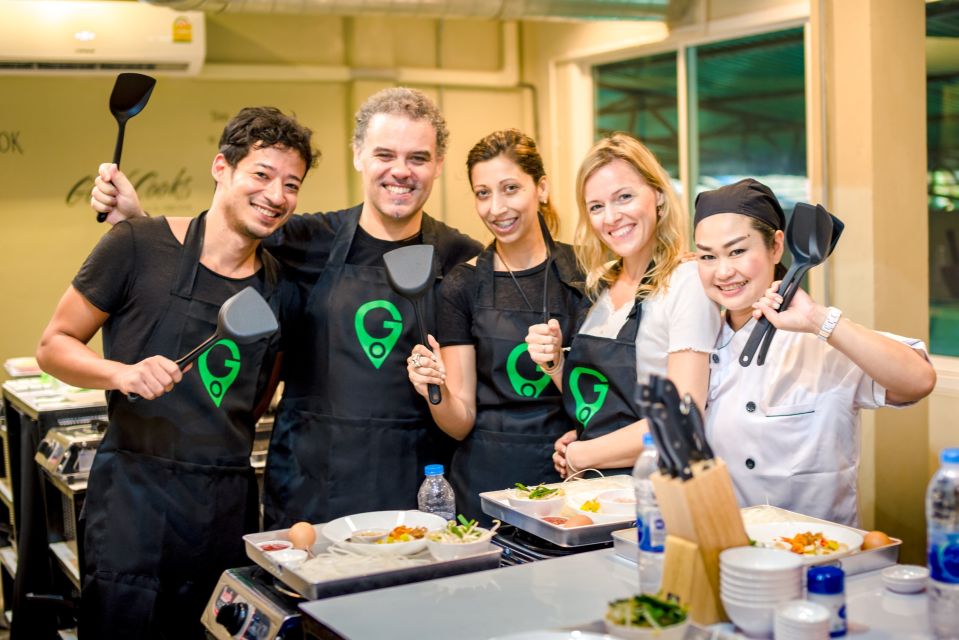
You’ll cook with a Thai expert chef who guides you step-by-step. The class languages are Thai and English, and the teaching style is hands-on—meaning you’re doing the cutting, mixing, and assembling, not just taking notes.
One of the most praised parts of this experience is that chefs adjust the menu based on preferences. People have shared that their chefs tailored dishes around requests like avoiding fish or seafood, and even for pescatarian diets. If you have allergies, you should let the operator know ahead of time, since the class runs on fresh ingredients that aren’t always optional.
Curries and Thai soups
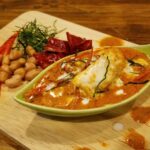
Curry days can be especially satisfying because Thai curry isn’t just a paste you dump into a pot. You learn how to build the flavor base and how to keep the balance right, whether the curry ends up aromatic and silky or richer and heavier.
Some past menus have included dishes like Masaman curry and Tom Kha (a coconut-based Thai soup). Even if you don’t get those exact dishes, the technique logic stays the same: you’re learning the pattern behind the flavor.
A few more Bangkok tours and experiences worth a look

Pad Thai and spring rolls
Pad Thai is a dish many people know, but most don’t know how much technique matters. The class approach focuses on timing and how to work with the ingredients so they end up glossy, not dry; tangy, not muddy.
Spring rolls (including crispy hand-rolled style) bring another skill set: wrapping and frying technique. You’ll see how Thai kitchens treat crispness as a result of process, not luck.
Mango sticky rice
Mango sticky rice is a sweet finale that also teaches a very specific Thai concept: how starch and coconut sweetness behave together. Getting this right at home is one of those wins you can feel, because the dish is simple on paper but precise in execution.
Meal time: eating what you made, not just tasting it
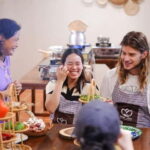
After the cooking, you sit down with your group to enjoy the dishes you created. This matters more than you might think. Many cooking classes end with tiny samples that don’t feel worth the cost. Here, you’re expected to eat a real meal, and you’ll likely leave satisfied and a bit full.
If you’re planning the rest of your day, keep the timing in mind. A few participants have noted that they ended up quite full by the end, especially if they ate beforehand. So think of this class as your food anchor for the half day, not a side quest.
Drinks and optional alcohol
Water, coffee, and tea are included and unlimited. If you want beer, it’s available for purchase. And if you prefer to bring your own alcohol, the class information says you can do so without corkage charge.
If alcohol isn’t your thing, you can still make this a focused experience. The included drinks are easy to rely on while you cook.
Recipes and take-home value: turning class notes into real dinners
The big practical win is that the school emails the full recipe list after the class, including pictures. That’s huge if you don’t cook much at home. Thai cooking often feels intimidating because it’s more about balance and method than one magic ingredient.
Because the class uses the same menu you cooked, the recipes map directly to what you made that day. You can recreate the dishes later without guessing measurements or technique steps.
Some experiences also mention having leftovers packaged up to take away. If that option is important to you, it’s worth asking on the day, but the class is clearly set up to feed you well.
Price and value: is $45 fair for 4 hours in Bangkok?
At $45 per person for a 4-hour session, this class can be a strong value if you’re looking for more than a food tour with light cooking. You get:
- Guidance from a Thai chef during active cooking
- Ingredients and lessons to make five dishes
- The meal (you eat what you cook)
- Unlimited water, coffee, and tea
- Recipes and class pictures sent after the session
- Market tour in the morning option only
The hidden value is that you’re not just paying for food. You’re paying for technique, ingredient handling, and a repeatable skill set you can use at home. If you love Thai food already, this is the closest thing to a shortcut that still feels authentic.
The only time the price might feel less worth it is if you prefer cooking at your own pace or you’re already comfortable recreating Thai dishes from scratch. But for most people, the chef guidance and recipe follow-up make the cost easier to justify.
Who should book this class, and who might not love it
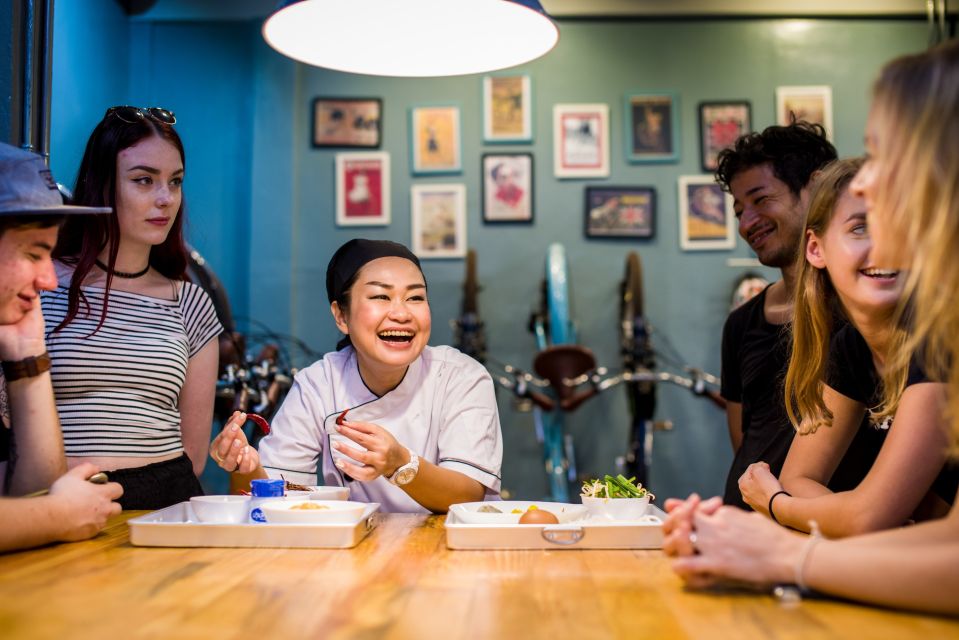
This is a great fit if you want a hands-on intro to Thai flavors in Bangkok, especially if it’s one of your first days. The market walk plus cooking sequence gives you a sense of what Thai households actually buy and how they use it.
It’s also a good choice if you’re traveling with specific dietary needs. The class info states it’s halal and vegetarian-friendly, and people have shared that chefs have adjusted dishes for pescatarian diets and avoided seafood.
Things to watch for
- Children under 12 aren’t eligible, and you must be at least 140 cm tall.
- It’s not suitable for people with mobility impairments.
- Transport isn’t included, so you’ll need to plan your arrival and return.
If you’re expecting a quiet, minimalist class, this isn’t that. It’s a lively food session in an active neighborhood and kitchen environment.
Tips that make the class easier and more fun
A few practical moves can improve your experience right away.
- Come hungry. The class pace is set so you’ll be fed during the session, and people have specifically warned that eating beforehand can spoil the comfort level.
- Tell them your allergies early. The operator asks for allergy details, and it’s smart to do it before day-of.
- Bring curiosity, not perfectionism. Thai cooking is about balance and technique, and the chef’s job is to help you get it right.
- Do the morning market tour if you can. Even if you don’t consider yourself a food shopper, the market part teaches you how ingredients work together.
- Plan your schedule after the class. You’ll likely be full, so keep the rest of the day lighter.
Should you book this Bangkok Thai cooking class?
Book it if you want a real Thai food day with active cooking, a chef who explains what matters, and recipes you’ll actually use again. The market tour in the morning adds a layer that turns the dishes into something you understand, not just something you taste.
Skip or rethink it if you need step-free accessibility, you don’t want a hands-on kitchen experience, or you’d rather spend your half day in Bangkok roaming without being tied to a cooking schedule. Also be honest about transport: since it isn’t included, you’ll want a simple plan to get there.
If you love Thai food and you want skills, this is one of the most practical ways to bring Bangkok’s flavor home.
FAQ
Is the market tour included?
Yes, the market tour is included for the morning session only.
How many dishes will I cook?
You’ll prepare and cook five authentic Thai dishes.
What food do I eat during the class?
You cook the dishes during the session, then you sit down and eat a meal made up of the dishes you created.
Can the class accommodate vegetarian or halal diets?
Yes. The class information says it is halal and vegetarian-friendly.
Do I get recipes after the class?
Yes. All recipes and class pictures are sent for free after the class.
Are drinks included, and is alcohol allowed?
Unlimited water, coffee, and tea are included. Beers are available to buy, and you’re welcome to bring your own alcohol with no corkage charge.
Are there age or height requirements?
Yes. You must be over age 12 and at least 140 cm tall.