REVIEW · BANGKOK
Floating & Railway markets (multi-language)
Book on GetYourGuide →Operated by Thailand Insight Travel · Bookable on GetYourGuide
Boat to the market, then a train through it. That mix is what makes this 7-hour floating and railway day in Ratchaburi such a fun switch from the usual temples-and-tours loop. I especially like the hotel pickup/drop-off by private A/C vehicle, because it means less transit stress before you even reach the canals.
I’m also drawn to the people-led part: multilingual guides fluent in English, Chinese, Spanish, Italian, French, and German explain what you’re seeing (and keep the day moving with purpose). The only real watch-out is physical: it’s not set up for wheelchairs, and it’s also not stroller-friendly, so you’ll want to plan for standing and short walking between stops.
If you like Thai local life beyond postcard photos, this route hits several layers: a motorboat in Damnoen Saduak, the Maeklong train-market moment, and stops at Chinese-influenced places like Phet Samut Worawihan Temple—a shrine locals actually care about, not just a place to tick off.
In This Review
- Key Things I’d Actually Watch For
- Damnoen Saduak and Maeklong: Why This Pair Works
- Price and Logistics: What Your $138 Covers (and What It Doesn’t)
- Hotel Pickup to Ratchaburi: The Part You Can Relax About
- Damnoen Saduak Floating Market by Boat: What You’ll Notice Fast
- The Mae Klong Railway Market Train Moment: The “Clear Fast” Experience
- Phet Samut Worawihan Temple and Other Stops: Chinese Shrines with Meaning
- Coconut Farm and Salt-Making: The Quiet Side of Market Life
- Food Plan: You’ll Need to Budget for Meals
- Who This Tour Suits (and Who Should Skip It)
- Small Practical Tips That Make the Day Easier
- Should You Book Floating and Railway Markets?
- FAQ
- How long is the Floating & Railway markets tour?
- What’s included in the price?
- Do I need to pay for meals during the tour?
- What languages are available for the guide?
- Does the tour include a train ride?
- Is hotel pickup included?
- Is the tour wheelchair accessible or stroller-friendly?
Key Things I’d Actually Watch For
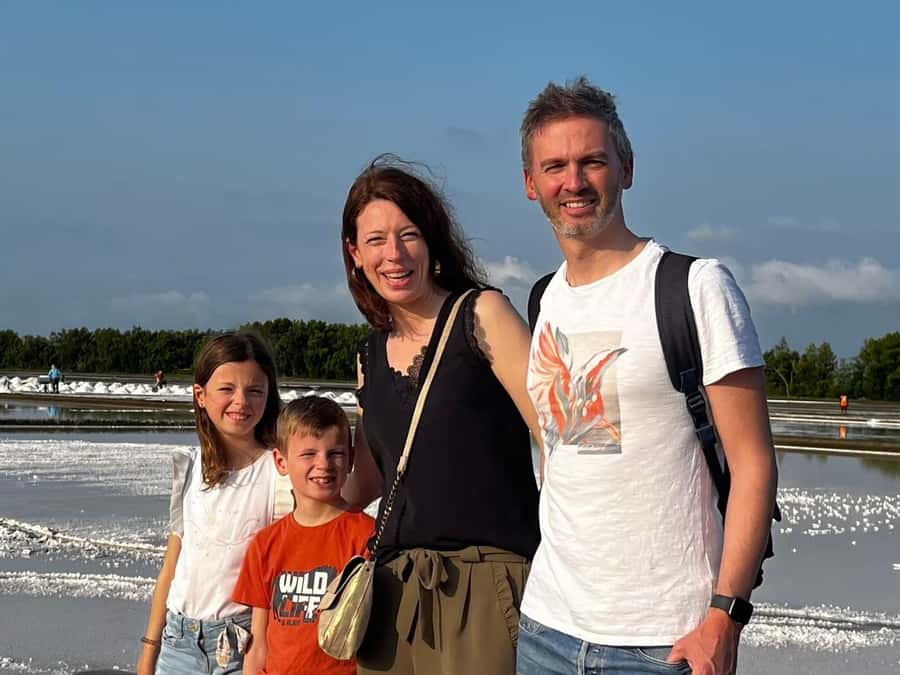
- Private transport first: hotel pickup/drop-off keeps the day tight and predictable
- Boat ride at Damnoen Saduak: you’ll see how the market works from the water
- Train-to-market timing: the big show is vendors clearing quickly as the train comes
- Chinese shrine stop: Phet Samut Worawihan Temple gives the cultural meaning behind the photos
- More than markets: coconut farm, salt-making, and temple visits add context
- Multilingual guide: explanations match your language and personal interests
Damnoen Saduak and Maeklong: Why This Pair Works
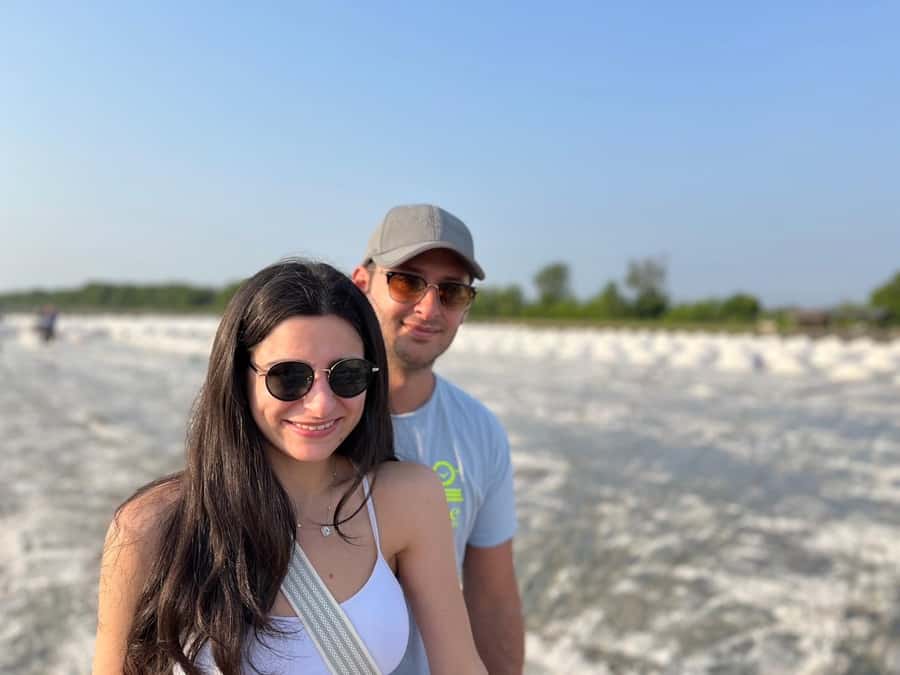
Most market tours pick one thing and milk it for hours. This one does two very different “market worlds” back-to-back, and the contrast is the point.
Damnoen Saduak Floating Market is all about canals. You’re riding in a traditional Thai motorboat through the market zone, which changes how you experience it: you’re not stuck on a walkway fighting for a view. Instead, you’re moving with the flow of vendors and boats, which helps you understand how the trade happens day to day.
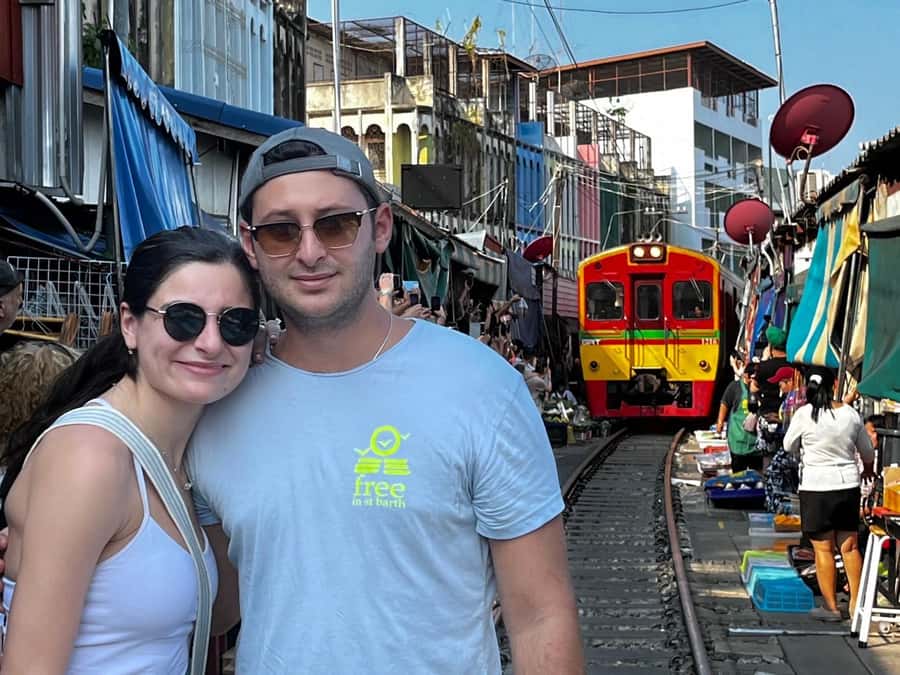
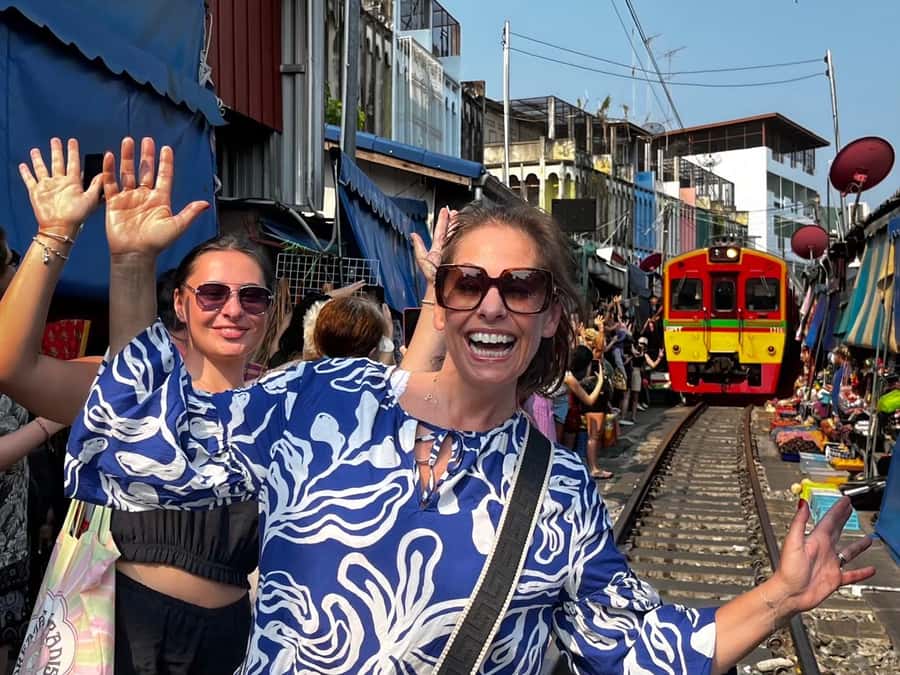
Then Maeklong Railway Market turns the idea upside down. The food and goods sit right near the track, and when the train approaches, the scene changes fast. You’ll see vendors swiftly clearing their items as the train comes through toward Mae Klong station. That “wait for it” tension is oddly compelling, even if you’ve seen photos before.
You also get a cultural layer that usually gets skipped. The stop at Phet Samut Worawihan Temple, described as a cherished local Chinese shrine, helps explain why Chinese temple life is woven into parts of Thailand’s everyday community.
The drawback? You’re packing a lot into one day. The whole experience runs about 7 hours, so it’s best for people who like busy itineraries and don’t need long unstructured time.
You can also read our reviews of more tours and experiences in Bangkok.

Price and Logistics: What Your $138 Covers (and What It Doesn’t)
At $138 per person, this isn’t a “cheap seats” outing, but it’s also not just for sightseeing bragging rights. The value sits in the structure:
- Private licensed guide/interpreter in your language (English/Chinese/Spanish/Italian/French/German)
- Private air-conditioned vehicle with hotel pickup/drop-off
- Private motorboat ride in the floating market
- Accident insurance up to 1,000,000 THB per person
Those are the costly parts when you do it on your own: transport across Bangkok-area pickup points to Ratchaburi, finding the right operator for the boat, then layering the train-market timing. Here, you’re paying for organization, language support, and fewer headaches.
What’s not included is also clearly defined: meal costs for you and your guide, plus any overtime fee for professional guide and driver ($19 per hour). In plain terms, you should budget for your own lunch/snacks and plan to finish within the scheduled day so you don’t trigger extra time.
Also keep in mind: you can cancel up to 24 hours in advance for a full refund, and there’s a reserve now & pay later option. That flexibility matters if your Bangkok plans might shift.
Hotel Pickup to Ratchaburi: The Part You Can Relax About
This tour is designed around convenience. Pickup and drop-off are included, and the transfer team handles your route from hotels near selected BTS skytrain stations.
The service area is listed as Surasak (Sathon) through Siam–Phaya Thai–Sukhumvit up to Asoke. If your hotel falls in that zone, you avoid the guesswork of where to meet and how to get everyone coordinated.
Because the day runs on fixed experiences (boat time, then train-market timing), getting there smoothly is half the battle. And when transport is included with a private A/C vehicle, you’re not stuck improvising between stops with a tired group.
One practical tip: you’re asked not to bring valuables. That’s not unusual for market days where hands move fast and bags can get jostled. Keep your important stuff minimal, and keep your phone secured.
Damnoen Saduak Floating Market by Boat: What You’ll Notice Fast
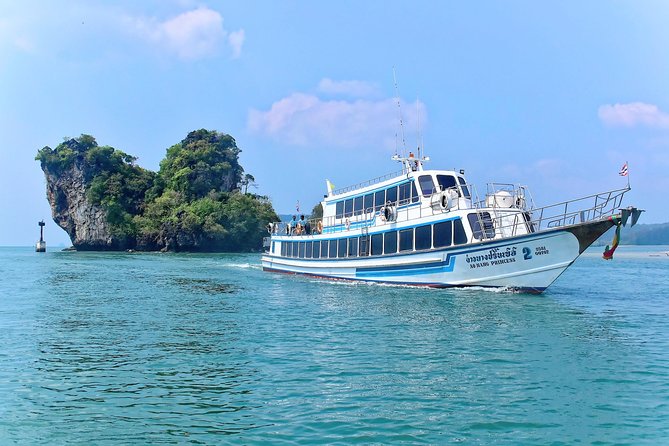
The Damnoen Saduak portion is a traditional Thai motorboat ride through the floating market area. The practical advantage is that you’re not only observing from the shore. You get a moving view of vendors selling from boats, plus the everyday choreography of canal traffic.
A good guide matters here. With multilingual interpretation available (and a guide who tailors explanations to your nationality and interests), you’ll spend less time guessing what you’re looking at. You’re also more likely to spot the small details that make markets feel real rather than staged.
What I’d watch for during the boat ride:
- How vendors present goods from their boats (not just what they sell)
- How you move through the waterway without turning it into a traffic jam
- The guide’s explanations that connect everyday products to local work back on land
Also, plan to keep your phone ready but not loose. You’ll want a charged smartphone (it’s specifically requested). Just remember: valuables aren’t allowed, so don’t bring the “I’ll just keep it in my hand” temptation.
The Mae Klong Railway Market Train Moment: The “Clear Fast” Experience
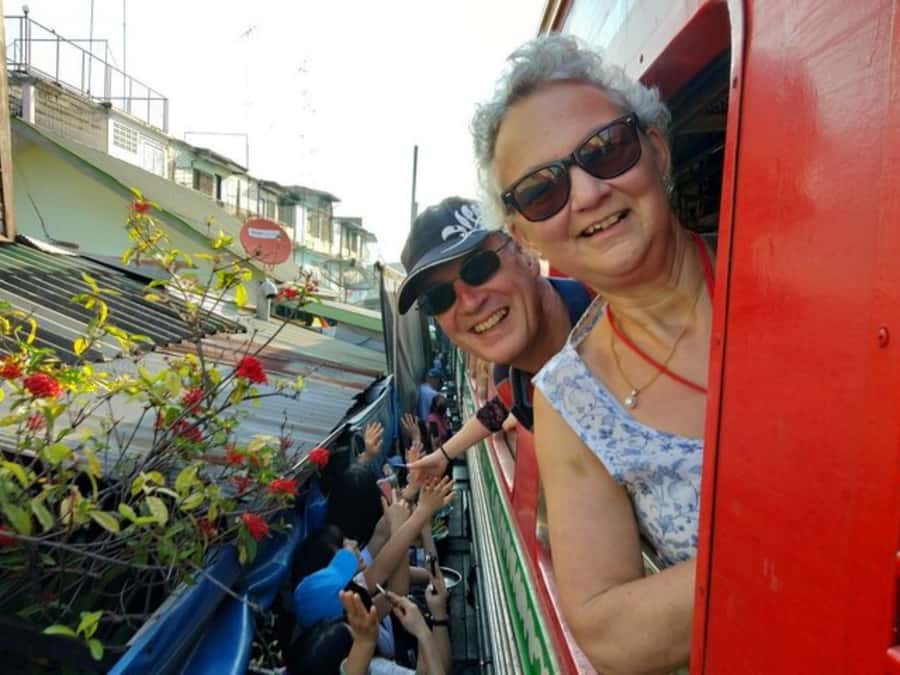
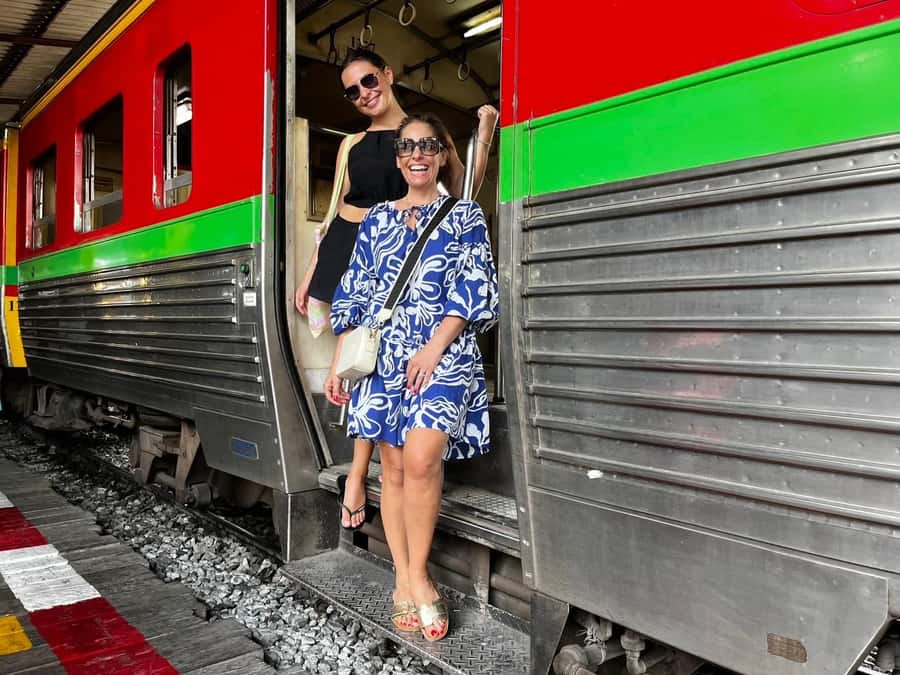
After the boat portion, the day shifts to the railway segment: a local train ride bound for Mae Klong station, followed by time at Maeklong Railway Market.
The signature moment is exactly what you hope it is. As the train approaches, vendors rapidly clear their items. It looks chaotic in photos. Up close, it’s more like practiced timing: people react, pull back goods, and make room in a narrow space.
This stop is where the day earns its reputation. It’s visual, dramatic, and grounded in real daily activity. The guide’s job here is to help you understand what you’re seeing—why the market and railway coexist, and what that means for how people manage commerce in tight spaces.
One consideration: this is a close-to-the-action experience. You’ll likely be standing and moving around the market area while the train moment unfolds, so don’t plan on a slow, relaxed pace here.
If you’re prone to motion sensitivity, note that you’re also doing a train ride plus a boat earlier. Keep that in mind if you’re planning around comfort.


Phet Samut Worawihan Temple and Other Stops: Chinese Shrines with Meaning
Markets are loud. Temples are where you catch your breath and learn why these communities do what they do.
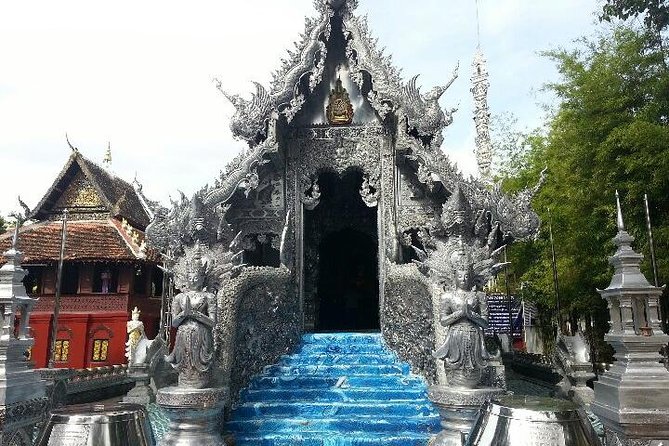
This tour includes Phet Samut Worawihan Temple, described as a cherished local Chinese shrine. That detail matters. Instead of only visiting a temple because it’s “famous,” you’re going to a shrine that locals actively value, with your guide explaining the context in your language.
You’ll also visit Ban Laem Temple and Chulamanee Temple. That’s a strong addition because temple stops usually come with different emphasis: architecture, ritual style, and community connections. Having multiple sites also gives you a better sense of how religious life varies by place, even within the same broader cultural influence.
What I’d do as you visit:
- Listen for what the guide points out as important (not just general background)
- Look at who’s there and how people behave—watching locals is often more instructive than reading signage
- Take a slower pace here to balance the speed of the market-and-train sections
If you’re the type who likes context, these temple stops are why the tour feels more like a story than a photo sprint.
Coconut Farm and Salt-Making: The Quiet Side of Market Life
Between the markets and the temples, you get locally-operated stops that explain the supply chain behind what you see.
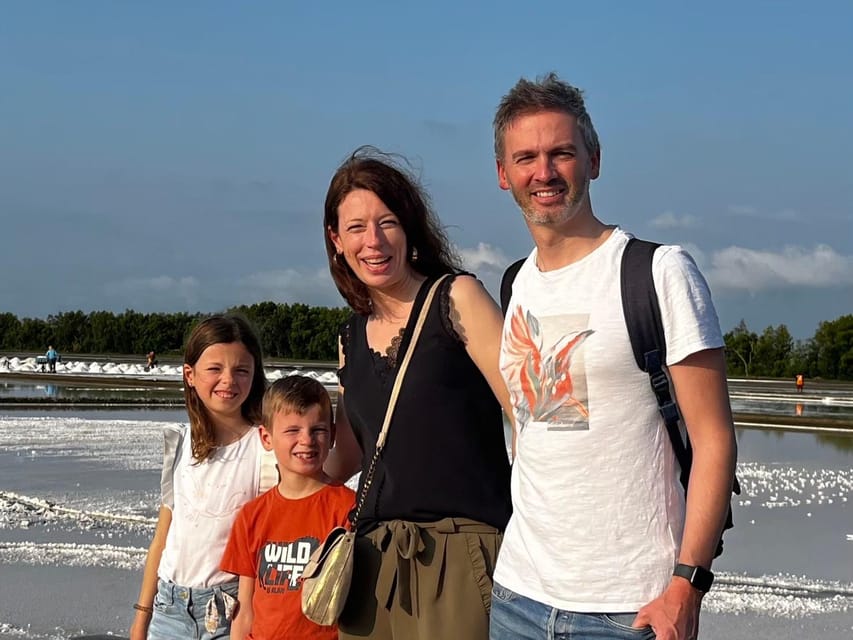
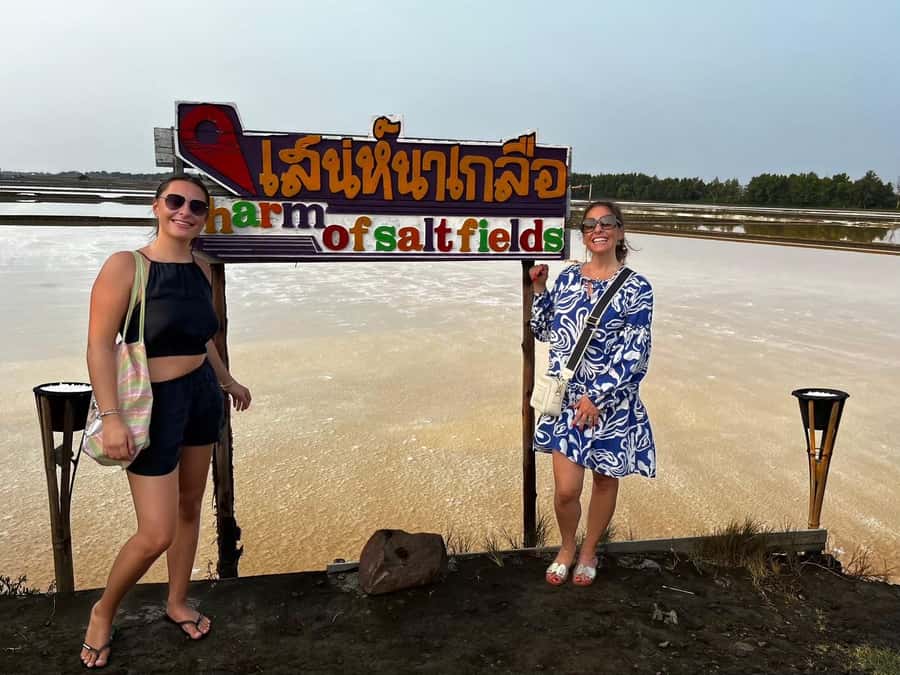
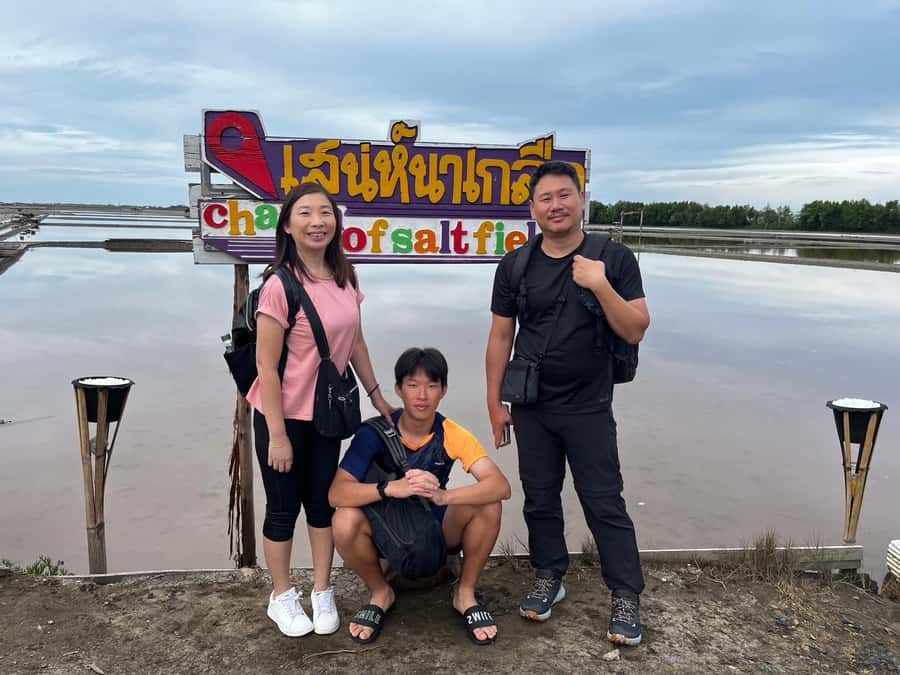
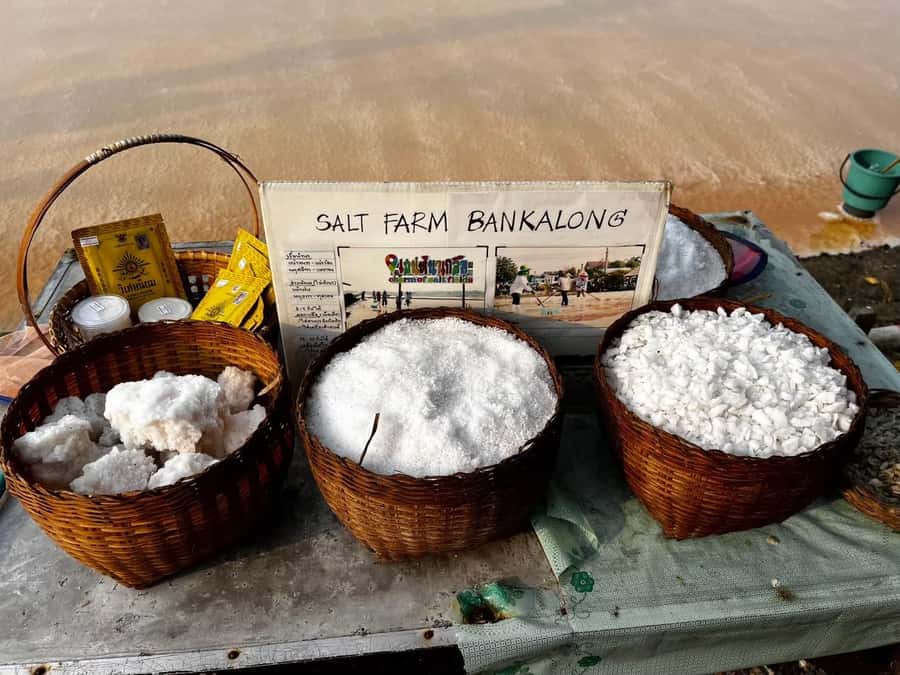
The tour includes a coconut farm and a traditional salt-making process. These aren’t just “look at a factory” moments. They add something important: they connect the products you buy (or see sold) with the work that creates them.
This matters because a market can feel like magic if you only experience the buying side. When you see how products come from farms and traditional processes, the whole day clicks. You understand why certain items are common, and why people rely on specific local methods.
Even without a long hands-on session described, the guide’s interpretation is the key. With multilingual support, you can ask what you want and get explanations that match your language, not just vague pointers.
Food Plan: You’ll Need to Budget for Meals
Meals aren’t included. That’s common for day trips, but it affects how you should plan your day.
Since lunch (and any snacks) are on you, I recommend you carry a little extra flexibility. If you’re sensitive to waiting times, ask the guide early how the schedule typically works for food stops, then plan around that.
Also, because overtime could cost $19 per hour, it helps to keep your meal choices simple and nearby to avoid prolonging the day.
The good news: your guide will be able to point you toward an authentic Thai cuisine restaurant. That’s included as part of the experience, even if you still pay the meal costs yourself.
Who This Tour Suits (and Who Should Skip It)
This tour fits best if you want three things at once: efficient transport, clear language support, and a route that mixes markets with cultural context.
It’s especially good for:
- Couples and small groups who want a private experience (not a crowded bus vibe)
- People who care about explanations and want them in English, Chinese, Spanish, Italian, French, or German
- Travelers who enjoy watching work in action, from canals to railways
- Anyone who likes religion and local culture beyond only major tourist temples
It’s less ideal if:
- You need wheelchair access. The tour is not wheelchair accessible.
- You rely on a stroller. It’s not stroller accessible.
- You’re traveling with an infant who needs lap seating. Infants must not sit on laps, and infant seats aren’t available.
If any of those apply, you’ll want to look for a different format.
One more thing: the tour asks you not to bring valuables. If that’s hard for you, consider bringing only what you truly need.
Small Practical Tips That Make the Day Easier
You don’t need a packing list the length of Thailand. Just handle the basics well:
- Bring a charged smartphone. The tour specifically asks for it.
- Keep valuables to a minimum.
- Wear comfortable clothes and shoes. You’ll be on a boat and moving between stops.
- Keep your expectations realistic: this is a scheduled 7-hour experience. It’s not meant to stretch into an all-day wander.
The other big tip is attitude. The boat and railway moments are time-specific. Go in ready to follow the guide’s lead, and you’ll get the best versions of both markets.
Should You Book Floating and Railway Markets?
If your travel style is “show me the real thing,” this is a strong pick. You get a private boat ride at Damnoen Saduak, the memorable train-and-market moment at Maeklong Railway Market, and temple stops that include Phet Samut Worawihan Temple plus Ban Laem and Chulamanee. That combination is hard to replicate smoothly on your own.
The deal-breaker is mainly physical/logistical: not wheelchair accessible and not stroller-friendly. If you can handle some standing and quick movement between stops, the day feels well balanced—markets for the spectacle, cultural stops for the meaning.
Also, the guide language support is a big win. When you’re in German, English, Chinese, French, Italian, or Spanish, you’re not stuck translating the vibe in your head. You can ask questions and understand what you’re seeing.
I’d book it if you want a guided day that’s organized, culturally grounded, and built around two of the most photogenic local market experiences in western Thailand.
FAQ
How long is the Floating & Railway markets tour?
The tour duration is 7 hours.
What’s included in the price?
Included are a private licensed guide/interpreter in your selected language, private air-conditioned vehicle with hotel pickup and drop-off, a private motorboat ride in the floating market, and travel accident insurance (max coverage 1,000,000 THB per person).
Do I need to pay for meals during the tour?
Meals are not included, so you’ll need to cover meal costs for yourself. Meal costs for the guide are also listed as not included.
What languages are available for the guide?
The guide is available in German, English, Chinese, French, Italian, and Spanish.
Does the tour include a train ride?
Yes. It includes a local train ride bound for Mae Klong station as part of the railway market experience.
Is hotel pickup included?
Yes. Pickup and drop-off are included by the guide’s team for hotels nearby selected BTS skytrain stations (Surasak through Siam–Phaya Thai–Sukhumvit up to Asoke).
Is the tour wheelchair accessible or stroller-friendly?
No. The tour is not wheelchair accessible and not stroller accessible.