REVIEW · CHIANG MAI
4-Hour Doi Suthep & Hmong Hill Tribe Village from Chiang Mai
Book on GetYourGuide →Operated by Touring Center · Bookable on GetYourGuide
One big payoff in just half a day. You’ll pair Wat Phra That Doi Suthep with a Hmong Hill Tribe village visit, all with a real guide and a comfy ride up the mountain. It’s a compact cultural loop that moves at a human pace.
Two things I really like: you get both guided temple storytelling and a hands-on look at village life at Doi Pui (museum plus time to wander and see the market). I also love the built-in viewpoint moment at the terrace—Chiang Mai looks totally different from up there.
One consideration: you’ll be walking on temple grounds and dealing with the 309 steps unless you use the included cable car, so plan for stairs and uneven stone. If you have back, heart, or mobility issues, this tour isn’t a good fit.
In This Review
- Key highlights to look for
- Why Doi Suthep and Doi Pui work in one 4-hour plan
- Getting up the mountain: pickup, ride time, and what the van means
- Doi Pui Hmong Hill Tribe Village: museum first, then the village rhythm
- Wat Phra That Doi Suthep: 309 steps, cable car, and a guide that connects the dots
- The terrace views of Chiang Mai: how to time your photos and manage weather
- How the pacing feels with a small group of 9
- What to wear and bring so temple time stays stress-free
- Price and value: is $36 for temple + village actually fair?
- Who this tour suits best (and who should skip it)
- Should you book this 4-hour Doi Suthep & Doi Pui tour?
- FAQ
- How long is the tour and when do I get picked up?
- Do I have to climb all 309 steps to Wat Phra That Doi Suthep?
- What’s included in the $36 price?
- What should I wear for the temples?
- Is the tour suitable if I have mobility issues or need a wheelchair?
- What is the cancellation policy?
Key highlights to look for
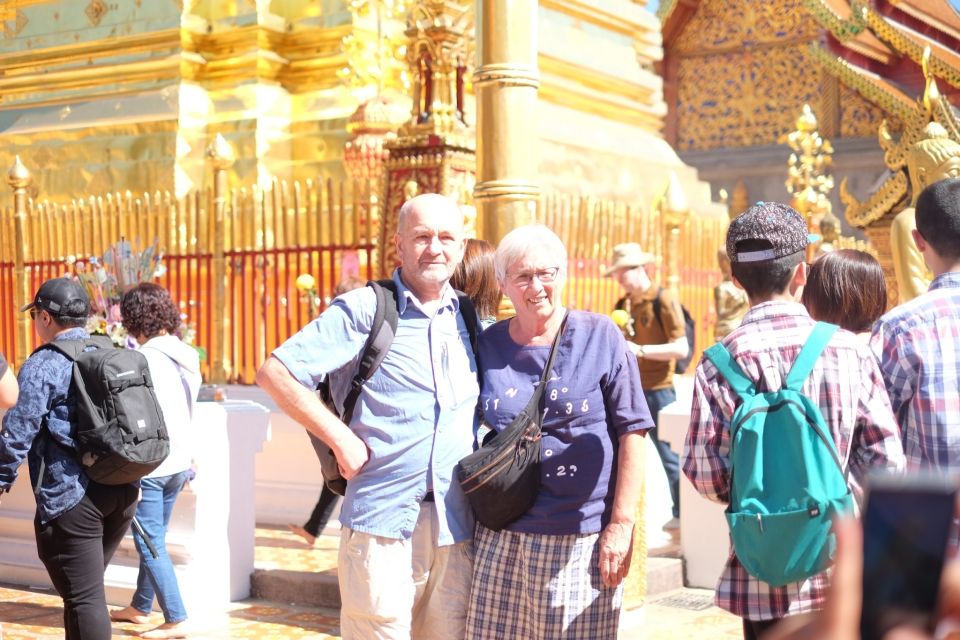
- Wat Phra That Doi Suthep with a guided walk through the temple and its holy Buddha relic
- 309 steps to the stupa (or take the included cable car)
- Doi Pui Hmong Hill Tribe Village time with a museum visit plus village exploration
- Big Chiang Mai views from the temple terrace, weather and smoke permitting
- Small group (max 9) with an English-speaking guide and a 9-seat air-conditioned van
- Cooling perks on the way, including drinking water and a refreshing towel
Why Doi Suthep and Doi Pui work in one 4-hour plan
This is the kind of Chiang Mai tour that makes sense if you only have a short window. You start in the hills with a village visit, then you switch to a religious landmark that sits higher up and gives you that classic “mountain over city” perspective.
At Doi Pui, the focus is daily life—how people live, what they make, and what the museum helps you connect. Then at Doi Suthep, you’re in sacred space where the guide can translate the symbols and stories so you’re not just staring at gold and hoping for the best.
The balance feels smart: culture on human scale first, then ritual and viewpoint second. And because the whole plan is short, you can still keep your evening free for night markets or a relaxed Thai dinner.
You can also read our reviews of more tours and experiences in Chiang Mai.



Getting up the mountain: pickup, ride time, and what the van means
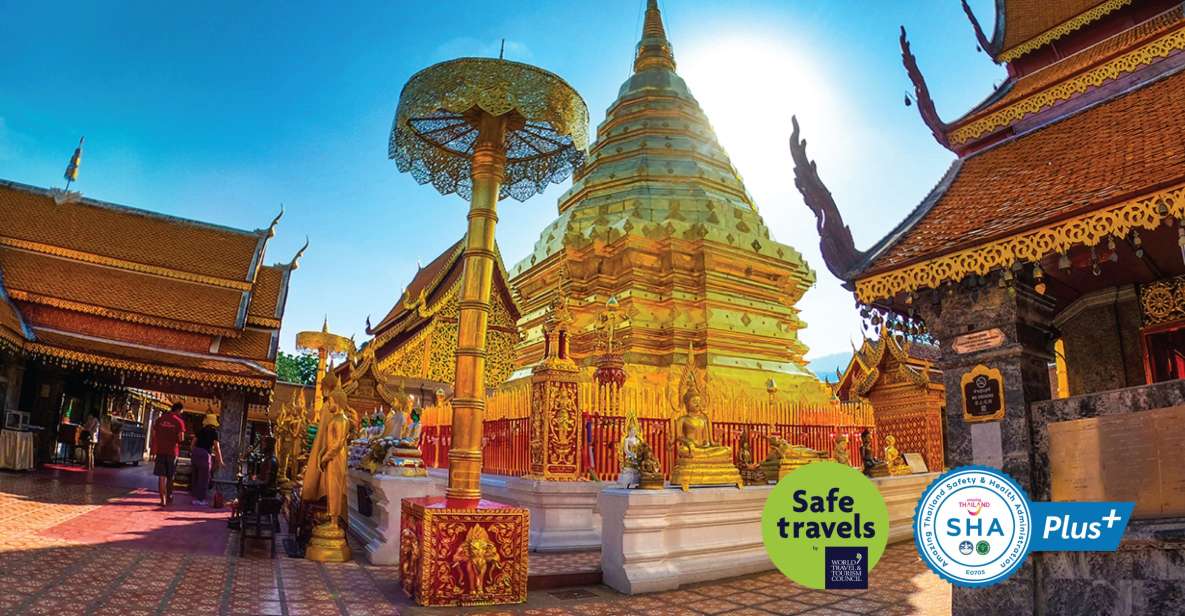
Your pickup is in the hotel lobby in Chiang Mai Province within about 6 km of the 3 Kings Monument. There are two departure windows: 08:00–08:30 for the morning session, or 01:00–01:30 for the afternoon session.
Once you leave, expect about 45 minutes of driving as you climb toward the national park area. This part matters more than it sounds. Roads can be narrow on mountain routes, so a smaller vehicle and an experienced driver help you avoid that “white-knuckle” feeling.
Also: you’re in a 9-seat air-conditioned minivan, and the group is capped at 9 participants. That size keeps the tour from feeling like a bus trip, and it also makes photo stops and small pacing adjustments easier.
You’ll return to the city either around noon (morning tour) or 5 p.m. (afternoon tour), dropped back at your hotel.
Doi Pui Hmong Hill Tribe Village: museum first, then the village rhythm
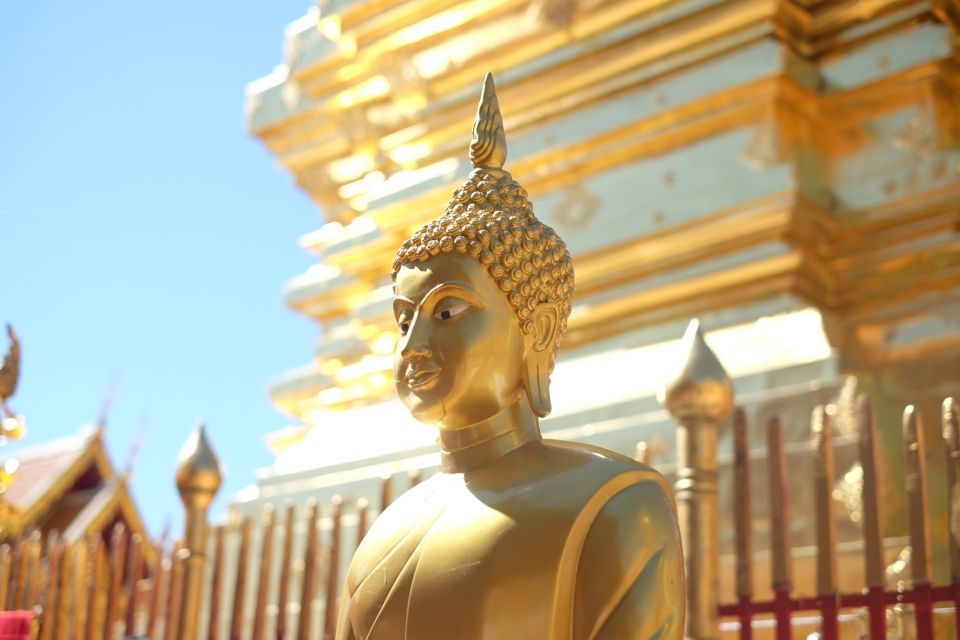
Doi Pui is usually your first stop up the hill. You’ll get a guided introduction through the Doi Pui hill tribe museum, which helps you understand the community context before you start wandering.
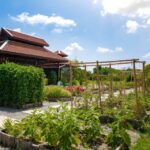
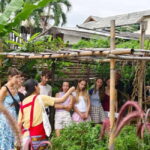
After the museum, you explore the village itself. This is where you can actually see the day-to-day textures of the place—homes, small activities, and the real “walk and look” atmosphere rather than a staged performance. The tour guide can also help you interpret what you’re seeing so it lands as more than just a photo opportunity.
What I find especially useful here is the combination of learning and time. Some guides rush you through the museum and then rush you through the shops. This one gives room to slow down and ask questions, and many visitors seem to appreciate that extra flexibility.
If you like food and snack experiments, you may spot local treats and tasting options during village time. People have mentioned trying items like khao soi and sweet snacks sold around the area, so bring cash for small purchases if you want to taste as you go.
One practical note: village grounds often include shop areas. That’s not automatically a bad thing, but expect that you might run into a mix—things that are handmade as well as more standardized souvenirs. If you’re planning to shop, a small daypack is handy.
Wat Phra That Doi Suthep: 309 steps, cable car, and a guide that connects the dots
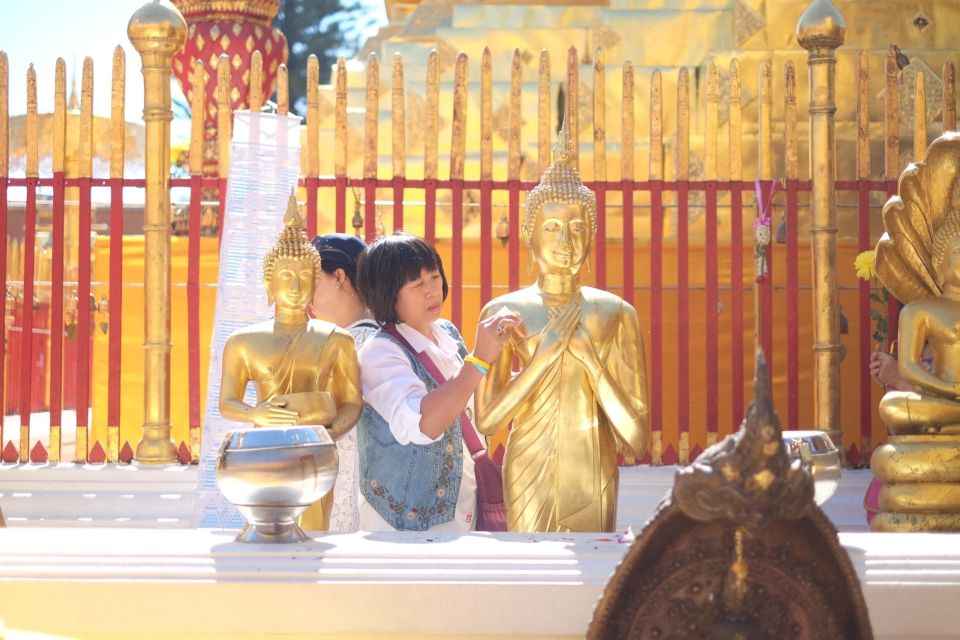
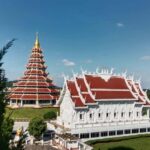
After Doi Pui, the tour drops down briefly and heads to Wat Phra That Doi Suthep, one of Chiang Mai’s most important cultural landmarks. This is where the “must-see” reputation comes from: the site is sacred, visually powerful, and historically tied to Buddhism in Northern Thailand.
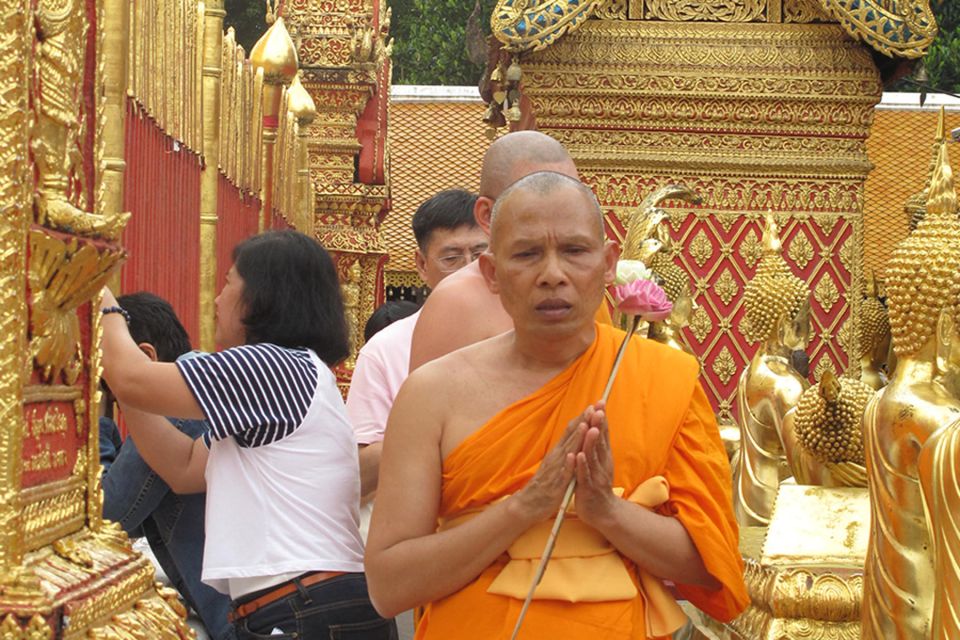
The temple experience is guided, and you’ll learn what you’re looking at while you walk. You’re not just climbing and taking pictures—you’re getting meaning for the details: statues, temple structures, and the role of the site as a pilgrimage destination.
Then comes the main physical decision: you’ll climb 309 steps to the hilltop stupa, or take the included cable car. If you want the full pilgrimage feel, steps are part of the experience. If you’d rather save your legs, the cable car option keeps the tour doable.
On the hilltop, the big emotional payoff is the sense of place. People describe it as beautiful and engaging, but the view is only half the story. The other half is the sacred element—this temple is associated with a holy relic of the Buddha, and your guide can explain what that means in the site’s spiritual context.
Also keep an eye out for renovation scaffolding. There can be restoration happening, so the temple may not always look completely untouched. That said, it doesn’t stop the experience—just affects what you see in photographs.
The terrace views of Chiang Mai: how to time your photos and manage weather
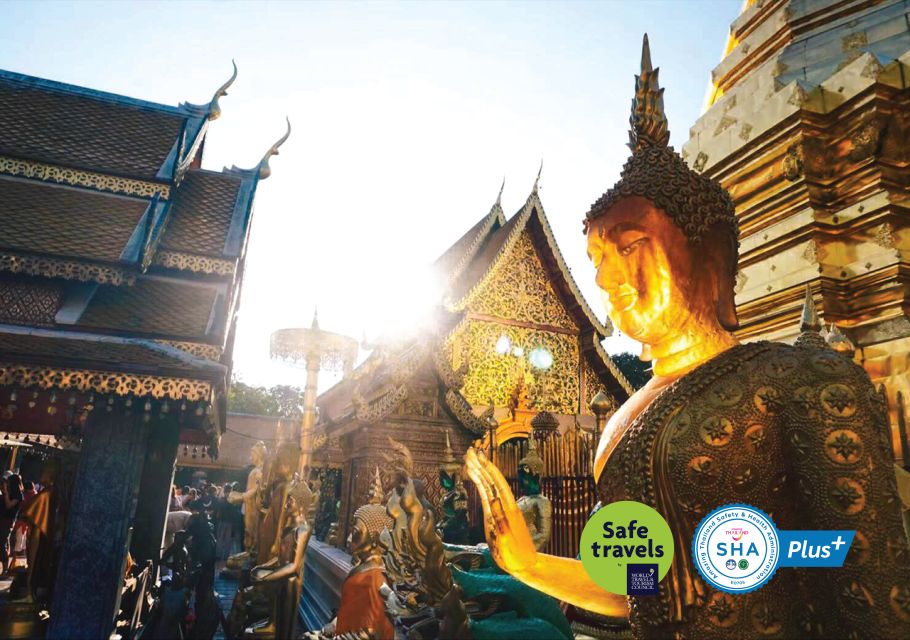
The terrace at Doi Suthep is where Chiang Mai feels like a panorama. From up there you get a sweeping sense of the city’s layout and the surrounding hills.
But be realistic: visibility can change with fog or haze. Sometimes the views are crystal; other times you get muted outlines. That’s not the tour’s fault. If you’re chasing the sharpest skyline photos, morning timing can help, and you’ll still want to keep a backup plan in mind if the air feels hazy.
Practical photo advice: wear shoes you trust. Temple steps and paths can be slick, and you don’t want to be doing awkward balancing acts while your guide is trying to point out symbolism.
If you care about the best picture spots, arrive with a plan for where you want to stand—high enough for the city view, but not so close to crowds that you feel in the way. The guide can often help you figure out good angles once you’re there.


How the pacing feels with a small group of 9
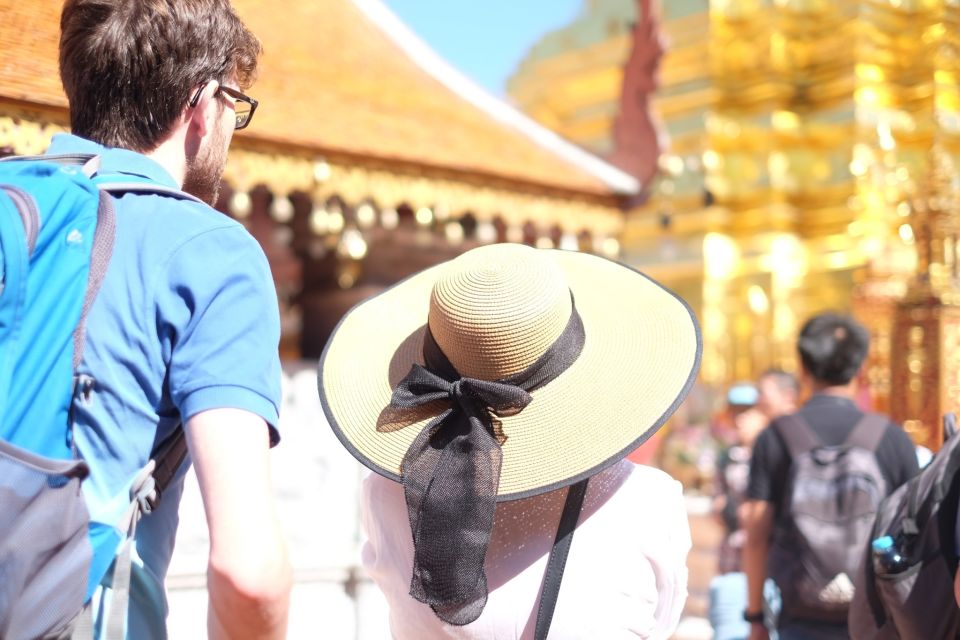
This is a small-group tour capped at 9 people, which changes the whole vibe. It’s easier to hear your guide without straining, and it’s easier to move as a group without constant waiting.
Many visitors also describe the guide as the difference-maker—people have credited guides by name, including Pae, Kai, Poonkie, Nut, Tui, Paul, and Lily, for clear explanations and patient attention. Even if you don’t get the same guide, the pattern is consistent: you’re guided through the meaning of the temple and village, not just dropped at two attractions.
Pacing is generally relaxed, too. The tour is designed for a half-day length, and it tries to avoid that “rushed checklist” feeling. Still, note that mountain timing can flex with roads and the group’s pace, so plan your next stop with a little breathing room.
What to wear and bring so temple time stays stress-free
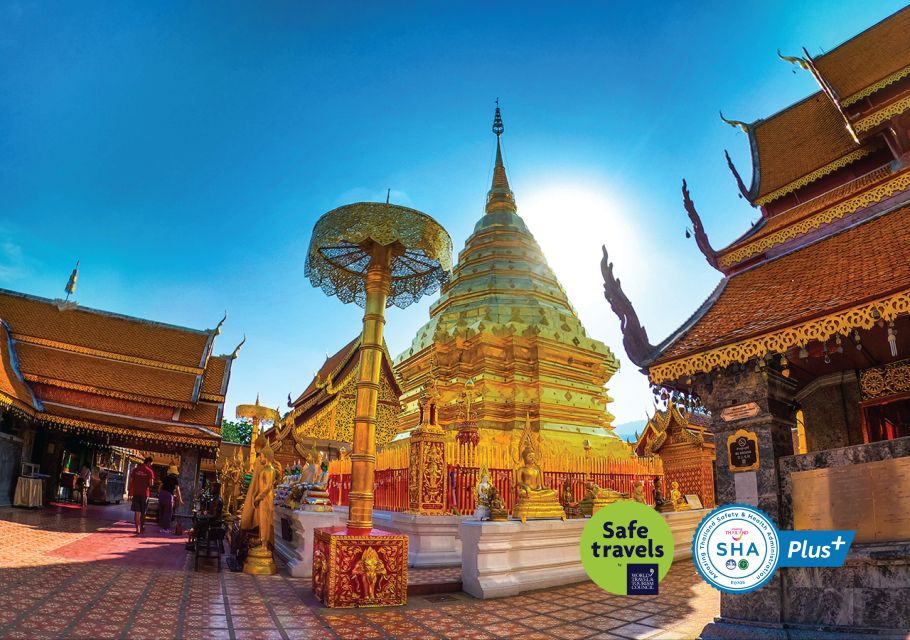
This tour has a clear temple dress requirement. You’ll need to cover shoulders and knees. That means no shorts and no sleeveless shirts.
For what to bring:
- Comfortable shoes (the steps and temple paths are real)
- Long pants and a long-sleeved shirt if you can
- A light layer for the ride up (weather can change with altitude)
Also, the tour doesn’t allow pets. If you’re traveling with someone who has mobility limits, double-check suitability—this one is not designed for wheelchairs or serious mobility challenges.
Price and value: is $36 for temple + village actually fair?
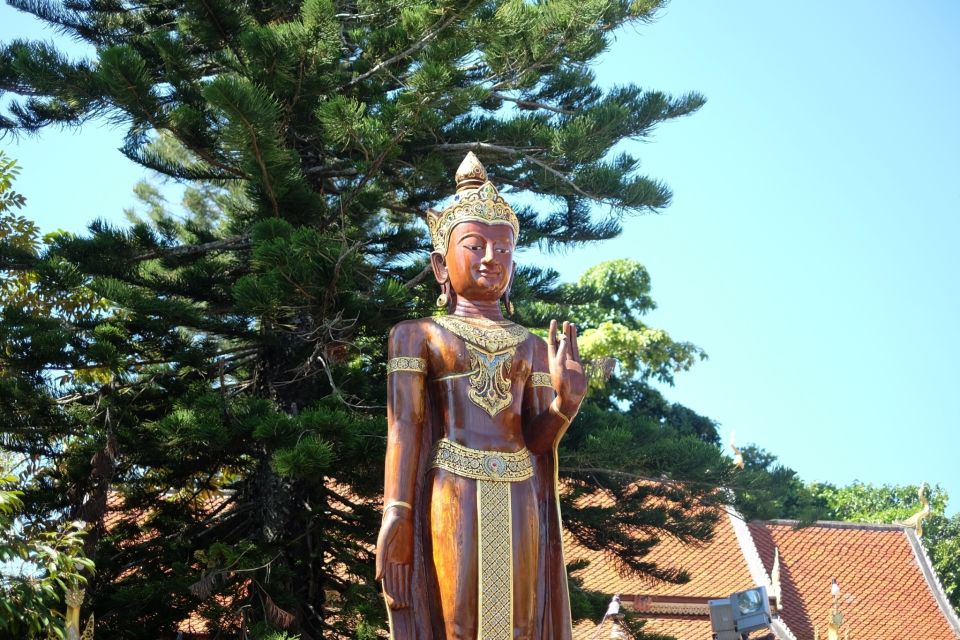
At $36 per person for a 4-hour experience, the main value comes from what’s combined: transportation, an English-speaking guide, entry fees for Doi Pui museum, Doi Suthep Temple, and the cable car, plus water and a refreshing towel.
If you try to piece this together on your own, you’ll likely pay separately for transport and admission, and you’ll still need someone to explain what you’re seeing. Here, the guide’s explanations are part of the product, especially at Doi Suthep where symbolism can be hard to decode without help.
That’s why this price tends to feel reasonable: you’re paying for access and context, not just a ride. And because it’s only half a day, it’s a low-commitment add-on that doesn’t steal your whole day.
One more value note: the tour is capped at 9 people and uses a 9-seat air-conditioned van. That’s a nicer match for comfort than crowded bigger vehicles.
Who this tour suits best (and who should skip it)
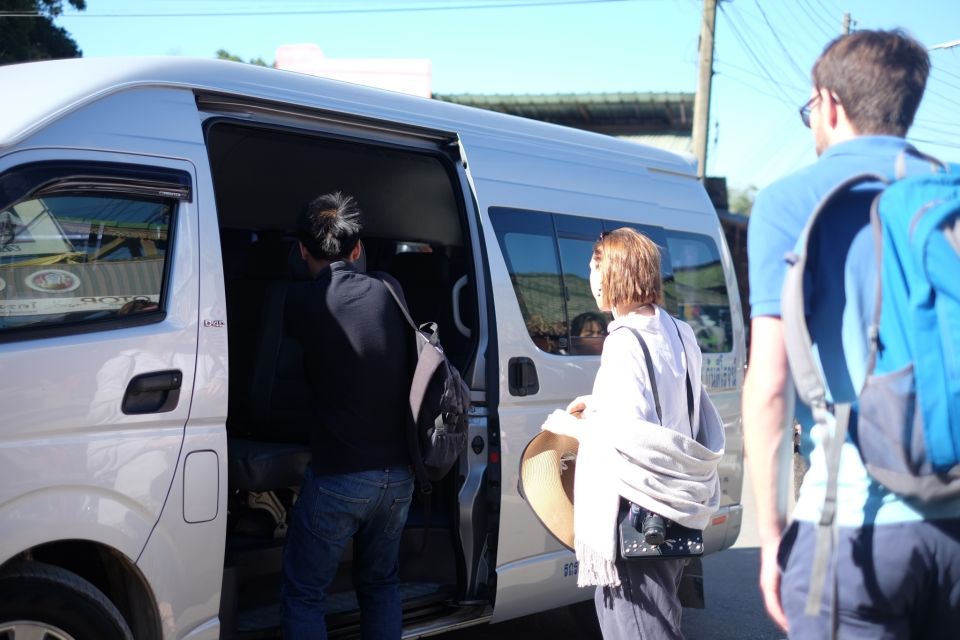
This works well if you:
- Want a classic Chiang Mai cultural combo without a full-day commitment
- Like guided context, especially for Buddhism and temple symbolism
- Are okay with moderate walking and potentially a long set of stairs
It’s also a good pick for first-timers who want the “wow” factor of Doi Suthep plus a more grounded village stop at Doi Pui.
Skip it (or consider a different style of tour) if you have:
- Back problems, mobility impairments, or heart problems
- A wheelchair (not suitable)
If you’re on the fence because of stairs, remember there is an included cable car option. That can turn the temple portion from demanding to manageable.
Should you book this 4-hour Doi Suthep & Doi Pui tour?
I think you should book it if you want a thoughtful, not-too-long day that blends a sacred Chiang Mai landmark with a hill tribe village visit. The best part is the structure: you get guided temple time, village learning, and viewpoint payoff all in one morning or one afternoon.
Book it if you can meet the dress code and you’re comfortable walking around temple areas. If stairs are a concern, choose the cable car option and use your energy for the terrace and guided explanations.
You might pass if you need a fully low-impact outing, or if mobility or health limits make temple steps stressful. In that case, you’ll get more from a different route that keeps you on flatter ground.
FAQ
How long is the tour and when do I get picked up?
The tour lasts about 4 hours. Pickup times are 08:00–08:30 for the morning session or 01:00–01:30 for the afternoon session, and you return either around noon or around 5:00 p.m.
Do I have to climb all 309 steps to Wat Phra That Doi Suthep?
No. You can climb the 309 steps or take the included cable car instead.
What’s included in the $36 price?
The price includes transportation in a 9-seat air-conditioned minivan, an English-speaking tour guide, entry fees for Doi Pui museum, Doi Suthep Temple, and the cable car, plus drinking water, a refreshing towel, and travel accident insurance.
What should I wear for the temples?
Wear long pants and a long-sleeved shirt if possible. Shoulders and knees must be covered for temple entry, and shorts and sleeveless shirts are not allowed.
Is the tour suitable if I have mobility issues or need a wheelchair?
No. This tour is not suitable for wheelchair users, and it’s also not recommended for people with mobility impairments, back problems, or heart problems.
What is the cancellation policy?
You can cancel up to 24 hours in advance for a full refund. The provider may also cancel if fewer than 2 participants attend that day.