REVIEW · CHIANG MAI
Trekking 2 Days 1 Night+Rice fields+Bamboo Rafting
Book on GetYourGuide →Operated by Chiangmai Trekking Center · Bookable on GetYourGuide
Rice fields, river mist, bamboo rafting. This 2 days 1 night trek in Chiang Mai Province strings together scenic walking, a Karen tribe village stop, and a jungle waterfall break—so you get more than one kind of Thailand outdoors.
I love how the route mixes big views with real human moments: you walk past rice paddies, then spend time with the Karen community before settling into an overnight home stay. Another standout is the Day Two finish—bamboo rafting and a waterfall swim that turns the trip from hiking-only into a full adventure day.
One possible drawback: the overnight stay is basic, so if you’re the type who needs a comfy bed and lots of privacy, you’ll want to mentally prep for simple sleeping and even rain in wetter months.
In This Review
- Key Points You’ll Feel on the Trip
- Why This 2-Day Chiang Mai Trek Feels Like More Than Hiking
- Day One Morning: Hotel Pickup, Market Supplies, and Elephant Camp
- Trekking Through Rice Paddies and Scenic Views (Day One’s Best Pace)
- Karen Village Walk-Through: Culture Without the Hard Sell
- Home Stay Overnight: Basic Comfort, Real Setting
- Day Two Starts Simple: Breakfast, Coffee or Tea, Then Back to Trekking
- Jungle Waterfall Swim and Relax: The Reset Button
- Bamboo Rafting (30–45 Minutes): Wet, Fun, and Guided
- Getting Back to Chiang Mai: A Clean End to the Adventure
- Small Group Trekking With an English-Speaking Guide
- Price and Value: What $93 Buys in Two Days
- Who Should Book This Trek (And Who Might Skip)
- Practical Tips Before You Go (Based on What Actually Matters)
- Should You Book Chiangmai Trekking Center’s 2-Day Trek + Rafting?
- FAQ
- How long is the trekking experience?
- What time do they pick you up on Day One?
- Is there bamboo rafting, and how long is it?
- Will the tour be in English?
- What’s included in the price?
- Do I need swimwear for the waterfall?
Key Points You’ll Feel on the Trip
- Small group (up to 12) means easier pace, easier photos, and less waiting around
- Day One includes an elephant camp visit plus a market stop for supplies
- Rice field trekking + Karen village walk-through adds culture to the nature focus
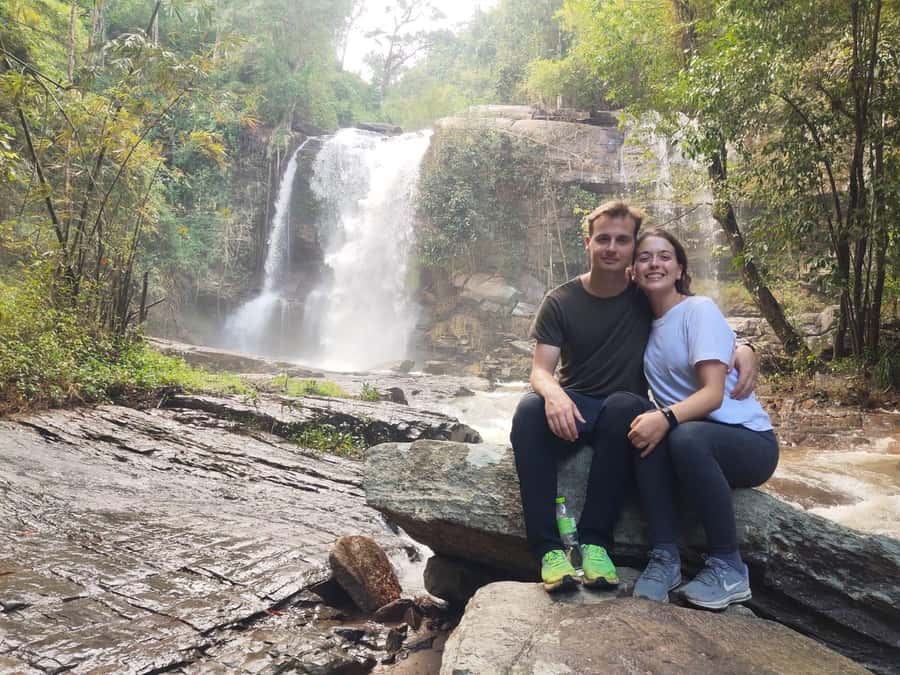
- Jungle waterfall time on Day Two gives you a real reset, not just scenery
- Bamboo rafting (30–45 minutes) is part fun, part wet work, with a guide along the way
Why This 2-Day Chiang Mai Trek Feels Like More Than Hiking
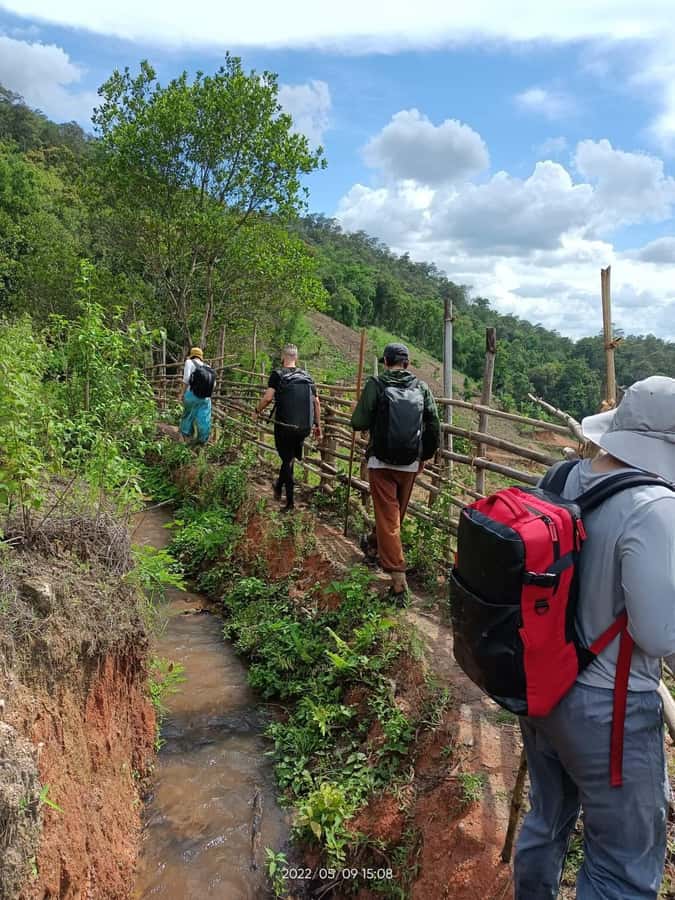
A two-day trek can easily turn into “walk, eat, repeat.” This one is different because it stacks experiences that actually change your mood: walking through rice fields, meeting people along the way, sleeping in a simple home stay, then finishing with water fun at a jungle waterfall and on a bamboo raft.
The whole trip is built around a steady pace and a guided flow. You’re picked up in the morning, you’re fed properly during the trek, and you’re not spending your day figuring out logistics. That sounds simple, but it matters. When you’re in the middle of trails and rural areas, a smooth schedule helps you enjoy the scenery instead of managing everything.
And yes, the views are a big deal here. You get trekking through countryside that looks like a postcard—especially around the rice paddies—without turning the day into a photo-only exercise.
You can also read our reviews of more evening experiences in Chiang Mai



Day One Morning: Hotel Pickup, Market Supplies, and Elephant Camp
You start early, with hotel pickup between 7:00 and 7:30 AM. That early start is a quiet advantage. Mornings are cooler, trails feel less crowded, and the day has a natural rhythm that doesn’t rush you immediately.
First stop is a local market where you buy supplies. This is one of those small details that makes the day feel grounded. You’re not just being driven around; you’re stepping into everyday local life before the trek even begins.
Then comes the elephant camp visit. After the market, it acts like a scene change—less rural walking, more structured interaction. From a practical point of view, it’s also a good way to break the morning into parts so you don’t burn out right at the start.
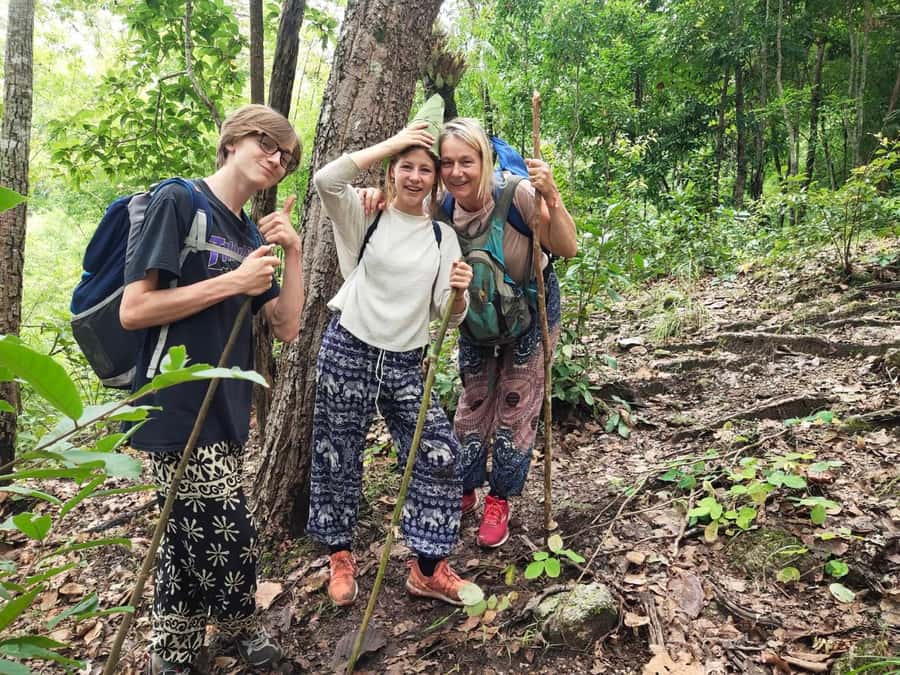
After that, you move into trekking mode: you’ll see beautiful nature, rice paddies, and scenic views as you go. Lunch is included during the trekking day, so you’re not scrambling for food mid-hike.
Trekking Through Rice Paddies and Scenic Views (Day One’s Best Pace)
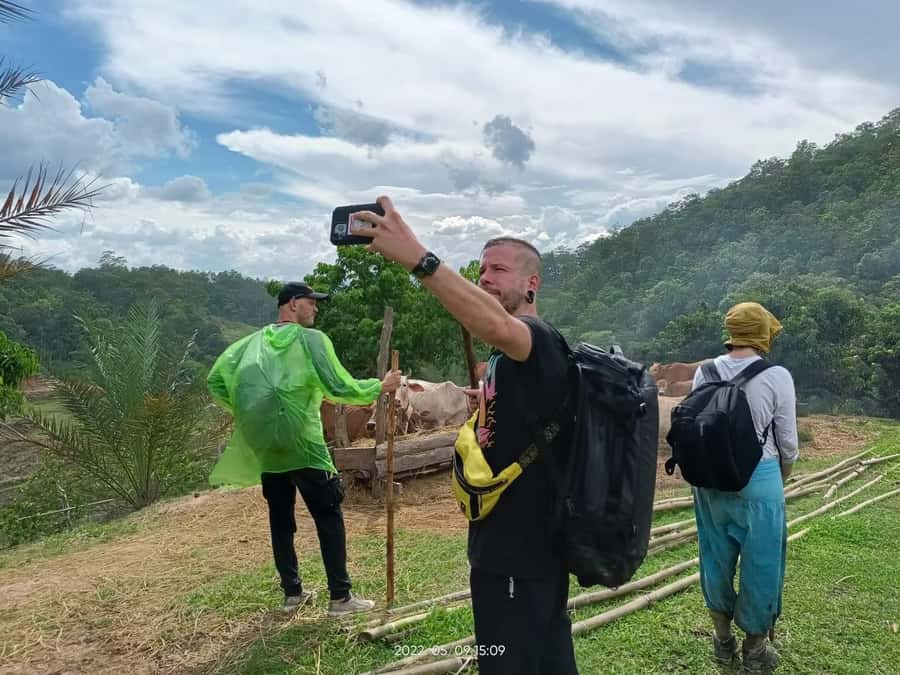
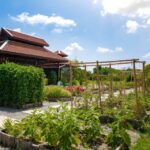
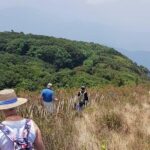
Day One trekking is where the trip earns its reputation. You’re walking through countryside where rice fields take center stage—flat enough to follow comfortably, but scenic enough to keep you paying attention to what’s around you.
What I like about this style of trek is that it doesn’t feel like a grind. The route is built as a full day experience: you’re moving, you’re stopping when it makes sense, and the scenery gives you breaks without you having to force them.
You’ll also walk past nature and viewpoints that make you slow down. Even if you don’t consider yourself a hiking person, this part works because the environment does some of the effort for you. The rice fields and the trail views keep the day interesting.
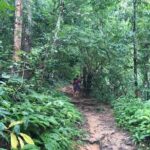
A note to consider: in wetter months, the countryside can be slippery and muddy. The route is still doable, but your comfort depends a lot on the weather.
Karen Village Walk-Through: Culture Without the Hard Sell
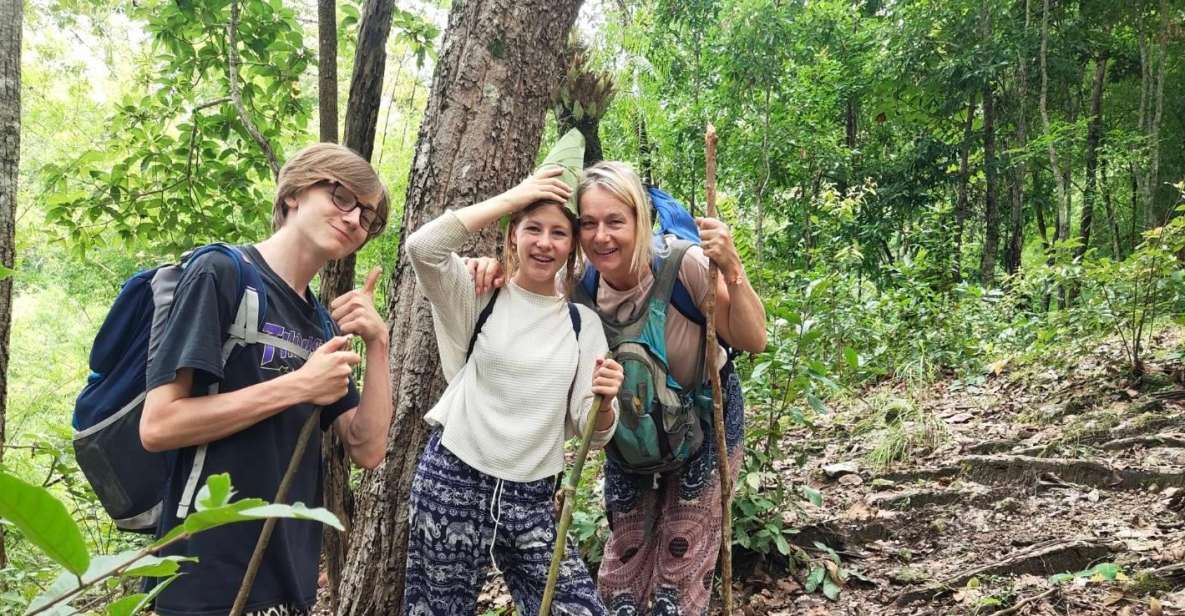
After lunch, you walk through to a Karen tribe village. This isn’t described as a long cultural lesson or a scripted performance. It’s a walk-through, which is often the sweet spot: you get a glimpse of village life without turning the day into a staged attraction.
For your experience, this step matters because it changes the nature-only feel of a trek. You’re not just collecting views; you’re seeing how rural communities live alongside the countryside you’re hiking through.
Just keep expectations realistic. A walk-through means you’ll likely move along and observe rather than stay for an extended cultural program. If you want deep history and long conversations, you might find yourself wanting more time—though the trip structure keeps it manageable.
Home Stay Overnight: Basic Comfort, Real Setting
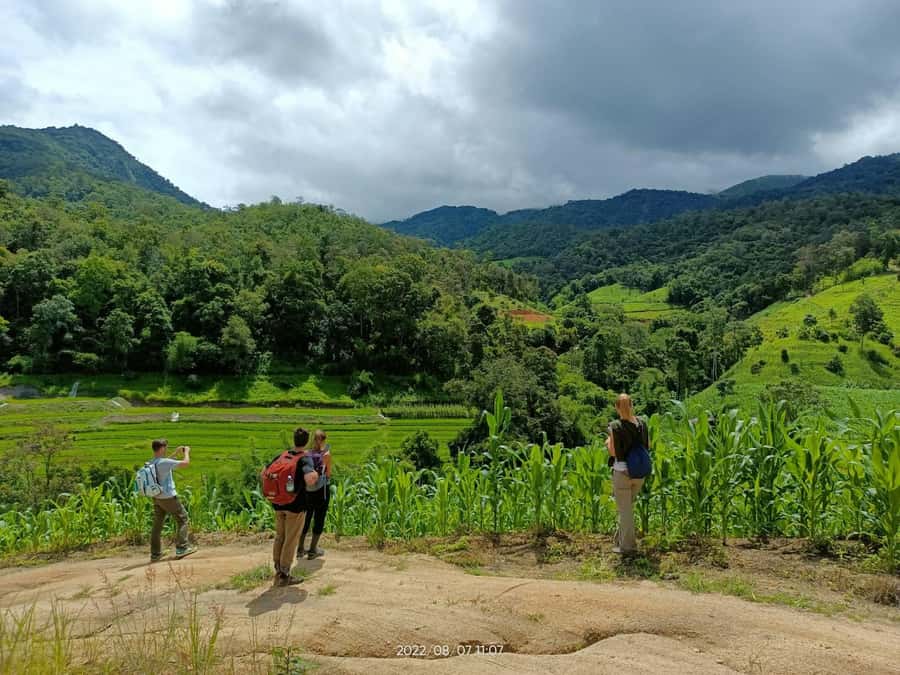
Then you overnight at a home stay. This is where the trip’s “adventure” side shows up.
From a review detail that’s worth listening to: the sleeping setup can be very basic—think a thin mattress on a wooden plank. It’s not a dealbreaker for everyone, but it is a real factor. If you’re sensitive to comfort, you’ll want to plan for an outdoorsy night rather than a hotel-style rest.
That said, this is also part of why these trips feel meaningful. You’re not just passing through; you’re spending the night where the trek ties into local life. The setting is quiet, rural, and a good contrast to the busy side of Chiang Mai.
In July, rain can also hit hard. One review noted they had half a day and night of rain, with ponchos on hand. So bring a realistic mindset: if weather turns wet, the experience can still work, but your sleep and comfort may depend on how prepared you are.
You can also read our reviews of more hiking tours in Chiang Mai


Day Two Starts Simple: Breakfast, Coffee or Tea, Then Back to Trekking
You begin Day Two with breakfast and coffee or tea. This helps the second day feel more balanced rather than jumping straight into hiking on an empty stomach.
Then you start trekking again. Lunch is included, and the day keeps moving at a pace that’s meant to get you to the waterfall and rafting before the evening ends.
This structure matters because by Day Two, you’ll probably feel it in your legs. The schedule gives you built-in breaks: trekking transitions into a swim-and-relax moment, then into rafting, then back to town.
Jungle Waterfall Swim and Relax: The Reset Button
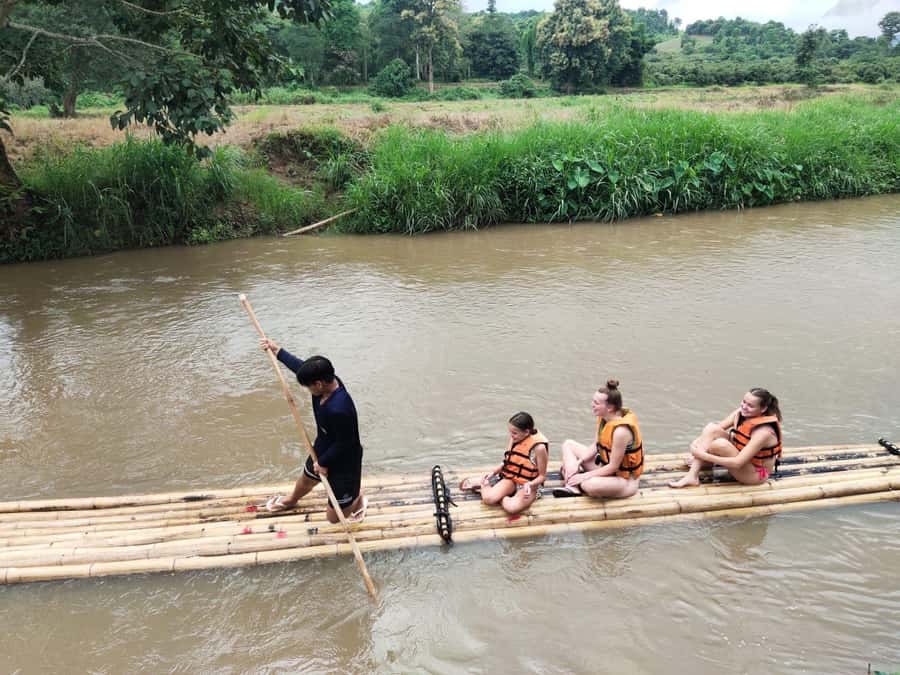
On Day Two, you get lunch and then head to a jungle waterfall where you can swim and relax.
This is one of the most practical “why this tour” moments. After a day of walking, being able to cool down in water isn’t just fun—it’s recovery. It also makes the day more varied, so it doesn’t feel like a second long trek with nothing to look forward to.
A key tip: bamboo rafting means you’ll likely get soaked. And with the waterfall swim stop, you should plan for water all day long rather than treating it like a quick dip. One review specifically recommended bringing swim clothes because you end up wet.
So wear or pack what you’ll be comfortable using in and around water.
Bamboo Rafting (30–45 Minutes): Wet, Fun, and Guided
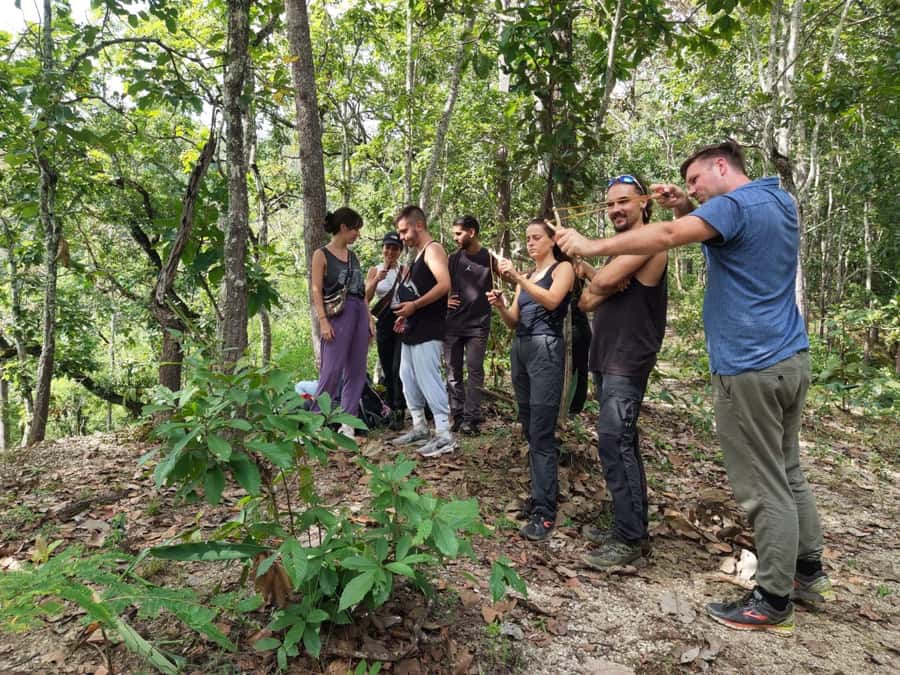
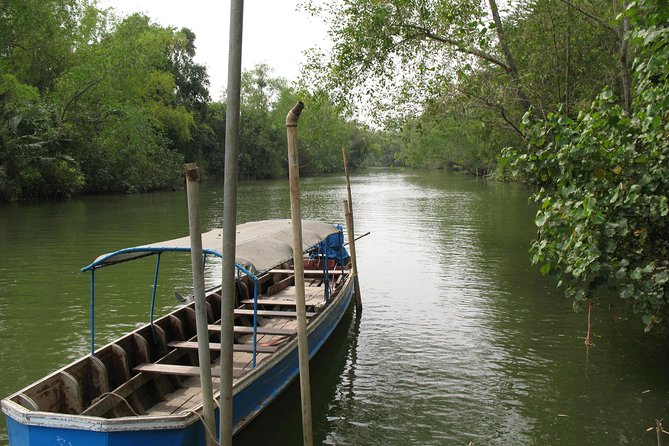
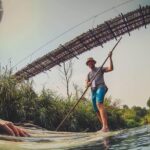
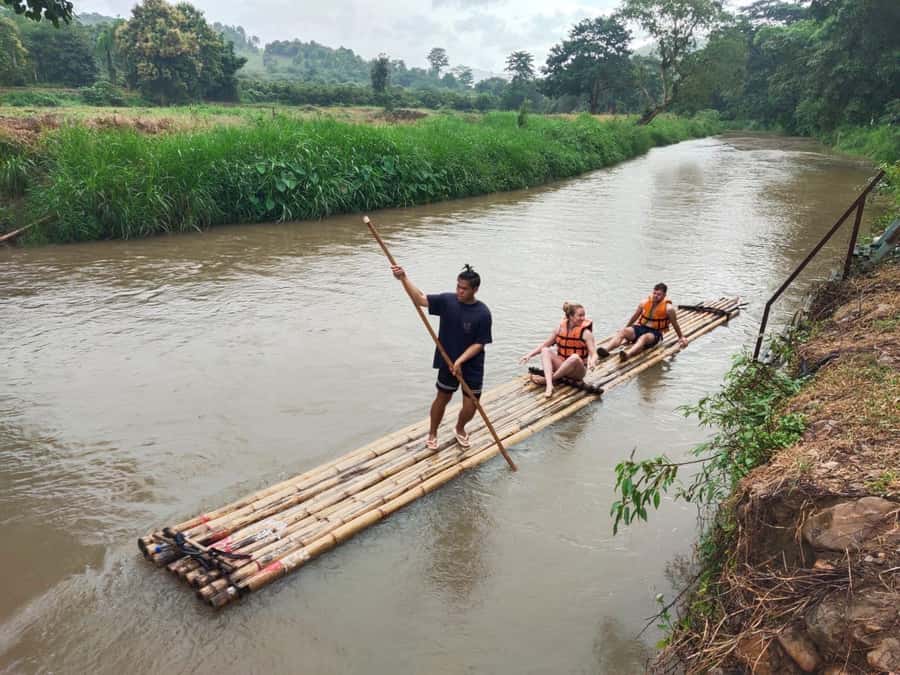
After the waterfall, you do bamboo rafting for about 30–45 minutes. You’re not drifting solo. There’s a guide, and the rafting is part of the group day flow—an organized finish that keeps the tour feeling complete.
Expect to get wet. If you’ve never done bamboo rafting before, it’s usually closer to “adventure paddling” than “calm river cruise.” One review mentioned being soaked after boarding a bamboo raft, even with a guide.
This is actually good news if you’re the type who likes active experiences. You get to end the trip with something physical and playful, not just a last photo and goodbye.
Getting Back to Chiang Mai: A Clean End to the Adventure
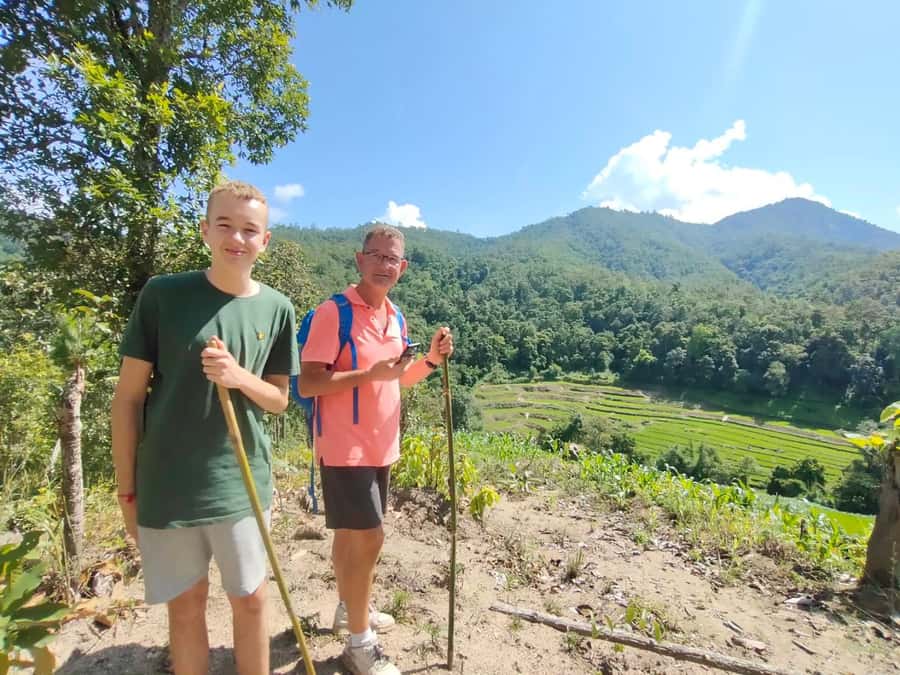
You arrive back at your hotel around 5:00 to 5:30 PM.
That timing matters because it gives you a full evening buffer for dinner and rest, instead of collapsing into the hotel too exhausted to enjoy anything after. Two days is long enough to feel like you escaped the city, but short enough that you’re not losing your entire trip schedule.
Small Group Trekking With an English-Speaking Guide
This is a small group tour limited to 12 participants, and it’s run with a live English-speaking guide.
Small group size is more than comfort. It affects how the trek feels: you’re less likely to get separated into chaos, the guide can manage pace and questions, and you can actually hear what’s going on when you stop.
In one review, the guide was praised as funny and attentive, and they went out of their way to make the group feel good. The same review also mentioned the guide prepared food themselves, described as very tasty. Those are the kinds of details that can turn a standard trek into something smoother and more personal.
Price and Value: What $93 Buys in Two Days
At $93 per person for 2 days, you’re getting a lot of the expensive hidden stuff in one package: transport, a guide, all meals during the trek, accommodation, plus bamboo rafting.
So the value isn’t just “you paid for walking.” You’re paying for:
- Two full trek days with scheduled meals
- A guided experience through rice fields and rural stops
- Included activities (elephant camp visit, waterfall time, rafting)
- Overnight accommodation (even if it’s basic)
Is it cheap? It depends on what you’d otherwise pay if you tried to DIY. But for most people, the real cost isn’t only money—it’s time spent coordinating transport, guides, meals, and rural access. This price packages those decisions for you.
Just match the value to your expectations: if you want hotel-level comfort, this won’t compete. If you want an organized, authentic-feeling rural adventure with food handled for you, it’s strong value.
Who Should Book This Trek (And Who Might Skip)
You’ll likely love this if you want:
- A mix of nature and culture (rice fields + Karen village walk-through)
- A guided trek with small group vibes
- An active finish (waterfall time and bamboo rafting)
- A short, structured trip that ends around late afternoon on Day Two
You might hesitate if:
- You need high comfort for sleeping (home stay is described as very basic)
- You don’t handle rain well, since wet weather can happen in certain months and affect trails and comfort
- You prefer to travel at your own pace without the schedule of market, camps, and set meal times
Practical Tips Before You Go (Based on What Actually Matters)
Here are the things that can make or break your experience, based on the trip structure and real-world conditions:
- Plan for wet conditions. The rafting can leave you soaked, and the waterfall involves water time. Bring swim clothes or be ready to use what you brought for water.
- If you’re traveling around wetter months (like July), consider bringing rain protection. One group reported having ponchos when rain hit.
- Bring patience for “basic” overnight comfort. If thin mattresses on wooden planks sound unpleasant, adjust your expectations before you book.
Also, you’re trekking in rural terrain and moving from stop to stop. Keep your energy steady: don’t treat Day One like a sprint.
Should You Book Chiangmai Trekking Center’s 2-Day Trek + Rafting?
Yes, I think you should book it if you want a real outdoors-and-people experience that’s organized and not overwhelming. The biggest strength is the mix: rice field trekking, Karen village walk-through, an elephant camp stop, then a payoff day with a waterfall swim and bamboo rafting.
The decision hinges on one thing: comfort level. The home stay is basic, and water is a major theme, especially if weather turns wet. If you can handle that, you’ll likely walk away with a complete story—walking, meeting people, and ending on the river.
If you’re very comfort-focused, you might prefer a different style of trek. But for the majority of travelers who want an active, guided, small-group countryside experience out of Chiang Mai, this one is a solid pick.
FAQ
How long is the trekking experience?
It runs for 2 days.
What time do they pick you up on Day One?
Hotel pickup is between 7:00 and 7:30 AM.
Is there bamboo rafting, and how long is it?
Yes. Bamboo rafting lasts about 30–45 minutes.
Will the tour be in English?
Yes. The live tour guide speaks English.
What’s included in the price?
Transport, a guide, all meals during the trek, bamboo rafting, and accommodation are included.
Do I need swimwear for the waterfall?
You’ll have time to swim and relax at the waterfall, and bamboo rafting can leave you wet, so it’s a good idea to bring swimwear.