REVIEW · BANGKOK
Thai Spices Hands On by Mahanakorn Thai Cooking class
Book on GetYourGuide →Operated by Mahanakorn · Bookable on GetYourGuide
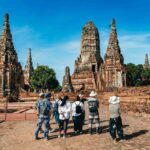
Spice lessons start at a temple gate. At Wat Pak Nam, you get the scents and flavor clues behind Thai cooking, then you move into Mahanakorn Thai Cooking for real, hands-on cooking with an English-speaking guide.
Two things I liked a lot: the chef-led instruction that turns spices into step-by-step technique, and the fact that the dishes are classic Thailand comfort food, not filler. I also appreciated how the group stays small and personal, so you can actually ask questions while you cook.
One consideration: you’re responsible for getting to the temple meeting point, and you’ll want comfortable shoes for the short walking and getting around the area.
In This Review
- Key highlights you’ll care about
- Wat Pak Nam: the temple-based spice start that makes the food click
- Mahanakorn Thai Cooking: a small-group class with a personal vibe
- The hands-on portion: how you learn Thai technique, not just recipes
- What you’ll cook: Tom Yum, Pad Thai, green curry, and sticky rice
- The group meal: sitting down together makes the lessons stick
- Learning to recreate Thai flavors at home (with a cookbook and photos)
- Price and value: why $33 can make sense for Bangkok
- Getting there: how to reach Wat Pak Nam without stress
- What to bring (and how to set yourself up for a good class)
- Who this class fits best (and who should think twice)
- Should you book Thai Spices Hands On at Mahanakorn Thai Cooking?
- FAQ
- How long is the Thai Spices Hands On cooking class?
- Where do we meet for the class?
- Is the instructor English-speaking?
- What dishes will we cook?
- Is the price $33 per person, and does it include the meal?
- What should I bring with me?
Key highlights you’ll care about
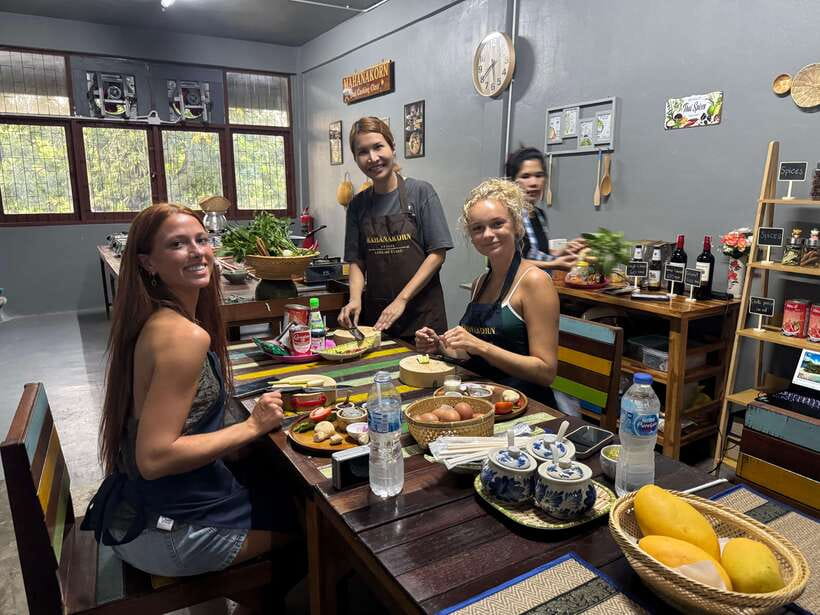
- Wat Pak Nam spice walk: You start by learning what Thai flavors smell and taste like before you touch a stove.
- Joyce’s English instruction: Easy-to-follow explanations from a real host (Joyce and her family) make beginners feel at ease.
- You cook multiple dishes: Typical menu includes Tom Yum, Pad Thai, green curry, and mango or coconut sticky rice.
- Small group size (up to 10): More attention, less waiting, and a calmer pace for questions.
- You eat together at the end: Your meal is part of the experience, not an afterthought.
- You leave with recipes and keepsakes: You get a Thai cookbook of what you made, plus photos/videos and a souvenir in the wrap-up.
Wat Pak Nam: the temple-based spice start that makes the food click
This class has a smart opening. You begin at Wat Pak Nam, where you’re not just told about Thai cuisine—you’re introduced to it through spice and ingredient cues in a real temple setting. That matters, because Thai flavor is built from specific building blocks, not just one secret sauce.
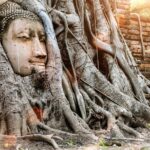
The temple meeting point is easy to find: you’ll meet at the main entrance or in front of the Big Buddha statue. From there, you get oriented and guided into the day’s theme: how Thai cooks combine herbs, aromatics, and spices to create flavor that feels bold but also balanced.
If you’ve ever cooked Thai food at home and wondered why it tastes different than restaurant versions, this start helps with that. You’re learning the “why” behind the taste, so later when you stir-fry, simmer, or balance sweetness and salt, you’re not guessing.
You can also read our reviews of more cooking classes in Bangkok
Mahanakorn Thai Cooking: a small-group class with a personal vibe
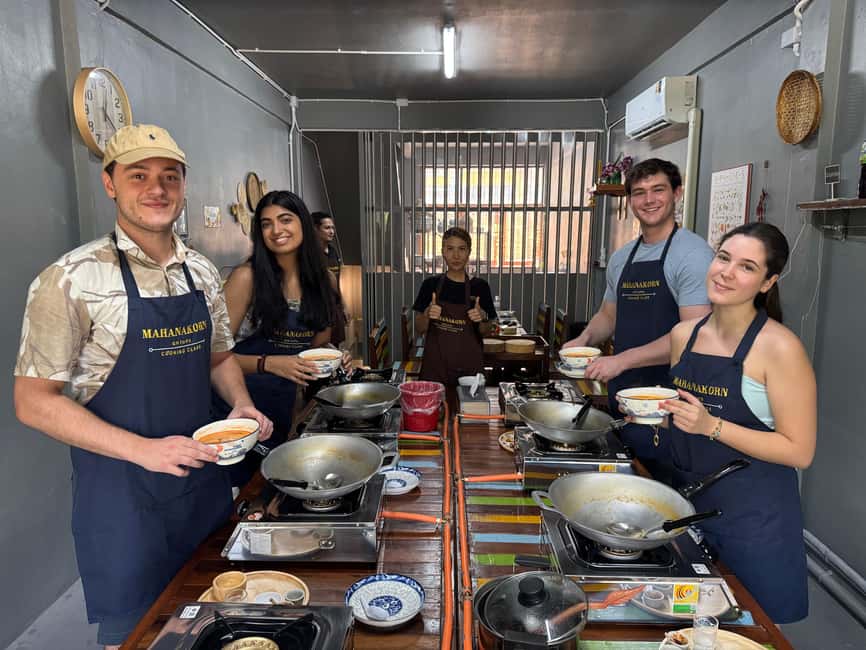
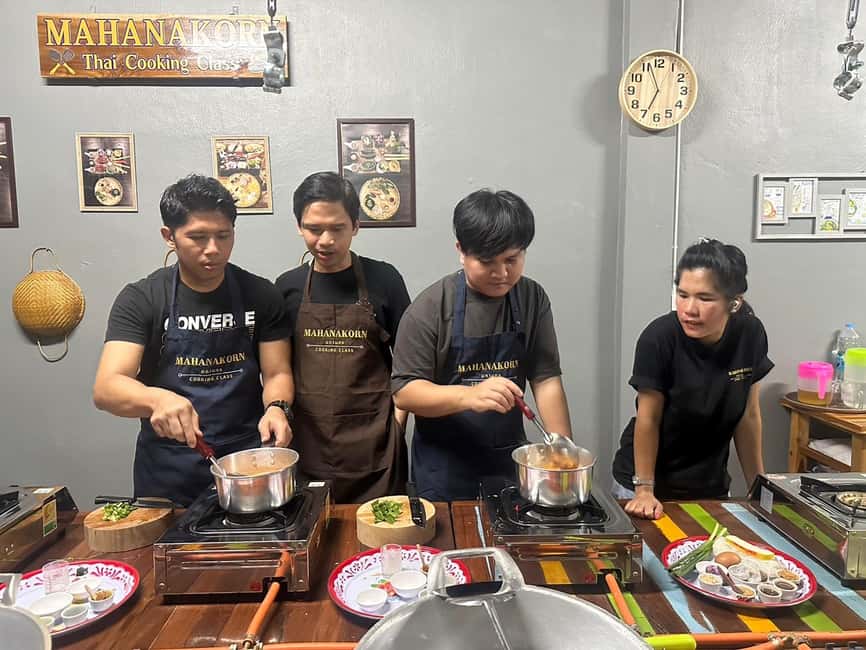
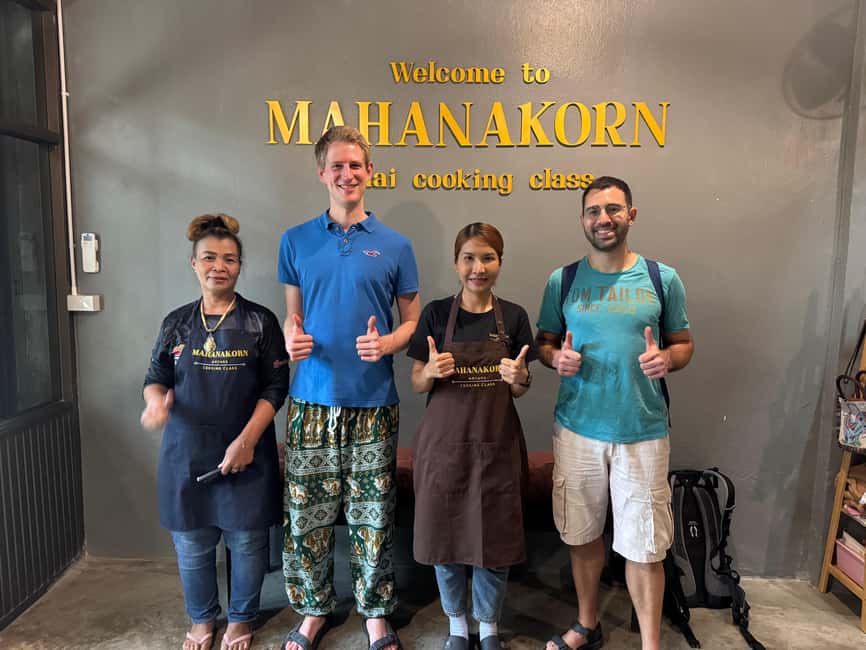
At Mahanakorn Thai Cooking, the class is set up like you’re joining a friendly kitchen session, not sitting in a classroom. The group is limited to 10 participants, which keeps the energy relaxed and makes it easier for the chef to check what you’re doing.
English instruction is built in, so you don’t need culinary vocabulary to follow along. On my read of how this class works, that language support is a big part of why it fits first-timers. You can focus on technique—like how to time additions or when a sauce should thicken—without getting lost in translation.
Joyce is one of the hosts mentioned in the experience, and the vibe sounds warm and welcoming. In the kitchen, you’ll feel comfortable enough to ask questions and adjust as you cook, especially if you’re going solo.
The hands-on portion: how you learn Thai technique, not just recipes
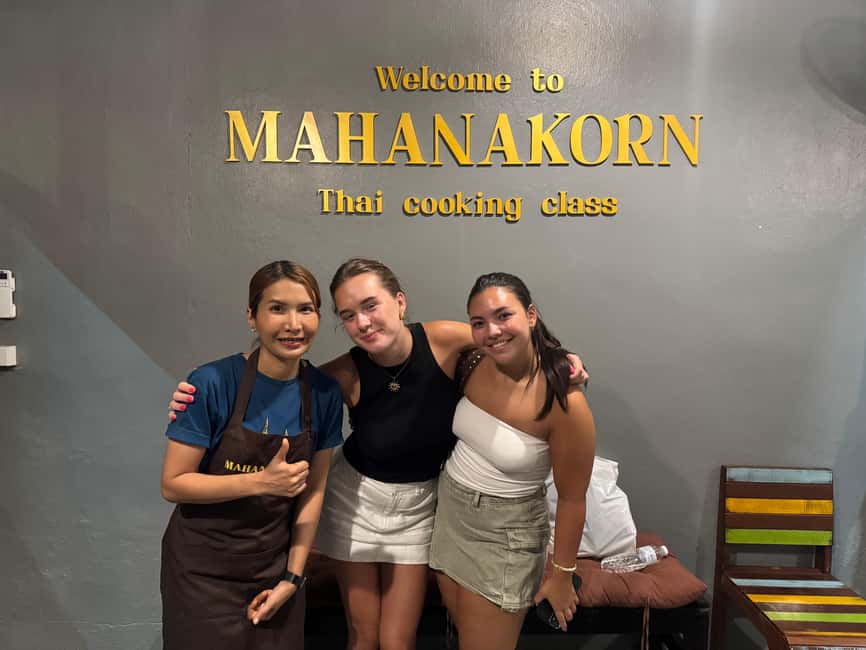
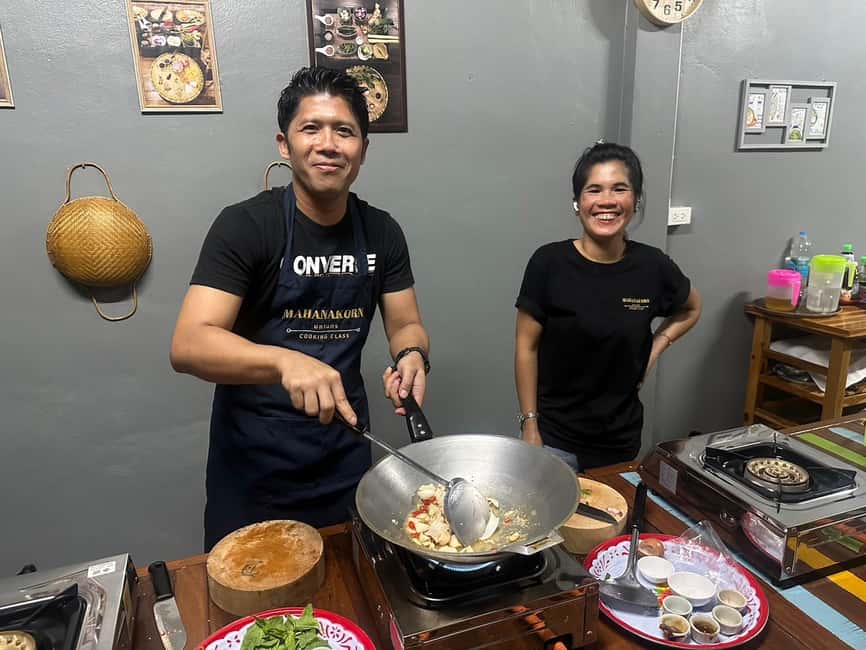
The heart of the class is hands-on cooking with guidance from a local chef. The day is designed so you’re actively involved—mixing, chopping (where applicable), stirring, and assembling dishes—rather than watching from the sidelines.
Thai cooking can look intimidating on paper because there are many flavors happening at once. This class keeps it practical. You start by understanding the key spice and flavor components, then you apply them directly while making dishes that Thai cooks actually serve.
You’ll go through a range of dishes that usually include soup, stir-fry or noodle work, curry, and dessert. That variety is useful because each dish teaches you a different skill:
- Soups teach aromatics and balance early in the cooking
- Noodles teach timing and sauce control
- Curries teach simmering, coconut or spice integration, and thickness
- Sticky rice desserts teach how Thai sweetness and texture work together
Also, you’re not just cooking once. You’ll do multiple recipes in the same session, which builds confidence fast.
What you’ll cook: Tom Yum, Pad Thai, green curry, and sticky rice
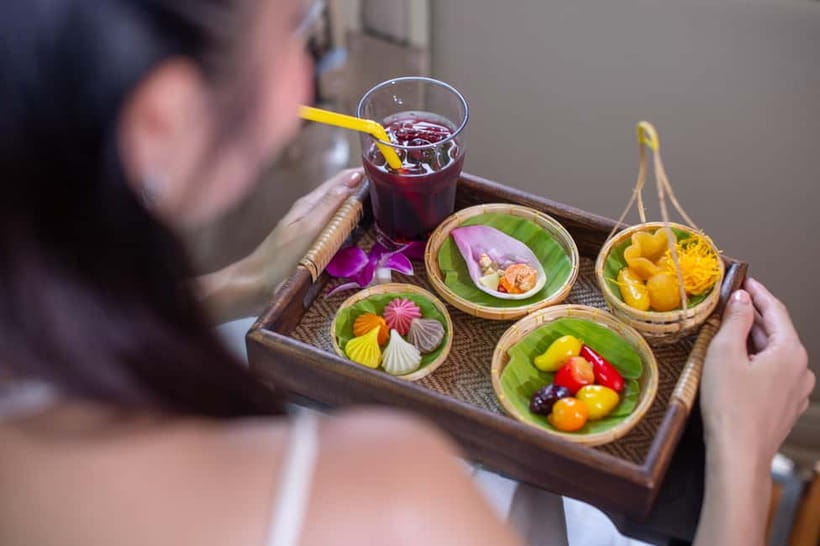
Your plate is where the class earns its keep. You’ll typically cook a set of classic Thai dishes such as Tom Yum (a fragrant sour-spicy soup), Pad Thai, green curry, and a dessert like mango sticky rice or coconut sticky rice.
One of the best parts of recipes like these is that they represent Thai flavor philosophy. Tom Yum is a lesson in sour and spice balance. Pad Thai teaches how noodles and sauce should cling together. Green curry shows how herbs and spices transform when they meet coconut and heat.
Then you end with sticky rice—because Thai meals usually finish with something sweet and comforting, and you get to practice that texture and flavor balance too. It’s the kind of payoff that makes the “I came to learn” feeling turn into “I can actually cook this.”
Menu details can vary by class day, but the cooking sequence is built around the same core Thai favorites: soup, main savory dishes, and a sticky rice dessert.
The group meal: sitting down together makes the lessons stick
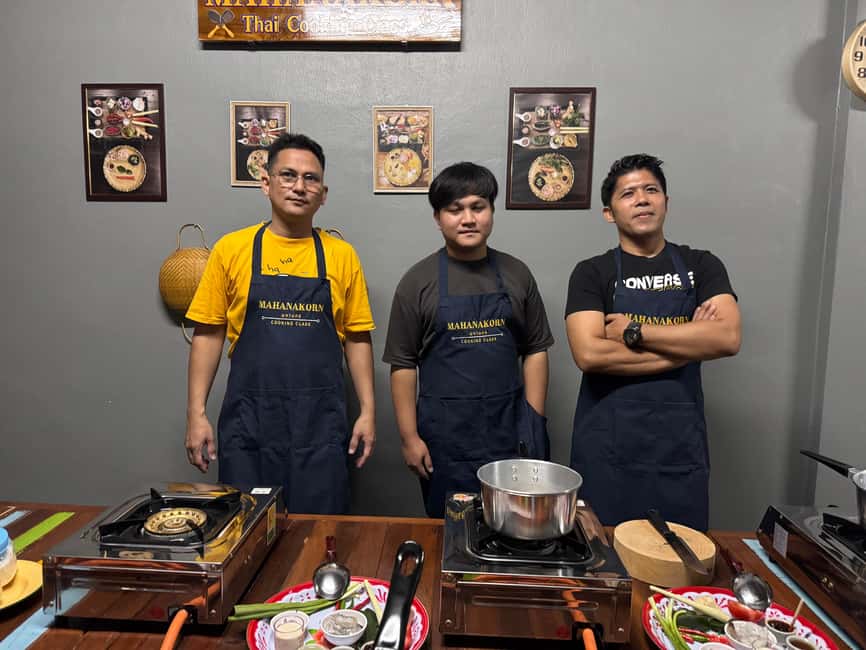
When cooking classes feel rushed, you leave hungry and forget what you made. This one avoids that. After you cook, you sit down together to eat the meal you prepared. It’s not just about taste; it’s about reinforcing the lesson while your food is fresh and your mind is still on the technique.
Eating together also gives you a natural moment to compare what everyone did. If your soup tastes a little different than your neighbor’s, you can see what might have changed—like heat level, timing, or the balance of ingredients—without needing a formal lecture.
This “cook, eat, reflect” rhythm is one of the reasons people get real value from classes like this. You’re training your palate, not only your hands.
A few more Bangkok tours and experiences worth a look
Learning to recreate Thai flavors at home (with a cookbook and photos)
If you’ve taken cooking classes before, you know the fear: you cook one day, and the recipe becomes a blurry memory by next week. Here, you get tools to bring it home.
You receive a Thai cookbook with the recipes for the dishes made in the class. That’s practical for two reasons. First, it gives you a clear reference when you’re shopping for ingredients later. Second, it helps you recreate the same dish style rather than improvising from memory.
You’ll also have photos and videos taken during the experience, which is a nice bonus. It turns the class into something you can revisit when you cook again—especially for steps like plating or ingredient amounts.
And yes, a souvenir is mentioned as well. It’s small, but it’s part of the feeling that you finished the experience, not just the activity.
Price and value: why $33 can make sense for Bangkok
At $33 per person for about 3 hours, this class can be good value if you care about hands-on learning and you want the meal included. You’re not just paying for a recipe list—you’re paying for chef guidance, a small group setting, and the time it takes to teach multiple dishes in one session.
The class also includes:
- An introduction to Thai spices and flavors
- Hands-on cooking
- Guidance from a local chef
- Enjoyment of the meal you prepared
Alcohol beverage isn’t included, which keeps the price lower. If you’re planning to drink heavily, you might need to manage expectations and plan separately.
For context, a $33 price point for a 3-hour, small-group, cook-your-own-meal experience in Bangkok can feel like a bargain when you compare it to eating out plus paying for any real instruction. The key question is simple: do you want to learn, or do you just want to eat? If you want to learn, this price structure makes sense.
Getting there: how to reach Wat Pak Nam without stress
Transportation isn’t included, so plan your arrival with a little extra buffer. The meeting point is at Wat Pak Nam, which is approachable by public transit plus a short ride.
You have two common routes:
- Take the BTS to Wutthakat Station (Exit 2), then use a 5–10 minute taxi or motorbike to Wat Pak Nam.
- Take the Chao Phraya River Express to Phasi Charoen Pier, then do a short tuk-tuk ride.
I like having options here because Bangkok transit can feel different depending on where you’re staying. If you’re near the BTS network, the Wutthakat route is usually straightforward. If you’re closer to the river, the pier route can save time.
Since the class is only 3 hours, don’t show up right at the starting time. Aim to arrive a bit early so you can get settled and start the spice walk without rushing.
What to bring (and how to set yourself up for a good class)
The course is casual, but being prepared keeps it smooth. Bring:
- Comfortable shoes
- Water
- A camera
- Comfortable clothes
You’ll likely be standing and moving around more than you expect for a “cooking class,” especially since it starts at a temple location. Comfortable shoes are the easiest upgrade you can make.
A water bottle is helpful because you’ll be active before the final meal. And a camera matters more than you think because you’ll have photos/videos made for you, but you’ll still want your own shots of what you’re cooking and eating.
Who this class fits best (and who should think twice)
This 3-hour, beginner-friendly class suits:
- First-time cooks who want guidance in English
- Food lovers who want to understand Thai flavor building blocks
- Solo travelers who want a welcoming small-group experience
- Anyone aiming to bring Thai cooking skills home with a cookbook reference
Think twice if:
- You strongly prefer a passive experience (this is hands-on)
- You dislike being involved in multiple dishes in a single sitting
- You can’t handle basic walking around a temple area and getting to the meeting point yourself
If those don’t apply, it’s an easy recommendation—because you come away with both new technique and a full meal.
Should you book Thai Spices Hands On at Mahanakorn Thai Cooking?
Book it if you want a Thai cooking class that’s actually about learning. The best reason to reserve is the combination of spice education at Wat Pak Nam plus chef-led hands-on cooking of recognizable Thai classics like Tom Yum, Pad Thai, green curry, and sticky rice.
I’d also book it if you like structure without rigidity. The small group size means you can keep up, ask questions, and cook at your own pace within a supportive environment. And when you leave with a cookbook plus photos/videos, you have a real chance of cooking these dishes again.
Skip it only if you’re mainly after a meal and don’t care about technique. Also, remember transportation is on you, so factor in the BTS/taxi or river/tuk-tuk route ahead of time.
FAQ
How long is the Thai Spices Hands On cooking class?
The class lasts 3 hours.
Where do we meet for the class?
You’ll meet at the main entrance of Wat Pak Nam or in front of the Big Buddha statue.
Is the instructor English-speaking?
Yes, the instructor provides instruction in English.
What dishes will we cook?
The class includes classic Thai dishes such as Tom Yum, Pad Thai, green curry, and mango sticky rice or coconut sticky rice for dessert.
Is the price $33 per person, and does it include the meal?
The price is $33 per person, and you also enjoy the meal you prepare as part of the experience.
What should I bring with me?
Bring comfortable shoes, water, a camera, and comfortable clothes.