REVIEW · BANGKOK
Small Group: Kanchanaburi Death Railway, Erawan Waterfall and Elephant
Book on Viator →Operated by Idaytrip · Bookable on Viator
Waterfalls and war relics in one long day.
I like how this tour strings together big, emotional sights with real time to do things, not just look. Two standouts for me are the Erawan Waterfall swim-and-hike break and the chance to walk around the Bridge over the River Kwai with a guide’s context. You also get a compact route that moves efficiently from place to place while still building in time at each stop.
The main thing to watch is gear. One rough moment I’ve seen come from people assuming flip-flops are fine for the climb areas—then finding out the ground is slippery or footwork is stricter than expected. Plan for wet surfaces, possible life-jacket needs in water activity zones, and wear shoes with grip if you want the easiest time.
In This Review
- Key points to know before you go
- From Bangkok to Kanchanaburi: early start in a small group
- Erawan Waterfall: emerald pools, swim time, and the climb
- Death Railway Museum and Research Centre: history with real River Kwai views
- Tham Kra Sae cave and the Buddha statue: a short stop with strong context
- Kanchanaburi elephant hour: rescued elephants and a wet activity
- River Kwai Bridge: walking the iron and thinking about WWII
- What to pack and how to pace a 12-hour day
- Price and value: why a $0.00 listed cost can still be a real deal
- Who this tour fits best (and who should rethink it)
- Should you book this Kanchanaburi Death Railway, Erawan Waterfall and Elephant tour?
- FAQ
- What time do I meet the guide, and where?
- How long is the tour?
- How many people are in the group?
- Is lunch included?
- Are admission fees included?
- What activities are included for the elephant portion?
- What should I wear for the day?
- Can I cancel for a refund?
- When will I get confirmation after booking?
Key points to know before you go
- Small group size (max 9): easier pacing, fewer waiting moments, and more direct guide attention
- Up-front time for Erawan Waterfall: you get several hours to swim, wander, and climb to higher levels
- Death Railway mix of museum + scenery: history and River Kwai views in the same half-hour block
- Tham Kra Sae cave stop: a short visit that connects a Buddha statue to POW history from the railway era
- Elephant camp wet activity: you’re not just watching—expect to get wet for the elephant interaction portion
- Admissions and lunch handled: you don’t have to manage ticket lines all day
From Bangkok to Kanchanaburi: early start in a small group
This is a classic “start early, finish late” day. You meet in central Bangkok and head out toward Kanchanaburi, with arrival at the Erawan area timed for a good morning window (you’ll reach the waterfall around 09:00).
The small-group size—up to 9 people—matters more than it sounds. It usually means the guide can move you through stops without turning every site into a slow queue. And because you’re doing multiple locations in one day, smoother logistics translate directly into more time actually being at each place.
You’ll ride in an air-conditioned vehicle, and the tour includes bottled water. That sounds basic, but on a long day with walking (and water), it’s a real comfort factor.
You can also read our reviews of more tours and experiences in Bangkok.
Erawan Waterfall: emerald pools, swim time, and the climb
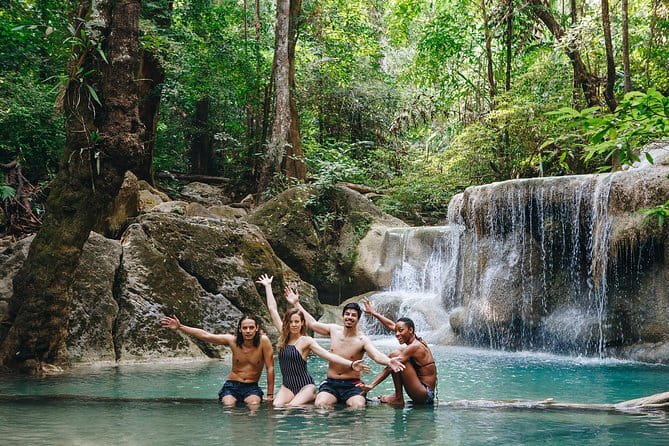
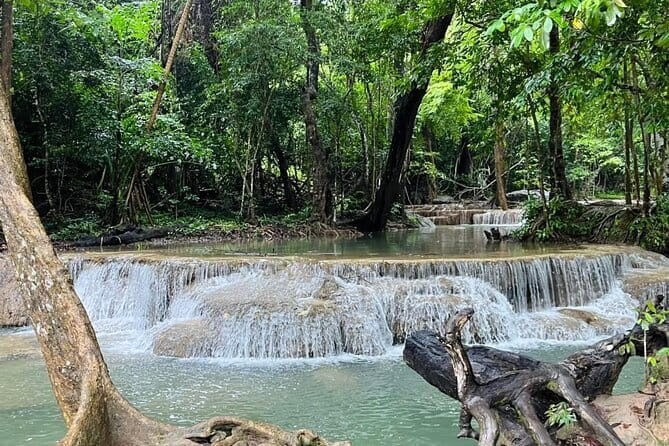
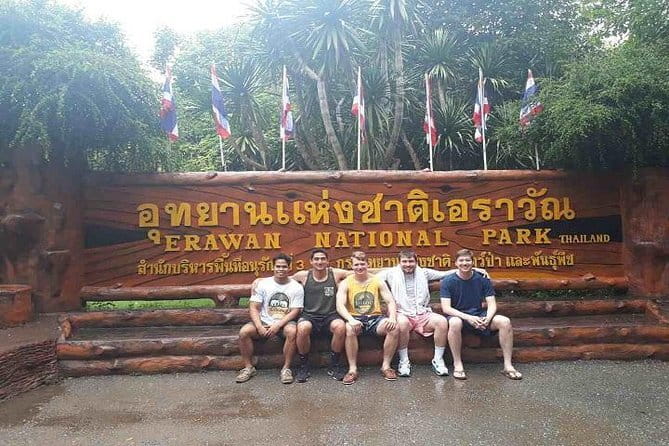
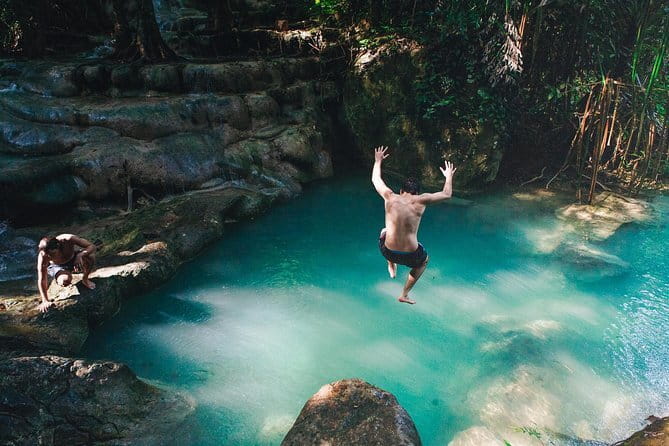
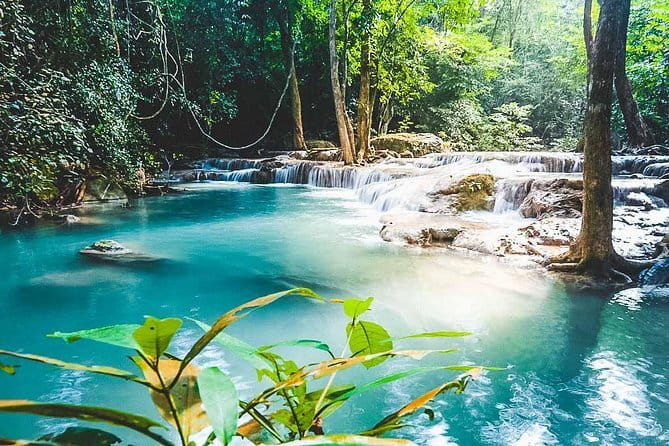
Erawan Waterfall is the heart of the day. You’ll have about 3 hours there, which is long enough to do two very different styles: a slower stroll through the falls and pools, or a more active climb to the higher levels.
What I like about how this stop is built is that it gives you choices. You can navigate the main areas, swim at the emerald-green pools at your own pace, or hike upward to see the waterfall in its multiple stages. If you’re the type who likes photos but also wants to move your body, this is one of those places where both instincts make sense.
Practical reality check: the water makes everything more slippery, and the terrain can demand better foot support than you might expect. I’d treat this as a day for closed-toe shoes with grip, even if you’re someone who usually wears sandals. If you go in assuming flip-flops are enough, you risk a painful workaround later when the ground doesn’t cooperate.
Also expect to keep some of your energy for the later parts of the day. The waterfall is not just a quick stop—it’s a real block of time, and if you burn yourself out climbing too aggressively, the rest of the itinerary will feel rushed.
Death Railway Museum and Research Centre: history with real River Kwai views
After the waterfall, you’ll shift gears—morning nature to WWII memory.
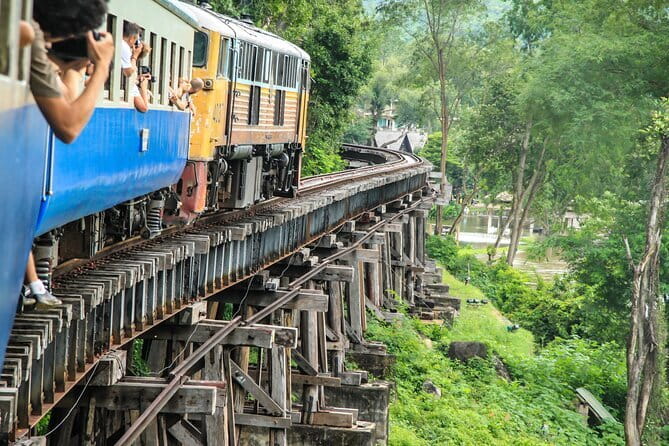
You’ll spend about 30 minutes at the Death Railway Museum and Research Centre. This isn’t a long, slow wander. It’s more like a focused orientation: understand what the railway was, how it was built, and what the environment around it looked like during that era.
One of the reasons this stop works is the setting. The Death Railway ran along cliffside areas with scenery of the River Kwai. Even in a short time, you get that “I’m standing where something happened” feeling, which makes the history stick better than reading a caption ever will.
If you’re sensitive to heavy history, give yourself the choice to move at your own pace. Don’t force a museum sprint. With only about half an hour, you’ll get the most out of it if you slow down for one or two sections and then take in the surroundings.
Tham Kra Sae cave and the Buddha statue: a short stop with strong context
This is a 20-minute stop at Kra Sae Cave (Tham Kra Sae). It’s small, quick, and specific: you’ll see a cave setting with a Buddha statue inside.
What makes it meaningful is the connection to the railway era. This cave was formerly a camp for POWs during the construction of the railway. That fact can change how you perceive the space. Even though it’s short, it helps you connect the sites into a timeline—waterfalls and bridges are one layer, but this layer shows how people lived and suffered during the work.
Because the visit is brief, you can get the most value by paying attention early. Once you’re there, you’ll have less time to re-focus, so it’s worth walking in with a calm mindset.
Kanchanaburi elephant hour: rescued elephants and a wet activity
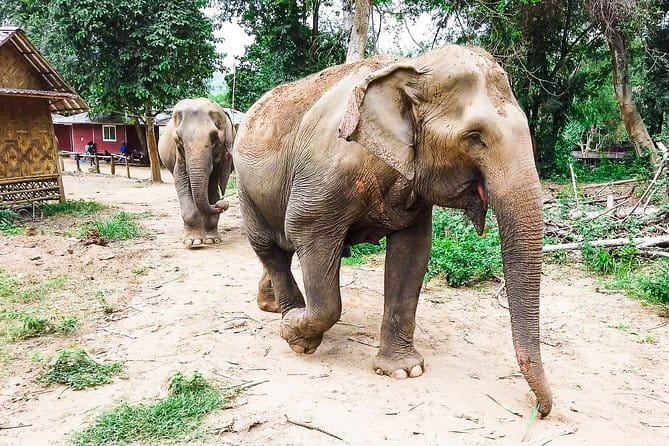
Next up: elephants in Kanchanaburi, with 1 hour on the schedule. The focus here is on rescued elephants, and you’ll have time to learn more about them.
This stop also includes a wet activity at the elephant camp. That detail matters for planning—bring the expectation that you may get damp or wet during your interaction portion.
What I like about having this after the Death Railway history is the emotional reset. The day has been heavy. An elephant-focused stop doesn’t erase the earlier memories, but it does shift the tone into something more life-centered. If you’ve been wanting more than “look at an attraction,” the hands-on, wet activity element gives you that.
Practical note: once you get wet, you’ll want to manage comfort for the final bridge walk later. Pack in a way that you can switch back to something you don’t mind wearing for an hour.


River Kwai Bridge: walking the iron and thinking about WWII
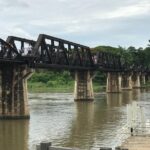
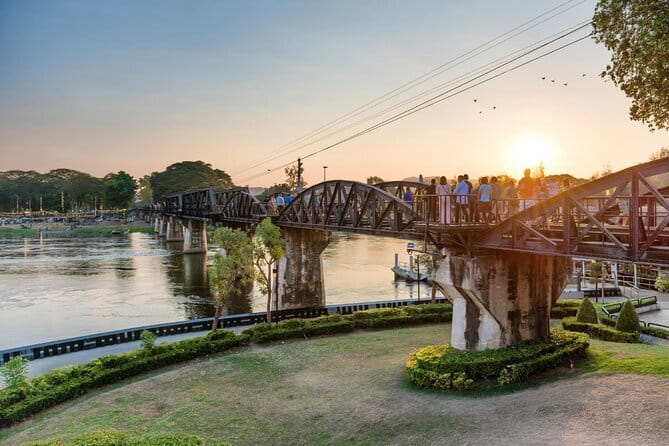
This is the iconic end-cap: about 1 hour at the Bridge over the River Kwai.
You’ll spend a short time walking along the ironclad bridge, and the guide’s role here is important. A bridge like this isn’t just architecture—it’s a place tied to bloodshed and conflict from World War II. When someone explains the why behind what you’re standing on, the walking time feels more purposeful and less like a photo stop.
The time is long enough to do a slow pass, not just a quick look, but short enough that it doesn’t drag. For many people, this is where the day’s emotional story becomes clear: the railway sites, the cave POW connection, and then finally the bridge.
If you want a calmer experience, take your time at the edges where you can watch the river movement. It’s one of the easiest ways to make the moment feel real—without turning the whole stop into a rush.
What to pack and how to pace a 12-hour day
A day like this can be great, but only if you show up prepared. You have a full travel block (Bangkok in the morning, Kanchanaburi stops all day, back to the meeting point), plus real walking and at least one water-focused portion.
From the practical issues that can pop up on sites with climbing and water, my packing advice is simple:
- wear grippy shoes instead of trusting flip-flops for climbs
- bring a small bag strategy for wet items
- plan for life-jacket possibilities during the wet activity zones, since safety gear can be required once you’re there
Footwear is the biggest “small decision, big payoff” item. In one not-great situation I’ve seen, people were told flip-flops were acceptable and then still had to deal with rough footing barefoot on a climb. You can avoid that entirely by choosing shoes that are comfortable for uneven, slick terrain.
Also, keep your pace smart. The waterfall is the most physically demanding stop. If you treat it like a “go hard” workout, your legs might feel it on the later bridge walk. If you take it moderately—swim, then climb at your comfort level—you’ll enjoy the whole itinerary more evenly.
Price and value: why a $0.00 listed cost can still be a real deal
In your details, the price shows as $0.00, which may reflect a promotional or placeholder listing. I can’t promise what you’ll actually pay at checkout, so you should confirm the final total before you lock it in.
That said, the value of this tour structure is clear even without the price display. You get:
- air-conditioned vehicle
- professional guide
- lunch at a local restaurant
- all admission fees
- wet activity at the elephant camp
- bottled water
For a day trip that includes multiple sites—waterfall entry, museum time, cave stop, elephant camp time, and the bridge—“admissions included” usually saves you more effort than you think. It also reduces the risk of arriving somewhere and discovering a ticket counter is busy or you missed a fee requirement.
And the guide role is not just narration. When you’re combining sites tied to WWII history, safety rules for water activity, and practical movement between stops, having someone who organizes the day makes your time feel smoother.
Who this tour fits best (and who should rethink it)
This is a great match if you want:
- a one-day snapshot of Kanchanaburi’s biggest draws
- enough time to swim and climb at Erawan Waterfall
- meaningful WWII context at the Death Railway areas and Bridge over the River Kwai
- a rescued-elephant visit that includes a wet activity
It may be less ideal if you:
- hate mixed terrain and water surfaces (because you’re doing both climbing and wet portions)
- strongly prefer only “viewing” over any hands-on wet activity
- want a slow, unhurried day with minimal transfers (this is built for multiple stops)
The tour notes a moderate physical fitness level. That’s not “athlete mode,” but it also isn’t fully couch-friendly.
Should you book this Kanchanaburi Death Railway, Erawan Waterfall and Elephant tour?
I’d book it if you want variety and you like guided structure. The itinerary is built to give you both beauty and weight: Erawan’s waterfall experience, the river-and-rail WWII sites, a short cave stop tied to POW history, and then elephants with a wet activity.
The biggest “yes, but” is footwear and water-day readiness. If you come prepared—especially with grippy shoes—you’ll likely have a far smoother day than someone trying to make flip-flops work for climbs.
If your idea of the perfect day is one long nature swim plus a bit of history and elephants, this tour hits that balance well. Just confirm your final price at checkout (since the listed cost shows as $0.00 in your details), and pack for wet, slippery spots.
FAQ
What time do I meet the guide, and where?
You meet your guide at the Hua LamphongRong Muang, Pathum Wan, Bangkok 10330, Thailand. The tour starts at 06:00 AM.
How long is the tour?
The tour is listed as approximately 12 hours.
How many people are in the group?
The tour has a maximum of 9 travelers.
Is lunch included?
Yes. Lunch is included at a local restaurant.
Are admission fees included?
Yes. All admission fees are included.
What activities are included for the elephant portion?
The itinerary includes a wet activity at the elephant camp.
What should I wear for the day?
You should have moderate physical fitness and plan for water and climbing areas. For comfort on slick terrain, shoes are a safer choice than relying on flip-flops.
Can I cancel for a refund?
Yes. You can cancel up to 24 hours in advance for a full refund.
When will I get confirmation after booking?
Confirmation will be received at the time of booking unless you book within 9 days of travel. In that case, confirmation is received within 48 hours, subject to availability.