REVIEW · BANGKOK
Thai Cooking Class in Bangkok
Book on Viator →Operated by Go Bangkok Tours · Bookable on Viator
Thai cooking tastes better when you make it yourself. This half-day class puts you in the action—hands-on cooking and eating your dishes as you go—plus (if you book the morning) a guided Bang Rak market walk. Either way, you’ll leave with a recipe booklet and photos emailed afterward, so you can recreate the flavors back home.
Two things I especially like: the pace is built for real results, not just watching. You prep and cook, then sit down and eat that exact dish before moving on. And the teaching style is friendly and practical, with chefs (often Sarin or Kimmy) who explain techniques clearly for beginners too.
One possible drawback: the menu changes daily, so you won’t always know the exact dishes ahead of time. Also, a small number of people report the emailed recipes didn’t arrive, so it’s smart to double-check your email and keep an eye on spam after class.
In This Review
- Key highlights
- Entering Bangkok’s Flavor World at Go! Thai Cooking School
- Morning Market Tour: Bang Rak’s Produce Lessons Before You Cook
- Afternoon Class: Same Skills, Ingredients Set Up for You
- The 4-Hour Flow: Chop, Cook, Eat, Repeat (5 Courses)
- Learning Thai Flavor Balance, Not Just Following Recipes
- Vegan and Allergy-Friendly Cooking: Customization Works
- What You Actually Get for $44.08
- Meet Your Chef: Sarin, Kimmy, and That Fun Teaching Energy
- Leftovers and Community: A Nice Bonus Detail
- Recipes and Photos After Class: What to Expect (and What to Watch)
- Who Should Book This Class, and Who Might Skip It
- Quick Tips That Make Your Class Better
- Should You Book This Thai Cooking Class in Bangkok?
- FAQ
- How long is the Thai cooking class?
- Is there a morning market tour option?
- How many dishes do I cook and eat?
- Are dietary restrictions accommodated?
- Do I receive recipes after the class?
- What’s included in the price?
- Where is the meeting point?
- Is alcohol included?
- What is the cancellation policy?
Key highlights
- Bang Rak market (morning option): Learn what Thai cooks look for in produce, herbs, and spices
- Cook-and-eat timing: Every dish is prepared and served before you start the next one
- 5 courses included: Expect plenty of food, not a few bites for show
- Small group (max 12): Easier for questions, substitutions, and personal guidance
- Diet-friendly customization: You can request things like vegan cooking and reduce common ingredients like fish sauce
Entering Bangkok’s Flavor World at Go! Thai Cooking School
This cooking class is in central Bangkok, near Bang Rak market, at Go! Thai Cooking School (cook delicious Thai). If you’re trying to fit Bangkok food into a short schedule, this is the kind of activity that works—you’re not fighting the city for hours just to get to a kitchen.
The meeting point is easy to find: 69, 2 Soi Charoen Krung 44, Bang Rak, Khet Bang Rak, 10500. And it’s near public transportation, with one helpful detail: you can get there on foot from Saphan Taksin BTS (about a 5-minute walk, if you’re already in that area).
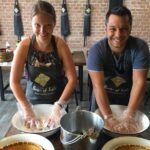
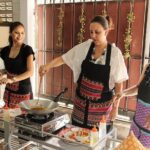
Inside, the kitchen is set up for real cooking, not a demo stage. It’s clean, organized, and designed so you can chop, mix, and cook without feeling like you’re in the way. Also, the class is capped at 12 travelers, which matters. With smaller groups, the chef can actually notice what you’re doing and fix the details—like blade technique, sauce balance, or cooking temperature—before your dish goes off track.
If you’re the type who likes taking home skills, not just a full stomach, this format helps a lot.
You can also read our reviews of more cooking classes in Bangkok
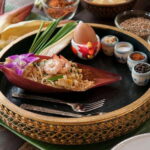
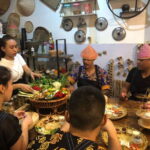

Morning Market Tour: Bang Rak’s Produce Lessons Before You Cook
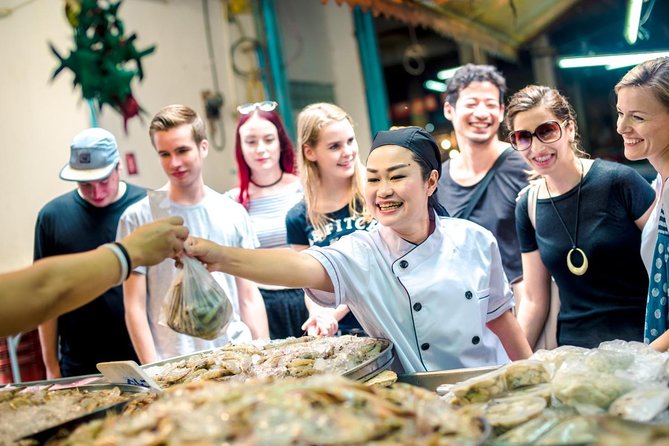
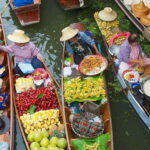
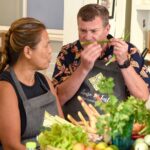
If you choose the morning class, you’ll start with a guided market tour. This is not a slow stroll with vague commentary. The point is ingredients—what to buy, what to smell, and why certain herbs and aromatics show up in Thai cooking again and again.
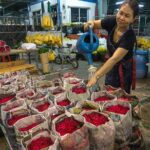
Bang Rak market is a great classroom because it shows the ingredients at the pace Thai cooks actually work with. You get to see variations of common items (yes, even ginger has options), along with herbs and produce that many home cooks never find easily outside Thailand. You’ll also learn how fresh ingredients change flavor compared with jarred pastes.
Practical tip I’d use: go with a slightly curious mindset. Ask the chef what you’re looking at. If you’re planning to cook Thai food later, the market tour gives you the “shopping map” you’ll need—what to prioritize, what substitutes can work, and what’s worth tracking down.
Morning is also a good choice if you want your day to feel like Bangkok, not just your hotel. One of the best parts is that you’re learning food while you’re still surrounded by the market’s rhythm, before you step into the kitchen.
Afternoon Class: Same Skills, Ingredients Set Up for You
If you prefer not to shop for ingredients, pick the afternoon class. In this option, the ingredients are already in-house, so you skip the market tour and go straight to cooking.
This can be a relief if your schedule is tight, you’ve already done market sightseeing, or you just want to focus on technique and flavor balance. You still get the full lesson structure: you’ll prep, cook, and eat your dishes in a steady sequence over about 4 hours.
The trade-off is simple. You won’t get the market “where to find it” education in the same way. But you still learn the core cooking moves—how to handle Thai aromatics, how sauces and pastes come together, and how timing and heat matter.
If you’re trying to cram Bangkok into limited time, afternoon gives you the best value per hour. Morning gives you the best context for future cooking at home. Either way, the class is built around making food, not sitting through it.
The 4-Hour Flow: Chop, Cook, Eat, Repeat (5 Courses)
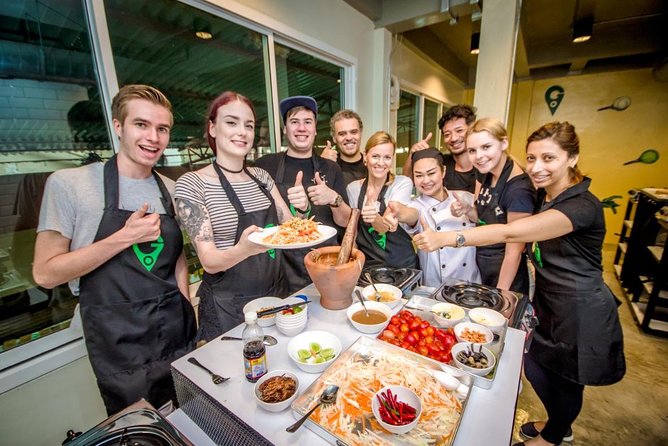
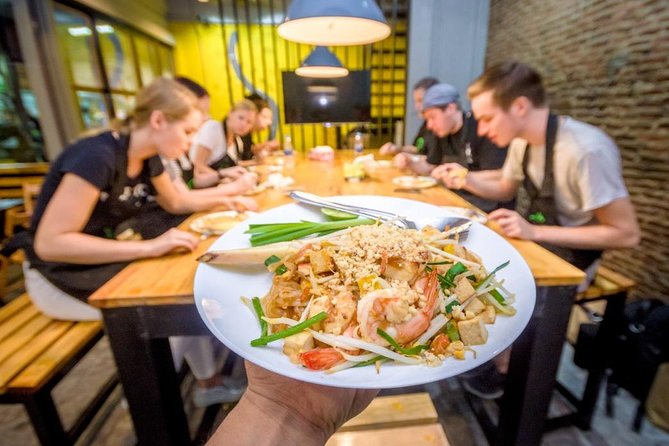
The class follows a clear rhythm that’s easy to enjoy: you prep and cook one dish, eat it immediately, then move on to the next. This “cook-and-eat” timing is a real quality upgrade. Food tastes better when it’s freshly made, and you also get instant feedback—if something is too salty, too sour, or not fragrant enough, you learn what to adjust right away.
You should expect 5 courses. And since you’re eating what you cook, it’s not a light snack experience. People often leave full, and it’s smart to come hungry rather than trying to “save room” for later.
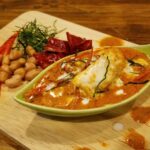
What dishes you’ll make can change daily, but based on the kinds of courses taught, you might see familiar Thai comfort foods like spring rolls, soup, chicken dishes, and mango sticky rice. Even when the menu shifts, the teaching goals stay the same: learn core techniques and understand how Thai flavor balance is built.
A few skills you’ll pick up along the way:
- How Thai cooks balance sweet, sour, salty, and spicy
- When pastes, sauces, and spice mixes go in during cooking
- Basic slicing methods and prep tricks that speed you up
- How to judge cooking temperature so flavors stay bright
One small humorous reality: you’ll likely start out thinking you’ll manage portion sizes, and then you’ll realize the class is a meal, not a tasting flight.
Learning Thai Flavor Balance, Not Just Following Recipes
This class does a good job teaching the logic behind Thai taste. Instead of treating Thai food as a list of ingredients, you learn how balance works—especially how aromatics and seasoning layers build flavor.
Chefs explain things in plain language. You’ll hear how spices and sauces create depth, and you’ll practice adjusting flavor so it fits your own preference for spice level. Several people noted that even beginners can keep up, because the instructions are step-by-step and the chef is watching for common issues like undercooked aromatics or seasoning that needs a little tuning.
A standout theme: you learn to respect fresh ingredients. One chef-style lesson you might experience is choosing fresh aromatics (like galangal, lemongrass, and kefir leaves) over relying only on ready-made pastes. You’ll still be able to use what you have at home later, but you’ll understand why fresh flavors taste different and how to recreate that effect.
If you like cooking at home, this is where the class becomes more than a one-time activity. You don’t just memorize a recipe—you understand how the dish comes together.
A few more Bangkok tours and experiences worth a look


Vegan and Allergy-Friendly Cooking: Customization Works
If you have diet restrictions, you’ll likely appreciate how this class handles customization. The program can cater for people with dietary needs, and you’re encouraged to make your requirements clear.
One vegan-focused example from the experience: the chef asked for clarification and provided guidance for navigating Thai cuisine, including tips for requests like no fish sauce and no animal products. That kind of attention matters, because many Thai dishes rely on fish sauce or other ingredients that aren’t always obvious at first glance.
Practical advice for you: tell the chef your needs early, and be specific. If you’re vegan, don’t just say vegan—mention which common Thai ingredients you want avoided (for example, fish sauce, eggs, or other animal products). The more precise you are, the easier it is for the chef to adjust while still keeping the dish Thai.
Also, if you have allergies, you’ll want to communicate them clearly as well. The class format—small group, chef-led—makes it easier to handle substitutions than in a large group setting.
What You Actually Get for $44.08
At $44.08 per person, this isn’t just paying for cooking. You’re paying for a full half-day food experience with multiple layers built in.
Here’s what’s included:
- Local taxes
- Bottled water
- Food tasting
- 5 courses (you eat what you cook)
- Professional chef
And afterward:
- Recipe booklet
- Photos emailed to you
Even though the price can look low compared with some food tours, the structure adds value. You’re not paying for a guided walk only, or a single demonstration dish. You’re getting instruction plus a meal that you helped make. In a city where restaurant prices can add up quickly, it’s often a good deal for a 4-hour activity.
One extra value point: the group size is small (max 12). That means you’re more likely to get personal attention. It’s easier to ask questions and learn technique properly when you’re not competing for the chef’s time.
Meet Your Chef: Sarin, Kimmy, and That Fun Teaching Energy
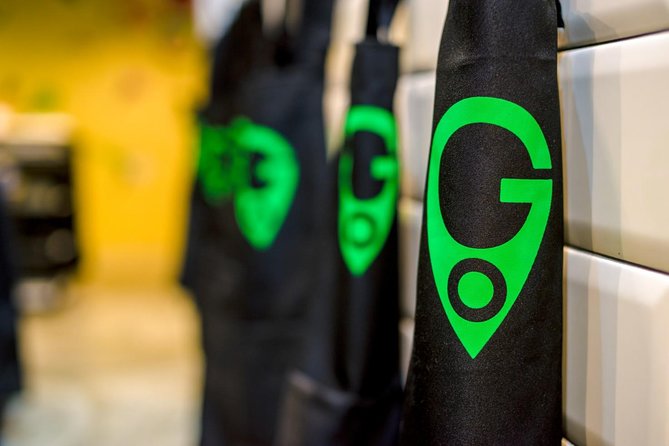
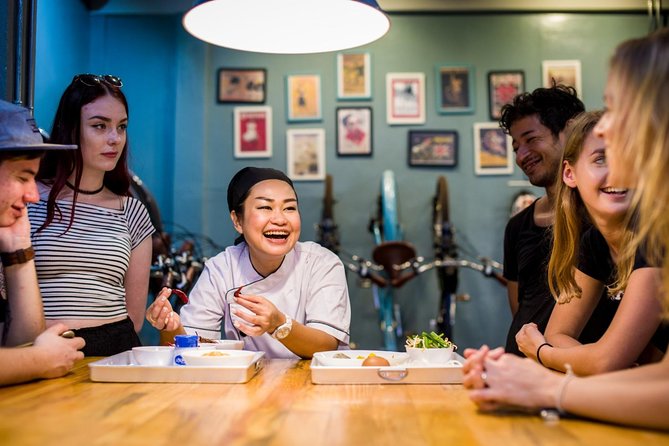
A big part of the experience is the chef’s personality and teaching style. Sarin is known for being organized, informative, and high-energy—people describe her as funny and personable, with a lot of music and enthusiasm. Kimmy is also praised for making learning easy, including explaining essentials of Thai cooking and keeping the class fun and well organized.
What you should take from that, even if you don’t know which chef you’ll get: this is not a silent kitchen where you’re left to figure things out. The chef and assistant are there to guide the steps. That’s especially helpful if you’re a beginner or you just want to avoid the common frustration of cooking “something Thai-ish” that doesn’t taste right.
Also, the kitchen quality matters. Multiple people mention the cleanliness and professional setup. That gives you confidence you’re cooking in a place that takes food preparation seriously.
Leftovers and Community: A Nice Bonus Detail
One extra detail that can make you feel good: some people report that leftovers are directed to help the homeless. If that’s part of how your class runs that day, it’s a thoughtful touch.
The reality for you: you’ll likely have extra food. Since you’ll eat multiple courses, leaving with leftovers isn’t unusual, and taking some home (or not, depending on the day’s approach) can help you keep the experience feeling full, not wasteful.
Recipes and Photos After Class: What to Expect (and What to Watch)
You should receive a recipe booklet and photos via email afterward. This is one reason to book the class even if you’re only in Bangkok for a few days—you’ll have something to study when you’re back home.
That said, one small caution from experiences: a couple people didn’t receive the recipes email. If you want to avoid that hassle, here’s what you can do:
- Make sure your email is spelled correctly during check-in
- After class, check your spam or promotions folder
- If nothing arrives, contact the school promptly so they can resend
If you’re the type who loves cooking from notes, also snap a few quick photos during class. It can help you remember flavor adjustments, chopping tips, and how the chef teaches balance.
Who Should Book This Class, and Who Might Skip It
This class is a great fit if:
- You want a hands-on Thai cooking lesson, not a quick tasting
- You’re a beginner who needs step-by-step guidance
- You’d like either morning market education or an afternoon focus on cooking
- You have diet restrictions and want customization done at the cooking stage
- You’re short on time but still want a meaningful Bangkok food experience
You might skip if:
- You’re mainly looking for a long sightseeing day (this is focused on cooking)
- You want alcohol included (it’s available to purchase, but not included)
- You prefer to watch rather than cook (this class is built for active participation)
Quick Tips That Make Your Class Better
A few practical moves will make your experience smoother:
- Don’t eat a huge meal beforehand. You’ll cook and then eat multiple courses.
- If you choose morning, treat the market tour like your ingredient scout. Ask what matters for each dish.
- Tell the chef your spice level early so adjustments feel easy during cooking.
- If you care about specific ingredients (vegan preferences, no fish sauce, etc.), state it clearly and repeat it calmly at the start.
Should You Book This Thai Cooking Class in Bangkok?
Yes, if you want one of the easiest, most satisfying ways to learn Thai cooking while you’re in Bangkok. The price feels fair for what you get: a small-group kitchen experience, a professional chef, 5 courses you actually eat, and guidance you can reuse at home.
Pick the morning class if you love learning in context—produce, herbs, and spices first, then cooking right after. Pick the afternoon class if your schedule is tight and you’d rather focus on technique without the market leg.
One last check before you commit: since the menu changes daily, don’t hesitate to ask what dishes are planned on your day. If the menu lines up with the Thai foods you crave, this class is a strong booking.
FAQ
How long is the Thai cooking class?
The class runs for about 4 hours.
Is there a morning market tour option?
Yes. The morning class includes a guided market tour. The afternoon class has ingredients prepared in-house.
How many dishes do I cook and eat?
You’ll take part in a 5-course cooking experience and eat the dishes you prepare.
Are dietary restrictions accommodated?
Yes. The class can cater for people with dietary restrictions. You can also customize based on needs such as vegan requests.
Do I receive recipes after the class?
Yes. A recipe booklet and photos are emailed to you after the class.
What’s included in the price?
Included are local taxes, bottled water, food tasting, 5 courses, and a professional chef.
Where is the meeting point?
Meet at Go! Thai Cooking School (cook delicious Thai), 69, 2 Soi Charoen Krung 44, Bang Rak, Khet Bang Rak, Krung Thep Maha Nakhon 10500, Thailand. The experience ends back at the meeting point.
Is alcohol included?
No. Alcoholic drinks and other drinks are available to purchase, but they are not included.
What is the cancellation policy?
You can cancel for free up to 24 hours in advance for a full refund. If you cancel less than 24 hours before the start time, the amount paid isn’t refunded.