REVIEW · CHIANG MAI
Meditation Retreat and Self-Care in Nature
Book on GetYourGuide →Operated by Flow Yoga Chiang Mai · Bookable on GetYourGuide
Three hours can change how you breathe. This Chiang Mai Province session is a calm break in nature with mindful walking and guided sitting meditation, plus Thai culture moments built into the flow.
I love the teaching style here: English instruction with Amori, patient and clear, and lots of room to settle into the practice without feeling rushed. The best part is the small size (up to 6), which keeps the atmosphere supportive and makes questions feel normal.
One thing to consider: instruction is in English, so if you’re struggling with the language, you may not fully relax. And while yoga options are adapted, some beginners find the movement challenging at first—so come with comfortable clothes and a gentle mindset.
In This Review
- Key highlights worth planning around
- Chiang Mai self-care with mindful walking and Thai nature calm
- Your 3-hour rhythm: meditation first, then yoga, then tea in the garden
- Mindful walking: a meditation tool you can actually use later
- Guided sitting meditation with Amori: clear steps, calmer focus
- Yoga or gentle stretches: self-care that adapts to your level
- The garden tea or coffee break: where the experience settles
- Price and value: why $48 works for a 3-hour guided reset
- Who this retreat is for (and who might want a different option)
- Practical logistics at Flow Yoga Chiang Mai (what to plan)
- Should you book this Chiang Mai meditation retreat with Amori?
- FAQ
- How long is the meditation and self-care retreat?
- What does the retreat include?
- What is the meeting point?
- Do I need prior meditation or yoga experience?
- Is the retreat taught in English?
- How big is the group?
- Is hotel pickup and drop-off included?
- What should I wear?
- Can I cancel for a refund?
Key highlights worth planning around
- Mindful walking in nature so meditation starts with your feet, not just a cushion
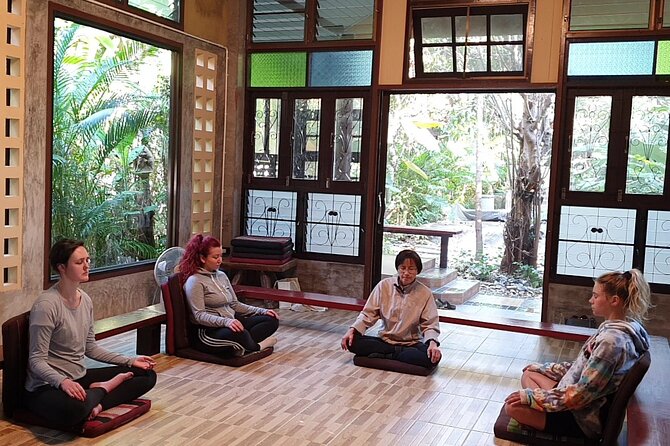
- Guided sitting meditation with step-by-step explanations for beginners and returners
- Yoga or gentle stretches adapted to you rather than one-size-fits-all poses
- Thai-culture flavor through garden time with tea or coffee after practice
- Small group up to 6 keeps the energy quiet and personal
- A secluded, clean setting away from noisy distractions
Chiang Mai self-care with mindful walking and Thai nature calm
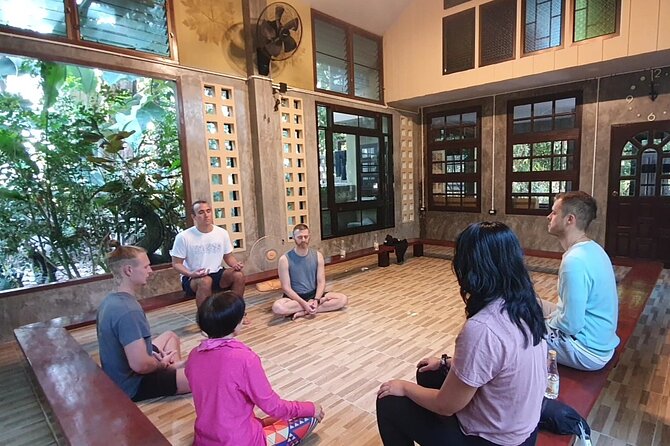
This retreat is built for people who want a break from nonstop sightseeing. You’re in Chiang Mai Province, doing meditation and gentle movement in a setting that feels calmer than the city—clean, secluded, and easy to focus in. Even if you arrive tense, the rhythm helps you slow down quickly.
What I like is how practical it feels. You’re not just told to relax. You’re taught how to pay attention—first while walking, then while sitting, then through yoga or stretches that let your body feel safe in the moment.
And it’s not only a “wellness class.” There’s a Thai-cultural touch baked in through the garden pause afterward, when you get tea or coffee and time to exhale. That small social moment is part of the self-care, not an afterthought.
You can also read our reviews of more tours and experiences in Chiang Mai.



Your 3-hour rhythm: meditation first, then yoga, then tea in the garden
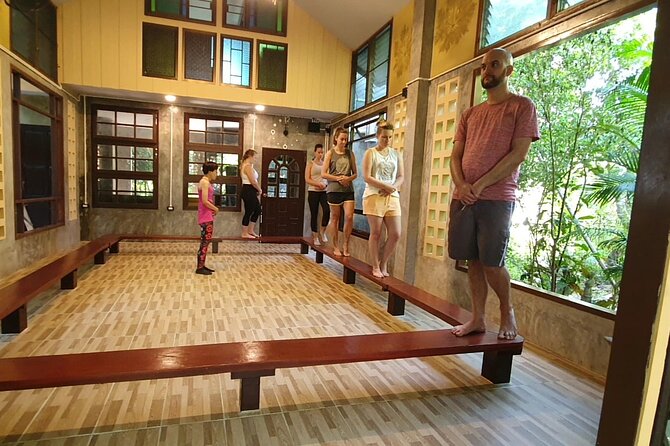
The whole experience runs about 3 hours and follows a simple arc: mindfulness outdoors, then seated meditation, then gentle movement, and finally a drink in a garden.
Here’s how it typically plays in real life:
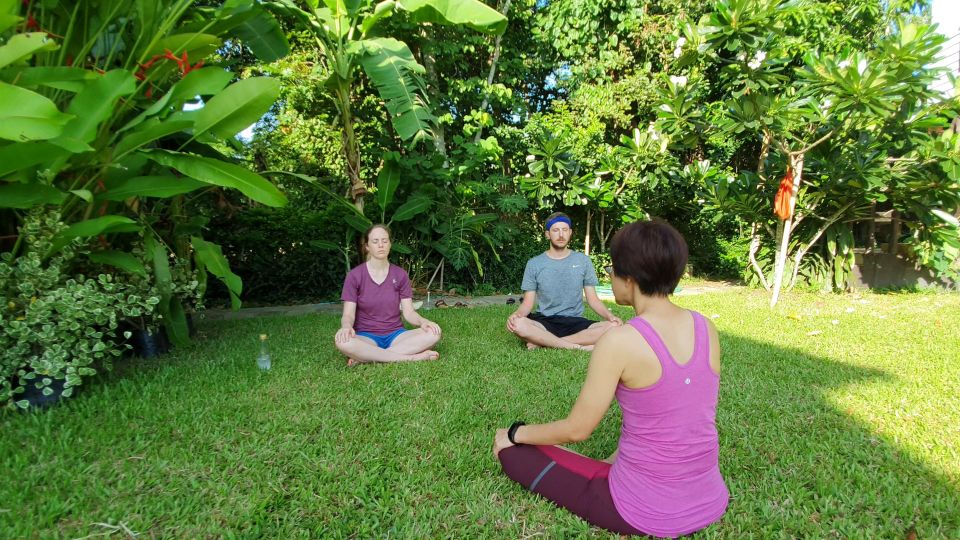
- You start with mindful walking among nature.
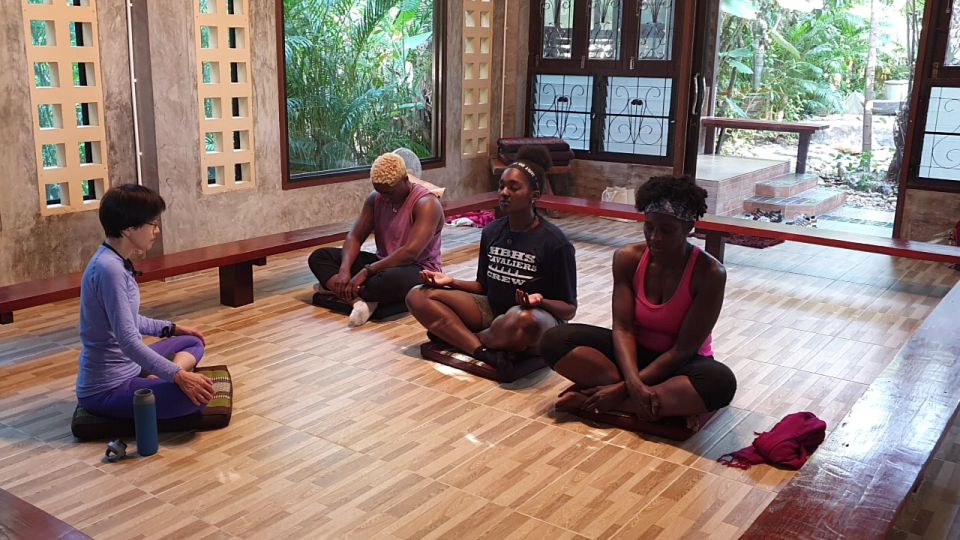
- Then you move into guided sitting meditation, with clear instructions.
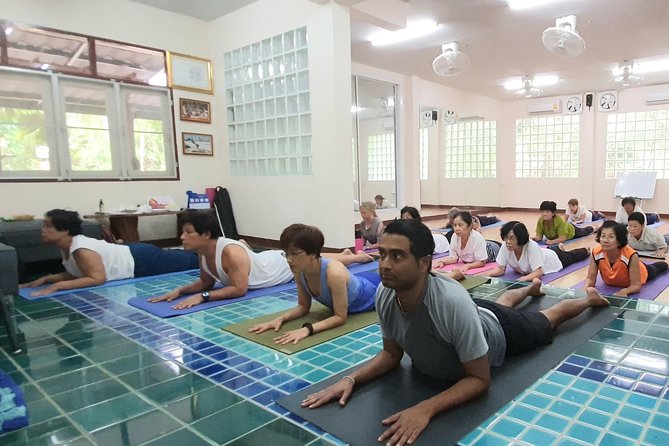
- After that, you practice yoga or gentle stretches, adjusted for your comfort and experience.
- You finish with tea or coffee in a beautiful garden, and in some sessions you may also get small snacks like fruit or light treats.
Because the retreat is short, it’s perfect if you don’t want to commit to a multi-day retreat. You’ll leave with techniques you can reuse, not just a temporary mood boost.
Mindful walking: a meditation tool you can actually use later
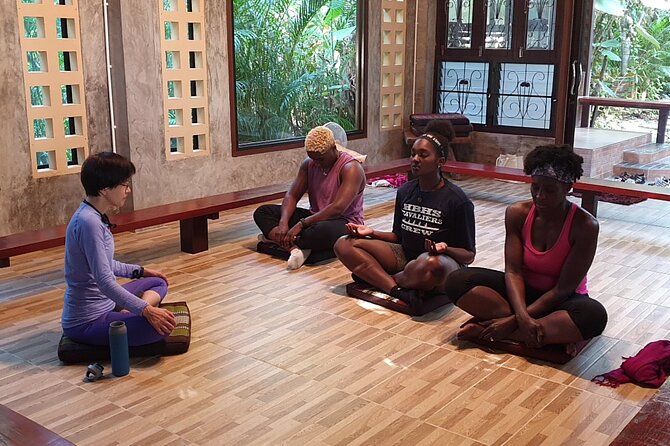
Mindful walking is one of those skills that sounds simple until you try it. The idea is to slow your attention so each step becomes a kind of anchor—like meditation you can do while moving.
In practice, you’ll focus on things like:
- How your feet connect with the ground
- The rhythm of your walking
- Noticing distractions without getting dragged into them
Why this matters: if sitting meditation is hard for you, walking meditation can be the bridge. It also teaches you something useful for daily life—how to return to the present when your mind wanders.
And doing it in nature helps. You’re not trying to create calm from scratch; the environment already gives your attention something steady to land on.
Guided sitting meditation with Amori: clear steps, calmer focus
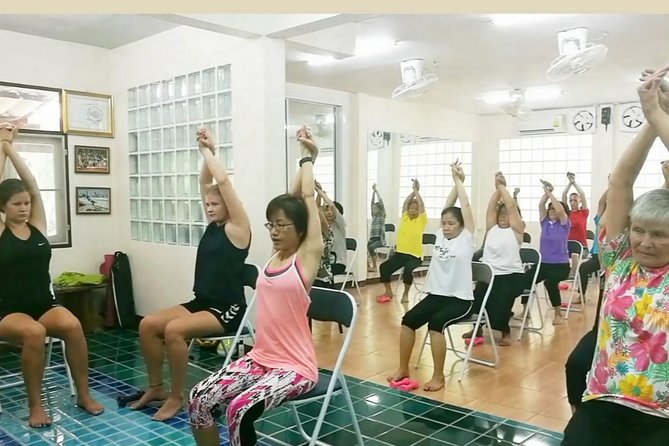
The centerpiece here is guided sitting meditation. The teaching approach gets consistently praised because it’s structured and reassuring—like you’re being led through the process, not left alone with your thoughts.
What you can expect from the guidance:
- Intro-level explanations that make the practice feel doable
- Patience with your questions and your prior experience
- Practical techniques you can take home and keep using
Many people also mention that the instructor helped them with the mental noise they struggle with—how memories and thoughts pop up during meditation, and how to handle them with less fighting. That’s a big deal, because meditation failures usually aren’t about you being “bad at it.” They’re about not having the right approach for what your mind is doing.
So if you’ve tried meditation before and felt stuck, this format is a smart way to reset. You’ll often leave feeling grounded and clearer, not hyped-up.
Yoga or gentle stretches: self-care that adapts to your level
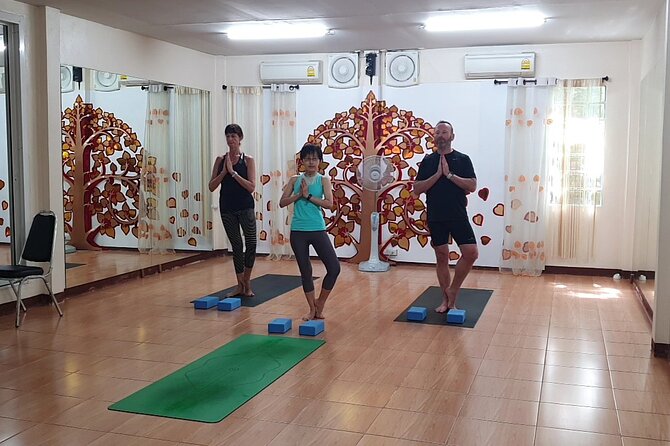
After meditation, you move into yoga or gentle stretches. The key detail is that it’s adapted to practitioners, so you’re not automatically pushed into advanced positions.
Still, there’s one heads-up: some beginners find the yoga challenging the first time, even if it’s adjusted. You might feel sore afterward. That doesn’t mean you did it wrong. It usually means you asked your body for new awareness and got a real workout disguised as mindfulness.
How to prepare:
- Wear comfortable, athletic clothes you can move in easily
- Bring a mindset that accepts effort without panic
- Tell the instructor if you need lower-intensity options
This is where the retreat stays “self-care,” not “punishment.” The goal is to help your body soften and follow your breath, not to prove anything.




The garden tea or coffee break: where the experience settles
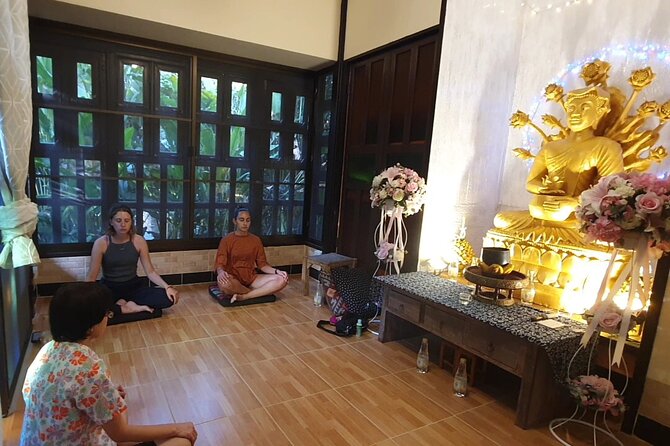
This retreat doesn’t end the moment you stand up. You get tea or coffee in a garden, which gives your nervous system time to come down.
That little pause matters more than it sounds. Right after meditation, you’re often processing new attention and calmer awareness. The drink-and-breath moment helps those lessons stick instead of evaporating while you rush back into your day.
In some sessions, you may also get light treats like fruit or small snacks. Even if you don’t expect anything fancy, plan on the retreat finishing on a kind, grounded note.
Price and value: why $48 works for a 3-hour guided reset
$48 for 3 hours sounds simple, but the real value is what you get for that time.
You’re paying for:
- A structured guided meditation session (not just “sit and good luck”)
- Mindful walking instruction
- Yoga or gentle stretching guidance tailored to your level
- Tea or coffee afterward
- A small group setting limited to 6 participants
For Chiang Mai wellness, the best value is usually in the teaching quality and the group size. Here, the small group keeps it quiet and lets the instructor adjust when needed. People also describe the setting as clean and secluded, which helps you actually practice instead of mentally multitasking.
If you’re booking as a solo traveler, this can feel even better. When the group is tiny, you often get more direct attention and clearer corrections.
Who this retreat is for (and who might want a different option)
This is a strong choice if you:
- Are a first-timer to meditation or yoga and want clear guidance
- Want techniques you can repeat back home
- Prefer a calm break in nature rather than another crowded activity
- Enjoy small-group teaching and a patient pace
It’s also a great “reset” if your Chiang Mai itinerary feels too fast. People tend to use it to wrap up a trip with a calmer headspace, then return to normal life feeling more steady.
You might choose something else if you:
- Expect a long, silent retreat day (this is 3 hours)
- Want intense fitness training rather than mindful stretching
- Don’t feel comfortable with English instruction, since the whole session is taught in English
Practical logistics at Flow Yoga Chiang Mai (what to plan)
You’ll meet at Flow Yoga Chiang Mai. Hotel pickup and drop-off aren’t included, so you’ll need your own way there.
In Chiang Mai, reaching the meeting point is usually straightforward with ride-hailing. Some people say Grab makes it easy to get to the yoga retreat center, and it’s also possible to arrange a ride back when you’re done.
Two quick tips so you feel prepared:
- Arrive a few minutes early so you can settle your clothes and breathing.
- Wear comfortable practice clothes, as this is a movement + meditation session, not a museum-style stop.
Should you book this Chiang Mai meditation retreat with Amori?
If you want a short, high-impact self-care session, I’d book it. The format makes sense: mindful walking to teach attention, guided sitting meditation to give you tools, then yoga or gentle stretches to help your body integrate it. The garden tea or coffee finish turns it into a full reset, not just a stop on your itinerary.
Choose it especially if you’re new or you’ve tried meditation before and felt lost. Clear guidance, a calm setting, and a small group make it easier to succeed.
If you’re someone who needs lots of language support beyond English, or you want a very vigorous physical workout, you might prefer another style of class. But for most people chasing calm, clarity, and a repeatable practice, this is a smart use of 3 hours.
FAQ
How long is the meditation and self-care retreat?
It lasts 3 hours.
What does the retreat include?
You’ll learn mindful walking and guided sitting meditation in nature, then do yoga or gentle stretches adapted to your level, and finish with tea or coffee in a garden.
What is the meeting point?
The meeting point is Flow Yoga Chiang Mai.
Do I need prior meditation or yoga experience?
You do not need experience. The yoga practice is adapted, and the meditation includes guided instruction.
Is the retreat taught in English?
Yes, the instructor teaches in English.
How big is the group?
It’s a small group limited to 6 participants.
Is hotel pickup and drop-off included?
No, hotel pickup and drop-off are not included.
What should I wear?
Wear comfortable clothes for the practice.
Can I cancel for a refund?
You can cancel up to 24 hours in advance for a full refund.