REVIEW · CHIANG MAI
Iconic Half-Day Landmarks & Temples of Chiang Mai
Book on Viator →Operated by Asian Trails LTD · Bookable on Viator
Four hours, three temples, big views.
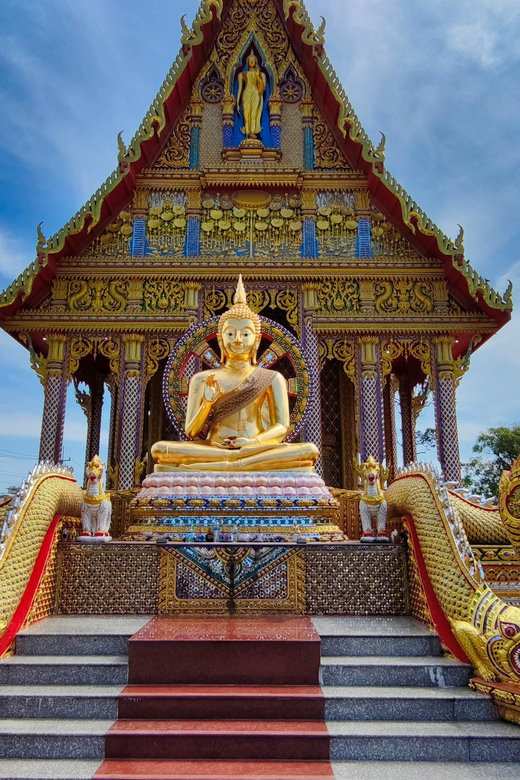
This is a fast, satisfying way to see why Chiang Mai is called the Rose of the North, with a morning or afternoon circuit that mixes mountain majesty and city temples. I especially like Doi Suthep’s famous dragon-head staircase and the copper chedi details at the top, plus the way the route makes each stop feel purposeful, not rushed.
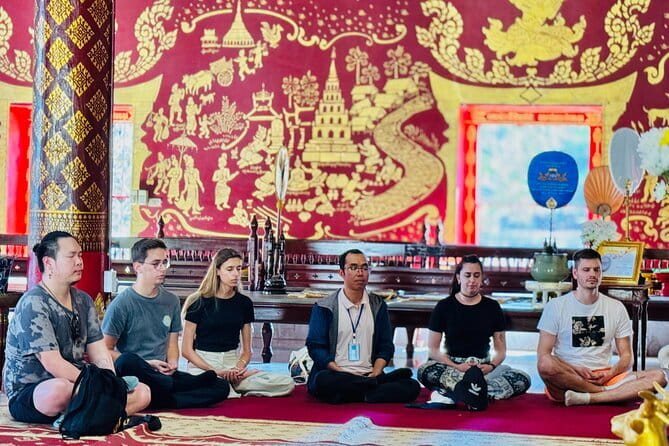
What I like most is the temple lineup itself: Wat Chedi Luang, then Wat Phra Singh, with their Lanna-era importance and standout architecture. I also love the guide-led format, with English-speaking guides such as Tinny, Nu, Mick, Krisada, Yaya, and Jack praised for making the culture easy to grasp and for sharing clear context while you walk.
One thing to consider: the climb at Doi Suthep includes 306 steps, so if you have mobility limits or hate stairs, you’ll want to plan your pace (and your temple clothes) before you go.
In This Review
- Key highlights worth planning around
- How this half-day Chiang Mai temple circuit fits your time
- Doi Suthep: the naga staircase and the view that earns its hype
- Wat Chedi Luang Varavihara: the Emerald Buddha’s temple footprint
- Wat Phan Tao’s teak ordination hall: craft you can actually see
- Wat Phra Singh: Temple of the Lion Lord and a 1,500-year icon
- Warorot Market (Kad Luang): a practical break from temple mode
- What $66.20 buys you in real terms
- Dress code and temple etiquette: the stuff that saves time
- Morning vs afternoon: pick the timing that matches your energy
- Guides make the difference: why this tour feels better with a pro
- Small-group or private guide: choose based on your style
- Should you book this Doi Suthep and temple highlights tour?
- FAQ
- How long is the Chiang Mai temples tour?
- Is pickup included?
- Do I need to choose between shared and private?
- Which major temples are included?
- Are entrance fees included?
- Is there a lot of walking or stairs?
- What should I wear to the temples?
- Do I have to take my shoes off?
- Is Warorot Market included, and is admission free?
- What happens if weather is bad?
Key highlights worth planning around
- Wat Phra That Doi Suthep’s 306-step naga staircase and mountain views over Chiang Mai
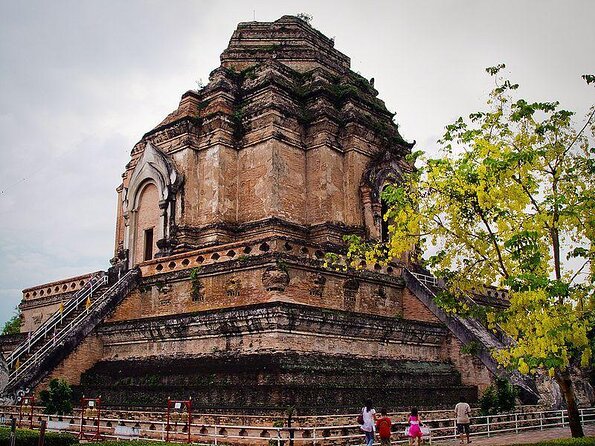
- Wat Chedi Luang’s famous Emerald Buddha connection and 60-meter tower presence
- Wat Phra Singh’s role as a key Lanna center and its revered 1,500-year-old Buddha image
- Wat Phan Tao’s teakwood ordination hall, one of the few remaining all-wood structures of its type
- Warorot Market (Kad Luang) as a real-life stop, with plenty of action in the wet market area
- Air-conditioned comfort plus a small-group cap (maximum 15) and an option for a private guide
How this half-day Chiang Mai temple circuit fits your time
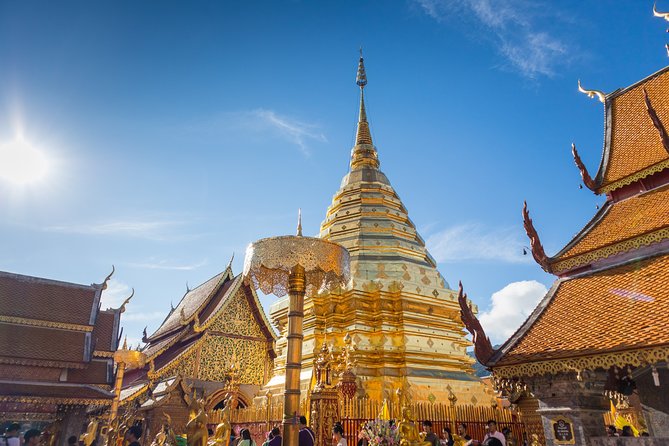
You’re looking at about 4 hours 15 minutes, which is ideal if you want temple highlights without spending your whole day commuting across town. You’ll depart from downtown Chiang Mai hotels and ride in a comfortable air-conditioned vehicle, so the hot in-between parts of the day are handled for you.
This is also a smart “first or second day in Chiang Mai” activity. You’ll get names, meanings, and visual landmarks in a single sweep, which makes the rest of the temples you explore later much easier to understand.
A few more Chiang Mai tours and experiences worth a look

Doi Suthep: the naga staircase and the view that earns its hype
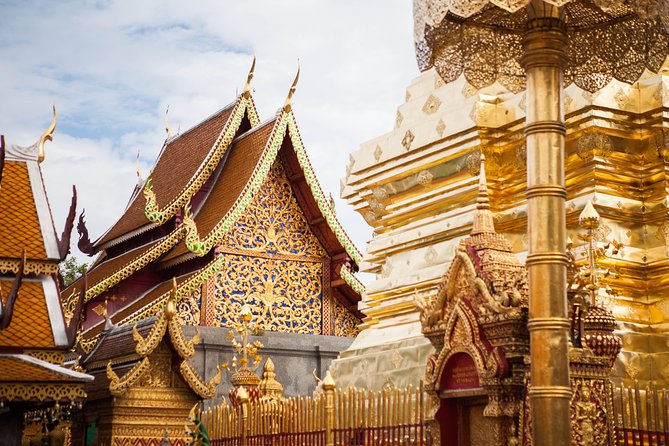
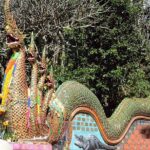
Most of your time starts with Wat Phra That Doi Suthep, set near the summit of Doi Suthep mountain. You drive up the winding road and then finish with the climb: a staircase of 306 steps designed as a naga (dragon-headed serpent). Even if you’ve seen temple photos before, this is the kind of detail you remember in real life.
The temple centerpiece is a copper-plated chedi topped by a five-tiered gold umbrella. It’s believed to contain partial relics of the Buddha, so this isn’t just a pretty viewpoint—it’s a sacred object with real religious weight. If the day is clear, you’ll also get commanding views over Chiang Mai, which is a big part of why people build itineraries around this stop.
Practical tip: wear footwear you can handle on stone steps, and take the climb at your pace. The route is scenic, but it’s still a stair-and-sun event, so plan on taking breaks and hydrating.
Wat Chedi Luang Varavihara: the Emerald Buddha’s temple footprint
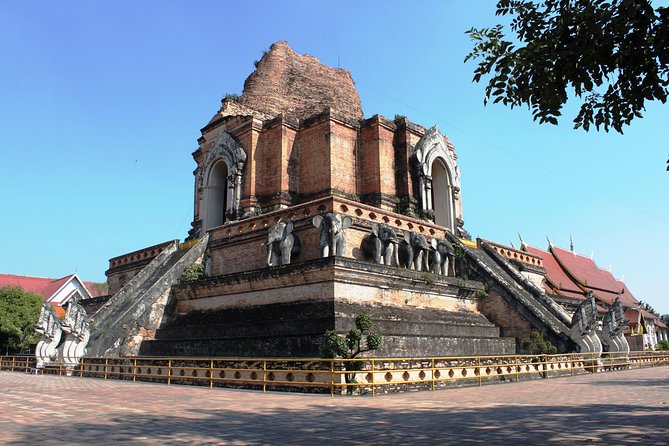
After you come down from the mountain, you’ll go to Wat Chedi Luang Varavihara, one of the most important temples in the city center. This place is known for its massive presence—its tower reaches about 196 feet (60 meters). You feel that scale even before you fully understand the story behind it.
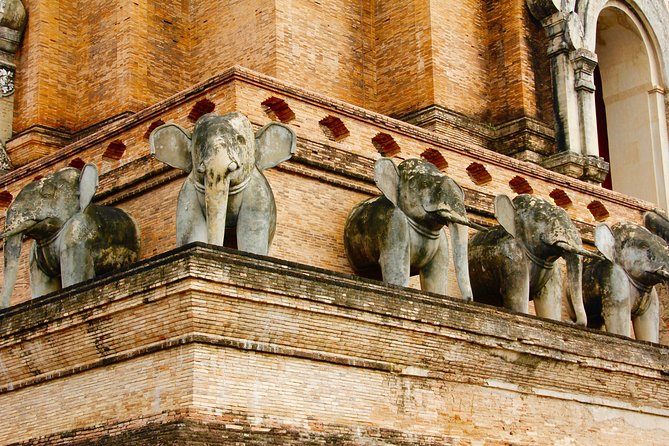
Wat Chedi Luang is revered as the former home of the Emerald Buddha. Even though the Emerald Buddha itself is associated with other locations, the meaning still hangs in the air here. When a temple is that tied to a central religious symbol, you’re really visiting more than buildings—you’re visiting a legacy.
Best part for photographers: the temple surfaces and layered architectural forms can be read better when you slow down. With a guide leading you, you can figure out what you’re looking at instead of just shooting what looks pretty.
Wat Phan Tao’s teak ordination hall: craft you can actually see
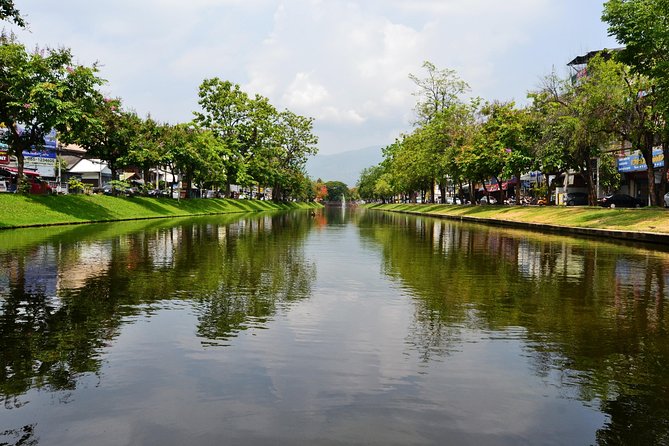
Your tour also includes Wat Phan Tao, an older Lanna-style temple known for its ordination hall made entirely of teakwood. This is one of the few remaining all-wood structures of its kind in Chiang Mai, and that matters because it’s physical evidence of building traditions that are disappearing elsewhere.
This stop is the kind that rewards a slower walk. Wood tones, joinery, and the way the hall holds light are details you miss when you’re trying to cover everything fast. If you like architecture more than crowds, you’ll likely appreciate this temple as a calmer counterpoint to Doi Suthep’s big climb.
A consideration: because it’s a religious site, you’ll need to follow the site rules about shoes and respectful behavior. The good news is your guide will tell you what applies where.
Wat Phra Singh: Temple of the Lion Lord and a 1,500-year icon
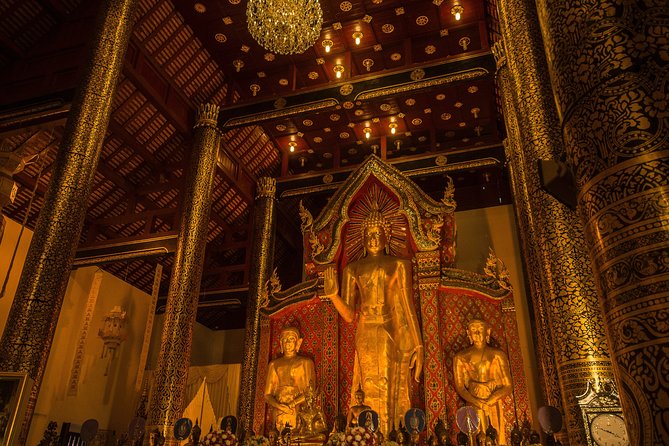
Next comes Wat Phra Singh, the Temple of the Lion Lord and a central landmark of Lanna religious life. This complex includes multiple buildings with different architectural and artistic merit, so you’re not just looking at one main structure.
The highlight here is a sacred Buddha image said to be about 1,500 years old. Even if you’re not coming in with deep Buddhist study, a guide can help you understand why an object like this becomes a centerpiece for centuries of devotion.
If you’re the kind of person who likes hearing how power, faith, and art connect, this is a strong stop. Lanna temples tend to reward attention, and Wat Phra Singh is one of the best examples of that in Chiang Mai.




Warorot Market (Kad Luang): a practical break from temple mode
To balance the sacred sites, the tour ends with Warorot Market (Kad Luang), Chiang Mai’s biggest market in the city center. You’ll spend about 45 minutes here, and admission is free for the market stop.
What I like about this kind of add-on is that it gives you context for daily life. Temples show you what people worship; markets show you what people do with the hours between worship.
You’ll also pass through the buzz of the wet market area, which tends to be the most intense visually. Keep your phone protected if it’s humid or dusty, and expect a lot of movement. This is a great time to pick up small snacks or water on your own if you need a reset.
What $66.20 buys you in real terms
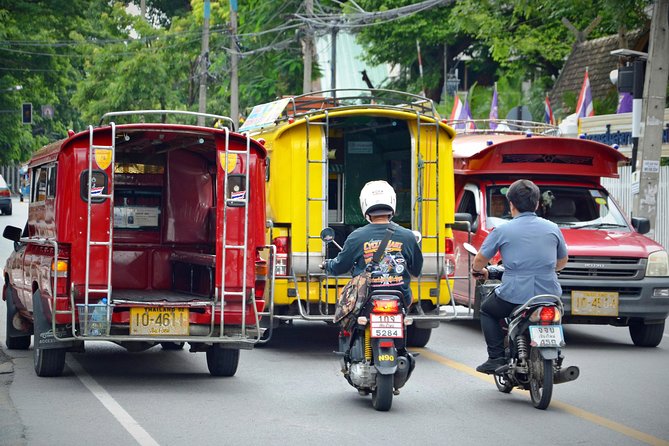
The price is $66.20 per person for a half-day with a professional English-speaking guide, air-conditioned transport, and entrance fees for the temples and stops included in the plan. For 4 hours 15 minutes, that’s a pretty fair deal if you’d otherwise need to piece it together by yourself with multiple tuk-tuk or taxi rides plus tickets.
You also have two choices that affect value: shared (seat-in-coach) or private. Shared is usually the best price-per-hour, while private can be worth it if you want a slower pace, more time per photo, or a direct conversation with the guide.
Small-group format helps too. With a maximum group size of 15, you’re less likely to feel like you’re trapped in a conveyor belt.
Dress code and temple etiquette: the stuff that saves time
Chiang Mai’s temples require basic respect, and it’s not complicated—you just need to be prepared. Before you go, know that you’ll be taking off shoes at sites where it’s customary, and your guide will let you know which places require it.
Dress code matters especially for royal temples and palaces. You’ll need clothing that covers shoulders and falls below the knees. Shirts with obscene or disrespectful prints can lead to refusal of entry, and very bright, attention-grabbing outfits may also cause problems.
Practical packing list:
- Bring sunglasses, a hat/cap, and high-SPF sunscreen
- Wear light clothing that still meets the shoulder-and-knee rule
- Protect your phone or camera from outdoor humidity or rain-like conditions, since weather exposure can damage electronics
Morning vs afternoon: pick the timing that matches your energy
You can choose a morning or afternoon departure from your downtown hotel area. If you like cooler starts and fewer heat headaches, morning can feel easier for the Doi Suthep climb.
If you’re more of a late-day person, afternoon works fine too, and some guides will simply help you manage the pace so you’re not rushed through the temples. Either way, you get the same main landmarks, so your biggest variable is how you handle sun and stairs.
Guides make the difference: why this tour feels better with a pro
A repeated theme from guide-led experiences is that the explanations land in everyday language. People praised guides like Tinny and Nu for being friendly and soft-spoken yet engaging, and praised Mick and Krisada for connecting temple details to broader history and culture in a way that makes the sites click.
You’ll also appreciate the way good guides help with practical moments—like when to pause for photos, how to move through religious spaces respectfully, and how to spot architectural details you’d otherwise miss.
If you’re planning to see temples on your own later, the guide’s context becomes your shortcut. You’ll recognize motifs and understand what you’re looking at instead of guessing.
Small-group or private guide: choose based on your style
Here’s how to decide without overthinking it.
Pick the shared/seat-in-coach option if you want the best price and you’re comfortable moving along with the group. Pick the private option if you prefer a calmer pace, more chances for photos, and more direct Q&A. The private format is especially good if you’re traveling with seniors or anyone who moves slower and needs more time.
Even on shared tours, the cap of 15 keeps things from turning into chaos.
Should you book this Doi Suthep and temple highlights tour?
Yes, if you want the key Chiang Mai temple names in one efficient half-day and you care about understanding what they mean. This is a strong fit for your first trip to northern Thailand because you leave with mental bookmarks: Doi Suthep’s naga staircase and chedi, Chedi Luang’s Emerald Buddha legacy, Wat Phra Singh’s Lion Lord role and sacred image, plus the teak craftsmanship at Wat Phan Tao.
Book it with extra confidence if you’ll benefit from a guide who can explain history clearly. Multiple guides on this route have been praised for that exact skill, and it shows in how the sites feel rather than just how they look.
Skip it or consider a private option if the Doi Suthep stairs sound intimidating. The 306-step climb is the main physical hurdle, and no amount of enthusiasm changes that. If you can handle stairs at a comfortable pace, you’re in great shape for a day that feels short but memorable.
FAQ
How long is the Chiang Mai temples tour?
It runs for about 4 hours 15 minutes.
Is pickup included?
Pickup is offered for downtown Chiang Mai areas and restricted to main hotels. Areas outside the central business district may cost extra, and some accommodation types may require meeting a nearby hotel.
Do I need to choose between shared and private?
Yes. You can choose a shared/seat-in-coach option or upgrade to a private guide.
Which major temples are included?
You’ll visit Wat Phra That Doi Suthep, Wat Chedi Luang Varavihara, and Wat Phra Singh. The tour also includes stops at Wat Phan Tao and Warorot Market.
Are entrance fees included?
Yes. Entrance fees for the visits mentioned in the tour description are included.
Is there a lot of walking or stairs?
There is a significant stair climb at Wat Phra That Doi Suthep: 306 steps.
What should I wear to the temples?
For temple sites, especially royal temples and palaces, you should dress with shoulders covered and clothes that fall below the knees. Bright or disrespectful clothing can be refused.
Do I have to take my shoes off?
You’ll need to remove shoes at temples where it’s customary. Your guide will tell you in advance where this applies.
Is Warorot Market included, and is admission free?
Yes. Warorot Market (Kad Luang) is included for about 45 minutes, and admission for the market stop is free.
What happens if weather is bad?
The experience requires good weather. If it’s canceled due to poor weather, you’ll be offered a different date or a full refund.