REVIEW · CHIANG MAI
Chiang Mai: Elephant Dream Project Sanctuary – Half-Day
Book on GetYourGuide →Operated by Elephantdreamproject · Bookable on GetYourGuide
Ethics hits different in the jungle. At the Elephant Dream Project Sanctuary, you’re there for elephants’ real routines, not a show, and it happens in their native habitat near Chiang Mai.
I really like the mix of education and hands-on care. With guides like JJ (and the project’s lead, often referred to as Mr Dee), you get clear explanations before you approach the elephants, then you help with feeding and calm, gentle interaction.
One consideration: this is active time in uneven ground, and the tour isn’t set up for everyone. You should expect jungle walking, bring proper shoes, and note it’s listed as not suitable for wheelchair users and for guests over the stated age limits.
In This Review
- Key things that make this tour work
- Chiang Mai Pickup to Jungle Sanctuary: The Half-Day Rhythm
- How Ethical Elephant Encounters Work Here (No Forced Fun)
- Meeting the Sanctuary Team: Intro Before You Get Close
- Feeding Time: Helping Without Turning It Into a Show
- Jungle Walks With Elephants: The Best Photos Are Earned Slowly
- Lunch in the Village: Thai Food That Actually Satisfies
- The Return to Chiang Mai: Don’t Pack Too Tight
- Price and Value: What You’re Paying For at $51
- Who This Tour Suits Best (And Who Should Skip)
- Practical Tips: What to Bring and How to Stay Comfortable
- Should You Book Elephant Dream Project Sanctuary in Chiang Mai?
- FAQ
- FAQ
- How long is the Chiang Mai Elephant Dream Project Sanctuary half-day tour?
- Do I get hotel pickup in Chiang Mai?
- What time does the tour start?
- What activities are included at the sanctuary?
- What’s included in the price?
- Are soft drinks included?
- What should I bring?
- Is the tour in English?
- Who is the tour not suitable for?
Key things that make this tour work
- Real ethical rules (no forcing for entertainment) so elephants can choose what they’re comfortable with
- Expert, English-speaking guidance with a team that explains elephant behavior and daily needs
- Feeding and jungle walking as the main experiences, not riding or tricks
- Hotel pickup plus a focused half-day format that doesn’t eat your whole day
- Thai lunch with seasonal fruit included, so you’re not stuck hunting for food afterward
Chiang Mai Pickup to Jungle Sanctuary: The Half-Day Rhythm
This is a true half-day escape from Chiang Mai city. You get picked up in the morning (around 7:00 to 7:30 AM) from your Chiang Mai hotel, then you drive out into the surrounding province. The road time is long enough to feel like a real change of scenery—mountains, countryside, and more space around you—before you reach the sanctuary area.
What I like about the timing is that it protects your energy. You’re not spending the entire day in transit. After you arrive, the rest of the schedule stays purposeful and paced, so you can focus on the elephants rather than the logistics.
A few more Chiang Mai tours and experiences worth a look



How Ethical Elephant Encounters Work Here (No Forced Fun)
Elephant tours in Thailand can blur together—some are about shortcuts and photos, others about welfare and respect. What makes this one stand out is that the experience is run around elephant comfort and happiness, not visitor performance.
The practical result is simple. You’re not there to push the elephants into stunts. You’re there to follow the sanctuary’s lead, and the team guides you so interactions stay gentle and appropriate. That matters because elephants can get stressed by crowding or awkward handling, and the project emphasizes doing it the right way.
You should also know what the “no” list means for your expectations. This isn’t a riding-and-tricks setup. Instead, you spend your time feeding and walking, and you learn how the elephants live and move when they’re not being managed for entertainment.
Meeting the Sanctuary Team: Intro Before You Get Close
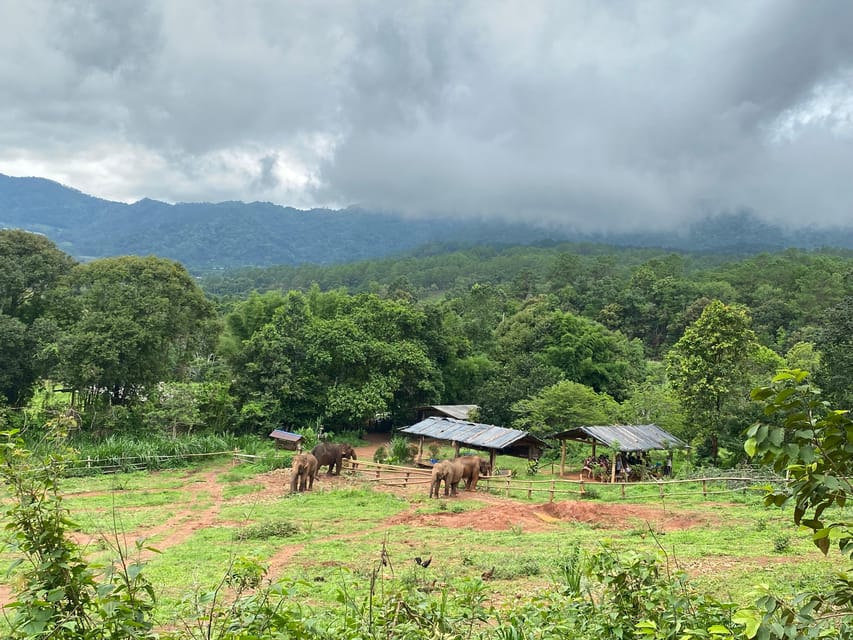
When you arrive, you start with an introduction led by an expert local guide. This briefing sets the tone fast. You’ll learn about Asian elephants, what they need day to day, and the Elephant Dream Project’s purpose in the larger conversation about elephant welfare.
This part matters more than people think. If you show up without context, it’s easy to treat the day like a wildlife viewing session. With the intro, you understand the why behind the rules—how you approach, how you move, and why the elephants’ choices guide the flow of the visit.
You may also hear names during the day—JJ is a common reference in guide accounts, and Mr Dee comes up as the project’s lead. Either way, the theme is consistent: the team talks like caretakers, not show hosts.
Feeding Time: Helping Without Turning It Into a Show
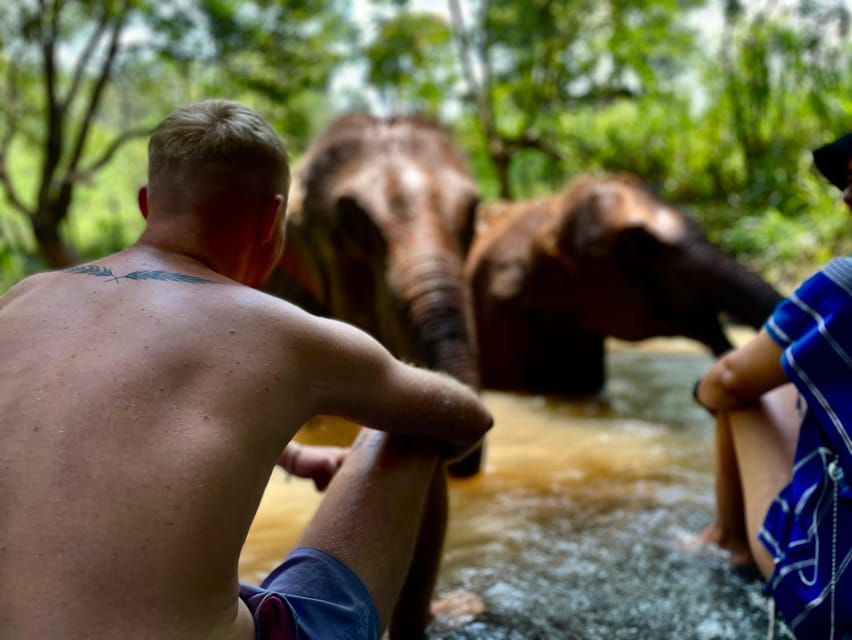
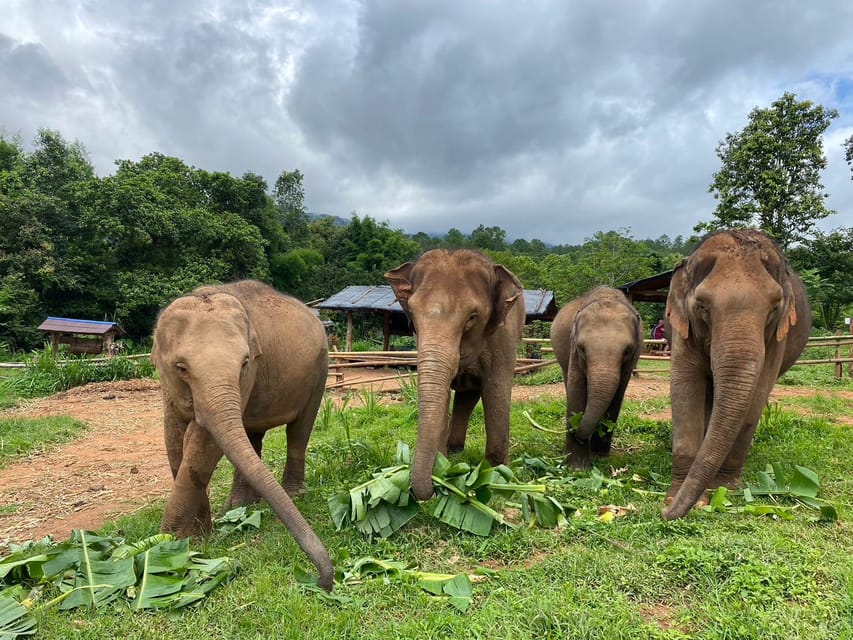
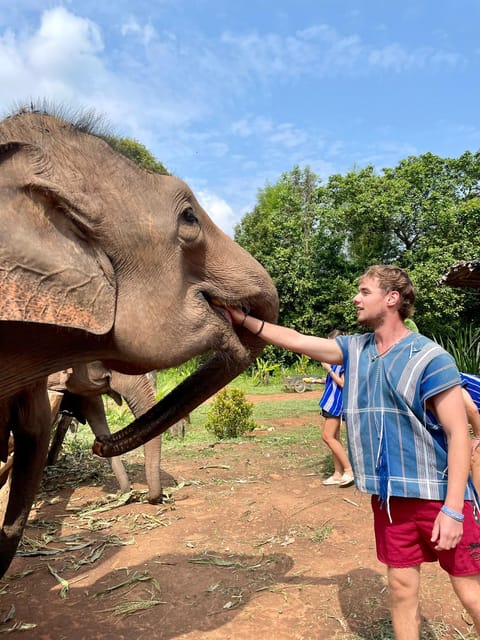
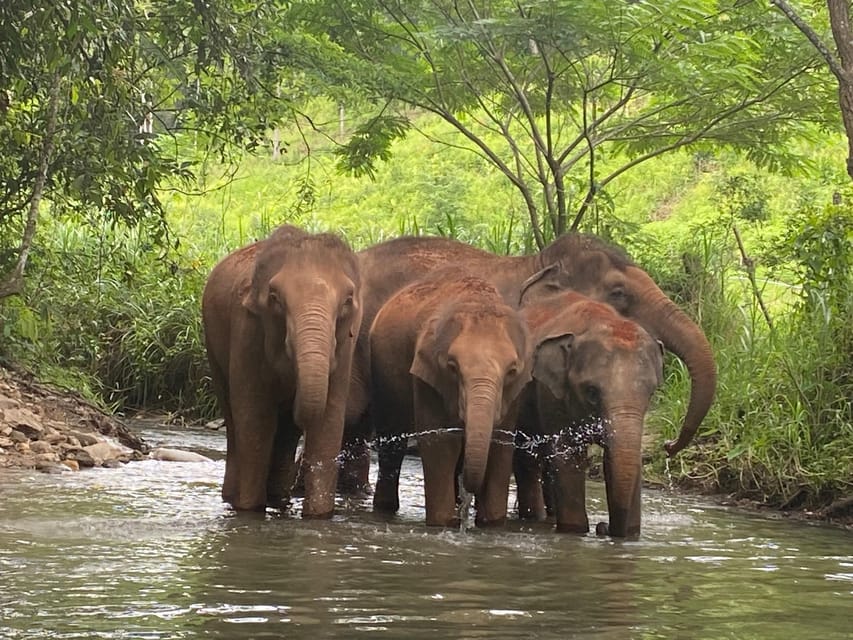
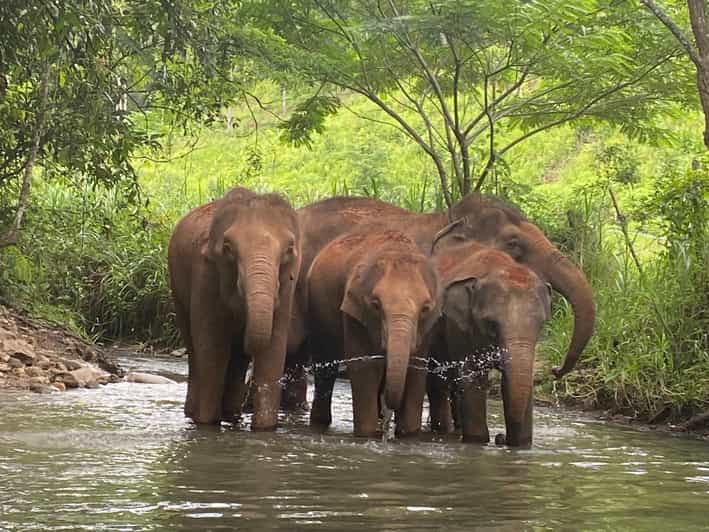
Feeding is one of the highlights, and it’s included in the experience. You’ll use the food provided for feeding, so you’re not scrambling to bring supplies or wondering what you’re allowed to do.
Here’s the value for you: feeding brings a real sense of connection and responsibility. You’re not just watching from a distance. You’re actively participating in a care routine, with guidance from the sanctuary staff on how to do it properly.
Also, feeding changes the pace of the day. Elephants are big, and they’re hungry at the right moments—so the experience feels grounded in real animal needs. It can be messy, too, so think of feeding as part of a “carework” day rather than a tidy photo stop.
Jungle Walks With Elephants: The Best Photos Are Earned Slowly
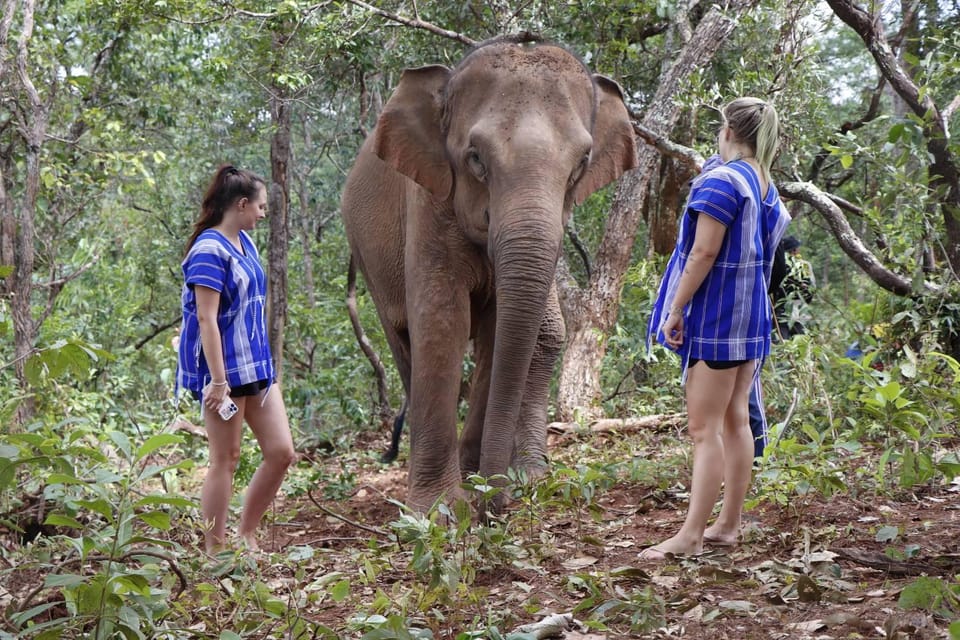
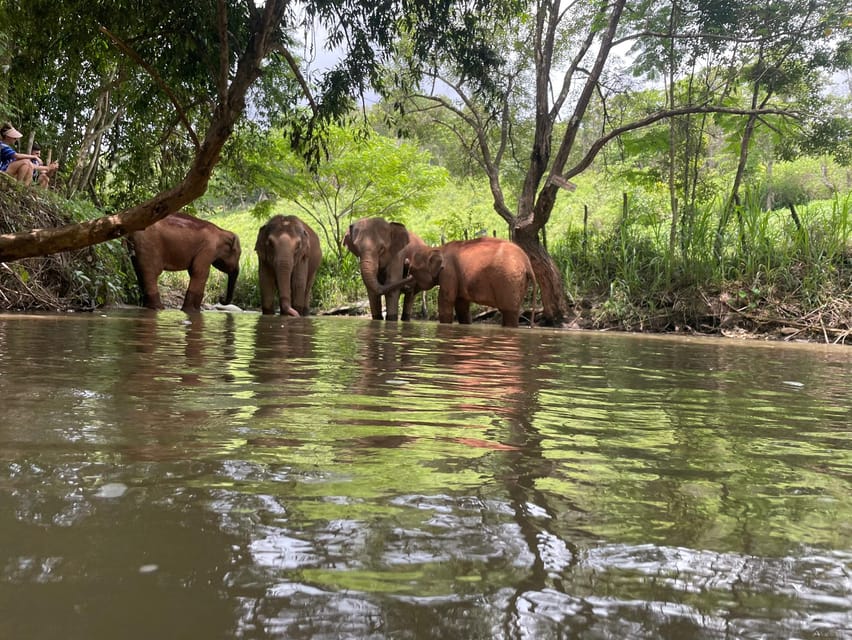
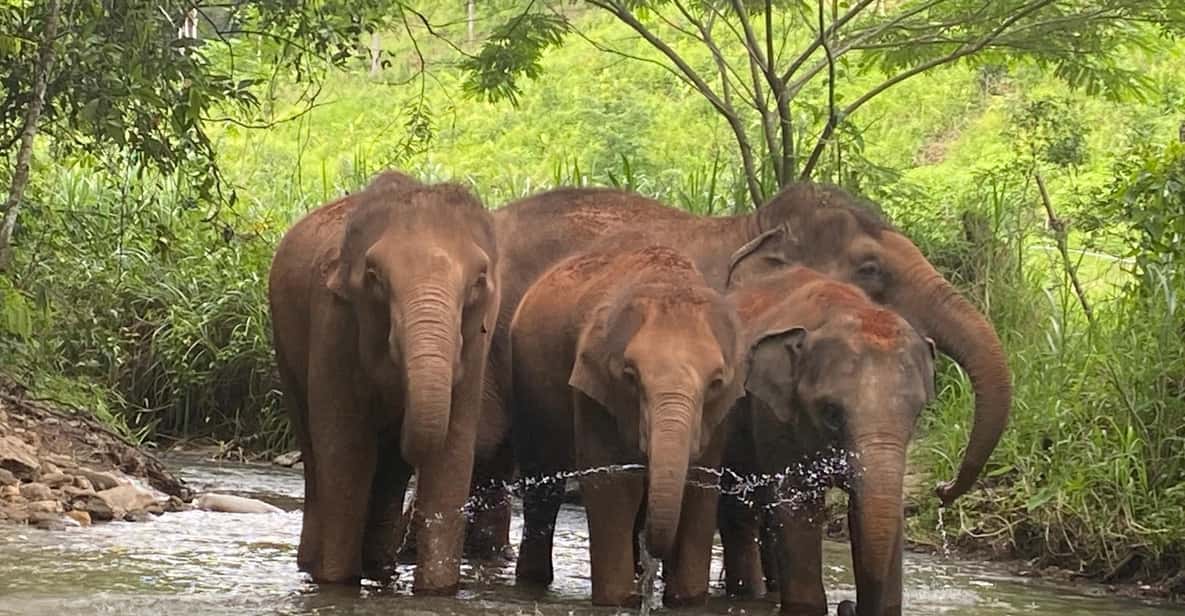
After feeding, you’ll do a walk in the jungle area with the elephants. The experience is designed around following the elephants’ natural movement through their habitat, so you’re not marching them through a set route.
What you’ll feel is the difference between a wildlife sanctuary visit and a staged crowd moment. The day doesn’t rush you into constant action. Instead, you move when the elephants move, stop when they stop, and learn along the way.
Practical note: you’re walking outdoors, and jungle ground can be slippery or uneven. Bring hiking shoes and plan for some “real terrain,” not paved paths. Also bring a towel and a change of clothes because you may get hot, dusty, or splashed during the day.
And for comfort: you’re close enough to appreciate their size and calm, but not set up for intrusive handling. The day is built around respecting space and maintaining a calm environment.





Lunch in the Village: Thai Food That Actually Satisfies
Around midday, you break for lunch. The meal is Thai food with seasonal fruits, and it’s included. This is a smart inclusion for a half-day tour. You don’t want to end the morning experience and then spend the afternoon hunting for food.
I like how lunch fits the flow. After time in the jungle and around the elephants, you’re usually warm and hungry. This meal isn’t just a snack—it’s proper travel fuel.
In some cases, the day also includes time that feels more village-centered, not just “elephants then leave.” You might see how locals live and spend their day, which gives the experience more context than a stand-alone animal visit.
The Return to Chiang Mai: Don’t Pack Too Tight
After lunch, you say goodbye to the elephants and begin the drive back. Drop-off is around the mid-afternoon window (roughly 2:30 to 3:00 PM).
This timing is ideal if you want a relaxed afternoon afterward. You’ll still have time to shower, grab coffee, or wander a market without the day feeling ruined by late transit.
It also helps that the whole experience is built around a clear arc. You’re not shifting between too many stops. The focus stays on elephants, care, and learning.
Price and Value: What You’re Paying For at $51
At about $51 per person for a half-day, the key question isn’t just whether it’s “cheap” or “expensive.” It’s what you get for that money—and the inclusions are meaningful.
You’re covered with:
- roundtrip hotel transfer in Chiang Mai city
- lunch and water
- entry tickets
- food for feeding the elephants
That bundle matters because elephant sanctuaries aren’t only about the animals. You’re paying for transport out of the city, staff time for safety and guidance, and the day-to-day costs of care.
Could it be less than other elephant experiences? Some options may advertise “ethical” while cutting corners. Here, the strongest value is that the day is structured around welfare choices—no forcing elephants into entertainment—and you participate through feeding and walking rather than staged tricks.
If you care about how the experience is run, this price feels like a fair exchange. You’re not buying souvenirs from the day. You’re supporting a care model that costs money to maintain.
Who This Tour Suits Best (And Who Should Skip)
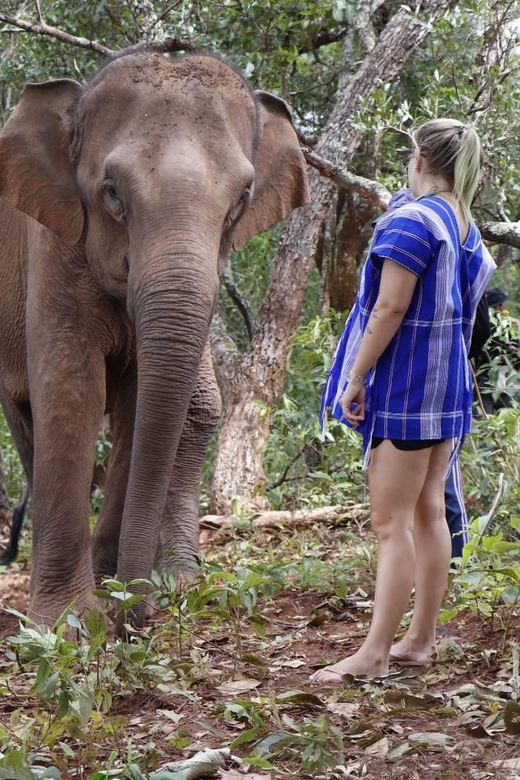
This experience is a good fit if you want an elephant encounter that feels calm, guided, and connected to welfare. You’ll likely enjoy it most if you’re the type who prefers education and respectful interaction over flashy “performance” activities.
It’s also a strong match if you don’t mind being active for a short walk and you can handle uneven outdoor terrain.
It’s listed as not suitable for:
- wheelchair users
- people over 80 years
- people over 95 years
So if you’re traveling with mobility limits or you need a fully seated, low-step day, this probably won’t match your needs.
Practical Tips: What to Bring and How to Stay Comfortable
The day is short, but you still want to show up prepared. Here’s what you should bring:
- change of clothes
- towel
- hiking shoes (traction matters)
- sunscreen
- insect repellent
A few extra practical ideas, based on what the day feels like in real conditions:
- Wear clothes you don’t mind getting warm or slightly messy. Feeding and walking aren’t a “clean hands” activity.
- Sunscreen is non-negotiable. Morning sun can catch you fast once you’re outside.
- If you’re sensitive to insects, don’t wait until you’re already bitten. Use repellent early.
Some visitors also mention being given a cover to keep clothing cleaner, so it may help to assume you could get splashes and pack accordingly.
Should You Book Elephant Dream Project Sanctuary in Chiang Mai?
Book it if you want:
- an elephant experience built around elephant comfort and choice
- feeding and jungle walking with a real guide, not a staged show
- a focused half-day format with hotel pickup and an included meal
Skip it if:
- you need wheelchair accessibility
- you don’t want any uneven-ground walking
- you’re only interested in contact-heavy activities (this day emphasizes respect and guided interaction, not intrusive touching)
My bottom line: this is one of those experiences where the value comes from how the day is run, not just what you photograph. If ethical elephant encounters matter to you, this half-day in Chiang Mai is a strong pick.
FAQ
FAQ
How long is the Chiang Mai Elephant Dream Project Sanctuary half-day tour?
It’s about 4 hours total.
Do I get hotel pickup in Chiang Mai?
Yes. Pickup is included from any hotel in Chiang Mai city. You should wait in the hotel lobby about 5 minutes before your scheduled pickup time, and look out for the Elephant Dream Project car.
What time does the tour start?
Pickup is typically between 7:00 and 7:30 AM.
What activities are included at the sanctuary?
You’ll receive an introduction from an English-speaking expert guide, feed the elephants, and walk with them in the jungle habitat.
What’s included in the price?
Roundtrip transfer in Chiang Mai, lunch, water, food for feeding elephants, and entry tickets are included.
Are soft drinks included?
No. Soft drinks are not included.
What should I bring?
Bring a change of clothes, a towel, hiking shoes, sunscreen, and insect repellent.
Is the tour in English?
Yes. The live tour guide is English-speaking.
Who is the tour not suitable for?
It’s not suitable for wheelchair users, people over 80 years, and people over 95 years.