REVIEW · CHIANG MAI
From Chiang Mai: Chiang Dao Cave Trekking Full-Day Tour
Book on GetYourGuide →Operated by TripGuru Thailand · Bookable on GetYourGuide
Caves and sticky waterfalls make a perfect day. This full-day Chiang Mai trip strings together Chiang Dao Cave (Wat Tham Chiang Dao) with the climb-friendly Bua Thong Sticky Waterfall, so you’re not just sightseeing—you’re moving, watching, and exploring in a way that feels very Northern Thailand.
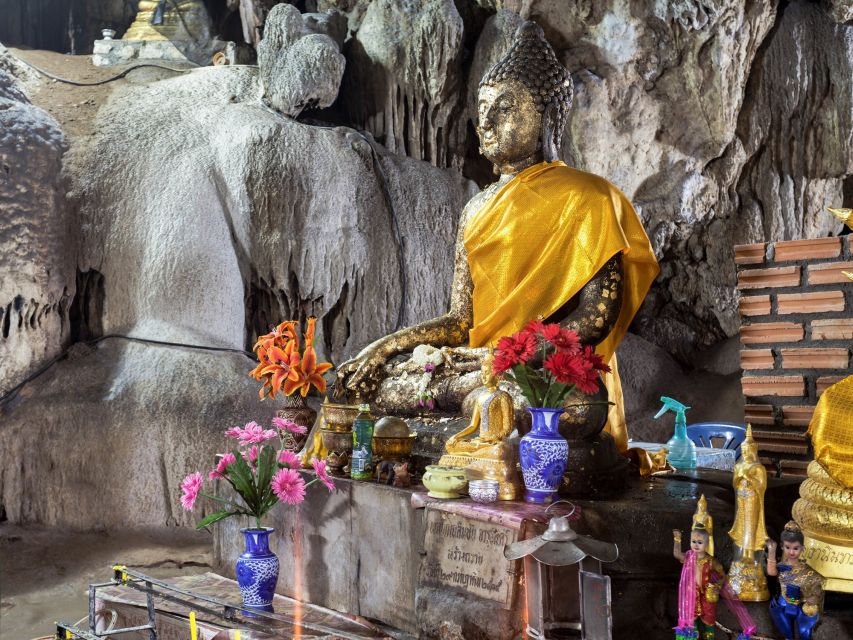
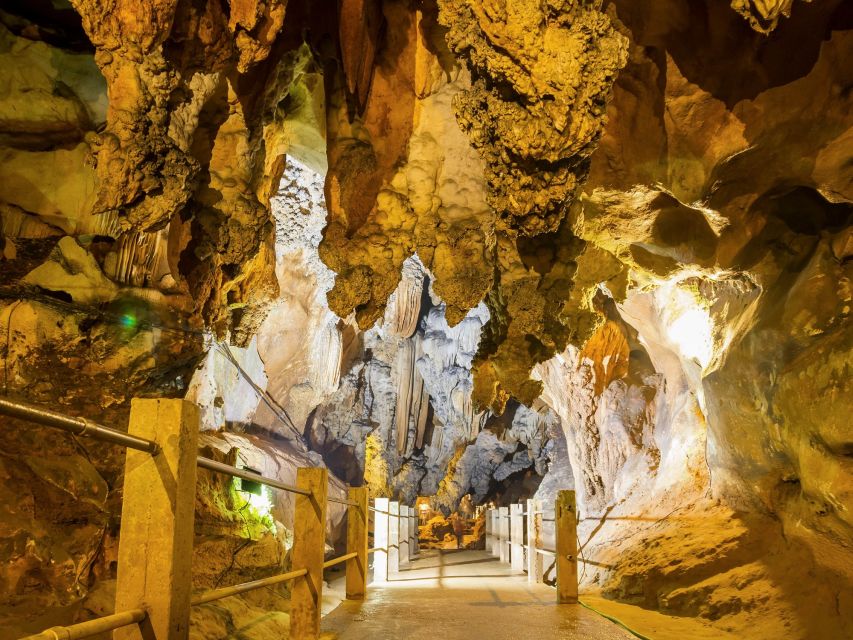
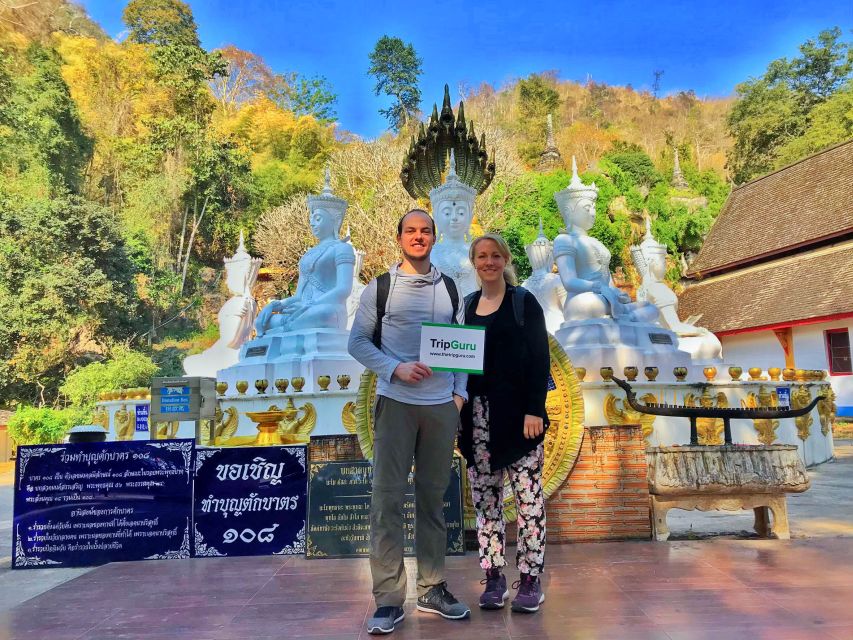
I especially like the cave experience: five limestone caverns, Buddha statues and offerings, and formations that feel ancient even though parts are lit with electric lights. A 13-foot reclining Buddha and a standout row of five seated Buddhas show up early, then the tunnels keep going for over seven miles, with cooler air as you work your way through. One thing to think about: the cave has low ceilings and tight spots, so claustrophobia (or mobility issues) can turn this into a rough day fast.
What I like just as much is the way the tour runs in a small group (up to 9), with guides who make the day feel calm and personal—people praised guides like Samphan, Art, Avi, Nom, and Cookie for pacing, details, and photo help. The possible drawback is simple: lunch and some cave add-ons aren’t included, so you’ll want some cash ready for what you choose to do inside the cave.
In This Review
- Quick takeaways before you go
- Why this trip fits so well with a Chiang Mai itinerary
- The drive from Chiang Mai: simple logistics, not a slog
- Entering Wat Tham Chiang Dao: five caverns and a cooler kind of wonder
- A quick reality check on the cave walking
- The lantern and local-guide add-on: how to decide on the deeper caves
- Market stop and lunch: where you build energy for Bua Thong
- Bua Thong Sticky Waterfall: what makes it different
- Footwear and comfort tips that actually matter
- Mae Malai Market: why the quick pass can still be worth it
- Guides, pacing, and those small moments that make or break the tour
- Price and value: what $106 really covers (and what costs extra)
- What to bring so the day stays comfortable
- Who should book this tour (and who should skip it)
- Should you book the Chiang Dao Cave Trekking + Sticky Waterfall tour?
- FAQ
- How long is the Chiang Dao Cave Trekking and Sticky Waterfall tour?
- What’s included in the tour price?
- Is lunch included?
- Do I need cash for anything?
- Is the tour a small group?
- What language is the tour guide?
- What should I bring for the day?
- Is hotel pickup available from everywhere in Chiang Mai?
- Is this tour suitable for claustrophobia or mobility issues?
Quick takeaways before you go
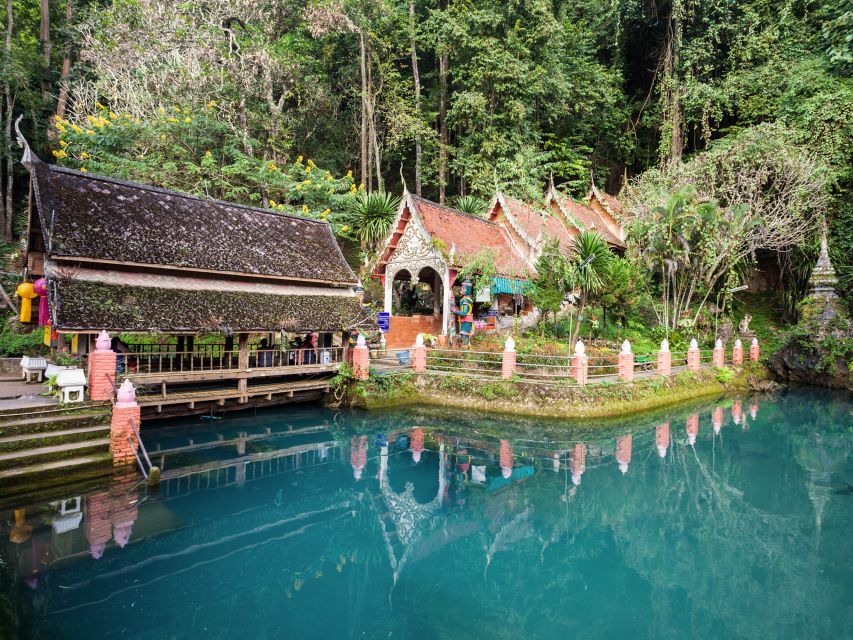
- Chiang Dao Cave is the main event: five caverns, Buddha statuary, and a mix of lit and darker sections.
- Lantern/local-guide add-on is optional but meaningful: the deeper cave portion is harder and needs a guide fee in cash.
- Sticky Waterfall is climbable: mineral deposits give grip, plus a safety rope.
- Small group pace: limited to 9, and private situations can happen depending on bookings.
- Responsible touches: glass-bottle water and carbon offset are part of the tour approach.
- Real Chiang Mai fuel stops: a market/food stop and a recommended lunch setting up your afternoon.
Why this trip fits so well with a Chiang Mai itinerary
Chiang Mai has plenty of temple days and plenty of nature days. This one mixes both in a way that feels balanced: cave worship spaces in the morning, then a physical, outdoorsy cooldown at Bua Thong.
The cave is also a nice change of pace from the usual “temple selfie” route. Even if you don’t consider yourself a cave person, Chiang Dao’s size and the presence of Buddhist art (including that reclining figure) make it easy to stay engaged.
You can also read our reviews of more hiking tours in Chiang Mai


The drive from Chiang Mai: simple logistics, not a slog
You get hotel pickup from Chiang Mai city center, then it’s about an hour by van to Chiang Dao. That matters because it keeps the day from dragging, and it also means you’re not spending your limited vacation time stuck on the road all day.
The tour is built around a smooth rhythm: cave first, then food, then waterfall, then back before your energy drops too far. Air-conditioning on the van helps, especially if you’re going on a hot day.
Entering Wat Tham Chiang Dao: five caverns and a cooler kind of wonder
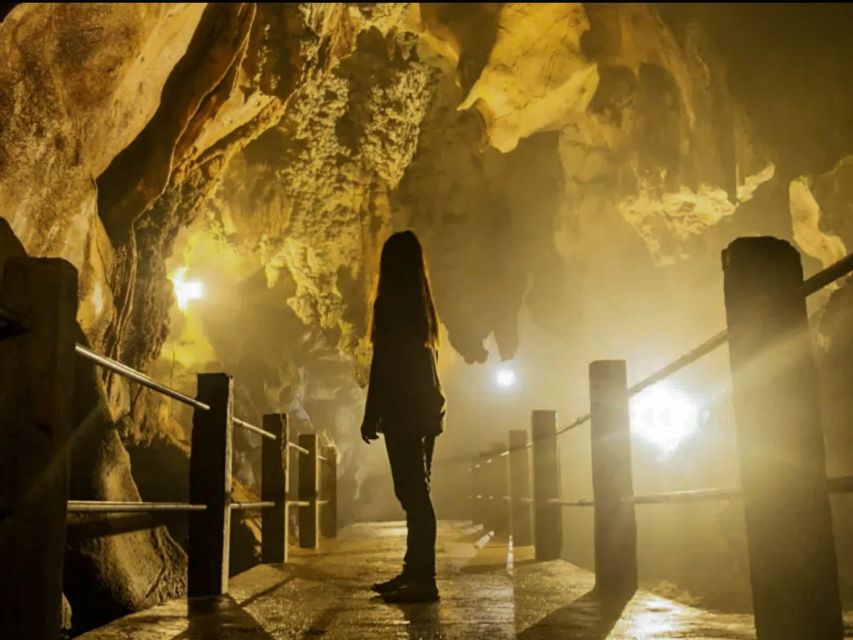
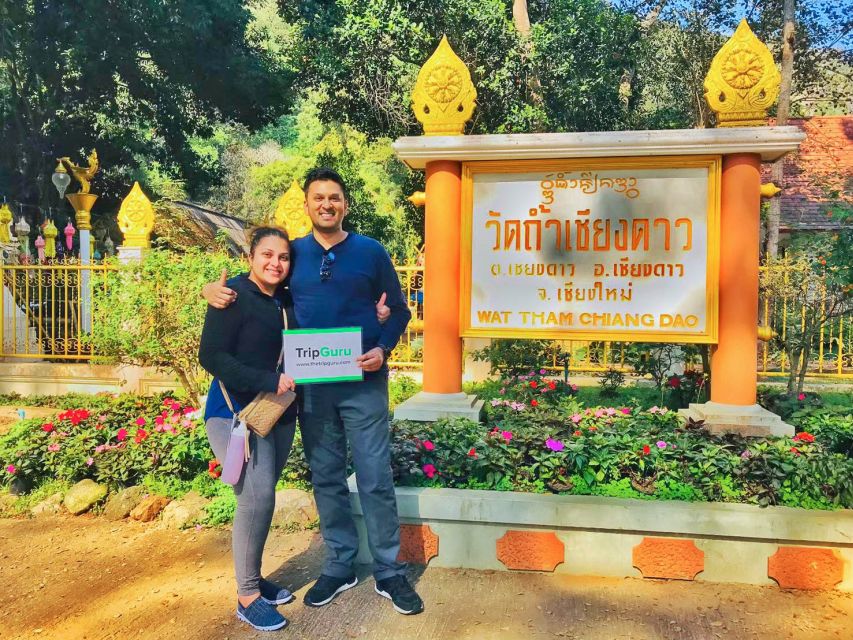
Inside Chiang Dao Cave, you’ll start with the temple-cave setting at Wat Tham Chiang Dao, then move into interconnected limestone chambers. Expect cooler air compared to outside, though on very hot days it can feel humid.
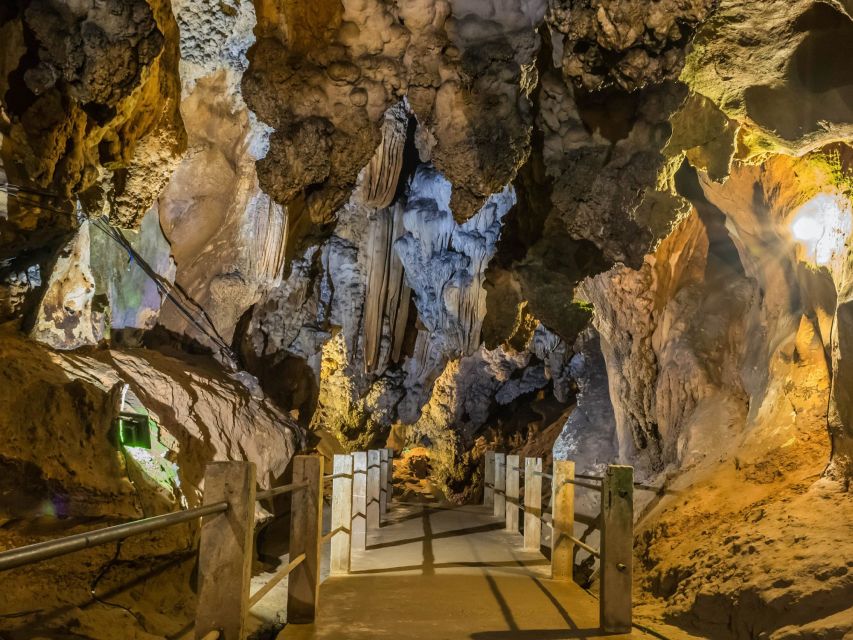
What makes this cave special is the combination of natural formations and religious details. You’ll see stalactites and stalagmites, plus Buddha statues and offerings placed by faithful visitors. Many people remember the five seated Buddhas in the first cavern for a long time because it’s visually striking and easy to orient yourself around.
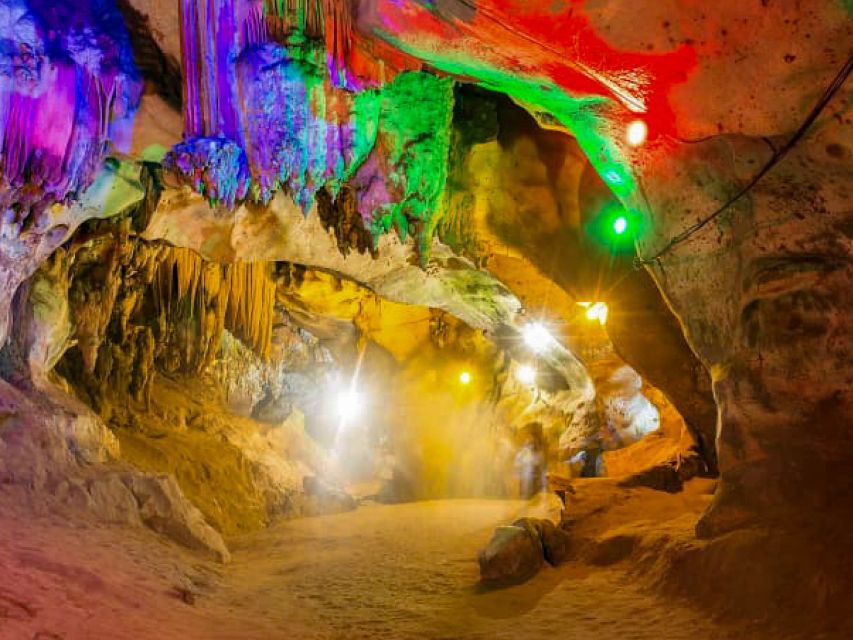
You also get a sense of scale as the system stretches deeper. The total cave network covered on this kind of visit runs for over seven miles, so you’re not looking at a single short tunnel. It’s more like moving through multiple “rooms” carved by time—some sections have electric lights, so you’re never fully blind, and you can actually take in what’s around you.
A quick reality check on the cave walking
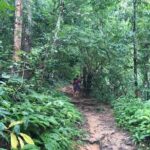
Even in the easier areas, you may run into low tunnels and narrower passages. Some parts involve crawling or squeezing through tight spaces. If you’re traveling with kids, older adults, or anyone who hates confined areas, this is the part of the day that needs honesty—not just optimism.
The lantern and local-guide add-on: how to decide on the deeper caves
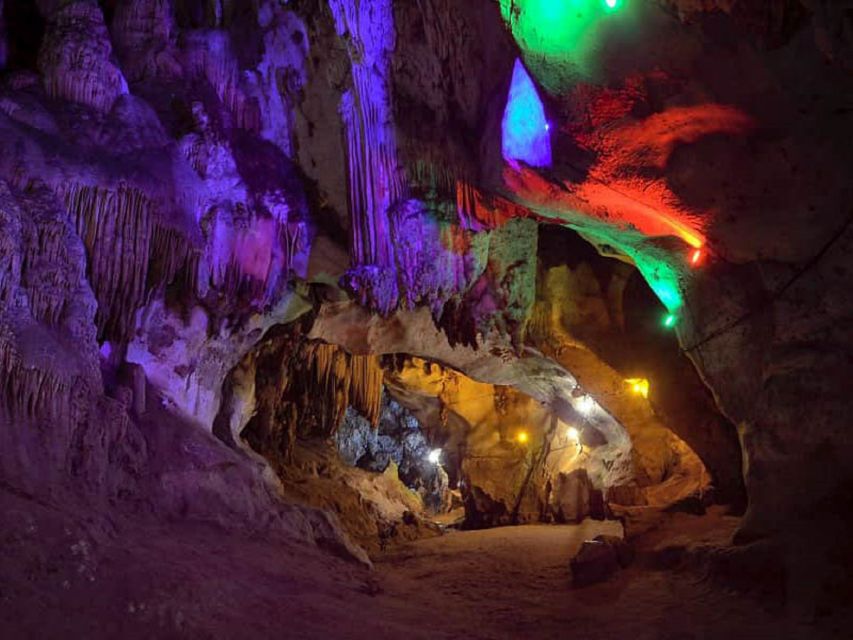
There’s an optional extra you can pay for once you’re at the cave: a local guide/lantern setup for the deeper portion. The fee is paid on the spot in cash (often mentioned as 300 baht).
Why it’s worth considering: the paid deeper route is more challenging and tends to include tighter squeezes and darker stretches where the lantern makes a big difference. People also describe it as more natural-feeling because you can follow what a local guide is pointing out in the harder-to-see areas.
Why it might not be for everyone: if you already know you don’t handle tight spaces well, the extra part raises the difficulty level. In that case, you may prefer staying with the standard areas and using the time to enjoy the main caverns fully.
My practical advice: if you’re reasonably comfortable with crawling-through-at-times movement, do the add-on. If you’re even slightly unsure about comfort, skip it—this isn’t the day to prove anything to yourself.
A few more Chiang Mai tours and experiences worth a look



Market stop and lunch: where you build energy for Bua Thong
After the cave, the tour shifts to the practical side: food and local browsing. You’ll hit a market area and then eat at a local restaurant recommended as part of the tour.
This is one of those stops that can feel optional until you realize you’ll likely climb a waterfall afterward. The market visit gives you a chance to try foods and snacks you might not pick on your own, and it also helps you understand what you’re seeing around Chiang Mai—simple, daily-life stuff rather than tourist-only tasting menus.
One note: food and drinks aren’t included. You’ll need to budget for lunch on top of the tour price, so it’s smart to carry some cash and avoid leaving yourself hungry just because you planned to be frugal.
Bua Thong Sticky Waterfall: what makes it different
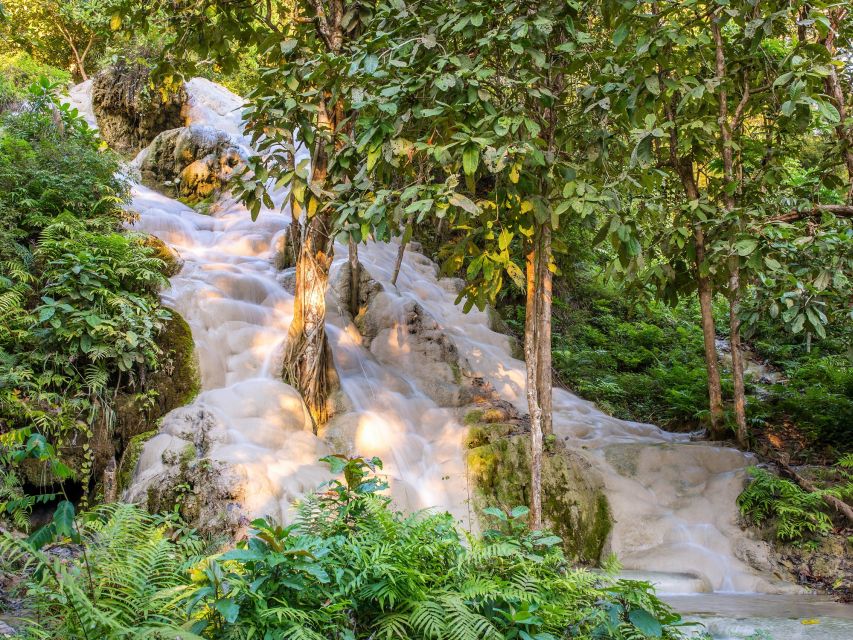
Bua Thong Sticky Waterfall is famous because it’s not “just wet rocks.” Mineral deposits create a sticky surface that allows you to climb upward while using your footing.
The tour gives you about two hours here, which is a good amount of time: long enough to climb a bit, catch your breath, and enjoy views back down the watercourse. There’s also a safety rope, which reduces the stress if balance isn’t your strongest skill set.
Footwear and comfort tips that actually matter
Most people manage it by focusing on traction. Some go barefoot, while others prefer water shoes or rubber sea shoes for grip and comfort. If you have sensitive feet or you’re unsure how slippery the surface will feel for you, plan to wear footwear designed for wet ground.
Bring a change of clothes and a towel because you’ll likely get wet. Even if you don’t climb far, just walking upstream can cool you off in a way that makes the cave feel like a warm-up rather than the hard part of the day.
Mae Malai Market: why the quick pass can still be worth it
You’ll also pass by Mae Malai Market on the way. It’s not billed as a full shopping stop, so don’t expect a long browse.
Still, that quick look matters if you’re the type who likes seeing how everyday Chiang Mai life looks outside the main tourist zones. Even a short pass can give you context after the more structured cave and waterfall parts of the day.
Guides, pacing, and those small moments that make or break the tour
The biggest quality differences in tours like this usually come down to one thing: how the guide manages time and energy. Here, that shows up again and again in positive feedback.
People specifically mentioned guides like Art (great pacing and helpful attention), Avi (friendly and full of facts plus lots of photo help), Nom (excellent care with belongings and special attention), and Cookie (engaging and well-paced). Guides also tend to explain what you’re seeing—religious details in the cave and practical steps for climbing the waterfall.
The best part for you: you’re not being rushed from photo spot to photo spot. The day has a rhythm, and you get enough breathing room to actually enjoy each location instead of sprinting between them.
Price and value: what $106 really covers (and what costs extra)
At $106 per person for an 8-hour full-day, you’re paying for a lot of the “make it easy” pieces: hotel pickup and drop-off, an English-speaking guide, air-conditioned transport, entrance fees to Chiang Dao Cave, insurance, and a glass bottle of drinking water.
What’s not included is important:
- Food and drinks
- Cave fee for the local guide/lantern add-on (paid in cash if you choose it)
So is it good value? In my view, it is—because the tour is doing three big things for you: transport out of the city, a guided cave visit with access to the key areas, and a guided waterfall day that’s safer (and more fun) than going on your own without local instructions.
Your real decision point is the optional cave add-on. If you choose to do it, factor that extra cash into your plan. If you don’t, you’ll still get a strong cave experience plus the waterfall.
What to bring so the day stays comfortable
This is not a “pack light and forget it” tour. The day mixes caves and wet footing, so a few items make life much easier.
Bring:
- Swimwear, a towel, and a change of clothes
- Long pants and a long-sleeved shirt (useful in and out of the cave)
- Trekking gear and cash
- A flashlight (helpful for your own comfort, even though some areas are lit)
- Long-sleeved shirt for sun and for the cave walk comfort
Also, if you can, plan for water-friendly footwear. You don’t have to wear them, but grip helps, and comfort matters once you’re climbing a sticky surface.
Who should book this tour (and who should skip it)
This tour is a great fit if you want a full day that’s active but doable: cave exploration in a guided setting, a market/food stop, then a unique waterfall climb with a rope and traction.
It may not be suitable if you have:
- Back problems
- Mobility impairments
- Claustrophobia
- Heart problems
That cave environment is the limiting factor. If tight spaces or crawling could be an issue for you, don’t treat that as a “maybe.” Treat it as a warning.
Should you book the Chiang Dao Cave Trekking + Sticky Waterfall tour?
If you’re the kind of traveler who likes experiences that feel off the main circuit—like Chiang Dao’s cave temples and Bua Thong’s climbable waterfall—this is an easy yes.
Book it if you:
- Want a small-group day with real guidance, not just transport
- Are comfortable with uneven steps, occasional crawling, and getting a bit wet
- Like mixing culture (Buddhist cave spaces) with nature play (sticky waterfall climbing)
Skip or rethink it if you:
- Hate confined spaces or know your comfort drops fast in tight tunnels
- Can’t handle physical climbing even with a rope and safety tips
- Don’t want to manage extra onsite cash for the deeper cave option
If you match the “can handle some movement” profile, you’ll likely walk away with one of those days that feels different from the usual Chiang Mai checklist. The cave sets the tone, and Bua Thong finishes it with a laugh-and-lift kind of relief.
FAQ
How long is the Chiang Dao Cave Trekking and Sticky Waterfall tour?
The tour runs about 8 hours from hotel pickup to drop-off, with travel time plus around 2.5 hours at Chiang Dao Cave and about 2 hours at the waterfall.
What’s included in the tour price?
Included are hotel pickup and drop-off, a tour guide (English), air-conditioned transportation, a glass bottle of drinking water, the entrance fee to Chiang Dao Cave, and insurance.
Is lunch included?
No. Food and drinks aren’t included, though you’ll have a market/food stop and a restaurant stop as part of the day.
Do I need cash for anything?
Yes. There’s an extra fee to pay on the spot in cash for the cave local guide/lantern option.
Is the tour a small group?
Yes. It’s limited to 9 participants, and it can also run as a private tour depending on availability and bookings.
What language is the tour guide?
The tour guide is available in English.
What should I bring for the day?
Bring swimwear, a change of clothes, a towel, cash, a flashlight, long pants, long-sleeved shirt, and trekking gear.
Is hotel pickup available from everywhere in Chiang Mai?
Pickup is only offered from hotels or registered accommodations. For safety and traffic reasons, they can’t pick up from roadsides or shopping malls.
Is this tour suitable for claustrophobia or mobility issues?
No. It’s listed as not suitable for claustrophobia and mobility impairments, and also not recommended for back problems or heart problems.