REVIEW · CHIANG MAI
Evening Cooking Class in Traditional Pavilion with Beautiful Garden – Chiang Mai
Book on Viator →Operated by Oh-Hoo · Bookable on Viator
Few things beat Thai food made by you. This evening class at Grandma’s Home Cooking School sets you in a beautiful garden pavilion on an organic farm just outside Chiang Mai. You’ll learn Thai flavors hands-on, including herbs and ingredients, while working with an English-speaking instructor.
I especially like the small-group setup (max 8) with your own cooking station, so you aren’t stuck watching from the sidelines. One thing to consider: the class depends on good weather, so expect the schedule to shift if conditions are rough.
In This Review
- Key highlights worth your attention
- Evening Thai Cooking in Chiang Mai’s Garden Pavilion
- Where You Start: Tha Phae Gate and Easy Evening Timing
- Touring the Organic Farm and Spotting Thai Ingredients Up Close
- The Main Event: Cooking 4 Dishes in a Small Group
- Soups and Stir-Fry: Learning Thai Flavor Balance Fast
- Curry Paste From Scratch: The Part You’ll Actually Reuse
- Dessert That Proves You Got It: Mango Sticky Rice
- Eating Together: Your Meal, Plus a Few Helpful Comparisons
- Price and Value: Is $51.46 a Fair Deal?
- Who This Class Is Best For (and Who Should Skip It)
- Quick Tips to Get More From the Evening
- Should You Book This Evening Thai Cooking Class?
- FAQ
- What time does the cooking class start?
- How long is the cooking class?
- Where is the meeting point?
- Does this experience include pickup?
- How many people are in the group?
- What dishes will I cook?
- Is the instructor English-speaking?
- Will I collect ingredients during the class?
- What if the menu changes because of ingredients availability?
- What if weather is bad?
Key highlights worth your attention
- Open-air pavilion in an organic farm garden: cook in a relaxed setting with fresh ingredients around you
- Max 8 participants, individual stations: you get real hands-on time
- Egg-collecting and ingredient walks: you’ll see herbs and produce used in your dishes
- Cook 4 Thai dishes: from soups to curry and dessert, menu varies by season
- Make curry paste from scratch: learn the “why” behind the flavors, not just the steps
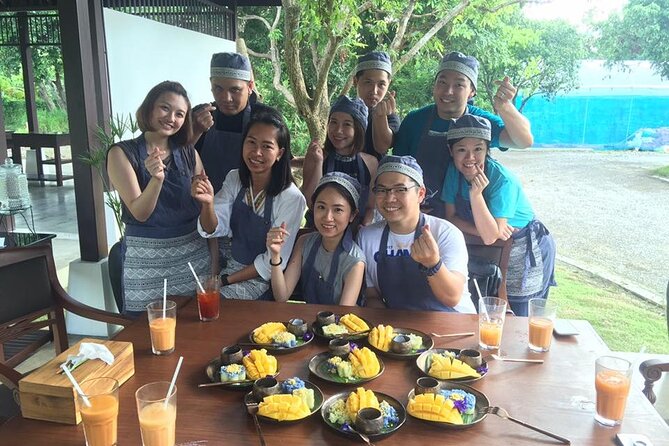
- You eat what you cook: sit with your group and compare results
Evening Thai Cooking in Chiang Mai’s Garden Pavilion
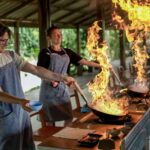
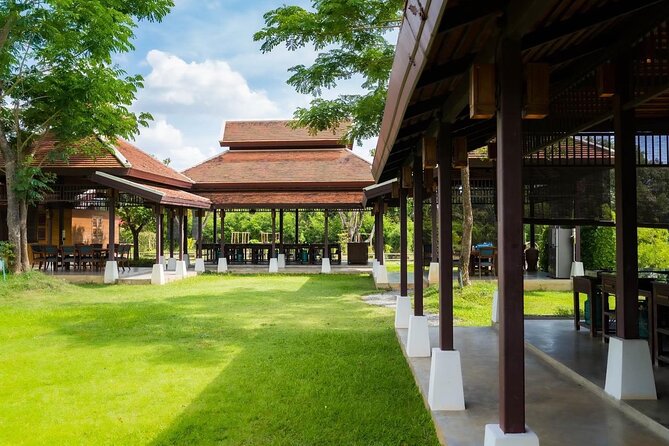
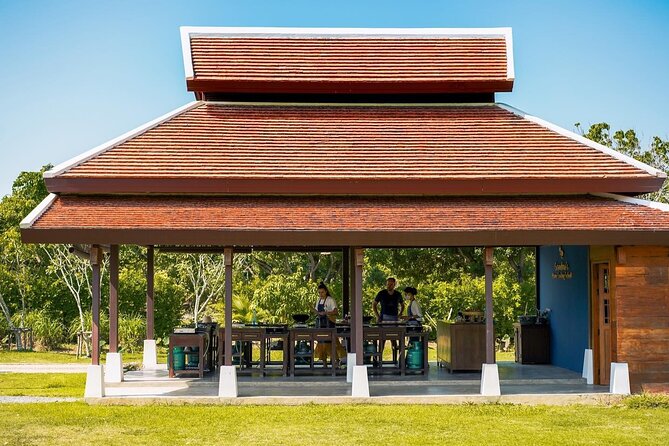
If you’re heading to Chiang Mai for food, this is the kind of evening experience that actually teaches you how to recreate what you love. The setting matters. Instead of a cramped kitchen, you cook in a traditional open pavilion surrounded by gardens on an organic farm. The whole vibe is calmer, greener, and more local-feeling than a typical tourist cooking class.
The schedule is also easy to slot in. The class starts at 4:00 pm and runs about 4 hours. With pickup offered and the experience ending back at the meeting point, it’s a straightforward evening plan. You don’t need a whole extra logistics day to make this work.
You’ll be cooking alongside others, but the group size is kept small, with a maximum of 8 travelers. That’s a big deal for value. More people usually means longer waits for help and less time at your station. Here, each person has their own cooking station, which keeps the pace active and the learning practical.
You can also read our reviews of more cooking classes in Chiang Mai
Where You Start: Tha Phae Gate and Easy Evening Timing
You begin at Tha Phae Gate, at Tha Phae Road near Chang Khlan. The exact meeting point is listed in the program, and the activity ends back at that same meeting point. If you’re staying near the center, you’ll likely find it simple to get there even without pickup.
Most people opt for pickup since it saves you time and avoids the late-afternoon shuffle across town. Either way, your timing is built for evening. You’re not starting at dawn, and you’re not squeezed into a super short “quick cooking” slot.
A small practical tip: plan to eat a light snack earlier. By the time you finish cooking, you’ll want to taste your own food fully, not just fight your appetite.
Touring the Organic Farm and Spotting Thai Ingredients Up Close
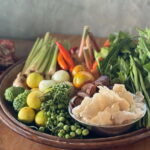
This is more than a stop before cooking. The farm walk is part of the learning. You’ll tour an organic farm with your instructors, and they explain Thai herbs and vegetables you’ll use later. Even if you can’t name everything, you’ll start to recognize flavors by seeing their sources.
One of the fun details is that you may get to collect eggs and gather fresh ingredients. It’s not a gimmick. When you see ingredients at their origin—still looking vibrant—you understand why Thai cuisine relies on freshness and balance.
You’ll also walk around with your class, and that’s your chance to ask basic questions, like what a certain herb is used for and how it changes a dish. Those simple conversations can help later when you shop for ingredients at home.
The Main Event: Cooking 4 Dishes in a Small Group
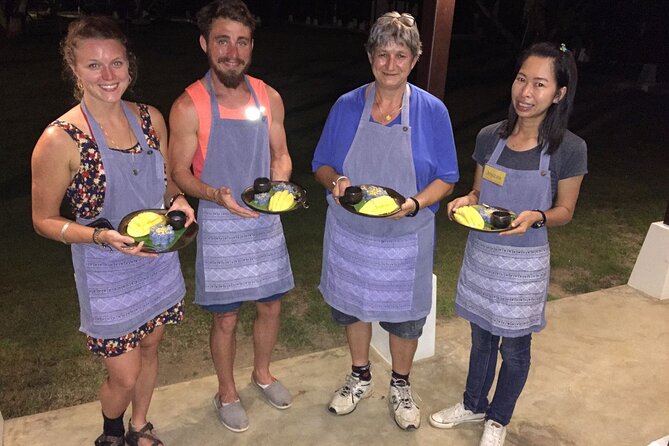
The class centers on making a set of Thai dishes that show off key flavor styles. The exact menu can shift depending on season and ingredient availability, but the program includes these options:
- Tom Yam (Hot and Sour Soup)
- Tom Kha (Coconut Soup)
- Pad Thai (Thai Stir-Fried Rice Noodles)
- Green Curry
- Red Curry
- Mango Sticky Rice (Khao Niao Mamuang)
You’ll cook 4 dishes during the evening. The descriptions make it clear you’re not just making one course. Expect a mix: a soup, a stir-fried noodle dish, a curry (typically green or red), and a dessert. That structure gives you a good cross-section of what makes Thai food work—sour, salty, spicy, sweet, and creamy balance.
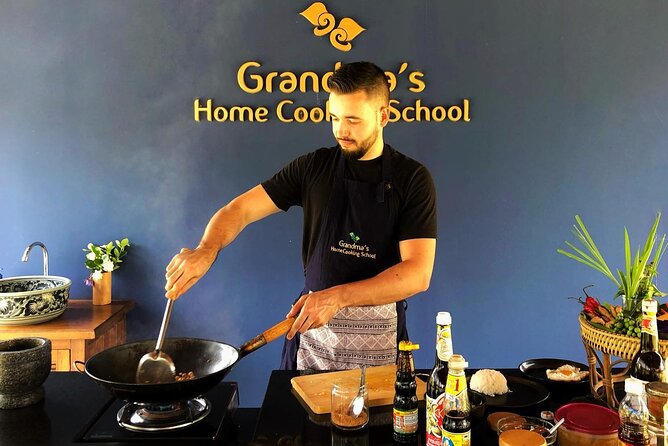
Because each participant has an individual cooking station, you’ll spend real time doing the steps rather than waiting for your turn. It’s also easier to follow along with your instructor when you’re not sharing a stove with multiple people.
Soups and Stir-Fry: Learning Thai Flavor Balance Fast
Early in the cooking session, soups and stir-fry-style dishes help you learn Thai cooking fundamentals. With options like Tom Yam and Tom Kha, you’re working with the two big Thai “personalities” for soups: heat and tang in Tom Yam, and creamy coconut balance in Tom Kha.
Then you move into Pad Thai, which teaches different skills than soup. You’ll learn how to manage quick heat, how sauces coat noodles, and how seasoning needs to be adjusted so the dish tastes finished, not flat.
Why this matters: if you’ve ever tried Thai recipes at home and found them either too salty, too bland, or too spicy, this kind of training helps you fix that. You’re not just following a list—you’re learning what the dish should taste like and how your adjustments change it.
You can also read our reviews of more evening experiences in Chiang Mai




Curry Paste From Scratch: The Part You’ll Actually Reuse
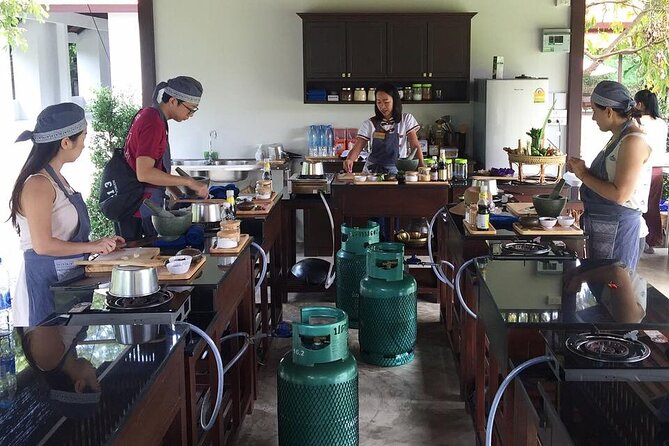
This class’s standout skill is making curry paste from scratch with your instructor’s help. That’s the ingredient core for both green and red curry styles. Once you understand how curry paste is built, you stop thinking of curry as “mysterious sauce” and start seeing it as a blend of fresh aromatics and spices.
In plain terms, curry paste teaches you:
- how pungent ingredients become fragrant when worked correctly
- how spice levels and flavor depth develop together
- why fresh herbs matter, not just powdered spices
Some evidence from past experiences: one participant specifically mentioned learning a curry style from scratch (Panang) and then taking notes for buying the correct ingredients later. Even if your final curry varies (green or red), the underlying technique is the same idea—start with paste, build flavor.
If you want to bring something home you can genuinely cook again, this is it.
Dessert That Proves You Got It: Mango Sticky Rice
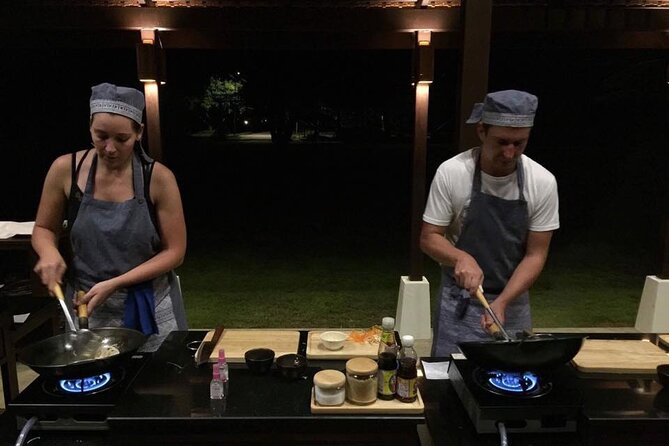
No Thai cooking class feels complete without dessert, and Mango Sticky Rice is a classic for a reason. It’s sweet, comforting, and good for judging your timing and ingredient balance.
Dessert also acts like a reset. After working through spice and savory flavors, you get a chance to taste something light and understand how Thai sweetness is built—not just added sugar.
It’s also the dish you can share easily. Even if your group doesn’t all love curry heat, mango sticky rice tends to please.
Eating Together: Your Meal, Plus a Few Helpful Comparisons
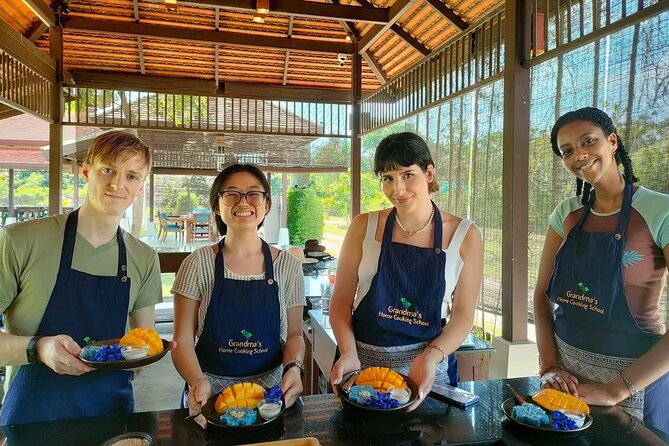
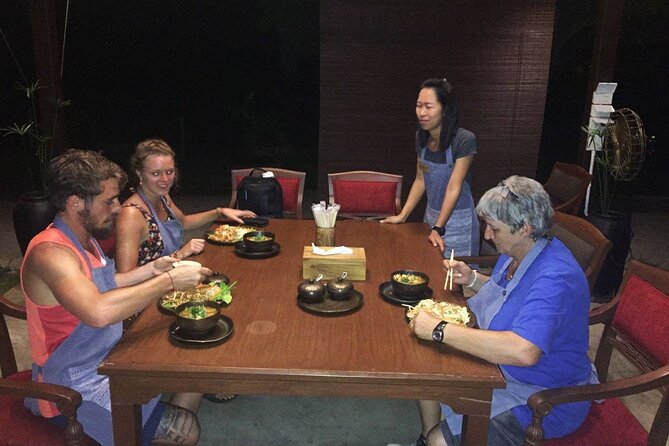
After cooking, you share a meal with the group. You also get time to sample each other’s cooking and exchange stories. That sounds social, but it’s also useful. If someone else’s soup or curry paste tastes slightly different, you can usually identify why right away—more lime, different balance, more coconut richness, or a variation in spice.
That’s how you learn faster. Thai food is all about balance, and tasting comparisons are one of the quickest ways to train your palate.
One more good detail: the meal is tied directly to your dishes. You’re not paying for ingredients and then eating someone else’s version. You get to enjoy the results of your own work, which makes the whole evening feel earned.
Price and Value: Is $51.46 a Fair Deal?
At $51.46 per person (with a roughly 4-hour session), the value is strongest if you care about technique, not just a fun night out.
Here’s what you’re paying for beyond the food:
- a small-group class (max 8)
- individual cooking stations, so you actually cook
- an English-speaking instructor guiding you step-by-step
- farm time that includes ingredient collection and explanations
- cooking multiple courses, then sitting down to eat them
If your goal is to do one thing that teaches you how Thai cooking works, this price tends to make sense. If your goal is only to taste Thai dishes and you don’t want to cook, you might find other dining options cheaper. But if you want skills you can use later, this is the kind of evening meal that keeps paying off.
Who This Class Is Best For (and Who Should Skip It)
This experience fits best if you:
- want a hands-on Thai cooking skill, especially curry paste from scratch
- like social evenings but still want attention from a guide
- enjoy food experiences that start with ingredients (the organic farm walk is a real plus)
- prefer small groups where you’re not competing for stove time
You might skip this if:
- you hate open-air kitchens (it’s an open pavilion)
- you’re only interested in eating, not cooking
- you have limited flexibility for weather-driven changes, since the class requires good conditions
Quick Tips to Get More From the Evening
A few practical moves can help you leave with more confidence and better results:
- Wear comfortable shoes. Even a short farm walk adds up.
- Keep your curiosity switched on. Ask how the herbs are used, not just what they are.
- Take notes after you taste each dish. Thai flavor balance is easier to copy when you remember what changed.
- If you’re planning to shop later for curry paste ingredients, note the ones your instructor emphasizes.
Should You Book This Evening Thai Cooking Class?
Book it if you want a real Thai cooking lesson in Chiang Mai, not just a meal with a cooking demo. The small-group size, the farm ingredient experience, and especially learning curry paste from scratch make this one of the more practical ways to spend an evening.
Skip it only if you’re strongly weather-averse or you’d rather eat than cook. Otherwise, this is a fun, focused way to leave Chiang Mai with both great memories and usable cooking knowledge.
FAQ
What time does the cooking class start?
The class starts at 4:00 pm.
How long is the cooking class?
The duration is about 4 hours.
Where is the meeting point?
You meet at Tha Phae Gate on Tha Phae Road, near Chang Khlan.
Does this experience include pickup?
Pickup is offered in Chiang Mai.
How many people are in the group?
The class has a maximum of 8 travelers, and each person has an individual cooking station.
What dishes will I cook?
You’ll cook 4 dishes. The options include Tom Yam (Hot and Sour Soup), Tom Kha (Coconut Soup), Pad Thai (Thai Stir-Fried Rice Noodles), Green Curry or Red Curry, and Mango Sticky Rice. The exact menu can change by season.
Is the instructor English-speaking?
Yes, the class is guided by an English-speaking instructor.
Will I collect ingredients during the class?
Yes. You’ll tour an organic farm and may collect eggs and other fresh ingredients with the group.
What if the menu changes because of ingredients availability?
The menu is subject to change depending on the season and availability, and you’ll still cook the set of dishes based on what’s available.
What if weather is bad?
This experience requires good weather. If it’s canceled due to poor weather, you’ll be offered a different date or a full refund.