REVIEW · BANGKOK
Bangkok: Pattaya Elephant Jungle Sanctuary Half-Day Tour
Book on GetYourGuide →Operated by Elephant Jungle Sanctuary Pattaya · Bookable on GetYourGuide
Elephants, but keep it ethical. This Bangkok to Pattaya half-day trip brings you into a mahout-guided sanctuary where you can bathe and hand-feed elephants with clear safety rules. I like how the keepers focus on welfare and real elephant behavior, not gimmicks.
One key consideration: the camp portion is about 3 hours, but the drive from Bangkok to Pattaya is roughly 2 hours each way. So even if it feels half-day on paper, you’ll want to plan for a longer day. Pickup coordination can be handled by people like Bee, and the on-site flow is led by guides such as Nana, keeping everything organized.
In This Review
- Quick takeaways
- Bangkok to Pattaya: Why This Trip Feels Like Half-Day, Not Really
- Pickup From Bangkok: Smooth Transport Is Part of the Value
- Elephant Jungle Sanctuary Pattaya: What You Actually Do With the Elephants
- Bathing and scrubbing: joy, but with rules
- Hand-feeding: connection under the mahout’s watch
- Learn their behavior and why conservation matters
- The Guide Factor: Why Nana and Mahouts Change the Whole Day
- Facilities and Comfort: The Small Things That Save the Experience
- Food, Snacks, and the End-of-Activity Reset
- Price and Value: What $185 Per Group Really Buys You
- What to Bring (and What to Skip) for a Smooth Day
- Who This Tour Fits Best (and Who Should Rethink It)
- Should You Book Elephant Jungle Sanctuary Pattaya?
- FAQ
- How long is the elephant sanctuary portion of the tour?
- Where does the tour start and end?
- Is round-trip transportation included?
- Do I get hotel pickup and drop-off?
- What elephant activities are included?
- Is a meal included?
- What should I bring?
- What’s not allowed during the tour?
- Is the tour wheelchair accessible?
- Is it suitable for pregnant women?
- What if my plans change?
Quick takeaways
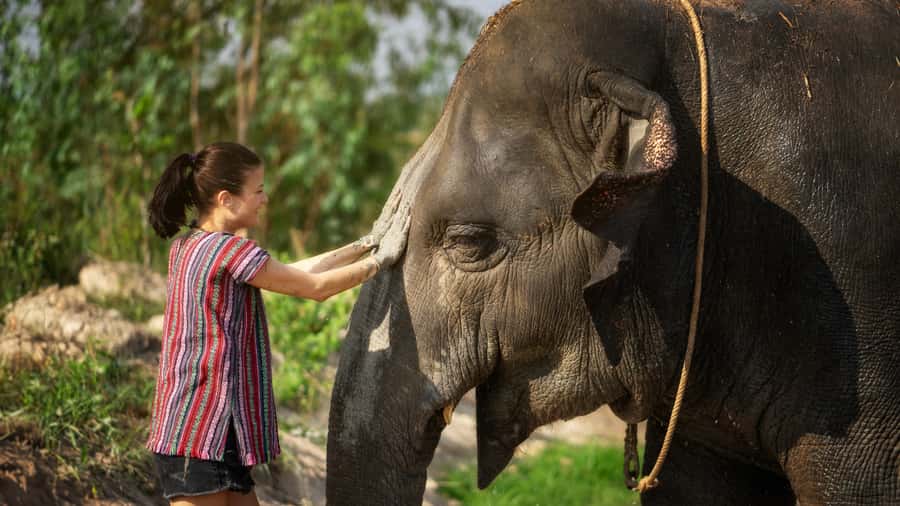
- Mahout-led bathing: you scrub and splash with elephants while keepers stay close and guide the pace
- Hand-feeding with elephant food included: you feed the animals while learning about their personalities
- A real sanctuary feel: shade, seating, bathrooms/showers, and proper camp-style facilities make the experience practical
- More than the elephants: you also get snacks and a traditional Thai meal after the activities
- Plan for mosquitoes: bring bug spray, because the area can be mosquito-heavy
Bangkok to Pattaya: Why This Trip Feels Like Half-Day, Not Really
This is marketed as a half-day tour, and the elephant activities do fit into a tight block. The sanctuary camp time is listed as 3 hours, and that’s a good length if you want something meaningful without burning your entire trip.
But Bangkok traffic and highway time are part of the deal. The drive to Pattaya is about 2 hours one way, which means the full day can stretch closer to 7 hours once you include pickup, travel time, and return. If you’re the kind of traveler who hates “almost there” logistics, plan accordingly—set your expectations for a long travel day, and the experience won’t feel rushed.
That time mismatch also affects how you prep. You’ll want to wear something you can move in comfortably and be ready for getting wet, then drying off later at the sanctuary’s shower facilities. You’re doing actual elephant care contact, not just watching from a distance.
A few more Bangkok tours and experiences worth a look

Pickup From Bangkok: Smooth Transport Is Part of the Value
A lot of Bangkok excursions fail before they start—late pickups, unclear meeting points, and rushed logistics. This one is built around roundtrip transportation and hotel-style pickup (if you select that option). You’re told to wait in the hotel lobby about 10 minutes before your scheduled pickup time.
Transport is also rated highly. Many people note the ride is safe and well organized, and some trips are arranged as private transfers depending on your booking. That matters more than it sounds. When you’re leaving Bangkok for Chonburi Province, a calm, predictable transfer reduces stress—so you can show up ready to focus on the animals.
Another practical note: pack light and plan for a wet-to-dry transition. If you can, bring a dry bag for your phone and documents, because you’ll likely deal with splashes during bathing.
Elephant Jungle Sanctuary Pattaya: What You Actually Do With the Elephants
The heart of the experience is the camp time, where you interact through responsible, guided activities. You’re not left to improvise. Guides and mahouts keep the flow controlled, which is a big deal when you’re working near large animals.
Bathing and scrubbing: joy, but with rules
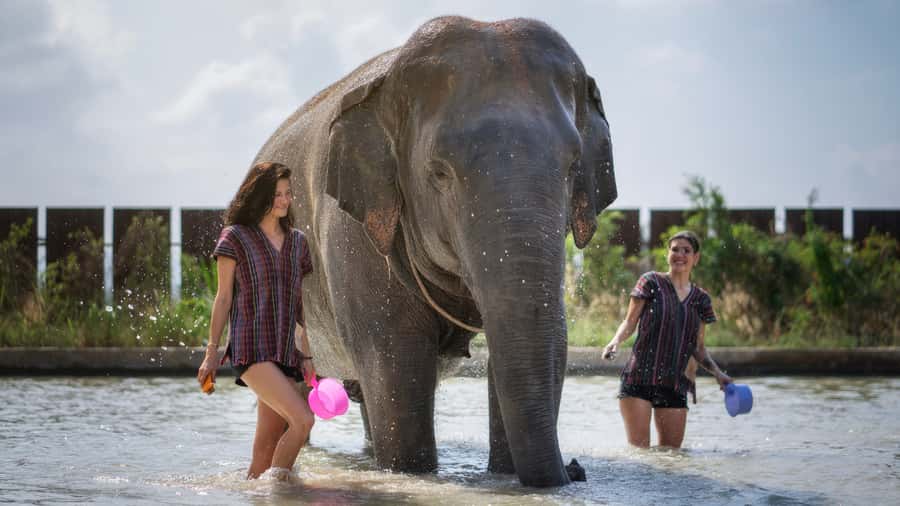
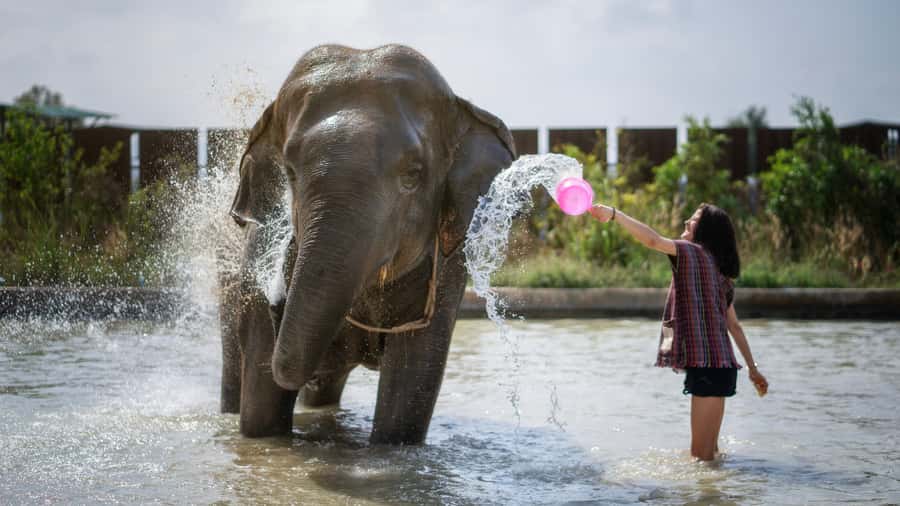
One of the most memorable parts is the elephant bathing segment. You get to scrub and splash water as the mahouts guide the process. It’s fun, yes—there’s a clear sense of play in the moment—but it’s also a hands-on care activity. The energy in the water stays calmer when you follow instructions closely.
You’ll also benefit from the sanctuary’s facilities. Multiple details point to the presence of bathrooms and showers and a shaded area for waiting and resetting after washing. That’s not a luxury detail—it’s what makes this kind of contact comfortable. You’ll want a way to rinse off too, then switch out of wet clothes.
Hand-feeding: connection under the mahout’s watch
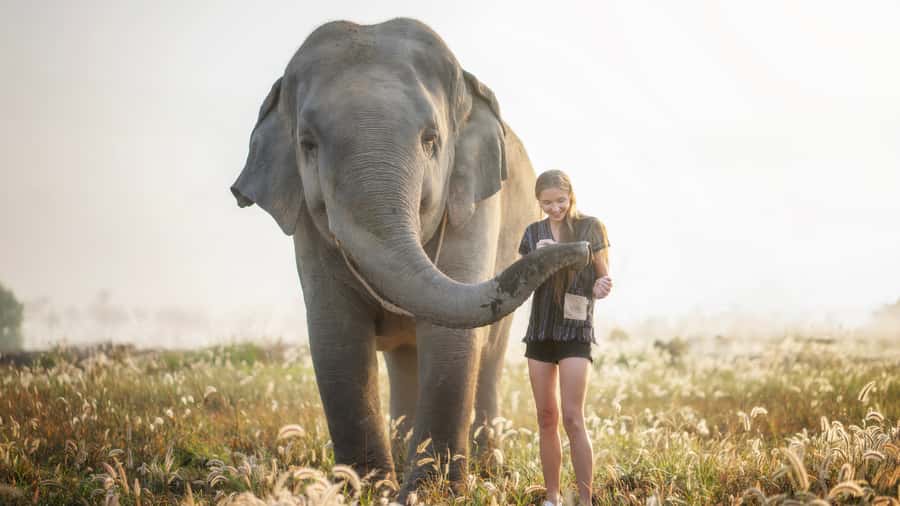
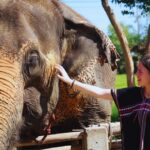
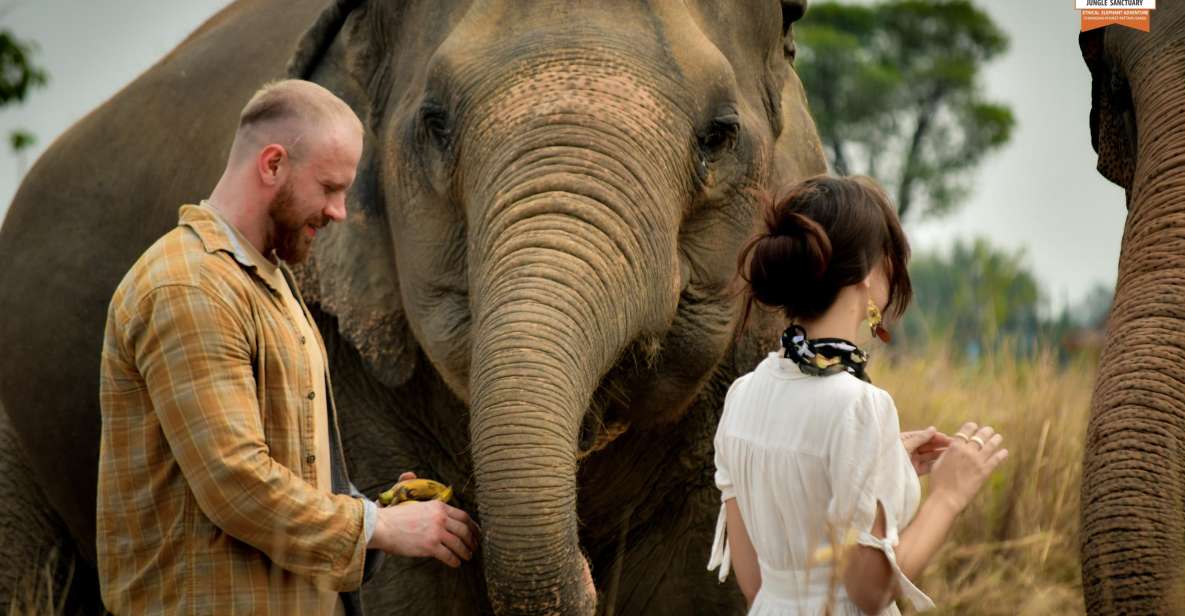
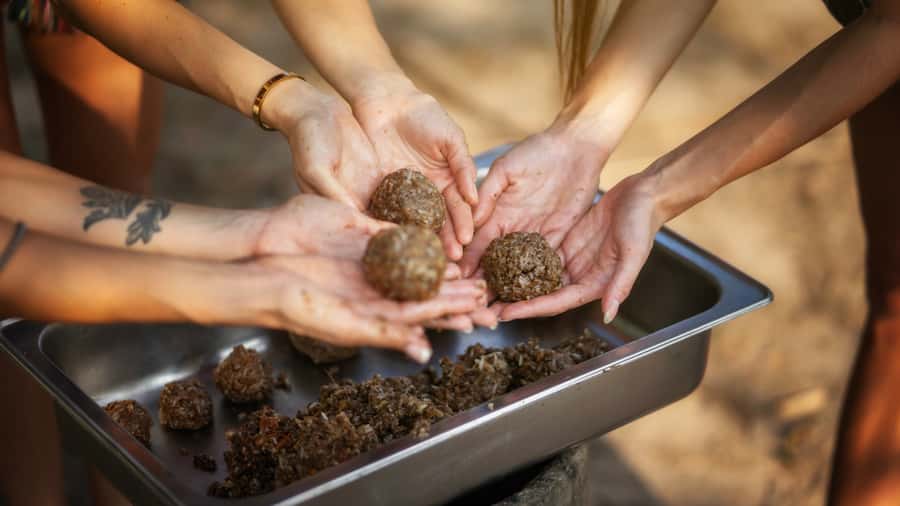
After bathing, you move into hand-feeding with elephant food included. This is where the learning shifts from action to understanding. You’ll be shown how to approach with care and compassion, while mahouts stay close and supervise.
Feeding is also a moment to slow down and observe. Elephants have personalities, and the guides explain what you’re seeing—how an individual behaves, what it may prefer, and how each one fits into the sanctuary environment. It helps you remember these animals as living beings, not just part of a photo setup.



Learn their behavior and why conservation matters
Throughout the interaction, you’re also getting context. You learn about elephant behavior and the importance of ethical treatment and conservation. The goal is to help you leave with a deeper respect—so your next conversation about elephants isn’t just about the experience, but about the welfare work behind it.
That theme shows up again and again in the details: the sanctuary is framed as responsible tourism, and your contact happens under a keepers’ eye rather than a free-for-all.
The Guide Factor: Why Nana and Mahouts Change the Whole Day
The quality of the guide can make or break animal experiences. This tour leans heavily on trained staff—both on the transport side and at the sanctuary.
On-site, guides like Nana are mentioned as professional and easygoing, which is exactly the right mix for something physical like bathing. It helps you feel safe and also helps you understand what you’re doing. You don’t just get told where to stand—you’re guided through how to behave around the animals.
The mahouts matter most for elephant contact. They’re the ones actively managing the elephants’ movement and keeping the interaction safe and respectful. That’s why you’re allowed to feed and bathe in the first place: the routine is structured.
Even the “extra people support” feels intentional. Some participants mention a photographer who helps capture images, so you’re not forced into awkward solo photo attempts while everyone else waits. That kind of practical support keeps the flow smooth.
Facilities and Comfort: The Small Things That Save the Experience
This is an active tour. You’ll likely get wet, you’ll be outside, and you’ll want a clean place to regroup afterward. That’s why the sanctuary’s setup is worth highlighting.
People describe the camp having:
- bathrooms and showers
- seating and shaded areas
- an organized activity space and snack access
Those aren’t just comfort perks. They reduce friction. If you’re traveling from Bangkok, you don’t want to spend your day smelling like elephant water and stuck in sweaty clothes. The presence of showers and a place to reset is part of what makes this a real half-day experience instead of a wet mess you regret.
A practical tip that shows up repeatedly is to plan for mosquitoes. Even with shade and facilities, the area can be mosquito-heavy. Bring bug spray, and apply before you head into outdoor activity areas.
Also consider bringing a change of clothes and anything you’d use for a quick rinse. Some people even suggest shower items because you’ll likely want to wash off after bathing.
Food, Snacks, and the End-of-Activity Reset
Food is included, and it’s part of why the day doesn’t fall apart after the main attraction.
You’ll get:
- a traditional Thai meal after the activity
- snacks and drinking water during the tour
- elephant food for the feeding segment
The meal is more than a box-check. It gives you energy after you’re up close and moving around. It also turns the sanctuary into a complete experience rather than a short burst of activities and then you’re on your own in traffic again.
Some people also mention souvenir bags at the end. Even if that varies, expect a proper wrap-up, not an abrupt drop-off the second the elephants stop splashing.
Price and Value: What $185 Per Group Really Buys You
The listed price is $185 per group (up to 1), with a 3-hour sanctuary segment and roundtrip transport from Bangkok included.
Here’s how I’d think about value:
- You’re paying for more than admission. You’re paying for coordinated pickup/drop-off, a guide, safety-managed elephant interaction, elephant food, and on-site amenities like snacks, water, and showers.
- You’re also buying time efficiency. If you tried to DIY Bangkok-to-Pattaya transport and then arrange a legitimate sanctuary visit separately, you’d spend a chunk of effort just coordinating. This tour handles the chain of logistics.
- Because the price is per group up to 1, solo travelers may find it reasonable if they’d otherwise pay for private transport anyway. If you’re traveling with others, group pricing (if available in your booking options) could change the math.
One more value point: ethical programs aren’t cheap, and that’s often because staff time and animal care standards are expensive. This tour positions itself as responsible tourism, and the structure around mahouts and supervised interaction suggests you’re funding that standard rather than buying a risky thrill.
So the question isn’t just the cost—it’s whether you value a guided, structured experience. If yes, the price is easier to justify.
What to Bring (and What to Skip) for a Smooth Day

If you want the day to feel easy, pack like you’re doing a water-based activity.
Bring:
- comfortable shoes (you’ll be walking around the camp)
- swimwear (you’ll likely get wet during bathing)
- comfortable clothes for after you rinse
- bug spray (mosquitoes can be hungry out there)
Not allowed:
- pets
- drones
- alcohol and drugs
Also note: the tour isn’t suitable for pregnant women. If that applies to you or your group, choose another elephant experience with safer constraints.
One small but useful detail: avoid fragile items in your day bag. Between splashes and shower time, you’ll want your essentials protected.
Who This Tour Fits Best (and Who Should Rethink It)
This tour is best for you if:
- you want hands-on elephant interaction with keepers present
- you care about humane, responsible animal treatment and want context, not just spectacle
- you like experiences that include both activity and a proper meal/snacks
It’s a weaker fit if:
- you’re expecting a true quick half-day with minimal travel time (the Bangkok-Pattaya drive is long)
- you don’t handle getting wet well
- you need an option that’s suitable for pregnancy (this one isn’t)
If you’re traveling with mobility needs, there’s reassurance: the tour is listed as wheelchair accessible.
Should You Book Elephant Jungle Sanctuary Pattaya?
If your main goal is a supervised, humane elephant experience that includes bathing and hand-feeding, this is a strong match. The biggest wins are the mahout-led safety and the way guides connect the activity to elephant behavior and welfare, not just entertainment. Add in transport from Bangkok plus snacks, water, showers, and a traditional Thai meal, and the day feels complete.
I’d book it if you’re ready for the reality that this is a long day from Bangkok and you’ll plan around mosquito protection and wet-clothes logistics.
If you only want a quick, low-effort stop with zero travel stress, you might feel better choosing something closer to Bangkok. But if you can handle the drive and you want the most meaningful elephant contact you can do responsibly, this tour is worth your time.
FAQ
How long is the elephant sanctuary portion of the tour?
The camp activities are listed as 3 hours.
Where does the tour start and end?
Pickup starts in Bangkok, and you return to Bangkok after the sanctuary visit.
Is round-trip transportation included?
Yes. The tour includes roundtrip transportation from Bangkok.
Do I get hotel pickup and drop-off?
Hotel pickup and drop-off are included if you select the option. You’re asked to wait in the hotel lobby about 10 minutes before pickup.
What elephant activities are included?
You can expect elephant bathing (scrubbing and splashing water) and hand-feeding the elephants with elephant food provided, with guidance from mahouts.
Is a meal included?
Yes. A traditional Thai meal is included after the activity, along with snacks and drinking water.
What should I bring?
Bring comfortable shoes, swimwear, and comfortable clothes. Bug spray is also helpful for mosquitoes.
What’s not allowed during the tour?
Pets, drones, and alcohol and drugs are not allowed.
Is the tour wheelchair accessible?
Yes, the tour is listed as wheelchair accessible.
Is it suitable for pregnant women?
No. It’s listed as not suitable for pregnant women.
What if my plans change?
The tour offers free cancellation up to 24 hours in advance for a full refund, and you can also reserve now & pay later (pay nothing today).