REVIEW · CHIANG MAI
Chiangmai hilltribe Coffee Forest : Trek Plant Roast & Brew
Book on GetYourGuide →Operated by Chiang Mai Hilltribe Coffee Tour · Bookable on GetYourGuide
Coffee has a jungle day plan. This small-group tour pairs a 4WD ride up to the upstream coffee forest with hands-on roasting and pour-over brewing guided by Jack and Moonshine.
You also get an organic vegetarian lunch and time in the hills that feels far from Chiang Mai’s usual streets. The main drawback: you’re up early (hotel pickup starts around 7:00) and the day includes real walking on outdoor terrain, so comfortable shoes matter.
What I like most is how the day stays practical. You’re not just watching coffee happen; you’re learning the chain from plant to cup, plus taking home roasted coffee beans as a souvenir that still smells amazing days later.
In This Review
- Key Points You’ll Remember
- 4WD Up the Mountain: Getting to the Upstream Coffee Forest
- The Coffee Trek: What You Learn Walking Through the Plants
- Planting Your Own Coffee Tree (and What It Really Means)
- Organic Vegetarian Lunch: Hill-Tribe Style, Farm-to-Table
- Roast Your Own Beans: The Workshop That Smells Like Progress
- V60 Pour-Over Masterclass: Turning a Lesson Into a Habit
- Price and Value: Is $117 Worth It?
- Who This Tour Suits Best
- Practical Tips for a Smooth, Comfortable Day
- Should You Book Chiang Mai Hilltribe Coffee Forest: Trek, Plant, Roast & Brew?
- FAQ
- What is the duration of the Chiang Mai Hilltribe Coffee Forest tour?
- What time is hotel pickup?
- How many people are in the group?
- Is lunch included, and what type of food is it?
- Do I roast coffee beans on this tour?
- Do I learn how to brew coffee?
- What should I bring for the trek and workshops?
- Who is this tour not suitable for?
- What is the cancellation policy?
Key Points You’ll Remember
- 4WD mountain transport to the upstream coffee area near Chiang Mai, including a scenic off-road transfer to higher elevation
- Coffee trek through the coffee-growing zone with guided explanation of plants and farm life
- Planting a coffee tree as part of the sustainable, farm-focused theme
- Organic farm-to-table vegetarian lunch using local, hill-tribe style flavors
- Roast your own green beans and take them home after the workshop
- V60 pour-over brewing masterclass so you can repeat the method later
4WD Up the Mountain: Getting to the Upstream Coffee Forest
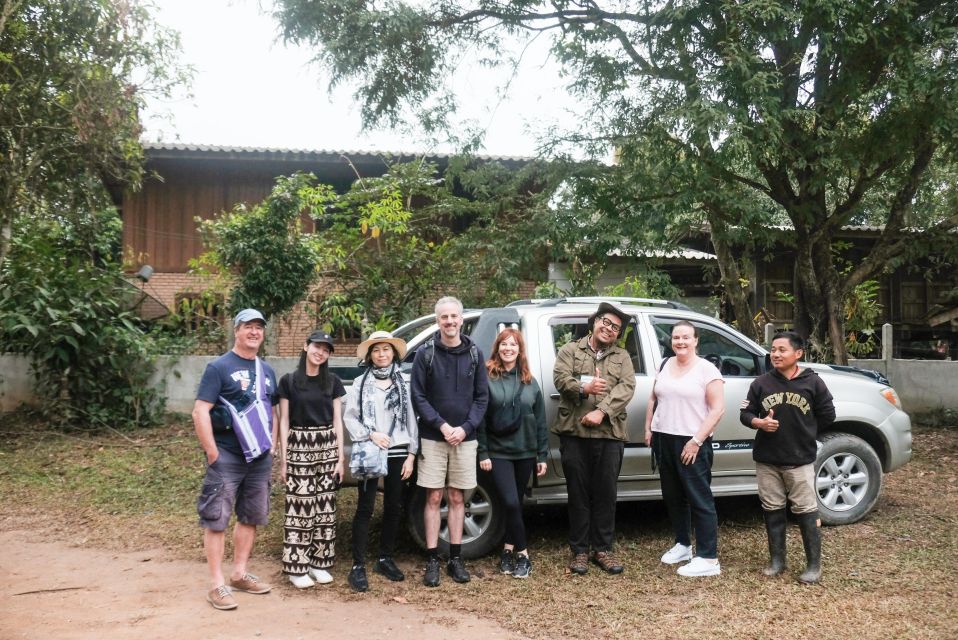
The day is built around a simple idea: start in the city, then move into the coffee-growing hills fast. You’ll meet your guide in the morning with hotel pickup in Chiang Mai’s Old City area (within about 5 km of Tha Phae Gate). Pickup runs roughly from 7:00 to 7:30 AM, and you’ll want to be ready in the lobby about 10 minutes early.
Once you’re with the group, the energy changes. The tour uses a smaller vehicle (small group overall, and the off-road transfer is in a smaller 4WD truck/vehicle). That matters because you’re not crammed like a bus tour. The ride includes a short, thrilling push up to the upstream forest area around 1,400 meters, with a measured 20-minute segment of that mountain travel built into the experience.
This 4WD portion is more than a thrill moment. It’s what makes the rest of the day feel like it’s truly happening in the hills. You’re getting out of traffic and into a farm setting, and the timing helps you arrive before the afternoon heat sets in.
Bring a hat, sunscreen, and insect repellent. The guides do the route and the timing, but you still want to be comfortable while the vehicle doors open and you take photos.
You can also read our reviews of more hiking tours in Chiang Mai
The Coffee Trek: What You Learn Walking Through the Plants
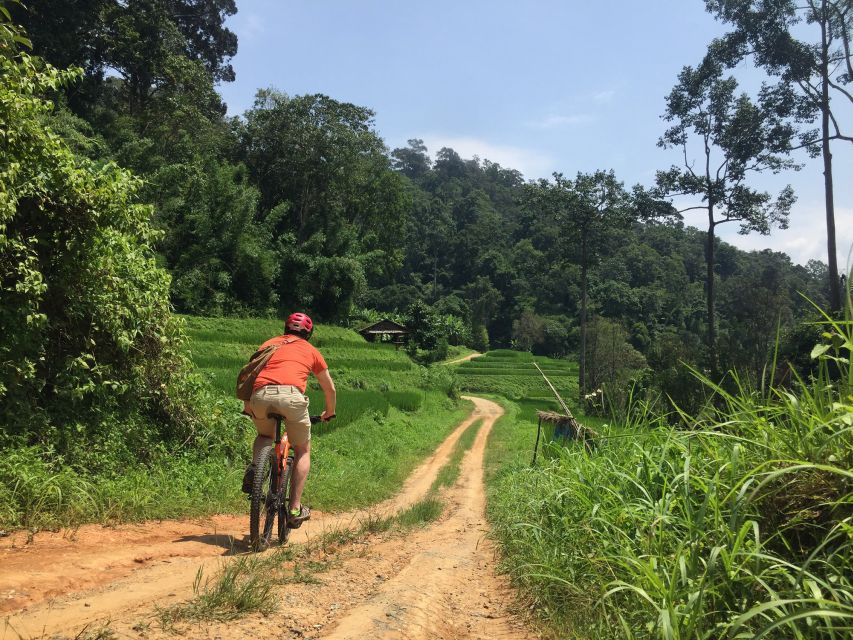
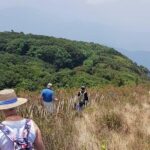
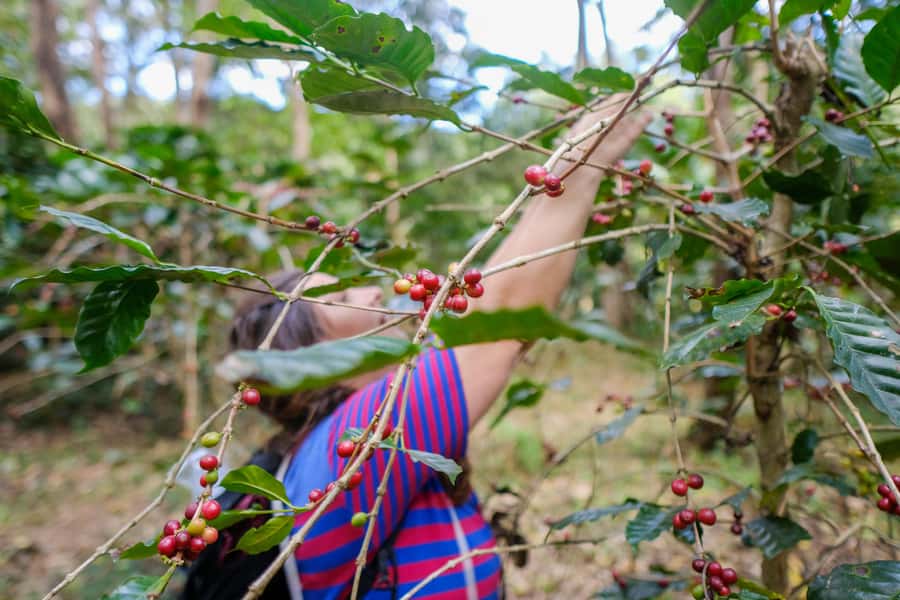
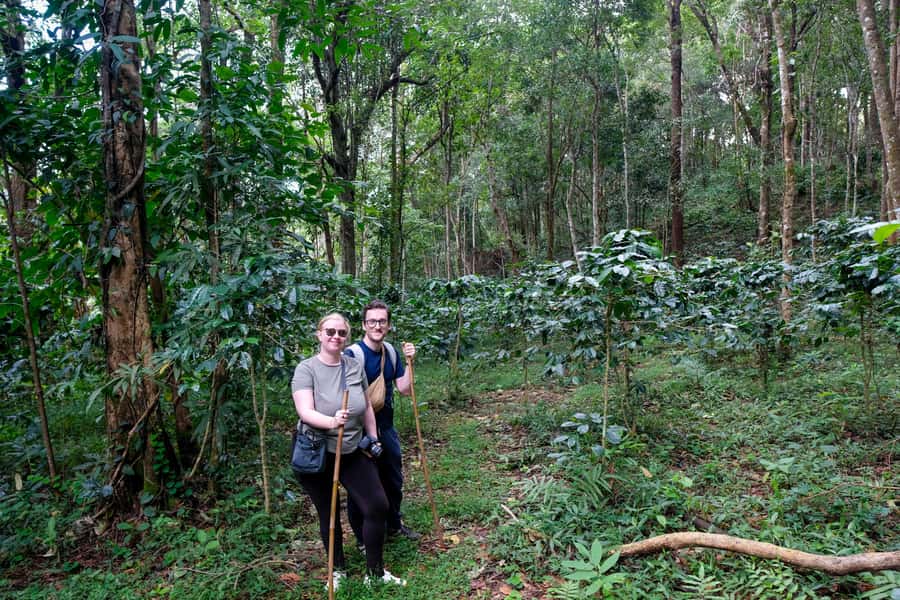
After you reach the coffee forest area, the walking begins. The experience includes roughly 50 minutes of trekking as a core part of the day, and the broader coffee-walk segment is described as about 1.3 hours when you include the stops and time spent moving between points. Translation: expect some hiking time, but it’s paced for a day that also includes planting, lunch, and workshops.
This is where the tour earns its “bean-to-cup” label in a real way. You’ll walk through coffee plants and learn how local growers think about cultivation and farm routines. You’ll also hear about herbs and local flora in the area, which gives context for why coffee here tastes and behaves the way it does.
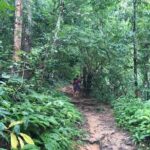
One review highlighted that the trek includes not just plant talk, but a lived-in feel—jungle-like paths, slow discovery, and the sense that the guides truly respect the land they farm. Names that came up again and again are Jack and Moonshine (and in at least one account, Sala also appears as part of the team). Even if you can’t match every name to a role in your first hour, you’ll feel the difference in how the guides speak: they’re explaining, not performing.
Practical takeaway for you: don’t plan this day like a casual stroll. Wear long pants and supportive shoes. Even if the hike isn’t extreme, it’s outdoors, and you’ll be on uneven ground.
Planting Your Own Coffee Tree (and What It Really Means)
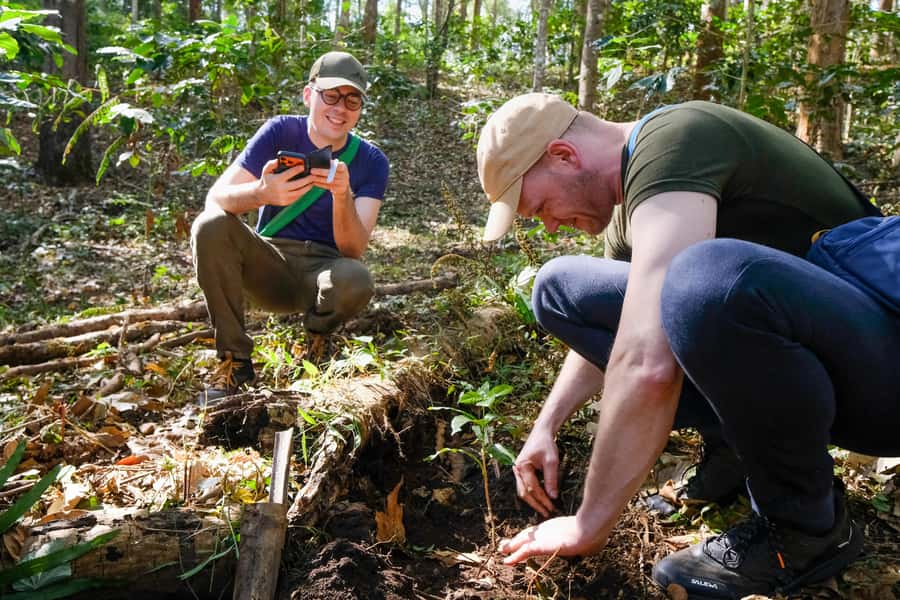
Planting a tree is the “feel-good” moment, but it’s also one of the most meaningful pieces of this tour’s value. The experience includes a coffee tree planting activity tied to sustainable coffee farming.
For you, this is the part that turns a coffee tour into something more personal. It’s not just a souvenir photo. You’re participating in an on-farm action that fits the whole theme of the day: coffee as a long-term crop shaped by choices. Coffee plants don’t produce on a one-week timeline. So when the guides talk about practices and responsibility, planting makes the message real.
In the day’s flow, this planting happens after your trek and stops, so you’re not sitting around waiting. You’ll also likely get guidance on how the planting fits into farm management and how the growers see shade-grown and sustainable methods.
This isn’t a theme park stunt. The guides aim for a respectful approach—part of why reviews repeatedly call it an authentic day away from crowds.
Organic Vegetarian Lunch: Hill-Tribe Style, Farm-to-Table
Lunch is one of the easiest ways to judge whether a tour cares. Here, it’s handled as organic farm-to-table vegetarian food, prepared with local ingredients and described as using traditional hill-tribe recipes.
You should expect a proper meal, not a sad snack plate. The point isn’t just “vegetarian.” It’s that you eat in the farm setting, with food that fits the day you’ve been learning about. Several accounts mention lunch fresh from the garden and highlight the flavors beyond plain comfort food.
For you, this matters because you’ll be hungry after walking and planting. A well-timed lunch keeps the afternoon workshops from turning into a sleepy blur.
Diet note: the tour data says veggie lunch is the standard, and diet options may be available on request. If you have allergies, you’ll want to tell the operator ahead of time (the info doesn’t list specific allergy handling details, so don’t assume).
Roast Your Own Beans: The Workshop That Smells Like Progress
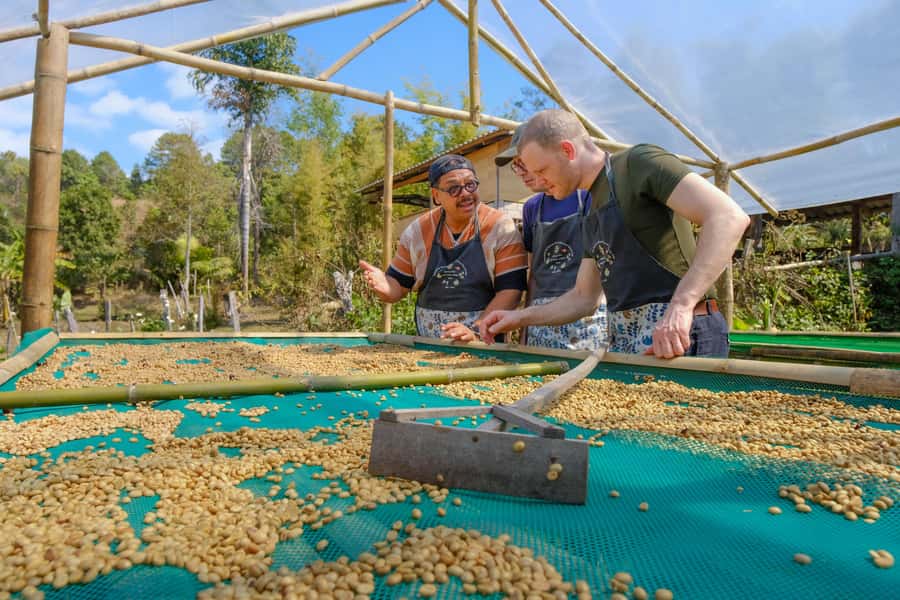
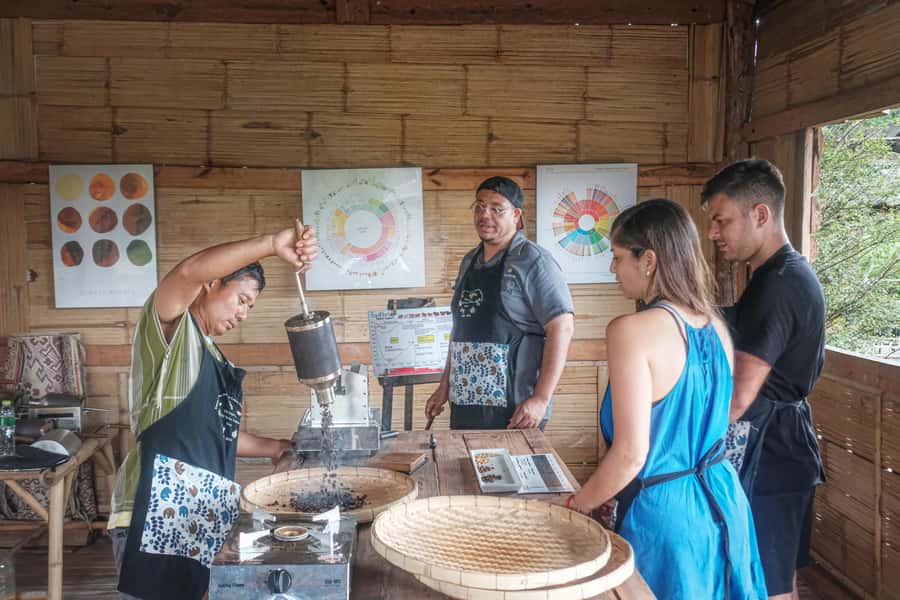
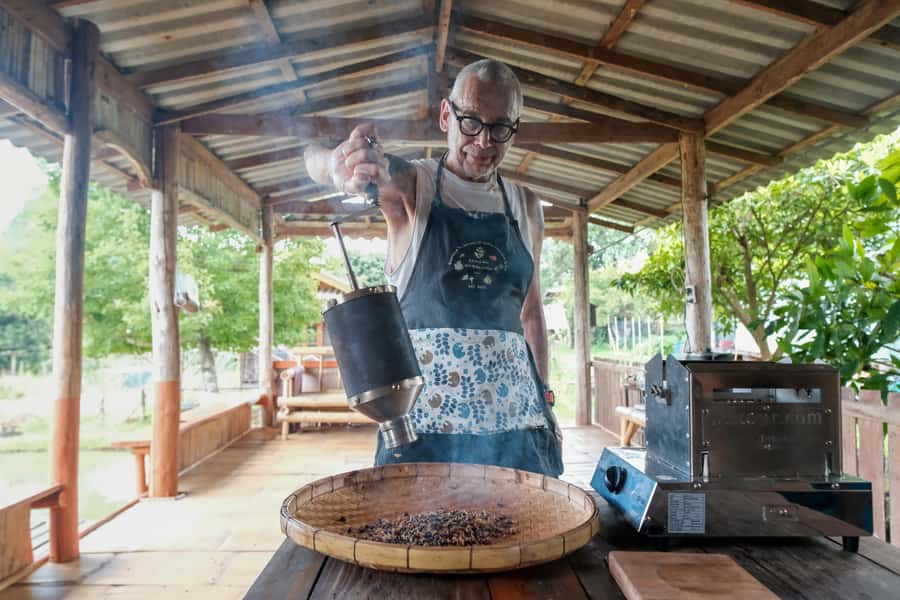
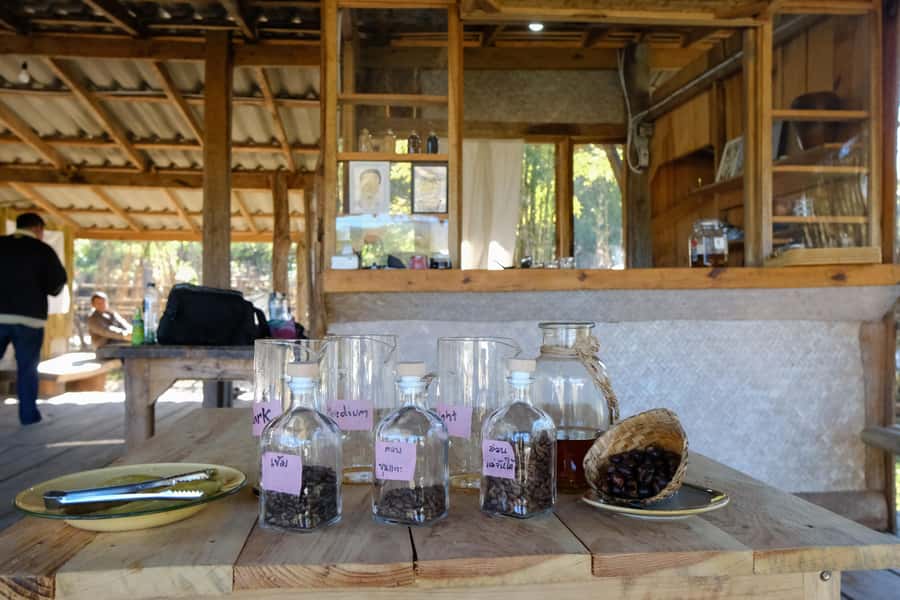
Then comes the part most coffee fans look forward to: the roasting workshop. You’ll roast your own green coffee beans and you get to take the roasted coffee home as a unique souvenir.
This is where your brain changes from sightseeing mode to maker mode. Roasting is a practical skill lesson. You’re not just watching someone else do it; you’re performing the process and learning how roasting impacts aroma and flavor. That hands-on control is rare on standard tours.
One review described how the smell of roasting filled the experience, and another emphasized how the entire process—from cherries to end roasting—was explained step-by-step. The tour data specifically states you’ll learn roasting with the green beans provided, and you’ll also have coffee and tea available for brewing and testing during the day.
Two “value” points for you here:
- You leave with something usable, not just photos. Roasted beans mean you can recreate tastes at home.
- The workshop price isn’t only paying for access. It’s paying for instruction, materials, and the chance to participate.
If you’re a coffee nerd, this will feel satisfying. If you’re just coffee-curious, it still works because the guides keep it grounded in what you can notice with your senses: smell, color changes, and how the coffee behaves.
A few more Chiang Mai tours and experiences worth a look
V60 Pour-Over Masterclass: Turning a Lesson Into a Habit
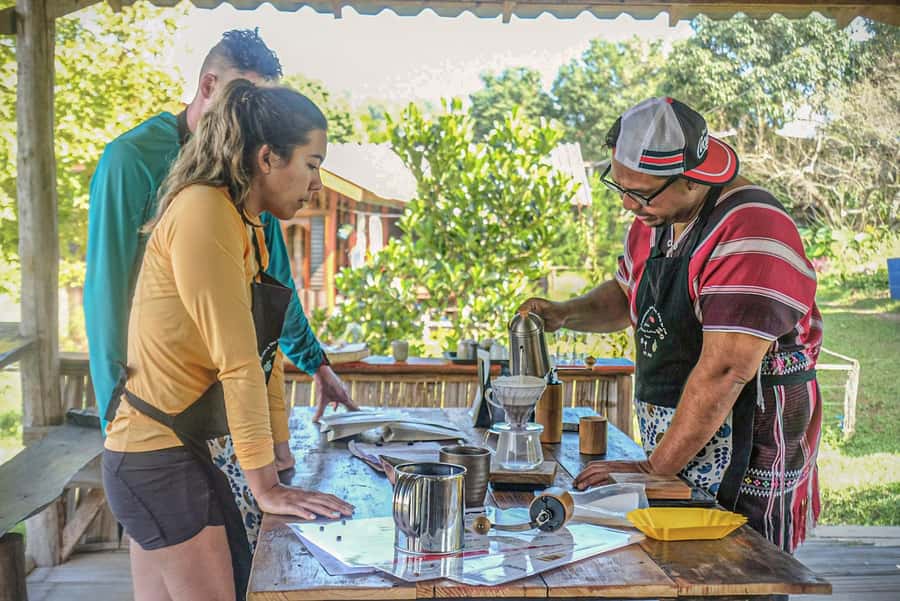
Roasting is half the story. The other half is brewing, and that’s where the tour finishes strong with a V60 brewing masterclass.
This is a structured pour-over lesson. The V60 method is popular because it’s simple gear with controllable variables: grind, water temperature, pour rate, and timing. The guides walk you through how to brew properly so you can make a cup that matches the coffee you roasted earlier.
The tour data calls it a V60 pour-over “masterclass” and also notes you’ll get coffee and tea for brewing and testing. That means you’re not just being talked at; you’re practicing.
For you, this is the difference between a souvenir activity and a real skill:
- You can roast in the afternoon.
- Then you learn how to brew it in a repeatable way.
And if you already own a V60, this becomes even better. You’ll pick up techniques you might not have seen from generic internet videos.
Price and Value: Is $117 Worth It?
At $117 per person for an 8-hour small-group day, you’re not paying for a quick sightseeing stop. You’re paying for several bundled experiences that cost money and instruction time on their own: morning pickup, 4WD transport, a guided trek, lunch, roasting materials, and a V60 brewing lesson.
Here’s the “value math” as I see it:
- Hotel pickup and the mountain transfer remove logistical hassle.
- The included organic vegetarian lunch prevents the day from turning into a hunt for food mid-hike.
- The roasting workshop includes green beans and the chance to take your own roasted coffee home.
- The V60 masterclass is a specific, practical skill you can use after you return.
Is it more expensive than casual day trips? Yes. But you’re also leaving with a hands-on output: roasted coffee plus a brewing method. For the coffee-focused traveler, that’s the point. For someone who only wants a quick look at coffee plants, it could feel like too much hands-on time.
Who This Tour Suits Best
This is a great fit if you:
- Love coffee and want a day that connects farming to brewing
- Prefer small groups (the experience is limited to a small group size)
- Enjoy being active for part of the day, but still want comfortable pacing
- Want authentic hill-area interaction through local guides like Jack and Moonshine
It may be a tougher fit if you:
- Have mobility limitations (the tour data says it’s not suitable for people with mobility impairments)
- Are traveling with children under 6
- Are pregnant (not suitable per tour info)
- Want a totally low-effort, mostly seated experience
Practical Tips for a Smooth, Comfortable Day
Plan around the fact that the tour is outdoors and starts early. Here’s what will help you feel good all day:
- Wear comfortable shoes with grip. The morning includes trekking on outdoor terrain.
- Bring long pants, sunscreen, sunglasses, and a sun hat.
- Pack insect repellent. The hills aren’t the city.
- Bring a camera, because you’ll see coffee plants and farm scenes worth photographing.
- If you’re visiting in rainy season, the tour info suggests a rain jacket.
- Bring cash, since the tour mentions it in what to carry. (Even if no purchases are guaranteed, having some on hand can save you later.)
Also, a quick mindset shift: this is a coffee farming day. Respect the plants and the environment. You’ll get more out of the experience if you treat it like an agricultural visit, not an entertainment stop.
Time-wise, the day is built for momentum. You’ll get back to your hotel in the evening, with drop-off described around 5:30 to 6:30 PM.
Should You Book Chiang Mai Hilltribe Coffee Forest: Trek, Plant, Roast & Brew?
I’d book this if coffee is a priority and you want something more useful than a standard tour. The combination of a coffee trek, planting your own coffee tree, roasting your own beans, and learning V60 pour-over turns the day into a full “learn and do” experience. The small-group feel plus the local guides like Jack and Moonshine are a big part of why this tour stands out in real life.
I wouldn’t book it if you want a purely relaxed, low-walking outing, or if your mobility needs make trekking tough. Also, be honest about the time commitment: it’s a full 8 hours, starting early.
If you’re the type who actually wants to bring something home beyond photos, this is the kind of Chiang Mai day that makes sense.
FAQ
What is the duration of the Chiang Mai Hilltribe Coffee Forest tour?
The tour duration is listed as 8 hours.
What time is hotel pickup?
Hotel pickup is scheduled for 7:00–7:30 AM, and you should be ready about 10 minutes before pickup.
How many people are in the group?
The experience is a small group, with a maximum of 8 people.
Is lunch included, and what type of food is it?
Yes. Lunch is included and is described as farm-to-table organic vegetarian.
Do I roast coffee beans on this tour?
Yes. You’ll do a hands-on coffee roasting workshop and you’ll roast green coffee beans provided for the activity.
Do I learn how to brew coffee?
Yes. The tour includes a V60 pour-over brewing masterclass with guidance and brewing/testing during the day.
What should I bring for the trek and workshops?
You’ll want comfortable shoes, long pants, sunscreen, a sun hat, insect repellent, sunglasses, and any personal medication. A rain jacket is suggested for rainy season.
Who is this tour not suitable for?
It is not suitable for children under 6, pregnant women, and people with mobility impairments.
What is the cancellation policy?
Free cancellation is available up to 24 hours in advance for a full refund.