REVIEW · CHIANG MAI
Chiang Rai: Temples Trip with Sang Kaew and Lalitta Cafe
Book on GetYourGuide →Operated by CHIANGMAI SIAM TRAVEL LTD.,PART. · Bookable on GetYourGuide
Chiang Rai temples hit different. This day trip is built for full-on visual wow: Wat Rong Khun (White Temple) and the quirky splendor of Lalitta Café sit alongside the Rainbow and Blue Temples, so your camera has work to do from start to finish. I also love that you go by private, air-conditioned car, with an English-speaking guide who keeps the stops organized instead of turning it into a sprint. The one real drawback: it’s a long haul—about 3 hours each way from Chiang Mai—so you’ll want comfy clothes and a patient mindset.
The pacing is more relaxed than the usual “see everything, rush out” style. You start with a stop at Mae Kachan hot springs for a break, then move temple to temple with time to look closely at details like the White Temple’s art displays and the Rainbow Temple’s skywalk area. If you prefer slow sightseeing or deep temple study, you might still feel the day move fast, but the route hits the big-ticket icons efficiently.
One more practical note before you book: the day includes temple visits where you’ll need clothes that cover arms and legs (long pants recommended). Bring that, and you’ll avoid the hassle of being turned away or needing to improvise. The good news is you’re also covered with included entrance fees (including specific ticketed areas) plus lunch and drinking water.
In This Review
- Key Highlights to Expect on This Chiang Rai Day Trip
- Price and Logistics: What $147 Buys You for 13 Hours
- Pickup in Chiang Mai, Then Straight Into the Countryside
- Mae Kachan Hot Spring Stop: A Real Break Before Temples
- Wat Saeng Kaeo Phothiyan (Rainbow Temple) and Its Skywalk Ticket
- Lunch in Chiang Rai: Fuel for the Afternoon Temple Run
- Wat Rong Khun (White Temple): More Than a Pretty Face
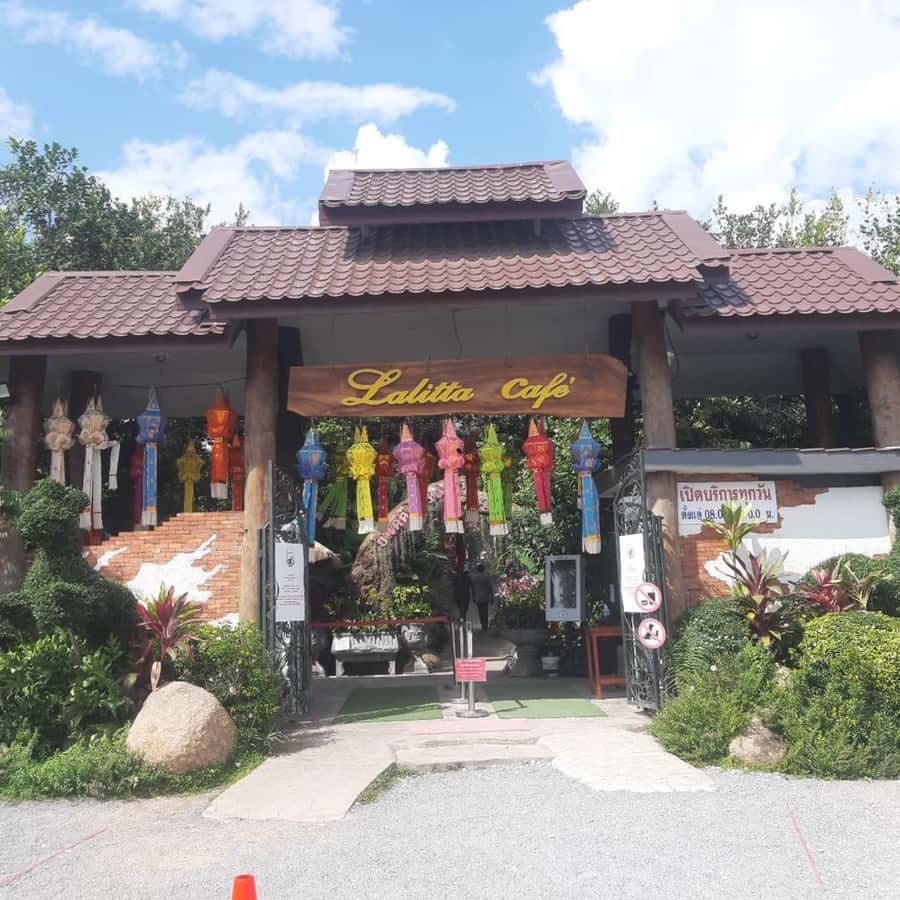
- Lalitta Café: A Temple-Adjacent Stop That’s Worth Its Time
- Wat Rong Suea Ten (Blue Temple): Traditional Values With a Contemporary Twist
- The Guides: Why This Tour Feels Smooth (Even When the Day Is Long)
- What to Bring and How to Dress for Temple Visits
- Who This Trip Suits Best—and Who Might Want a Different Plan
- Should You Book This Chiang Rai Temples Trip?
- FAQ
- How long is the Chiang Rai temples trip from Chiang Mai?
- Where is pickup, and is it included?
- What temples and attractions are included in the day?
- What admission tickets are included?
- Is lunch included?
- Do I need to dress a certain way for the temples?
- Is there an English-speaking guide?
- Is this tour wheelchair accessible?
Key Highlights to Expect on This Chiang Rai Day Trip
- Rainbow Temple (Wat Saeng Kaeo Phothiyan) with a skywalk ticket included
- White Temple (Wat Rong Khun) plus tickets for the cave of art area
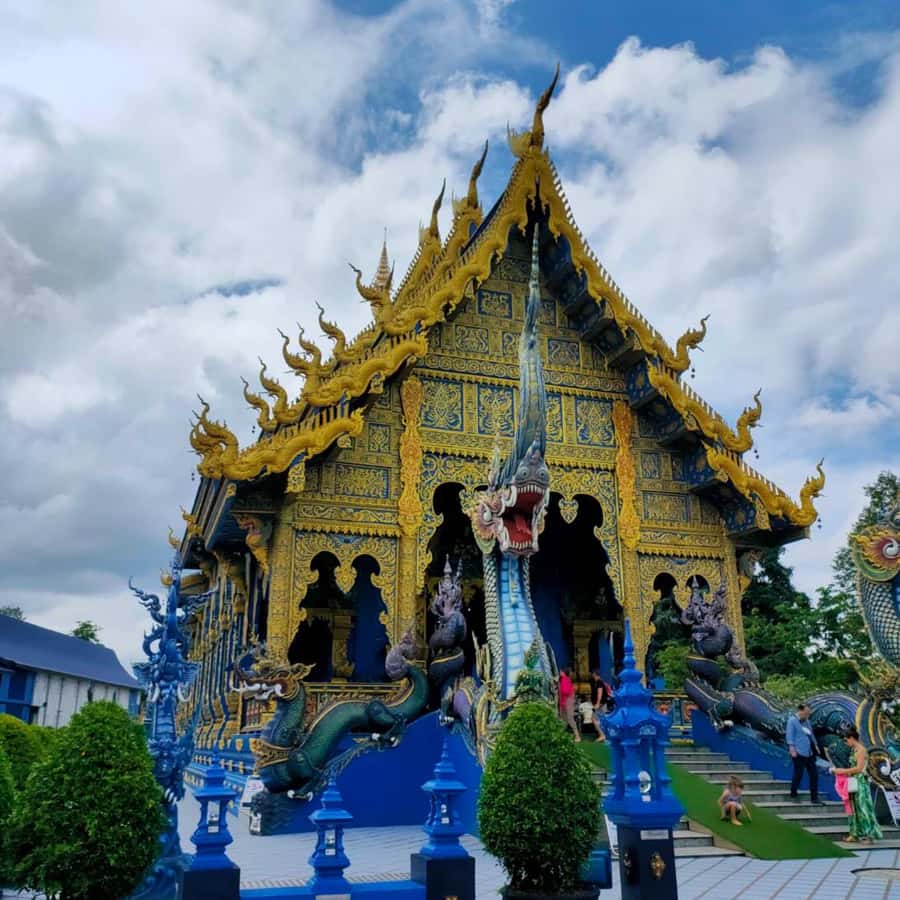
- Blue Temple (Wat Rong Suea Ten) for a modern take on traditional Buddhist design
- Mae Kachan Hot Spring stop to break up the long drive
- Lalitta Café for food and the kind of setting that begs for photos
- English-speaking guide and safe, comfortable private transport from Chiang Mai
Price and Logistics: What $147 Buys You for 13 Hours
At $147 per person, this is not a budget “grab a bus and go” kind of outing. The value comes from three things you can feel immediately: private air-conditioned transport, an English-speaking guide, and a tight package that includes key admission tickets and lunch.
You’re paying for comfort and time efficiency. The drive from Chiang Mai to Chiang Rai is long—about 3 hours one way—so having a private car means you’re not dealing with waiting around, cramped seating, or unclear meeting points. It also matters that the pickup covers Chiang Mai city within a 5-kilometer radius; if your hotel is farther out, there may be extra transport cost. That’s worth checking early if you’re staying on the edge of town.
The day runs about 13 hours total, with drop-off back in Chiang Mai around 19:30. That late return is common for long-distance temple days, but it does shape your plan: book this when you don’t need an early evening or a big post-tour activity.
You can also read our reviews of more tours and experiences in Chiang Mai.


Pickup in Chiang Mai, Then Straight Into the Countryside
Your day starts with pickup from your accommodation in Chiang Mai city (and within that 5 km downtown radius). You’ll be collected by private car with air-conditioning, and you’ll wait in the hotel lobby until the guide arrives.
From there, the route heads toward Chiang Rai province. This matters because you’re not just “going from point A to point B.” You’re doing a full day of structured stops, which is the difference between seeing the temples and actually enjoying the day: fewer logistics headaches, clearer pacing, and a guide to explain what you’re looking at.
If you’re the type who likes to ask questions—about symbols, styles, or what makes each temple distinct—this tour format is built for that. The guide is English-speaking, and the itinerary includes guided tour time at the major temples, not just a quick walk-by.
Mae Kachan Hot Spring Stop: A Real Break Before Temples
Before Chiang Rai temples, you get a stop at Mae Kachan hot springs. There’s a break time here, so it’s a practical reset after the long morning drive.
What I like about this stop is simple: it breaks the day into sections. Temple visits can become a blur—especially when you’re seeing three highly themed sites back to back. A short pause helps you refocus, stretch, and handle basic needs before the main hits.
Just keep expectations realistic. The data says you’ll have break time and a visit, but it doesn’t spell out time for soaking or a full spa experience. Treat this as a warm-up stop rather than the main event.
Wat Saeng Kaeo Phothiyan (Rainbow Temple) and Its Skywalk Ticket
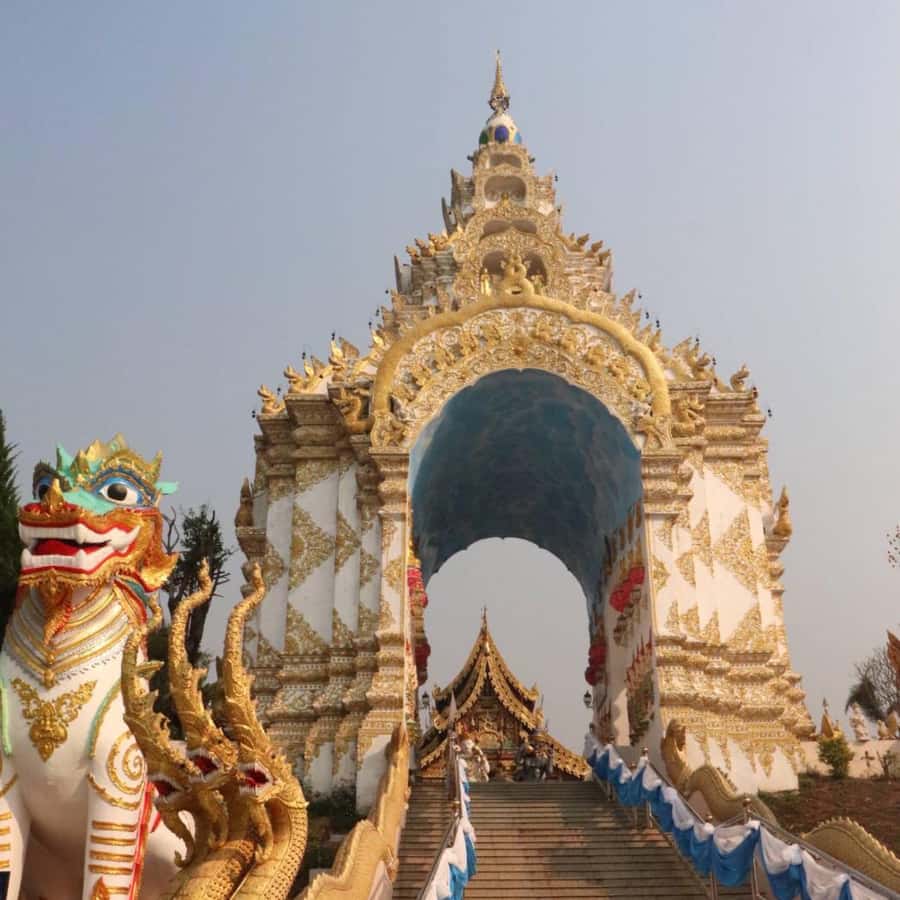
Next up is Wat Saeng Kaeo Phothiyan, often called the Rainbow Temple. This stop is where the day gets visually playful and instantly memorable.
You’ll have guided tour time and sightseeing, plus an included ticket for the skywalk. That skywalk part is a big deal for two reasons: it likely changes your viewing angles, and it gives you a reason to slow down and look carefully instead of just walking past decorative features.
One smart tip here is mental, not technical: plan to spend time looking upward and around you. Rainbow-themed temples can feel like they’re “about color,” but the details usually reward a slower pace—edges, patterns, and the way light hits surfaces.
Dress-wise, remember the rule of thumb: cover your arms and legs. Even if you’re excited and tempted to wear something light, temple dress codes can be strict. Long pants are specifically mentioned as what to bring.
Lunch in Chiang Rai: Fuel for the Afternoon Temple Run
Lunch happens in Chiang Rai as part of the program. Food stops can make or break a long tour day, and this one is handled for you, which helps you avoid the classic problem: being starving at 2 pm and then having to decide between “whatever is nearby” and “something good.”
Since lunch is included, you don’t need to factor in meal planning while you’re moving through the temples. You can also keep your energy up for the later stops, which are the most design-forward and photo-heavy.


Wat Rong Khun (White Temple): More Than a Pretty Face
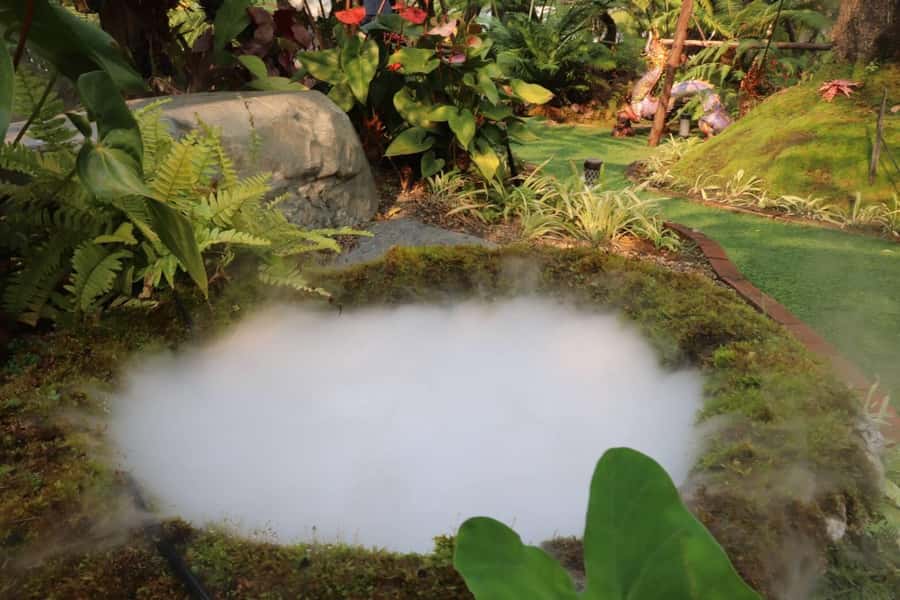
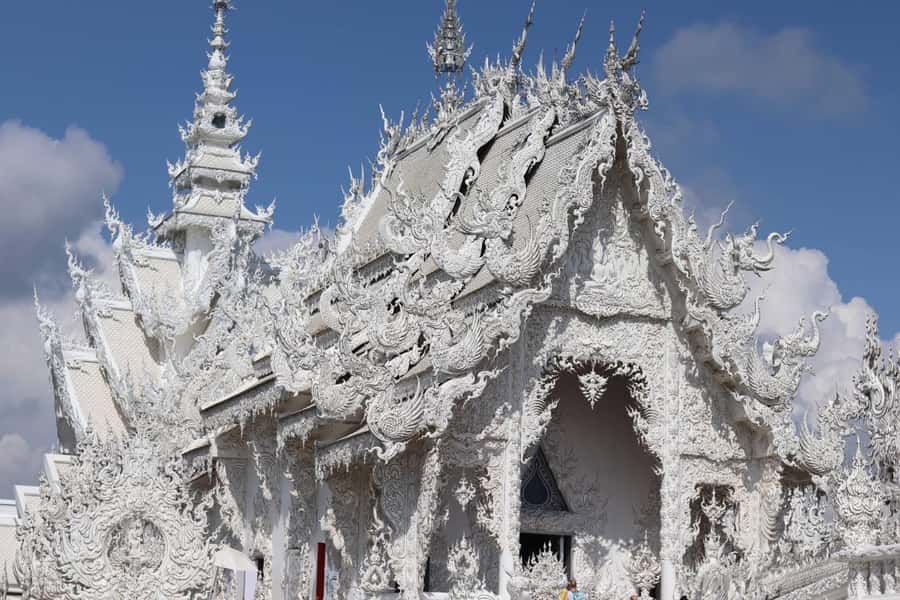
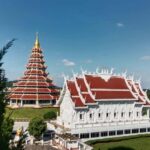
Then comes Wat Rong Khun, the White Temple. This is the creation of Thai artist and is described as visually stunning and the most popular attraction in Chiang Rai.
This is where the day earns its reputation. The White Temple is not just one pretty building—it’s a themed world. Your entry package includes entrance fees and a ticket for the cave of art area. That matters because the cave/art ticket turns the visit from “look at the outside” into “also understand the concept.”
The cave of art area is a good choice if you like symbolism and storytelling through art. It also breaks up the temple viewing, so you’re not stuck outdoors for the entire middle portion of the day.
Drawback to plan for: it’s a very popular site, so you’ll want a calm mindset about crowds and patience with lines or slower movement inside ticketed spaces. Bring that energy, and you’ll get more from the experience.
Lalitta Café: A Temple-Adjacent Stop That’s Worth Its Time
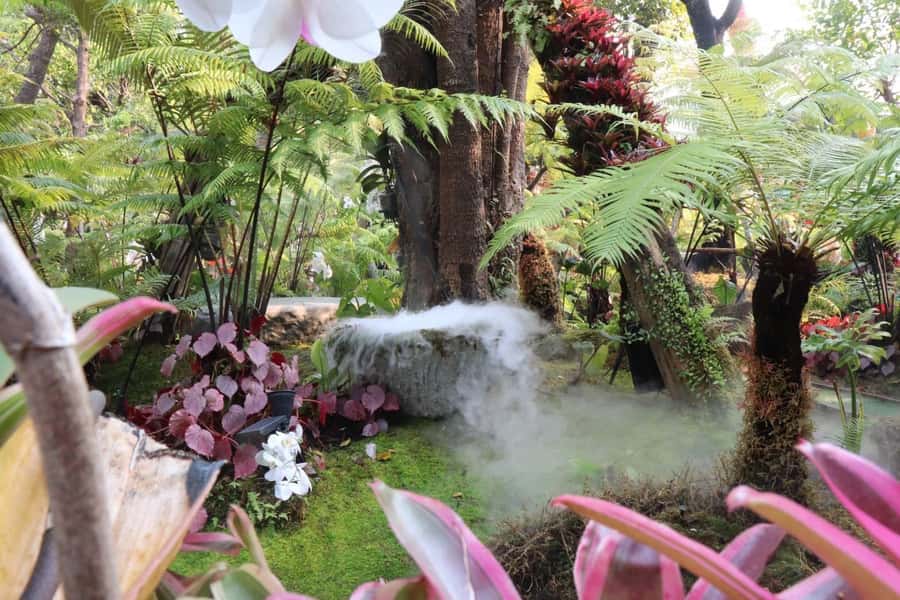
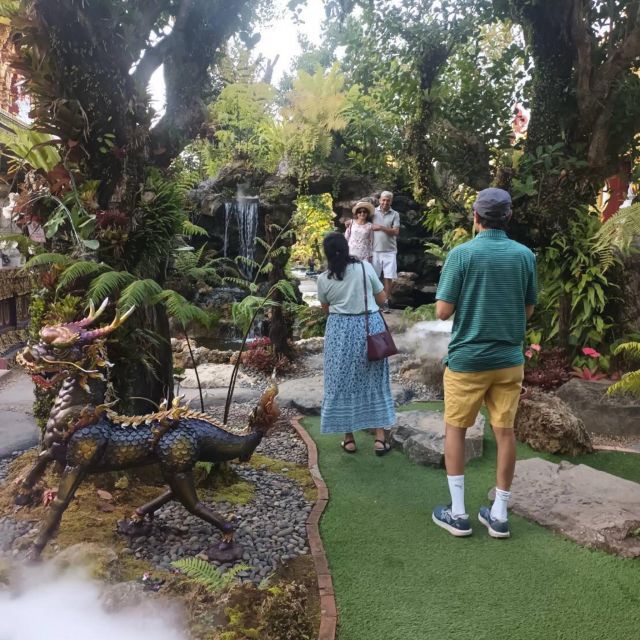
After the White Temple, you head to Lalitta Café. This stop is not just filler. It’s a chance to catch your breath, reset your legs, and enjoy a change of scene between two major temples.
In the highlights, Lalitta Café is explicitly named, and in the practical feedback you can see why: it’s described as a fairy-tale style place, with food that people call amazing. One note to keep your expectations grounded: portions are described as huge, so it’s smart to look before ordering.
For me, cafés like this are valuable on temple tours because they give your brain a rest. You stop focusing on symbolism and architectural detail, then you refuel and take photos without feeling like every minute must be “productive sightseeing.”
Wat Rong Suea Ten (Blue Temple): Traditional Values With a Contemporary Twist
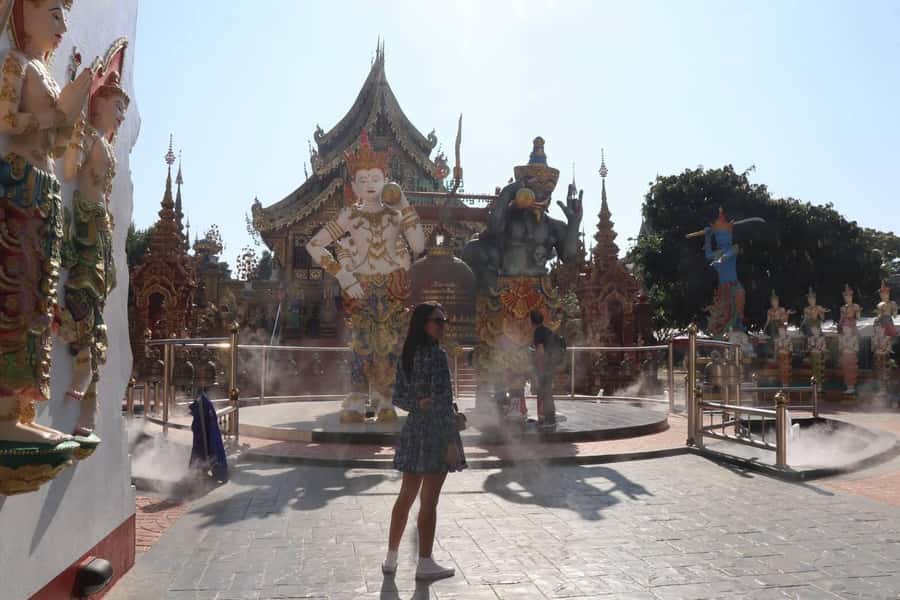
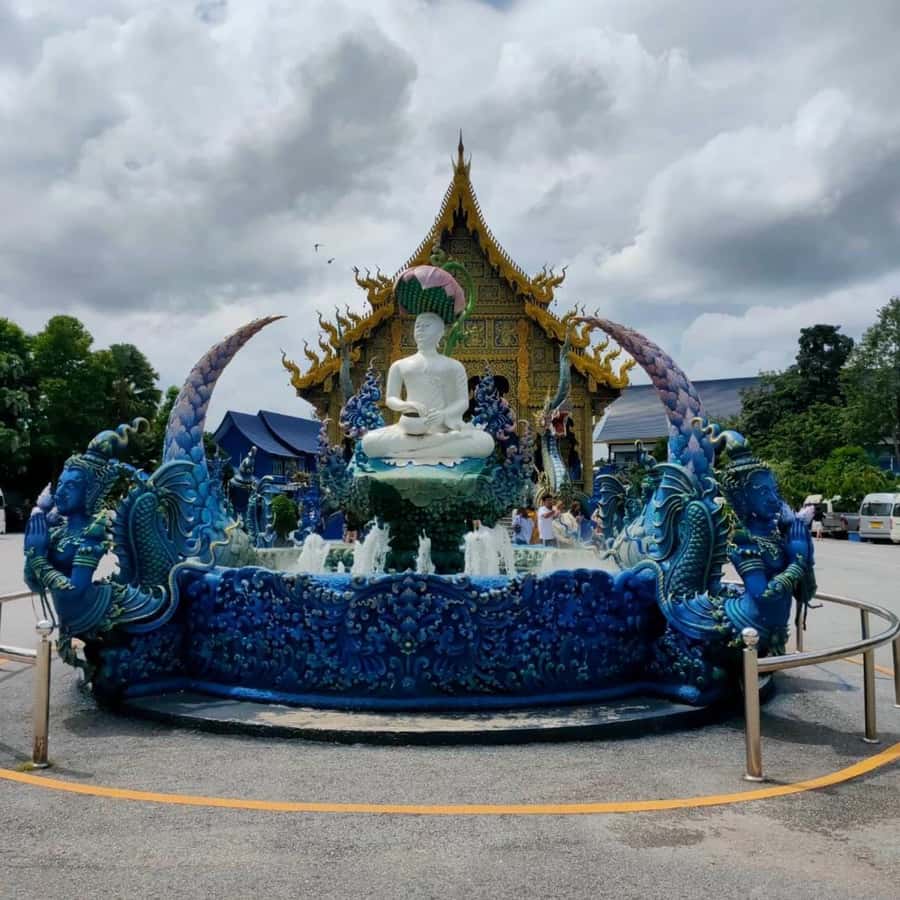
Next is Wat Rong Suea Ten, also called the Blue Temple. This is described as a fascinating fusion of traditional Buddhist values and classic Thai architecture, paired with extremely contemporary design choices.
This is one of the most interesting stops on the itinerary because it’s about contrast. If you loved the White Temple’s art-forward approach, the Blue Temple continues that theme—but in a different style language. It’s a useful reminder that temple art isn’t frozen in time. It adapts, experiments, and expresses ideas through design trends.
You’ll get guided tour and sightseeing time here too. That’s important. With a contemporary temple, you often get more out of it when someone helps connect what you’re seeing to what it represents.
The Guides: Why This Tour Feels Smooth (Even When the Day Is Long)
This is a private group tour with an English-speaking guide, and that’s a big part of the value. The day can easily feel like a checklist if the guidance is weak. Here, the guide experience is repeatedly emphasized as a highlight—people appreciate that the guide doesn’t rush and matches the pace.
You might meet guides such as Nop, Big Bird, Toon, Bird, Austin, Raywat, Tippy, and others. Names can vary, but the pattern stays the same: clear explanations, a patient approach, and practical help like photo support and recommendations for what to do during the day.
Even the driver shows up in the overall quality. This tour uses a private car with air-conditioning and is described as safe and comfortable by many people who took it.
What to Bring and How to Dress for Temple Visits
This is one of those tours where packing is simple but non-negotiable. Here’s what the data directly calls out:
- Long pants (recommended)
- Wear clothes that cover your arms and legs
You’re visiting multiple temples, so you’ll want to feel comfortable while still meeting dress expectations. If you’re traveling in Thailand’s warmer weather, breathable fabric is your best friend—as long as it still covers arms and legs.
Also, drinking water is included, which helps on a long day. Still, you’ll likely appreciate having a small personal pouch for essentials (phone, cash for personal expenses, sunscreen, and any medication).
Who This Trip Suits Best—and Who Might Want a Different Plan
This Chiang Rai temples day trip is ideal if you:
- Want the big icons—White Temple, Rainbow Temple, Blue Temple—in one organized day
- Prefer a guide who can explain what you’re looking at, in English
- Like the idea of a private car so you’re not stuck with bus schedules
- Enjoy photo-friendly places like Lalitta Café without making it your whole day
It may feel less ideal if you:
- Want a super slow, study-focused temple experience
- Hate long drives and tight touring windows (this is about 13 hours, including the 3-hour each-way travel)
- Are planning to go out late after returning to Chiang Mai (drop-off is around 19:30)
If you’re short on time in Northern Thailand, though, this route gives you a high hit-rate on Chiang Rai’s signature sights.
Should You Book This Chiang Rai Temples Trip?
If your goal is to see the standout temples around Chiang Rai without dealing with transport puzzles, I’d lean yes. The price makes sense when you factor in private air-conditioned transport, lunch, English guiding, and the included tickets for the Rainbow Temple skywalk and the White Temple cave of art. This isn’t just sightseeing—it’s a managed day that keeps you moving and understanding what you’re looking at.
I’d skip (or consider a different option) only if you’re sensitive to long driving days or if you want deeply unhurried time at each site. But for most people visiting Chiang Mai, this is a strong way to make one day count.
FAQ
How long is the Chiang Rai temples trip from Chiang Mai?
It’s about 13 hours total, with return drop-off in Chiang Mai around 19:30.
Where is pickup, and is it included?
Pickup is included from your accommodation in Chiang Mai city within a radius of 5 kilometers from downtown. If your hotel is more than 5 kilometers away, you’ll pay extra for transportation.
What temples and attractions are included in the day?
You’ll visit Mae Kachan hot springs, Wat Saeng Kaeo Phothiyan (Rainbow Temple), Wat Rong Khun (White Temple), Lalitta Café, and Wat Rong Suea Ten (Blue Temple).
What admission tickets are included?
Entrance fees are included, plus tickets for the cave of art at the White Temple and the skywalk at the Rainbow Temple.
Is lunch included?
Yes, lunch is included during the day in Chiang Rai.
Do I need to dress a certain way for the temples?
Yes. You should wear clothes that cover your arms and legs, and long pants are recommended.
Is there an English-speaking guide?
Yes, the tour includes an English-speaking guide.
Is this tour wheelchair accessible?
The tour is listed as wheelchair accessible.