REVIEW · CHIANG MAI
Chiang Mai: Long Neck Village & Chiang Rai’s Iconic Temples
Book on GetYourGuide →Operated by Oh-Hoo · Bookable on GetYourGuide
Chiang Rai in a single, packed day? It’s a wild mix of art, culture, and color, centered on Wat Rong Khun (White Temple) and the Karen Long Neck Village. I love how the trip brings you face-to-face with Thailand’s big-name artists and then slows down for places that feel calmer than the usual tourist circuit. I also like that you get a Thai-style buffet lunch plus round-trip transport and site admissions built in, so you’re not constantly doing math or hunting ticket desks. The main thing to watch: this is a long driving day, so comfy mindset matters more than seeing everything perfectly.
What makes this day trip work is the order. You start with Mae Kajan Hot Springs for a warm, low-key break, then you hit the surreal temple trio: the White Temple’s intricate design, the Black House’s strange, art-museum atmosphere, and the Blue Temple’s cooler-toned serenity. And when you’re tired, the tour’s pace still gives you “reset points” instead of a nonstop sprint—hot springs, lunch, and multiple photo-friendly stops.
One more practical note before you go: you’ll want temple-appropriate clothing. Covered shoes, shoulders covered, and long pants are required, and Chiang Rai is far enough from Chiang Mai that dressing for the day also means dressing for the van ride.
In This Review
- Key things I’d plan around
- The big picture: why this Chiang Rai day trip is worth it
- Road Trip Reality Check: pickup times and the 12-hour pace
- Mae Kajan Hot Springs: warmth, time, and the vibe check
- Wat Rong Khun (White Temple): art by Chalermchai Kositpipat
- Baan Dam (Black House): the museum side of Thai contemporary art
- Wat Rong Seua Ten (Blue Temple): calm colors away from crowds
- Karen Long-neck Village: cultural meeting with a real-world edge
- Lunch and included extras: why the buffet makes sense
- Guides and drivers: what makes the day feel smooth (or not)
- Price and value: is $55 fair for all this?
- Who should book this tour?
- Bottom line: should you book this day trip?
- FAQ
- How long is the Chiang Mai to Chiang Rai day trip?
- How much does the tour cost?
- What sites does the tour include?
- What’s included in the price?
- Is there a buffet lunch, and is it included?
- Does the tour skip the ticket line?
- What time do pickups happen in Chiang Mai?
- What is the dress code for temple visits?
- Where will I be dropped off in Chiang Rai?
- Is this tour suitable for people with mobility impairments?
Key things I’d plan around
- Wat Rong Khun’s art-world style: designed by Chalermchai Kositpipat, with details that reward slow looking.
- Baan Dam (Black House) in museum mode: artistic rooms plus bone-related displays that feel unusual and thought-provoking.
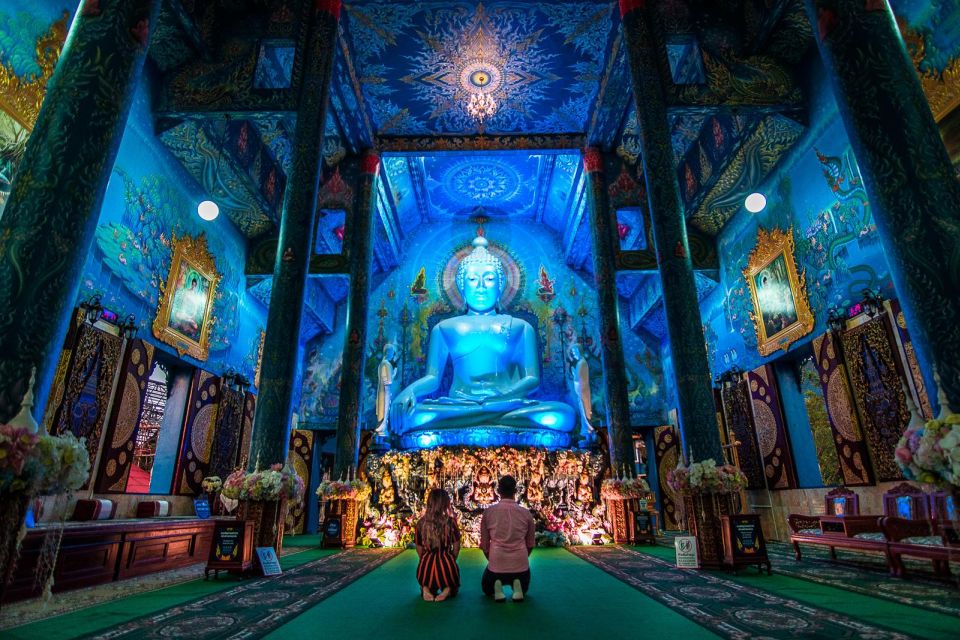
- Wat Rong Seua Ten (Blue Temple): blue color and a quieter feeling compared to the most crowded stops.
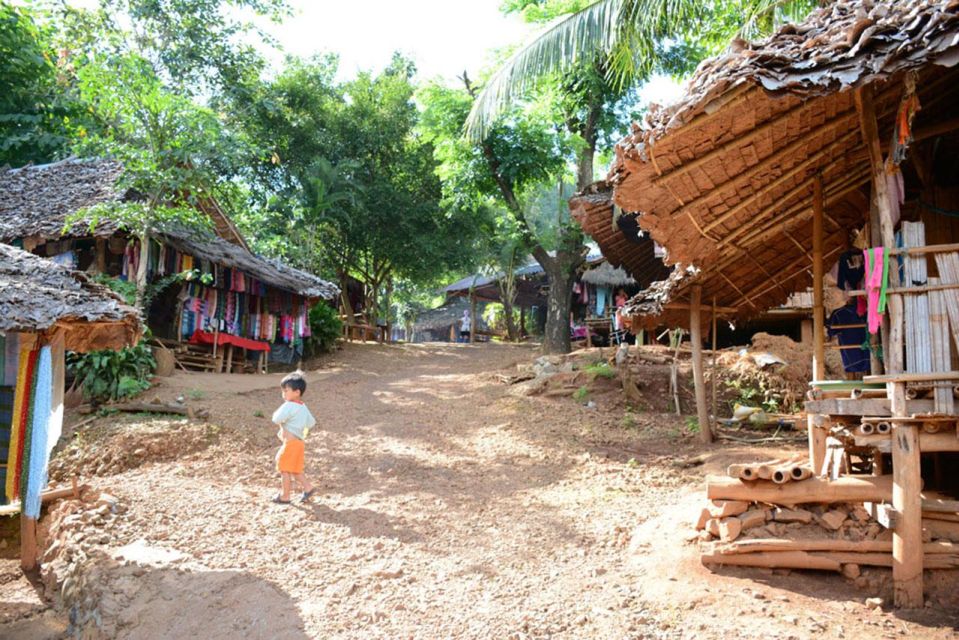
- Karen Long-neck village visit: a cultural stop where you can observe crafts and daily traditions, but it’s also commercial in places.
- Mae Kajan Hot Springs: warm water vibes plus a note of how tourist-friendly the area is.
- English support from the guide: many guides earn praise for clear explanations and timing, like Andy, Maxi, Mit, MM, and Yoyo.
The big picture: why this Chiang Rai day trip is worth it
If you’re basing yourself in Chiang Mai and you want Chiang Rai’s “wow” moments without logistics chaos, this trip is a solid option. You’re getting a full day with round-trip transportation, a live guide (Thai and English), and admission to the sites. That matters because Chiang Rai isn’t next door, so paying for a guided route is really paying for time, convenience, and the ability to focus on the sights.
The other win is variety. You’re not just doing temples. You’re mixing artistic masterpieces, a hot springs stop, and a hill tribe cultural visit tied to the Karen Long-neck community. That combo can be surprisingly balanced: intense visuals in the morning, a warm break, then more art and culture before heading back.
The final piece: the timing is long, but it’s built around real “arrival windows.” Most of the sites are time-boxed, which can feel rushed if you’re a slow photographer. Still, the structure keeps you moving through three iconic visual experiences plus two culture/relaxation stops.
You can also read our reviews of more tours and experiences in Chiang Mai.



Road Trip Reality Check: pickup times and the 12-hour pace
This is a day trip, not a quick excursion. Pickup is available for hotels in Chiang Mai’s old town and Nimman areas, and it starts between 7:00 and 7:30 AM. The operator confirms the exact pickup time by email, so don’t trust vague memories—re-check that message and show up at your lobby at least 10 minutes early.
Expect to get back to Chiang Mai around 7:00–7:30 PM, depending on traffic. Several people highlight that the drive is long, and that the return leg can feel especially grueling. The practical takeaway: bring water (you’ll have drinking water included, but still), wear something that survives a van seat day, and plan for a “one-day sprint” rather than a relaxed sightseeing stroll.
You also need to be aware of drop-off rules in Chiang Rai. Drop-off at the Central Plaza is possible, but it’s described as small-bag only. If you’re carrying souvenirs or a bulky day bag, you’ll want to keep it manageable.
Mae Kajan Hot Springs: warmth, time, and the vibe check
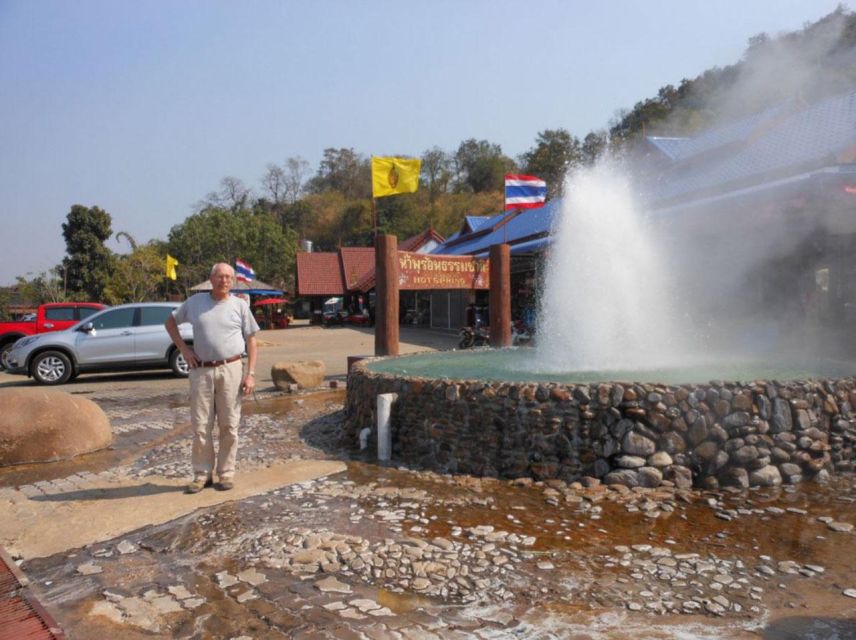
Mae Kajan Hot Springs is scheduled early, and I like it as a warm-up. The idea is simple: before you go full temple mode, you get a chance to slow down in a naturally warm setting.
That said, manage expectations. Some visitors describe it as more tourist-friendly than truly wild, with a lot of shops around and a hot pool rather than a place to splash around freely. In other words, it’s a reset stop, not a private soaking fantasy.
If you go, you’ll be most happy if you treat it like a short wellness pause. Wear whatever makes you comfortable for a warm setting and then transitions back to temples. And keep in mind you’re on a tight route—don’t plan deep spa time here.
Wat Rong Khun (White Temple): art by Chalermchai Kositpipat
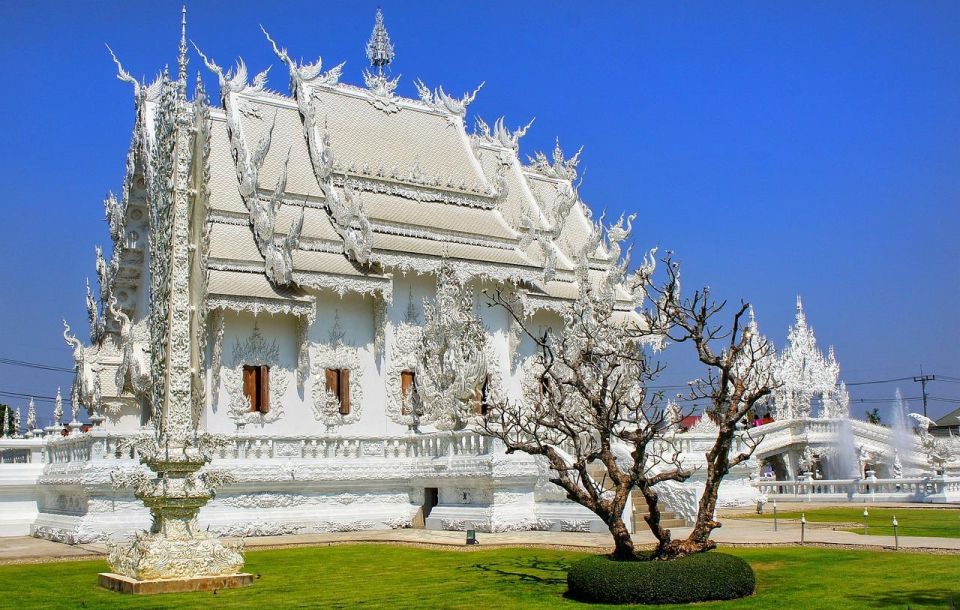
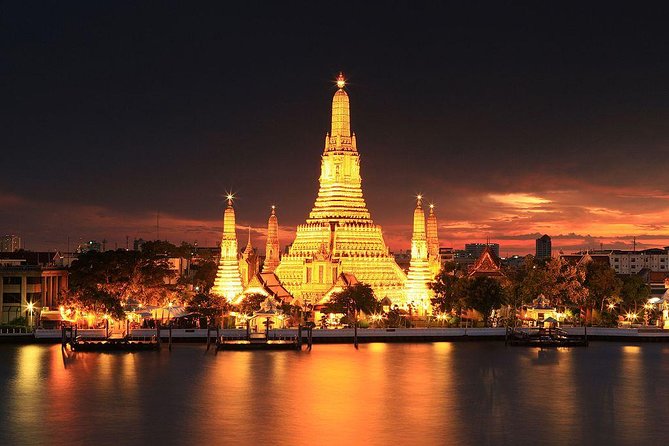
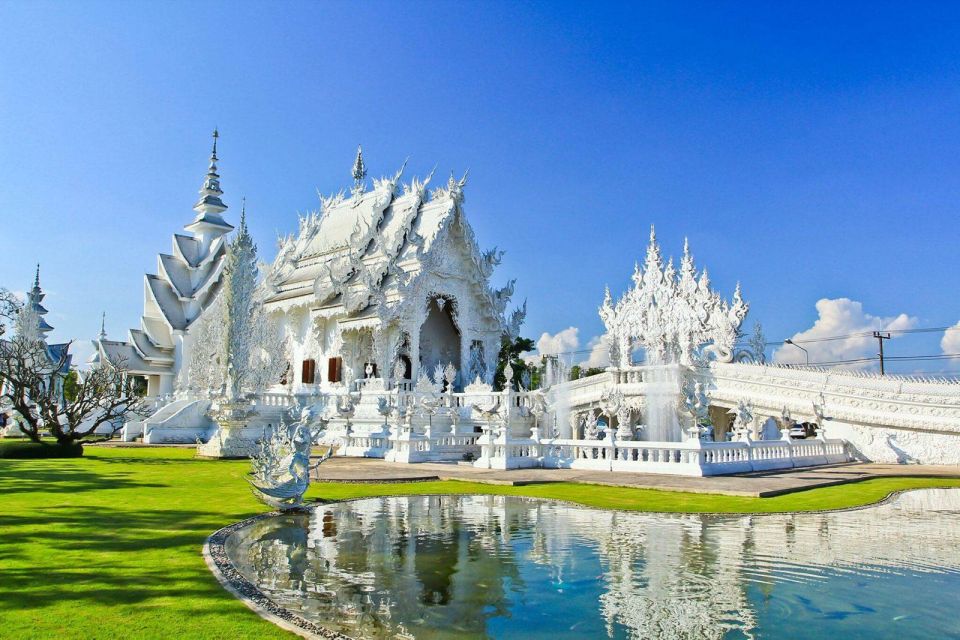
Then you hit Wat Rong Khun, also known as the White Temple. This is one of those places where photos don’t show you the full effect. The design is tightly packed with details, and the overall look is otherworldly.
What I like about including this early in the day is that you’re more alert for it. The White Temple is credited to artist Chalermchai Kositpipat, and the trip frames it as the artistic heart of the day. You’ll also get a guide who can explain what you’re looking at, and many guides are praised for strong English and helpful storytelling.
A realistic note: time at each stop can be short. Some people feel they only had about half an hour for the White Temple, which can limit how much you can really read into the details. If that’s you—if you’re the kind of person who wants to zoom in and stare—bring a phone battery plan and prioritize the parts you want most.
Dress code also matters here. Covered shoes, shoulders covered, and long pants are required for temple visits. If you need a fast outfit solution, plan for it before you leave Chiang Mai.
Baan Dam (Black House): the museum side of Thai contemporary art
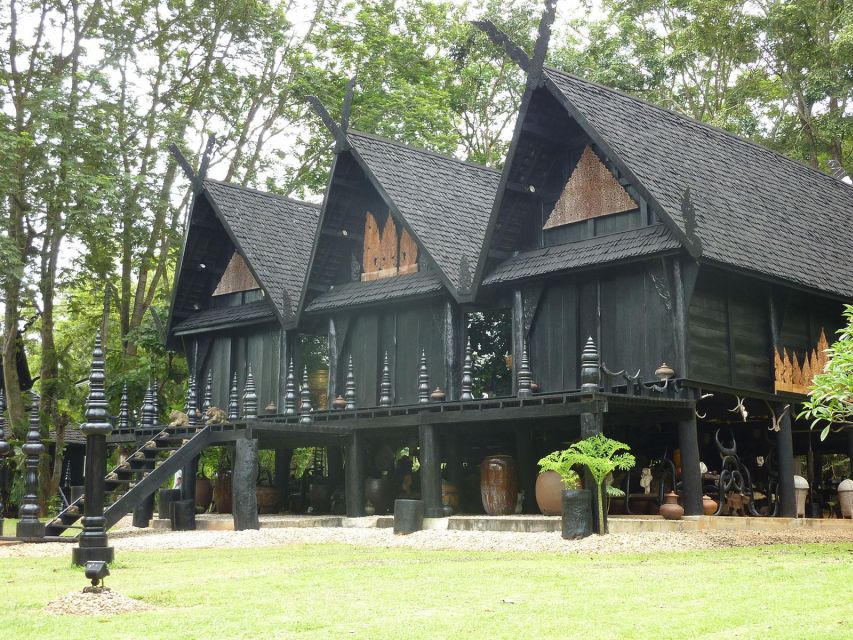
Next up is Baan Dam, the Black House, connected to artist Dr. Thawan Duchanee. This part of the day feels different from the White Temple. Instead of crisp, bright symbolism, you get a darker, more museum-like atmosphere—art rooms with odd, striking installations.
One detail that people mention with interest is the presence of bone-related displays intertwined with the interiors. It’s not a “pretty postcard” stop. It’s the kind of place that makes you ask what you’re supposed to feel, and that can be exactly why it’s worth including.
The upside of going with a guide is that you’re not just wandering in the dark. You can ask questions, and you can learn what the design choices point to. The downside is the same as the other sites: if your visit window is short, you’ll have to pick your favorite rooms and accept that you can’t read everything.
If you like art that feels confrontational or strange—in a good way—this is a highlight.



Wat Rong Seua Ten (Blue Temple): calm colors away from crowds
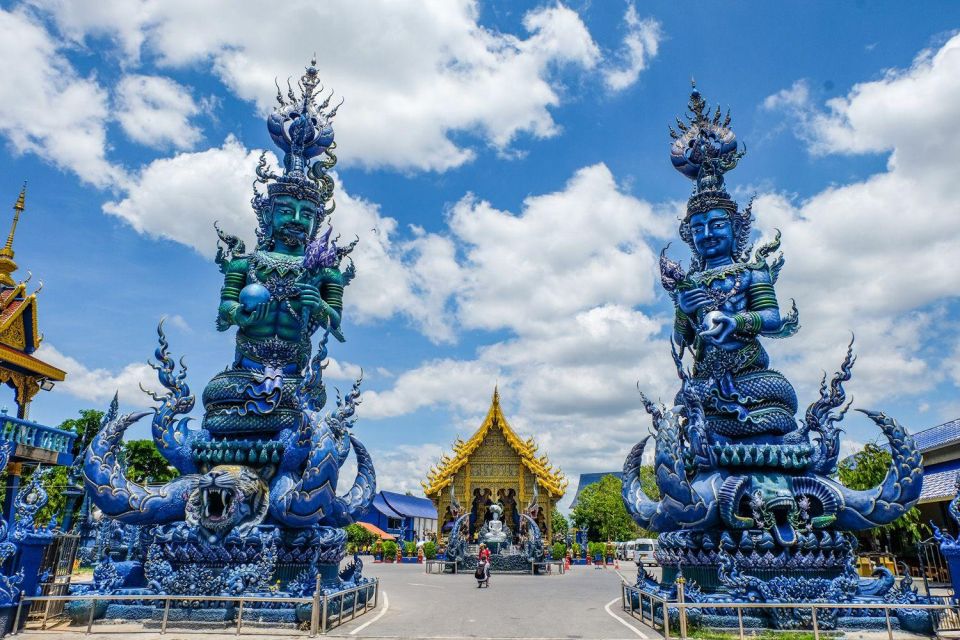
After the Black House’s heavy visual mood, the Blue Temple is a relief. It’s described as serene, with vibrant blue hues in the tour framing (I’d call it electric blue color, not subtle). The key advantage here is psychological: your eyes and brain get a break.
People also say this temple can feel less crowded than the most famous stops. That matters because temple art is more enjoyable when you’re not constantly shifting for other tour groups.
Like the other sites, you’re on a timeline. Some people found temple visits short for deep looking and photography. If you want the best shots, arrive ready—lens wiped, angles in mind, and patience for people moving through.
Karen Long-neck Village: cultural meeting with a real-world edge
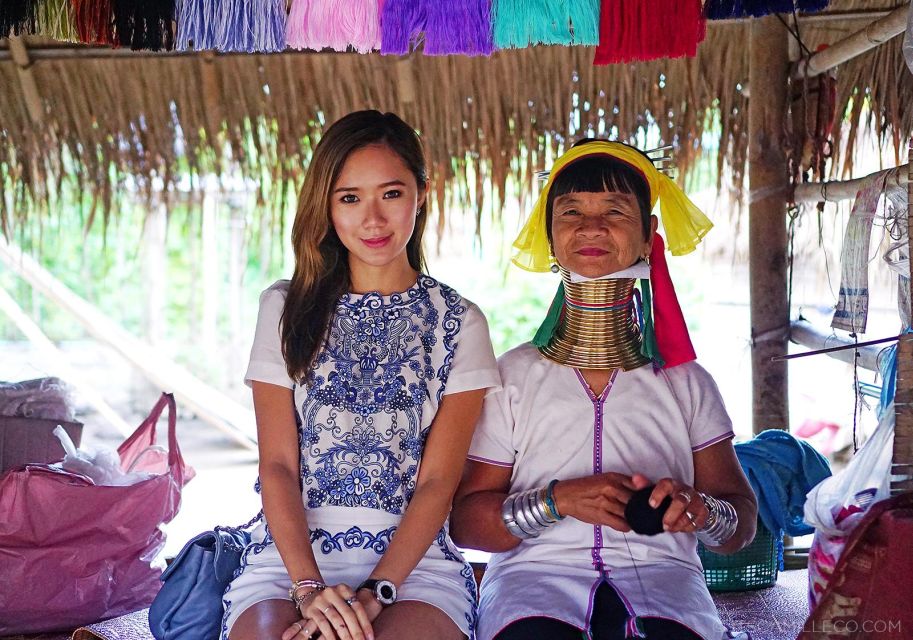
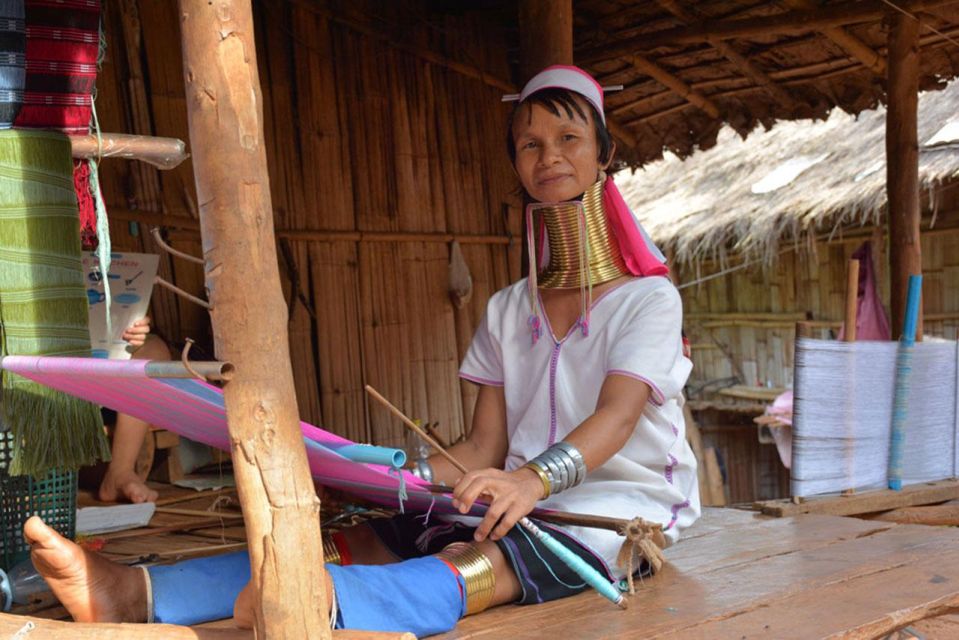
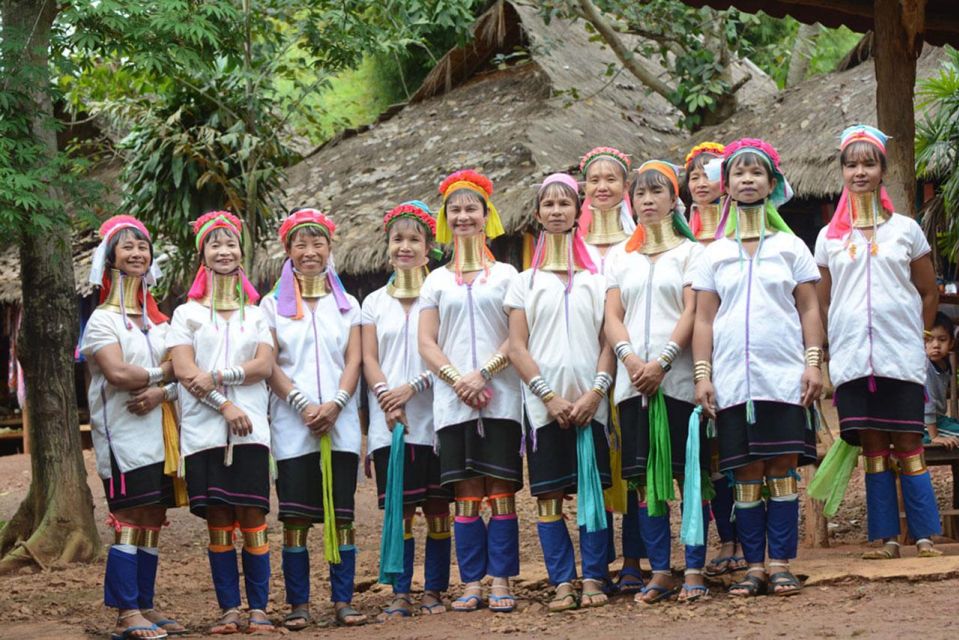
This is the cultural stop that most strongly divides opinions, and I think that’s fair. The tour aims to teach you about the Karen Long-neck community, their traditions, and stories tied to the Long-neck women. Many guides are praised for sharing explanations well, and some guides—like Andy—are singled out for making the Long-neck visit understandable.
Here’s the practical reality: some visitors say the village feels touristic and that it can function like a shopping stop. Others say the women are friendly and that it’s meaningful to observe crafts and creative work in the context of daily life.
So how should you approach it?
- Be respectful and treat it like a human cultural visit, not a photo mission.
- Expect crafts and demonstrations where you can watch making work.
- Ask your guide what’s appropriate and what questions you can safely ask.
- Keep in mind that additional payments can come up at this stop. One mention states a 300 baht payment is required.
If you go with the right mindset—curious, gentle, and aware that tourism and tradition can overlap—you’ll get more out of it.
Also remember: you may not get a full “behind-the-scenes” look at daily living. If that’s what you’re dreaming about, be ready for the fact that a day trip gives you a limited window.
Lunch and included extras: why the buffet makes sense
You’ll get a Thai-style buffet lunch plus drinking water and seasonal fruit. I like this kind of setup on a long day trip because it’s faster than ordering individually, and it keeps you from going hungry between temple stops.
Some people note that what they expected as a simple meal turned into an all-you-can-eat buffet right by the White Temple area. Others mention vegetarian options at the buffet, which is a helpful detail if you eat that way.
The practical point: eat early enough to power you through the afternoon art stops. Don’t go too heavy if you know you’ll get carsick, but do fill up—this is a 12-hour day.
Guides and drivers: what makes the day feel smooth (or not)
The day trip lives or dies by the guide and driver. The good news: many people praise clear English and friendly personalities. Names you may see include Andy, Maxi, Mit, MM, and Yoyo, plus drivers like Dan.
What people repeatedly like:
- Guides who explain what you’re seeing (not just reciting place names).
- On-time hotel pickup and organized pacing.
- Humor and personality that keeps the ride from feeling like homework.
The reality check: a few comments mention guides with uneven English or not enough explanation at each stop. A few also mention uncomfortable bus seating on a long drive, and one story describes a chaotic-feeling return ride. Those issues sound like day-by-day variation, so the best move is to set your expectations: ask questions when you arrive at each site, and speak up if you’re not understanding. A good guide will respond.
Price and value: is $55 fair for all this?
At $55 per person, the value depends on what you’d otherwise pay and how much you value convenience. Here, the price includes:
- Round-trip transportation
- Lunch, drinking water, and seasonal fruit
- Admission to the sites
- A live tour guide in Thai and English
- Ticket-line skipping
Given that you’re crossing from Chiang Mai to Chiang Rai and back, transport costs alone can be significant if you book independently. Then you add admissions and lunch, which can also add up quickly. For most people, the bundled structure is the deal: you pay once, show up once, and spend the day learning what matters.
Is it expensive? Not for this kind of full-day, multi-stop route with admissions included. Is it cheap? Also no. But it looks like a reasonable mid-range option when you compare it to piecing together a long-distance day by yourself.
Who should book this tour?
This is a good match if you:
- Want major Chiang Rai sights without building your own itinerary
- Like art-driven temples and museum-style design (especially the Black House)
- Enjoy cultural visits and don’t mind that a day trip limits what you can see
- Prefer having an English-speaking guide in the mix, not just a map and silence
You might reconsider if you:
- Hate long drives. This trip is a marathon day.
- Need mobility-friendly access. It’s stated as not suitable for people with mobility impairments.
- Want lots of quiet time at each temple. Some visits can feel short.
Bottom line: should you book this day trip?
I’d book it if you want a single day that covers the essentials of Chiang Rai: White Temple art, Black House contemporary weirdness, and Blue Temple color, plus hot springs and the Karen Long-neck cultural stop. The price makes sense because transport, lunch, admissions, and guide time are bundled.
But go in with the right frame. This is mostly a guided checklist with short windows, not an all-day artistic retreat. If you’re okay with a packed schedule and you respect the cultural visit with a thoughtful attitude, you’ll likely come away feeling you got your money’s worth—and you’ll have photos and stories that feel distinctly Chiang Rai.
FAQ
How long is the Chiang Mai to Chiang Rai day trip?
The duration is 12 hours.
How much does the tour cost?
The price listed is $55 per person.
What sites does the tour include?
You’ll visit Wat Rong Khun (White Temple), Baan Dam (Black House), and the Blue Temple, plus a Long Neck Village and Mae Kajan Hot Springs.
What’s included in the price?
Round-trip transportation, lunch (Thai-style buffet), drinking water, seasonal fruit, admission to the sites, and a live tour guide.
Is there a buffet lunch, and is it included?
Yes. Lunch is included as a Thai-style buffet lunch.
Does the tour skip the ticket line?
Yes, it includes skip-the-ticket-line access.
What time do pickups happen in Chiang Mai?
Pickup starts between 7:00 and 7:30 AM, and the exact time is confirmed by email. You should meet your guide at your hotel lobby at least 10 minutes early.
What is the dress code for temple visits?
You need covered shoes, shoulders covered, and long pants.
Where will I be dropped off in Chiang Rai?
Drop-off at the Central Plaza in Chiang Rai is possible, but it’s described as small bag only.
Is this tour suitable for people with mobility impairments?
No, it’s not suitable for people with mobility impairments.