REVIEW · PHUKET CITY
Phuket: Phuket Elephant Care Sanctuary ECO Tour
Book on GetYourGuide →Operated by Phuket Elephant Care · Bookable on GetYourGuide
Mud, fruit, and elephants—yes, in that order. This Phuket Elephant Care ECO tour puts you at the Kathu or Naithon sanctuary with a smooth hotel pickup, plus you’ll do hands-on mud spa time and a rain-shower rinse in about 90 minutes. The only real downside: you’ll get messy fast, so plan for wet gear and swimwear if you don’t want mud on your clothes.
I also like that the experience is built around calm, close-up interaction—feeding seasonal fruit, then learning about the elephants while they forage and socialize. At the end, you paint a small magnetic elephant token to take home, which feels personal instead of just another throwaway souvenir.
In This Review
- Key Highlights You’ll Care About
- Phuket Elephant Care: Why This ECO Tour Feels Different
- The Door-to-Door Setup: Pickup, Snacks, and Getting Oriented
- Kathu vs. Naithon: Two Sanctuaries, One Core Experience
- Fruit Feeding: The Seasonal Feast and the Elephant Introductions
- Mud Spa Scrub Time: Fun, Messy, and Purposeful
- Rain Shower Rinse: The Clean Reset (and Why It’s Included)
- The Magnetic Elephant Token: A Small Souvenir with Real Meaning
- Price and Value: What $70 Really Buys You
- What to Bring (and What Will Annoy You if You Forget It)
- Who This Tour Is Best For (and Who Should Think Twice)
- Should You Book Phuket Elephant Care’s ECO Tour?
- FAQ
- How long is the Phuket Elephant Care ECO tour?
- Is hotel pickup included?
- Where does the sanctuary experience take place?
- What activities are included in the tour?
- What souvenir do I get?
- What should I bring?
- Are large bags allowed?
- Is there a cancellation policy?
- What languages are the guides?
Key Highlights You’ll Care About
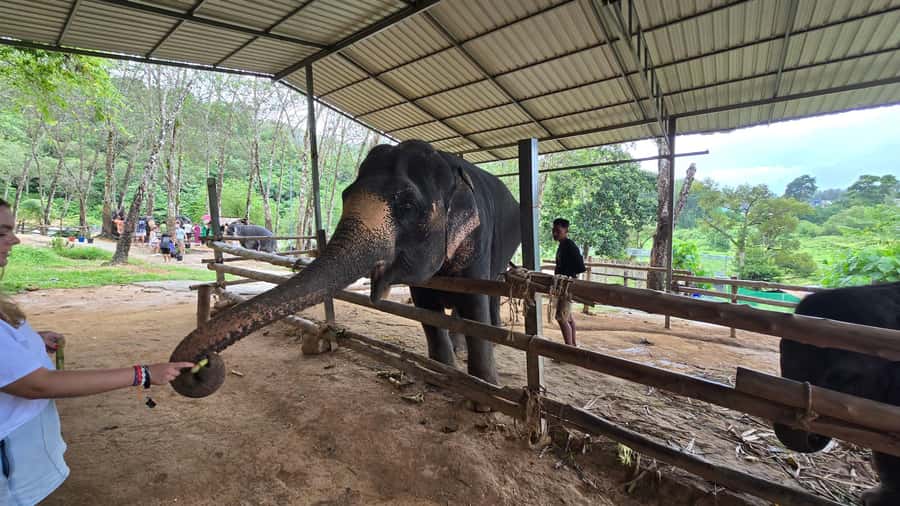
- Kathu or Naithon sanctuary setting: a forest setting with a large natural lake and plenty of space to roam
- Hands-on fruit feeding: a seasonal fruit feast while guides explain each elephant’s background
- Mud spa treatment: you scrub the elephants with special mud used to help wounds from scratches and skin damage
- Rain shower rinse-off: wash away the mud right there
- Paint-your-own magnet: a small elephant keepsake that becomes a keychain
Phuket Elephant Care: Why This ECO Tour Feels Different
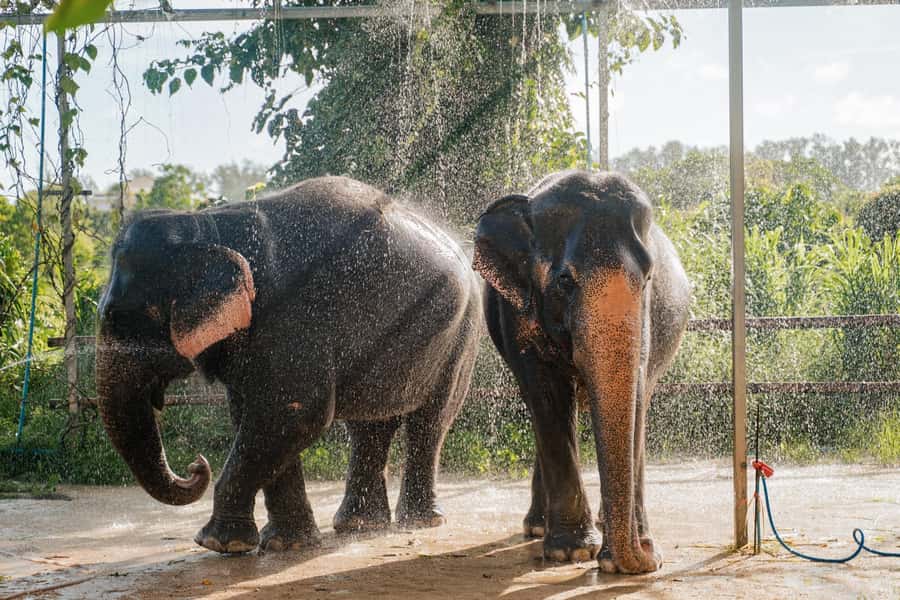
Phuket Elephant Care’s ECO tour is built around one clear idea: the elephants should live as naturally as possible. Your time isn’t about tricks, rides, or short, stressful “photo only” stops. It’s about letting the elephants do elephant things—eat, bathe, move, and interact—while you join in with respectful feeding and spa-style care.
That matters, because your experience in a sanctuary is only as good as the day-to-day life behind the scenes. Here, the tour frames the visit as support for a sanctuary where elephants can roam, forage, bathe, and socialize. You feel that in the flow of the program: you’re prepared for your role, then guided through the activities at a pace that keeps things safe for both people and animals.
You’re also not stuck figuring logistics out yourself. Hotel pickup is offered from Phuket, and the staff begins the visit with coffee and tea, bread, and snacks. That little “get settled” moment can make a big difference, especially if you’re traveling with kids or you’re squeezing the tour into a busy Phuket schedule.
You can also read our reviews of more tours and experiences in Phuket City.

The Door-to-Door Setup: Pickup, Snacks, and Getting Oriented
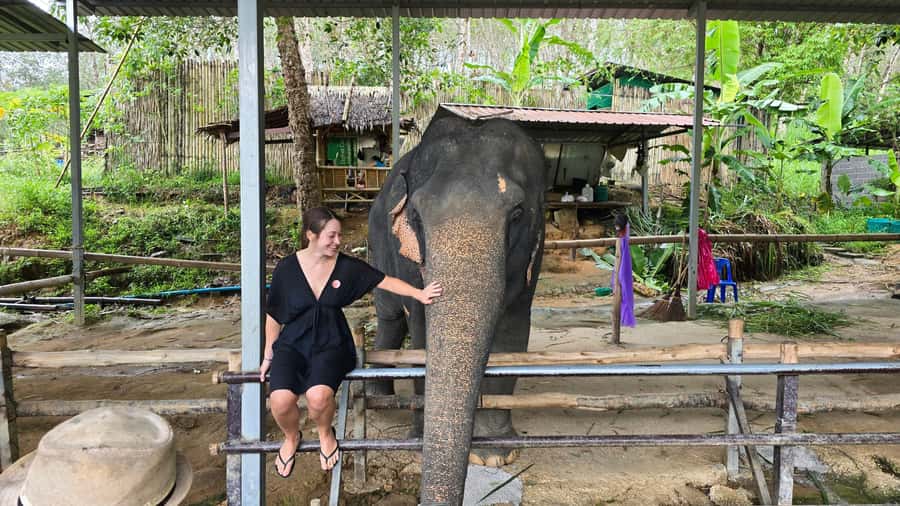
The tour is designed to start with convenience. If you select pickup, a minivan driver collects you from your accommodation in Phuket. You’ll get the exact pickup time by email after booking, which helps avoid the most annoying kind of “meet us whenever” travel.
When you arrive at Phuket Elephant Care, the team welcomes you with coffee and tea, bread, and snacks. The point isn’t just food. It’s a buffer time where you get your bearings before you enter the elephant area. You also get an introduction to advanced ECO tourism, which is meant to set expectations for what “ethical” interaction looks like in practice.
One practical note: you’ll want to wear comfortable shoes from the start. You’re on your feet, and you’ll be close to wet areas later. Flip-flops are useful for the shower stage, but comfortable closed-toe shoes first makes the whole experience less chaotic.
Kathu vs. Naithon: Two Sanctuaries, One Core Experience
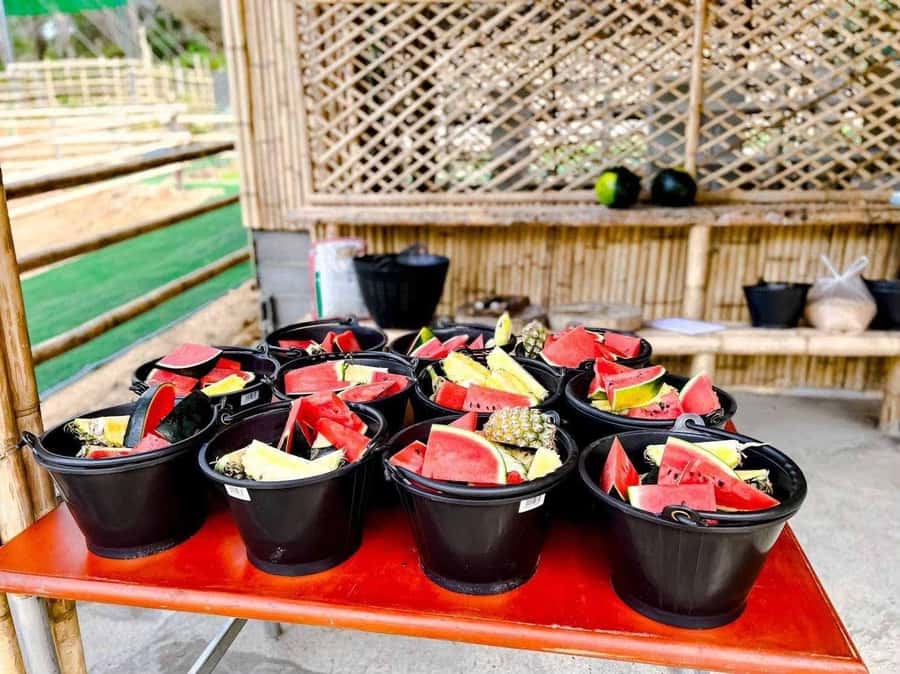
Phuket Elephant Care operates two sanctuary locations: Kathu and Naithon. Both are described as sitting in lush green forest with a large natural lake. That’s a big deal for how the elephants can behave day-to-day, and it also shapes what you see: more than a man-made compound vibe, you get a greener, more natural feel.
Your booking may direct you to one sanctuary or the other, and the meeting point can vary depending on the option booked. Either way, the main activities stay consistent: fruit feeding, mud spa scrubbing, rain shower rinsing, and the paint-your-own magnetic elephant token.
If you care about the setting, don’t overthink it. The bigger win is the program structure and the way the elephants are treated within it.
Fruit Feeding: The Seasonal Feast and the Elephant Introductions
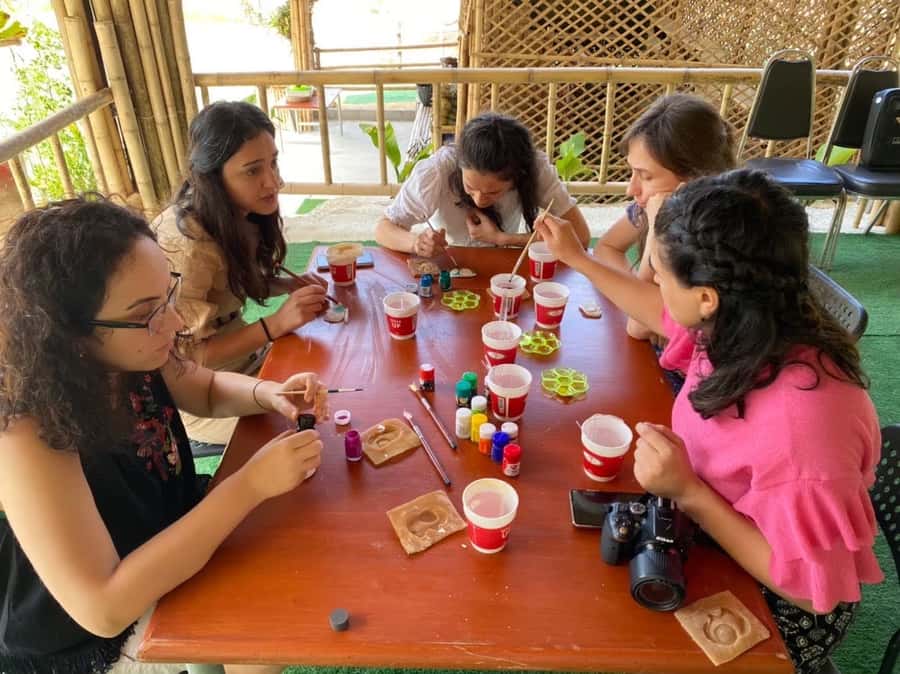
Feeding is the first hands-on moment, and it’s also where you’ll learn fastest how the sanctuary experience works. You’ll feed elephants a seasonal fruit feast, and while they eat, guides explain background details about each elephant.
That “while they eat” timing is important. It keeps attention on safe, calm interaction instead of rushing through instructions. It also lets you see how the elephants forage and respond to familiar routines.
In past groups, guides and staff have been praised for keeping people relaxed around the elephants and for taking lots of photos. You might also get help with capturing your moments—some guides are known for taking photos and sharing them afterward for free. If photos matter to you, this is one of those tours where it’s worth letting staff handle the shooting so you’re not constantly juggling your camera.
Mud Spa Scrub Time: Fun, Messy, and Purposeful
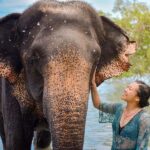
Then comes the part most people remember: mud spa treatment. You’ll scrub the elephant’s skin with mud, and the tour frames this mud as special—used to help heal elephant wounds from scratches and other skin damage.
This is more than a gimmick. The activity is structured like care work, not like a stunt. Your role is supervised, and the whole process is meant to support the elephants’ comfort and skin health.
But yes, it’s messy. Expect mud on your arms, your clothes, and anything you didn’t protect with intention. If you’re deciding what to wear, think in layers: swimwear underneath, clothes you don’t mind getting stained (or bring a change). A towel helps, and you’re provided one, but it won’t protect you from the fun chaos.
One extra tip: bring sunglasses and plan for bright sun. The sanctuary time includes outdoor elements, and the mud phase can turn into a full-day sweat session if you dress like it’s a museum visit.



Rain Shower Rinse: The Clean Reset (and Why It’s Included)
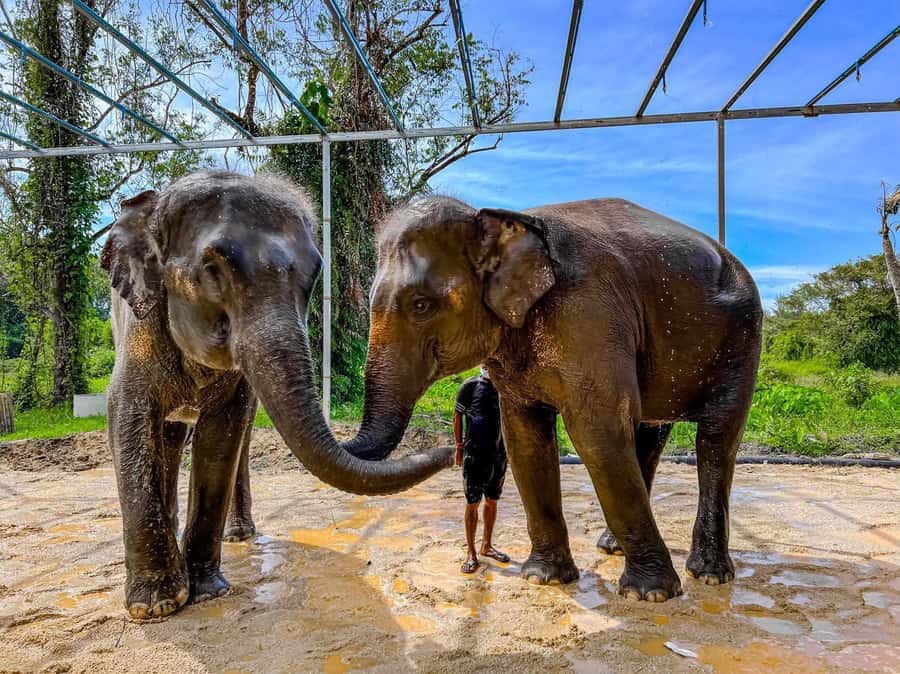
After the mud, you rinse the mud off with a rain shower. This is one of the smartest parts of the itinerary because it turns a potentially gross experience into a complete reset. You’re not sent back to your hotel damp and worried.
Fresh shower time is included as part of the experience, and towels are provided. Some visitors also mention soap as part of the wash, which makes the whole “mud to clean” transition feel more complete.
If you’re planning to take photos right after the shower, you’ll be glad this isn’t optional. You’ll look and feel human again, and you can enjoy the final souvenir moment without rushing to the next stop.
The Magnetic Elephant Token: A Small Souvenir with Real Meaning
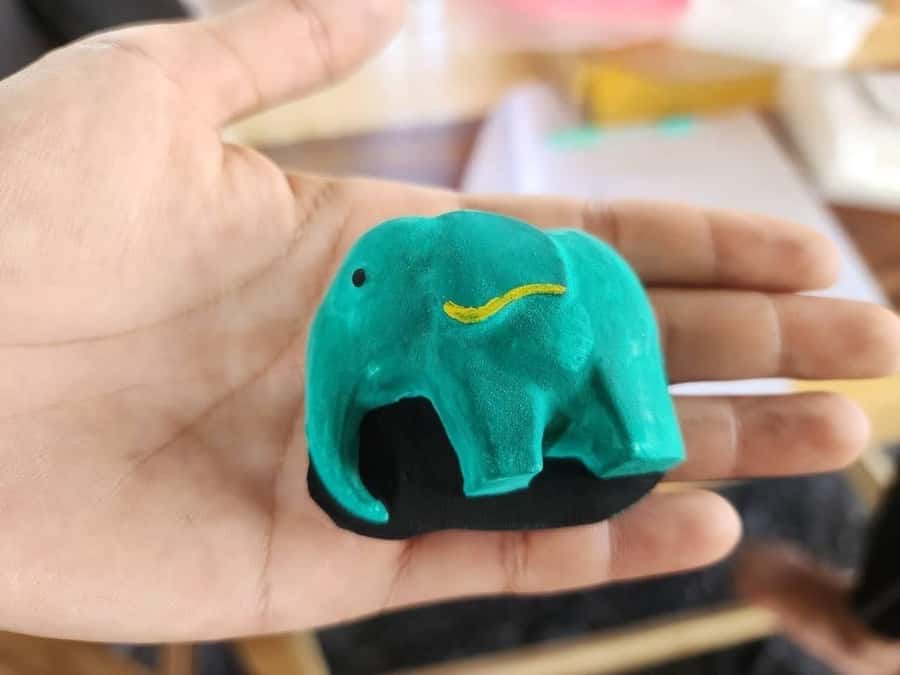
At the end, you paint your own small magnetic elephant token. It becomes a keychain souvenir, which is a nice change from the usual generic trinket.
Why it works: it’s tied to the experience you actually had—feeding, mud spa, and rinsing—so the craft doesn’t feel disconnected. Also, it’s an activity that keeps the day grounded in elephants and care, not just on-demand photo posing.
A final fruit snack closes out the program. It’s simple, but after wet work and sun, it feels like a proper landing.
Price and Value: What $70 Really Buys You
The price is listed at $70 per person. For Phuket, that’s not a bargain on its own, but it also isn’t just a “stand and watch” ticket.
Here’s where the value comes from:
- Hotel pickup and drop-off (when selected): this alone can be a big cost saver versus arranging your own transport
- Multiple guided components: fruit feeding, mud spa scrubbing, and shower rinsing
- Included refreshments and snacks: coffee, tea, soft drinks, drinking water, and seasonal fruit
- Souvenirs included: a painted magnetic elephant token plus a keychain
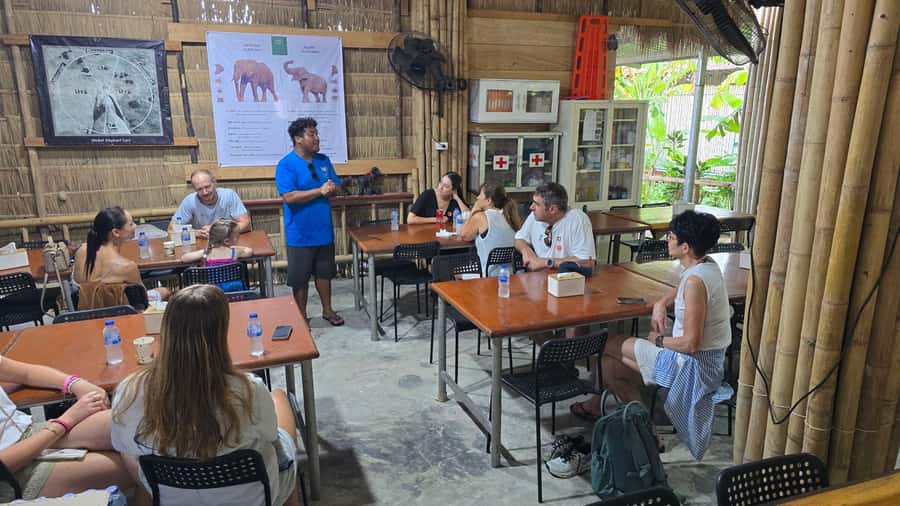
- Professional guide time: you get an actual guided flow, not a self-led experience
The tour is described as 90 minutes, but the itinerary also shows guided tour and local snacks around 3 hours. That likely means the “active elephant interaction” is about 90 minutes, while the full program with onboarding and snacks stretches longer. Either way, the day is structured so you don’t feel shortchanged when you account for the full time commitment.
If you’re comparing sanctuary tours, look beyond price. The real question is: does your ticket include transport, a full sequence of care-like interactions, and a guided explanation? In this case, it does.
What to Bring (and What Will Annoy You if You Forget It)
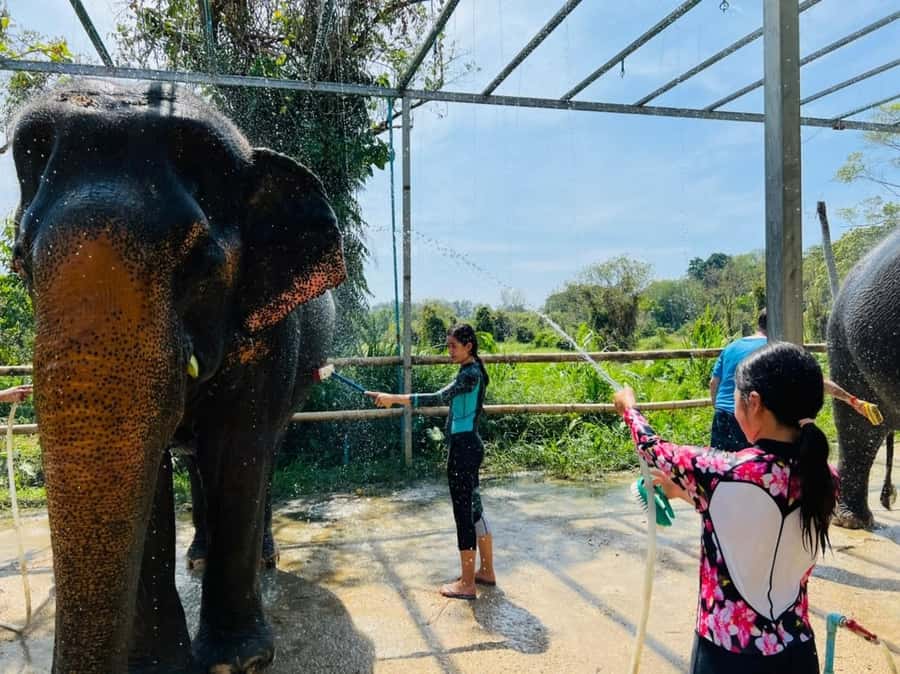
You’ll have a better day if you show up ready for water and mud.
Bring:
- Comfortable shoes
- Sunglasses
- Swimwear
- Camera
- Flip-flops
- Towel (even though one is provided)
- Sun hat
Also, plan your clothes like you’re doing an outdoors spa day. If you hate surprises, don’t wear your best shirt into a mud phase.
Not allowed:
- Drones
- Luggage or large bags
There’s also a luggage rule: luggage exceeding 20 inches can cost 200 THB per bag. If you’re traveling with a bigger suitcase, you’ll want to rethink what you bring or arrange storage with your hotel.
Who This Tour Is Best For (and Who Should Think Twice)
This is a great fit if you want an ethical-feeling elephant experience with real interaction. You get to feed elephants fruit, take part in mud spa scrubbing, and rinse them off—activities that put you in the moment without turning the day into an aggressive performance.
It also works well for families because the program is guided, structured, and short enough to be manageable. Reviews frequently mention kids enjoying it, and the general vibe is “organized and safe,” with staff keeping people comfortable around the elephants.
You might think twice if:
- You strongly dislike getting muddy or wet
- You’re traveling with oversized luggage and don’t want any extra fees
- You’re the kind of person who expects a dry, minimalist experience with no hands-on elements
If you’re open to the “messy-but-meaningful” style of sanctuary interaction, this tour is likely to feel worth it.
Should You Book Phuket Elephant Care’s ECO Tour?
I’d book it if you want a straightforward, guided elephant sanctuary experience that focuses on feeding and spa-style care—plus you want hotel pickup and included refreshments. The strongest reason to choose this tour is the full sequence: fruit feeding → mud scrub → rain shower → souvenir. It feels complete.
I’d skip it only if you’re uncomfortable with wet, muddy activities or you hate carrying swim-ready supplies and changing plans. In other words: if you want elephants, but on your terms like a dry nature walk, this may not match your style.
If you’re deciding between elephant activities in Phuket, pick the one that fits your comfort with hands-on care—and then show up prepared for mud.
FAQ
How long is the Phuket Elephant Care ECO tour?
The tour is listed as 90 minutes. The program timing also shows guided tour and local snacks around 3 hours, so your door-to-door time can feel longer depending on pickup.
Is hotel pickup included?
Hotel pickup and drop-off are included if you select the pickup option from Phuket. The exact pickup time is confirmed by email after booking.
Where does the sanctuary experience take place?
Phuket Elephant Care has two ethical sanctuaries in Phuket: Kathu and Naithon. The tour takes you to one of those sanctuaries.
What activities are included in the tour?
You’ll get an introduction to advanced ECO tourism, feed elephants seasonal fruits, scrub their skin with mud, rinse them off with a rain shower, and paint a small magnetic elephant token.
What souvenir do I get?
You’ll receive a small magnetic elephant souvenir and a keychain as a souvenir.
What should I bring?
Bring comfortable shoes, sunglasses, swimwear, a camera, flip-flops, a towel, and a sun hat.
Are large bags allowed?
Luggage or large bags are not allowed. If your luggage exceeds 20 inches, it may incur an additional fee of 200 THB per bag.
Is there a cancellation policy?
You can cancel up to 24 hours in advance for a full refund.
What languages are the guides?
The live tour guide is available in English and Thai.