REVIEW · CHIANG MAI
Chiang Mai: Exploration of Old City by Private Tuk-Tuk
Book on GetYourGuide →Operated by Oh-Hoo · Bookable on GetYourGuide
If you love small details and big temples, this ride fits. A private tuk-tuk tour turns Chiang Mai’s Old City lanes into an easy loop, with quick stops at the landmarks you actually came for.
I especially like how the open-air ride keeps things comfortable in the heat, plus you still cover the major sights without burning a whole day on transport. And I really value the temple mix: Wat Sri Suphan (the Silver Temple) sits right beside the heavier hitters like Wat Chedi Luang and Wat Phra Singh.
One thing to plan for: this is more transport + a driver than a full, guaranteed English-speaking guide. If you’re hoping for deep explanations in perfect English at every stop, you’ll want to manage expectations.
In This Review
- Key things to know before you go
- Why a Private Tuk-Tuk Feels Right in Chiang Mai
- Pickup and Timing: Make It Easy on Yourself
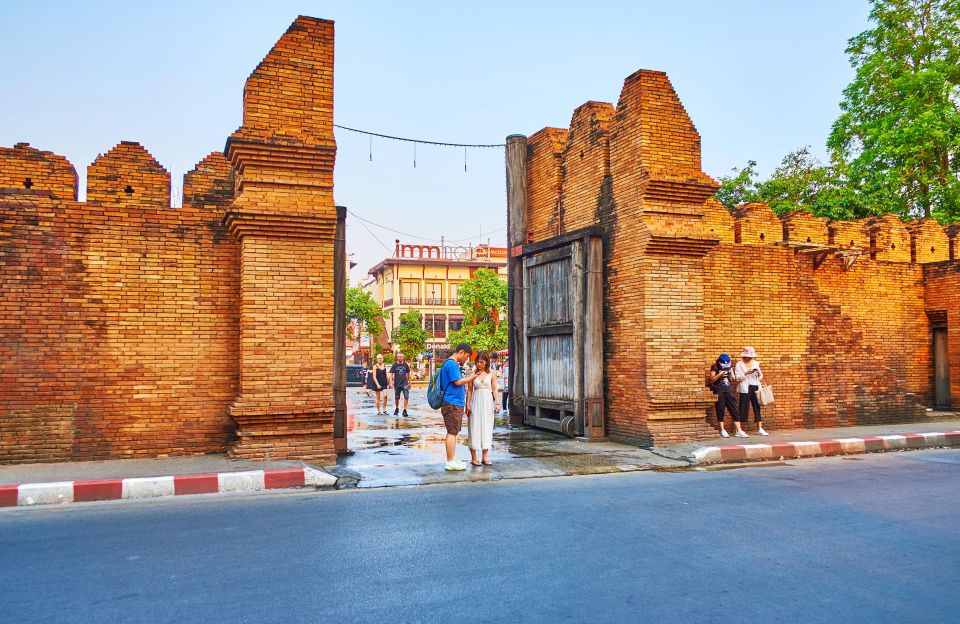
- Tha Phae Gate and the Old City Flow
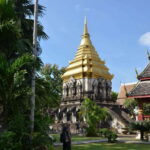
- Wat Sri Suphan: The Silver Temple Stop
- Wat Chedi Luang: Big Structures, Old Stories
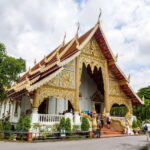
- Wat Phra Singh Woramahawihan: Lanna Architecture Up Close
- Three Kings Monument and Tha Phae Area Sightlines
- Markets at the Finish: Mueang Mai and Warorot
- Price and Value: Is $50 a Good Deal?
- Driver Language and What Counts as “Guidance”
- Temple Etiquette and Access Rules You Should Know
- Who This Tour Suits Best (and Who Should Skip)
- Should You Book This Chiang Mai Old City Tuk-Tuk Tour?
- FAQ
- How long is the Chiang Mai Old City private tuk-tuk experience?
- What does the $50 price include?
- Are entrance fees included?
- Is there an English-speaking guide included?
- Does the tour skip the ticket line?
- Where does pickup happen?
- What if my hotel is outside the pickup zone?
- How many people can ride in one tuk-tuk?
- What should I wear to visit the temples?
- Is this tour suitable for people with mobility impairments?
Key things to know before you go
- It’s private, but not a full guided tour: you get a driver experience, and you may not have an English-speaking guide for explanations.
- Short temple time works here: you’ll get roughly 20 minutes at each key site, so you can see a lot without feeling dragged.
- Dress code matters: cover shoulders and legs before you enter temples.
- Two people per tuk-tuk: max 2 adults; a third person may fit only if small (often a child under about 12).
- Markets are part of the payoff: Mueang Mai Market and Warorot Market make a fun end to temple-hopping.
- Some stops can feel shopping-heavy: a few drivers may add time at stores like jewelry or home goods—if you want temples only, say so early.
Why a Private Tuk-Tuk Feels Right in Chiang Mai

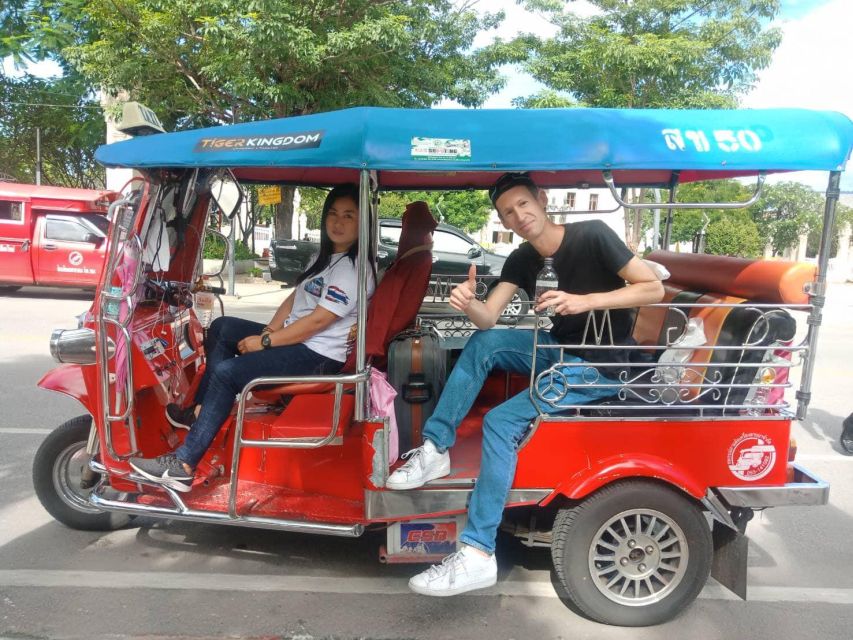
Chiang Mai’s Old City is set up for walking and scooters, not for big, slow vehicles. That’s exactly why the tuk-tuk works so well: you get a front-row seat to the narrow streets, canal-side views, and that laid-back Northern Thailand rhythm—without the constant “how do we get there?” stress.
I like that this isn’t just one temple and a photo. You’re moved around the Old City in a sensible circuit, with enough time at each stop to actually look, not just stand in a queue and rush away. It’s the kind of half-day plan that’s perfect if you want culture but you also want a life outside of your schedule.
You can also read our reviews of more city tours in Chiang Mai

Pickup and Timing: Make It Easy on Yourself
This tour is designed to start from your hotel. Pickup is included within 5 km of Chiang Mai Old City, and the operator confirms your pickup time by email. Do yourself a favor and re-check that email—pickup timing is the whole game for a smooth start.
Plan to be ready at the lobby about 10 minutes before the scheduled pickup. If you’re late, the driver may move on. That sounds harsh, but it keeps the tour from collapsing into chaos—tuk-tuks run on tight street timing.
Also, you’re on an open tuk-tuk. That’s a plus in hot weather (more breeze, less sweaty drama), but it’s still Thai sun. Bring something that handles heat: water, sunscreen, and a hat if you tolerate hats.
Tha Phae Gate and the Old City Flow
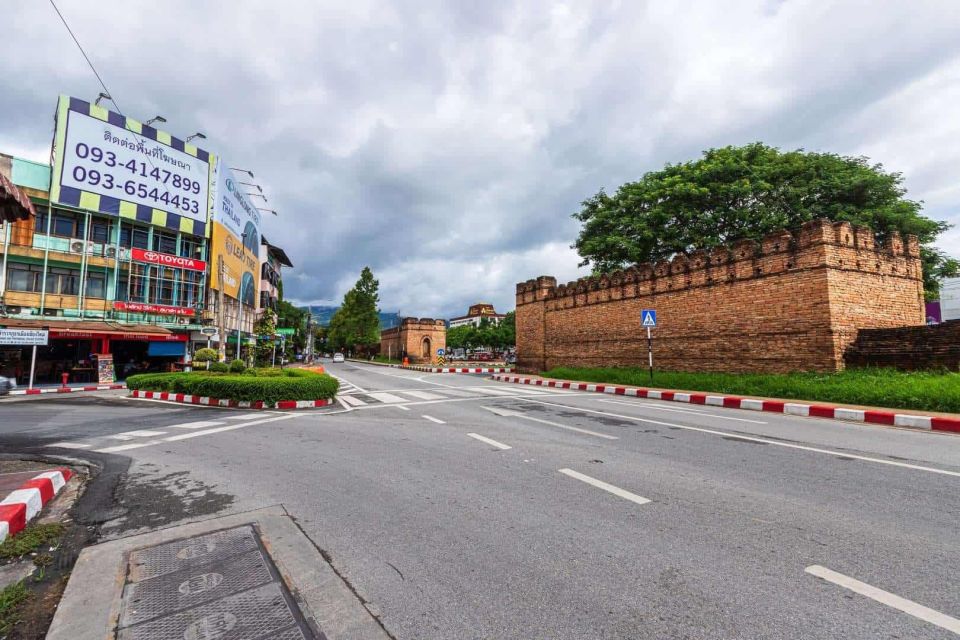
Your day typically kicks off with the Old City area and key entrances like Tha Phae Gate—a place that helps you understand how the city functioned long ago. Gates like this were part of the fortification logic: they weren’t just decorative. They helped shape movement, defense, and daily life.
The tuk-tuk timing matters here. You’ll hit several anchors across the Old City instead of getting stuck in one side and calling it a day. In practice, it means you can do temples first while you still have energy, then transition into markets when your brain is ready for food, snacks, and shopping browsing.
Wat Sri Suphan: The Silver Temple Stop
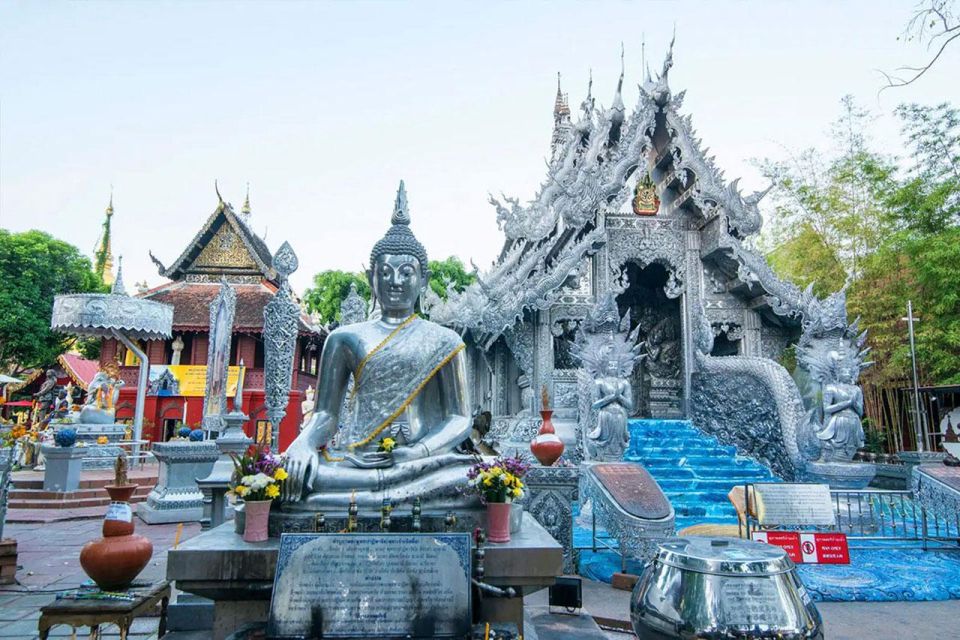
Wat Sri Suphan is famous for its silver styling, and it’s one of the stops that tends to feel different from the more “classic” gold-and-bronze temple look. Expect a close-up experience where you can notice fine details rather than just admiring from a distance.
Timing is friendly: you get around 20 minutes at this stop. That’s enough to enter if you’re dressed properly (covered shoulders and legs), walk around, and still keep your momentum for the next sites.
If you’re the type who likes taking photos, this is a good moment to slow down. The temple surface details can be hard to photograph quickly, and rushing here steals the fun. If you want the best shots, arrive with the mindset of “look first, camera second.”
Wat Chedi Luang: Big Structures, Old Stories
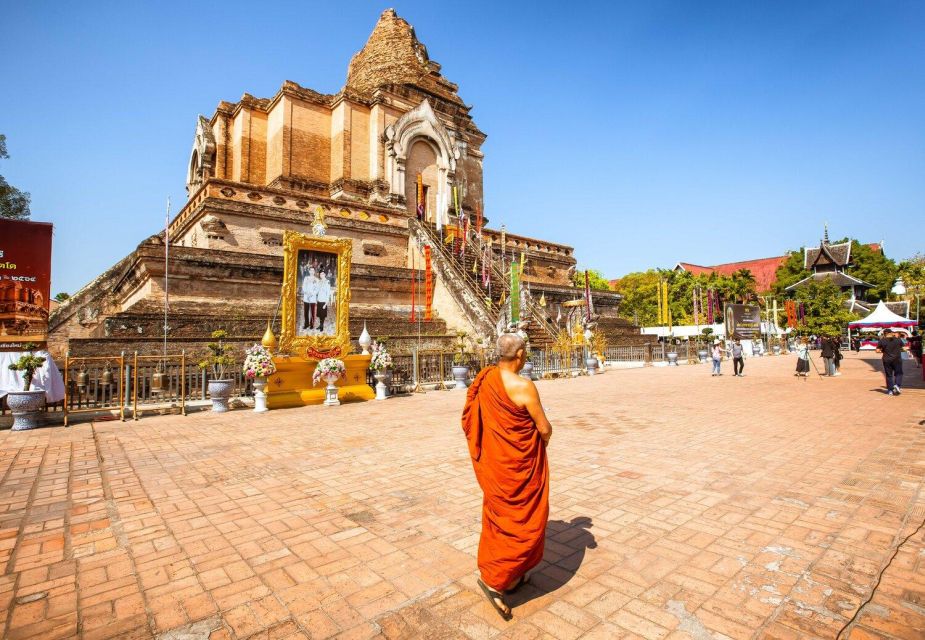
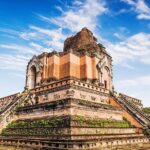
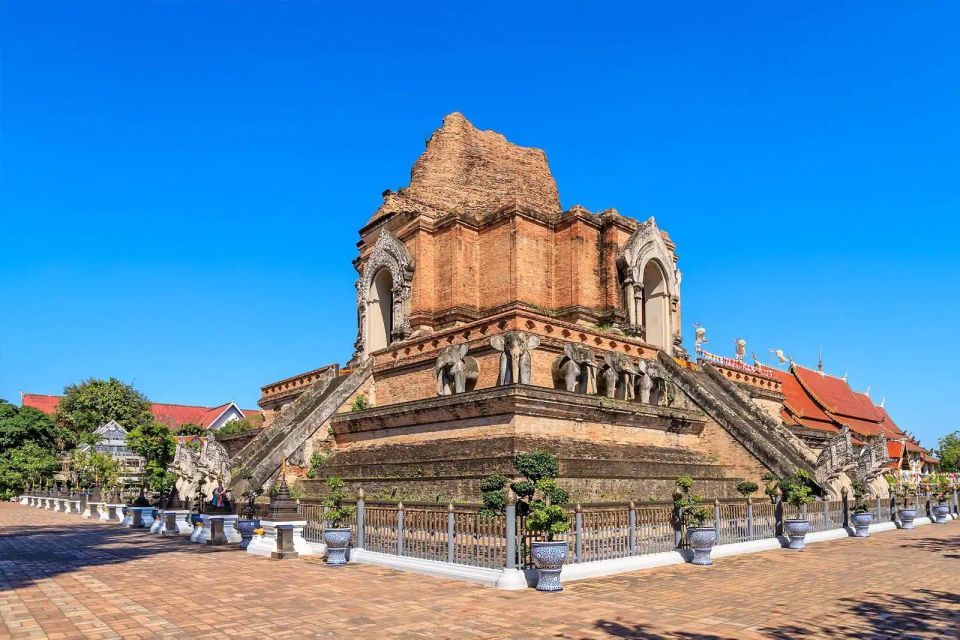
Next up is Wat Chedi Luang, a massive 15th-century landmark. The standout feature is the scale—this is the kind of chedi that makes you realize just how confident and permanent the builders wanted it to feel.
You’ll get about 20 minutes here too. Use that time to do two things:
- Walk a slow circle so you catch the structure angles.
- Look for the cues that signal different eras of restoration and use.
This stop often lands emotionally because it’s tied to important Chiang Mai religious history. It’s also a good temperature break because temple areas usually feel calmer than the street outside.
You can also read our reviews of more private tours in Chiang Mai




Wat Phra Singh Woramahawihan: Lanna Architecture Up Close
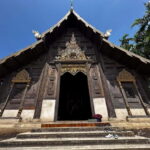
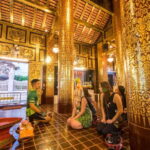
Wat Phra Singh Woramahawihan is one of Chiang Mai’s “must-see” temples, and it’s usually where you feel the Lanna architecture come into focus. The intricate work is the point—this is less about speed and more about observation.
You’re given roughly 20 minutes here. If you try to do everything in 20 minutes, you’ll miss the details. Instead, pick a few targets:
- Look at the patterns and surfaces.
- Scan the ornamentation around the main areas.
- Take note of how the space guides your movement.
If you want to buy a postcard-level photo, you can. But the better payoff is noticing what makes this temple feel different from the others you’ll see later.
Three Kings Monument and Tha Phae Area Sightlines
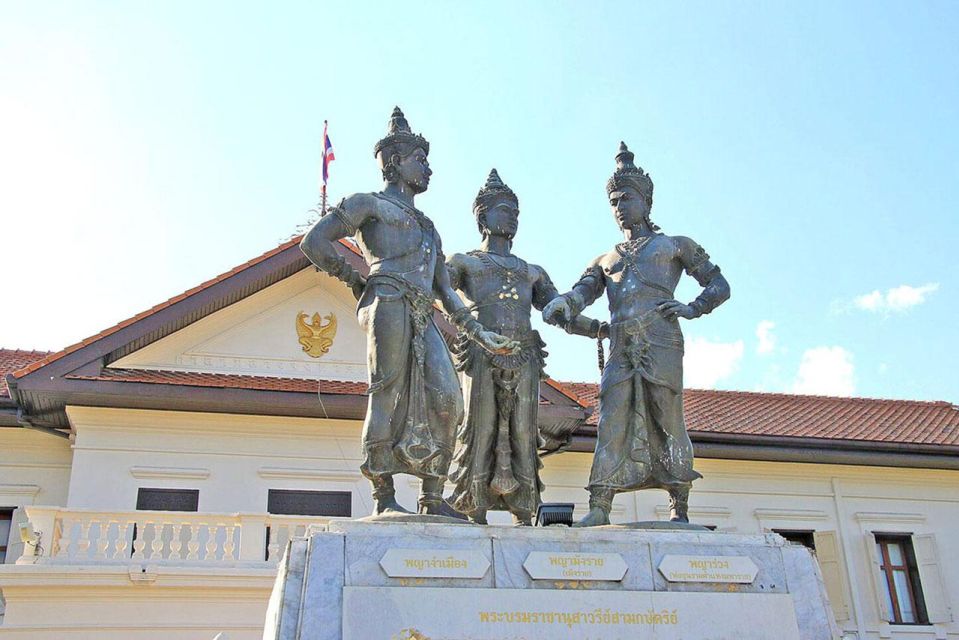
The Three Kings Monument is your “history meets street landmark” moment. It’s iconic and easy to orient around, which helps later when you’re heading toward the market portion of the day.
Then you circle back through areas like Tha Phae Gate, so you see the Old City as a connected system rather than a list of separate dots. The order also helps: you’re not dragging yourself to marketplaces immediately after the hottest temple walk.
This section is a good reset. You’ll have enough time to connect what you saw earlier—gates, temples, and the city’s spiritual spine—without feeling like you’re trapped in “always walking.”
Markets at the Finish: Mueang Mai and Warorot
The last part of your half-day is where your senses kick back in. You’ll visit Muang Mai Market and Warorot Market, with about 20 minutes at each.
Here’s what to do with that time:
- One round for food smells and snacks.
- One round for souvenirs that don’t feel like you’re being rushed.
- If you want produce, grab things you can use quickly (snacks, dried items), not big “I’ll cook this later” items.
Warorot Market especially is the kind of place where you’ll see everyday Chiang Mai life—street-scale commerce, colorful stalls, and a steady flow of locals. It’s a nice balance after temples that can feel more solemn and structured.
If you’re shopping, go in with a budget. Some drivers sometimes suggest other stores during the day (jewelry, home goods, silk-type stops). That may be helpful if you want them. It can also feel pushy if you don’t. You get the most value when you’re clear up front: temples first, markets second, shopping only if it interests you.
Price and Value: Is $50 a Good Deal?
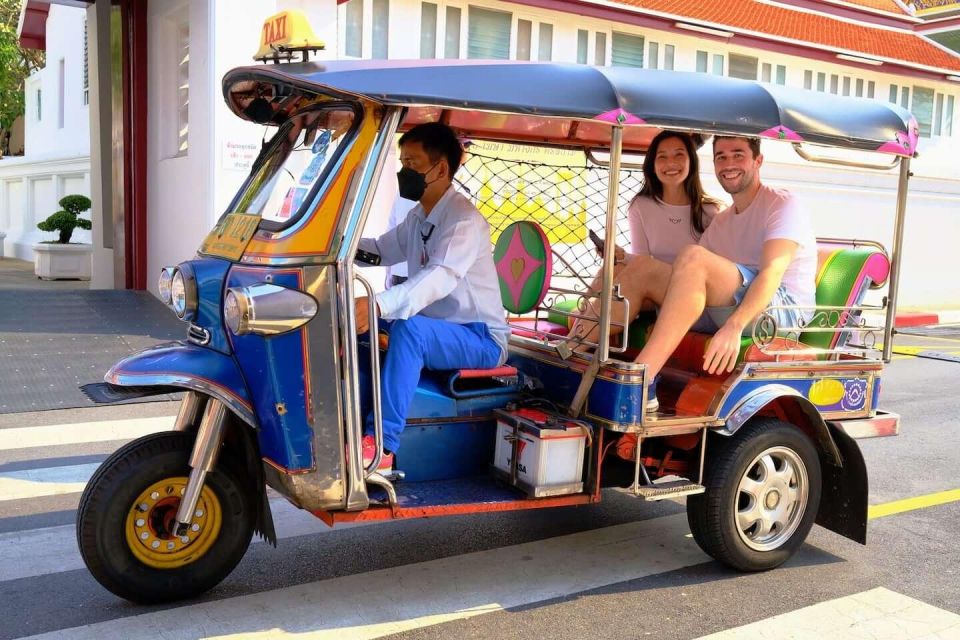
The price is $50 per group up to 2 for a half-day (about 4 hours). That’s the biggest value lever here: you’re paying for convenience and time savings, not just sightseeing.
You also get:
- Hotel pickup and drop-off within 5 km of Old City
- Travel accident insurance
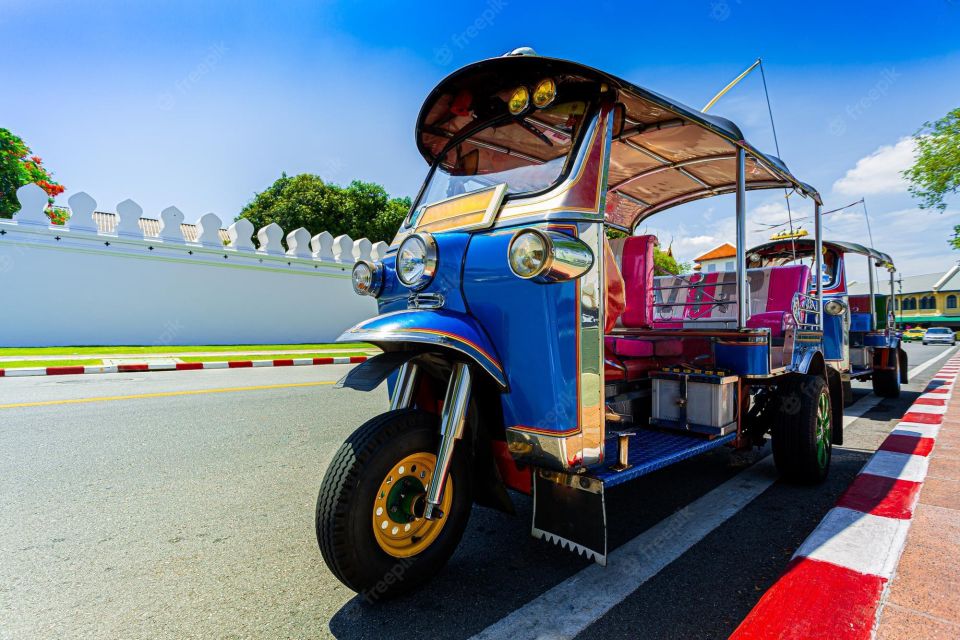
- Tuk-tuk transport for the circuit
- Entrance handling that includes skip-the-ticket-line
Entrance fees are not included. There’s a stated entrance fee amount of 90 THB, and in practice you should plan for paying those temple entry costs on-site.
If you’re going as a couple, the math usually works well because two people share one group price. If you’re solo, you’ll want to check how the operator prices you, since the published rate is built around up to two people per group.
Where the value can vary is guidance. An English-speaking guide is listed as not included, so your experience depends on how much your driver explains along the way. In real life, some drivers are excellent with history and clear English, like Mr D, Son, Padada, Paphada, Allan, and Oy. Others have English that’s harder to follow, so you may only get bits and pieces.
Driver Language and What Counts as “Guidance”
Here’s the honest way to think about this tour: you’ll likely get some commentary, but you should not count on a full professional guide service.
The pattern is simple:
- Good English + friendly history talk = you’ll feel like you’re truly learning.
- Less clear English = you’ll still see the sights, but you’ll rely more on your own reading at the temples.
Either way, the tuk-tuk still does its job. In a day like this, logistics are the real product: you get to hop between key Old City landmarks without navigating parking, street flow, or route timing.
If you care a lot about explanations, bring backup tools: a translation app and the willingness to read signs at your own pace.
Temple Etiquette and Access Rules You Should Know
Before you step into temple areas, remember the basic rule: cover shoulders and legs. It’s not optional, and it’s not just for “nice tourists.” It’s how you show respect and avoid getting turned away.
One more important consideration: some temple areas can have restrictions. In at least one case, certain temples were described as men-only, meaning women could only see parts from the outside. If you’re traveling as a woman, expect that you might not be able to go into every area. That doesn’t make the visit pointless—it just changes what you’ll be able to see.
If you’re using the temple time wisely, outside viewing can still be rewarding. Look for the architectural details you can access. You’re still seeing the temple as it exists.
Who This Tour Suits Best (and Who Should Skip)
This is a strong match if you want:
- A half-day plan that covers major Old City landmarks
- A low-stress way to move through narrow streets
- A fun ride that’s more lively than a car (especially in the heat)
It’s also a good option for families, since the tuk-tuk rides can be a treat between stops. Just remember the vehicle capacity rules: typically two people per tuk-tuk, with a possible third if the person is small enough (around 12 and under).
It’s not suitable for people with mobility impairments, based on the activity guidance. Tuk-tuks and temple transitions are not set up for wheelchairs.
Should You Book This Chiang Mai Old City Tuk-Tuk Tour?
I’d book it if you want a smart, efficient way to see Chiang Mai’s core temples and end with real market time. The private tuk-tuk setup is especially worth it when you don’t want to spend your limited energy figuring out transport between sites.
I’d think twice if your top priority is a detailed, English-led guided narrative at every temple. In that case, you’ll still see a lot, but you may not get the depth you’re hoping for—some drivers are better than others.
If you’re on the fence, here’s my practical test: if you’re comfortable using a translation app and reading temple signs yourself, this tour is a great value. If you want a guaranteed guide-style experience in English, consider looking for a different format.
FAQ
How long is the Chiang Mai Old City private tuk-tuk experience?
It lasts about 4 hours.
What does the $50 price include?
It includes hotel pickup and drop-off within 5 km of Chiang Mai Old City, travel accident insurance, and a half-day tuk-tuk tour.
Are entrance fees included?
No. Entrance fees are not included, with 90 THB listed as an entrance fee amount.
Is there an English-speaking guide included?
No. An English-speaking guide is not included, though the driver may speak Thai and English.
Does the tour skip the ticket line?
Yes, the tour includes skipping the ticket line.
Where does pickup happen?
Pickup is available for hotels within 5 km of Chiang Mai Old City, and the operator confirms the exact pickup time by email.
What if my hotel is outside the pickup zone?
The data says pickup is within 5 km of Old City. If you’re staying outside the zone, you may need to arrange a meeting point.
How many people can ride in one tuk-tuk?
Two people are permitted per tuk-tuk. Depending on size, a third person may fit if the person is small (around 12 or under).
What should I wear to visit the temples?
Cover your shoulders and legs when entering temples.
Is this tour suitable for people with mobility impairments?
No, it is not suitable for people with mobility impairments.