REVIEW · CHIANG MAI
Chiang Mai: Elephant Sanctuary Bamboo Raft & Padthai Cooking
Book on GetYourGuide →Operated by Living Green Elephant Sanctuary Chiang Mai and Chonburi · Bookable on GetYourGuide
Elephants, river splashes, and vegetarian Pad Thai. This full-day Chiang Mai outing pairs an ethical elephant sanctuary morning with bamboo rafting on the Wang River in the afternoon, plus a cooking workshop that lets you eat what you make.
I especially like the way the day is built around no riding, no chains, and no forced performances, and then follows it with a hands-on river adventure instead of a sit-and-stare stop. One thing to keep in mind: it is a packed schedule with a long van ride, and group size can make parts of the cooking workshop feel a bit less individual than you might hope.
Key points worth your attention
- Ethical elephant care focus: walking, feeding, and watching natural behaviors with strict rules in place
- Mo Hom clothing and elephant storytime before you head into the forest
- Vegetarian Pad Thai workshop: cook and then eat your own plate
- Bamboo rafting on the Wang River: you row, and you will get wet
- Weather-dependent moments: elephant river bathing may be skipped when it’s too cold
- Time + transport reality: plan for a full day and a drive that can feel a bit intense in traffic
In This Review
- A full day that starts with Mo Hom clothing and elephant stories
- Elephant sanctuary ethics: what you do (and what you don’t)
- The ethical fine print worth knowing
- Feeding and walking in the forest: the moments that feel most real
- Pad Thai cooking workshop: vegetarian, practical, and actually fun
- Bamboo rafting on the Wang River: rowing time and splash zone
- What if rafting gets canceled?
- Timing, transport, and group size: make the schedule work for you
- What to pack for elephants and the raft (so you don’t suffer)
- Who this trip suits best (and who should skip it)
- Price and value: is $54 a fair deal?
- Should you book this Chiang Mai elephant sanctuary + bamboo rafting day?
- FAQ
- How long is the Chiang Mai Elephant Sanctuary Bamboo Raft & Pad Thai experience?
- Where is the activity located?
- What’s included in the price?
- Is the Pad Thai workshop vegetarian?
- Do you get to ride the elephants?
- Can you feed the elephants?
- What should I bring?
- What happens if the weather is too cold for elephant bathing?
- What happens if bamboo rafting is canceled due to high water?
A full day that starts with Mo Hom clothing and elephant stories
This is a true full-day format, running roughly 08:00 to 17:00 with hotel pick-up and drop-off included. Expect about 9–10 hours on the ground once you factor in the drive out of Chiang Mai Province toward the mountains near Inthanon National Park.
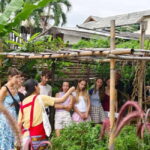
Your day begins with a welcome and a change into traditional northern Mo Hom clothing. It sounds like a small detail, but it helps set the tone: you are not just buying tickets to watch animals. You’re stepping into a culture and a routine that the sanctuary team uses to explain elephant behavior and care.
Elephant sanctuary ethics: what you do (and what you don’t)
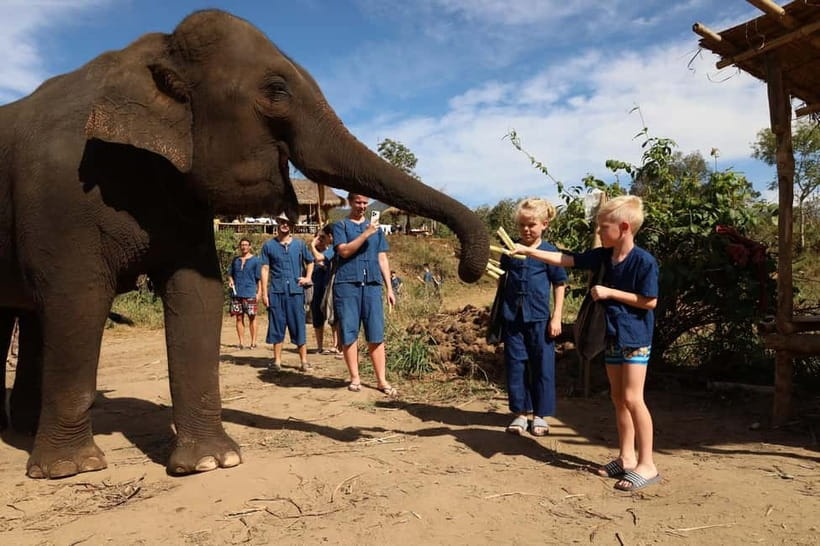
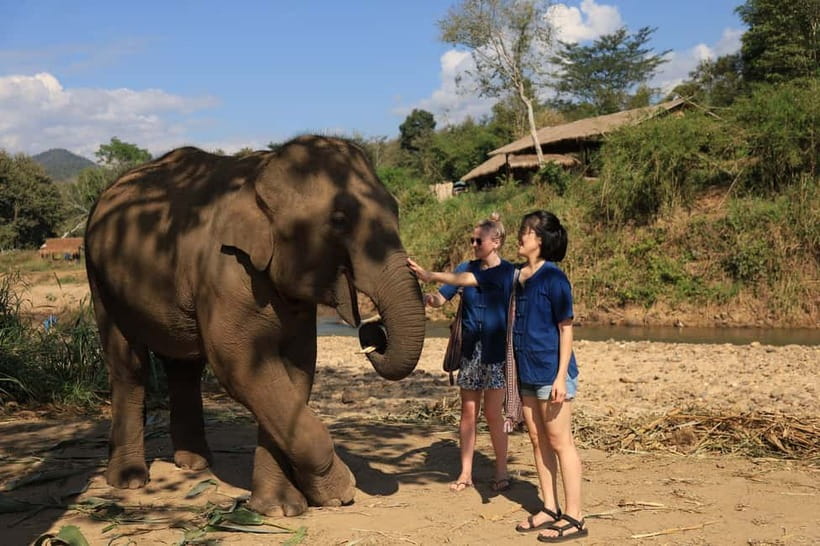
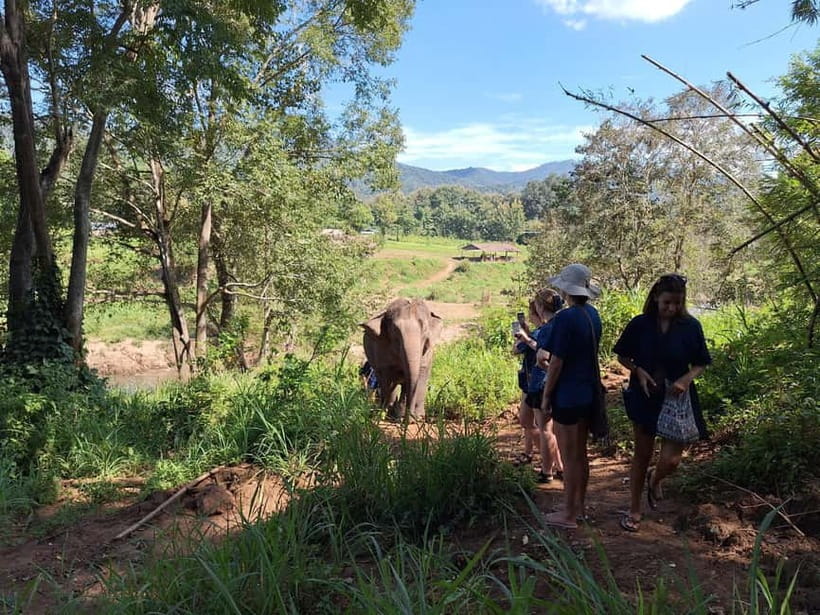
At Living Green Elephant Sanctuary Chiang Mai, the core promise is simple: you don’t ride elephants, and you don’t see chains or forced performances. The experience is built around letting rescued elephants live with dignity and space, while you observe and interact in ways designed to protect them.
Here’s what you can expect during the elephant portion:
- Walk with rescued elephants through the forest with caretakers guiding the pace
- Hand-feed them (instructions come from the sanctuary team)
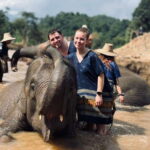
- Watch natural behaviors, including playful moments around water and mud baths (weather permitting)
- Spend additional time at the sanctuary after the rafting, so the elephants aren’t just a quick photo stop
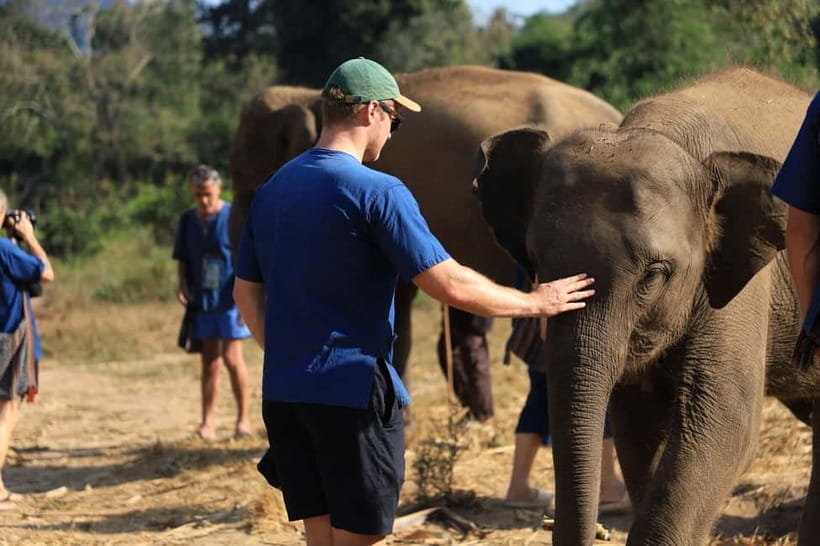
A theme that shows up again and again in how people describe the day: the caretakers keep the elephant welfare front and center, and they emphasize that the elephants choose what they do. You’ll still be close enough to really notice the details—how they move, what they pay attention to, and how they respond to people when things are calm.
You can also read our reviews of more cooking classes in Chiang Mai


The ethical fine print worth knowing
Even in well-run sanctuaries, you should treat the visit as a guided care-and-conditioning space, not a true wild experience. One built-in consideration from the way these elephants live is that they are familiar with humans and have ongoing caretaking routines, not pure independence. That doesn’t automatically mean the experience is wrong—it just helps you calibrate expectations.
If your personal line is zero human contact, then this kind of sanctuary visit may not fully match your ideals. If your goal is to meet elephants in a harm-reduction, no-riding setting and learn how caretaking works, this format is a strong fit.
Feeding and walking in the forest: the moments that feel most real
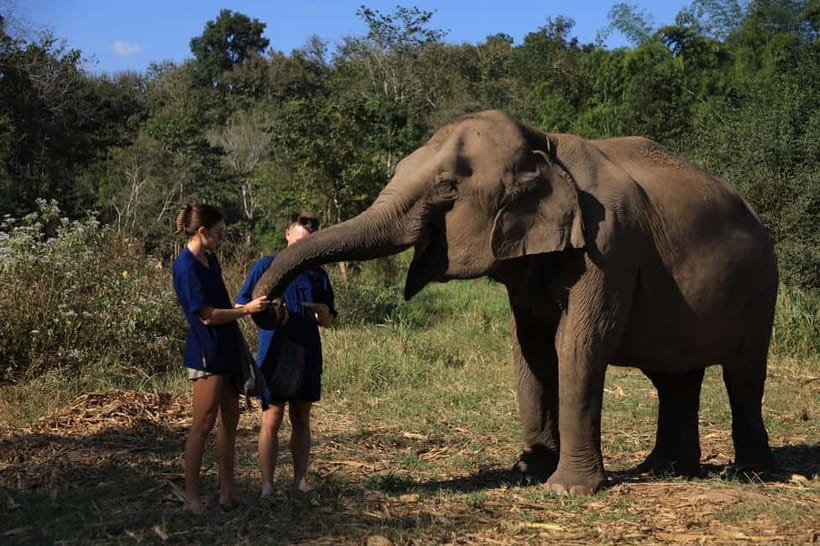
The elephant walk is where the day slows down. Instead of a rigid show format, you’re moving through a natural setting while caretakers manage the group and guide you on how to behave around the elephants.
You’ll likely notice two things quickly:
- Care instructions matter. You’re taught what to do and what not to do, and the team keeps things orderly without turning the day into a performance.
- Elephants set the pace. You may spend time waiting for them to move, pause, or decide to come closer. That can feel frustrating if you’re chasing constant action, but it’s also the point.
If you get time with elephants who are in a playful mood, it’s genuinely memorable: people describe moments like watching them in the river and at mud baths, when conditions allow.
Pad Thai cooking workshop: vegetarian, practical, and actually fun
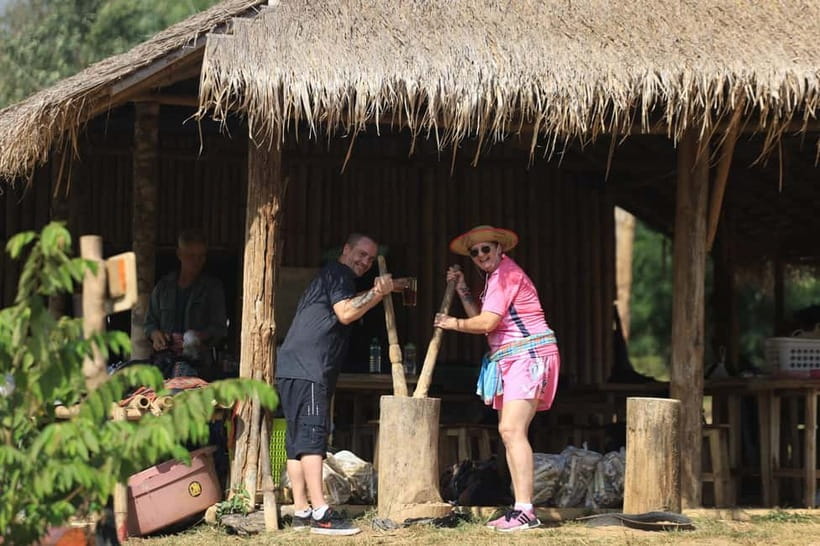
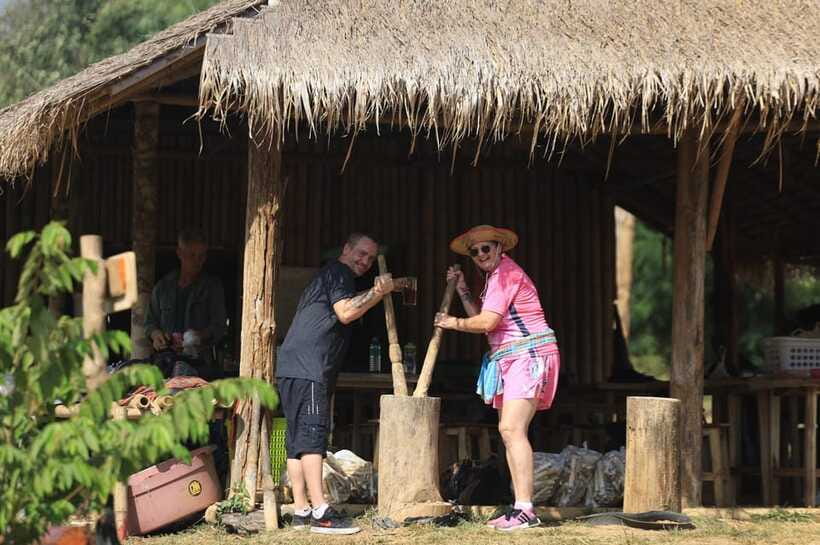
After the morning elephant time, you switch to food. The Pad Thai Cooking Workshop runs before lunch, and you do the cooking—then you eat what you made.
A few practical realities to know:
- This is a vegetarian workshop, and lunch is built around your own handmade vegetarian Pad Thai.
- You should expect a shared, group-style kitchen setup rather than a private class. Some people feel it can get a little less hands-on when the group is large, because multiple participants may share cooking stations or pans.
The upside is that it’s still a real skill-building moment. You’ll learn the basics behind the flavors and techniques that make Thai street-style pad thai work, and you’ll have a meal that tastes different from what you might order casually back in Chiang Mai.
People also mention fresh fruit as part of the lunch spread. And yes, you should take advantage of the water provided during the day, especially since the rafting section can get physically messy fast.
Bamboo rafting on the Wang River: rowing time and splash zone
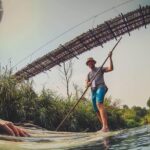
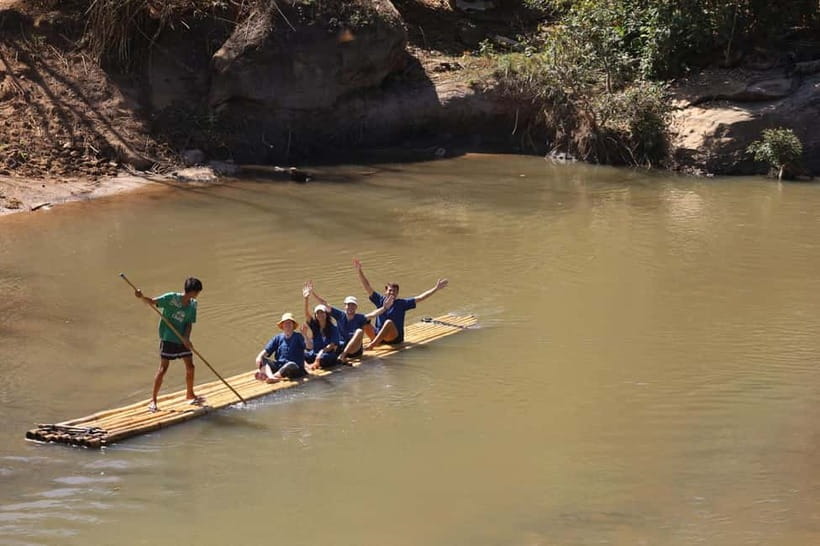
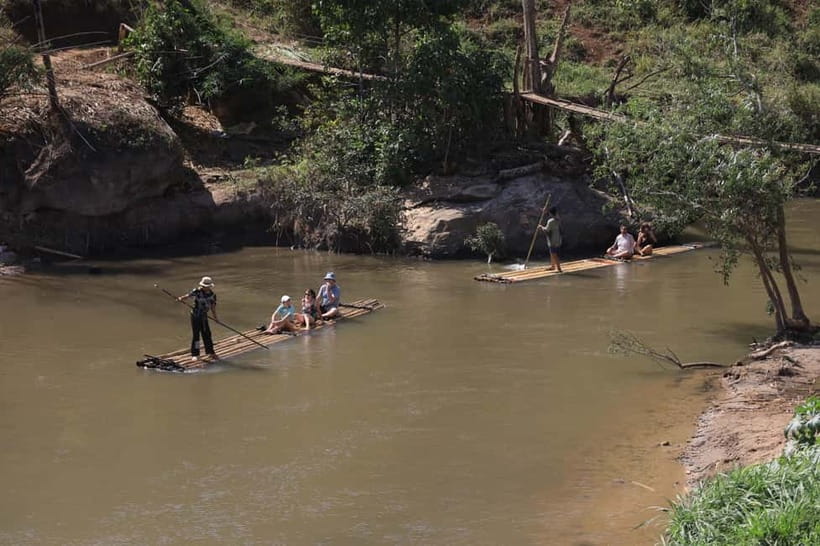
Then comes the afternoon shift to the river. You head to the rafting point and spend about an hour on bamboo rafts on the Wang River with a local raft master. You’re not just sitting there. In many cases, you row and help move the raft, which is why the whole thing feels more like an activity than a ride.
Two key expectations to set from the start:
- You will get wet. People straight-up plan for it, because you’re literally seated over water and splashes happen.
- The river part is both scenic and social. If your raft master turns up the energy, you’ll feel it in the group, and the vibe gets silly in a good way.
The best rafting moments happen when you stop thinking about photos and start noticing the rhythm: bamboo under you, water moving around the raft, and jungle edges sliding by.



What if rafting gets canceled?
If the rafting can’t run due to high water levels, there’s an on-site refund of 200 THB per person. It’s not a full cash-out guarantee in the same way everywhere, so if rafting is your top priority, bring a little flexibility into your day.
Timing, transport, and group size: make the schedule work for you
The day is long for a reason: elephants first, then food and river time, then more elephant time, then the drive back. The drive is about 1.5 hours each way, and traffic can affect the flow.
Transport is also a mixed bag. Some people describe the minibus ride as intense—fast driving and uncomfortable seats. Others report comfort. So I suggest treating it like a reality check: bring patience, sit where you feel safest, and keep yourself hydrated.
Group size can be the other variable. One person noted that the day felt busier than expected, with a large group affecting how hands-on the cooking segment feels. That doesn’t ruin the day, but it does mean you should go in expecting a shared experience, not a personal one-on-one cooking class.
What to pack for elephants and the raft (so you don’t suffer)
You’ll get wet on the raft and you might get muddy or damp depending on elephant water time. The sanctuary also asks you to wear clothes you don’t mind getting dirty.
Bring:
- Hat and sunscreen
- Swimwear, plus a change of clothes
- Towel
- Sandals (and something that won’t wreck in water)
- Insect repellent
- Comfortable clothes you can trash a little
- Water (even though drinking water is included)
- A waterproof phone case if you don’t want to risk your phone during splashes
If you wear contacts, consider sunglasses and a backup pair plan. Thai river sun plus wet bamboo rafting can be bright and unpredictable.
Who this trip suits best (and who should skip it)
This experience is best for you if you want:
- An elephant encounter without riding
- Real time walking and observing rescued elephants in their daily care setting
- A Thai food experience that includes a vegetarian Pad Thai workshop
- A fun afternoon activity that gets you moving, not just watching
But it’s not suitable for:
- Children under 8
- Pregnant women
- People with back problems
- People with mobility impairments
That matters because the day includes walking time and the rafting situation can be physically bumpy and wet.
Price and value: is $54 a fair deal?
At about $54 per person, this is priced like a full package day, not a single-activity ticket. You’re paying for a lot that would cost extra if booked separately:
- Round-trip transportation from Chiang Mai
- Traditional northern clothing for the visit
- An English-speaking tour guide for the whole flow
- Elephant time with trained caretakers
- A Pad Thai cooking workshop plus lunch (your own vegetarian Pad Thai)
- Bamboo rafting with a local raft master
- Insurance and drinking water
When you break it down, the value comes from the mix: elephants + cooking + rafting. If your only goal is a short elephant visit, this might feel heavy. If you want one day that covers multiple parts of northern Thailand life—food, river life, and elephant care—this price is easier to justify.
Should you book this Chiang Mai elephant sanctuary + bamboo rafting day?
Book it if:
- You want a no-riding elephant experience that focuses on welfare and natural behavior
- You’re excited to cook your own vegetarian Pad Thai and eat it right away
- You don’t mind getting wet and you enjoy a little river chaos on bamboo rafts
- You like guided days that feel busy but structured
Skip it or think twice if:
- You strongly prefer smaller group experiences where every participant cooks solo
- You get motion-sick or hate physically wet activities
- You have mobility or back limitations that make the walk/raft sections hard
If you go with the right mindset, this day can be a memorable mix: calm elephant moments in the morning, a hands-on food lesson that feeds you, and then a rafting session that turns the afternoon into an actual story you’ll tell later.
FAQ
How long is the Chiang Mai Elephant Sanctuary Bamboo Raft & Pad Thai experience?
The full-day program runs about 9–10 hours (listed as roughly 08:00–17:00), including transportation.
Where is the activity located?
It’s in Chiang Mai Province, with the sanctuary near the mountains of Inthanon National Park (about 1.5 hours from Chiang Mai).
What’s included in the price?
Included are hotel pick-up and drop-off, traditional northern clothing, an English-speaking tour guide, the Pad Thai cooking workshop, lunch (your own vegetarian Pad Thai), drinking water, elephant time, bamboo rafting with a river guide, and insurance.
Is the Pad Thai workshop vegetarian?
Yes. You’ll cook vegetarian Pad Thai, and lunch is your handmade vegetarian Pad Thai.
Do you get to ride the elephants?
No. The experience is described as no riding. Elephants are interacted with through walking and other welfare-focused activities.
Can you feed the elephants?
Feeding is part of the experience, with instructions provided by the sanctuary team. The rules also mention feeding animals is not allowed generally, so you should follow the program guidance during the feeding portion.
What should I bring?
Bring a hat, swimwear, change of clothes, towel, sandals, sunscreen, water, comfortable clothes, and insect repellent.
What happens if the weather is too cold for elephant bathing?
If it’s too cold, elephants will not be bathed, because comfort and preferences are prioritized.
What happens if bamboo rafting is canceled due to high water?
If rafting is canceled because of high water levels, you get an on-site refund of 200 THB per person.