REVIEW · CHIANG MAI
Chiang Mai: Doi Inthanon National Park+Trek Pha Dok Siew
Book on GetYourGuide →Operated by CHIANGMAI SIAM TRAVEL LTD.,PART. · Bookable on GetYourGuide
Doi Inthanon turns a long day into something memorable. This tour brings you to Thailand’s highest point at Doi Inthanon National Park (2,565 meters) and pairs it with the calm, photo-friendly King and Queen Pagodas and their gardens. The day also includes the Pha Dok Siew Nature Trail with a local hilltribe guide, plus optional waterfall time, so you get both viewpoints and time on foot.
If you prefer lots of hours in the forest and fewer checkpoints, here’s the main thing to consider: the trek and nature segments can feel short if you’re expecting a bigger walking day.
In This Review
- Key highlights at a glance
- Thailand’s Highest Point, Starting From Chiang Mai
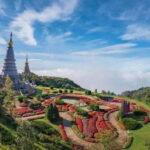
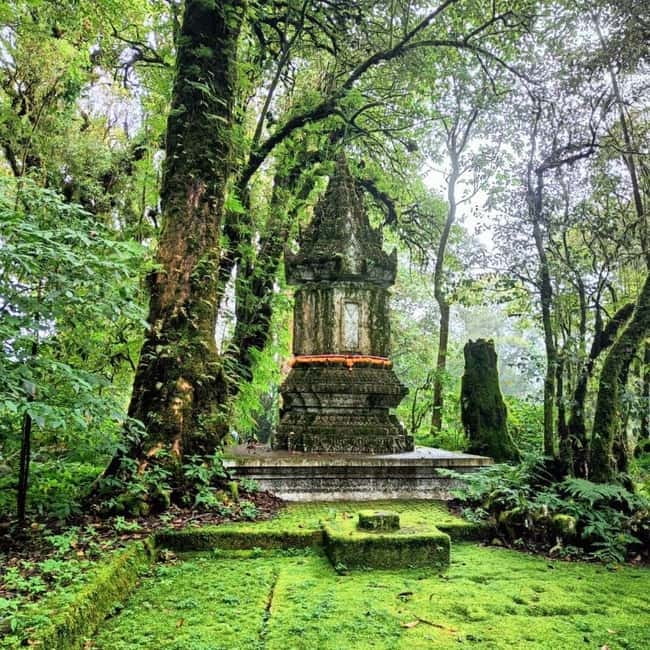
- King and Queen Pagodas: Views Plus Gardens
- Pha Dok Siew Nature Trail Trek With a Hilltribe Guide
- Lunch, Then a Day That Keeps Moving
- Rak Jung Waterfall Swim and the Forest-Farm Walk
- Ban Mae Klang Luang Rice Fields and the Karen Coffee Stop
- Hmong Market and Wachiratharn Waterfall Before Chiang Mai
- Pace, Group Size, and the 11-Hour Reality
- Value for $64: What You’re Paying For
- What to Bring (Because the Weather Isn’t Guesswork)
- Who Should Book This Doi Inthanon and Pha Dok Siew Tour
- Quick Practical Notes for Smooth Day-of Timing
- Should You Book This Tour?
- FAQ
- What time is pickup and what time do we get back?
- How long is the tour?
- Is lunch included?
- Will I be able to swim at Rak Jung Waterfall?
- Is pickup included from my hotel in Chiang Mai?
- Is this tour suitable for everyone?
Key highlights at a glance
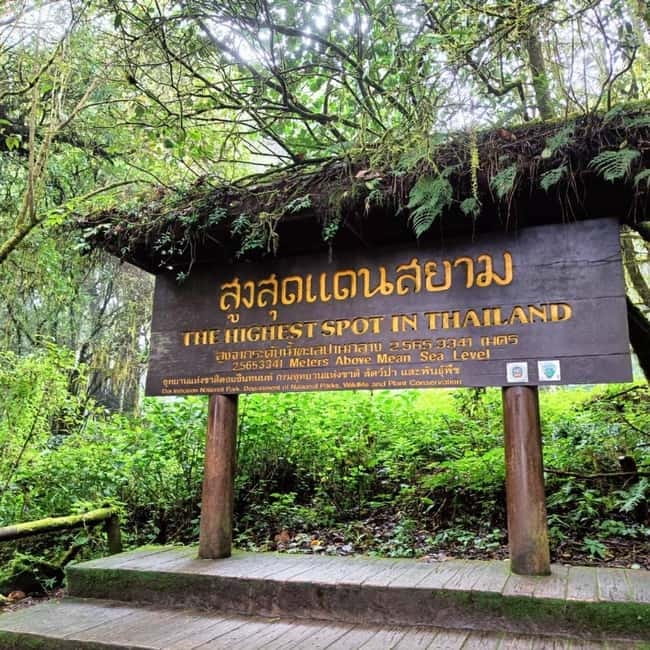
- Thailand’s highest peak area (2,565m) inside Doi Inthanon National Park
- King and Queen Pagodas with gardens and wide views
- Pha Dok Siew Nature Trail trek guided by a local hilltribe guide
- Rak Jung Waterfall swim option based on weather and water levels
- Ban Mae Klang Luang rice fields (seasonal)
- Karen hill tribe village coffee freshly ground from locally grown beans
Thailand’s Highest Point, Starting From Chiang Mai
This is a full-day push out of Chiang Mai that’s built around one big idea: going high, then moving through nature and hill-tribe areas with structure (and an English-speaking guide). You’ll get picked up between 7:00 and 7:30 am, then set off with an air-conditioned car. The drive to Doi Inthanon takes about 1 hour 45 minutes, which matters because it frames the day—this isn’t a slow morning stroll. It’s a “see a lot” format, with the trade-off that you’ll spend more time traveling and switching places.
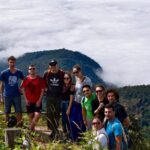
Once you arrive, expect cooler, damper air than you’re used to in Chiang Mai city. Doi Inthanon sits at high altitude and the conditions can be humid and chilly year-round. Even if the forecast looks fine, I’d still treat this as a “bring layers” day. That cold factor is why the park stops hit differently: you’re viewing mountain scenery and pagodas while your body feels the shift from the lowlands.
You can also read our reviews of more hiking tours in Chiang Mai
King and Queen Pagodas: Views Plus Gardens
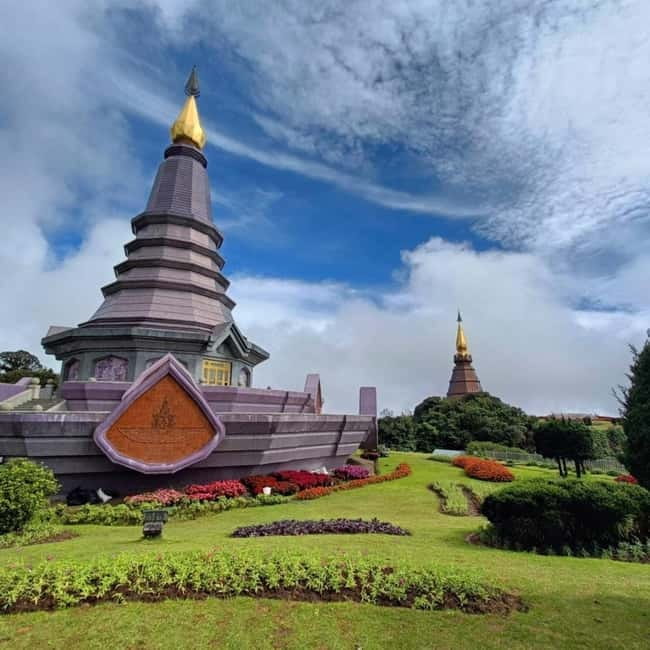
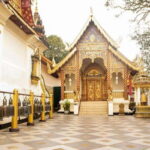
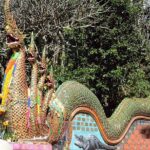
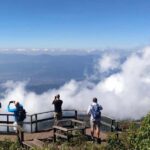
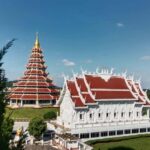
The King and Queen Pagodas are the type of stop that works on two levels. First, the views—high-ground lookouts where the sky and treetops can feel stretched out. Second, the gardens, which add a calmer pace after the car ride and before the walking part of the day ramps up.
In practice, this is a good spot to slow down and reset. You’ll often get enough time to look around, take photos, and just breathe for a few minutes. The pagodas also help you understand the area beyond the trek: you’re seeing why Doi Inthanon is treated as a place of reverence and not just a hiking destination.
One practical note: since this portion is early in the sequence, go easy on the warm layers removal. You may feel fine when you arrive, then feel cold again once the wind or mist kicks in.
Pha Dok Siew Nature Trail Trek With a Hilltribe Guide
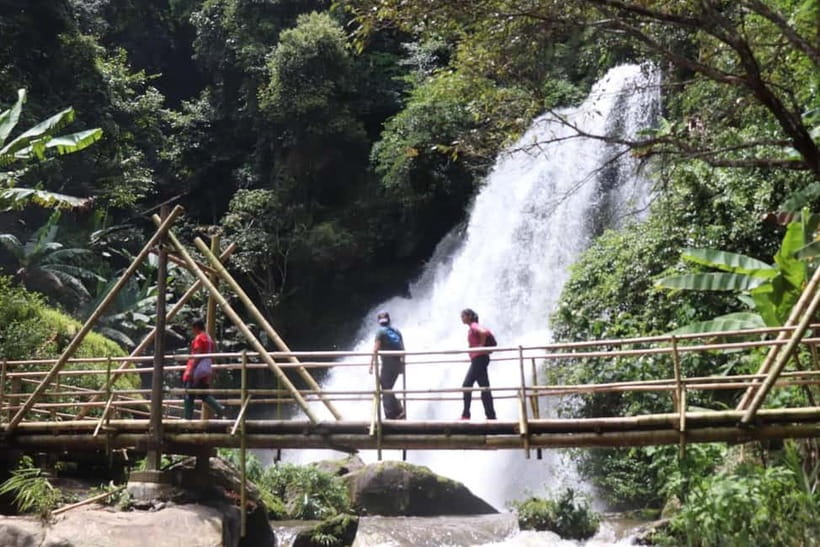
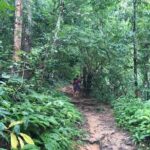
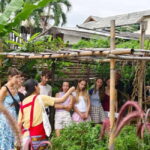
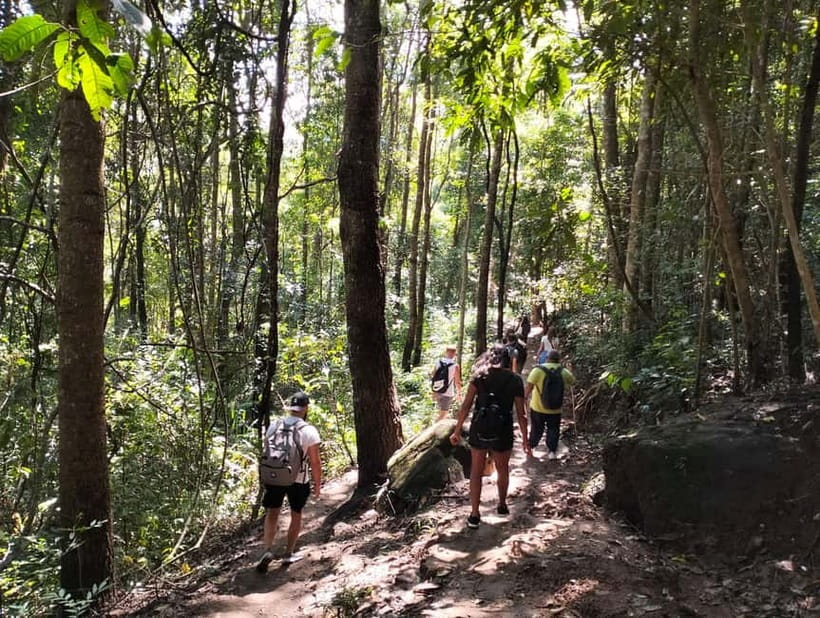
This is the heart of the itinerary for people who came for more than scenery. After lunch, you’ll head into the Pha Dok Siew Nature Trail for about 2 hours. The trail is guided by a local hilltribe guide, which tends to make the walk feel more grounded than a generic walk-with-a-map approach.
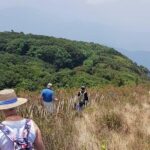
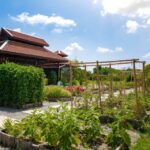
What I like here is that it’s not only about walking. The guide-led format gives you context on plants and trees as you move through forest and hillside areas. You’ll also pass small farms and forest sections, which helps you see how people live alongside the natural environment instead of treating the park like an untouched museum.
Be realistic about effort. This is a moderate trek, but it still means changing footing, uneven ground, and sustained walking for a couple of hours. If you’re comfortable in decent shoes and don’t mind breathing a little harder at altitude, you’ll likely enjoy it.
And if you’re the kind of traveler who wants long, uninterrupted hiking, the short-to-medium time window is worth thinking about. The route is designed to fit waterfall and market stops too, so don’t expect an all-day trail marathon.
Lunch, Then a Day That Keeps Moving
Lunch is included, which is a big deal on a day like this. It keeps you from hunting for food near the park roads while the group is on a schedule. I appreciate included lunch most when the day’s weather can swing—cold mornings and rainy moments can make “find lunch later” stressful.
After lunch, the itinerary transitions into the trek and surrounding viewpoints. That flow matters because it keeps the day from feeling like five disconnected trips. Instead, you move from pagodas to forest learning to waterfall and rice-field scenery, with a hill-tribe village stop and markets near the end.
Timing is also flexible, which helps if your group hits fog, light rain, or just wants a few extra minutes for photos. Still, plan your energy around a full-day rhythm. You’ll feel it by late afternoon.
Rak Jung Waterfall Swim and the Forest-Farm Walk
Rak Jung Waterfall is one of the stops you can treat as optional. You’ll visit the waterfall and you can swim in it depending on weather conditions and water levels. This is the kind of “yes, maybe” moment where you need to be flexible. If the water is low or conditions aren’t right, swimming might be skipped or limited.
When it works, the payoff is simple: you get a break from trekking and a refreshing moment that feels like you’re actually inside the natural environment, not just watching it from a viewpoint. Even without swimming, the waterfall stop adds variety and gives your legs a reset.
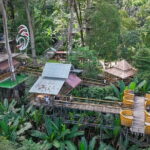
Right after this, the itinerary keeps you moving through forest and hillside farms. That combination—waterfall, then walking through mixed-use areas—helps explain the area’s day-to-day life. You’re not just in a park bubble. You’re seeing the border where nature and local agriculture meet.
Tip: bring insect repellent. Even if you don’t see many insects early, conditions can change as you move through damp areas.



Ban Mae Klang Luang Rice Fields and the Karen Coffee Stop
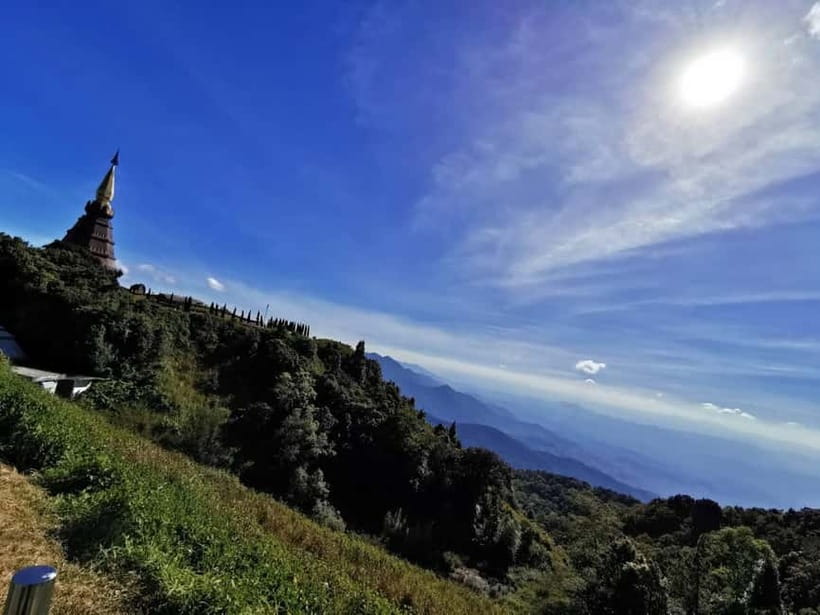
One of the most memorable parts of the day for me is Ban Mae Klang Luang, because rice fields look different across the year. You’ll see rice fields and layered mountain views, but the exact look depends on the season. That means you’re not just arriving to a guaranteed postcard view—you’re arriving to a real working landscape that changes.
This stop is a nice pause after trekking. It’s the kind of place where you can slow down, take photos, and feel like the day is opening up beyond forest trails.
Then you’ll finish the trek in a white Karen hill tribe village and get a cup of freshly ground, locally grown coffee. That coffee moment is small, but it’s meaningful in a practical way: it’s a tangible reward after walking, and it gives the day a human scale beyond waterfalls and pagodas. You’ll likely also feel the shift from nature learning to cultural contact in a way that doesn’t feel rushed.
Just be respectful of customs during the village visit. Quiet attention goes a long way, and it keeps the experience positive for everyone.
Hmong Market and Wachiratharn Waterfall Before Chiang Mai
On the way back, the tour adds a market stop and another waterfall viewpoint: the Hmong Market and Wachiratharn Waterfall. This is where the day becomes more “Chiang Mai region culture and browsing” than “pure park time.”
The market stop is useful if you want to pick up small items, snacks, or gifts without spending extra time hunting around town later. It also adds a sensory break from the cooler park air—colors, fabrics, and a different kind of energy.
Wachiratharn Waterfall wraps up the day with one more natural highlight. It also helps balance the itinerary. You’ve got Rak Jung earlier (swim option), and Wachiratharn later (more viewing-focused), so you’re not betting everything on one weather-dependent moment.
You’ll then head back to Chiang Mai and be dropped off at around 18:00.
Pace, Group Size, and the 11-Hour Reality
This tour runs about 11 hours, and that time includes driving, entry points, and walking. The group stays small—limited to 12 participants—which matters because it usually makes the flow smoother. With fewer people, the guide can manage the pace better and spend a little more time helping with questions.
Still, the day is packed. You’ll go from pagodas to trekking to optional swimming to rice fields and markets. If your travel style is “one or two major experiences per day,” this may feel full. If your style is “I want to see the important things and I’m okay with a schedule,” this fits well.
One more practical point from the way people talk about this tour: organization and information quality tend to be the strongest assets. Clear guiding and a driver who knows the route can make a huge difference when you’re spending most of the day outdoors and on the move.
Value for $64: What You’re Paying For
At about $64 per person for an 11-hour day, the value comes from the mix of included items:
- Air-conditioned transportation from Chiang Mai
- Entrance fee
- Lunch
- Drinking water
- English-speaking guide
- Pickup and drop-off (if you choose the city option)
- Accident insurance
This is not just a transfer to a park. You’re paying for access plus a guided structure that links Doi Inthanon’s top viewpoints with trekking and hill-tribe/community stops. The real “value math” is that you don’t have to coordinate separate transport, entry logistics, and guide interpretation. You show up, and the day is stitched together.
The main reason value might feel weaker for some people is expectation mismatch—if you want a much longer trek focused almost entirely on walking in nature, the schedule may feel like it steals time from the trail. But if you want the big highlights and a taste of trekking with local guidance, this price is fairly sensible.
What to Bring (Because the Weather Isn’t Guesswork)
Pack for cool high-altitude conditions and for active walking. The basics that are actually useful here:
- Comfortable shoes for trekking
- Warm clothing (even in cooler seasons, it can feel colder at the park)
- Swimwear if you want a shot at Rak Jung waterfall swimming
- Camera for pagodas, rice fields, and forest views
- Insect repellent for outdoor sections
If you’re bringing a light jacket, also bring something you can layer under it. Misty or humid air can make the temperature feel sharper.
Hydration also matters. Drinking water is included, but you’ll still sweat on the trek, so take it seriously.
Who Should Book This Doi Inthanon and Pha Dok Siew Tour
This tour is a strong fit if you:
- Want a guided day trip from Chiang Mai that covers the main park highlights
- Like a moderate trek with plant/tree learning and local context
- Prefer a small group and an English-speaking guide
- Are okay with a schedule and multiple stops in one long day
It may not be a good fit if you:
- Are pregnant or have back problems, since the itinerary includes trekking and moderate walking
- Want an ultra-long nature hike with minimal driving and fewer checkpoints
Quick Practical Notes for Smooth Day-of Timing
Pickup is between 7:00 and 7:30 am, and you’re generally expected to wait in the hotel lobby. If you’re not within the pickup radius (within 4 kilometers of Chiang Mai old city), you’ll use a meeting point instead, recognized by the Chiang Mai Siam Travel sign with the guide calling your name.
Also, give your contact info (WhatsApp or Thai telephone number) if asked. That’s how the team keeps communication tight when schedules shift due to road or weather.
Should You Book This Tour?
Book it if you want one organized day that hits the big Doi Inthanon highlights: the highest point area, the pagodas and gardens, a guided Pha Dok Siew nature walk, plus optional waterfall time and a couple of cultural stops like the Hmong Market and village coffee.
Skip or reconsider if your ideal day is long, focused hiking with lots of time purely in the forest. In that case, the 11-hour structure may feel too checkpoint-heavy. You’ll likely be happier with a route designed specifically for longer trail time.
If you’re flexible, pack smart for cool weather, and come with a get-up-and-go mindset, this is a solid way to experience the Chiang Mai highlands without doing the logistics yourself.
FAQ
What time is pickup and what time do we get back?
Pickup is between 7:00 and 7:30 am, and you’ll be dropped off at your hotel area at around 18:00.
How long is the tour?
The total duration is about 11 hours.
Is lunch included?
Yes. Lunch is included in the tour.
Will I be able to swim at Rak Jung Waterfall?
Swimming at Rak Jung Waterfall depends on weather conditions and water levels, so it’s not guaranteed.
Is pickup included from my hotel in Chiang Mai?
Pickup is included if your accommodation is within 4 kilometers of the downtown old city. If you’re farther out, you’ll need to choose the meeting point pickup option.
Is this tour suitable for everyone?
It is not suitable for pregnant women or people with back problems, since the day includes moderate trekking and walking.