REVIEW · CHIANG MAI
Chiang Mai-Chiang Rai: White Temple-Black Museum-Blue Temple
Book on Viator →Operated by Thailandlocaltour.com · Bookable on Viator
That mirrored white temple can’t be faked. This Chiang Rai day trip mixes major temple icons with an artsy stop at the Black Museum and a Karen village visit, all in one long but memorable run from Chiang Mai. I like the small-group setup (up to 12) and the fact that you get lunch plus entry tickets without having to juggle prices all day.
The best part is how different each stop feels, back to back. One thing to plan for: the day is long and the road time is heavy, with some people finding the ride a bit tight despite the air-conditioning.
In This Review
- Key highlights worth your attention
- Why this Chiang Rai trip feels different from the usual temple run
- Price and what you’re really paying for (at about $57.86)
- Getting started: 7:00 am, a Chiang Mai meeting point, and a long day ahead
- Stop 1: Wat Rong Khun (the White Temple) and its mirrored, unreal look
- Stop 2: Baan Dam (Black Museum) and Thawan Duchanee’s oddball creativity
- Stop 3: Wat Rong Seua Ten (Blue Temple) and the unfinished feel
- Stop 4: Mae Khachan Hot Spring as a break from temple walking
- Stop 5: Chiang Rai time and how to use it smart
- Stop 6: The Longneck Karen village visit (and the fee depends on your package)
- Guide quality and group size: what to expect with a max of 12
- Lunch, dietary needs, and the small comforts that matter
- Transportation reality: air-conditioning helps, but the day is still long
- Who this tour suits best (and who should consider alternatives)
- Should you book this Chiang Mai to Chiang Rai White-Black-Blue tour?
- FAQ
- How long is the Chiang Mai to Chiang Rai tour?
- What time does the tour start, and where does it meet?
- Is pickup offered?
- What’s included in the price besides transport?
- Are all temple entry fees included?
- Is the Longneck Karen village admission included?
- What language will the guide speak?
- Does the White Temple have any extra child ticket cost?
- What should I know about Chiang Rai driving time?
- What happens if weather is bad?
Key highlights worth your attention
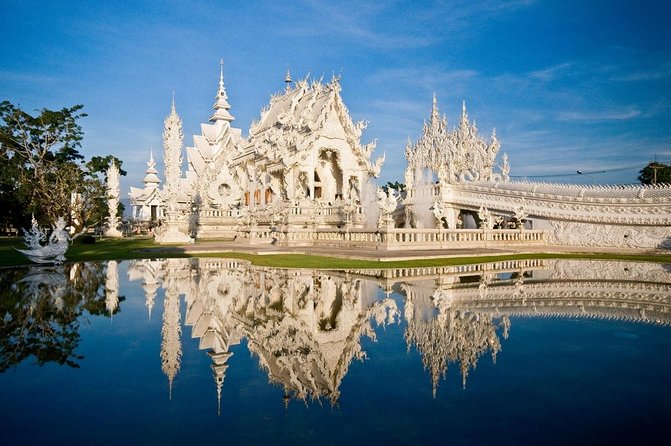
- White Temple at Wat Rong Khun: full-on mirrored glass sparkle in a bright, sculptural style
- Black Museum (Baan Dam): strange, creative architecture tied to artist Thawan Duchanee
- Blue Temple at Wat Rong Seua Ten: a newer temple look that’s still under construction
- Long-neck Karen village: an up-close cultural stop (and the entry fee depends on your package)
- Long drive reality: Chiang Rai is about 189 km away, so expect big travel time
Why this Chiang Rai trip feels different from the usual temple run
Most Chiang Rai tours feel like a checklist: temple, temple, maybe lunch, done. This one keeps moving through three very different temple worlds, then adds two non-temple breaks: the Karen long-neck village and a hot-spring stop in Wiang Pa Pao. That mix matters because it stops the day from turning into one long blur of gold roofs.
I also like that the pacing isn’t just “look and leave.” With an English-speaking guide (or Mandarin if requested), you get explanations as you go, and that helps the sights land better. It’s especially noticeable at the White Temple and Black Museum, where the design is so specific that context makes it easier to appreciate.
You can also read our reviews of more museum experiences in Chiang Mai


Price and what you’re really paying for (at about $57.86)
At $57.86 per person, the value hinges on what’s included. You’re paying for air-conditioned minibus transport, an English (or Mandarin) guide, lunch, and the listed admission fees for the stops. There’s also accident insurance included, which is a small comfort on a long road day.
The only “watch-out” cost item is the Karen village entry fee. It’s included only if you chose the package option that includes it; otherwise it’s THB 300 per person. Also, if you’re bringing kids to the White Temple, there’s an extra ticket note for children over 120 cm (THB 200 each).
Getting started: 7:00 am, a Chiang Mai meeting point, and a long day ahead
The tour starts at 7:00 am back at the meeting area near McDonald’s on Kotchasarn Rd in Chiang Mai. The day runs about 11 hours, and you’ll feel that time most on the drive out and back, since Chiang Mai to Chiang Rai is around 189 km one way.
Even with an air-conditioned van, this is a “settle in and ride” kind of tour. Some past travelers flagged that seating can feel cramped on the long stretch, so choose a spot early and bring a layer if you’re sensitive to strong AC. If you’re prone to motion discomfort, it’s the kind of day where you’ll want to plan for it.
Stop 1: Wat Rong Khun (the White Temple) and its mirrored, unreal look
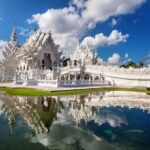
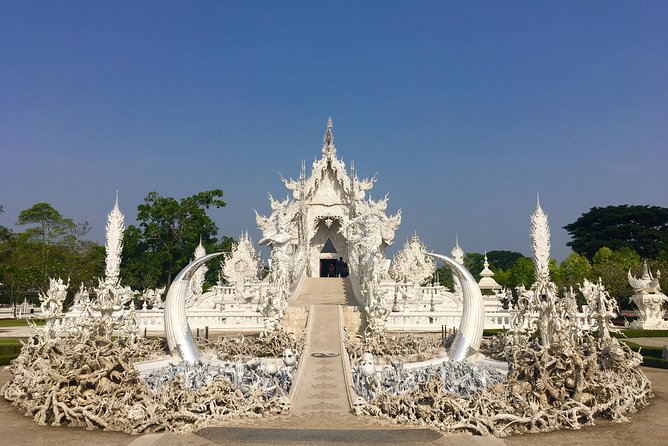
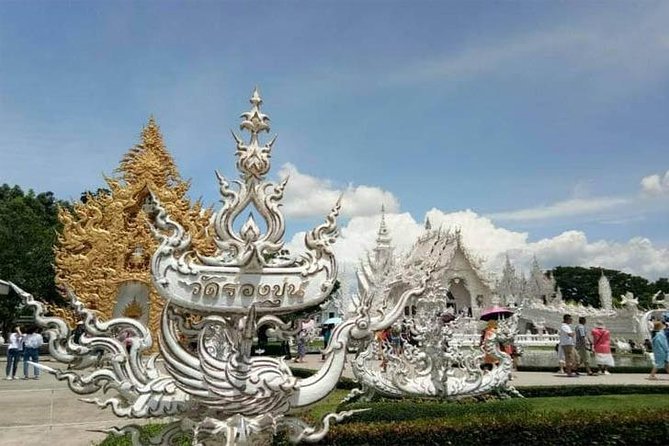
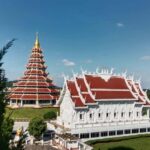
Wat Rong Khun is the headline stop, and for good reason. It’s constructed in bright white and packed with mirrored glass mosaic reflections embedded in the plaster, so the whole temple reads almost like it’s lit from within. That effect doesn’t translate the same way from a distance, so getting there at the right time on the day helps.
You’ll typically have around 50 minutes here, with admission included. That’s enough time to walk the key areas, take photos, and still keep the day from stalling. The main drawback is crowding risk: if you hate waiting, keep your photo plan simple and move at a steady pace instead of stopping every 20 steps.
Stop 2: Baan Dam (Black Museum) and Thawan Duchanee’s oddball creativity
Next is Baan Dam, often called the Black Museum. This place is a strong contrast to the White Temple because it’s heavy on architecture-as-art and personal style. The Baan Dam complex is tied to national artist Thawan Duchanee, and the site feels like it’s part art studio, part creative environment.
You’ll have about 40 minutes and the entry is included. My advice: treat this stop like you’re studying a visual argument. Don’t try to “read” everything in one pass. Let one building or room catch your attention first, then work through what you can, because the design details can pile up fast.
If you’re the type who likes strange craftsmanship and non-standard museum vibes, this is the stop that can turn the day from “pretty temples” into “okay, that was actually interesting.”


Stop 3: Wat Rong Seua Ten (Blue Temple) and the unfinished feel

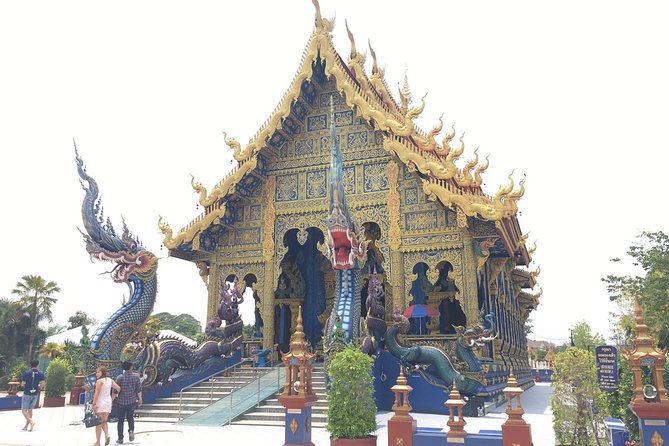
The Blue Temple, Wat Rong Seua Ten, sits in the Rong Suea Ten area near Chiang Rai. It has a newer temple vibe, and the key note is that it’s still under construction, even if the main areas are already open.
You’ll usually get about 30 minutes here with admission included. That shorter window makes sense because the temple is still in progress; the experience is more about getting the overall look and seeing the design in motion rather than touring a finished landmark.
One practical consideration: because it’s a newer site, the flow can feel more improvised. Wear shoes that work well outdoors and bring a calm attitude. You’ll get more out of it if you focus on form and color first, not on comparing it to older Thai temple styles.
Stop 4: Mae Khachan Hot Spring as a break from temple walking

After temples, the schedule includes Mae Khachan Hot Spring in Wiang Pa Pao. It’s a thermal-water experience at locations in that district, and the stop is also a mental reset after multiple carved and painted religious sites.
Expect around 30 minutes here, with admission included. Don’t plan for a spa day. This is more of a quick soak-and-reset stop than a long linger, so go in wanting a break rather than a full thermal excursion.
Stop 5: Chiang Rai time and how to use it smart
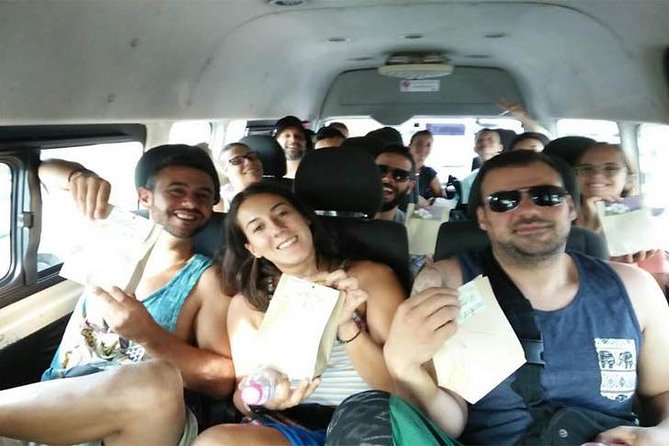
The itinerary leaves time in Chiang Rai itself, roughly 6 hours total driving accounted for by the day structure, plus that in-town time window where you can recharge. Admission isn’t the focus for this piece, so it’s about using the moment well.
Here’s how I’d use it: grab water if you’ve been in the sun, take care of any snacks, and step out for one simple walk rather than chasing every photo angle. The day is already long, and you’ll enjoy the final stops more if you don’t spend all your Chiang Rai time burning energy.
If you’re hungry or want something different, remember lunch is included earlier. Still, plan for a second round of small food buys depending on what’s available.
Stop 6: The Longneck Karen village visit (and the fee depends on your package)
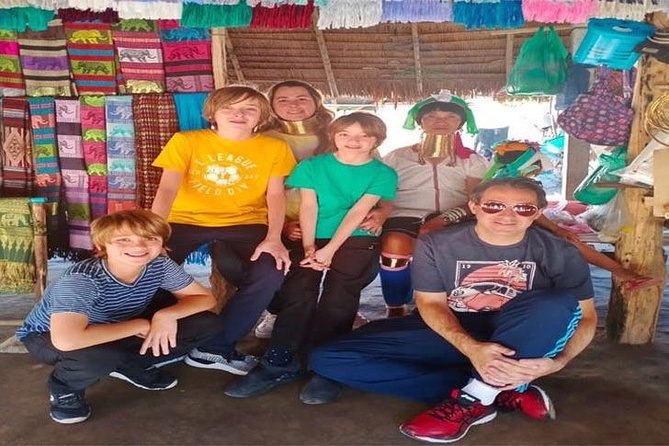
The Karen long-neck village stop is listed as included only for package option B. If you didn’t choose that option, the Karen village admission fee is THB 300 per person.
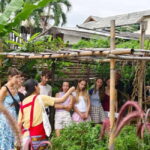
This is the kind of cultural stop where how you feel matters. Some people find it fascinating; others feel emotional discomfort because the long-neck tradition is presented as an attraction. If you’re someone who needs to feel ethical comfort with cultural presentation, think about it before you commit, and decide based on your own boundaries rather than trying to power through.
Time here is about 30 minutes with the admission noted. My practical advice: keep your questions respectful, follow the guide’s lead on how to behave, and treat the visit as a short meeting—not a full documentary. You’ll get more out of it when you focus on people and daily life rather than turning everything into a photo mission.
Guide quality and group size: what to expect with a max of 12
This tour caps at 12 travelers, which is a big deal on a day like this. A smaller group means it’s easier for a guide to keep track of pacing, answer questions, and help everyone stay together between stops. When the guide clicks, you also get better context fast, and that changes how the temples register in your mind.
In the past, one named tour leader, MM, stood out for explaining information before arriving at each spot, which helps you look with context instead of just sightseeking. At the same time, English fluency can vary; if you rely on clear English explanations, you’ll want to ask how strong communication is when you book.
Also note: the guide and driver coordination affects comfort. Some experiences include criticism about driving style and van crowding. You can’t control that from your side, but you can make it easier on yourself by bringing a seatbelt-ready, comfort-first mindset and planning for a long road day.
Lunch, dietary needs, and the small comforts that matter
Lunch is included, and the tone of the food experience is usually practical rather than fancy. If you eat vegetarian, tell your guide in advance. One account mentioned being offered an omelette and then cooking a repeat portion after they requested it, which suggests the team can adjust when you speak up early.
That matters because on a packed day, you don’t want to be stuck guessing what you can eat while everyone else moves on. Treat the lunch as a scheduled fuel stop, and then keep your own small snack backup if you know you get hungry quickly.
Transportation reality: air-conditioning helps, but the day is still long
The ride is in an air-conditioned minibus (van), which is a real plus for Thailand heat. Still, the day is structured around distance: Chiang Rai is far enough that you’ll spend a lot of hours on the road. If you’re sensitive to tight seating or long sitting, bring a small comfort kit.
Also, consider your expectations about driving. Some past experiences reported reckless driving, including fast passing on blind curves and generally unsafe behavior. That doesn’t mean every run is the same, but it’s a signal: if safety is your top priority, you should be ready to address concerns right away with the staff during the trip.
If you’re the type who gets stressed on winding roads, choose calm pacing and stay seated properly. Ask for water and pause breaks if needed. It’s okay to prioritize your comfort.
Who this tour suits best (and who should consider alternatives)
This is a strong fit if you want a single-day sampler of Chiang Rai’s most famous temple styles plus one culture stop. It’s also good for first-timers who don’t want to manage transport between sites and still want a guide explanation.
It may not be the best match if:
- You hate long drives and prefer slower, in-town exploration.
- You’re very sensitive to cramped seating.
- You have strong feelings about cultural attractions that can feel ethically complicated.
Should you book this Chiang Mai to Chiang Rai White-Black-Blue tour?
If you want a compact way to see the White Temple, Black Museum, and Blue Temple in one go, this tour makes sense. The price feels fair when you factor in transport, lunch, and multiple admissions, and the small group size gives you a better chance of a smoother day.
I’d book it if you’re okay with a long drive and you enjoy guided context that helps you see what you’re looking at. I’d think twice if you’re safety-sensitive or emotionally uncomfortable with the Karen long-neck village format.
If you do book, show up rested, bring layers for the AC, and plan your photos quickly so you don’t lose time. And if you want great English explanations, aim to confirm that in advance so the day stays enjoyable from the first temple gate.
FAQ
How long is the Chiang Mai to Chiang Rai tour?
The total duration is about 11 hours.
What time does the tour start, and where does it meet?
It starts at 7:00 am, meeting near McDonald’s at 17/1 Kotchasarn Rd in Chiang Mai.
Is pickup offered?
Pickup is offered as part of the tour.
What’s included in the price besides transport?
Lunch, accident insurance, and admission/entrance fees for the listed stops (based on your selected package option) are included.
Are all temple entry fees included?
Yes for the stops listed in the program, with a couple of exceptions noted for package and child ticket rules.
Is the Longneck Karen village admission included?
It’s included only if you selected package option B. If not, the Karen village admission fee is THB 300 per person.
What language will the guide speak?
The guide is English-speaking, or Mandarin if requested.
Does the White Temple have any extra child ticket cost?
Yes. White Temple child tickets have an additional THB 200 per person for children over 120 cm.
What should I know about Chiang Rai driving time?
Driving to and from Chiang Rai is about 6–7 hours total, based on the tour schedule and distance.
What happens if weather is bad?
The tour requires good weather. If it’s canceled due to poor weather, you’ll be offered a different date or a full refund.