REVIEW · PHUKET
Patong: Elephant Sanctuary Walk Tour with Hotel Transfer
Book on GetYourGuide →Operated by Phuket Hill Tribe Elephant Village · Bookable on GetYourGuide
Elephants, not a show, guide your walk. You learn the stories of rescued elephants and follow them into their natural jungle home, where the focus stays on their routines, not your photos. One note: this is an outdoors, hands-on experience, and it may be too much if you have a sensitive back or you hate walking in heat.
I especially like the food-prep portion, because you help cut banana trees and collect fresh grass for the herd. That simple task turns animal watching into actual support for daily care, and it makes the whole visit feel more grounded. Expect to be outdoors, under the sun, and following strict behavior rules.
If you select the hotel transfer, getting there feels less stressful once you’ve booked. The sanctuary also keeps things calm: no flash photography, no loud noises, and no unsupervised touching.
In This Review
- Key Points You’ll Care About
- Patong Elephant Sanctuary Walk: What Makes It Feel Different
- Why this matters for your trip
- Meeting the Care Team and the Elephants Up Close
- What you should pay attention to right at the start
- The Jungle Walk: Learning Elephant Behavior in Real Time
- How the guides help you “see” elephants
- Food Prep With Banana Trees and Fresh Grass
- What to expect during the hands-on part
- Why this feeding activity adds value
- Price and Value: Is $43 a Fair Deal?
- Hotel transfer option: when it’s worth it
- What you don’t get
- What to Bring (So the Tour Stays Comfortable)
- Tiny practical tip that pays off
- Rules You Must Follow (And Why They Matter)
- If you’re hoping for touching or feeding
- Who This Tour Is Best For
- It may not be the best fit if…
- Best match types of travelers
- Should You Book? My Decision Guide
- FAQ
- How long is the elephant sanctuary walk tour?
- What’s included in the tour price?
- Is hotel transfer included?
- Are meals provided?
- What should I bring for the tour?
- What is not allowed during the experience?
- Is this tour suitable for pregnant women?
- Is it okay if I have back problems?
- Is pay later available?
- What about cancellation?
Key Points You’ll Care About

- Personal elephant time before the group walk so you understand who you’re watching
- Mahout-caretaker connections explained through daily care and elephant communication
- Forest walk where elephants forage naturally instead of performing on cue
- Hands-on feeding prep with banana-tree cutting and fresh grass collection
- Clear conduct rules like no flash and no loud behavior to protect the animals
Patong Elephant Sanctuary Walk: What Makes It Feel Different

This is a 1-hour walk designed around respectful elephant care. The idea is straightforward: you don’t just look at elephants. You learn what they’re doing, why they do it, and what daily support looks like.
Instead of a fast highlight circuit, the time is structured for education first and then observation. You start with an intro to the elephants and the hill tribe caretakers, then you move into the forest as they roam and forage. It’s calm, low-pressure, and built around understanding elephant behavior rather than collecting crowd-pleasing moments.
You can also read our reviews of more walking tours in Phuket



Why this matters for your trip
If you’ve done animal tours before, you’ll recognize the trap: too many stops, too many forced interactions, too much “look at this!” energy. Here, the tone stays quiet and practical, and you spend your attention on real animal communication—ears, trunk gestures, spacing, and foraging habits. That shift is what makes the experience worth the $43 price tag.
Meeting the Care Team and the Elephants Up Close
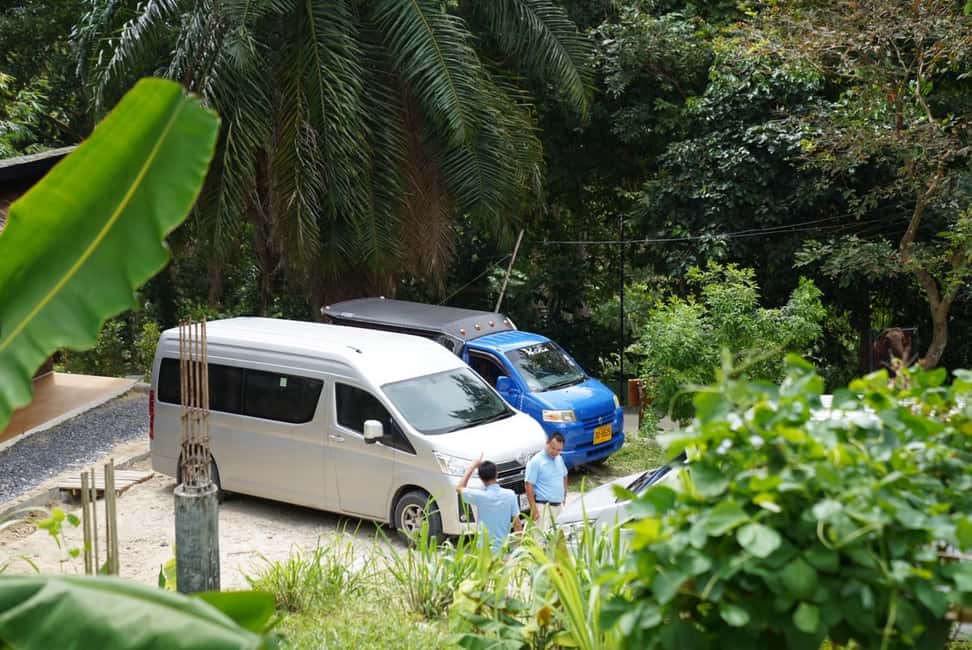
Your visit begins with an introduction to the elephants and their hill tribe caretakers. You’ll learn how the sanctuary cares for elephants retired from tourism, and you’ll also hear about the deep bond between each mahout and their elephant.
I like that the education isn’t generic. You’re told what to watch for—especially body language and communication—so the walk becomes a guided “read the room” lesson for elephant behavior.
What you should pay attention to right at the start
Before you enter the forest, take a moment to get oriented. Watch how elephants respond to presence and sounds, and notice how the caretakers position themselves. If you’re allowed to interact at all, it should be guide-led and gentle, not random or grabby.
If you end up in a very small group (some past experiences have been just two people), you’ll likely get more time for questions and slower pacing. Either way, English-speaking guides explain the care routines in a way that’s meant to be useful, not just impressive.
The Jungle Walk: Learning Elephant Behavior in Real Time
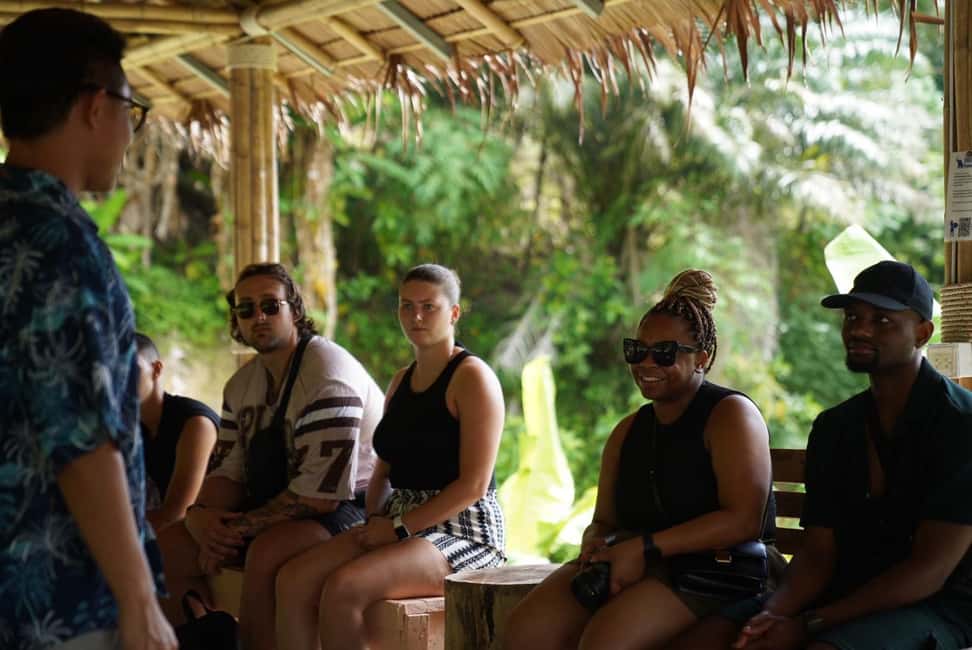
Once you step into the forest, the experience shifts from classroom to observation. You walk alongside the elephants as they roam and forage, and the guides point out behavior patterns you can actually recognize once you know what to look for.
This part is “hands-on” in a different way. You’re not performing. You’re observing closely enough to understand what’s normal for elephants in their environment.
A few more Phuket tours and experiences worth a look






How the guides help you “see” elephants
The guides share insights into elephant body language and daily care routines while you’re walking. That means you can start connecting what you see—like movement changes, pauses, or how they interact with plants—to the education you got earlier.
You’ll also be operating inside the elephants’ space. That’s why rules matter here: loud noises can add stress, and flash photography can disrupt calm behavior. Think of this as a respectful field lesson rather than a theme-park encounter.
Food Prep With Banana Trees and Fresh Grass
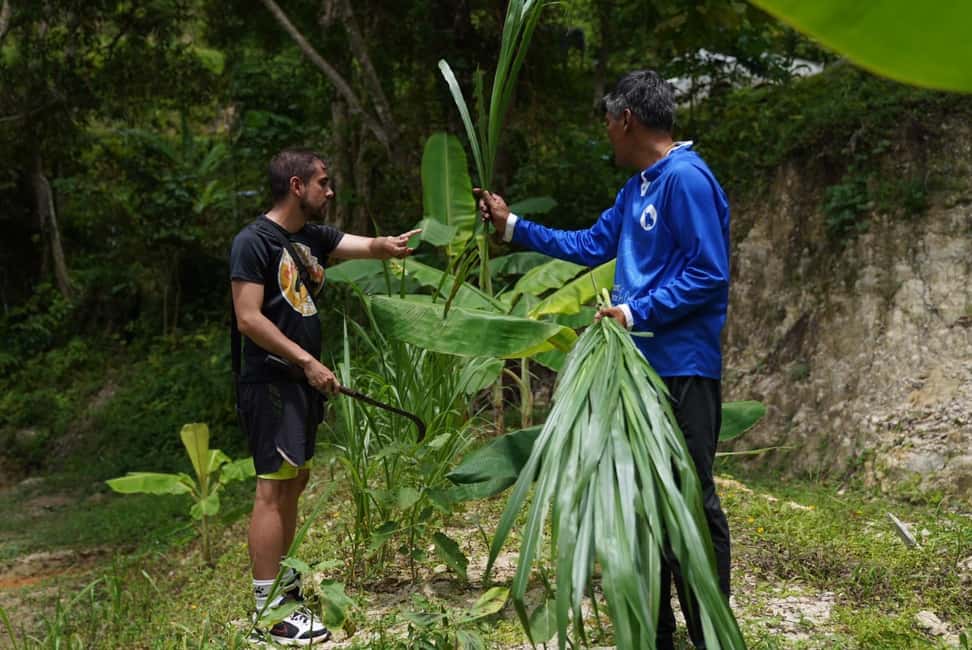
The final activity is where the tour becomes truly participatory. You help prepare the elephants’ food by cutting banana trees and collecting fresh grass from the sanctuary’s garden or farm area.
I like this section because it turns “support” into a tangible action. When you cut and gather food, you’re contributing to daily well-being in a way that’s easy to understand.
What to expect during the hands-on part
This isn’t described as a dramatic workout, but it does involve physical tasks outdoors. You’ll be in the sun, likely moving around uneven ground, and working at least briefly with your hands. Bring the right mindset: slow, careful movements beat rushing.
Why this feeding activity adds value
Elephants forage and interact with plants as part of normal behavior. Feeding support done through natural food preparation helps maintain routines the animals rely on. It also gives you a deeper appreciation for why caretaking is more than “giving food”—it’s daily planning, gathering, and responsible management.
Price and Value: Is $43 a Fair Deal?
At $43 per person, the tour is positioned as a short, guided sanctuary experience with several meaningful inclusions. You’re paying for the education session, the guided forest walk, the banana-tree and grass harvesting activity, and insurance.
On top of that, water is included. You’re asked to bring a reused bottle, which is a small request but also a smart habit for reducing single-use plastic.
Hotel transfer option: when it’s worth it
If you choose the hotel transfer option, it can be a big value add. In Phuket/Patong areas, time and friction can quietly eat the day—so having transport arranged can make the experience feel smoother and less stressful. If you’re comfortable navigating on your own, you might not need it, but for many people it’s the difference between “planned” and “aggravating.”
What you don’t get
Meals aren’t included. Plan a meal before or after, and keep a little buffer in your schedule. Since this is a short outing, you won’t want to be trying to solve dinner logistics right after.
What to Bring (So the Tour Stays Comfortable)
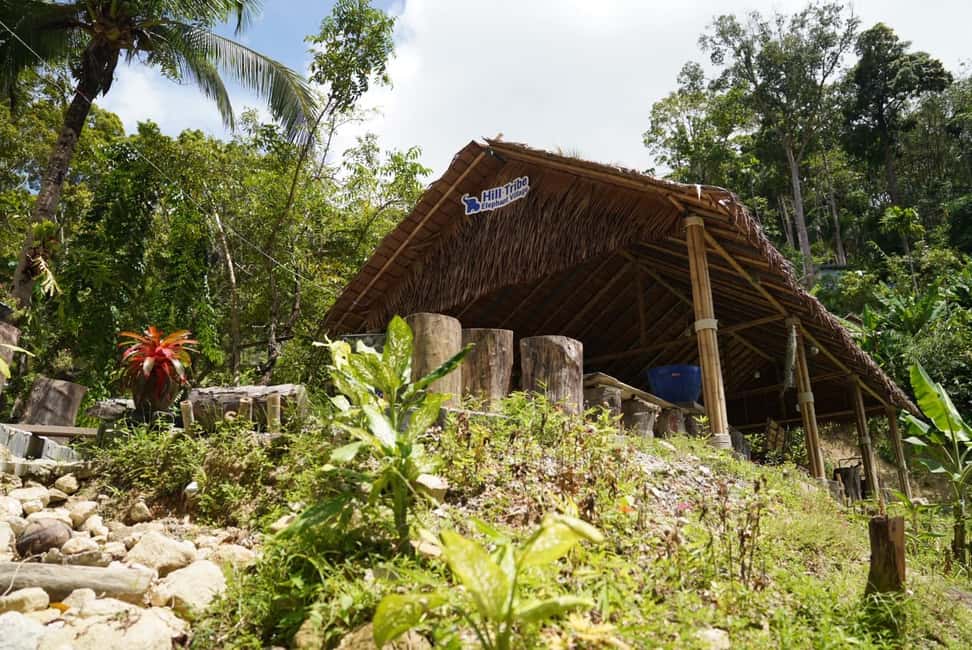
This tour is outdoors, sun-forward, and insect-prone, so pack like you’re going for a jungle walk—not a city stroll. You’ll want:
- Hat
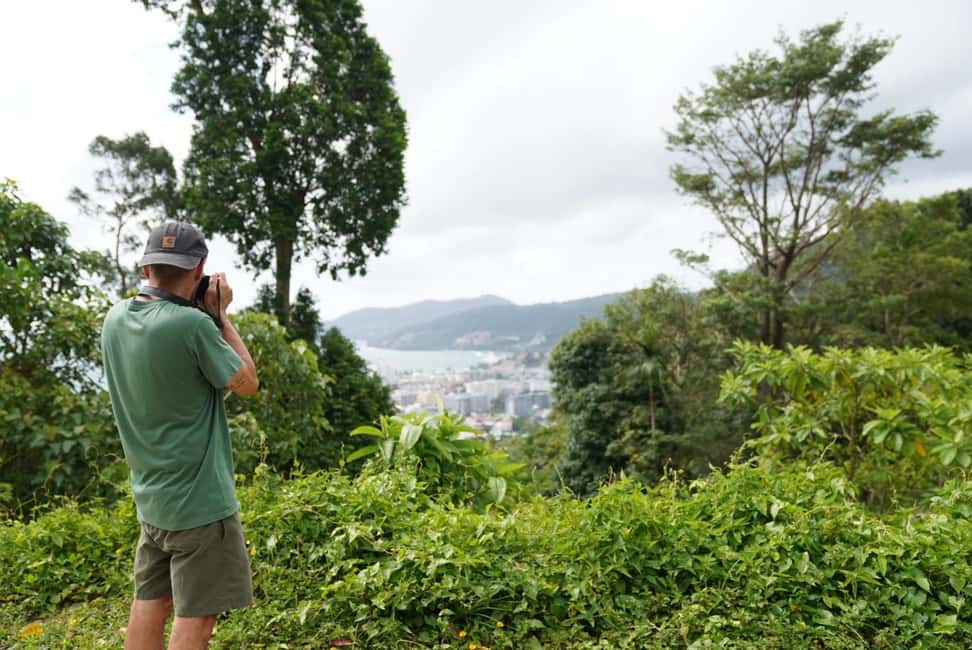
- Camera
- Sunscreen
- Insect repellent
You’ll also need your own reused water bottle because drinking water is provided, but the bottle is on you. That one detail matters more than people think, especially if you’re sensitive to heat.
Tiny practical tip that pays off
Wear clothing you can move in. Even if the walk is described as peaceful, you’ll likely be on your feet for an hour while also doing a hands-on food activity. If you’re dressed for convenience only, you might feel it by the end.
Rules You Must Follow (And Why They Matter)
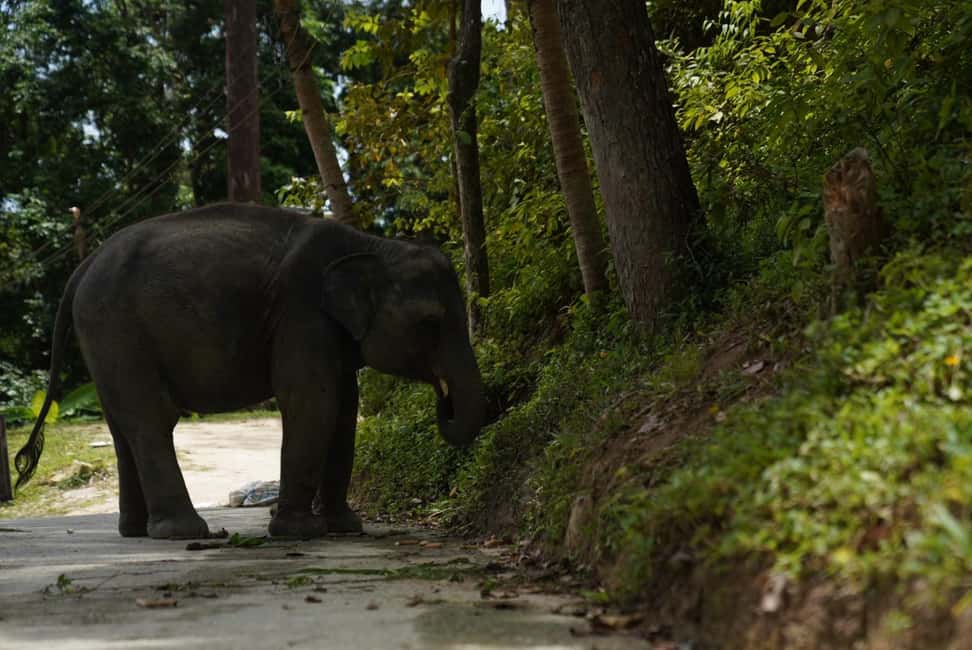
The sanctuary keeps clear boundaries. Flash photography is not allowed, and loud noises aren’t. Direct bathing or touching of the elephants is also not permitted.
That sounds strict because it is. The rules exist to prevent stress, reduce risky behavior, and keep interactions controlled. Your job is to follow the guide directions and treat the elephants as animals first, attractions second.
If you’re hoping for touching or feeding
The tour data is firm about not doing direct bathing or unsupervised touching. However, your guides may guide contact or feeding as part of their care routine. The safe way to think about it is this: you participate when the guides say yes, and you back off immediately when they guide you away.
Who This Tour Is Best For
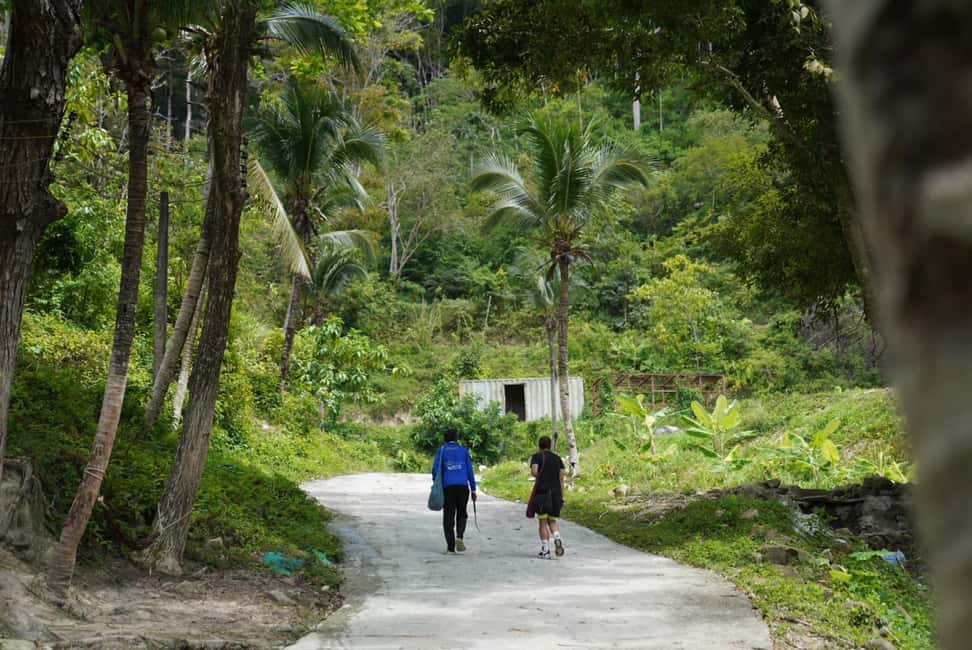
This is a good fit if you want a respectful, educational elephant experience with a strong focus on animal welfare. You’ll get the most out of it if you like learning and watching behavior closely, and if you’re okay with a calm pace in natural surroundings.
It may not be the best fit if…
- You’re pregnant.
- You have back problems.
- You have animal allergies.
Because the tour involves walking and physical tasks outdoors, comfort and health matter. If any of those apply, it’s worth skipping this and choosing a different type of sanctuary visit.
Best match types of travelers
This works especially well for people who:
- want an ethical elephant experience that emphasizes care and retirement from tourism
- appreciate quiet observation over loud entertainment
- enjoy hands-on activities like harvesting food prep rather than only viewing animals
Should You Book? My Decision Guide

Book this tour if your priority is learning real elephant care while doing something simple and useful—cutting banana trees, collecting grass, and watching elephants roam in a guided setting. The $43 price feels fair when you factor in the education session, the walk, the feeding-prep activity, water, and insurance.
Skip it if you’re looking for a swimming-style interaction or a high-adrenaline day. The rules are strict, the experience stays calm, and the focus is welfare and routine, not pushing boundaries for photos.
If you’re healthy enough for a walking-and-harvesting outing and you can keep the environment quiet and respectful, this is the kind of tour you’ll remember for the right reasons.
FAQ
How long is the elephant sanctuary walk tour?
The experience is a hands-on 1-hour forest walk and education session with food preparation activity.
What’s included in the tour price?
Included are a guided forest walk with elephants, an elephant education session, banana tree and grass harvesting activity, drinking water (you bring a reused bottle), insurance, and hotel transfer only if you select that option.
Is hotel transfer included?
Hotel transfer is included only if your option is selected during booking.
Are meals provided?
No. Meals are not included.
What should I bring for the tour?
Bring a hat, camera, sunscreen, and insect repellent. Also bring your own reused water bottle.
What is not allowed during the experience?
Flash photography is not allowed. You must also follow rules against loud noises and against direct bathing or touching of the elephants.
Is this tour suitable for pregnant women?
No. It is not suitable for pregnant women.
Is it okay if I have back problems?
No. The tour is not suitable for people with back problems.
Is pay later available?
Yes. The listing offers a reserve & pay later option, so you can book your spot and pay nothing today.
What about cancellation?
You can cancel up to 24 hours in advance for a full refund.
If you want, tell me your hotel area in Patong and your comfort level with heat and walking, and I’ll help you decide what time of day makes the most sense for this outing.